
Category: Urban futures
On the eve of the fifth year of full-scale war, four Ukrainian cities have taken on what seems like an impossible task: to determine their economic future in conditions where no one knows when or how the conflict will end. Zhytomyr, Bucha, Slavutych and Khmelnytskyi have joined the Mission-Oriented Economy programme, part of the Mayors for Economic Growth (M4EG), funded by the European Union and implemented by UNDP.
Mission is more important than comfort
The programme brings together diverse city stakeholders – government, business, and civil society – and equips them with a methodology for planning the future. At its core is a deeper ambition: helping cities see themselves as holistic systems and develop a distinctive identity, rather than defaulting to generic notions of livability.
A strategy built around being “a convenient city to live in” risks becoming interchangeable – there will always be a more convenient city elsewhere. What communities need instead is a reason for people to stay: something that makes a place meaningful, specific, and irreplaceable.
From chaos to system
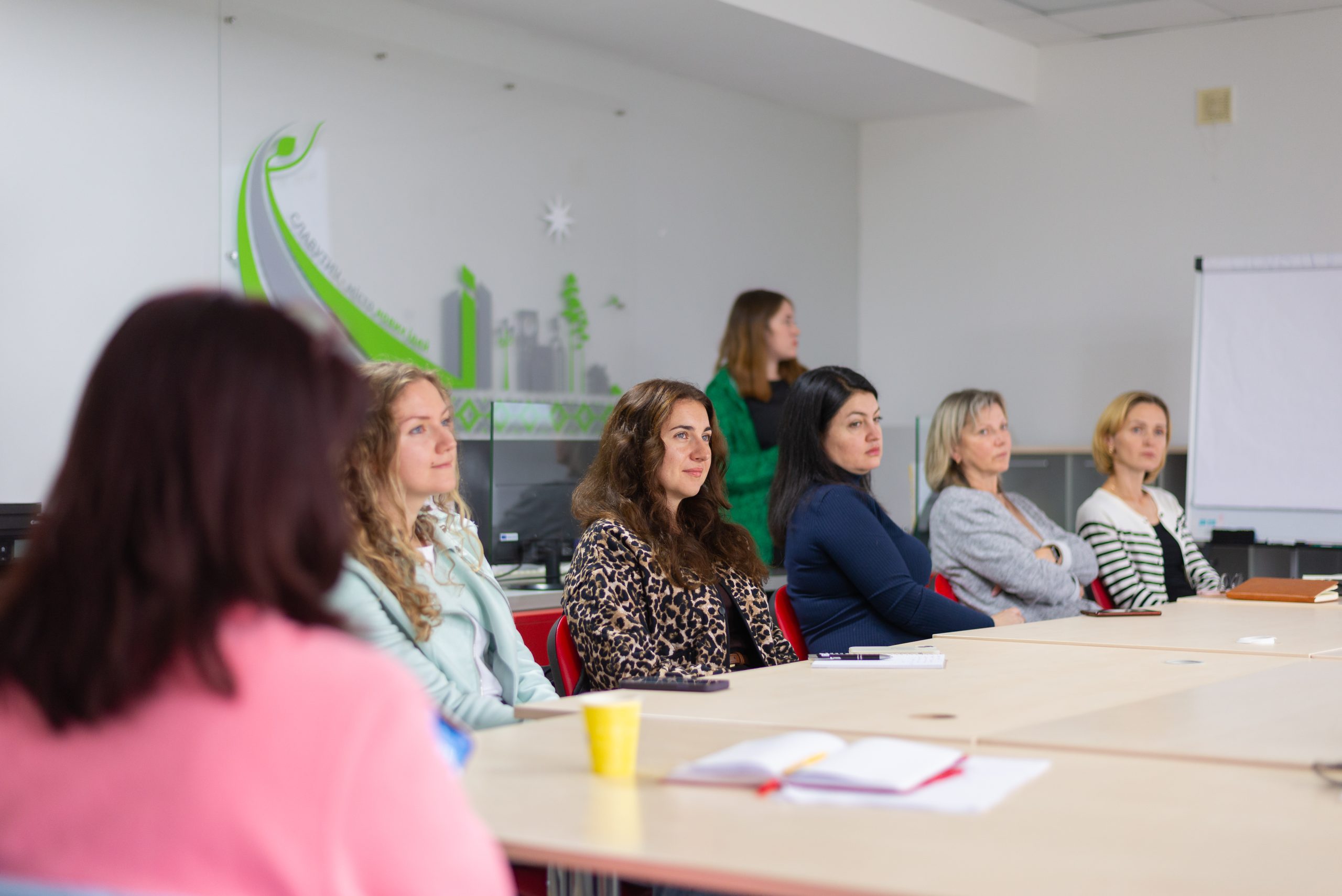
Work with the four cities began in the autumn of 2025 with in-depth research into demographics, economy, and development potential. This was followed by community listening, which engaged stakeholders to identify concerns and barriers; sensemaking, which mapped existing initiatives and avoided duplication; and, finally, foresight, in which participants envisioned their city’s future over the next 50 years.
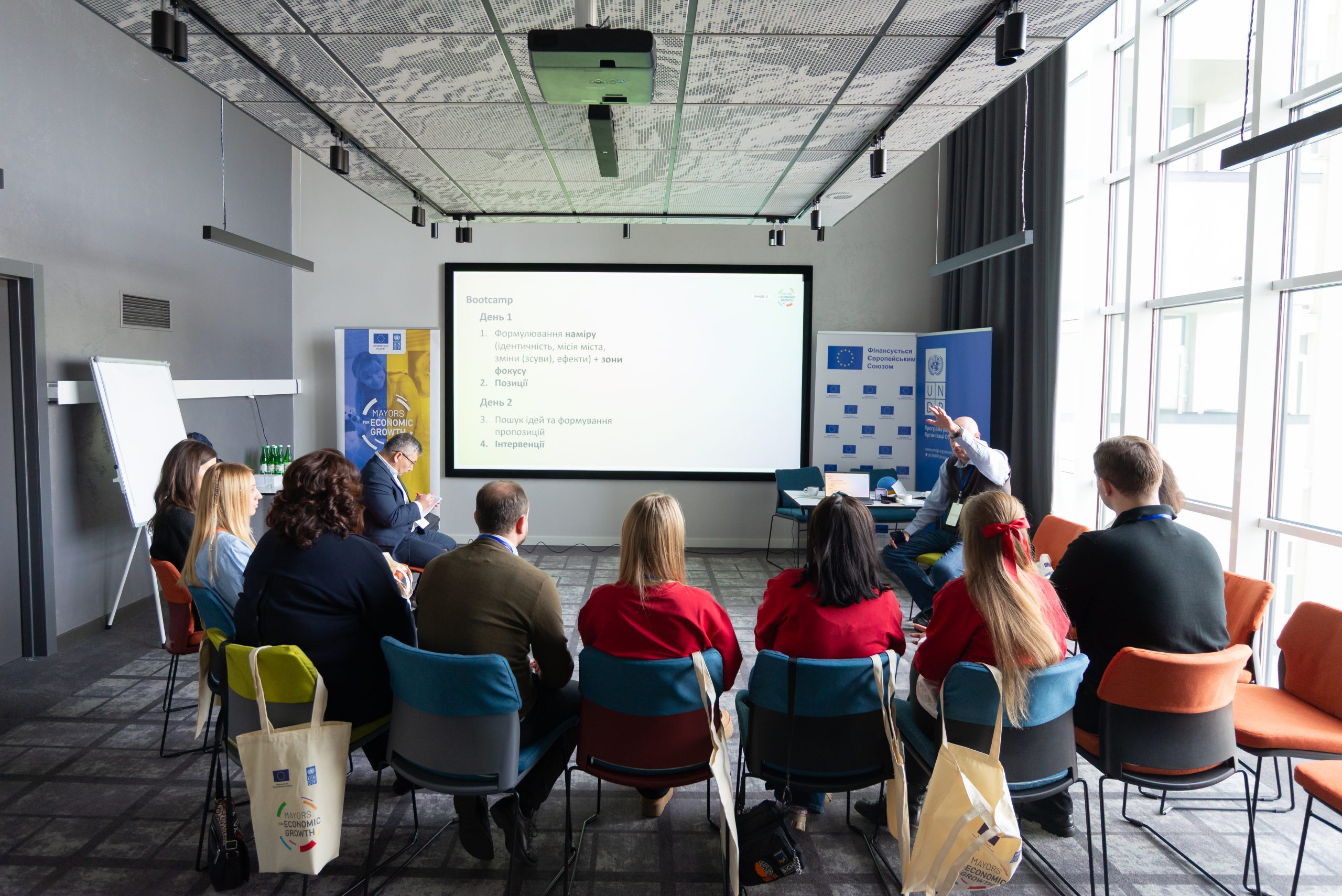
The culmination was an intensive two-day bootcamp, during which each team developed a “community portfolio”: not a conventional strategy document, but a systemic understanding of the city’s mission, development priorities, and concrete small-scale experiments to test whether the chosen direction works.
Systemic thinking over linear planning
The programme’s core innovation lies in its shift from linear, “waterfall” planning toward a more flexible, experimental approach – often described as a portfolio approach, and in the tech world as “agile.”
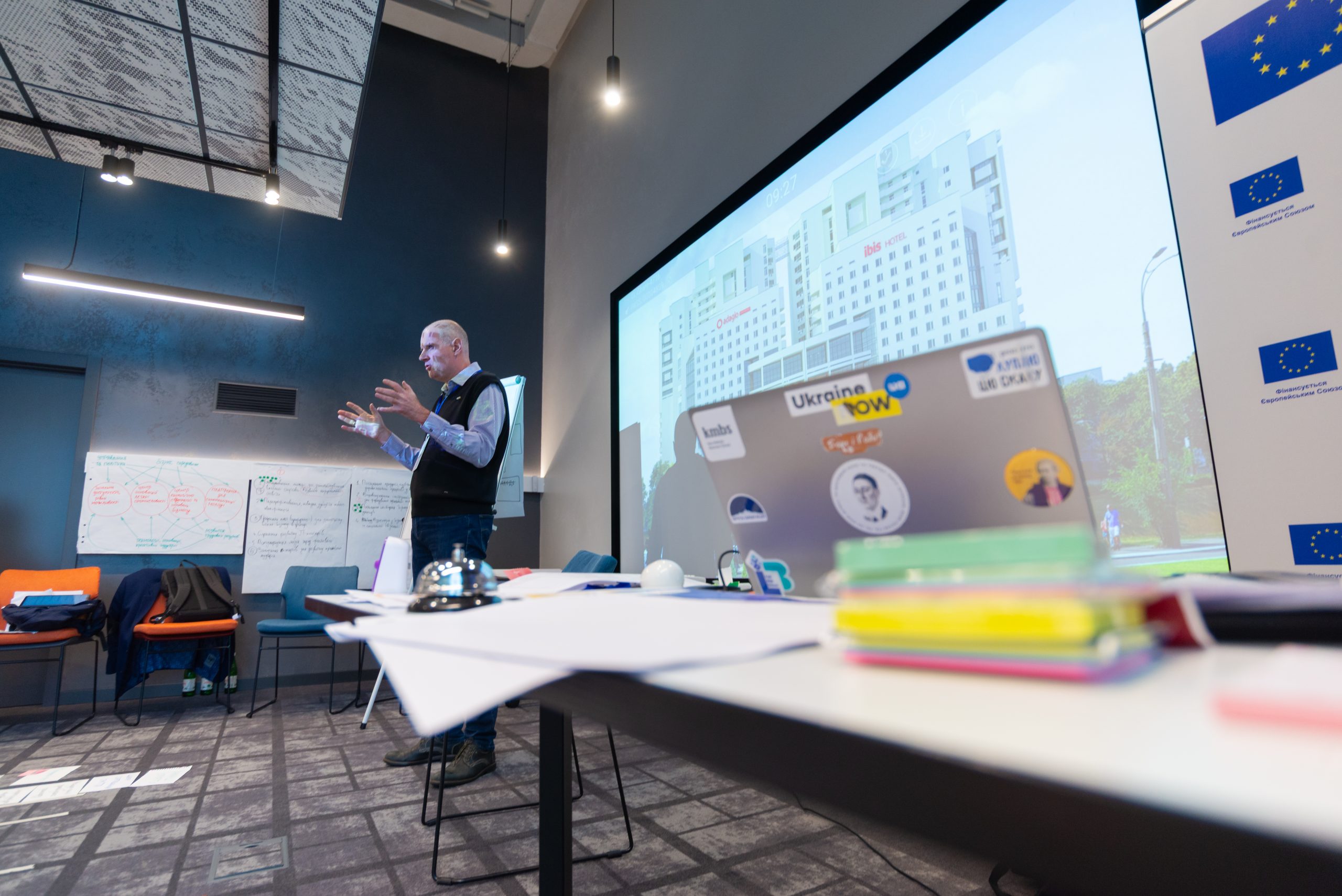
As one of the facilitators explains, cities function more like living organisms than static systems. Linear logic tends to break down after the first few steps; instead, cities should explore moving forward by testing hypotheses through small-scale experiments – much like a gardener who plants, observes, and adapts, rather than following a rigid blueprint.
War as a window of opportunity
The programme facilitators share a clear conviction: moments of crisis are not a reason to pause this kind of work, but a reason to deepen it. The methodology itself is designed for uncertainty – recognizing that communities do not stop living in difficult times, but continue to adapt, make decisions, and shape their future.
In this context, the pressures of wartime can also shift how cities function. With authorities focused on immediate crisis response, there can be more space for residents and local actors to step in, take initiative, and contribute to shaping their city’s direction – opening possibilities for more participatory and collaborative forms of governance to emerge.

What next?
The participating Ukrainian cities will soon move to portfolio activation, implementing their first pilot initiatives. But the facilitators stress that lasting success lies not in these early steps, but in whether a culture of regular, iterative strategizing takes root – one that continues long after external support ends and keeps residents at the centre of shaping their own communities.
Read the full article on the M4EG website.
In 2025, four Ukrainian cities – Khmelnytskyi, Bucha, Zhytomyr, and Slavutych – joined the Mission-Oriented Economy local transformation programme, part of the EU-funded Mayors for Economic Growth (M4EG), implemented by UNDP Europe and Central Asia. Each city will receive approximately US$20,000 to launch its portfolio, with the opportunity to attract an additional US$100,000 for economic sustainability and green transition projects.
What is the portfolio approach?
The portfolio approach is an innovative method of managing local development that treats cities as complex, interconnected systems rather than collections of separate problems. Like a financial investor who diversifies across multiple assets, cities develop a set of parallel, mutually reinforcing initiatives, called “options”, instead of relying on a single solution. This enables flexible, adaptive management and continuous learning in dynamic, uncertain environments.
How does it work?
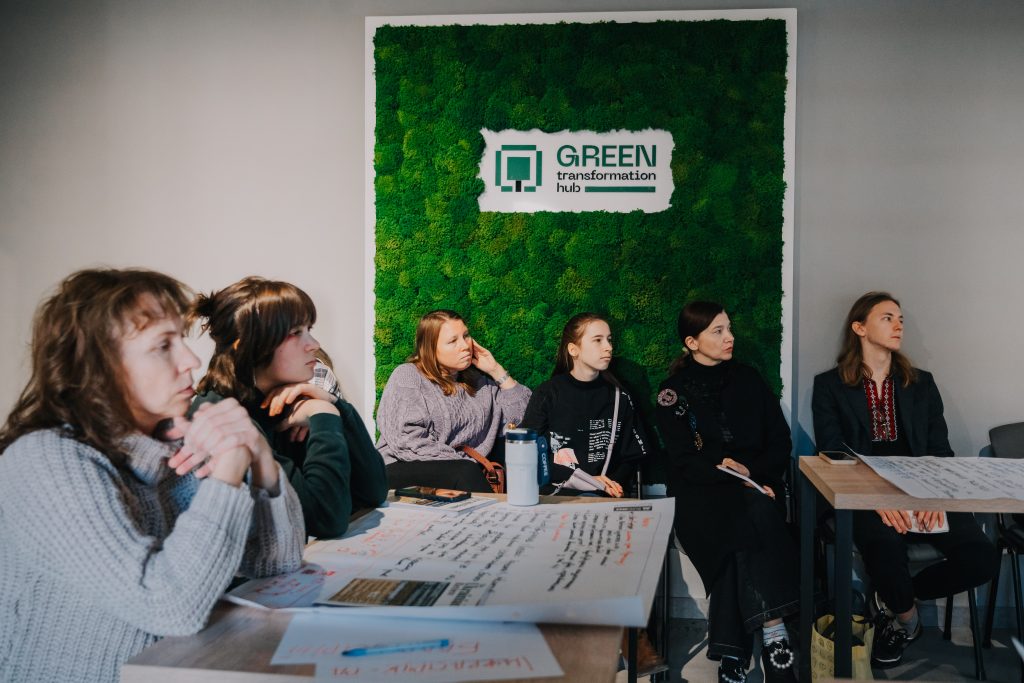
Cities begin by defining an overarching mission, then test several pilot activities simultaneously to identify what works. Throughout implementation, teams apply Monitoring, Evaluation, and Learning (MEL) frameworks to analyze results and adjust course. The approach is best suited to situations of high uncertainty, complex systems, and the need for creative problem-solving. The first Ukrainian cities to pilot it were Mykolaiv (Blue Economy Transition) and Ternopil (Green and Comfortable City).

Why does it matter now?
Standard strategic urban planning has taken a back seat during wartime due to the need for rapid responses, yet it is precisely now that it is most critical. As historian Timothy Snyder notes, recovery and integration processes that don’t begin during the war will not begin after it. Cities with clear recovery plans will be better positioned to attract investment and support the return of residents. At the same time, economies must continue to function even in wartime – the portfolio approach enables growth under uncertainty rather than mere survival. Finally, Ukraine’s path to EU accession demands sustainable economic planning, adherence to the European Green Deal, and modern governance practices, making systematic development work an essential condition for strengthening international confidence.
Beyond grants, the M4EG initiative connects cities to broader financial mechanisms, including public-private partnerships and European financial instruments, thereby creating a potentially transformative opportunity for Ukrainian cities as they rebuild their futures.
Read the full article on the M4EG website.
Ten startups and non-profits from across Europe and Central Asia gathered virtually on 25 February 2026 for the BOOST x City Experiment Fund (CEF) Green Urban Tech Sprint Demo Day. They pitched green and urban technology solutions to an expert jury drawn from city administrations and urban innovation communities across the region. After a full afternoon of presentations and jury deliberation, three teams emerged as award winners – recognized for their innovation, impact potential, and the strength of their pitch.
Greatest Impact Potential: LoRaSi
LoRaSi took home the award for greatest impact potential with SAMST, a smart digital twin for power grids that uses sensor networks to help utilities prevent failures, improve reliability, and adapt to extreme climate events. The jury recognized the solution for addressing one of the most urgent infrastructure challenges facing cities across the region – at a moment when energy resilience has moved firmly to the top of the urban agenda.
“Renewable energy is really crucial in cities right now, especially in the context of Ukraine.” — Max van Meerten, Manager for Digital Innovation and Smart City, City of The Hague
Most Innovative Solution: QX
QX was recognized as the Sprint’s most innovative solution for its city-owned, open-source AI platform, which provides city employees, residents and and visitors with verified, trustworthy information based on official city data. Jury member Petra Dzurovčinová highlighted the solution’s broader significance for European digital sovereignty: a locally developed AI model that cities own and control, rather than relying on commercial platforms.
“A local digital solution created in Europe, aligned with the AI Act — this can be impactful for city employees, visitors, and residents.” — Petra Dzurovčinová, Slovakia 2040 Vision Lead
Best Pitch: TUMO Labs
TUMO Labs won the audience vote for best pitch with ClimateNet. This locally maintained, student-built IoT network collects real-time weather and environmental data across Armenia and feeds into an open cloud platform used by researchers, institutions, and communities.
A Strong Cohort Across the Board
The three award winners emerged from a strong cohort, with seven other participating teams, each bringing distinct and city-relevant solutions to the Demo Day stage.
- COSMO Innovate Center (North Macedonia) showcased CarbLog, a smart bio-waste bin with telemetry sensors and a city-compatible cloud platform for waste monitoring and urban planning.
- DevelopWay CJSC (Armenia) presented LivingRoots, an AR and AI platform making urban greening more accessible to residents and more targeted for city planners.
- Ecoverification Technologies (Ukraine) introduced a platform that tracks and verifies individual CO₂ reductions, connecting citizen-level behaviour to city climate goals through verified social recognition.
- PE Symonenko S.S. (Ukraine) introduced Wied, an AI-powered platform that modernises municipal service delivery through smart video guides and photo reports, with particular relevance to migrant worker integration.
- Syntax Architecture (Kosovo) presented Mossflow, a self-sustaining ecological hub that addresses urban heat islands and air quality challenges through a closed-loop system powered by solar energy and AC condensation.
- Traffic Sense CG (Montenegro) presented a mobility and emissions analytics platform that layers open data, municipal inputs, and AI to help cities tackle congestion and plan cleaner transport.
- U-BUILD Community (Montenegro) addressed housing unaffordability through a residential co-housing platform that turns future residents into co-investors in sustainable, architect-designed buildings.
What Comes Next: The BOOST Alumni Network
The Demo Day may mark the end of the Sprint, but it is the beginning of something larger for all ten participating teams. Every team that took part in the Green Urban Tech Sprint is invited to join the BOOST Alumni Network, which is a growing community of innovators from across BOOST’s programmes.
As alumni, the teams will gain access to a range of learning and networking opportunities as well as discounted tools and support from global tech providers. Alumni organizations may also be invited to take part in future BOOST events and initiatives, keeping them connected to the wider ecosystem of urban innovators, city partners, and public-sector stakeholders that BOOST has built across Europe and Central Asia.
For the winning teams, the Sprint also opens doors to deeper engagement: their solutions are now visible to municipalities and city representatives who participated in or followed the Sprint.
The BOOST x CEF Green Urban Tech Sprint is organized jointly by BOOST and the City Experiment Fund, an initiative working with cities in Armenia, Kosovo*, Montenegro, North Macedonia, and Ukraine to tackle complex urban challenges through strategic innovation and experimentation. It is supported by the Slovak Transformation Fund, financed by the Ministry of Finance of the Slovak Republic.
*References to Kosovo shall be understood to be in the context of UN Security Council Resolution 1244 (1999).
At the entrance to Pljevlja, in northern Montenegro, you are met with a familiar sight. Thick smog hides the small town, concealing all its colour and beauty. For most around here – and across the Balkans, Pljevlja is known only as the city of coal.
Wherever you go, you cannot escape the coal mine. Situated on the country’s northern border, Pljevlja is home to 23,000 residents, and two out of three workers are employed either in the mine or in coal-related industries. For most families, “black gold” is not only their main source of income but also a craft passed down through generations.
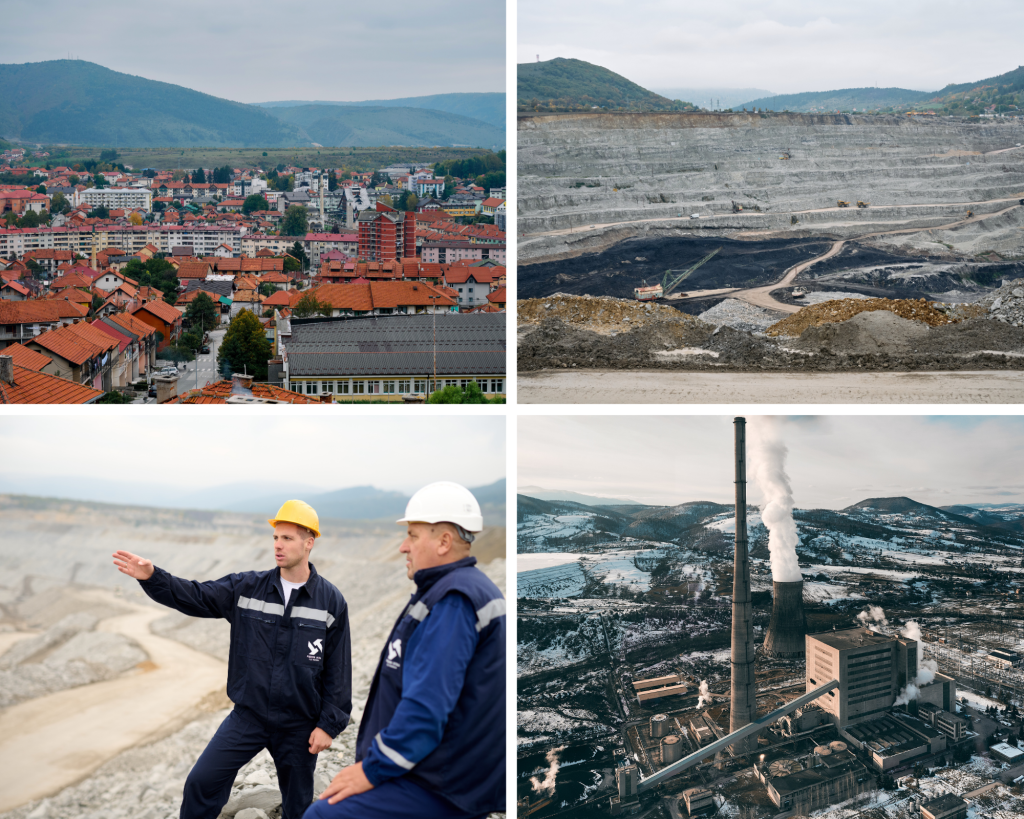
Photos: UNDP Montenegro / Duško Miljanić
Milenko Knežević is a young mining engineer for Coal mine Pljevlja. “I chose to study mining because I grew up in a neighbourhood close to this very pit, and somehow it was in my blood,” he explains. “Mining is dynamic and unpredictable. Something new always arises—that’s the nature of the job, and we work with that interaction.”
Pljevlja is also home to Montenegro’s only thermal power plant. Together with the mine, they have provided energy security since 1982, supplying 40 percent of the country’s total electricity. During dry periods, this percentage increases dramatically, when hydropower plants face difficulties producing electricity due to drought conditions, and the nation becomes almost entirely reliant on coal.
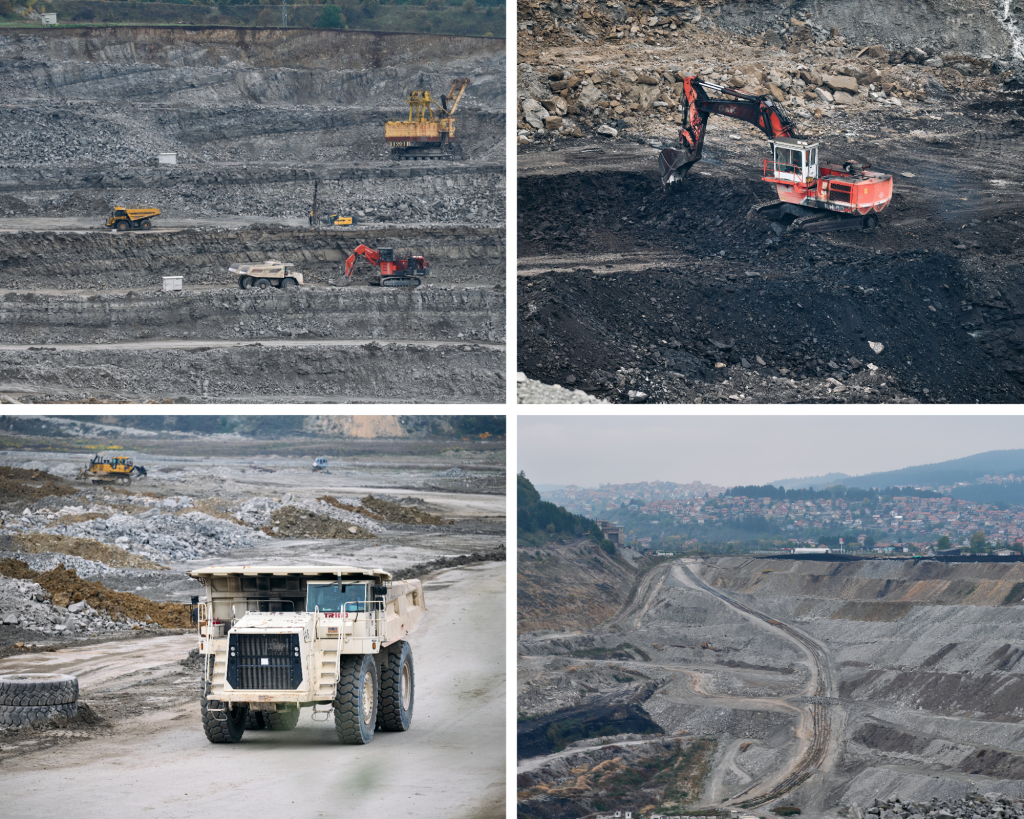
However, today Pljevlja stands at a critical crossroads.
Montenegro, in line with its international commitments, must carry out an energy transition and modernize its energy sector, which includes the gradual phase-out of coal in order to contribute to the goal of making Europe the first climate-neutral continent by 2050.
As Montenegro moves toward a just transition, this town that once powered the nation faces the challenge of diversifying its economy, adapting its energy infrastructure and securing a sustainable future for its residents in the era after coal extraction ends. Undergoing a transition like this requires support – and buy-in – from everyone in town, from the coal mine to the municipality to the citizens. UNDP is working together with them to meet the challenge with a sustainability action plan.
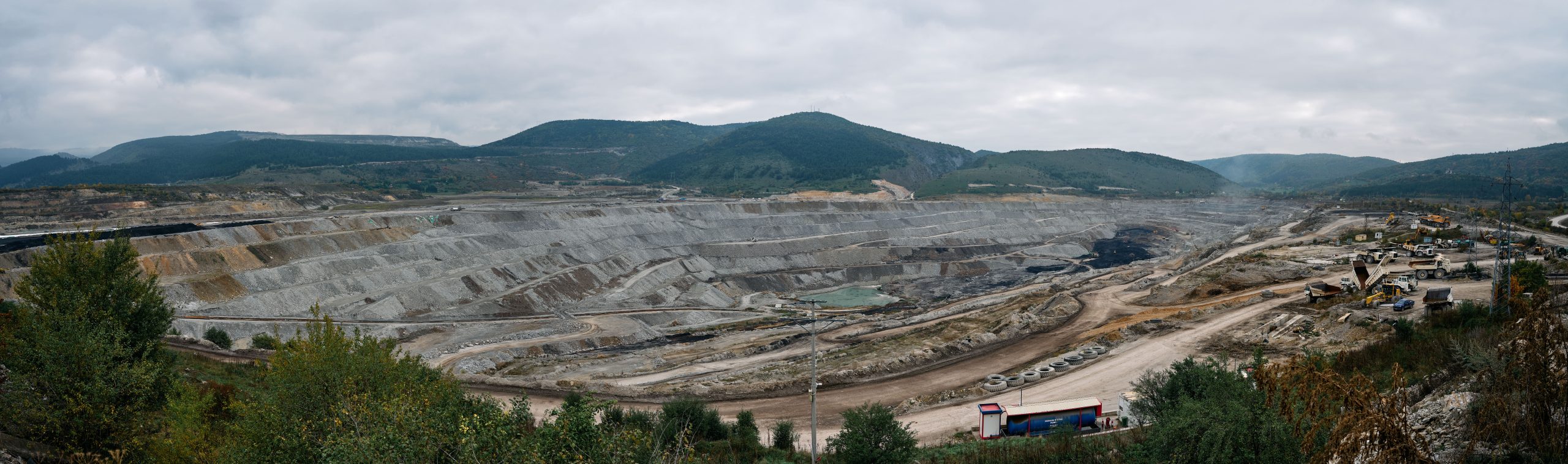
The state-owned company Coal mine Pljevlja has launched an ambitious business transformation program. A decrease in coal mining would have direct or indirect impact on the livelihoods of at least half the town. Targeted to close by 2040, the mine is actively developing 12 new ventures, striving to diversify its operations while retaining as much of its existing workforce as possible, transitioning then into new business fields.
“We came up with the idea to direct the resources the company possesses toward the free market, to explore the potential of new ventures and see how they could operate independently,” explains Milan Dragašević, Director of Strategic Planning and Business Transformation. “The workers would continue their jobs, but aligned with market needs.”
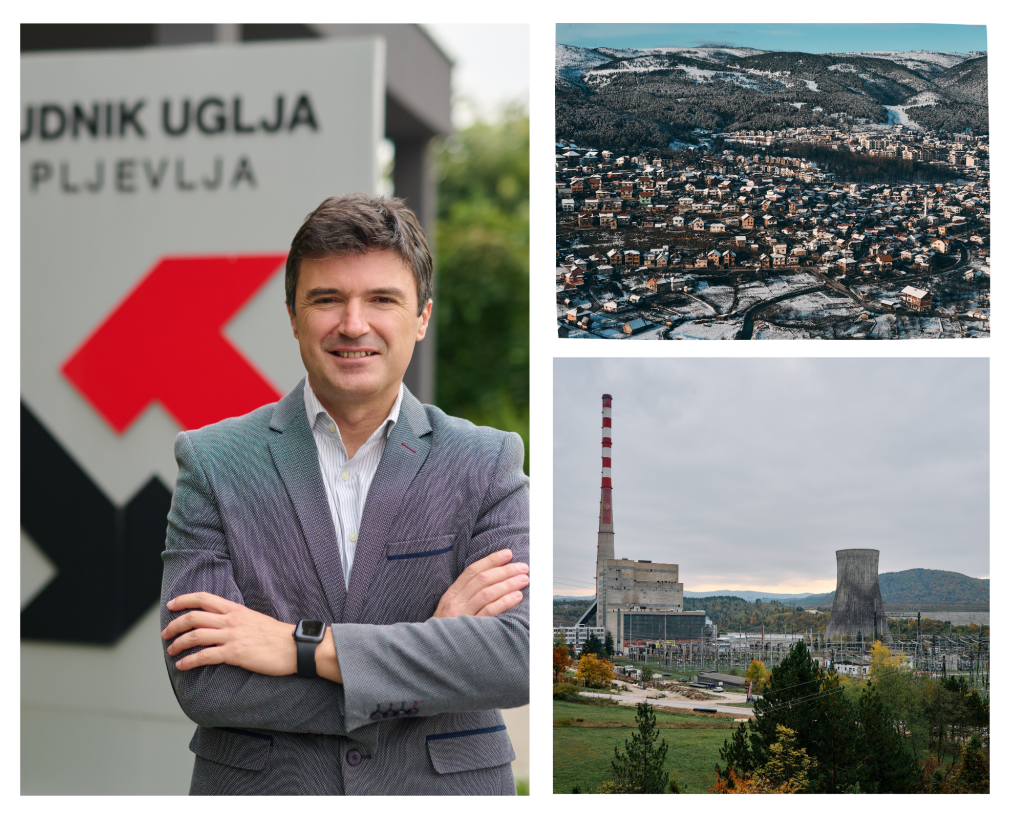
That includes construction services, asphalt production and road works, renewable energy (solar and small hydro), production of protective and technical equipment, geological and technical services, laboratory and testing services, IT and network services. “For those whose current roles are not seen as marketable, we plan to provide training for alternative professions,“ says Milan.
The laboratory currently used for coal quality testing is one of the units within the mine set for business transformation. It is actively performing tests to ensure both operational safety, market readiness and environmental protection, but in parallel has been working on the rigorous accreditation process.
“As part of the just transition taking place, we are pursuing international standards certification (ISO17025),” says Ana Kužić Milović, Head of Quality and Environmental Control. “We plan to expand beyond coal testing, potentially becoming a laboratory that can compete with leading global labs.”
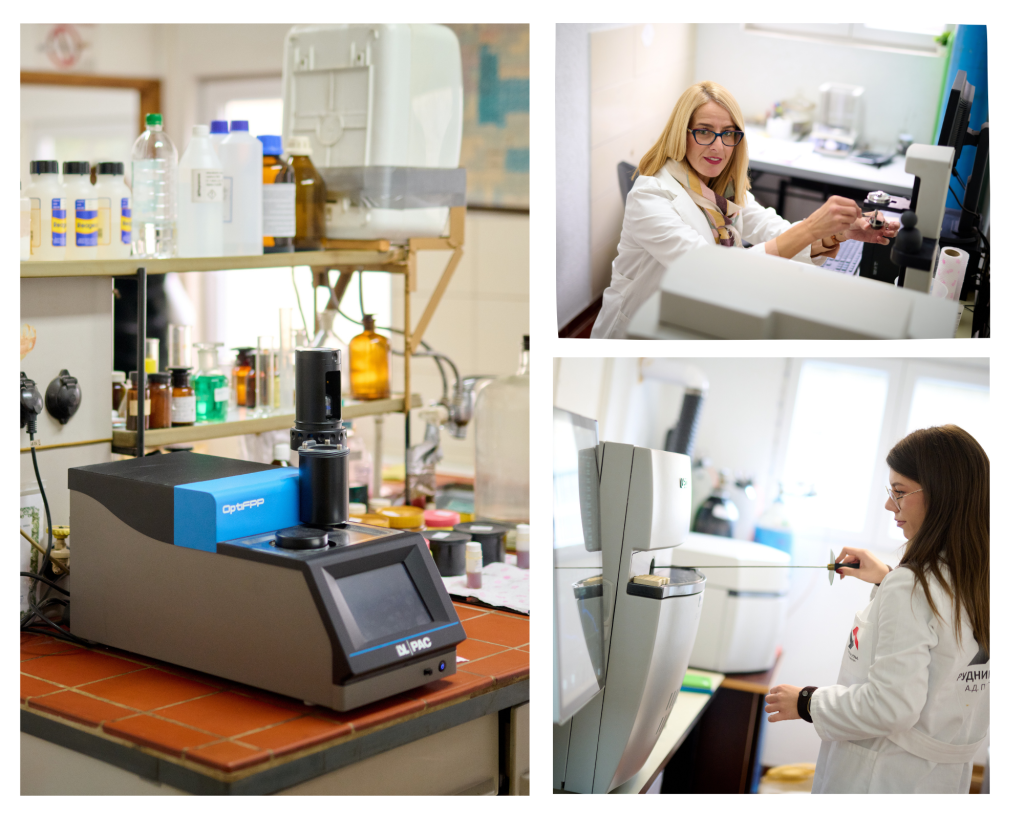
When Ana moved to Pljevlja seven years ago, it was known for pollution and depopulation. She was driven by a vision that the town could one day become a place people return to. Regarding Pljevlja being the most polluted town in Montenegro, she emphasized the importance of energy efficiency measures. “We have this coal season that darkens our town, but as Pljevlja’s district heating system develops, I expect PM10 particles to decrease in the coming years.”
For several years now, Pljevlja and its partners have been actively investing in environmental projects, including water quality infrastructure, waste‑water systems, remediation of polluted sites and energy efficiency measures in housing, such as insulating buildings, construction of district heating and solar solutions, and introducing subsidies to switch to pellet heating instead of coal and wood. Through the words of the employees, one can sense pride in the town’s mining tradition, alongside a longing for a future that offers more than dependence on coal. The success of a just transition will ultimately depend on how these opportunities are translated into measurable, sustainable jobs for the town’s workforce.
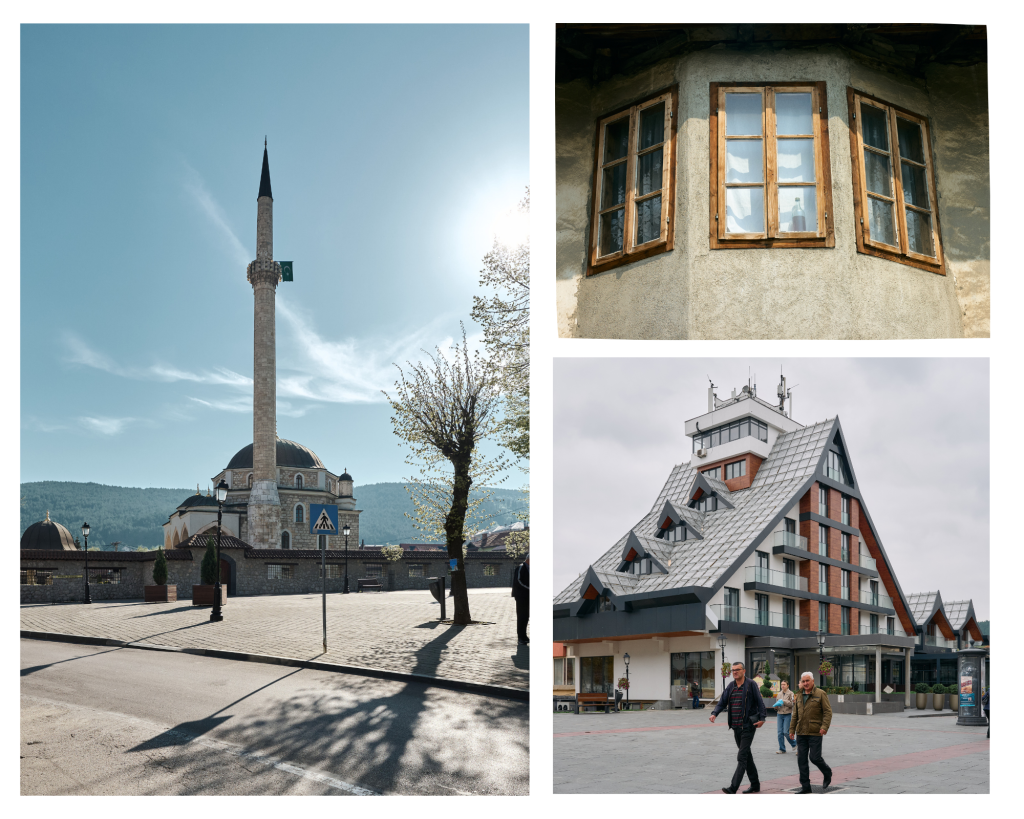
Keeping people here, and attracting new ones, is important in this transition process. Much hope is placed on the younger generations, which are organizing themselves and seeking new opportunities to learn, bring innovations and contribute to the town’s transformation.
Six years ago, the NGO In Step with Science (KSAN) already thinking about how to bring life back to their hometown and strengthen the next generation’s readiness for the future of work.
So they organized the Engineering Summer School of Science, bringing together young engineering students to talk about innovation, science, AI and clean energy. At the summer school openings, many young people gather to learn more, and older residents come by to see what’s happening and show interest.
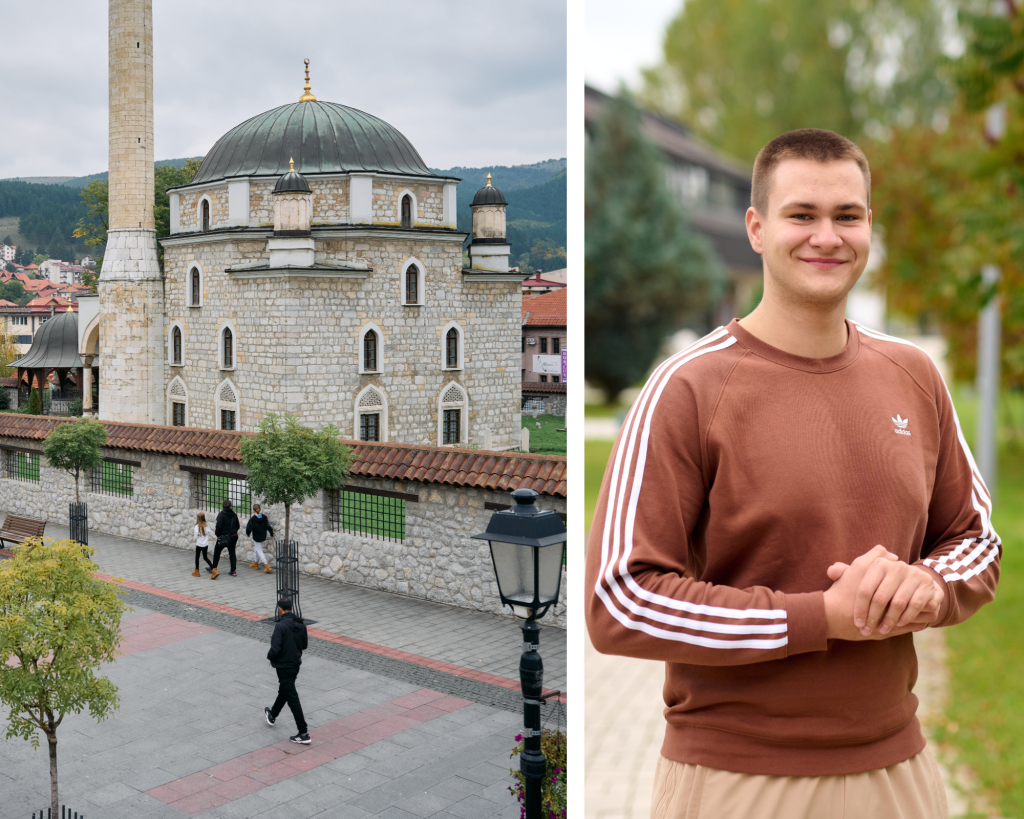
Tadija Janjušević, a student at the Pljevlja Secondary School of Electrical Engineering, who spends his summers volunteering as a mentor at the summer science school, explains the stark reality that many youth do not see opportunities for themselves in Pljevlja beyond secondary school.
“If a university were to open here, I might consider studying in Pljevlja, but it would depend on the quality of the institution. I am a good student and set high goals for myself. I don’t see how I could achieve the goals I’ve set in life while staying here, though that doesn’t mean I won’t return if the situation improves, or if there are employment opportunities beyond the Mine and the Thermal Power Plant”, Tadija says firmly.
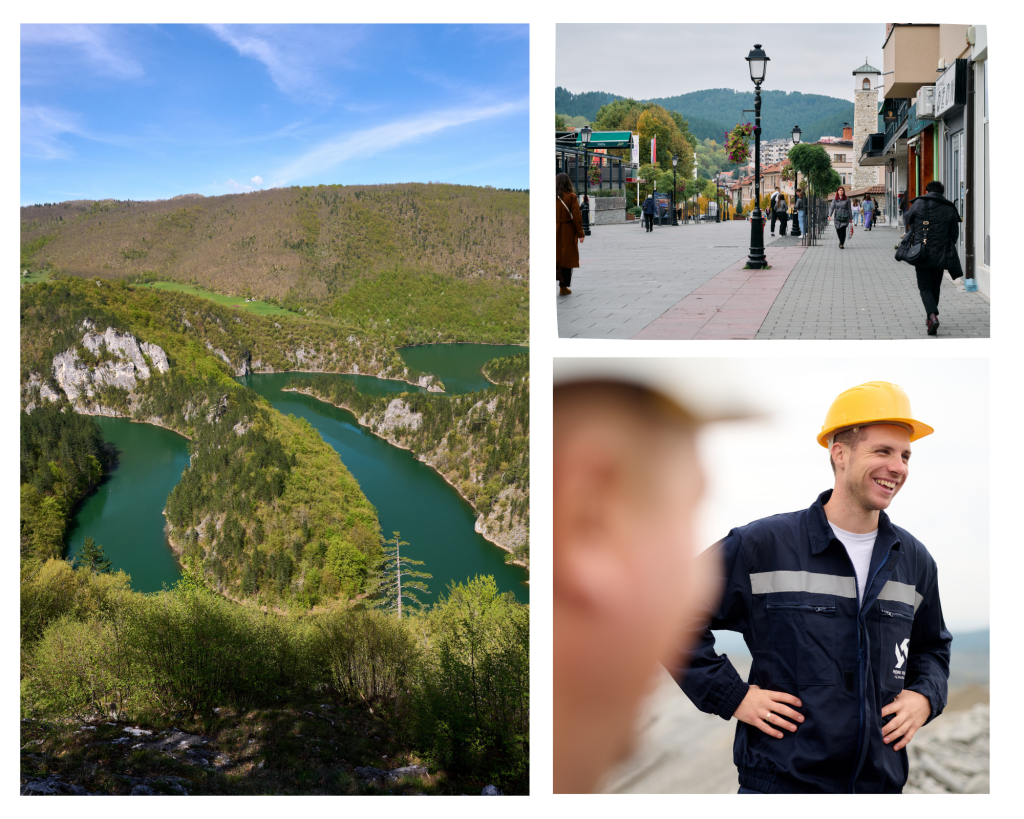
Beyond the mine, life in Pljevlja is picturesque and deeply rooted in history. The town sits at the crossroads of cultural routes, where different religions and communities have coexisted harmoniously for centuries. Pljevlja is surrounded by forests and stunning natural landscapes, making it ideal for agriculture and livestock farming and tourism alike. The famous meanders of the Ćehotina River and the Tara River canyon offer immense potential for the development of sustainable tourism, which is part of several steps of the municipality’s plan.
“There are so many beautiful spots and charming villages just outside the town, and enormous potential that few truly recognize. I think that could change, because people want to experience beautiful nature,” says Milenko optimistically.
The town and its residents are now testing the limits of innovation and resilience, collectively searching for a future in which Pljevlja can continue to provide livelihoods, prosperity and employment, even in the era after the mine’s closure.
UNDP, through the City Experiment Fund initiative, supports Pljevlja’s transformation through efforts to diversify the local economy, reduce air pollution and improve energy efficiency. Aligned with the EU Green Deal, Montenegro’s Reform Agenda and broader EU accession and decarbonization commitments, the initiative supports re-skilling and up-skilling the workforce, encourages investments in green infrastructure and innovation and ensures that no community or worker is left behind in the just transition process.
The City Experiment Fund collaborates with cities across Europe and Central Asia to tackle complex urban challenges through strategic innovation and experimentation. It is made possible with the financial support of the Ministry of Finance of the Slovak Republic.
Originally published at: https://undpeurasia.exposure.co/pljevlja-coal-justtransition
UNDP’s City Experiment Fund has released the Twin Transition Stencil Report, presenting a structured framework that was designed to support cities in designing and managing integrated green and digital transformation portfolios.
It responds to a common challenge faced by municipalities: translating high-level green and digital policy goals into coherent, actionable strategies, practical pathways and investable interventions that reflect local realities.
The report synthesizes learnings from the City Experiment Fund’s 2025 Twin Transition cohort, drawing on practical experience from ten cities across Armenia, Kosovo [1], North Macedonia, Montenegro, and Ukraine. It documents how municipal teams approached complex, interconnected challenges by moving beyond isolated projects and toward adaptive portfolios grounded in local priorities and community input.
Rather than offering a step-by-step toolkit, the report, prepared by the City Experiment Team, offers a structured yet flexible methodology for urban transformation portfolio design. Portfolios refer to a set of connected initiatives and experiments that are designed and managed together, allowing cities to test different approaches in parallel, learn what works, and steer long-term transformation rather than relying on isolated projects.
It introduces key concepts such as portfolio intent, areas of interest, strategic positions, and options, and shows how cities can use practices such as experimentation, community listening, and sensemaking to navigate complexity, manage uncertainty, and build evidence for long-term transformation.
Aimed at municipal leaders, policymakers, development practitioners, and urban innovators, the report offers practical insights for cities seeking to connect green and digital priorities in ways that are locally relevant, inclusive, and resilient. It reflects UNDP’s ongoing efforts to support adaptive governance through systems thinking, and experimentation as foundations for sustainable urban development.
Find the report on UNDP Europe and Central Asia’s website.
The City Experiment Fund is a UNDP-led initiative that collaborates with cities across Europe and Central Asia to tackle complex urban challenges through strategic innovation and experimentation, with financial support from the Ministry of Finance of the Slovak Republic.
[1] References to Kosovo shall be understood to be in the context of United Nations Security Council resolution 1244 (1999).
How do cities understand the needs of their citizens – and turn those insights into meaningful action?
As part of the 2025 cycle of the City Experiment Fund (CEF), ten cities across Europe and Central Asia embarked on a community listening journey to explore how cities can meaningfully engage communities.
The CEF is a UNDP-led initiative that works with cities in the Europe and Central Asia region to tackle complex urban challenges through strategic innovation and experimentation. CEF is made possible with the financial support of the Ministry of Finance of the Slovak Republic.
Over the course of several weeks, representatives from local authorities in Armenia, Kosovo[1], Montenegro, North Macedonia, and Ukraine took part in a community listening training, followed by a month-long engagement phase. Over four weeks, city teams conducted 300+ conversations with residents, community leaders, public officials, entrepreneurs, and activists to understand how urban challenges are experienced across different groups and what kind of future citizens want to see for their cities.
This process revealed a wealth of perspectives, concerns, and ideas that will help shape each city’s Twin Transition Portfolio – a set of experiments and initiatives at the intersection of green and digital transformation.
What Cities Heard
Despite their diversity, many cities voiced similar concerns. Across the region, people spoke about the need for cleaner air, better waste management, reliable transport systems, and inclusive urban spaces. They highlighted the urgency of addressing youth migration, employment insecurity, and weak infrastructure, while also envisioning cities that are greener, more connected, and full of opportunities.
Residents consistently expressed pride in their local identity, community spirit, and natural surroundings. From Stepanavan’s “small Switzerland” image in Armenia to the lively rhythm of Pristina, the listening process uncovered how deeply citizens value nature, culture, and safety as foundations for a good life. Gender and inclusion also emerged as cross-cutting themes: in many cities, women remain underrepresented in decision-making, yet are often at the forefront of community life, education, and civic engagement.
A Shared Aspiration: Greener, More Livable, and Inclusive Cities
Across the ten participating cities, one vision stood out – to build cleaner, greener, and more inclusive communities where people want to stay and thrive. Whether through circular economy models in North Macedonia, green energy transitions in Montenegro, or digital innovation and governance in Ukraine, each city identified pathways toward sustainable urban transformation. The insights collected through the listening process will now help teams design local portfolios that respond directly to people’s lived realities – turning listening into action.
“Community listening is more than a data exercise. It’s about empathy, curiosity, and reimagining development from the citizen’s perspective,” said the CEF team. “It helps cities not only identify problems but also uncover opportunities for innovation rooted in people’s daily experiences.”
The Community Listening Report consolidates key findings and themes emerging across the cohort, serving as a shared resource for cities, partners, and practitioners interested in community-centered approaches to urban innovation.
Acknowledgements: Special thanks to Vid Stimac from the UNDP Serbia Country Office, for supporting the transcription and translation of 300+ interviews with AI tools to enable the synthesis of insights.
[1] References to Kosovo shall be understood to be in the context of United Nations Security Council resolution 1244 (1999)
On World Cities Day 2025, UNDP in Europe and Central Asia launches the City Imaginarium — a regional creative campaign that invites artists and communities from around the region to reimagine greener, more inclusive and more resilient urban futures.
As cities across the region face growing challenges from climate change and demographic shifts to economic transitions and rising inequalities, City Imaginarium turns to imagination as a catalyst for change. Through 11 original illustrations and the Voices from the Cities portrait series, the campaign explores how art and storytelling can help us see our cities anew and envision the transformations ahead.
The artworks are inspired by four themes central to urban change in the region:
- Circular Cities, rethinking waste as a resource and designing for renewal.
- Energy Resilience, building cleaner, affordable, and climate-safe energy systems.
- Inclusive and Livable Cities, creating safer, more accessible, and gender-responsive spaces.
- Digital Urban Futures, ensuring technology serves people and strengthens participation.
The campaign, powered by 11 countries and territories in the region – from Montenegro to Uzbekistan – will be showcased through exhibitions in cities in Kazakhstan, Kosovo[1], Georgia, and other locations, as well as through an online gallery where visitors can explore the full collection and the voices behind it.
City Imaginarium builds on the ongoing work of UNDP and its partners to make cities across Europe and Central Asia more sustainable, inclusive, and resilient. The campaign is supported by regional and other initiatives, including the City Experiment Fund, Mayors for Economic Growth, Greening the Future, Urban Resilience, and Creative-lab “ARTurduuluk” (Art4Diversity).
Explore the campaign and artworks: https://undpeurasia.exposure.co/cityimaginarium
[1] References to Kosovo shall be understood to be in the context of United Nations Security Council resolution 1244 (1999).
UNDP Armenia is in the process of starting a partnership with Plastiks to address the country’s underdeveloped recycling infrastructure by piloting a blockchain-based model that incentivizes plastic recovery through verified plastic credits.
This collaboration is part of the inaugural SDG Blockchain Accelerator, led by the UNDP Alternative Finance Lab, Blockchain4Good Alliance, and EMURGO Labs, joined now also by the FLock Technology Holdings and Stellar Development Foundation. The Accelerator is made possible through catalytic funding from the Cardano treasury, through Project Catalyst, alongside other partner contributions.
In a three-month co-design phase, Plastiks will prototype a solution that integrates traceability, transparency, and economic incentives. This initiative coincides with their migration to the Cardano blockchain, a strategic move that strengthens blockchain-verified impact, drives adoption, and ensures long-term scalability for plastic recovery ecosystems.
By introducing verified plastic credits into Armenia’s recycling ecosystem, the partnership aims to deliver measurable impact and establish a replicable model for other regions facing similar infrastructure gaps.
The UNDP Armenia Pilot: A Model for Verified Recovery
In two Armenian towns of 40,000 residents, Plastiks and UNDP Armenia will co-develop a pilot project that introduces verified traceability and impact certification into the local recycling ecosystem.
The initiative will serve as a testbed for how plastic credits, each backed by evidence and anchored on blockchain, can incentivize proper waste management, engage communities, and prepare the ground for future Extended Producer Responsibility (EPR) compliance.
“This pilot will pave the way for a smarter, greener waste system in Armenia. By testing blockchain-based tools, the initiative will help create a certifiable, transparent, and traceable system that empowers local waste recovery operators with new financing opportunities, while giving the government reliable, verifiable and transparent data on recovery of plastics and other recyclables,” Nelli Minasyan, Project Coordinator, UNDP Armenia
The pilot tackles a key challenge: the lack of verifiable recovery data. With Plastiks’ system, every action is documented, photo, GPS, timestamp, and stored immutably. Key features of the Armenia pilot:
- Digital Recovery Certificates (DRCs) issued for verified plastic recovery actions
- Plastic Credit monetization, enabling co-funding from ESG-aligned private actors
- Stakeholder coordination tools for producers, municipalities, and recyclers
- Dashboard integration for real-time compliance monitoring
This model doesn’t just improve waste management, it creates a foundation for data-driven accountability, incentive alignment, and inclusive environmental action that can scale across regions.
What is the SDG Blockchain Accelerator?
The SDG Blockchain Accelerator is an initiative that aimsto fast-track blockchain solutions for real-world challenges tied to the UN Sustainable Development Goals (SDGs).
In its first cohort, 13 global teams, each pairing a UNDP office with a blockchain innovator, co-designed systems that bring traceability and accountability to areas like:
- Climate finance
- Humanitarian aid
- Renewable energy
- Supply chains
- Waste management
Plastiks x UNDP Armenia is one of these pilots, developing a blockchain-based model for verifiable plastic recovery that supports future Extended Producer Responsibility policy and ESG engagement.
This isn’t just about testing tech, it’s about setting a global standard for traceable, inclusive development.
Scaling Compliance and Impact Through Traceability
With EPR law adoption on the agenda, Armenia must build systems to track and enforce plastic recovery. But like many countries, it faces a gap between policy goals and technical infrastructure.
The Plastiks x UNDP Armenia pilot aims to bridge that gap, creating a blockchain-based model that’s transparent, verifiable, and ready for national scale.
Why it matters:
- Supports EPR enforcement
- Builds trust across sectors
- Enables ESG financing via plastic credits
- Engages communities with real incentives
This isn’t just a local fix, it’s a replicable model for countries needing traceable, policy-aligned recovery systems.
Why Plastiks? Proven Traceability for Plastic Recovery
Plastiks brings a proven, globally scalable system for verified plastic recovery, already used across 20+ countries and backed by nearly 3 million kg of verified impact.
Our solution is built on a 3-step accreditation methodology:
- Define impact roadmaps across social, environmental, and operational goals
- Recovery entities accredited by Plastiks through financial, legal, and operational vetting
- Enable blockchain tracking for each kg of recovered plastic, verified via photo, GPS, and timestamped documentation
“This pilot with UNDP Armenia is a milestone in showing how traceability and verified plastic recovery can reshape waste management systems. We’re not only supporting Armenia’s recycling efforts, we’re building a model that UNDP can replicate globally to accelerate the circular economy,” Andre Vanyi-Robin, CEO & Founder of Plastiks.
Each verified action generates a Plastic Credit, a digital certificate tied to a real recovery effort and a pre-defined impact roadmap. To further strengthen environmental alignment, Plastiks is migrating to the Cardano blockchain, known for its low energy use and high security, making it ideal for circular economy infrastructure.
What’s Next: From Pilot to Scalable Proof of Impact
Over the next 3 months, Plastiks and UNDP Armenia will pilot a blockchain-based system to track plastic recovery in real time, testing stakeholder onboarding, live credit issuance, and a full impact dashboard aligned with upcoming EPR laws.
The goal? A scalable model for national EPR infrastructure that can be replicated across Armenia and beyond.
This pilot lays the foundation for:
- Regional expansion in Eastern Europe and Central Asia
- ESG-aligned private financing
- Stronger, data-backed policy frameworks
The United Nations Development Programme (UNDP) in Europe and Central Asia has launched the BOOST x CEF: Green Urban Tech open call, inviting innovators worldwide to submit tech and digitally-enabled solutions that can help cities in Europe and Central Asia accelerate their green and digital transitions.
The initiative is a collaboration between UNDP’s regional impact acceleration programme BOOST and the City Experiment Fund (CEF), a regional UNDP initiative that supports cities in navigating complex urban transformation through strategic innovation. It is supported through the Slovak Transformation Fund, financed by the Ministry of Finance of the Slovak Republic.
Across Europe and Central Asia, cities are under growing pressure to cut emissions, protect biodiversity, and improve the quality of urban life, while also adapting to the disruptions and opportunities of rapid digitalization. The BOOST x CEF initiative is designed to help cities confront these challenges head-on by connecting them with entrepreneurs and impact innovators who can deliver practical, scalable solutions.
The open call seeks solutions that can turn real-time data into greener decisions, engage residents in sustainable lifestyles, and help build urban systems that are more resilient to climate and other risks. Examples include AI-powered analytics for city planning, blockchain-enabled reward systems that incentivize green behavior, or digital tools that strengthen waste management, energy use, and ecosystem restoration.
Through the open call, selected businesses, civil society organizations or academic institutions will have the opportunity to present their solutions directly to city representatives during the BOOST Discovery Days taking place from 19 to 21 October 2025. They will be matched with municipalities in Armenia, Montenegro, North Macedonia, Kosovo[1], and Ukraine, where their innovations can address pressing urban challenges.
In addition, participants will receive tailored support to co-develop pilots and partnerships with these cities. To help accelerate deployment, the programme also offers the chance to compete for up to US$30,000 in funding to adapt, pilot, or implement solutions in 2026.
The call for applications is open until 19 October 2025, and interested organizations from around the world can apply.
[1] References to Kosovo shall be understood to be in the context of United Nations Security Council resolution 1244 (1999).
The United Nations Development Programme (UNDP) in Europe and Central Asia has released its 2024 Annual Report for the Slovak Transformation Fund (STF), spotlighting how its two flagship initiatives – the City Experiment Fund (CEF) and the BOOST impact acceleration programme – are reshaping the way cities across the region tackle entrenched challenges.
Funded by the Ministry of Finance of the Slovak Republic, the STF entered a pivotal new phase in 2024, reorganizing its portfolio to create stronger links between its two core pillars BOOST and CEF. Together, these programmes are pioneering new approaches to urban transformation – from testing innovative finance models to driving portfolio-based systemic change in cities.
The City Experiment Fund delivered visible, systemic transformations across five cities. In Almaty, Kazakhstan, the “Green and Safe Streets” initiative reframed air quality as a public health and urban design challenge. In Pljevlja, Montenegro, the Fund helped anchor just transition as a national priority, scaling a local energy efficiency programme and unlocking over €10 million in EU support. In Pristina, Kosovo [1], a comprehensive urban regeneration plan delivered safer infrastructure, new public spaces, and greener mobility. Skopje’s biohacking lab became a flagship for community-driven innovation, engaging students in hands-on experiments and generating more than 50+ biowaste-based prototypes, while Stepanavan in Armenia a new Digital Learning and Youth Hub engaged young people and helped attract new talent to the city, contributing to reversing depopulation trends.
Through BOOST, UNDP catalyzed a regional ecosystem for innovative urban finance. The BOOST Urban Future Finance Challenge selected 19 organizations, businesses and cities from the Western Balkans, surfacing solutions that ranged from quadratic funding for citizen-led budgeting to blockchain-enabled green tokens rewarding sustainable behavior. The programme also expanded its city-level work: in Ukraine, BOOST teamed up with the EU-funded Mayors for Economic Growth initiative, activating entrepreneurial ecosystems in Mykolaiv and Ternopil to support local green and blue innovation.
The Annual Report also reflects on challenges – from political volatility to resource constraints – while underscoring lessons for the future: the importance of embedding citizen participation in municipal planning, building long-term local capabilities, and ensuring that every intervention has a pathway to financial sustainability.
Drawing on the challenges encountered, and lessons learned in 2024, the annual report provides forward-looking guidance for partners and cities. As part of this effort, the Innovation team at UNDP in Europe and Central Asia has developed the STF Knowledge Bot (link expired), an experimental tool for sharing project knowledge across UNDP, partners and cities. Running for three months, this initiative will aim to determine the relevance of knowledge-sharing in this format and identify the most effective methods to support it.
Looking ahead, the STF will continue until 2028, positioning BOOST and CEF as central initiatives in UNDP’s regional efforts to accelerate green and digital transitions, and to support cities as laboratories for inclusive, sustainable development.
[1] References to Kosovo in this website shall be understood to be in the context of United Nations Security Council resolution 1244 (1999).
Andrii Nahornyi is a GIS specialist with a background in spatial data analysis, cartography, and remote sensing. He holds a BSc in Geomatics and specializes in data visualization and geospatial interpretation. Andrii enjoys turning complex geospatial data into meaningful insights and visual stories that support real-world decisions.
This year, I had the incredible opportunity to volunteer at the City Experiment Fund – a regional UNDP initiative, collaborating with cities in Europe and Central Asia to drive sustainable urban transformation through strategic innovation. This experience left a lasting mark on both my professional journey and personal growth. Over a few months, I contributed to a GIS-centered initiative aimed at supporting sustainable urban development in various cities in the region, and I’d like to share a few reflections on the process, the challenges, and the progress we made together. Read the full CEF Exploratory GIS Analysis here.
My collaboration with the Innovation team began by designing a strategic plan focused on the geospatial component of the project. As the GIS Specialist on the team, my first task was to research each city involved in the project. I delved into their histories, geographic features, and socio-economic contexts to gain a deeper understanding of the forces shaping urban development. Once the groundwork was laid, I began sourcing data—vector, raster, and statistical—while organizing everything in a way that would support efficient geospatial analysis. This step was more than just data management; it was about building a foundation for meaningful insights. I quickly learned that even the most advanced tools are only as useful as the data behind them. Accuracy, relevance, and consistency became my guiding principles.
The heart of my work was the geospatial analysis phase, which required careful selection of analytical methods supported by academic literature and technical expertise. Using both Esri ArcGIS and QGIS, I examined everything from land use and elevation to traffic patterns and wildfire exposure. The final and most rewarding phase was visualizing these insights through maps, turning raw data into accessible, visually compelling tools that could inform real-world decisions. In total, we created over 50 detailed maps, accompanied by a comprehensive report explaining our methodology, findings, and recommendations.
However, the journey was not without its hurdles. The greatest challenge was sourcing reliable, up-to-date, and publicly available geospatial data. GIS analysis is only as strong as the data it relies on, and ensuring objectivity and accuracy meant long hours combing through local databases, translating government records, and verifying open-access datasets. To meet the goal of cross-city consistency, I prioritized global platforms like OpenStreetMap, OCHA, ESA, NASA, USGS, and others. Sometimes I had to cross-reference multiple datasets just to ensure accuracy, especially when there were gaps or inconsistencies.
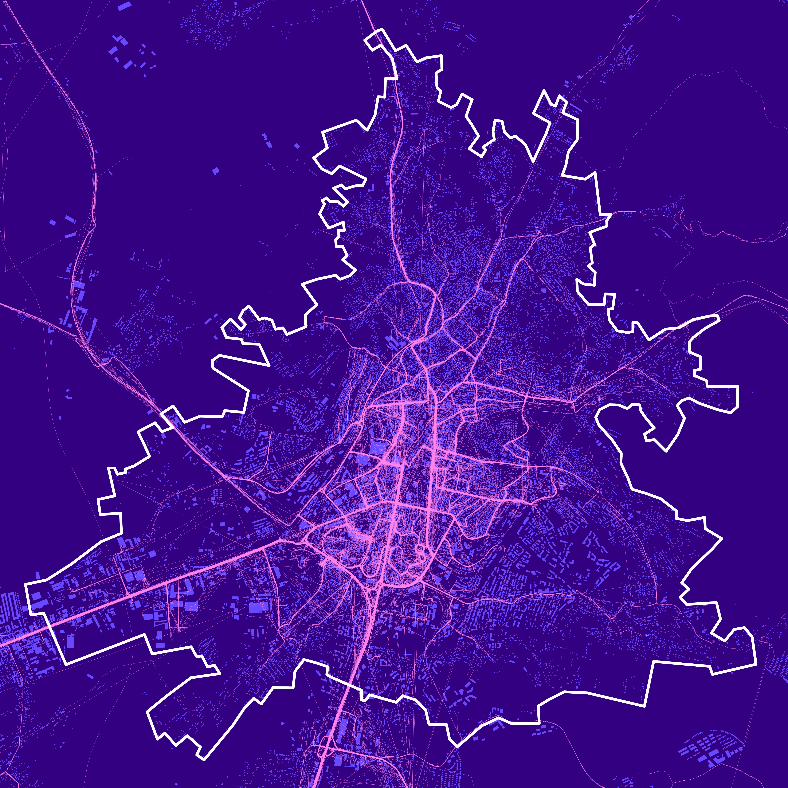
One of my favorite outputs was the Movement Patterns Map of Pristina, Kosovo. Due to a lack of comparable data from other cities, this map stood out. It vividly captured how people navigate the capital, with contrasting lines revealing traffic flow, activity zones, and urban hotspots. This map provides an excellent basis for further analysis and decision-making, such as the development of public transportation in areas of heavy traffic congestion or the development of new businesses in areas of high activity.
I’d also like to highlight two comparative maps that visualize urbanization trends in Pristina, the capital of Kosovo[1], and Podgorica, the capital of Montenegro. I chose these two maps for comparison because they show the diversity and contrast of the cities I have worked with. Pristina shows a dramatic surge in development around the year 2000, with a rapid expansion forming new peripheral neighborhoods. In contrast, Podgorica reveals a more gradual, radial growth pattern spanning three decades. These maps don’t just show land use—they tell the story of two very different urban evolutions.
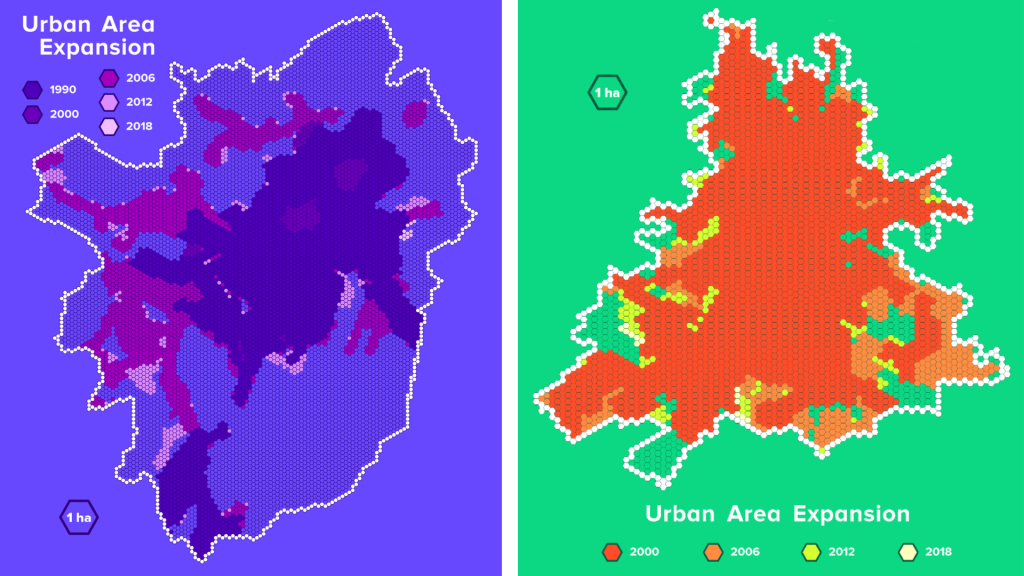
The cities we worked with—Gostivar, Tashir, Kovel, Pristina, Nizhyn, Pljevlja, Obiliq, Kavadarci, Podgorica, and Stepanavan—may differ in size, location, and background, but they all share one thing: immense potential. In every dataset and on every map, I saw evidence of resilience, growth, and opportunity.
This project reminded me that volunteering is not just about giving time—it’s about growing together, learning from each other, and building tools for change. I look forward to seeing how these cities grow—and I hope our paths cross again in the future.
Read the full CEF Exploratory GIS Analysis here.
How do you prepare cities to navigate the complexity of green and digital transitions – not through isolated projects, but through interconnected portfolios that learn, adapt, and transform?
This was the core challenge taken up at the City Experiment Fund (CEF) Portfolio Bootcamp held in Bratislava, Slovakia, from April 10–11, 2025. Hosted by the Ministry of Finance of Slovakia, UNDP, and the City of Bratislava, it convened municipal teams, UNDP Country Office leads, and innovation specialists from across the region, marking a catalytic step in co-designing urban portfolios under the Slovak Transformation Fund (STF).
Shaping the Experience: Our Approach to Bootcamp Design
As systems thinkers and facilitators, we often think about more than just the task at hand – we focus on how processes should feel, how people move through a complex and interconnected journey, and what kinds of outcomes the process is meant to enable – both rational and experiential, and that is how we approached designing the Bratislava bootcamp as well.
Through this bootcamp we wanted to create a shared learning space where city teams would meet for the first time, start building trust, and work through their own challenges using systems thinking. Our aim was to make the process feel structured enough to offer clarity, but open enough to leave room for curiosity, doubt, and different starting points.
We designed the two days to gradually layer the application of our ‘portfolio approach’: starting with defining their identity and intent, and then moving towards more solution-oriented parts of the process, like strategic positions and ideas to explore. This flow helped participants connect theory with practice and reflect on what kind of systemic effects they’re working for. To support this, we developed a user-friendly portfolio workbook that broke things down into step-by-step templates, prompts, and reflection questions. The goal was to guide without overwhelming and to spark thinking without locking anyone into a fixed format.
Facilitation was also intentionally distributed. Different team members led different parts of the bootcamp, bringing in their own perspectives, expertise and ways of working. This helped the group experience a more inclusive and co-owned flow.
Ultimately, we wanted participants to leave with both tangible outputs – like a clear intent for their portfolios, a set of initial strategic positions, and a deeper sense of how this approach can become a part of their everyday ways of working. And just as importantly, we wanted them to walk away feeling connected to each other, inspired by what’s possible, and excited to test things on the ground.
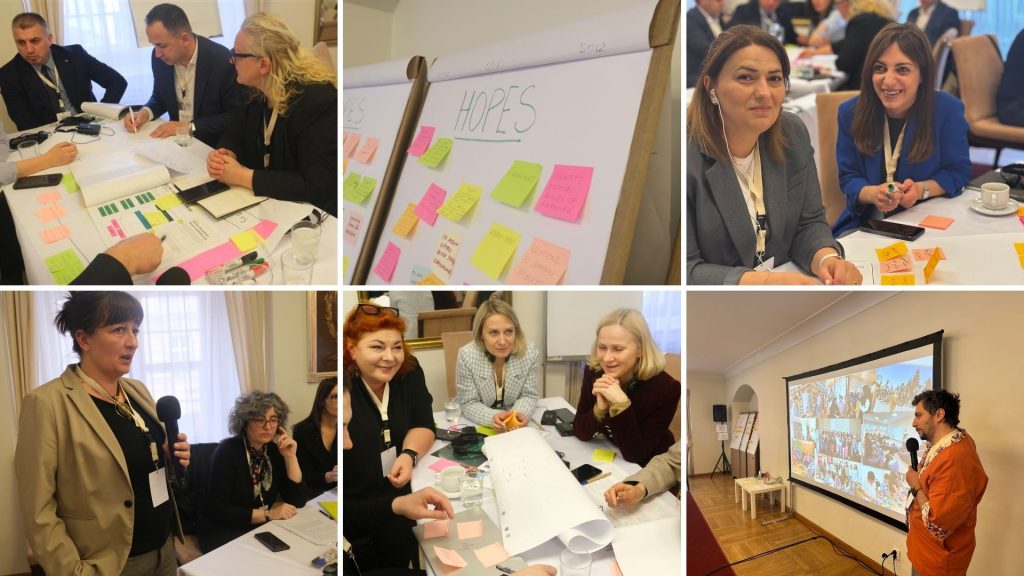
A New Chapter in Urban Innovation
The bootcamp opened with welcoming remarks from Martina Kobilicova (Ministry of Finance), Marina Popjakova (City of Bratislava), and Ievgen Kylymnyk (UNDP). From the outset, the message was clear: cities are not just implementers – they are active agents of transformation.
Day 1: Setting the Intent – From Systems to Identity
The first day centered around the question: What do we want to transform and why? After an introductory session exploring hopes and fears, participants engaged in a deep dive into the portfolio approach, learning how to work with complexity, using systems thinking and strategic innovation tools.
Key exercises included:
- Foresight and Shifts: Using tools like the “history wall” and “future-backwards mapping,” city teams identified key turning points and imagined future shifts, such as moving from paper-based to digital governance, or from fixed employment models to fluid work ecosystems.
- Portfolio Focus Mapping: Cities were asked to define their primary and secondary focus areas, ranging from circular economy and climate resilience to mobility, water, and digital governance, using the CEF Twin Transition Stencil.
- Portfolio Identity: In the final exercise of the day, teams reflected on their strengths and capabilities as portfolio holders. Through the roles of Innovator, Steward, Convener, Catalyst, or Integrator, each team began to define their identity – clarifying what they bring to the transformation journey, and where they may need support.
Day 2: From Intent to Action – Designing for Strategic Effects
The second day shifted from design intent to strategic articulation. The central question was: How can we activate portfolios to deliver systemic effects across our urban systems?
Day 2 highlights included:
- Portfolio Effects Framing: Cities worked to articulate the broader systemic effects their portfolio aims to produce – such as improved well-being, environmental gains, increased employment, or inclusive service delivery. Teams considered not only direct outcomes, but the cumulative change generated by a coherent set of interventions over time.
- Portfolio Positions Workshop: In one of the most hands-on segments of the bootcamp, cities developed strategic entry points – or “positions” – that would serve as vehicles for learning and change. Examples included youth-led circular economy hubs, digital public service pilots, and green mobility micro-zones. These were not standalone projects, but connected interventions designed to test assumptions, surface insights, and unlock new possibilities.
- Peer Exchange and Feedback: Cities shared early ideas with peers, receiving feedback and inspiration across country contexts – from agro-tourism pilots in Armenia to green-digital mobility plans in Montenegro.
Learnings and Reflections
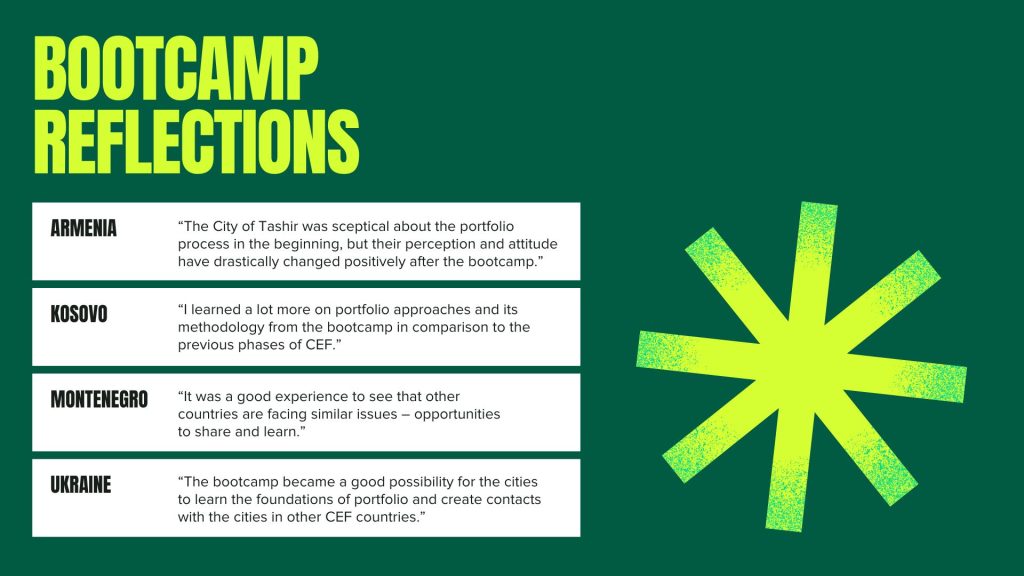
Designing and running the bootcamp gave us a lot to reflect on, not just about the process itself, but about what cities need at the start of a journey like this.
One thing that stood out clearly: simple tools unlock deeper thinking. The workbook and other such templates helped participants focus less on decoding the process and instructions and more on the actual questions they were trying to answer. When tools are designed to support and not direct, they create space for teams to think more clearly and go further.
We also saw the value of making room for different learning styles and paces. Not every team had to finish everything in the room. Some moved quickly, others stayed with a single idea longer, and that was okay. What mattered was developing a flow and understanding they could continue back home. In that way, the bootcamp was just the beginning – what they started here would then evolve within their own city context.
Another key insight was the importance of local leads from the Country Offices – people who not only speak the language but understand the team’s day-to-day realities. They were crucial in helping teams interpret, adapt, and translate the content into something usable and grounded. This kind of embedded facilitation will be essential moving ahead, too, as city portfolios begin to take shape on the ground.
The physical tools, like the workbook, played a quiet but important role. People carried them around, referred back to earlier notes, and will likely use them for deeper conversations within their municipalities. In a process that can feel abstract, these tangible touchpoints can sometimes aid discussions and decision-making beyond the core team.
Looking back, it felt especially important to hold this kind of a workshop at the beginning of this journey. It built trust, helped establish a shared rhythm, and created the foundations of a community. That connection like the peer exchange, the informal side chats, the moments of “we’re figuring this out too” will only grow stronger over time and increase the level of engagement and ownership across the cohort.
Lastly, hearing from people who have already been doing this work, who shared stories of their initiatives and portfolios, including the messy parts, was very powerful and reassuring. It made the process feel real, human, and possible. We aim to keep bringing those voices into future spaces because sometimes the best way to learn is simply to understand how someone else made it work.
A Bootcamp of Possibility, Not Prescription
What made the Bratislava bootcamp unique was its emphasis on learning by doing. Participants didn’t just listen – they mapped, prototyped, imagined, and reflected. Embedding systems thinking, foresight and strategic learning, every exercise was framed as an invitation to experiment, with portfolios positioned not as static plans but as evolving vehicles for navigating uncertainty and shaping urban transformation.
With the portfolio bootcamp completed, cities now move into the activation phase: refining their early positions, testing pilot options, building governance capacity, and laying the groundwork for long-term financing and partnerships.
The City Experiment Fund, a regional UNDP initiative, collaborates with cities in Europe and Central Asia to drive sustainable urban transformation through strategic innovation. Find out more: https://innovation.eurasia.undp.org/city-experiment-fund/