
Category: Urban futures
More than 30 years after the Soviet Union’s collapse, cities in Eastern Europe and Central Asia still face economic stagnation, aging infrastructure, and new pressures from climate change and conflict. Traditional urban planning, which often tackles problems in isolation, struggles to respond to these complex, interconnected challenges.
Since 2021, UNDP has worked with 15 cities in the region to take a more systemic approach—advancing portfolios of solutions that align social, environmental, and economic goals. These include transforming biowaste, redesigning streets for cleaner air, and creating green jobs.
Through this work, four key lessons have emerged to help cities move beyond fragmented efforts and embrace inclusive, adaptive urban development. Read the full article published in the Stanford Social Innovation Review.
Written by the UNDP Innovation Team Istanbul Regional Hub in partnership with the European Commission.
As the EU Commission and the United Nations Development Programme (UNDP) concluded the Future-Fit Cities Forum 2025: Missions Possible in Chișinău, Moldova in early April, it is an appropriate time to reflect on its lessons for the EU-funded Mayors for Economic Growth (M4EG) Facility. The Forum has already become a well-recognized brand for regional gatherings of urban innovators and mayors from cities across the Eastern Partnership (EaP) countries. This edition proved as successful as previous ones and saw fruitful exchanges of ideas among key stakeholders on how to support sustainable local development in line with EU standards. Kindly hosted by our partners in Chisinau, the Forum also reaffirmed the strong relationship between the EU and Moldova and their commitment to Moldova’s European Accession process.
As it was announced publicly during the Forum, M4EG will continue to steer the urban innovations journey within its network of cities and beyond to bridge cities with innovations and help them to navigate within growing levels of uncertainties for the next cadence of four years.
The Future-Fit Cities Forum created a momentum to take stock of what we managed to create together with municipalities across the EaP and in the EU, civil society organisations, private sector and international partners; and we will seize this opportunity to further reflect on what we achieved and what awaits us and partners in the next exciting chapter of urban makeovers!
What we’ve achieved together
Since 2017, M4EG has been funded by the European Union, and with UNDP as implementing partner since 2021, the M4EG Facility has fostered a dynamic network of municipalities, collectively rethinking the meaning of local economic growth and resilience across EaP countries. The results? A testament to the future-readiness of local leadership and resilient economies.
The M4EG network has grown into a vibrant ecosystem of networking, partnerships, and co-creation. Over the years, more than 430 municipalities have reaffirmed their commitment to the initiative, with nearly 50 cities benefitting from innovative financing for urban development through three key pillars: Portfolio Journey, Urban Imaginaries, and the EU Response and Renewal Programme. These streams have provided tailored support to municipalities, enabling them to reimagine urban spaces, implement innovative solutions, and address mounting complex challenges. From crafting a new Pathways for Economic Growth (P4EG) methodology for next generation local development planning to fostering holistic urban transformation portfolios, the M4EG Facility has delivered tangible results on the ground.
At the core of the M4EG complex system you’ll find a Portfolio Journey that is a three-year-long programme for in-depth learning and strategic planning, and based on systems thinking, which uses a “portfolio approach” to address complex problems that cannot be solved through traditional project management methods alone.
Equipped with a portfolio approach, municipalities have implemented projects on green and blue energy transitions in 18 municipalities in the Republic of Moldova and Ukraine, in conjunction with crucial assistance to refugees and internally displaced persons in the wake of Russia’s unjustified war of aggression against Ukraine. Meanwhile, sustainable tourism in Armenia and green and smart solutions for cities in Azerbaijan and Georgia were actively developed with the portfolio approach. The latter became a sandbox for local authorities to enhance community infrastructure, promote a coherent and holistic approach to local development in line with EU standards, and foster sustainable development.
The last two years have also been marked by the learning journey and graduation of 24 municipalities across Urban Imaginaries. Initially, cities focused on small initiatives to reinvent key aspects of local living through human-centered design methodologies and community engagement under the guidance of the Centre for Public Impact (CPI). Later, the focus shifted to scaling, financing, mentorship, and peer exchanges with ARUP.
One of M4EG’s central contributions has been development of future-ready capabilities of municipalities, delivered digitally through six tailored courses at the Urban Learning Center and through deeper in-person training sessions reaching a total of more than 1800 learners in the region. This has been made possible with partners such as ARUP, TalTech and Climate-KIC.
What’s next?
The time is now right for the European Union and UNDP to take a bold and innovative step forward in driving municipal development through the M4EG Facility. Building on lessons learned, this phase will incorporate new methodologies to address complex challenges. M4EG municipalities will delve deeper into familiar concepts while exploring a mission-oriented economy, focusing on solving specific societal challenges through targeted, strategic interventions.
As we move ahead, the focus remains on empowering municipalities to become future-ready and design impactful, hyperlocal projects. M4EG will to continue its transformative journey while redefining what is possible for cities across the Eastern Partnership region.
In the coming years, the Facility and partners will work on enhancing local funding efforts by embedding stronger funding and financing approaches in all workstreams of M4EG and creating alignment with key EU initiatives in the EaP region and the Global Gateway Strategy. Municipalities need to focus on building financial attractiveness and fostering resilient local economies to thrive in today’s uncertain circumstances. Together with ARUP, M4EG already described instruments to increase funding for investment under the extensive research, along with the free thematic online course called “Funding and Finance for Municipalities” – both providing up to date know-how around urban financing, and informs the core focus of M4EG in the coming years.
As we embark on this new direction, we extend our gratitude to all our partners and local authorities – those who have been with us, joined us along the way, or plan to collaborate in building a resilient and sustainable urban future in the region.
The journey continues – keep an eye out for what’s next!
Two key lessons from our work in the Mayors for Economic Growth project, in collaboration with UNDP: 1) Innovation needs to occur at multiple levels and 2) If we’re to be effective, we must remain humble.
The increasingly complex challenges of urban development require us to think ever more innovatively. Demos Helsinki has been proud to support the joint EU & UNDP Mayors for Economic Growth (M4EG) initiative, working with cities in the Eastern Partnership region to provide new ways to deliver sustainable and inclusive growth.
Over the course of the project, Demos Helsinki partnered with UNDP and engaged with eight highly motivated M4EG’s network cities to help find innovative solutions to urban development issues, offering tools to ideate (create), iterate (improve), and scale solutions that align with their local goals. A key component of this effort was the use of dynamic portfolio management (DPM) — a methodology that redefines how urban development missions are performed at various levels.
The key to DPM lies in its emphasis on experimentation: By breaking out of policy-specific areas, cities are encouraged to test different approaches, reflect on the results, and refine them in an iterative process. This experimentation allows cities to work iteratively towards their overarching goals while adapting to new challenges and lessons learned.
Based on the insights gained from the M4EG project, Demos Helsinki and UNDP partnered to deliver the report: Urban Development Beyond Growth, further pushing the boundaries of innovation by exploring how post-growth approaches might inform the next evolution of development practice.
This blog outlines two key lessons we have taken from the work.
Lesson 1: Innovation needs to occur at multiple levels
Innovation can mean many different things depending on context. However, to be most effective, we need to move beyond innovating in siloes and consider how we can innovate at multiple levels, often all at once. Achieving a paradigm shift in urban development requires (at least) the following types of innovation:
Conceptual innovation
We need to ask ourselves, what is urban development, and what is it for? While economic growth is usually linked to improving living standards, it has begun to be treated as an end in itself rather than as a means to improving wellbeing. Couple this with the mounting scientific evidence on the ecological and social harm the growth paradigm is doing to the planet, and the need to explore alternatives becomes clear.
Instead of focusing on endless growth, which often fails to concretely improve people’s lives, innovations in the concept of urban development might instead focus on novel ways of fostering wellbeing and sustainability. Models like the Wellbeing Economy, popularised by Katherine Trebeck and the Wellbeing Economy Alliance, and the Doughnut Economy, introduced by Kate Raworth, can expand the imaginations of policymakers and decision makers, widening their toolkits, whether growth is still needed or not.
Methodological innovation
The dynamic portfolio management approach represents a shift toward adaptive, experimental urban development. As cities face increasingly complex challenges, they need innovative new methods to address them effectively. DPM empowers cities to confront uncertainty head-on while working toward their long-term goals by learning, reflecting, and adjusting their strategies in real time.
Institutional innovation
For new methods to persist beyond their use in individual projects, they must be embedded within the city’s institutional structures. In Ceadir-Lunga, Moldova, for example, Demos Helsinki worked on integrating the portfolio approach into the city’s broader governance framework, starting a conversation about how new methods might form part of wider institutional innovations.
Leadership and culture
Any attempt at innovation will falter without leadership buy-in. Empowering local leaders and municipal staffto think differently, experiment, and embrace failure is essential for experimental methods and institutions to be successful. Leaders must create space for creativity, pave the way for a supportive culture and encourage a shift in how governance is approached.
Through leadership commitment and the resulting cultural shift, a key success of the M4EG initiative has been its ability to foster collaboration within communities by creating opportunities for new stakeholders to come together.
As revealed during the survey phase that shaped the Urban Development Beyond Growth report, in Ceadir-Lunga, a local resident shared that “municipal activities have significantly improved cohesion and relationships between city residents.”
Similarly in the Armenian city of Areni, a participant noted that “thanks to the programs organised by the municipality, I have also become more active in the community, and I strive not only to wait for the events organised by the community, but also to contribute to the implementation of the programs held here.”
Lesson 2: If we’re to be effective, we must remain humble
Successful innovation in urban development requires more than just new concepts, methods and institutions — it demands humility in how we approach the realities of local contexts. This is particularly true for outside experts who may be engaging with these new settings for the first time.
Changes will not be immediate and sweeping, and the very best ideas may struggle when they confront the realities on the ground. Cities face complex constraints and challenges, and outside experts must engage with these realities in ways that respect local knowledge and circumstances.
Cities often find themselves constrained by national agendas and external investment priorities, typically lack autonomy in critical policy domains like health and education, which are predominantly determined at national levels. This dependence creates a cautious administrative environment where city leaders must carefully navigate political landscapes, prioritising strategies that align with broader governmental expectations to secure necessary funding and support. Expecting path-breaking radicalism to emerge overnight is neither fair nor realistic.
In this sense, the process of learning and iteration should apply just as much to us as experts as it should to cities themselves. As we work alongside cities to navigate complex and uncertain realities, we too must be open to adapting our approaches, learning from each experience, and continuing to evolve.
Conclusion
The lessons from M4EG serve as a reminder that innovation in urban development is not a destination but an ongoing process: one that demands creativity, adaptability, and, above all, humility. The work is far from over, but if there is one certainty, it is that the future of urban development belongs to those willing to challenge convention, reimagine possibilities, and learn alongside the cities they serve.
Article was originally published on the M4EG website.
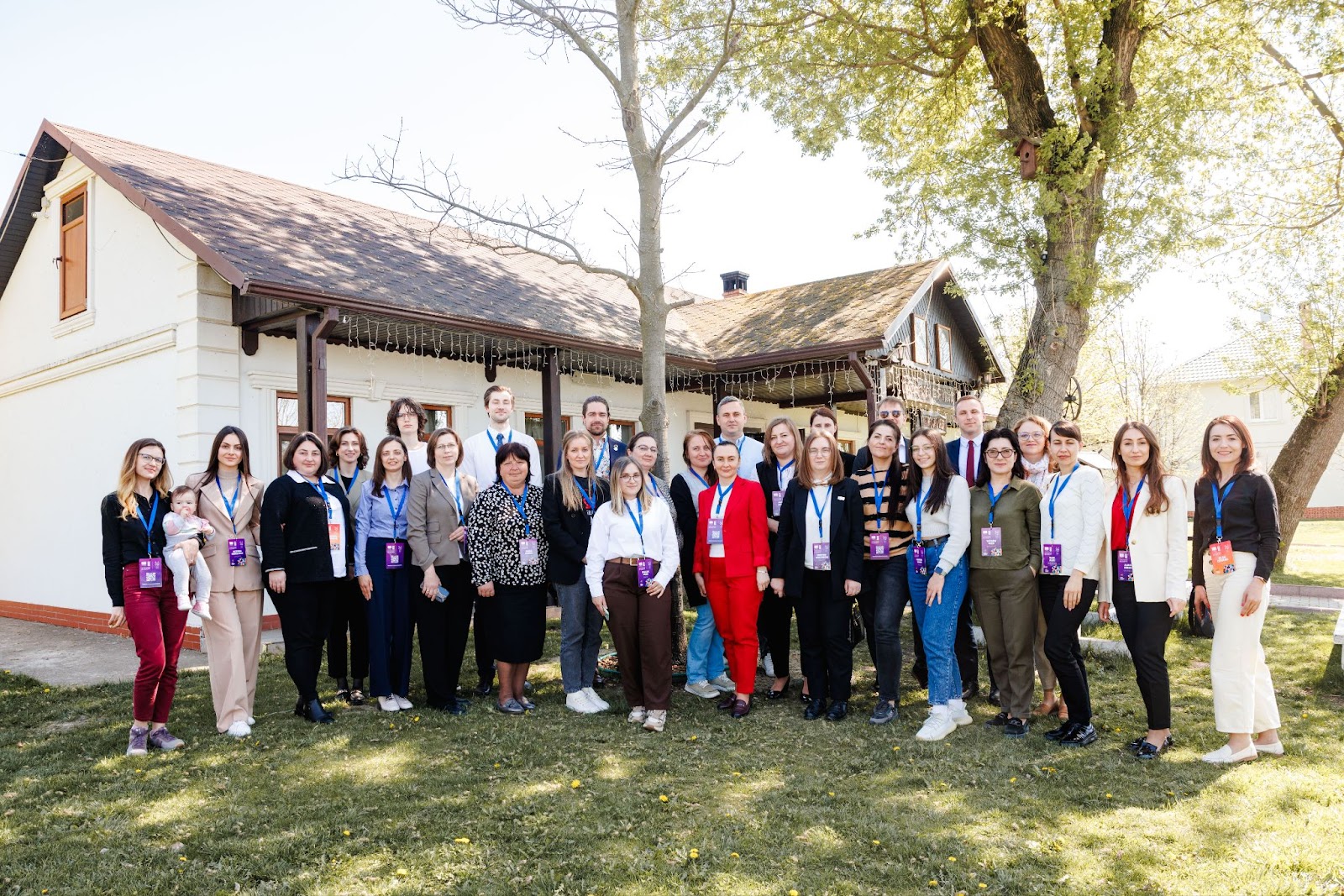
The second international “Future-Fit Cities Forum” has officially concluded in Moldova, bringing together around 100 development actors, including mayors from the Eastern Partnership (EaP) countries, development institutions, academia, civil society organizations, and international financial institutions. Organized under the auspices of the Mayors for Economic Growth (M4EG) Initiative, the two-day forum was a joint effort by the European Commission’s Directorate-General for Enlargement and the Eastern Neighbourhood (DG ENEST), the United Nations Development Programme (UNDP), and partners, reinforcing their commitment to fostering local economic development in the region, kindly hosted by our Moldovan partners in Chișinău.
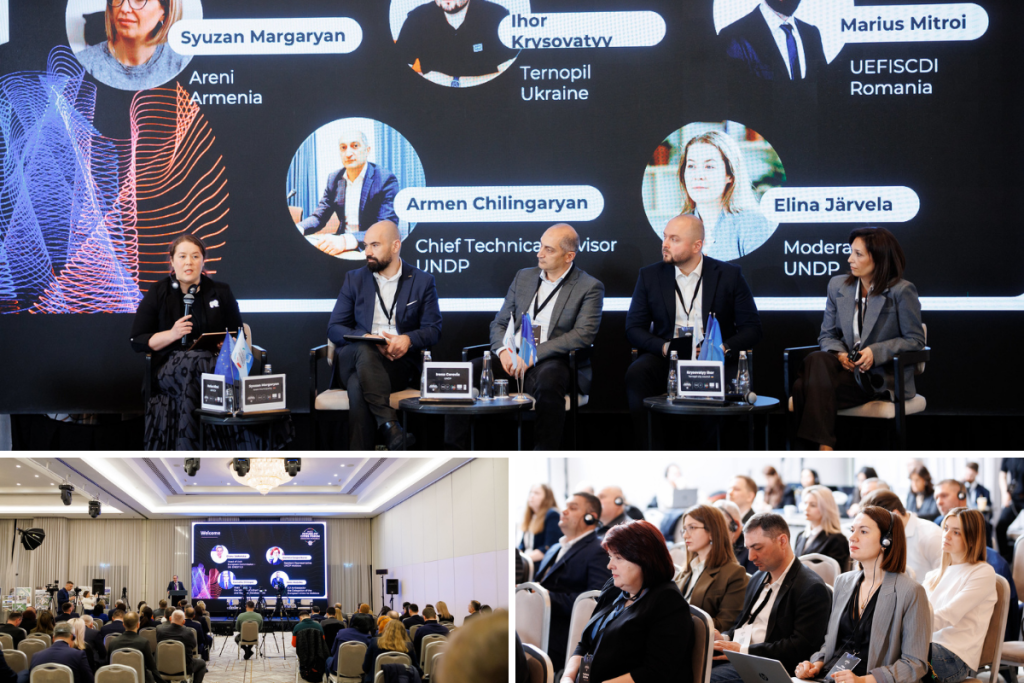
The forum serves as a pivotal moment, both concluding the second phase of the EU-UNDP M4EG initiative and launching its ambitious third phase for 2025-2028. Since 2021, M4EG has re-built and engaged a network of over 430 municipalities across the EaP region. Nearly 50 municipalities have benefitted from innovative financing for urban development, funding the green and blue energy transition in the Republic of Moldova and Ukraine as well as crucial assistance to refugees and internally displaced persons in the wake of Russia’s war of aggression against Ukraine, but also sustainable tourism in Armenia and green and smart solutions for cities in Azerbaijan and Georgia.
“The European Union has been a prominent support of local authorities and will continue to support a more prosperous future for cities across the Eastern Partnership”, said Janis Mazeiks, EU Ambassador to the Republic of Moldova. “Through M4EG, we can build a brighter future, a future based on democracy, inclusion, and sustainable growth”.
“Over the past four years, the M4EG initiative has proven that municipalities can be dynamic agents of local change when equipped with the right innovative tools and partnerships,” said Steliana Nedera, Director, UNDP Istanbul Regional Hub. “As we embark on the third phase, we are shifting towards mission-driven local economies, ensuring that cities across the region are prepared for sustainable and inclusive growth.”
The new phase of M4EG will be rolled out around several innovative directions. Among series of intertwined urban activities, it will introduce a bold four-year Mission-Oriented Economy Programme, drawing inspiration from Mariana Mazzucato’s work, the EU’s Horizon Europe initiatives, and the M4EG Phase Two Portfolio Journey. This Programme will support up to 20 secondary cities in shaping and implementing economic transformation strategies tailored to their local context.
Additionally, the initiative will integrate a finance advisory component within the M4EG grant mechanism, enhancing local authorities’ ability to develop investment pipelines and improve finance readiness. This addition will complement the technical support for municipalities, ensuring they are well-equipped to attract diverse investments.
Background
Launched and funded by the European Union (EU) in 2017, the Mayors for Economic Growth (M4EG) Initiative has been managed by UNDP since 2021, in close cooperation with the EU, local authorities, and a diverse range of partners.
For media inquiries:
For the European Commission/DG NEAR:
Mr. Francois Villard, Project Manager, the European Commission – DG ENEST C.1, Francois.VILLARD@ec.europa.eu
For UNDP:
Mr. Anton Sydorenko, M4EG Facility Communications Lead, anton.sydorenko@undp.org
The City Experiment Fund (CEF), a regional UNDP initiative supporting sustainable urban transformation through strategic innovation, is bringing together over 40 participants from across Europe and Central Asia for a two-day kick-off bootcamp in Bratislava, Slovak Republic, on 10–11 April 2025.
The bootcamp marks the launch of collaboration with a new cohort of cities focused on advancing the Twin Transition – supporting digital and green transformation at the local level. Representatives from UNDP and municipalities will come together to explore new ways of tackling complex urban challenges, drawing on systems thinking, foresight, and strategic innovation.
Organized by UNDP with the financial support of the Ministry of Finance of the Slovak Republic, through the Slovak Transformation Fund, and with generous support from the City of Bratislava, the event will take place at the iconic Primate’s Palace in the heart of the city.
Participating cities in this cohort include Stepanavan and Tashir (Armenia), Kavadarci and Gostivar (North Macedonia), Pristina and Obiliq (Kosovo[1]), Kovel and Nizhyn (Ukraine), and Pljevlja and Podgorica (Montenegro).
Over two days, the programme will guide city teams through a hands-on, collaborative process to reflect on their cities’ transformation goals, shape their innovation pathways, and identify strategic areas for action. Participants will engage in speculative scenario exercises to better understand emerging risks and opportunities, define the future direction of urban development through a systems approach, design transformation portfolios aligned with their main goals, and begin outlining practical approaches for delivering change on the ground. The bootcamp will also create space for peer learning, shared insights, and discussions around innovative financing and collaboration models.
This event is the beginning of a longer-term journey with participating cities, equipping them with the tools and networks needed to design and implement portfolios of innovative interventions that build stronger, greener, and more inclusive cities that are better prepared for the future.
[1] All references to Kosovo shall be understood in the context of United Nations Security Council Resolution 1244 (1999).
The United Nations Development Programme (UNDP) in Europe and Central Asia has announced the next cohort of 10 cities selected for the City Experiment Fund (CEF), a regional initiative that brings cities together to reimagine and shape sustainable urban development through strategic innovation and transformative solutions. It is supported and funded by the Ministry of Finance of the Slovak Republic, a longstanding partner in urban development and systemic innovation in the region.
The selected cities – Stepanavan and Tashir (Armenia), Kavadarci and Gostivar (North Macedonia), Pristina and Obiliq (Kosovo), Kovel and Nizhyn (Ukraine), and Pljevlja and Podgorica (Montenegro) – will develop and test new approaches to some of the most pressing urban issues today.
Over the next two years, these cities will co-create and implement strategic innovation portfolios that take a holistic approach to urban development. With a focus on the Twin Transition – leveraging digital and green innovations – the initiative will equip cities to redesign key urban systems, from infrastructure and public services to climate resilience and sustainability.
Building future-ready cities
CEF is designed to empower cities to experiment, adapt, and innovate, equipping them with systems thinking tools, methodologies, and frameworks needed to navigate urban transitions. By leveraging data-driven insights, collaborative problem-solving, and real-world testing, cities will refine strategies tailored to their local challenges and sustainability goals. Key focus areas include:
- Driving sustainability – Supporting cities in their green transition, reducing emissions, and promoting low-carbon and environmentally friendly urban development.
- Enabling circular economy – Transforming urban resource flows, business models, and consumption patterns to create more closed-loop and sustainable systems.
- Improving quality of life – Enhancing air quality, access to green spaces, and sustainable mobility, ensuring urban areas are more livable, inclusive, and equitable.
- Reshaping urban systems – Rethinking energy, transportation, waste management, and land use to build more resilient, efficient, and people-centered cities.
- Fostering resilience – Strengthening cities’ ability to withstand climate shocks, water scarcity, and biodiversity loss through green infrastructure, renewable energy, and nature-based solutions.
The 2025–2028 phase of CEF will provide funding and expert support to support city-level projects and implementation. A key feature of the initiative is capacity building, with UNDP and city teams receiving tailored training, mentorship, and access to BOOST impact acceleration programmes to strengthen local innovation ecosystems. Additionally, participating cities will explore innovative financing mechanisms, ensuring the long-term sustainability of their initiatives.
Since its inception, the initiative has contributed to driving urban transformation across Europe and Central Asia, enabling cities to accelerate systemic change and pioneer new models of sustainable development.
Urban centers are becoming more age-diverse than ever, yet many cities struggle to meaningfully engage different generations. With the global population projected to reach 9.8 billion by 2050, cities must evolve to foster intergenerational connections rather than maintaining rigid silos.
Youth, often excluded from decision-making, hold enormous potential to bridge these divides. In Europe and Central Asia, where young people under 24 make up 17% of the population, they can play a crucial role in shaping inclusive, sustainable urban environments. Yet, high youth unemployment – exceeding 20% in parts of the region and reaching 32% in Kosovo [1] – pushes many to leave their communities. Addressing this challenge requires equipping youth with the tools and spaces to actively contribute to their cities.
At the same time, young people are at the forefront of sustainability efforts. Nearly 160 million youth in the region live in areas vulnerable to climate change, and in a recent Amnesty International study 41% of youth around the world identify it as the defining issue of our time. Beyond job creation, empowering youth to lead urban initiatives can fuel their passion to address pressing challenges and ensures cities remain hubs for innovation and action.
UNDP is exploring youth-driven innovation to reimagine cities as spaces where people of all ages collaborate toward shared progress. Examples from across Europe and Central Asia illustrate how youth engagement can lead to meaningful change.
Tapping into the power of imagination
It is one thing to design youth-focused initiatives based on data; it is another to involve young people in the ideation process. When youth are empowered to propose solutions, they become proactive changemakers, developing leadership skills while shaping cities to reflect their needs and perspectives.
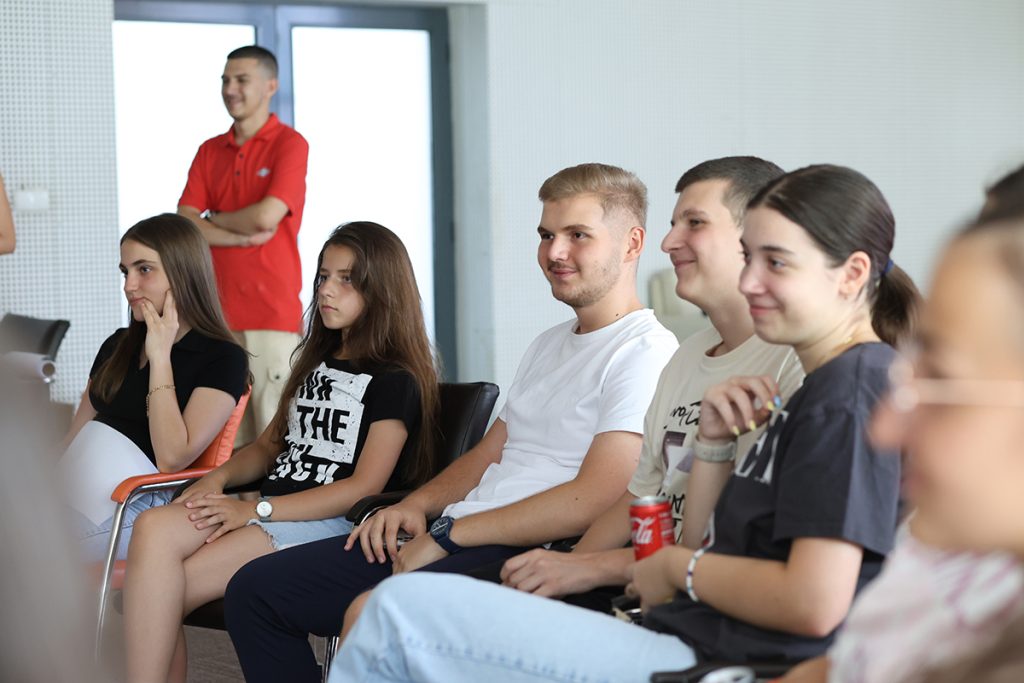
The City Experiment Fund, а regional UNDP initiative that brings cities together to reimagine urban development and shape sustainable cities through strategic innovation, showcases this approach. In Pristina, Kosovo, young people took the reins in reimagining public spaces, transforming them from neglected areas into vibrant, inclusive gathering places. Over several months, children aged 10-17 engaged in a dynamic process that included brainstorming sessions, design roundtables, and AI testing workshops. They assessed their needs and envisioned new urban spaces that foster community and creativity. Two standout ideas emerged: a social hub with circular seating and swings, designed to encourage interaction, and an open green space envisioned as a cultural venue with sustainable furniture, offering a space for performances, learning, and relaxation. These initiatives highlight the need for safe, interactive environments that bring communities together.
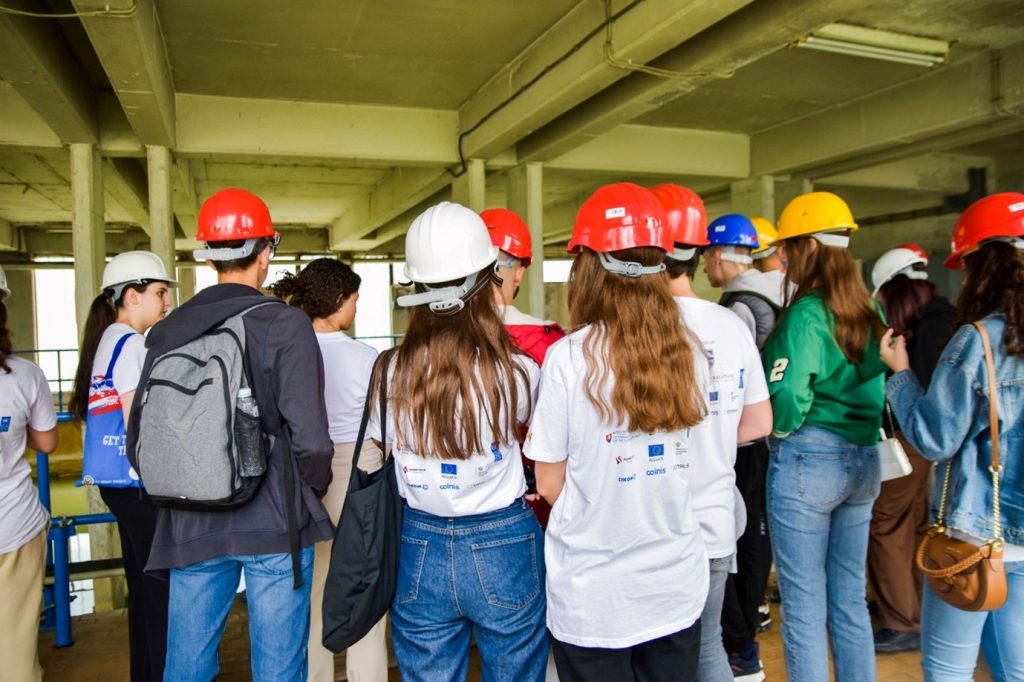
In Montenegro, the non-profit Korak sa Naukom (Step with Science) engages youth in problem-solving through its annual Engineering Summer School. Participants tackle local challenges, such as reducing air pollution in Pljevlja by automating city traffic and incentivizing alternatives to car use. Emerging ideas include a subsidy program to encourage reduced personal vehicle usage, illustrating how youth-driven initiatives can contribute to broader sustainability efforts.
Meanwhile, Lviv, Ukraine, as part of Mayors for Economic Growth, a EU-UNDP initiative supporting municipalities in the Eastern Partnership countries, introduced civic engagement tools, including public hearings, a petition portal, and youth advisory councils. These platforms enable young people to influence local policies, from road repairs to sports programs. By including youth in local governance, Lviv’s model showcases how cities can encourage long-term civic responsibility and inclusive decision-making.
Co-creation in Stepanavan: The Looys Youth Center
But engagement can go beyond mere consultation and involvement when young people become equal partners in shaping initiatives. Co-creation builds a lasting sense of ownership, encouraging youth to lead projects that address their real needs and not only.
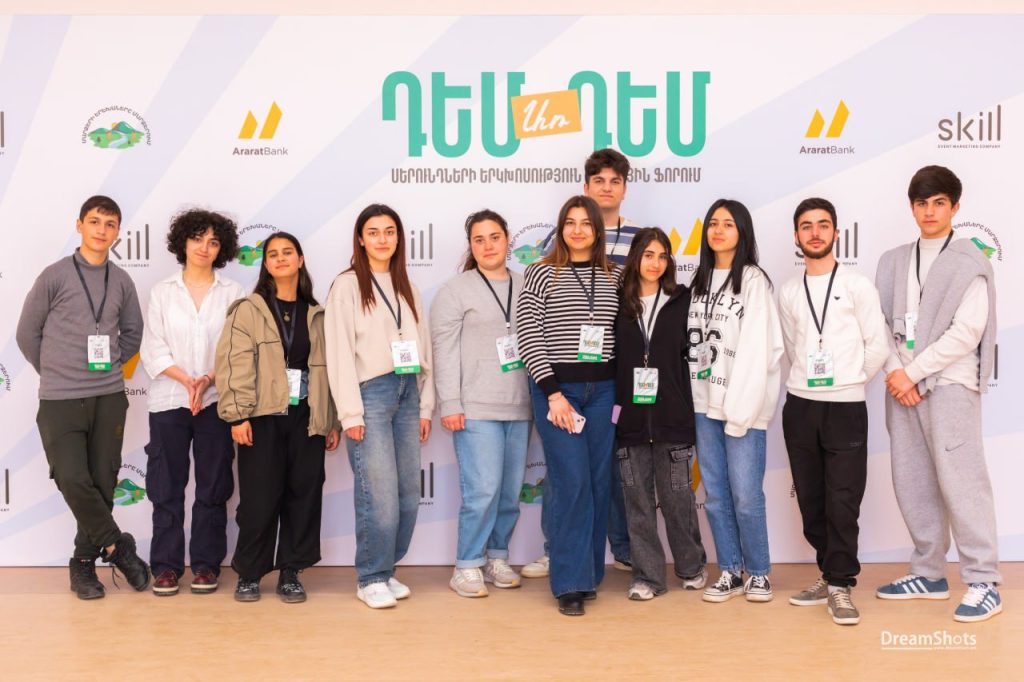
In Stepanavan, Armenia, UNDP supported the creation of the Looys Youth Center (“light” in Armenian) after community listening sessions revealed that youth were leaving not just for jobs but due to a lack of vibrant spaces. Through sensemaking and foresight workshops, young and older generations co-designed a dynamic learning ecosystem within the local library. Opened in July 2023, the center is now a self-sustaining hub for youth innovation and intergenerational connection.

Volunteers like 17-year-old Mikayel and 16-year-old Julie regularly organize activities ranging from movie nights to debate clubs and mountain excursions. Julie reflects, “Before joining the youth center, I was very shy. Now, I feel more comfortable connecting with others.” Beyond serving youth, the center collaborates with the library’s staff to modernize resources and host cultural events. Volunteers have even helped revamp book collections and create interactive programs that appeal to all generations.
Next steps: Empowering youth leadership for resilient cities
What is clear is that to fully harness youth potential in urban transformation, cities must move beyond consultation toward genuine co-creation, ensuring young people have ownership over initiatives they help design. This fosters leadership, skill-sharing, and solutions that are both innovative and inclusive.
For example, competitions like C40’s Youth Reinventing Cities exemplify how youth can lead sustainable urban change. This global initiative challenges young people to rethink urban development by designing climate-resilient, inclusive cities. Participants then collaborate with urban planners, policymakers, and environmental experts to develop solutions tackling urban mobility, energy efficiency, and climate adaptation. With over 13,000 young participants worldwide, the competition provides hands-on experience in shaping the cities of tomorrow.
By cultivating collaboration and creativity, these types of initiatives empower youth to drive real, lasting change – ensuring cities are not just built for them, but by them.
[1] References to Kosovo shall be understood in the context of Security Council Resolution 1244 (1999).
The United Nations Development Programme (UNDP) in Europe and Central Asia and the Ministry of Finance of the Slovak Republic have announced a $5.94 million extension of the Slovak Transformation Fund Project (STF) through 2028. The announcement was made during the 12th World Urban Forum in Cairo, Egypt, which brought together thousands of people to showcase urban innovations. This builds on the successful partnership between UNDP and the Slovak government to drive systemic change across the region.
The extended partnership will scale up successful components of the Project, particularly focusing on urban transformation through two key initiatives: the City Experiment Fund, which enables cities to tackle complex urban challenges through experimentation and learning, and BOOST, an impact acceleration programme supporting innovative solutions. Key focus areas include:
- Enhancing innovation capabilities across the Europe and Central Asia region
- Supporting cities in developing complex urban transformation processes
- Promoting gender-responsive urban development and decision-making
- Facilitating partnerships between participating cities and municipalities in Slovakia and broader region
- Developing new financing options to fund sustainable urban initiatives
“The extension of the Slovak Transformation Fund demonstrates our commitment to fostering innovation and sustainable development across the Eurasia region,” said Martina Kobilicová, Acting Director General of the International Affairs Section, Ministry of Finance of the Slovak Republic. “Through this partnership, we continue to support transformative initiatives that create lasting positive change in urban communities.”
“The main objective of the Slovak Transformation Fund is to drive meaningful system transformation in Europe and Central Asia for the achievement of the Sustainable Development Goals. This will be achieved by deploying systems approaches that demonstrably enhance the effectiveness and sustainability of local ecosystems, engaging stakeholders in co-creation processes to address complex challenges, fostering innovation and resilience, and leveraging innovative finance to increase investment in pilots and initiatives that can drive change,” said Steliana Nedera, Manager of UNDP’s Istanbul Regional Hub.
The 2025-2028 extension will support at least two cohorts of cities, organized around strategic innovation portfolios of various interventions, and the launch of specific development challenges through BOOST in areas such as twin transition, gender equality, youth participation, and innovative urban governance to identify and accelerate innovative business models and solutions in the region. The project will also develop innovative financing mechanisms to mobilize public and private resources for sustainable urban development.
The extended partnership reflects both organizations’ commitment to driving sustainable, inclusive urban development and fostering innovation ecosystems that can effectively address today’s complex development challenges.
The United Nations Development Programme (UNDP) and the City of Bratislava have signed a four-year Memorandum of Understanding (MoU) to enhance development activities supporting cities across Europe and Central Asia. Coordinated through UNDP’s Istanbul Regional Hub, this partnership focuses on addressing urban challenges through innovative systems approaches, strategic learning portfolios, and participatory governance models.
Together, UNDP and the City of Bratislava will work on driving urban transformation through collaborative practical solutions to make cities in Europe and Central Asia better places to live. The partnership will focus on several key areas: improving city services and management, creating digital tools that make it easier for residents to access services and participate in city decisions, improving the use of alternative and innovative finance mechanisms for innovative urban projects, strengthening how cities respond to crises, and designing public spaces. Beyond these specific areas, the partnership will build knowledge networks between cities across the region, organize events and workshops for sharing expertise, and develop new ways for cities to work together on solving urban challenges, all in support of the sustainable development goals for 2030.
“This partnership marks an important step in our regional approach to urban development challenges,” said Steliana Nedera, Manager, UNDP Istanbul Regional Hub. “By collaborating with the City of Bratislava, we can leverage shared expertise and experience to develop solutions that will benefit cities across Europe and Central Asia, fostering innovation and sustainable development throughout the region.”
“I’m excited about our new partnership with the United Nations Development Programme. It is an opportunity for us to work closely with other cities across Eastern Europe and Central Asia, share our experiences, and pick up fresh ideas to make our communities more sustainable and resilient,” noted Matúš Vallo, Mayor of Bratislava. “Bratislava is looking forward to learning alongside our peers, exchanging insights, and finding practical ways to create greener, more inclusive urban spaces that truly serve everyone.”
Through the partnership, UNDP is also planning to strengthen local crisis response capabilities and promote inclusive urban development that addresses the needs of all generations. Special attention will be given to creating sustainable environments that prioritize children’s safety and family well-being, ensuring cities become more resilient and livable for all residents.
The agreement with the City of Bratislava builds on UNDP’s longstanding collaboration with the Ministry of Finance of the Slovak Republic through several projects since 2009. These initiatives have facilitated the Ministry’s knowledge-sharing in public finance management and supported the innovative urban governance models and alternative financing mechanisms across the region.
Reposted from UNDP Europe and Central Asia.
At last week’s COP29, nations faced an urgent priority – addressing the critical role of finance in adapting to climate change and tackling loss and damage. Cities, which account for over 70% of global CO2 emissions and house more than half the world’s population, stand at the frontline of both climate impacts and solutions. Yet with a staggering global climate financing gap of more than US$4 trillion annually, it’s clear that new approaches to funding urban climate action are needed.
UNDP in Europe and Central Asia has been advancing an array of innovative financing initiatives designed to transform our cities and build resilience in the face of climate change. We’re testing different approaches – from assessing how blockchain technology can help fund green initiatives, to building capacity for crowdfunding that empowers communities to invest in sustainable efforts, to exploring how environmental impact bonds can create win-win opportunities for investors and the planet.
Democratizing access to finance through crowdfunding
Crowdfunding can be a powerful tool enabling individuals, diaspora communities and private sector actors to support local climate initiatives often overlooked by traditional investors. Our AltFinLab’s Crowdfunding Academy has already made a strong impact: previous cohorts have mobilized over US$3.1 million for sustainable development projects. The academy now includes a dedicated climate-focused track.
With this success, we’ve moved on to the municipal-level to test how cities can leverage crowdfunding for local development projects, starting with ten Moldovan municipalities with project ideas ranging from rebuilding green spaces to waste management initiatives. Additionally, the UNDP-powered Tadamon platform, supported by ISDB and IsFD, has equipped 700+ civil society organizations with crowdfunding capabilities, leading to numerous campaigns on bringing renewable energy to schools and installing solar panels. Collectively, these initiatives have catalyzed over $17 million in funding, demonstrating crowdfunding’s potential as an effective alternative financing mechanism.
Leveraging blockchain technology to foster transparency and efficiency
Building on its crowdfunding success, UNDP AltFinLab is also exploring blockchain technology to enhance transparency and efficiency in climate finance. A critical foundation for this work is the Blockchain Academy, launched in collaboration with the Algorand Foundation. It provides a comprehensive understanding of the fundamentals of blockchain technology, its applications and its potential to transform various sectors, including climate adaptation. In particular, the academy will help UNDP, UNCDF and UNV participants understand impact-focused use cases for development and climate mitigation work, and train them to design blockchain solutions that create value for the communities UNDP works with.
One promising application of blockchain technology for climate finance is in the development of green token systems for cities. Cities like Skopje and Podgorica, part of the City Experiment Fund, are examining how digital token systems can encourage sustainable behavior. Initial designs propose rewarding residents with tokens for activities like bio-waste disposal and public transport usage, which they could exchange for local services or cultural experiences.
In Skopje, for instance, the concept centers on smart bins that would track bio-waste collection, with early analysis suggesting potential cost reductions of 20 percent in waste management and up to €500,000 in annual revenue from bio-waste products. Podgorica’s transportation-focused concept aims to address rising emissions in the sector, with estimated annual savings of €3.4 million in emissions-related costs. Such systems, while still in early planning stages, represent innovative ways to connect environmental goals with everyday urban life.
Building resilience with innovative financial instruments
What if cities could fund climate action while ensuring investors see measurable environmental returns? This is the potential of green bonds, a game-changing financial tool dedicated to financing projects with significant environmental benefits, enabling cities to address climate challenges while attracting diverse investors and collaborators. They encourage long-term planning, enabling local governments to secure funding for crucial infrastructure projects such as renewable energy, public transportation and climate resilience measures.
Several countries across Central Asia are exploring green bonds as a financing mechanism, with Kazakhstan having launched the region’s first municipal green bond to address urban issues like air quality. Last year, Uzbekistan also issued its first ever green bonds on the London Stock Exchange, demonstrating its strong commitment towards a green transition, with more interest from more than 30 international investors. Our Urban Learning Center is now equipping local authorities in the Eastern Partnership region with the skills to access and manage green bonds. As many municipalities in this region face significant barriers to securing financing for infrastructure and sustainable development projects, the center recently launched its “Funding and Finance for Municipalities” course. It provides a comprehensive overview of available financing options, especially on practical strategies for attracting investment. It introduces various financial instruments, such as bonds, tailored for sustainable projects and climate infrastructure at the subnational level. The focus on capacity-building is critical for scaling up climate finance, ensuring that cities are well-positioned to attract investors and execute their ambitious climate projects.
Beyond single projects: A new way to finance city transformations
Cities often try to solve multiple challenges in siloes– transitioning to renewable energy, implementing green transportation systems, enhancing efficiency and expanding urban green spaces. But rather than tackling each problem separately, UNDP’s portfolio approach helps cities design a connected set of solutions, including finance options, that work together. This approach spreads risk across different projects, making it easier to attract funding from different types of investors – from public institutions to private companies – while testing various solutions at the same time.
Take Pljevlja, Montenegro, for example. The city needed to move away from its dependence on coal, but instead of betting everything on one big project, they started with several smaller energy efficiency initiatives. This careful approach paid off – the success of these initial projects helped convince funders to invest more, securing €8.8 million for a national energy efficiency program, with €2.8 million going to Pljevlja. Similarly, in Ceadir-Lunga, Moldova, a portfolio of connected interventions is helping the city transition to renewable energy and attract the necessary funding for it. Their approach includes training programs on green energy, making kindergartens more energy efficient, and helping low-income families access green technologies.
While many of these approaches are still in early stages, the experiments happening in cities across Europe and Central Asia show promising ways to unlock new resources for urban transformation and climate action.
Reposted from UNDP Europe and Central Asia / Modified from original illustration by Anina Takeff for ArtistsForClimate.org
Is the biowaste industry becoming a new ‘green business’ opportunity in North Macedonia? How can we unlock its potential?
Managing biowaste in urban centers like Skopje is a growing challenge, but it also offers opportunities for innovation. With increasing demand for sustainable practices, businesses are seeking ways to transform biowaste into valuable resources. UNDP North Macedonia’s Accelerator Lab has been at the forefront of this effort, as part of a wider portfolio of interventions under the City Experiment Fund, a regional urban transformation initiative at UNDP Europe and Central Asia supported by the Slovak Ministry of Finance. Before the opening of the Biohacking Laboratory in 2023, the Lab established waste valorization indices for biowaste steams such as coffee, tea and citrus and through biowaste audits proved that there are business opportunities in biowaste transformation.
Currently, the Biohacking Laboratory serves as an open city laboratory, using citizen science to explore entrepreneurial opportunities in biowaste reuse and repurposing. This collaborative approach accelerates knowledge sharing and learning among the private sector, including startups. The open laboratory model reflects the belief that an informed society makes more responsible choices about consumption, material use, and waste disposal.
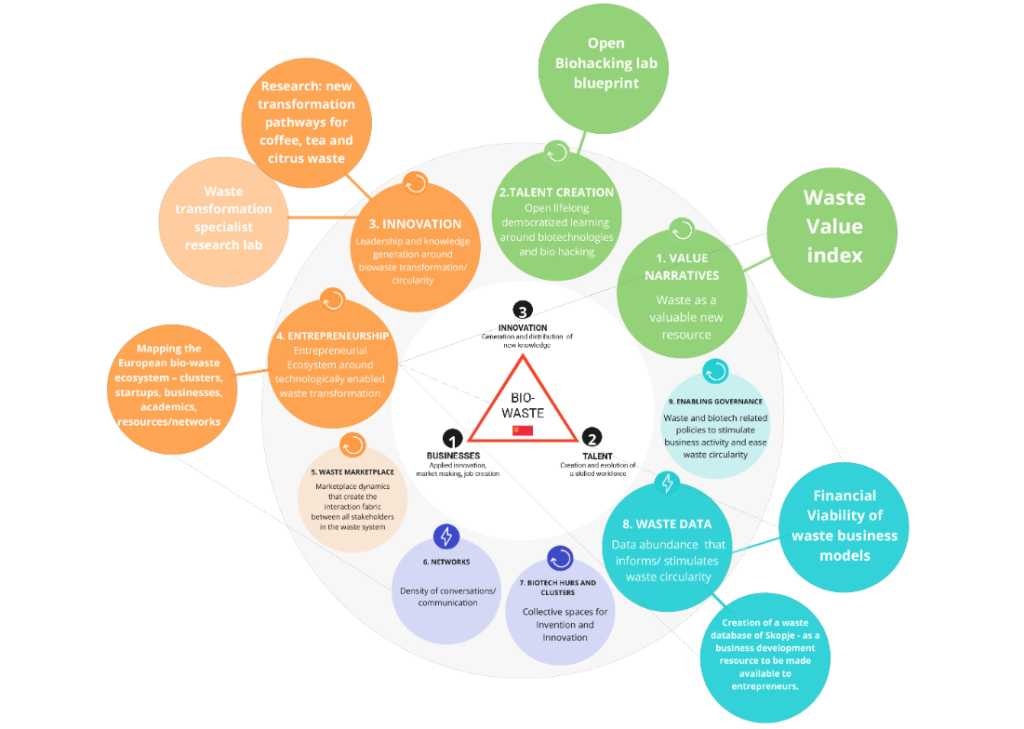
Engaging the private sector: “Opening doors to new market opportunities”
Before our interventions the general narrative in North Macedonia was that biowaste is nothing more than a waste. One of the first activities at the Biohacking Laboratory showed that change in narrative was possible. With the Biohack My World startup programme, we laid the foundation for the development and implementation of sustainable solutions for waste management and environmental conservation. Several teams from the programme established startup companies, such as BioHide, and secured funding to develop their solutions. While some ideas didn’t succeed, these participants gained valuable knowledge about leveraging biowaste as a business resource.
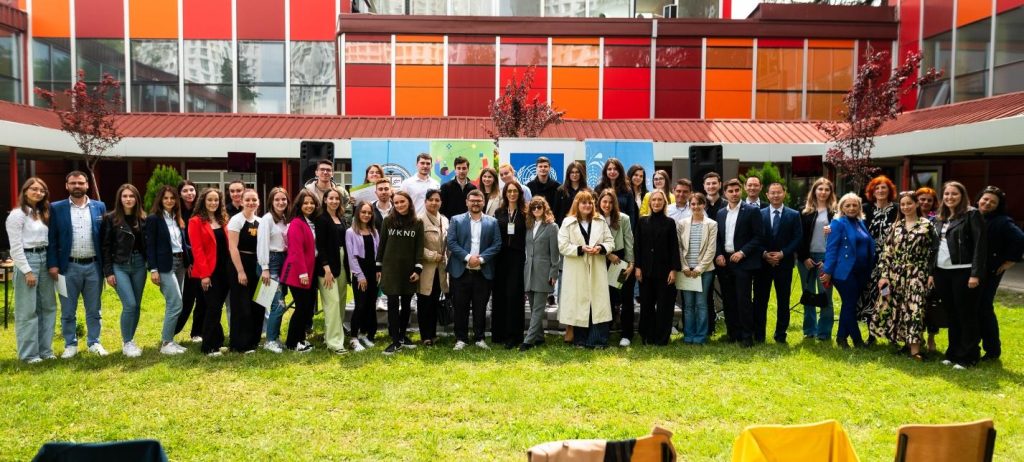
While startups have enthusiastically embraced the biowaste transformation journey, getting established companies onboard that produce biowaste required an entirely different approach. We had to highlight the economic and reputational benefits of adopting sustainable practices, aligning with growing consumer demand for eco-friendly businesses. With the task at hand we created a programme that not only provided companies with tools, technologies, and training to transform biowaste into valuable resources, but also emphasized benefits such as cost reduction and new revenue streams, by exploring the economic potential of biowaste through the production of bioenergy, compost, or organic fertilizers, which can be sold or reintegrated into the business.
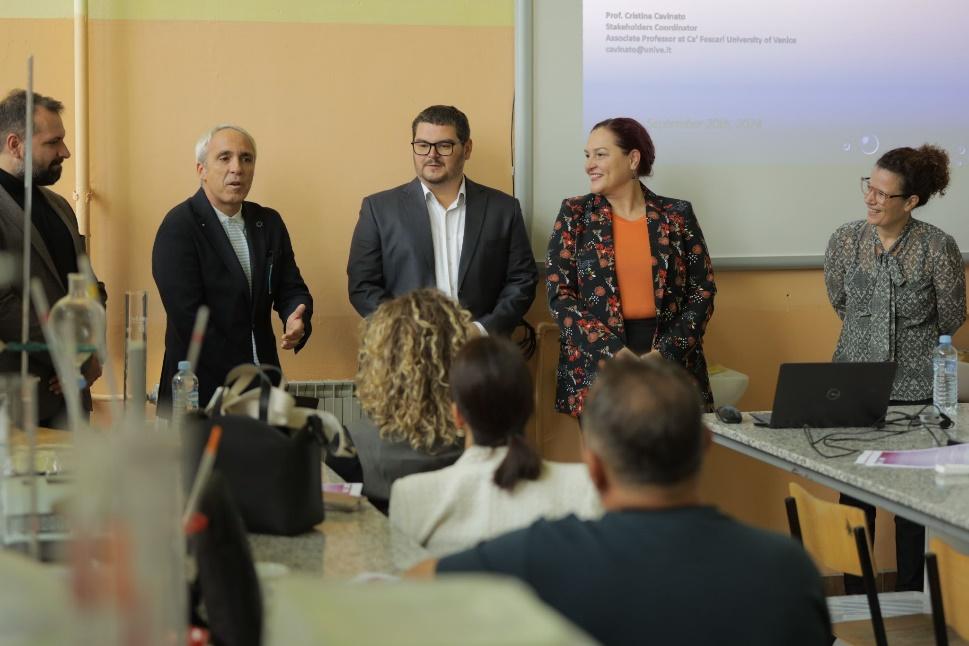
The programme consisted of six learning modules, each of which combined theory and practice and represented a structured collection of content designed to teach a specific topic or skill. In Module 1. Understanding biowaste transformation, participants learned advanced methods for biowaste transformation, focusing on circular economy practices. With Module 2. Microbial applications participants gained insights into microbiology and the role of microorganisms in biowaste degradation. In Module 3, which was the most advanced module, participants and scientists in the country for the first time had the opportunity to work together and use purple Bacteria for resource recovery from biowaste coming from apple leftovers. Module 4 was dedicated to Consumer behavior and gender empowerment, where participants gained knowledge on customer behavior toward waste-transformed products and women’s role in agri-waste sectors. Module 5 was dedicated to Bioeconomy and AI where we exposed participants to AI-driven solutions and bio-based innovations to boost the bioeconomy. The last module was dedicated to access to EU funding where participants received guidance on navigating biowaste legislation and securing EU funding opportunities. UNDP North Macedonia presented each participant with free access to the web platform: www.bizz4all.mk, for further mentorship support in several key areas boosting business growth.
“A rare opportunity to gather all relevant parties in such an original platform to explore and observe future biowaste potentials within the SMEs.”
Participant, Inox
By combining theory and practice, the programme equipped 13 selected companies from various industries with practical experience in cutting-edge biotechnologies and the latest innovations in biowaste transformation.
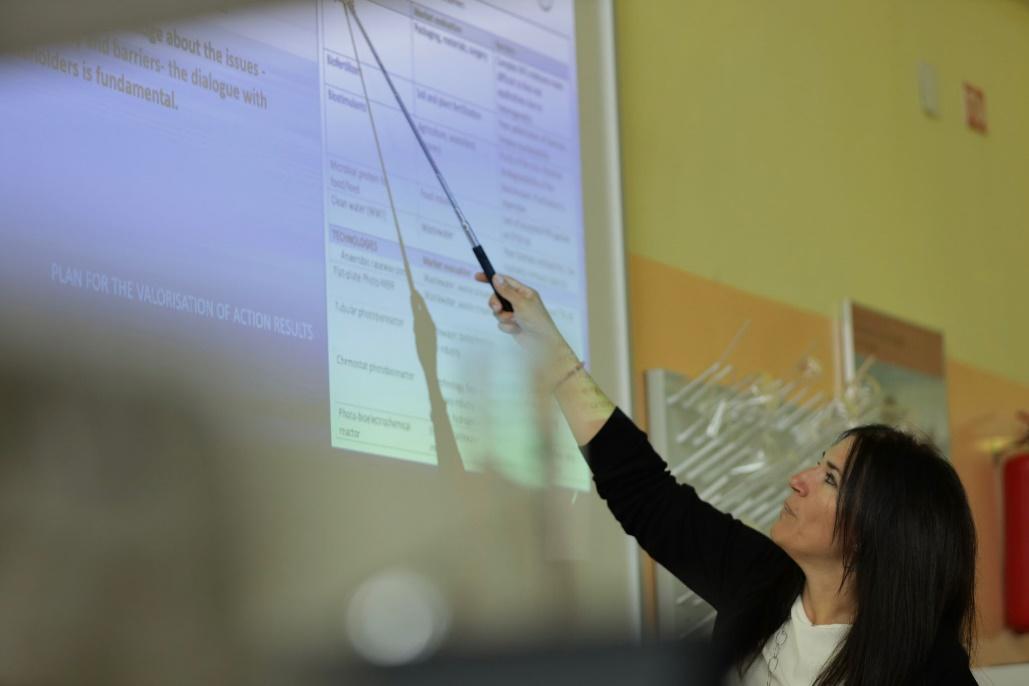
“What a unique experience and much valuable knowledge sharing! Coming from a small innovative pharma company aiming to introduce some new products, our participation in the programme is of great importance for paving the way to upcoming developments in biowaste practices,” highlighted one of the participants.
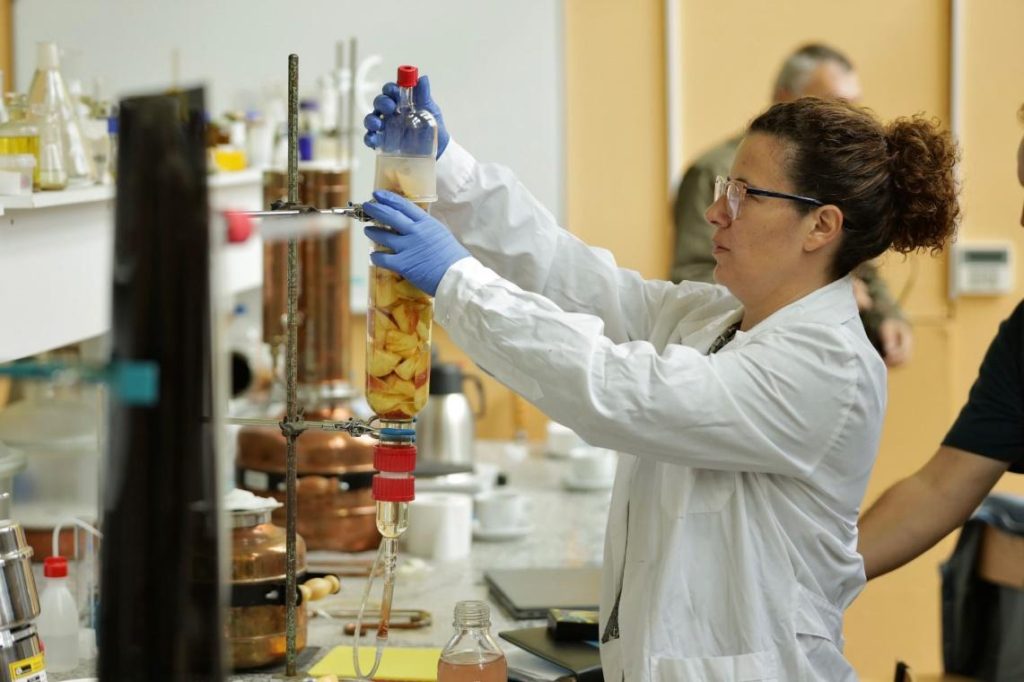
Fostering a circular biowaste ecosystem
At present, we are witnessing a biotechnological revolution that has generated a profound reconfiguration of our society and economy. Partnerships, especially with the private sector, create a foundation for scalable solutions that integrate innovation and entrepreneurship within our biowaste portfolio in UNDP North Macedonia.
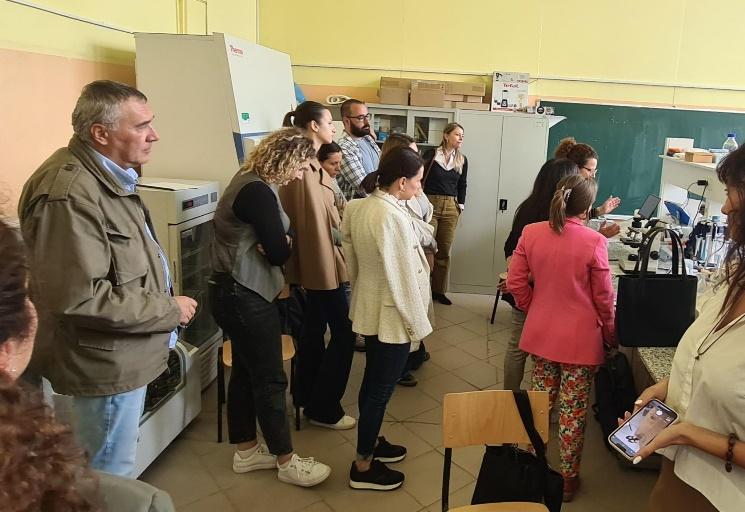
Educational programmes remain at the heart of our efforts to position biowaste as a resource, connecting traditional practices with current technologies and future possibilities. Through these initiatives, we help businesses and communities recognize biowaste’s untapped potential. The programme’s success and widespread media attention have opened new opportunities for collaboration between the Biohacking Laboratory and the broader private sector across the country.
We extend our deepest gratitude to all the esteemed experts who led the UNDP pilot programme on biowaste transformation and biotechnologies. Their knowledge, dedication, and hands-on guidance were invaluable in helping participants explore innovative technologies and practical applications in biowaste management. Special thanks to Prof. Jana Klopchevska, Prof. Vesna Rafajlovska, Dr. Sandra Mojsova, Cristina Cavinato, Dr. Ioanna Vasiliadou, Prof. Marina Nacka, Professor Dr.Biljana Risteska Stojkoska, Ms. Simona Trpovska, Professor Dr. Andreas Drichotis and Prof. Natasa Ristovska for sharing their expertise. Their contributions have empowered participants to apply these new insights in their industries.
Ten municipalities in Moldova joined a crowdfunding training programme to gain skills in creating and running effective crowdfunding campaigns for local projects.
When one thinks of Moldova, the country’s expansive vineyards, historic wine cellars and rural tourism often come to mind. Yet beyond its rich winemaking tradition and charming rural traditional guesthouses, a quieter but equally significant transformation is taking place.
Moldovan municipalities are increasingly adopting innovative strategies for urban development. A driving force behind this shift is the Mayors for Economic Growth (M4EG) programme, a joint initiative by the European Union and the United Nations Development Programme (UNDP) aimed at fostering inclusive economic growth and vibrant communities across Eastern Partnership (EaP) countries.
Can Crowdfunding Bridge the Funding Gap?
For most municipalities, development and government funding has traditionally served as the primary financial lifeline. Yet when asked about their greatest hurdles, local authorities frequently cite difficulties in resource mobilization and forging partnerships. This is where crowdfunding can be offered as an alternative funding solution.
Crowdfunding or in the case of municipalities “civil crowdfunding” refers to raising funds from individuals, diaspora communities, and the private sector to finance projects led by local governments, NGOs, or community groups.
While crowdfunding has become normal in the startup world and among civil society organizations, local authorities in the region are just beginning to tap into its potential. Crowdfunding offers not only a means to generate funding but also an opportunity to engage the community and raise awareness on critical issues. Despite its advantages, it remains an underutilized resource for municipalities seeking to bring their project ideas to life.
Crowdfunding Success
Earlier this year, 10 municipalities in Moldova participated in a UNDP-led Crowdfunding Academy, as part of the M4EG programme, funded by the European Union. The training programme equips local authorities with the knowledge and tools to design and execute successful crowdfunding campaigns. Project ideas from municipalities ranged from rebuilding green spaces and improving playgrounds to waste management initiatives and repairing church roads. Over the course of a two-day, in-person workshop and online mentorship, municipalities had an opportunity to work with international crowdfunding experts on compelling storytelling techniques, community and partnership building, resource mobilization, and strategic communication.
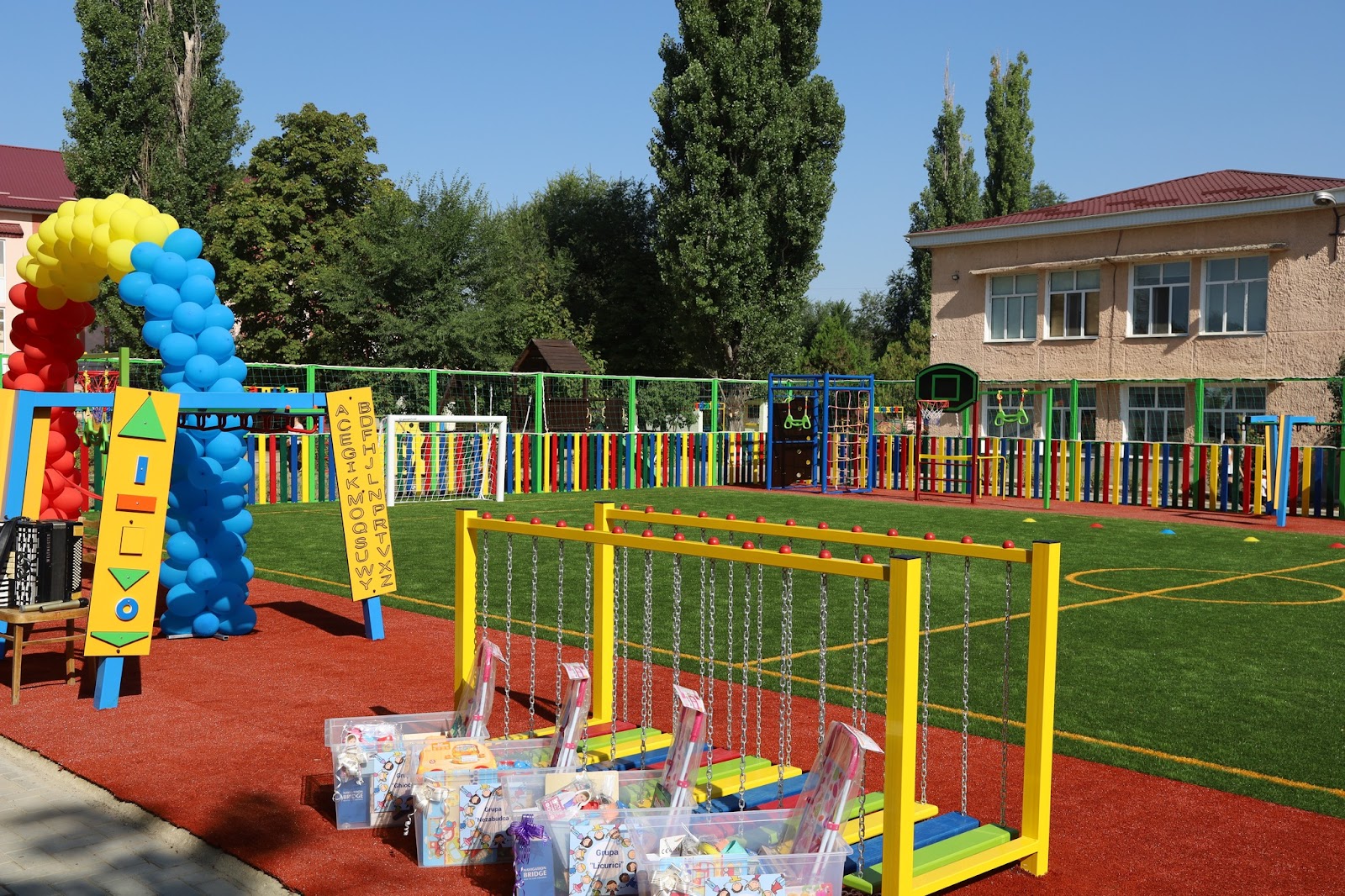
One of the first successful campaigns was launched by the city of Anenii Noi. Their campaign, Sports Ground – A Place for Inclusive and Fun Interaction for Parents and Children, aimed to create an inclusive playground for all children at the Andrieș kindergarten, including children from Ukrainian refugee families. Through the campaign, they raised nearly US$3,000, and additionally received financial contributions for the project’s implementation from the Moldovan government, other development partners, and Anenii Noi’s City Hall, as part of the 2024 edition of the National Program Diaspora Succeeds at Home (DAR).
“It was our first crowdfunding campaign, but thanks to the knowledge acquired in the Crowdfunding Academy, we were able to apply it in practice and we managed to realize our project successfully. Achieving such beautiful results motivates us to implement other projects via crowdfunding.”
– Olga Albu, project specialist, City of Anenii Noi.
In Strășeni Municipality, a successful crowdfunding campaign raised $5,100 to install city signs at the entrance and exit of Strășeni and the village of Făgureni, marking yet another win for community-driven funding efforts.
Crowdfunding also fosters community engagement. In the city of Ungheni, a campaign to build a shelter for stray dogs has mobilized local support through creative events, such as a charity raffle and a screening of the film Hachi: A Dog’s Tale. Although still ongoing, the campaign has already raised 40% of its funding goal, demonstrating the strong impact of local involvement.
“The Crowdfunding Academy gave us a great opportunity to strengthen our knowledge and develop new skills to involve the community in solving a problem. The wonderful trainers guided us to run crowdfunding campaigns in our localities and implement projects that benefit the citizens. We learned that only through involvement and joint efforts can we bring positive changes to our localities,” says Ina Olearciuc, Investment Attraction Specialist, City of Ungheni.
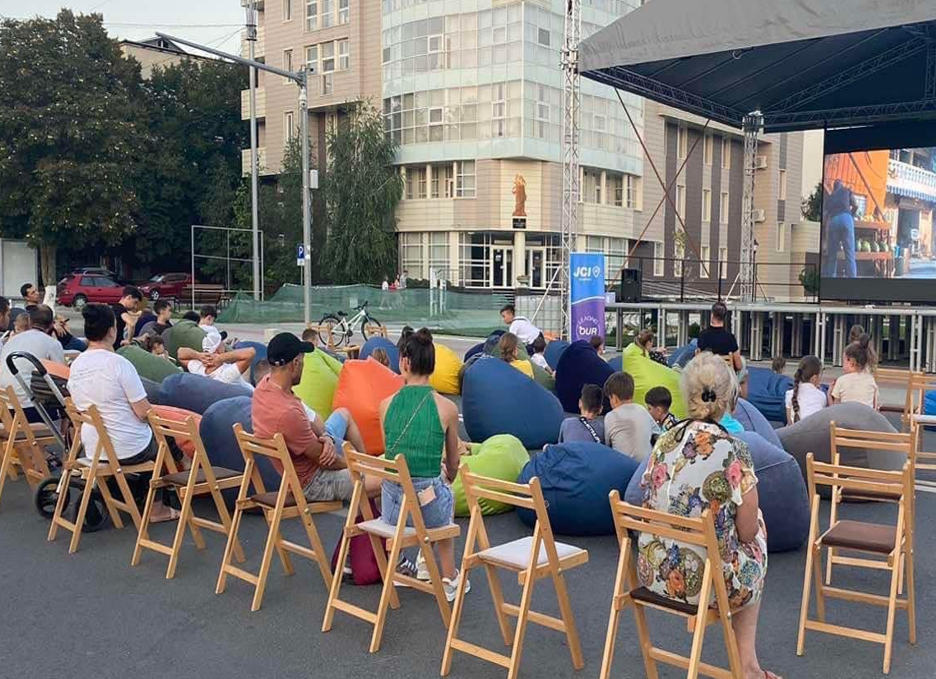
More municipalities from the Crowdfunding Academy in Moldova are gearing up to launch their crowdfunding campaigns, highlighting that crowdfunding is about much more than financial support – it’s also about building stronger, more involved communities. These initiatives, led by Moldovan municipalities, are proving that alternative funding methods, such as crowdfunding, can drive local development as well as community engagement.
Crowdfunding: From Charity to a Development Approach
In 2015, UNDP introduced crowdfunding as a development tool in Moldova, marking a fresh approach to community financing. During 2015 – 2022, UNDP and the Government of Switzerland provided support to 83 Hometown Associations to conduct dedicated campaigns, which attracted a total of $339,000 from more than 12,000 contributors, both locals and diaspora, funding projects that directly impacted the quality of life, economic stability, and environmental sustainability in their communities. The focus areas were the revitalization of public infrastructure, the lifecycle of construction and repair works, and the organization of waste management services etc.
This shift marked the evolution of crowdfunding in Moldova, moving from traditional charity campaigns, which were already common and familiar to the Moldovan public, to more sustainable development crowdfunding. Unlike charity crowdfunding, which typically seeks donations for immediate assistance or relief, development crowdfunding provides long-term investments with a focus on community growth and resilience.
See the UNDP Moldova guide on online instruments of fundraising.