
Category: Systems and portfolios
Edited for brevity by Arianna Friedman and Svetla Baeva. See full article on the UNDP Kazakhstan website.
99% of the global population is exposed to harmful levels of industrial emissions, vehicle exhaust, or other pollutants that put them at increased risk of disease. Air pollution, in all its forms, is responsible for more than 6.5 million deaths globally each year. It shortens life expectancy and makes people more likely to suffer from increased rates of chronic obstructive pulmonary disease, strokes, heart disease, and lung cancer. Exposure to vehicular air pollution during pregnancy, infancy, and childhood also has been associated with a delay in cognitive development. Moreover, the most polluted urban areas are often in areas with the lowest property values, exacerbating existing socio-economic injustices.
In Almaty, air pollution has become one of the biggest challenges to sustainable and economic development. It poses the greatest environmental health risk for the public and the economic impact of poor air quality leads to decreased work productivity and greater healthcare costs. In 2022, the World Bank estimated that air pollution in Kazakhstan causes over 10,000 annual premature deaths and costs the country $10.5 billion per year.
As a born and raised native of Almaty, I can testify that air pollution in the city has always been a topic of discussion. On days with elevated levels of air pollutants like particulate matter, sulfur, nitrogen dioxide, and carbon monoxide, citizens are advised to wear masks or stay indoors for their safety. So when I joined the Accelerator Labs and started leading the City Experiment Fund’s project at UNDP Kazakhstan with the intent of tackling this pressing issue, I felt a keen sense of purpose and was determined to meet the challenge.
Fighting air pollution – an endeavor across many fronts
For those not acquainted with the picturesque “Garden City”, Almaty is the former capital of Kazakhstan. As the largest city and the financial and cultural center of the country, it generates one-fifth of the country’s GDP and is home to one-tenth of the country’s population. Not only does Almaty have the largest municipal budget in the republic, but it holds a special legal status. In tandem with a vibrant civil society, the densely populated metropolis serves as the driver of many infrastructural and public policy experiments.
The city’s majestic snow-capped Tien Shan mountains mesmerize onlookers, but on many days, by the afternoon they become completely shrouded in a dense smog, looming over like giant figures in a polluted mist. The surrounding mountains form a basin where the stagnant air accumulates and lingers, similar to other cities like Santiago, Chile, or Los Angeles, California. However, while the mountains exacerbate the problem, they are not the root cause of the air pollution.
Almaty is not unique in terms of the factors that contribute to its air pollution. However, attributing specific factors as the primary contributors to air pollution can instantly land you in heated political debates. City officials largely attribute the primary source of air pollution to traffic and vehicle exhaust. Conversely, environmental activists lay the blame on emissions originating from coal-fired combined heat and power plants. Meanwhile, some individuals point to emissions stemming from the construction industry and coal burning in individual households. Another area of dispute lies in pollution measurement. Officials adhere to national benchmarks established during the Soviet era, while many independent environmental activists reference standards set by the World Health Organization and other international organizations, which are notably more stringent.
A multistage process to identify roadblocks to restoring clean air
What everyone can agree on is that the need to address the issue is urgent. Tackling Almaty’s severe pollution challenges necessitates a profound transformation of the city’s infrastructures that sustain daily life. Over the years, various initiatives have attempted to reduce the increasing number of vehicles in the city, transition away from gas in favor of cleaner energy sources, and discourage backyard trash burning. Thanks to the hard-fought efforts of grassroots civic action and individual champions, there is now widespread recognition throughout the city regarding the importance of monitoring pollution and establishing reliable, easily accessible, and transparent datasets. Building on this work, UNDP partnered with the advocacy initiative AirVision and Sergek, an urban planning and transport systems company, to develop a digital platform that visualizes real-time air quality data with interactive user features.
While monitoring is a crucial step forward, it must also enable action. How do we move beyond pilot projects and establish the necessary conditions to swiftly address air pollution? Under the regional City Experiment Fund program in Almaty, UNDP and Dark Matter Labs are supporting local actors to try to answer these questions. Using a portfolio approach, we are designing small, but strategically connected sets of interventions with the potential to unlock larger, systemic changes. The portfolio approach requires examining the issue from different perspectives, developing interventions, and continuously surfacing new insights to formulate better policies and investment decisions. Applying systems thinking to a complex issue like air pollution has helped clarify the different relationships and various ways they could be managed.
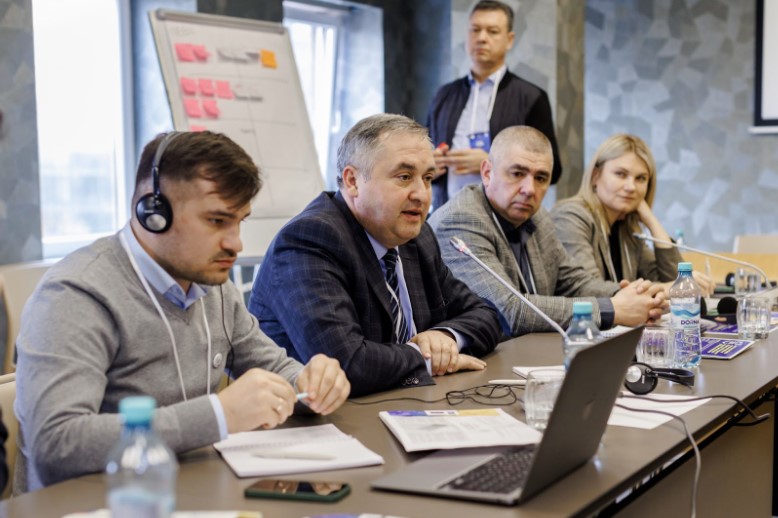
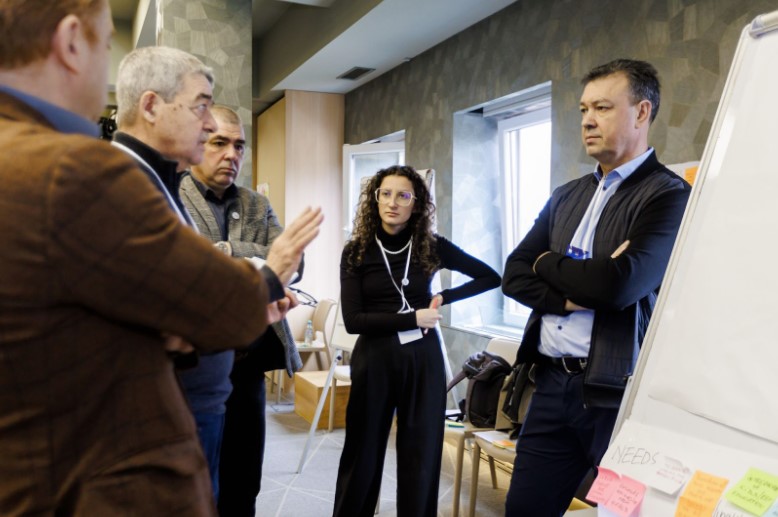
The first stage of our portfolio design in Almaty was to aggregate knowledge about the ecosystem through desk research and semi-structured interviews with experts, and then test our analysis in a sensemaking session. Together with around 40 participants from different akimat (municipalities) departments, ministries, academia, private sector, and civil society, we explored the underlying challenges in addressing air pollution in Almaty and mapped the existing initiatives and involved stakeholders to unpack the root causes of challenges. The identified challenges to progress included resource shortages, missing legal mechanisms, stakeholder coordination issues, limited data and research, and a lack of vision for a ‘green economy’.
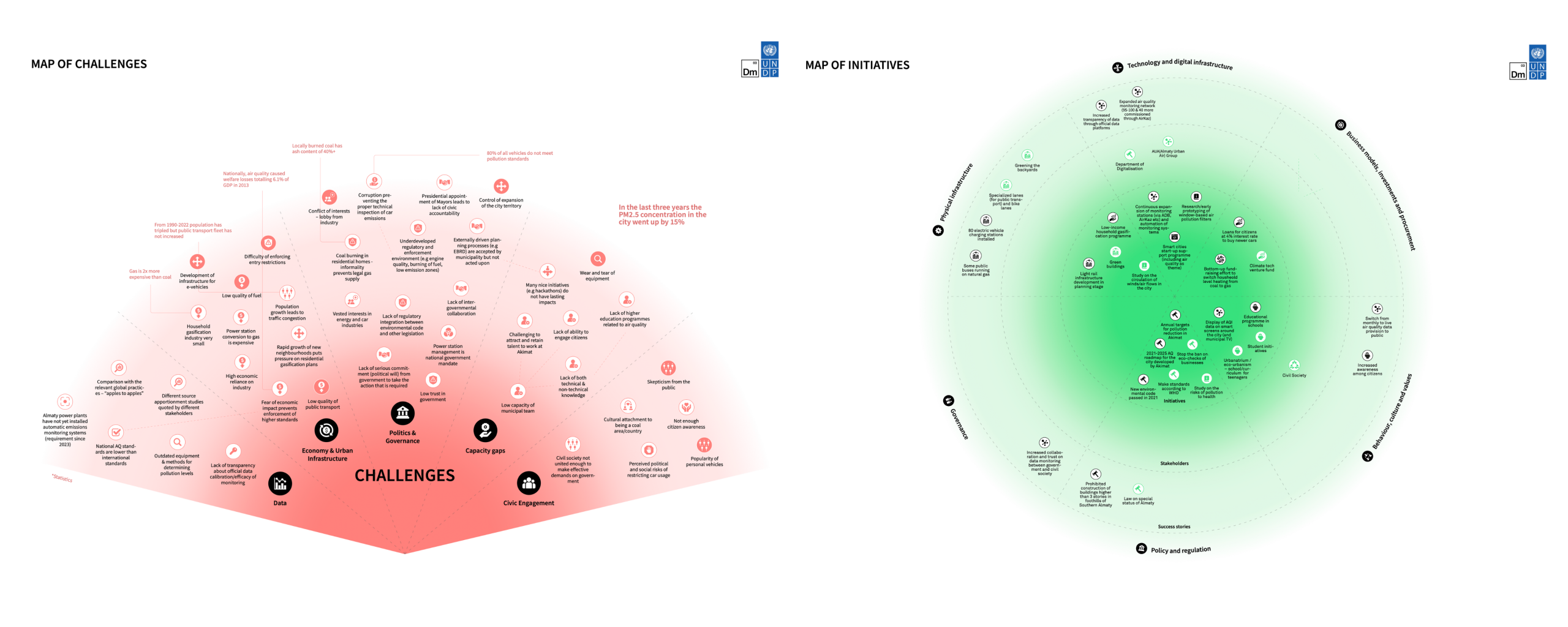
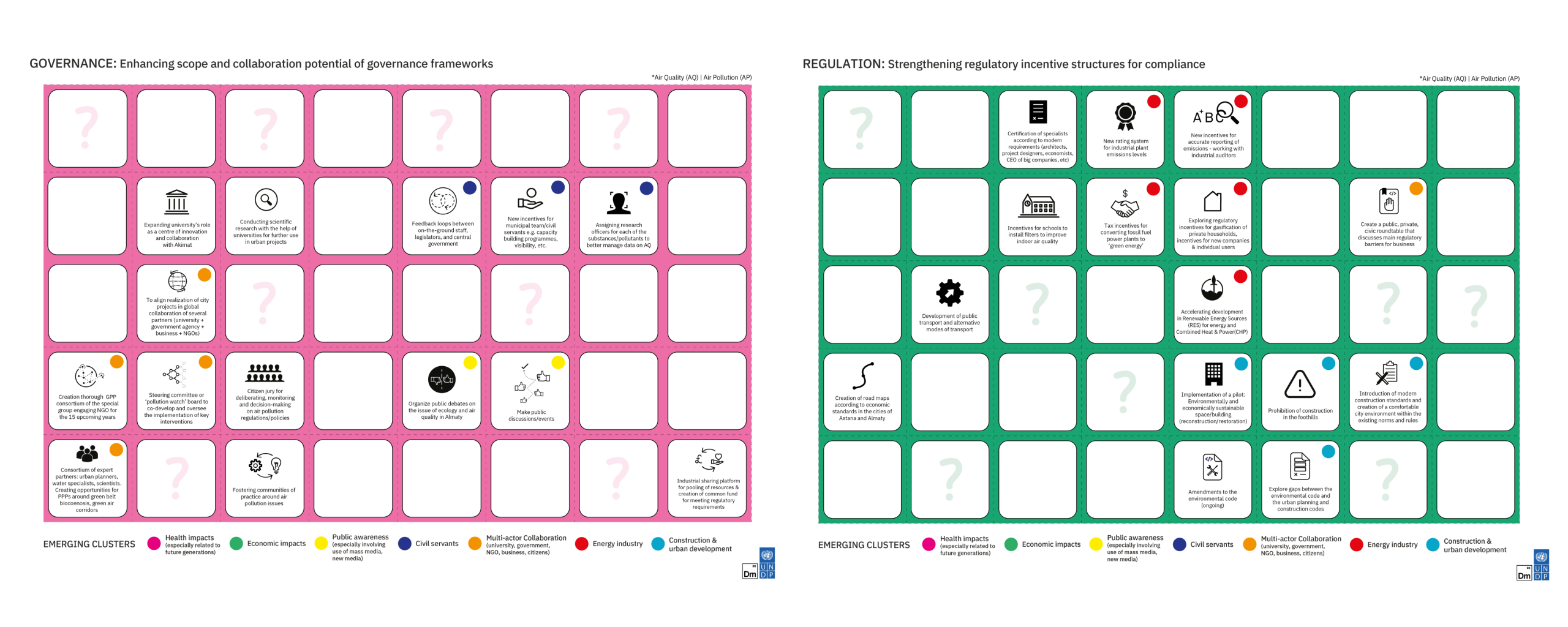
During the many discussions, sensemaking sessions, interviews, and deep listening exercises, a recurring theme emerged: there is a disconnect in perceiving air pollution primarily as an environmental or ecological concern, while its risks and impacts are frequently quantified in terms of economic and public health consequences. This particular framing of the problem restricted other stakeholders and various municipal departments from assuming responsibility for addressing air pollution as part of their respective domains. Consequently, it impeded cross-sectoral collaboration and delayed progress toward transitioning to a green economy. After the first portfolio design session, we decided to broaden the interventions to focus on the health and economic aspects of the problem. Following collective reviews from experts and stakeholders, we refined several clusters around: “Green Economy”, “Green Urban Development”, and “Public Health”.
Be part of the solution, not part of the pollution
UNDP’s portfolio approach aimed not to compete with or duplicate the existing initiatives proposed by local actors but, instead, to enhance and support ongoing efforts without undermining them. So when the Almaty Management University asked for support to launch an educational program, we supported the development of the course curriculum that in the end addressed pervasive urban issues like pollution or traffic from a systems thinking perspective and centered on integrating digital solutions into urban planning practices – the first of its kind educational program in the country.
Maintaining high levels of motivation and engagement was crucial during the extended design stages of the portfolio approach. In pursuit of this goal, we made collaborative sessions open to the public and invited a diverse array of experts to share their work. These events provided city activists, scientists, civil service personnel, and community members with a fresh platform for engagement, creating informal spaces for idea exchange and encouraging broader participation.
As the portfolio enters the activation phase, there is a growing momentum behind a set of interventions aimed at co-designing “slow, quiet, and clean streets.” While still a work in progress, the cluster of initiatives concentrates on areas surrounding schools and kindergartens, exploring various possibilities: redesigning streets to prioritize non-motorized transportation, incorporating nature-based solutions to improve air quality, retrofitting buildings for energy efficiency, establishing a research framework to assess the impacts of air pollution on child health, and more. In the upcoming months, we will collaborate with local partners to further refine this concept and proposed interventions, activate options around select schools, and formulate a proposal to secure necessary investments.
At every stage of our process, one thing stood out prominently: the deep affection people have for Almaty, whether it’s their hometown or a place they’ve come to call home. Their genuine concern for improving air quality and their willingness to contribute were unmistakable. I believe that through collective efforts, a significant number of Almaty residents will soon breathe clean air and enjoy crystal-clear views of the snow-capped mountain peaks once more.
Children leading co-design for revolutionizing urban spaces in Prishtinë/Priština, Kosovo*
Do children in Prishtinë/Priština a have access to public spaces to interact, play, socialize? What kind of public spaces would they like to have access to? What are the characteristics of public spaces that motivate children to spend time in them? What kind of urban furniture do they prefer?
Visualize Prishtinë/Priština, a city in a constant state of transformation. Its vibrant cafe-lined streets prioritize cars, making it difficult for pedestrians to navigate through this dynamic urban setting. Yet, in the midst of this lively scene, a crucial element often goes unnoticed—the needs of its youngest inhabitants, especially those of older children. Spaces for youngsters that should ignite active play, social interaction, and exploration, fostering overall well-being and promoting physical fitness are a particularly rare find in the city.
Fortunately, an innovative co-design pilot movement has been underway – orchestrated for and by the very children yearning for these spaces! Fueled by children’s insights, professional data exploration, and a touch of artificial intelligence tools, the design process of the spaces goes beyond conventional participatory planning; it’s a voyage to shape the very essence of a community. This bold co-designing with children journey is what unified the City Experiment Fund (CEF) and the Healthier Kosovo 2 projects, two distinct entities under UNDP, converging in an innovative partnership. On top of that, the Department of Public Spaces and Parks, within the Municipality of Prishtinë/Priština, has been a steadfast supporter throughout the whole co-design journey.
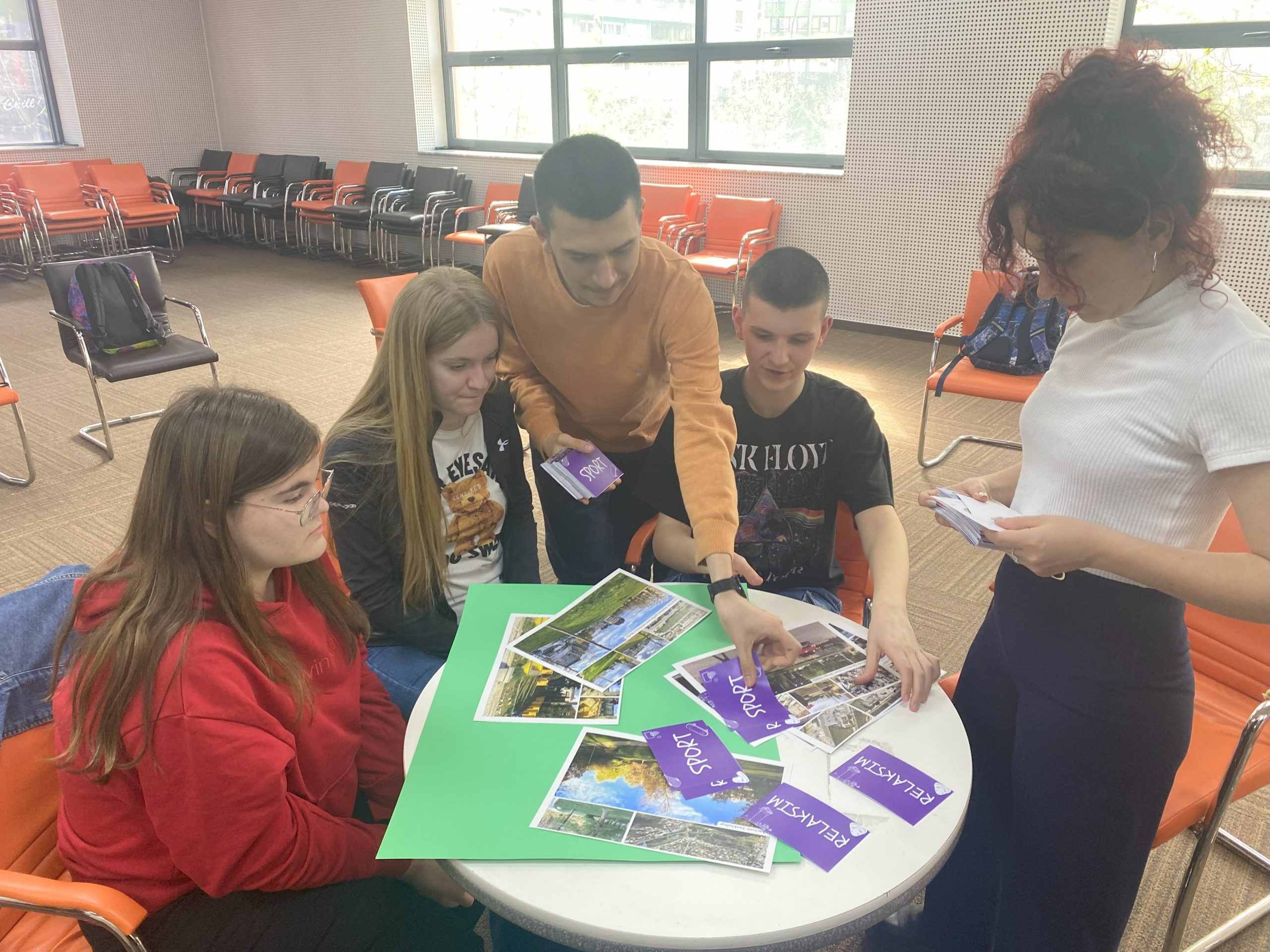
Children aged 10-17, each representing their schools through Children Councils appointed by the Municipality of Prishtinë/Priština, participated in a series of brainstorming sessions, design roundtables and AI testing workshops facilitated by SpaceSyntaks and Save the Children. Participants were selected to ensure diversity and representation from different backgrounds and perspectives.
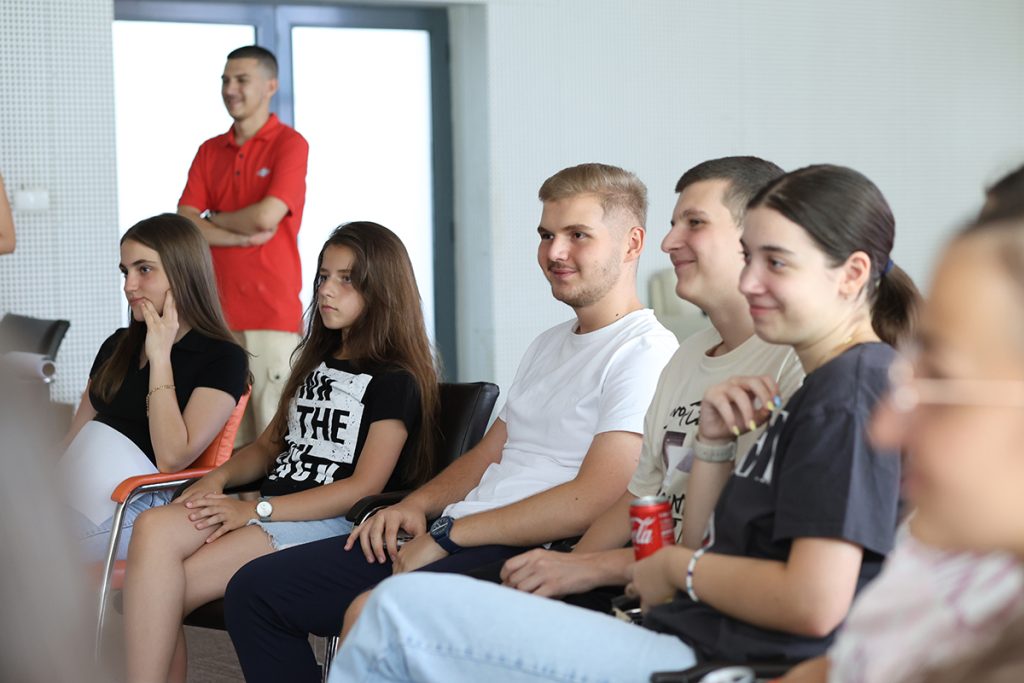
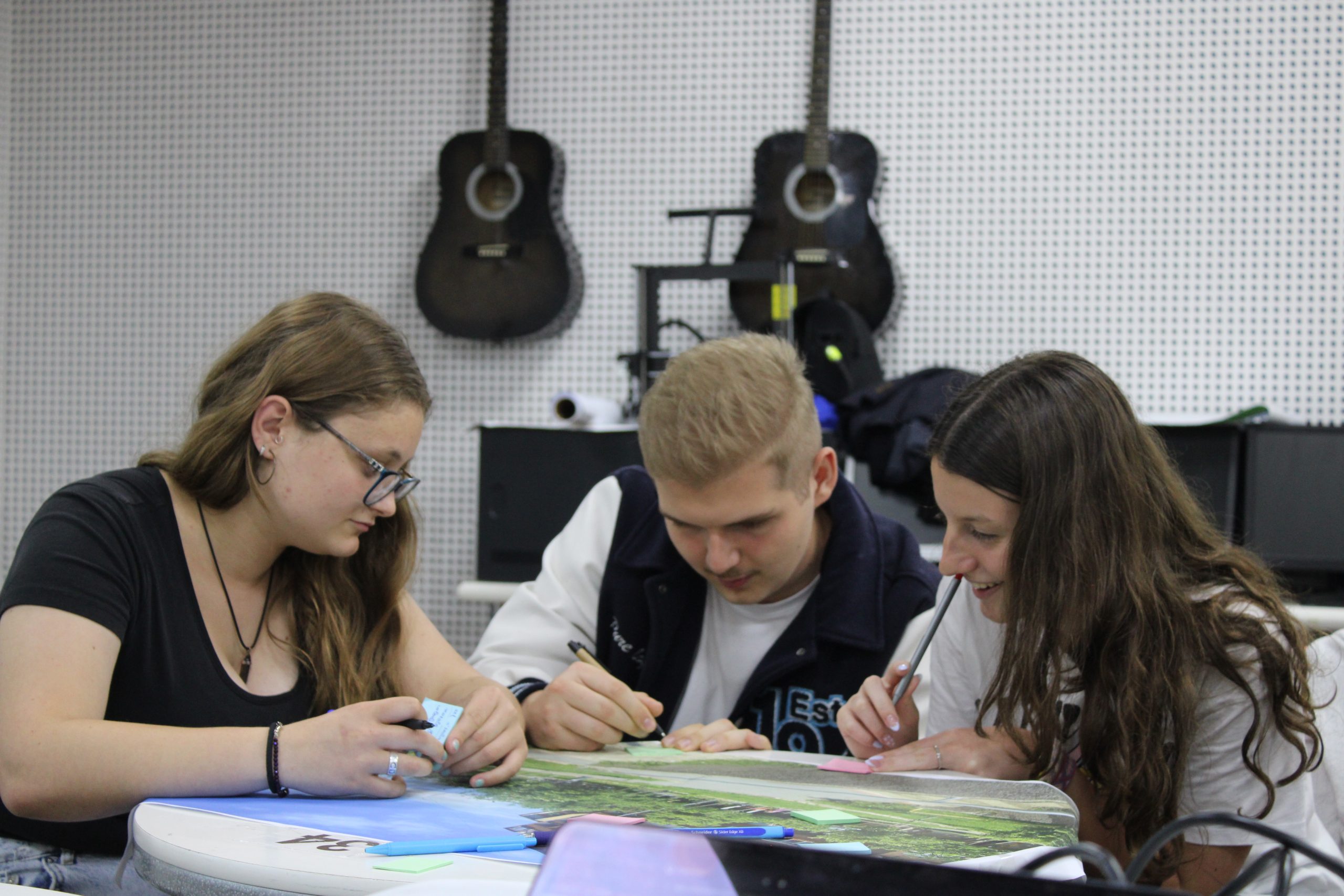
The intense co-design process was actively led by the children’s key needs and challenges and leveraging on the gathered insights and identified potentials to translate their vision of child-friendly public spaces. As co-designers, the idea was to involve children as equal participants throughout all stages of co-design, fostering methods of self-expression that encourage comfort and creativity. This approach enabled them to contribute to the process as experts of their own spaces.
Children’s needs for Green Outdoor Socializing Spaces
The one thing that all the children came to agree on was the lack of child-friendly public spaces; open spaces that allow them to create meaningful experiences, learn and socialize. Furthermore, there was a notable concern among girl children regarding safety and the need for more privacy while socializing, an insight that emerged during the brainstorming sessions.
“We have very limited green spaces. There is not a single suitable public space near my school, where my friends and I would go to socialize or work on joint school projects. The current spaces available are either for little children or adults. Instead, we always end up going to somebody’s house, which is not always the most convenient solution,” expressed Anila Ajeti, 14-year-old participant from ‘Shkendija’ school, Hajvalia/Ajvalija.
“I love nature. Learning in an open environment motivates me and increases my productivity. Having open green spaces would help me in many ways, importantly, it would help me socialize and reduce screen time,” shared Enea Kadriu, 13-year-old participant from Xhavit Ahmeti school, Kolovica/Kojlovica.
With children’s perspectives in mind and their experience with public spaces, workshops were meticulously designed to help them identify the most suitable locations, frame their visions, understand the environmental impact of their proposals, make informed design choices, and most importantly, educate them on the significance of inclusive spaces that best serve humans with different abilities and interests.
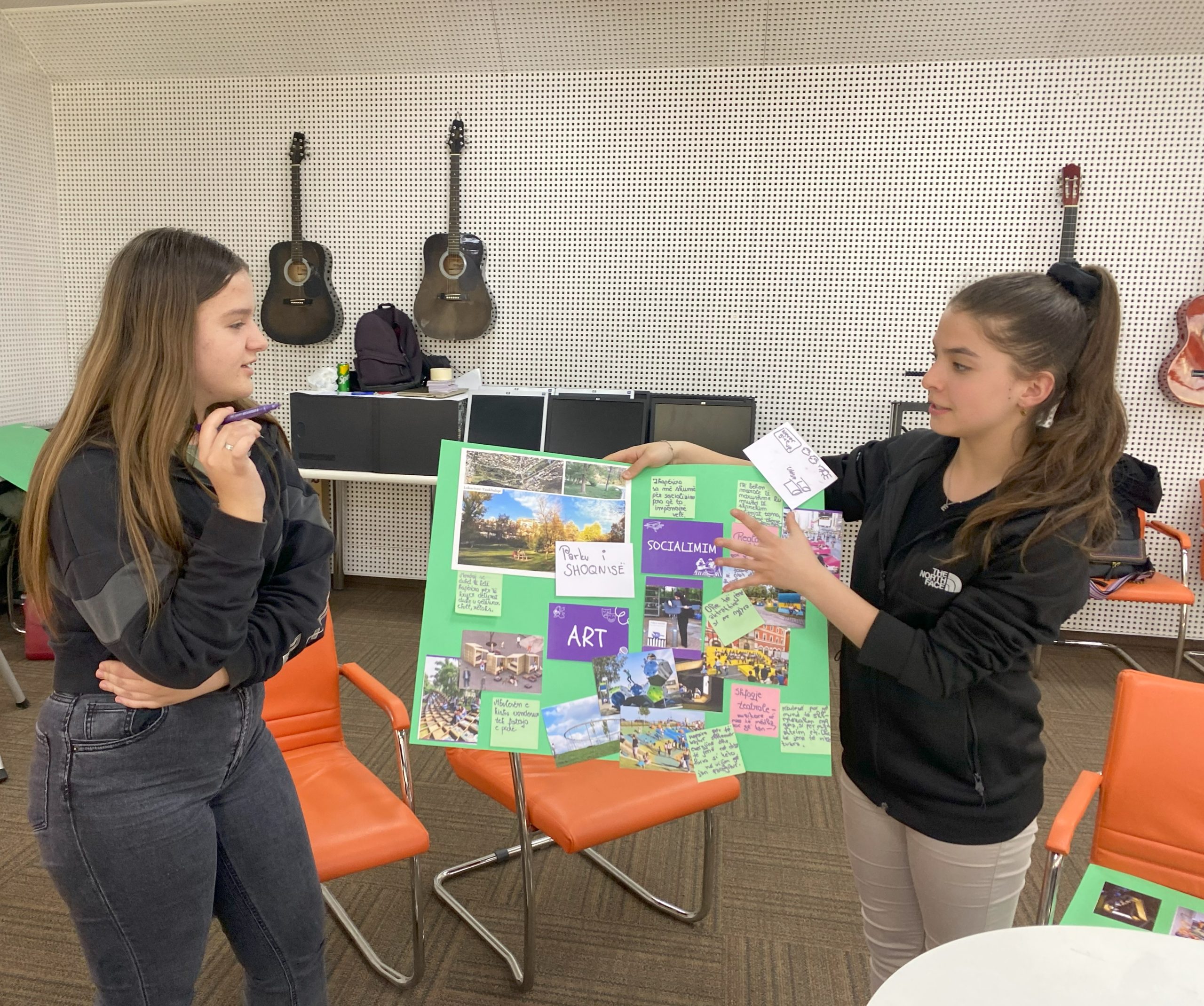
Following site selection, the children engaged in public space visioning, presentations, and feedback sessions. Subsequently, they actively participated in translating their visions into concrete designs for the pre-selected public spaces. Furthermore, the approach involved children actively utilizing the creation of mood boards, aided by the integration of an AI platform and an interactive co-design tool specifically designed to facilitate participatory planning. The children collaborated closely with skilled professionals experienced in child-centered design and urban planning. Even though new to children, this AI platform captured the creative potential of children and teenagers, augmenting their visions into tangible designs while considering safety, environment implications and social inclusion.
From Visions to Possibilities: Children Leading Prishtinë/Priština Urban Transformation
During the Final Evaluation Workshop children had the opportunity to assess and evaluate the design proposals created by professional designers. These proposals were crafted based on the input gathered during the six-month inclusive co-design process, where children contributed in several ways including with their ideas and preferences. As a result, three proposals for child friendly public spaces in three different locations in Prishtinë/Priština got finalized.
The UNDP office in Kosovo has initiated the implementation of two of the finalized designs, marking the beginning of an urban transformation process. This endeavor aims to breathe life into the imaginative visions crafted by the children. Consequently, two innovative child-friendly spaces will be woven into the urban fabric enhancing the urban landscape of Prishtinë/Priština with pioneering settings meticulously designed to cater to the needs and aspirations of its youngest residents.
In the pursuit of creating child-friendly urban spaces, three distinct design proposals have been meticulously crafted, each strategically situated within the location to respect its unique attributes. These proposals aim to seamlessly blend child-friendly urban furniture into the existing landscape while adding a touch of wonder and excitement.
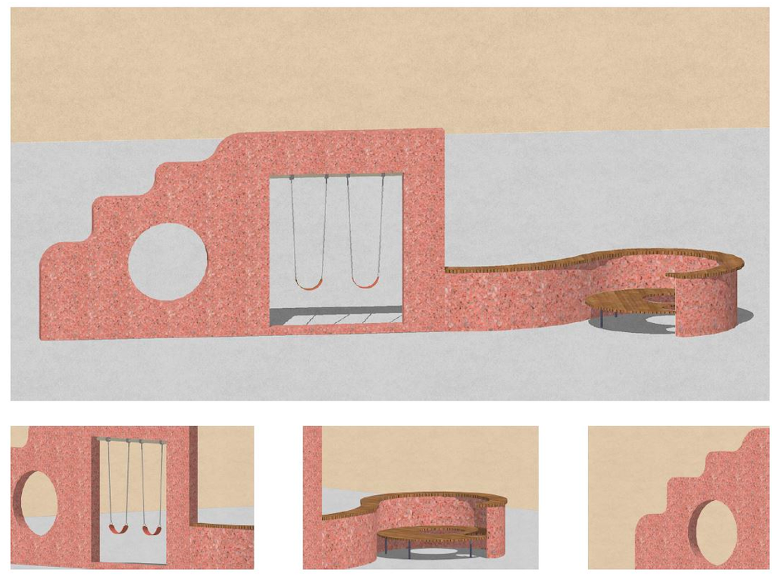
In Design 1, the emphasis lies on providing an intimate setting with two different locations of the urban fabric. The structure encompasses a circular seating arrangement for games and gatherings, swings for playful interactions, and seating with tables for smaller group learning or socializing sessions.
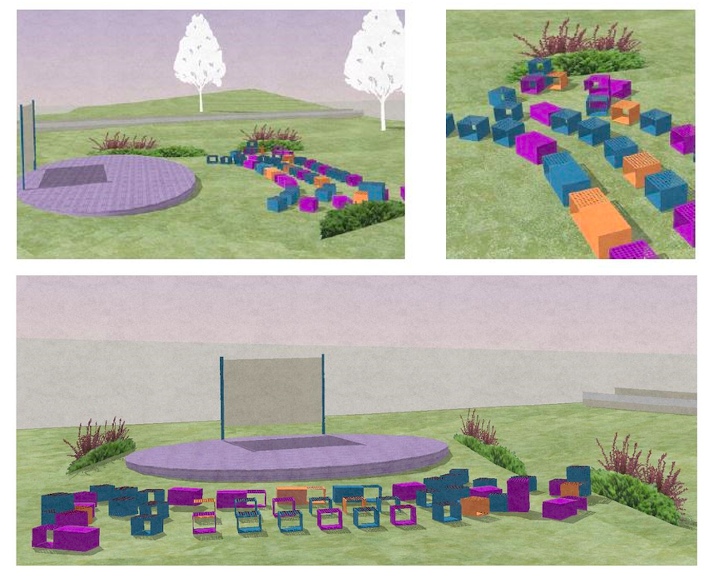
Design 2 focuses on an open green space at the heart of Pristina, offering opportunities for outdoor cultural activities like open-air theatre, cinema screenings, and collaborative music creation. Situated near schools and a local bus station, this rectangular area will be transformed into a vibrant hub. It features carefully curated furniture that enhance the environment’s aesthetic appeal and sustainability. Safety measures and eco-friendly materials are core considerations in these designs, ensuring that the spaces are both inviting and environmentally responsible.
Within this co-design framework, the CEF, established by UNDP Kosovo and the Slovak Ministry of Finance, is focused on catalyzing experimental urban projects. One such project, in collaboration with the Municipality of Prishtinë/Priština, addresses the scarcity of child-friendly spaces. By engaging children, utilizing behavioral insights and data, and leveraging innovative tech like AI, this initiative empowers young participants to reshape their urban environment with a health and well-being focus.
Originally published on UNDP Kosovo Exposure
Simultaneously, the Healthier Kosovo 2 Project—a joint initiative implemented by the UNDP, WHO, and UNV, and funded by the Government of the Grand Duchy of Luxembourg—has a core mission. It aims to contribute to the reduction of environment-related issues while raising awareness among local Civil Society Organizations (CSOs) and influencing policymaking through innovative solutions.
*References to Kosovo shall be understood to be in the context of Security Council Resolution 1244 (1999)
In this two-part blog series, the Innovation team at UNDP Europe and Central Asia shares their reflections on the recent user-testing for a new online course focused on the design and management of portfolios. Part 1 provides an overview of the course’s structure, format and content. In part 2, we will delve into our experience with the inaugural cohort of learners, detailing the process that helped us refine the course for future groups.
In response to the growing demand, we embarked on a journey to create a cohort-based online course to introduce UNDP colleagues to portfolio design and management. The four-week course combines self-paced learning modules with interactive live sessions and is intended to complement existing support and learning mechanisms within UNDP such as the regional portfolio bootcamp we organized earlier this year.
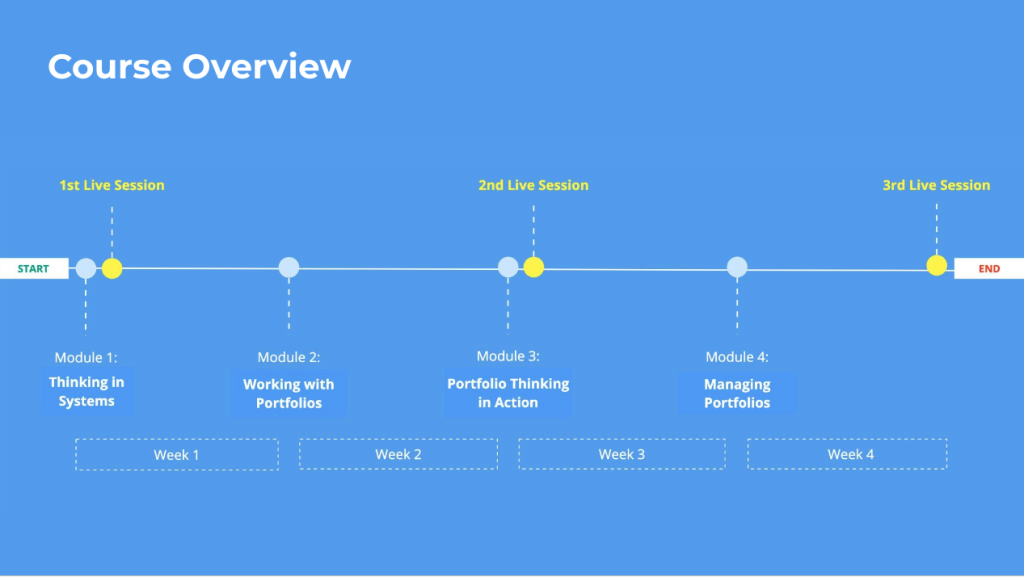
We recently conducted a pilot edition of the course involving 23 UNDP colleagues. In sharing our approach, the course curriculum, and our key takeaways from this initial run, we hope to offer valuable insights to those considering the design of similar portfolio learning experiences. This course was created by harnessing the collective experiences and expertise of our colleagues from across UNDP and beyond, and we deeply acknowledge everyone who played a part in the course’s creation.
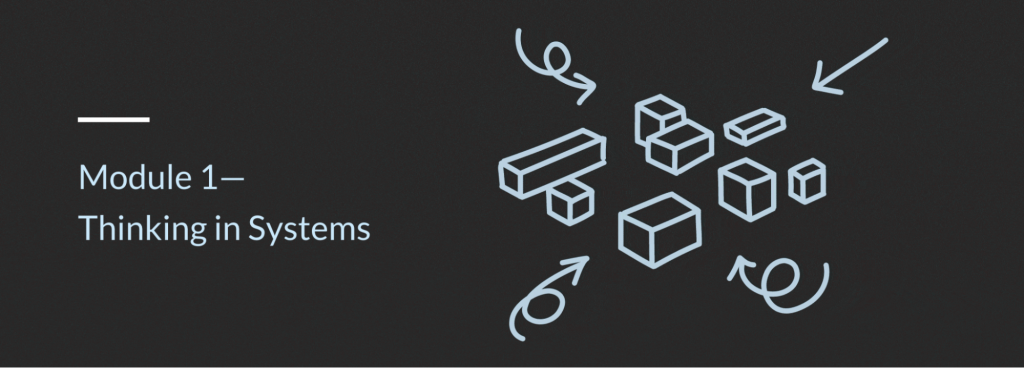
Module 1: Foundations
In Module 1 we took course participants on an exploratory dive into the fundamental ideas, concepts and terms of systems thinking. We wanted the participants to get acquainted with its unique approach, which places a strong emphasis on understanding the interconnectedness and relationships between different parts of a system. This perspective stands in stark contrast to traditional problem-solving methods, which often dissect a problem without considering the broader system in which it resides.
In this first module, course participants explored the intricacies of systems thinking to understand its application to real-world scenarios, how it is different from other analytical and problem-solving methods and how we’re creating a structure at UNDP to work with systemic challenges and develop portfolios to tackle them.
We divided Module 1 into four sub-modules:
For sub-module 1 we discussed ways to bring about transformational change through systems thinking and dynamic management, and how the portfolio approach is considered one promising way to do so. This sub-module highlighted how projects tend to be very linear, pursuing individual objectives with siloed actions rather than systemic solutions that leverage adaptive ways of working, iterative learning, and radical collaboration.
In sub-module 2, building on the Cynefin and other similar frameworks, we introduced the idea that problems come in different shapes and forms, and understanding the nature of a problem is crucial in determining the appropriate approach to tackling it. While simple and complicated problems can usually be solved using best practices (simple) or expert knowledge (complicated), complex and crisis contexts require adaptive approaches with multiple intervention points.
For sub-module 3, we spent time probing the three major mindsets needed to effectively apply the portfolio approach:
- accept the fundamental complexity of social systems and unpredictability of outcomes;
- be comfortable with discomfort and ambiguity;
- maintain persistence in the face of extreme ups and downs.
Module 1 concluded by sharing ways UNDP Country Offices have adapted the portfolio approach in their country contexts through the Deep Demonstrations initiative and other internal action learning programmes aimed at operationalizing portfolios. So far these efforts have resulted in over 50 UNDP teams to design and activate portfolios. This submodule also highlights the need to rethink development, the importance of scaling learning, and the value of investing in collective R&D.
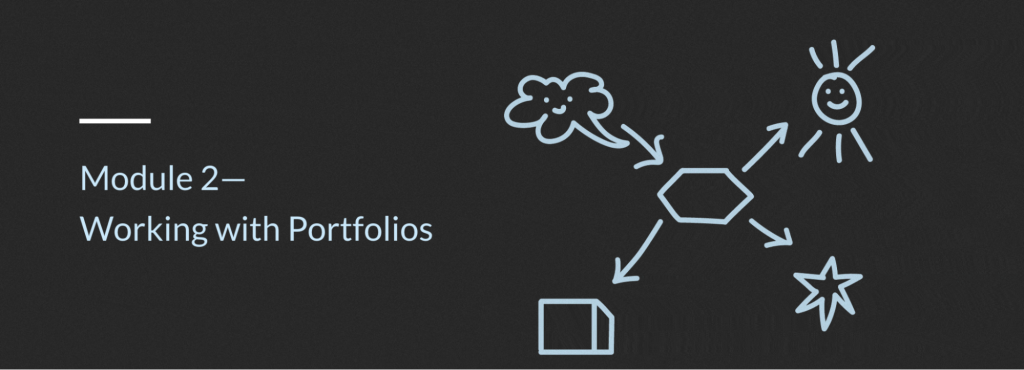
Module 2: Working with portfolios
In the second module we wanted to shed light on the relationship between systems thinking and the portfolio approach. We started by providing an overview of the portfolio design process as applied by UNDP Country Offices to navigate and tackle complex development challenges. We dedicated a large portion of the module to explaining the differences between projects and portfolios. We also looked more closely at the practical aspects of portfolio design and management, and introduced participants to some of the methods and tools we use to enhance these processes, such as social listening, co-creation, and foresight.
In the first sub-module we described how the interconnectedness and constant evolution of social systems required an adaptive approach. Through the use of portfolios, we are designing and managing a set of connected interventions that can learn from each other over time and dynamically adapt to contextual changes. Analyzing a challenge from different perspectives, designing a variety of interventions, dynamically managing a portfolio and its interventions, and utilizing the learnings to make better policies and investment decisions are all critical parts of the portfolio approach.
In sub-module 2, we continued exploring the rationale of using portfolios in tackling complex development challenges. The many unknowns in social systems require us to apply approaches that are flexible and enable continuous learning. The portfolio approach provides such flexibility, which is why UNDP teams have applied it across various sectors and domains, such as the future of work, depopulation, urban development, digital transformation, and green transition.
Those new to portfolios often ask about the key differences between more conventional ways of working and using the portfolio approach. In sub-module 3, we described project management as a more linear change process, where the destination and the path to get there are defined upfront. When working with portfolios, however, we set a direction of travel, and focus on learning about the landscape to shape and influence it. In conclusion we also shared three key learnings with the participants:
- a portfolio is not a grouping of projects, but a set of interconnected options;
- a portfolio is not a destination but a direction of travel;
- in a portfolio, you learn from implementation rather than monitoring it.
In sub-module 4, we delved deeper into how portfolios bring different value propositions to development by highlighting three key benefits. Portfolios provide better information for decision-making while simultaneously allowing for greater agility and adaptability. They also provide insights into a problem from different angles and perspectives. Furthermore, portfolios are not only useful for understanding how to learn and for building a better “learning muscle” as practitioners and organizations, but they can help break down power asymmetries between donors, implementers, and beneficiaries, by requiring all parties to work as partners on a joint mission with shared responsibilities and risks.
Sub-module 5 was all about the methods and tools used to enhance the portfolio approach. Here, we talk about how the design of effective interventions required a deep understanding of the issue at hand. Critical insights and information may, however, not be easily accessible, which is why employing tools such as social listening, co-creation, and foresight can be extremely valuable.
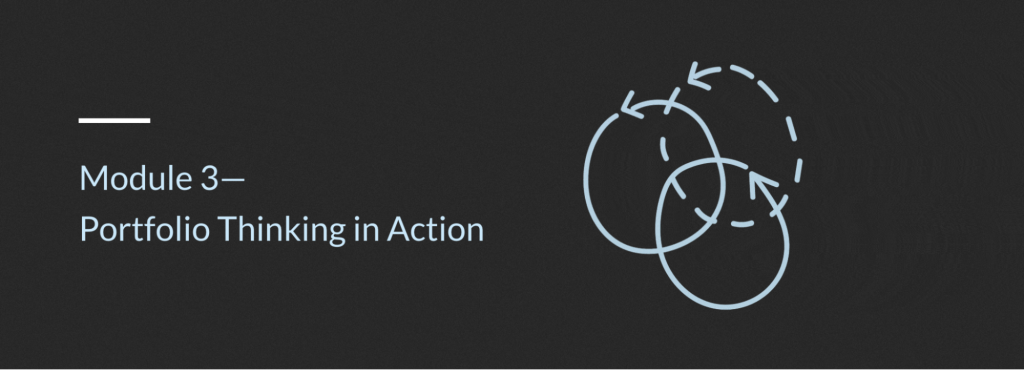
Module 3: Portfolios in action
In our third module we looked into the real-world application of portfolio thinking in different contexts, geographies and thematic areas. We showcased how different UNDP Country Offices have used the portfolio approach. The exploration of each team’s process of portfolio design and the challenges and successes encountered along the way were at the center of the module.
In sub-module 1, we discussed the creation of the future of work portfolio in Uzbekistan. We shared how leveraging the portfolio approach aided them in pinpointing systemic challenges and opportunities. Overcoming resistance to change emerged as a significant barrier.
Sub-module 2 saw a shift to the digital realm, discussing the work of UNDP Kosovo* via their portfolio to advance digital transformation in Kosovo. With a focus on inclusivity, the efforts are aimed at positioning UNDP Kosovo as a key player in data governance, evidence-based decision-making, and gender inclusion in the digital space.
In sub-module 3 we discussed the urban transformation portfolio process in the Georgian cities – Batumi and Kutaisi. This design process was instrumental in driving change, dealing with challenges, and ultimately, accelerating development in these cities. Despite hurdles such as managing partner expectations and navigating inflexibility, the team found success in forging new partnerships.
Finally, we shared the work of UNDP Serbia and their efforts on combating depopulation through a systemic and integrative approach. We discussed how shifting the narrative from the problem to focusing on human capital and adapting to new demographic realities helped them to conceptualize and implement a transformative approach to this complex issue. The collaboration between UNDP, UNFPA, and the Government of Serbia has been instrumental in broadening the policy space to tackle depopulation.
Module 4: Managing portfolios
In module four, we provided an introduction to the mechanics of portfolio management, contrasting it with more conventional project management. We showcased a rundown of the portfolio management process, specifically how it is used by UNDP teams. We also looked at some of the operational details of portfolio design and management, exposing participants to a variety of techniques and tools, such as dynamic management and sensemaking.
In the first sub-module, we shared the necessity for a fluid approach due to the interconnected and ever-evolving nature of social systems. With portfolios, we manage a series of linked interventions that can glean insights from each other over time and adapt to contextual changes. The portfolio approach involves scrutinizing challenges from different angles, designing a range of interventions, actively managing the portfolio and its interventions, and using the insights gained to make improved policy and investment choices.
The sub-module 2 elaborated on the rationale behind using portfolios to navigate intricate development challenges. The numerous unknowns within social systems necessitate the adoption of flexible methodologies that facilitate continuous learning. The portfolio approach is precisely such a methodology, which is why it has been used by UNDP teams in various sectors and domains.
Individuals new to dynamic portfolio management often question how it differs from more traditional work methodologies, such as project management. In the third sub-module, we explained that when managing portfolios, we set a travel direction and focus on learning about the environment to shape and influence it.
In sub-module 4, we discussed the organizational capabilities needed to manage portfolios effectively and dynamically.
In sub-module 5, we explored how effective intervention design necessitates an in-depth understanding of the problem at hand. Crucial insights and data may not always be readily available, which is why tools such as dynamic management and sensemaking can be incredibly beneficial.
In the final sub-module, we presented a case study from UNDP Bosnia and Herzegovina, on the capabilities and structures needed for portfolios. We shared their experiences, shedding light on the importance of creating an environment conducive to innovation and detailing the steps the office has taken to encourage and support it.
What’s next?
As we conclude this first pilot round, we’re already discussing ways to improve the course structure, content, and delivery, as well as how to better address the needs of future cohorts. The lessons learned from this first cohort will certainly help us launch a more effective learning experience for future cohorts. We’re grateful to all our colleagues who participated in the course, and for their valuable feedback and insights that have shaped this learning journey.
Stay tuned for Part 2 of this blog series where we will go deeper into the specific process we undertook with the first cohort of learners and how it will shape the future design and delivery of the course.
* References to Kosovo shall be understood to be in the context of United Nations Security Council resolution 1244 (1999).
For the Innovation Team at UNDP Europe and Central Asia, much of our work revolves around creating, storing, managing, and sharing knowledge. Approaching the latest AI developments with a blend of openness and discernment, we have started test driving generative AI tools and technologies to expedite ideation processes and streamline data analysis to see how it enhances our work.
We recently organized an internal hands-on learning session to explore various use cases for generative AI. During the session, we discussed how tools like ChatGPT can be set up as a reasoning or conversational partner to help us think through ideas for project activities. Furthermore, rapid improvements to platforms like Midjourney also position generative AI as a valuable tool for improving our storytelling capacity and attracting new audiences, partners, and donors.
Beyond automating some of our daily tasks, we are exploring how generative AI supports our new ways of working. Our shift from conventional project formats to a portfolio approach is transforming how we perceive, understand, and respond to various issues – from the future of work to depopulation. In the process, we are finding new methods to improve our readiness to address obstacles as we push the boundaries of development work in ever changing contexts – from adapting our methodologies to harnessing and embracing new technologies and partners.
Synthesis software for amplifying analytical capabilities
Combating societal distrust through social listening, also called community or deep listening, is at the core of our portfolio approach. Social listening exercises can take many forms, but the overall intent remains the same: driving transformative change at the local level.
Social listening exercises involve compiling a diverse collection of narratives in a city or region, extracting patterns of people’s lived experiences, and analyzing how these encounters are shaped by underlying values and behaviors, as well as evolving needs, challenges, and opportunities. These insights are integral to understanding what is and is not important to citizens. As a compass for action, they pave the way for aligning initiatives and government decision-making with the collective pulse of residents. This coordination, established through an intimate understanding of citizens’ perceptions and experiences, becomes the foundation for generating meaningful outcomes that embrace inclusivity as their guiding principle.
To explore the application of generative AI in social listening, we integrated Notably and ChatGPT into our workflow to test their effectiveness in accelerating data sorting and insight generation based on inputs from social listening sessions. For example, to analyze a wide range of challenges and experiences, we generated a conversation script using Notably’s qualitative tool. While this initial step eased our workload, manual intervention was necessary to highlight and code “want” statements – an area where AI fell short. But after tagging the script, the AI was able to generate concise summaries, offer thematic insights, and even generate a persona based on the applied tags.
However, Notably’s AI treated all statements as equal and could not prioritize which ones would be more important than others based on the context of the interview. This resulted in generic responses. On the other hand, ChatGPT’s text-prompt interface proved more versatile since it responds to detailed instructions, like counting the number of statements, giving a thematic analysis, and ranking things in importance. Nevertheless, ChatGPT’s analytical capabilities still lacked the granularity required to distill precise and comprehensive thematic insights.
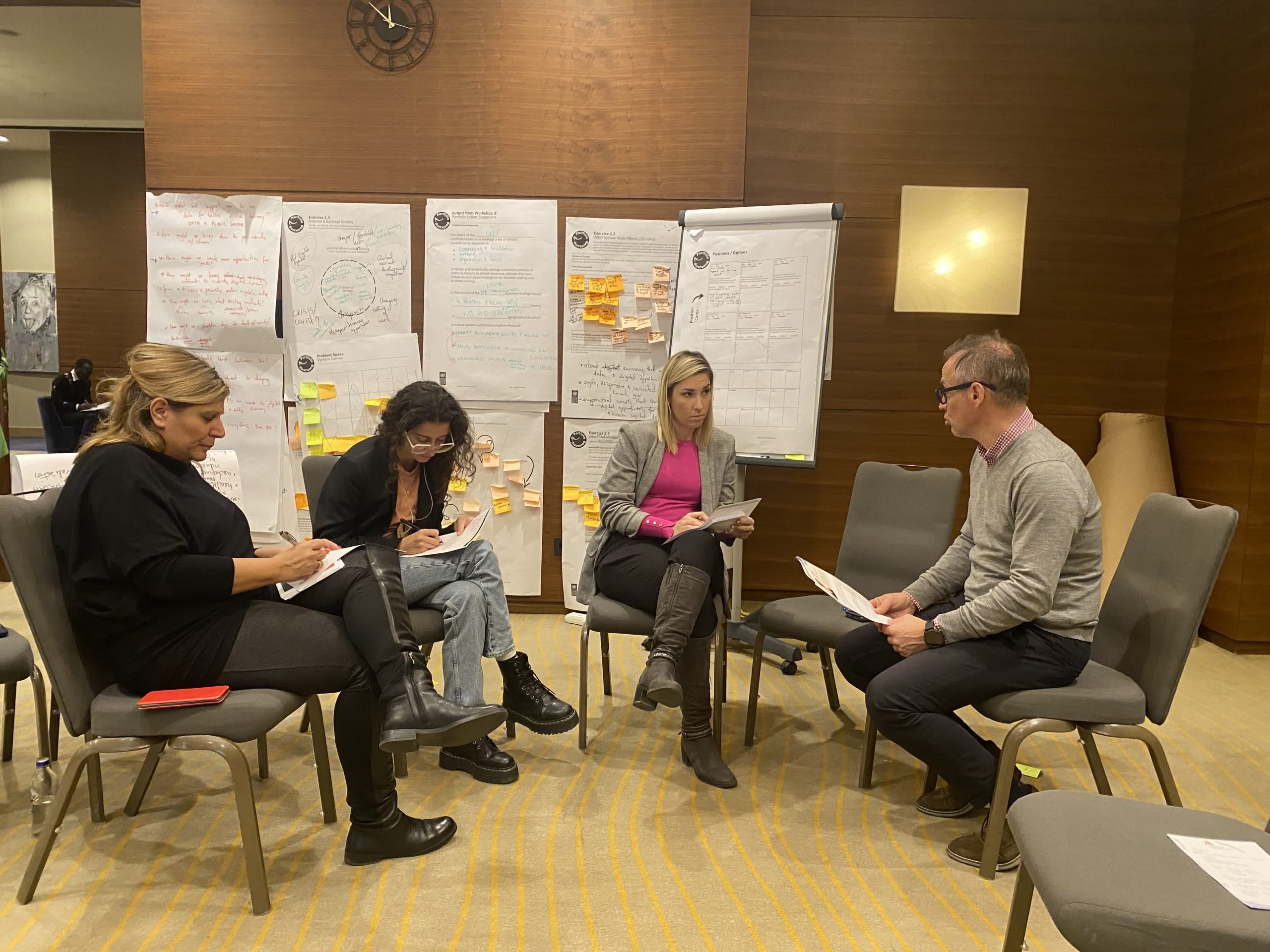
To test other use cases for generative AI, we used ChatGPT to craft different citizen profiles for a mock interview activity during our five-day, in-person portfolio design and management bootcamp. The purpose of the simulated listening exercise was to immerse participants in the intricacies of social listening through role-playing scenarios. Using ChatGPT to generate profiles was an invaluable time-saving measure. Preparation that would typically demand a week’s effort was streamlined to just two days. However, without specific guidance, the platform produced profiles that predominantly skewed towards a singular male perspective, reflecting a narrow segment of society. Intrigued, we opted to retain these homogenous profiles with the intent of gauging participants’ discernment of potential biases. Those involved were quick to point out the lack of female perspectives, but it took more prompting to identify the lack of socioeconomic representation.
A new dimension to co-creation exercises
On a national level, UNDP country offices in Europe and Central Asia are also exploring ways to integrate AI in their work processes. Already, two country offices have tested and piloted a new partnership with Urbanist AI, a participatory platform for urban planning and co-design that integrates multiple generative AI technologies.
To build capacity for co-creation workshops and enhance social listening activities as part of our portfolio approach, UNDP North Macedonia’s Accelerator Lab worked with Urbanist AI to customize a half-day community workshop on redesigning parking lots, busy streets, and other public spaces in the context of cooling heat islands to combat climate change in Skopje. In a similar exercise, the UNDP Kosovo* led a workshop to collaboratively envision and develop child-friendly open spaces like parks for kids and teens in Pristina. Both meet-ups are linked to programmes under the City Experiment Fund, an initiative funded by the Slovak Ministry of Finance that engages cities in systems thinking-based processes to address urban challenges.
In both scenarios, participants were first divided into groups and sent out to document urban issues, and then were tasked with redesigning the areas in mini design charrettes. Participants applied Urbanist AI’s text-to-picture function to rapidly render lush landscapes and social infrastructure on top of existing urban spaces and used those images to engage in lively, constructive discussions on reimagining how the space could be optimally utilized now and in the future. From young children to seasoned bureaucrats, the workshop captured the attention of a wide range of participants.
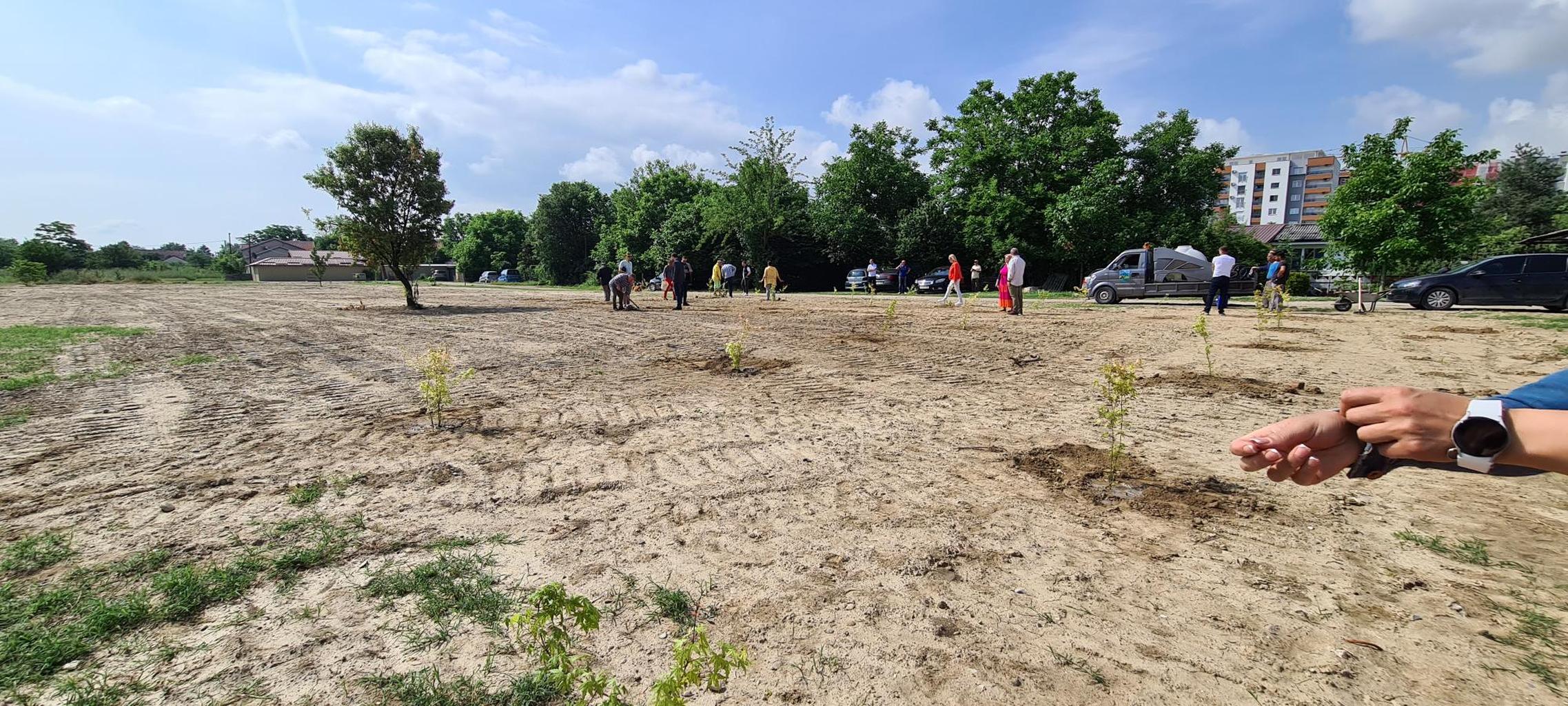
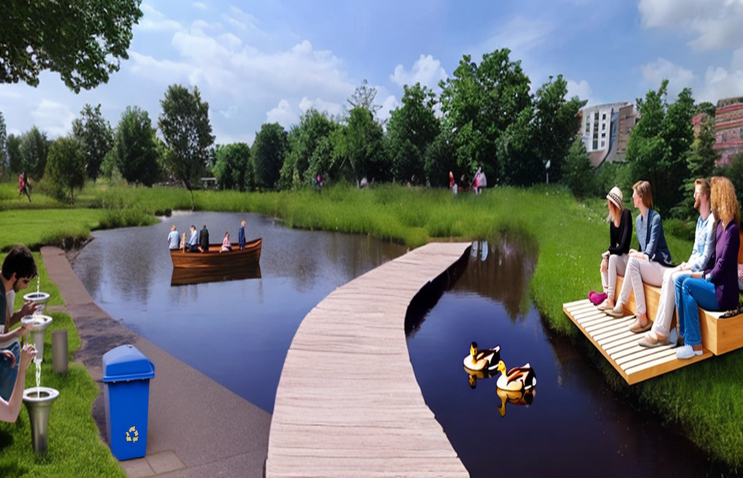
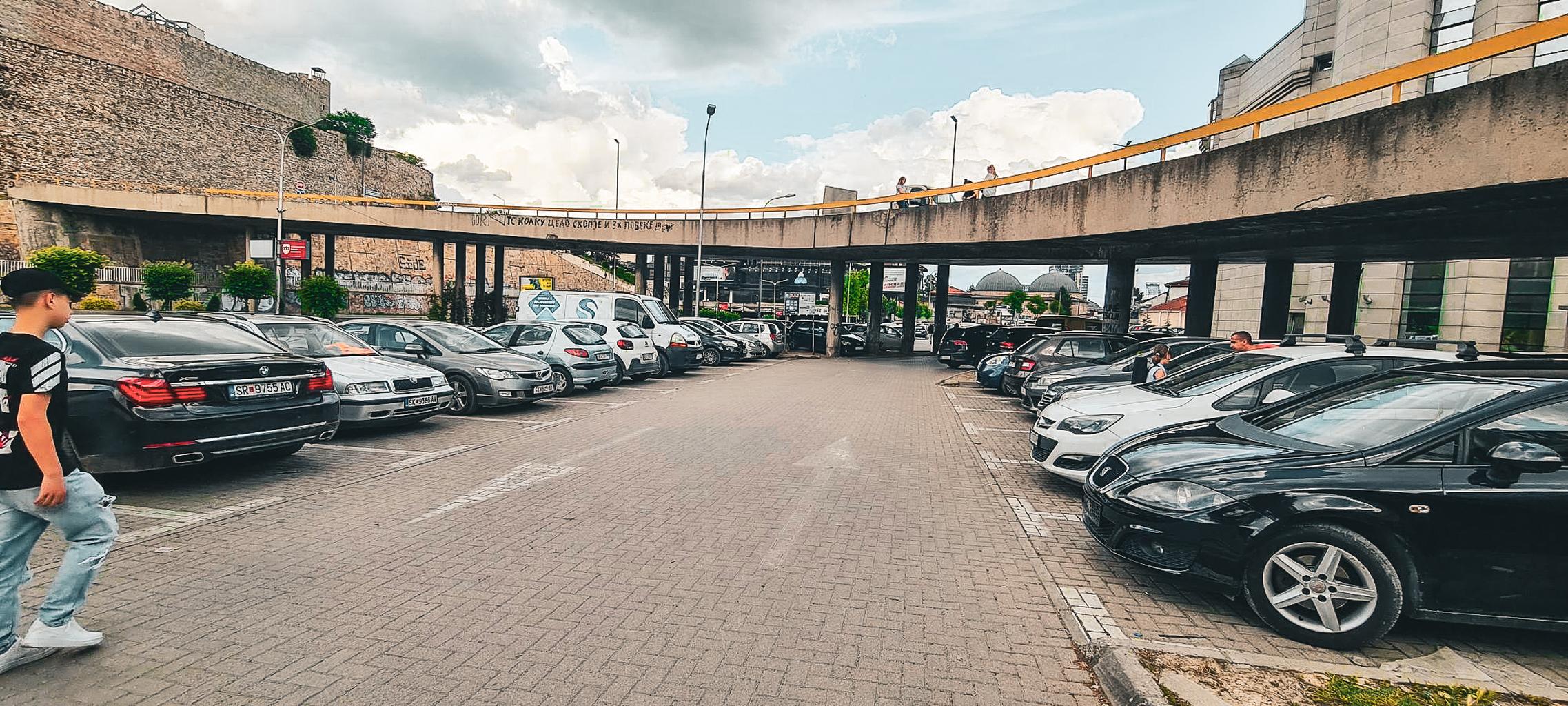
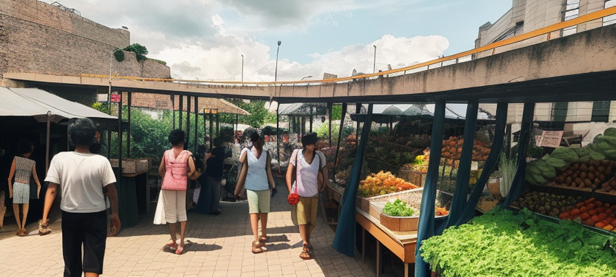
Images: UNDP North Macedonia
Throughout these sessions, Urbanist AI emerged not only as a tool, but also as a mode for getting people together. Attendees enjoyed engaging in the exercises and had positive learning experiences, which we hope will magnify the impact of UNDP’s participatory design workshops. As we fine-tune our approach, our next step is figuring out how to extend the benefits of platforms like Urbanist AI beyond collaborative co-creation exercises to synergize other aspects of the portfolio process. Additionally, we’re exploring potential partnerships that could be unlocked through innovative applications of such platforms.
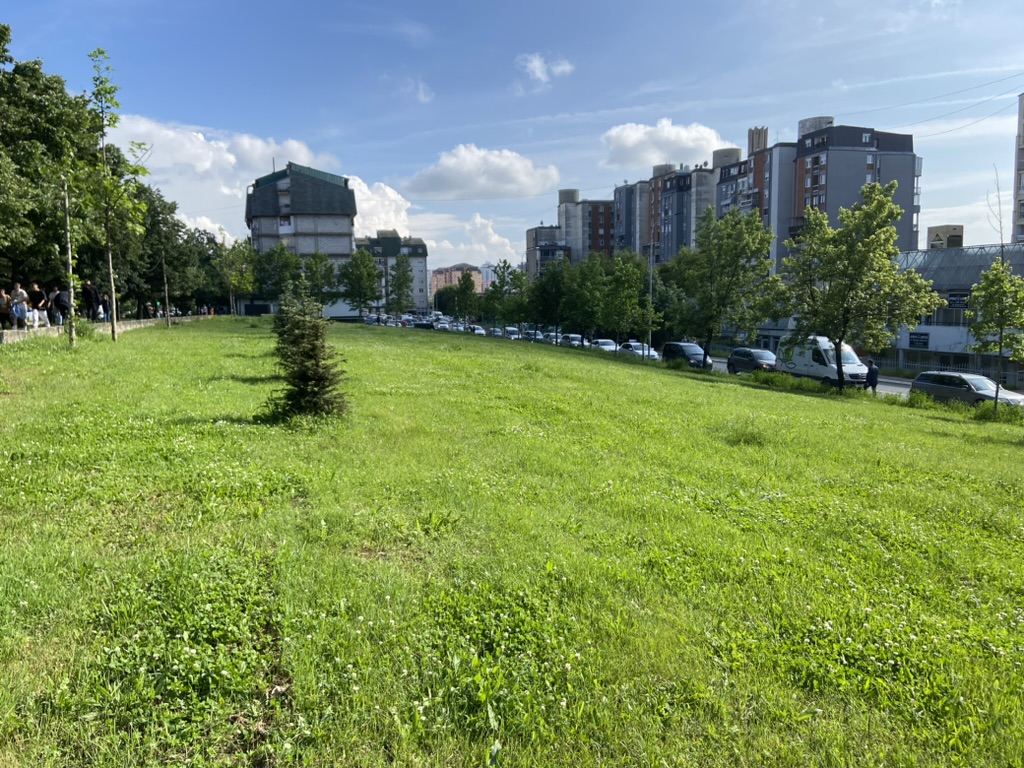
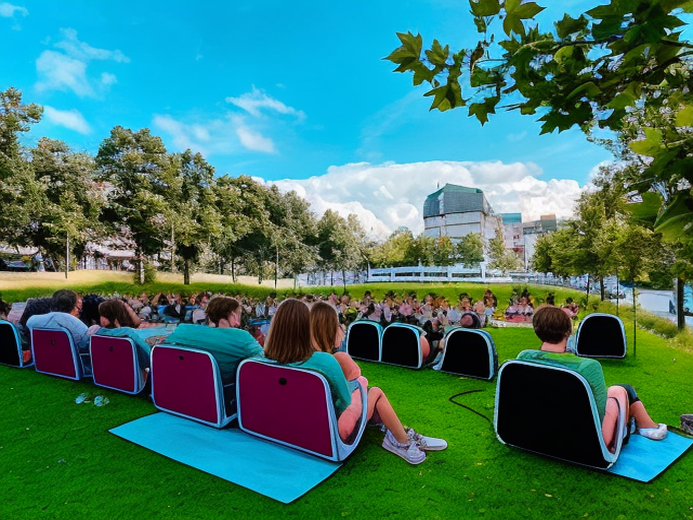
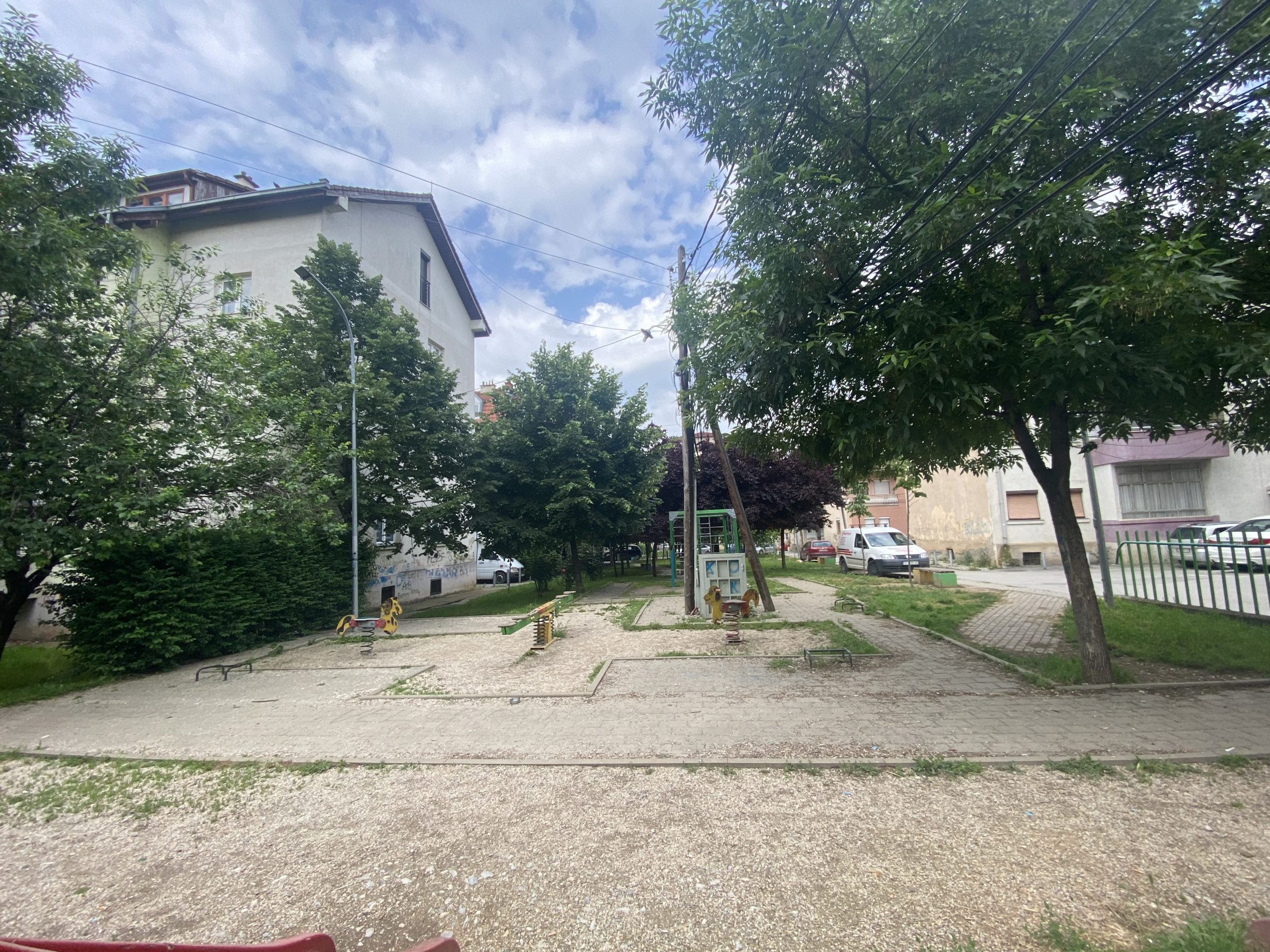

Images: UNDP Kosovo
Final takeaways
We find ourselves in the early stages of the AI revolution, eagerly observing the development of this technology and its adaptive applications. Its current constraints and biases are not inherently fixed; rather, they mirror the collective shortcomings of humanity. As we assess the outcomes of these learning experiences and refine our approach to continuous innovation, our decisions about how we move forward and create systems that reduce bias carry even greater significance.
Our commitment stands firm in addressing the downsides associated with generative AI. These challenges include the displacement of jobs due to automation, the threat of misinformation and deep fakes undermining democracy, biases present in training data, privacy and ethics concerns, and the ongoing issue of the digital divide. But we are also optimistic about a new horizon of possibilities. Our trials taught us that process and methodology can be enhanced by generative AI. While there is a learning curve to crafting the right queries, it is possible to guide the output in the right direction, especially when using tools that allow for step-by-step instruction input.
We foresee generative AI as being a crucial resource in supporting our new way of working with cities and communities. Amid resource constraints and the demands of our portfolio design and management initiatives, such as the City Experiment Fund and Mayors 4 Economic Growth, generative AI could be especially promising for practitioners in this space. As AI technology improves, these facilities will become indispensable accelerants and aides in the work of practitioners and partners who are stretched thin, navigating a complex landscape of demands.
* All references to Kosovo shall be understood to be in the context of the Security Council Resolution 1244 (1999).
Cities are confronting unprecedented challenges and traditional linear approaches are no longer sufficient to address overlapping, interconnected issues efficiently. But there is an effective way to navigate these complexities and foster positive transformations – involving communities in various ways, to be able to take part in decision-making processes. As this people-powered approach gains momentum and yields promising outcomes, the Innovation Team at UNDP Europe and Central Asia, in collaboration with the Agirre Lehendakaria Center, has been working to develop a toolkit to share tools and processes that help municipalities and other stakeholders engage better with the community to enable holistic engagement and transformation. This new publication titled Co-creating Urban Transformation: A Guide to Community Listening and Engagement for Future-fit Cities is for anybody looking to adopt community-oriented practices and methodologies.
Originally developed as a resource for local authorities taking part in the Mayors for Economic Growth network, a programme jointly funded by the EU and UNDP, and inspired by listening experiences from the City Experiment Fund, the guide’s tools, exercises, and insights are adaptable to different urban contexts and are appropriate for a range of partners driving transformative change at the local level. At its core, the new approach revolves around co-creating urban transformation portfolios through iterative community listening processes. This serves to fortify social cohesion and resilience, particularly during times of crisis and uncertainty. The guide emphasizes that trust is cultivated through direct public engagement, while listening in a meaningful way can galvanize a cultural shift that clears a path for positive change.
The practical adaptation guide is composed of six sections that span the theory of change behind community listening to the development of portfolios. It also delves into the components that facilitate community listening and sensemaking, including how to use ecosystem mapping, data collection matrices, and collective interpretation. The guide also provides step-by-step instructions to equip municipalities and other actors with the tools, templates, and exercises necessary to integrate community listening and engagement seamlessly into their daily operations.
Download the full toolkit for more in-depth explanations and real-life field experience examples.
When we at the RBEC Knowledge and Innovation Team at UNDP Europe and Central Asia designed our four-week learning sprint with selected municipalities in Ukraine and Moldova, as part of the EU Response and Renewal programme, we wanted to see how much this learning journey would encourage the municipalities to widen their perspectives and empower them to apply different tools and processes to rebuild and adapt to the emergent insights. Our team had a chance to visit all of the selected municipalities in Moldova and meet with municipal teams and mayors to see what was happening on the ground and hear their concerns. In the case of Ukraine, our team had one-to-one calls to further understand their current situation.
Many municipalities expressed they were facing difficulties in addressing uncertainty and unpredictability in times of crisis. One Mayor in Moldova specifically mentioned: “One day we had 500 refugees coming to our town. Three months later, only 100 were left in the city. We do not know what will happen in the next 3 months.” Many of the municipalities were already struggling to address the demands of the residents or prioritize issues prior to the crisis due to their limited resources.
In times of crisis, our context changes drastically, making it difficult to plan for the future due to highly unpredictable circumstances. We are often forced to make quick decisions based on limited data and fragmented information due to immediate and pressing needs. We might seek evidence and in-depth research that points us to the “right” solution, but in a time of crisis where circumstances change rapidly, we need to practice a delicate dance between seeking validation and taking decisive action. [1] We need to address the immediate needs through action while holding the space for learning and adaptation to new learnings and discoveries.
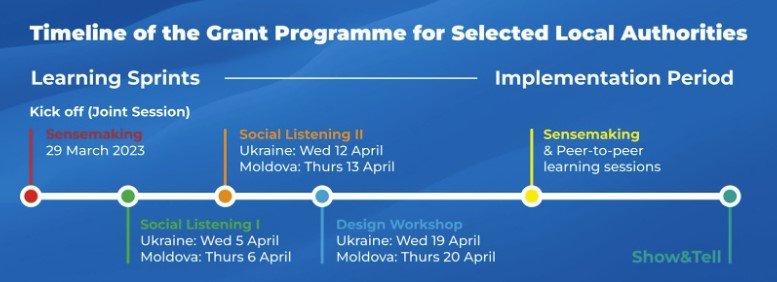
The EU Response and Renewal Programme for local authorities in Ukraine and Moldova, under the Mayors for Economic Growth (M4EG) network, was designed to apply complex systems thinking in a crisis context, emphasizing how we can manage complexity in a crisis setting and adapt to emerging realities. This grant programme offers direct support to 13 selected municipalities in Ukraine and five selected municipalities in Moldova, totaling EUR 1.8 million. Our call for proposals asked municipalities to clearly articulate how they will address issues related to response and renewal, and after the selection, they were invited to join a 4-week learning sprint to validate their proposals and identify emergent insights to adapt them.
Given the limited resources and capacities of many municipalities in the region, we intentionally built a 4-week learning sprint to introduce municipalities to the basic knowhow and applicable tools needed to discover new insights and apply them to their submitted proposals. This was a unique approach whereby the selected proposals could be further enhanced and adapted based on emerging changes, acknowledging the importance of flexibility, adaptiveness, and empowerment of teams and networks to help us make sense of the changing landscape in a complex crisis setting.
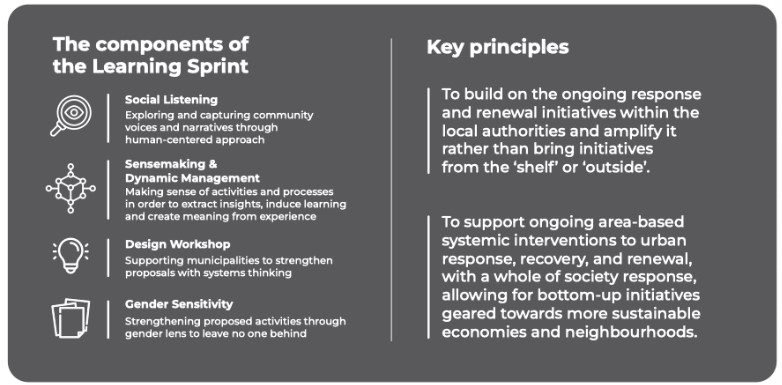
The key value of the learning sprint was to improve the proposals and eventually ensure that activities will be more targeted and effective during implementation. In standard project design, we often design our activities upfront in a linear way that (unintentionally) creates a relevance gap by the time implementation starts. Therefore, the learning sprint was designed to build in adaptability, flexibility, and effectiveness of the activities by embedding system-wide perspectives and community listening. In particular, we wanted to achieve the following objectives from the 4-week learning sprint:
- For municipality teams: to learn and build area-based systemic intervention with social listening, sensemaking, and gender-sensitivity training;
- For the M4EG team at UNDP: to learn and build an understanding of current contexts of response and renewal efforts through selected municipalities in Ukraine and Moldova to enhance our support.
Reflections on social listening
Key takeaways from the social listening:
During the social listening exercises, some teams discovered other adjacent needs that their work could address to be more relevant. The Chernivtsi municipality said: “Based on the results of the received answers, we saw that the problem of providing internally displaced persons (IDPs) with housing is quite urgent. Therefore, during the implementation of the project, it is planned to monitor existing initiatives in this area and to inform target groups about available opportunities on an ongoing basis.” Some teams found social listening to be a helpful tool for monitoring the impact of their initiatives.
The Bucha municipality said: “During the implementation of the project, it is planned to conduct social listening on an ongoing basis to identify new challenges and problems that arise, as well as to receive feedback from target groups for the further possibility of adjusting measures and activities.”
What is social listening?
Social listening is a powerful tool that localizes and connects interventions to the people in the community – the actors or beneficiaries – to ensure their relevance. The municipalities of Ukraine and Moldova embedded this process as part of the Response and Renewal programme to achieve two objectives:
- Ensure that the ideas they produced were aligned with the needs and challenges faced by the local communities they were serving;
- Identify other stakeholders, actors, or organizations in the space who can become collaborators, contributors, and influencers in the intervention.
Social listening was embedded in the learning sprints as a two-week practice of learning and doing and was broken down into three parts:
- Stakeholder mapping
- Introduction to listening & core skills training
- Data collection and synthesis
Stakeholder mapping:
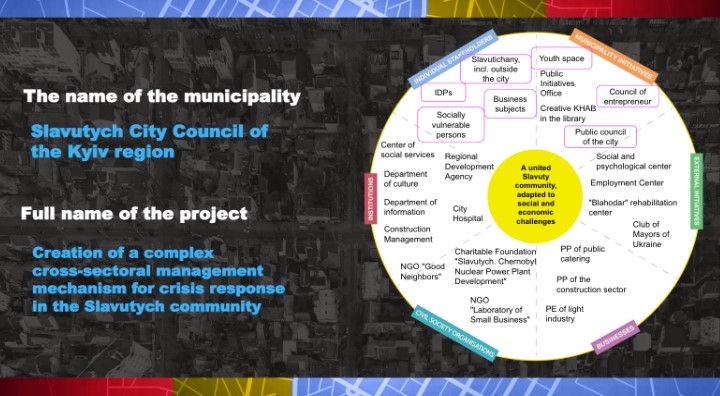
The sprint commenced with an introduction to a stakeholder mapping tool to assist municipalities in comprehending the actors and initiatives within their respective geographic ecosystems. This tool facilitated the identification of connections and the importance of various present actors. Municipalities gained a holistic understanding of the system’s interconnections and interdependencies. Stakeholder mapping served as a valuable aid to initiate the listening process by providing a clear picture of the relevant actors based on their engagement, decision-making power, and interest in the thematic areas addressed by the municipality’s proposal.
Introduction to listening and core skills training:
Following the stakeholder mapping, participants underwent a comprehensive training session on the purpose of social listening and its applications, including the essential skills required to conduct effective listening activities, such as in-person interviews, focus groups, and observations. The aim was to equip participants with the ability to document their initial assumptions, tailor questionnaires to their specific contexts, and proceed with interviews with selected stakeholders. All participating municipalities successfully completed this exercise and conducted in-person interviews with up to 10 stakeholders.
Data collection and synthesis:
After the interviews, our next session focused on synthesizing the collected data and extracting patterns and insights. The session began with guidance on data synthesis techniques, followed by teamwork to summarize and discuss findings within teams. Through internal discussions, participants answered key questions, unraveling both the insights and conclusions that emerged from the data. Furthermore, they revisited their initially stated assumptions and hypotheses from the first session, validating or invalidating them based on stakeholder feedback and new information gleaned.
Reflection and future applications:
Throughout the learning sprint, ample time was dedicated to team reflection and cohort discussions, enabling participants to evaluate the benefits of their enhanced listening skills in their current work and potential applications going forward. The opportunity to reflect and exchange ideas fostered a collaborative learning environment and encouraged the identification of practical ways in which listening skills could contribute to their ongoing initiatives.
Reflections on the sensemaking and design workshop
What is sensemaking?
Sensemaking is used to identify, generate, map, and leverage relevant connections and existing dynamics across different initiatives and projects. It is also used to create the conditions for reinforcing coherence and building networked effects across different actors through socialization and engagement (UNDP Portfolio and Sensemaking Protocol).
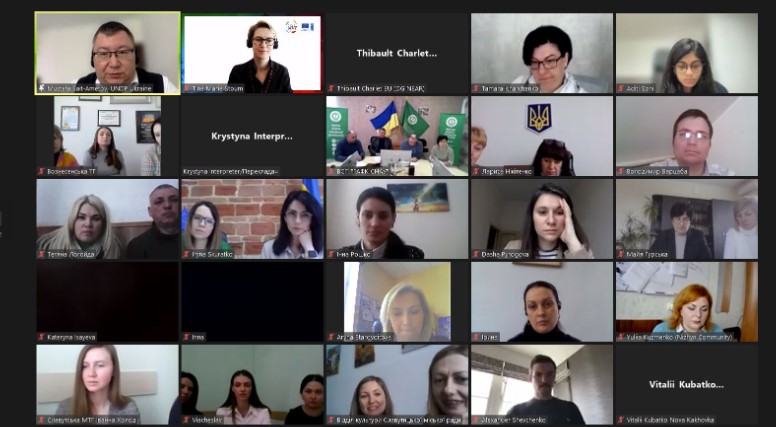
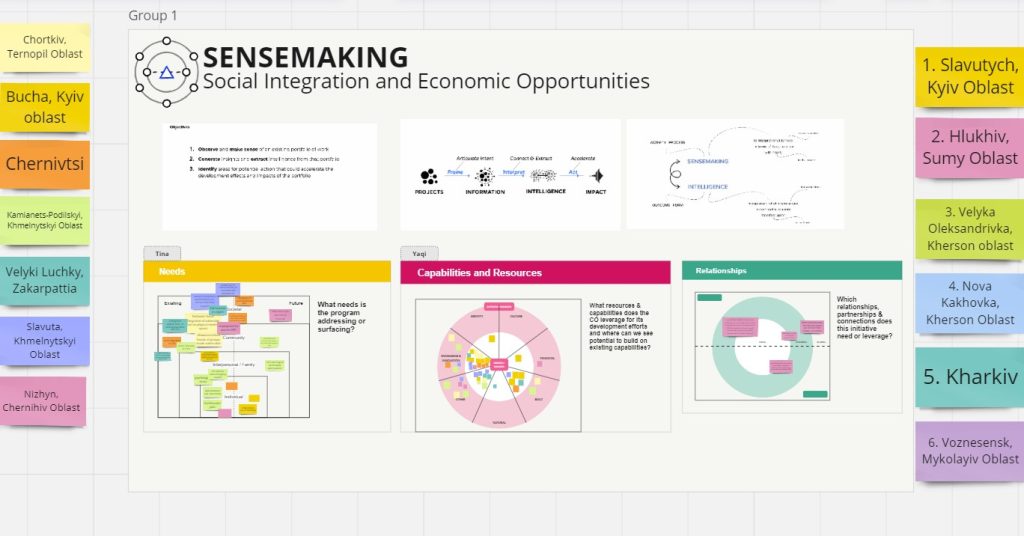
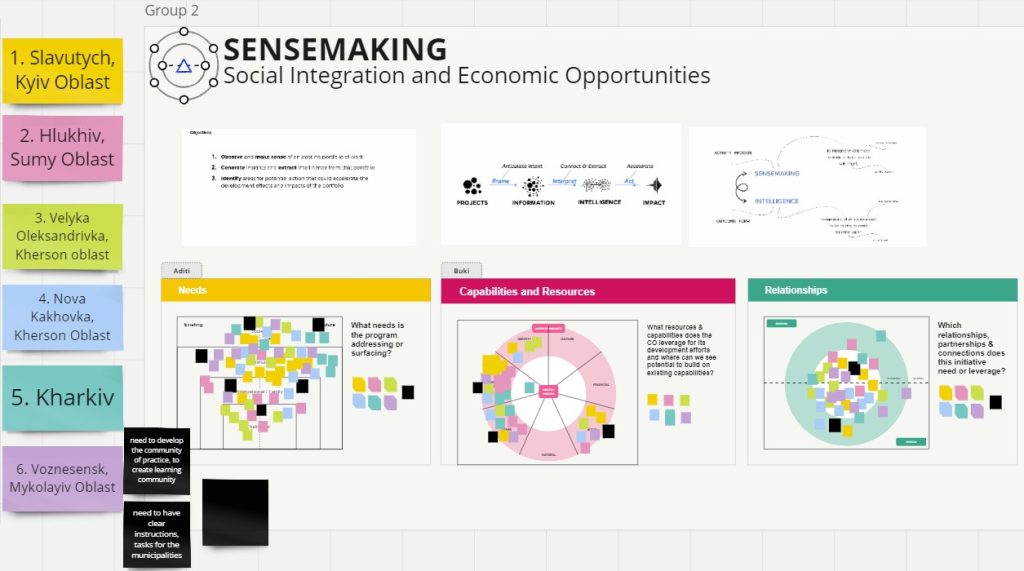
Sensemaking and design session in Ukraine (Zoom + Miro)
Under the EU Response and Renewal programme for Ukraine, five municipalities were selected under Lot 1 to focus on immediate recovery activities for refugees and IDPs, and eight municipalities were selected under Lot 2 to focus on medium and long-term renewal activities for refugees, IDPs, and local communities. Regardless of their selected lots, we have learned that the municipalities are developing their efforts on 1) social integration of refugees and IDPs, 2) creating and supporting economic opportunities for refugees and IDPs, 3) building and restoring city services and infrastructure, and 4) reshaping and planning for the future vision of the city through comprehensive analysis and aftershocks caused by the war.
Here are some of the key insights that have been captured during the sensemaking and design session:
- IDPs are returning to home towns or nearby towns when it’s possible, but the lack of economic opportunities and jobs are the most pressing needs to be addressed;
- Psychological and mental stress is heavily affecting refugees and IDPs and current assistance is not enough to support the community. Furthermore, a needs assessment from a gender lens perspective is needed since many of the trauma victims are women;
- Continued social inclusion support for IDPs and refugees, including co-creation and community engagement, is key to assisting those that decide to stay;
- Professionals, specialists, and talents are relocating to different cities, and local communities and organizations are very effective at setting up links and connections to support them. Yet, many municipalities are resource constrained and there is a need to prototype or experiment with different services;
- There is a need to communicate, exchange and learn about common topics across different actors and stakeholders.
Sensemaking and design session in Moldova (In-person)
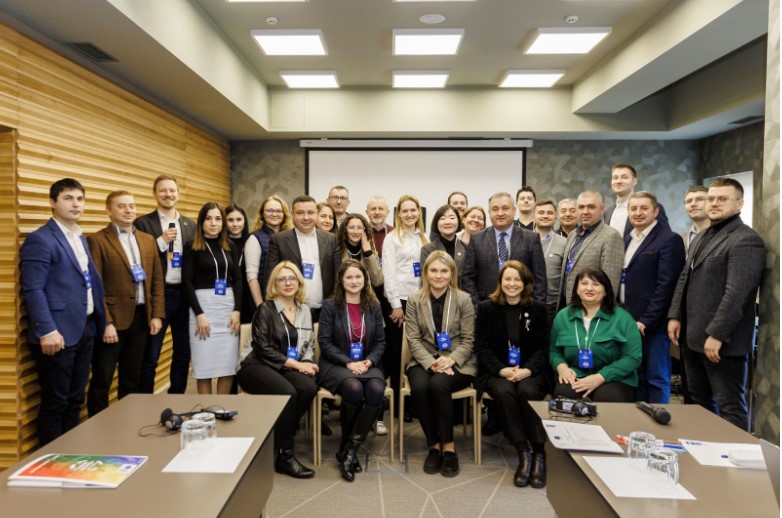
Under the EU Response and Renewal programme for Moldova, two municipalities were selected under Lot 1 to focus on immediate recovery activities for the refugees, and three municipalities were selected under Lot 2 to focus on medium and long-term renewal activities for the refugees and local communities. Similar to the selected Ukrainian municipalities, Moldovan municipalities concentrated on 1) fostering the social integration of refugees, 2) creating and supporting economic opportunities for refugees, and 3) enhancing public services to support refugees in the local community.
Here are some of the key insights that were captured during the sensemaking and design session:
- There are limitations on the municipality’s resources and capacities and this plays a key factor in addressing uncertainty due to changing needs and context.
- Community integration and social inclusion are the key for refugees as well as local community members. Without adequate and clear communication on what is happening in the municipality and new developments, there is confusion and misunderstanding in the communities that risks public trust.
- It is uncertain whether the refugees will permanently settle in the municipalities or relocate in the near future. Therefore, the sustainability of the proposed activities and inclusive approach to integrating both refugees and the local community has been highlighted as an important factor for their activities.
Lessons learned and next steps
As we received positive feedback on the sensemaking and social listening sessions that enabled municipalities to discover new opportunities and validate their assumptions on their community’s needs, we also realized that it takes clear guidance and support to embed learning and adaptations. While a few municipalities were able to entirely reframe their approach and adapt to the emergent insights, captured through the learning journey, almost all municipalities were able to strengthen their proposal arguments, enhance their reasoning and validate the activities of their original proposal. In addition, some also noted that they would’ve liked to use this approach before writing their proposal, and even wanted to reuse the tools and processes for other opportunities.
Another key lesson learned from us is that municipalities are open to learning opportunities, and despite their constraints and daily municipality tasks were very active and engaged in the process. The format preference varied from municipality to municipality, but all of them requested having at least one in-person meeting for networking and deeper engagement. Online meetings were also well-received because this allowed municipality staff to have better access. Future topics that have been requested from the municipalities include proposal writing, project management, foresight, and strategic planning – some are now planned to be included under the Urban Learning Center.
Eighteen Municipalities are now actively in the phase of implementation, and we will organize a follow-up sensemaking session in the Autumn of 2023 to capture what has happened since the design and activity implementation. Stay tuned for more updates and if you would like to know more details about each municipality taking part in the EU Response and Renewal programme, please take a look at this document.
[1] Managing complexity in chaos by Cynefin
Istanbul, 26 July 2023 – The Mayors for Economic Growth (M4EG) Facility, a joint initiative of the European Union and the United Nations Development Programme (UNDP), announced the launch of the Foundations for Future Readiness course under the Urban Learning Center (ULC) together with its innovative partners Arup, Climate KIC, and TalTech. The course aims to boost Eastern Partnership (EaP) municipalities’ future readiness to shape thriving places, with participants gaining a broad understanding of a range of topics across a series of modules – from the EU’s Green Deal, Smart and Inclusive Cities, to approaches in managing complex problems and mobilising more municipal resources, funding, and public-private financing.
“This online course will empower local authorities with the skills and knowledge to shape vibrant, inclusive, and resilient cities. It will also help them tap into the opportunities of our Economic and Investment Plan,” said Thibault Charlet, Programme Manager, Digital and Local Economic Development, Directorate-General for Neighbourhood and Enlargement Negotiations (DG NEAR), European Commission. “The course is a significant milestone in our ongoing efforts to support local authorities in the Eastern Partnership region.”
“The purpose of the course is to offer in a condensed and accelerated way knowledge and tools which enable driving innovation, and forging smart, inclusive and future-ready cities,” commented Lejla Sadiku, Knowledge and Innovation Team Leader at the UNDP Istanbul Regional Hub.
“The Course embodies our commitment to going beyond ‘business as usual’ and fostering an ‘urban makeover’ mindset,” said Tim Hawley, Associate Director, Arup. “By integrating foresight, adaptive management, and a focus on local solutions aligned, we can create a momentum for transformative change at the local level.”
The self-paced online course is available on the ULC SparkBlue Platform (after log-in) and provides video summaries and bite-sized content such as interactive quizzes and activities to help users apply new learnings to their own context. It will be complemented with in-country-specific events and workshops.
The Urban Learning Center is designed as a Learning Ecosystem that interconnects community members at the national and regional levels, organized around the practitioner member as both a learner and contributor. Access to ULC is free and available through the SparkBlue online community engagement platform (sign-up is required for new participants). The ULC was developed as part of the Mayors for Economic Growth Facility funded by the European Union.
The M4EG Facility draws on the Mayors for Economic Growth Initiative, launched and funded by the European Union (EU) in 2017. Since 2021, the EU-funded M4EG Facility has been managed by UNDP in close cooperation with the EU, local authorities and a range of partners.
This press release has been reposted from Mayors for Economic Growth.
Our first ever portfolio bootcamp
The climate crisis, urban development, and digital transformation are complex challenges that call for a new way of working. This requires us to rethink how we design and manage interventions, how we operate, how we learn and what counts as success.
UNDP has embarked on this new path by leveraging portfolios as an integral part of our Strategic Plan 2022-2025. In the Eurasia region, we’ve been scoping, designing, and testing different ways of applying what we refer to as system portfolios. Spearheaded by our Country Offices in the region, this journey has so far resulted in:
- Over 15 actively managed portfolios;
- Four portfolio offers in urban transformation, future of work, digital transformation, and response and renewal in a crisis context;
- More than 50 portfolio design trainings, including joint sessions with the EU;
- 12 UNDP Country Offices actively designing, implementing, and managing portfolios;
- Hands-on guidance materials on designing and dynamically managing a portfolio, and a cohort of colleagues ready to support.
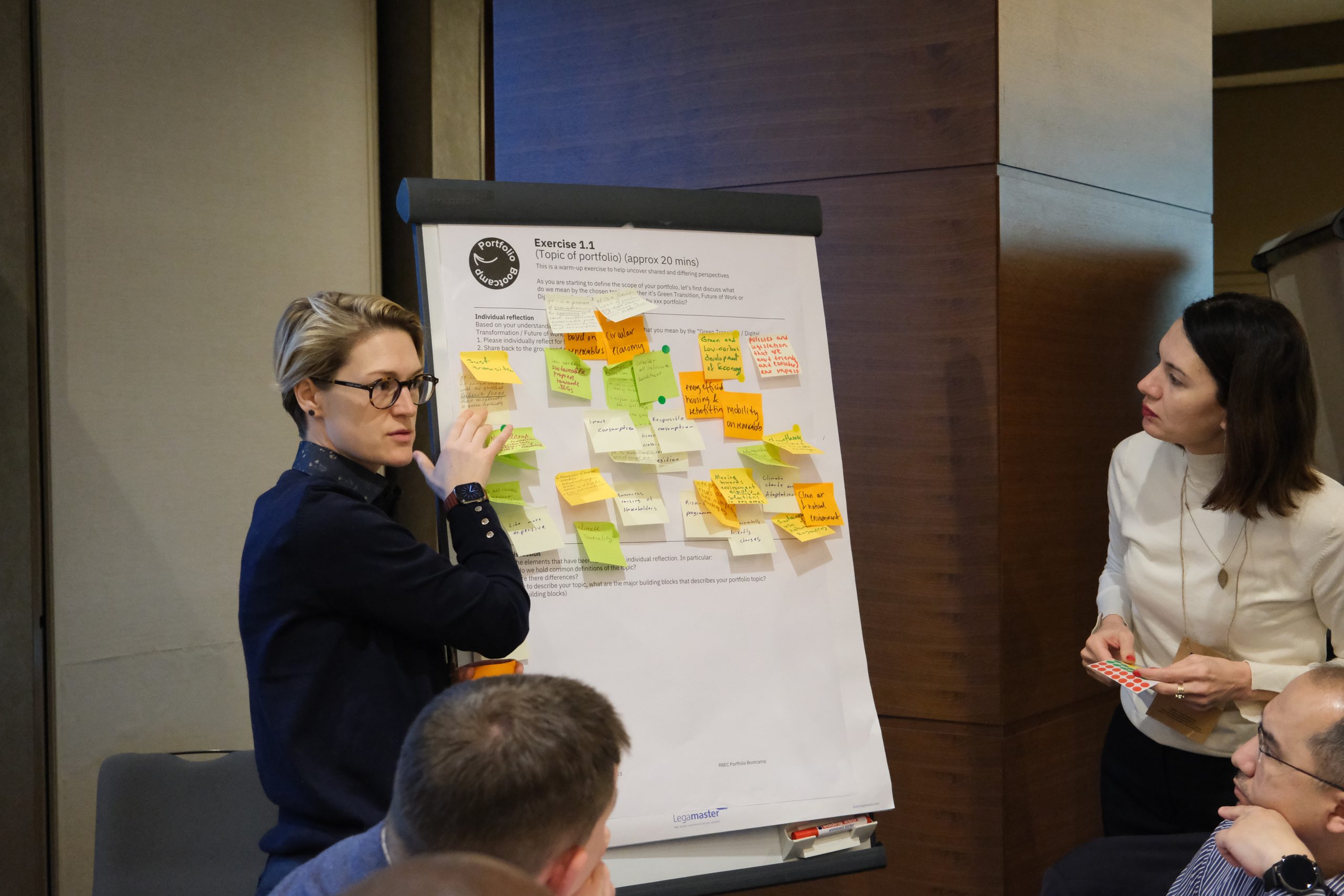
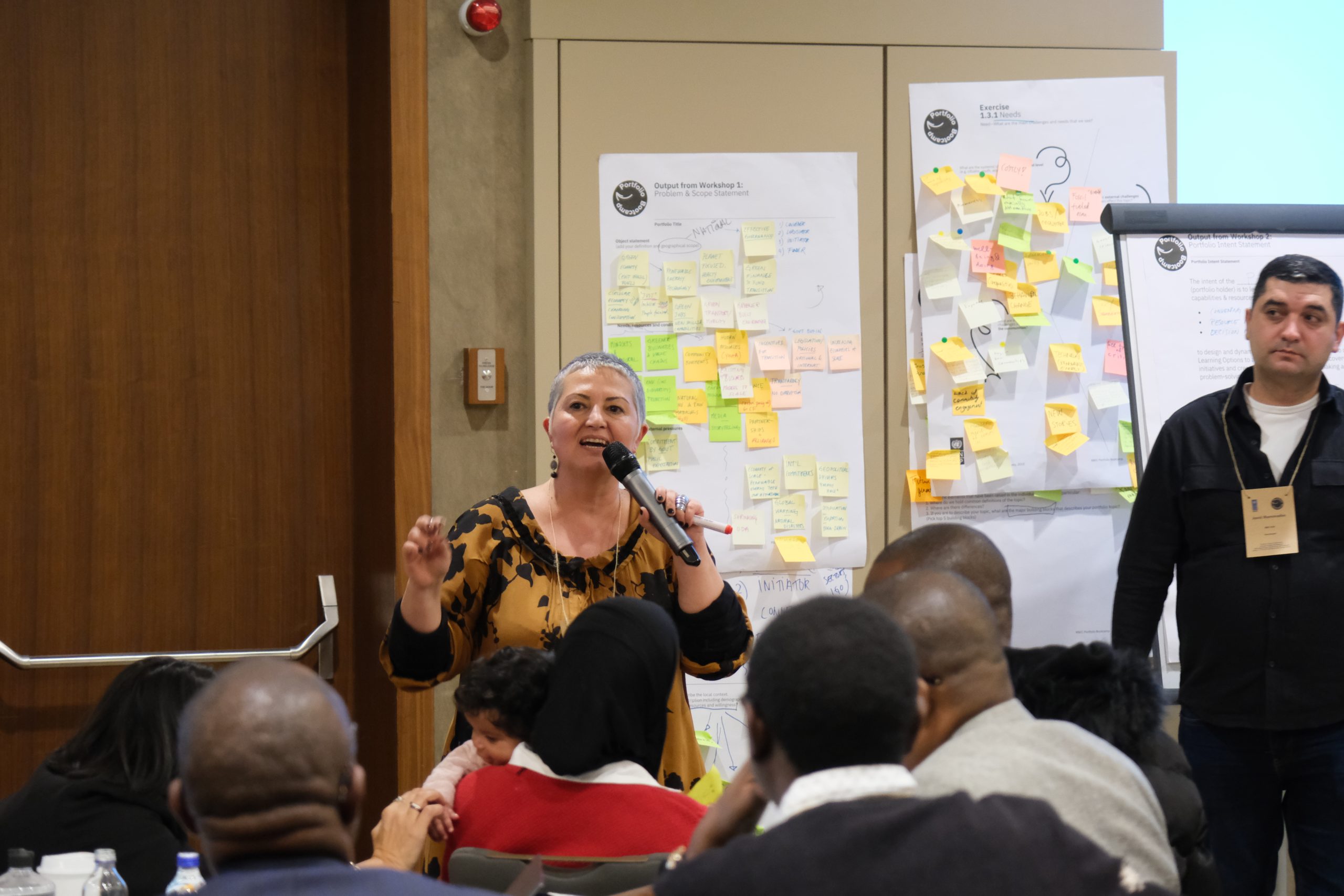
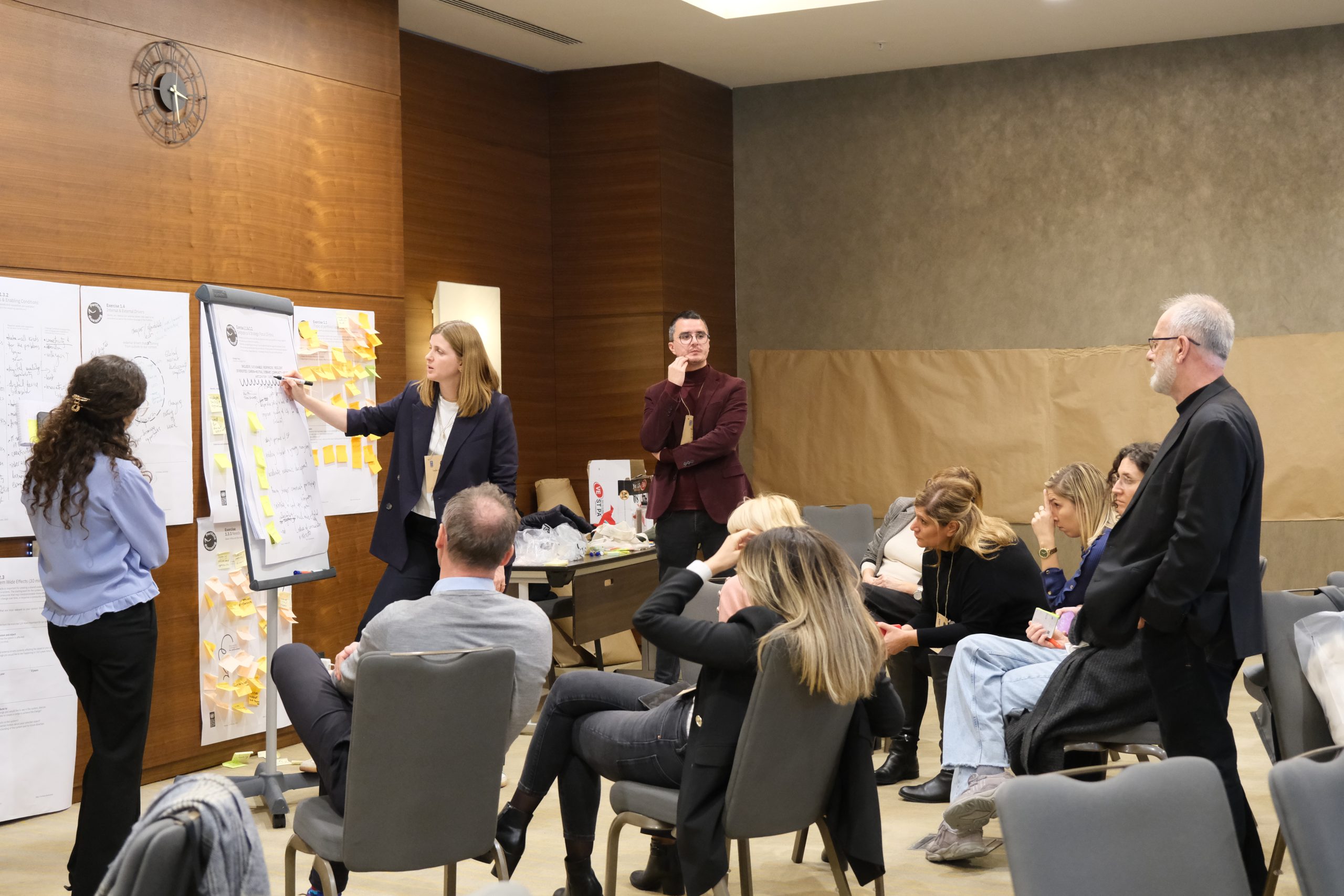
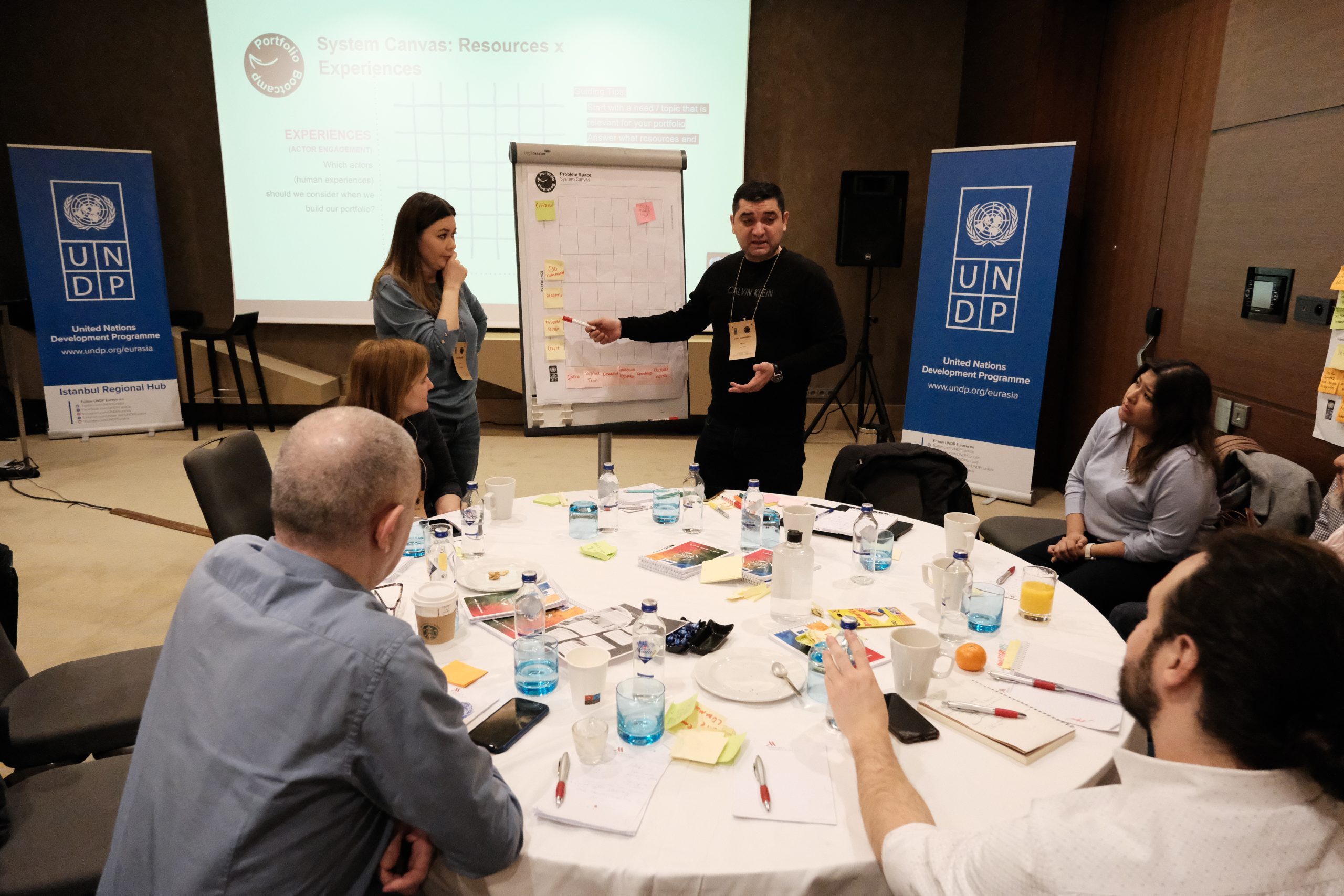
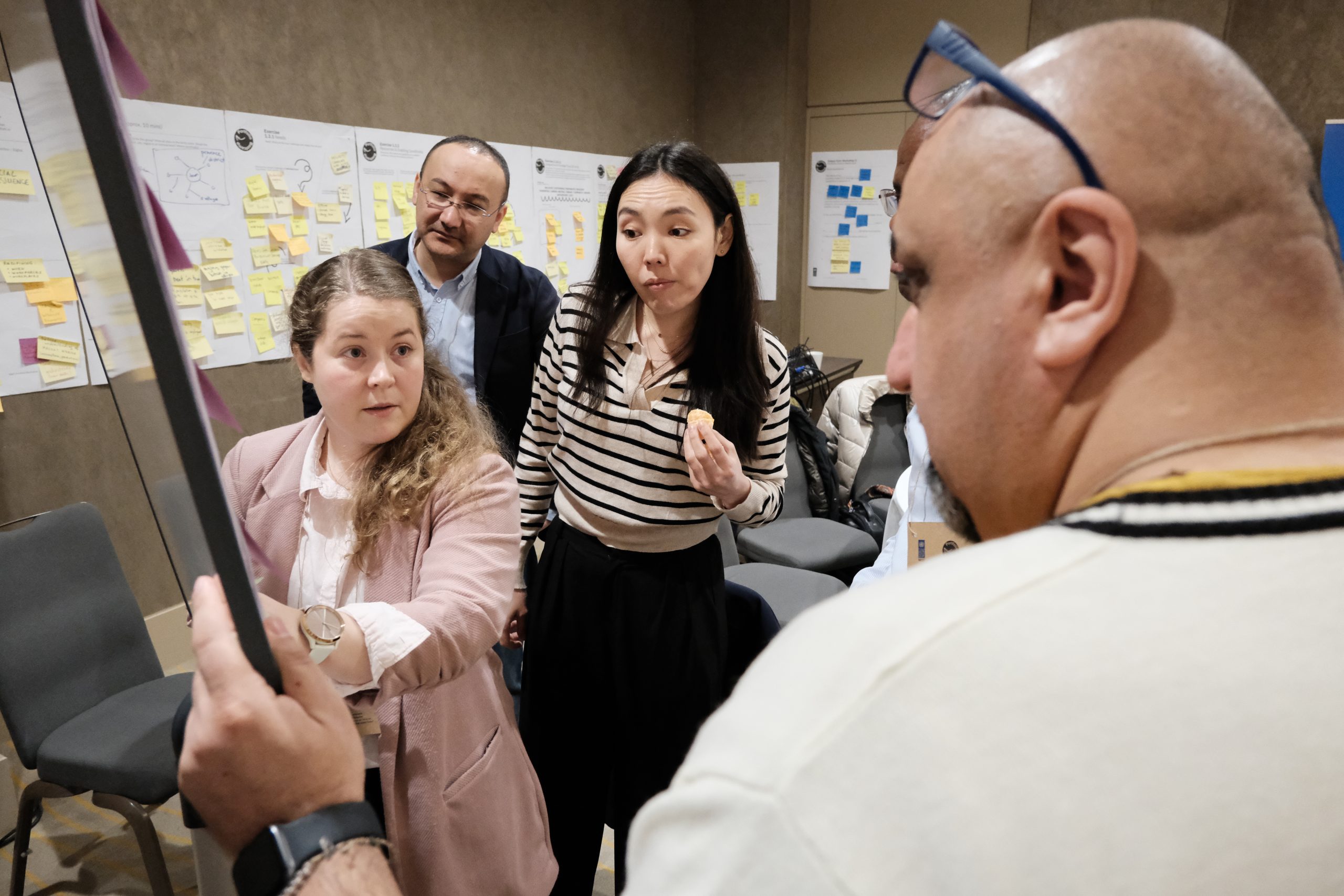
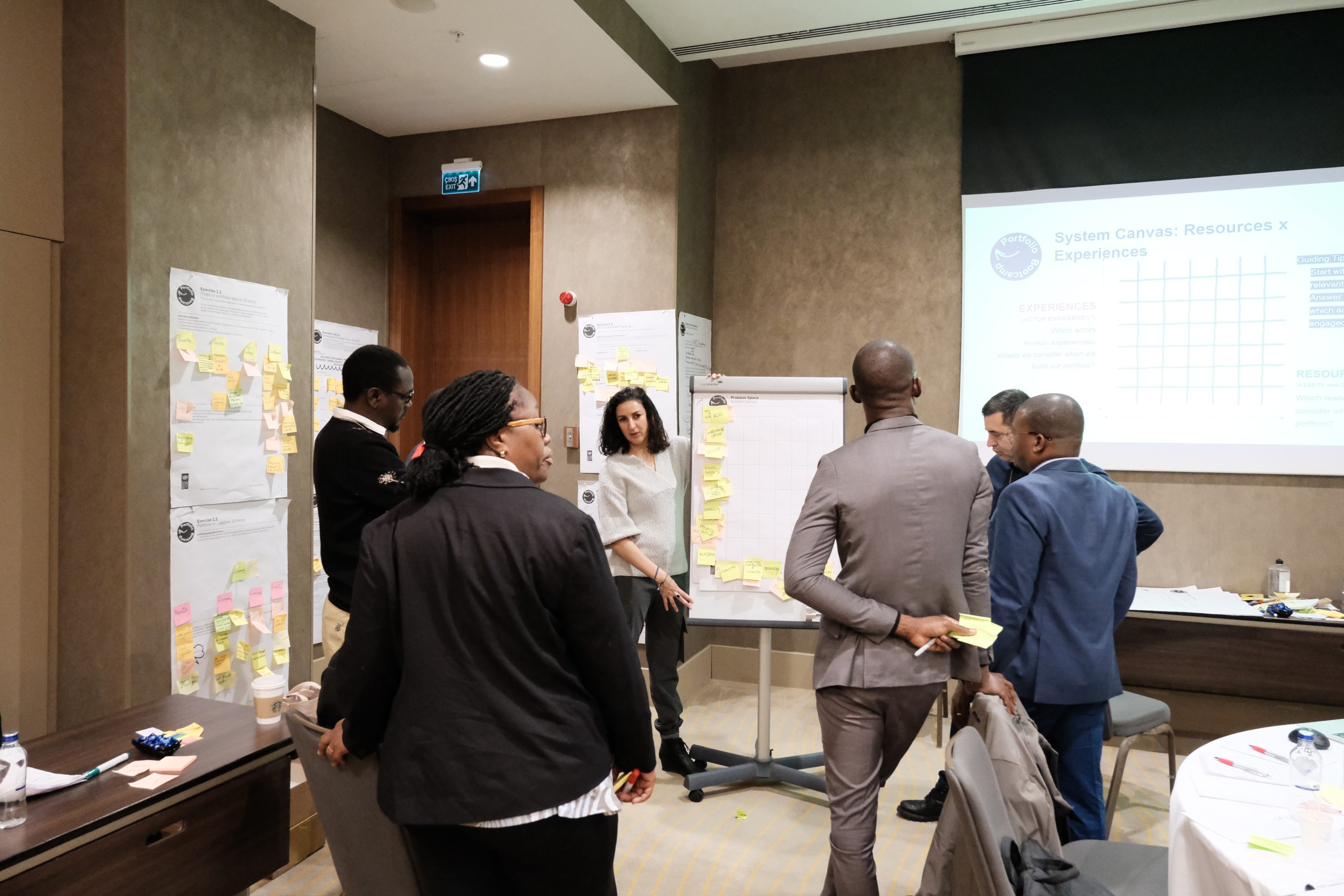
Earlier this year the RBEC Innovation Team hosted a five-day, in-person portfolio design and management bootcamp. Facilitated together with colleagues from Country Offices and different regions, the portfolio bootcamp was one of our biggest training events so far, with more than 75 participants from 30 UNDP Regional and Country Offices.
The aim was to share current thinking and practices in applying systems thinking to portfolio development and management, enabling participants to gain a profound understanding of the practical application of portfolios in a development context.
Using a set of portfolio design tools and templates, participants designed their own portfolios as a way to learn about the design (and management) in a hands-on manner. Participants learned to use a number of methods and tools used in the portfolio process, including social listening, sensemaking, and MEL.
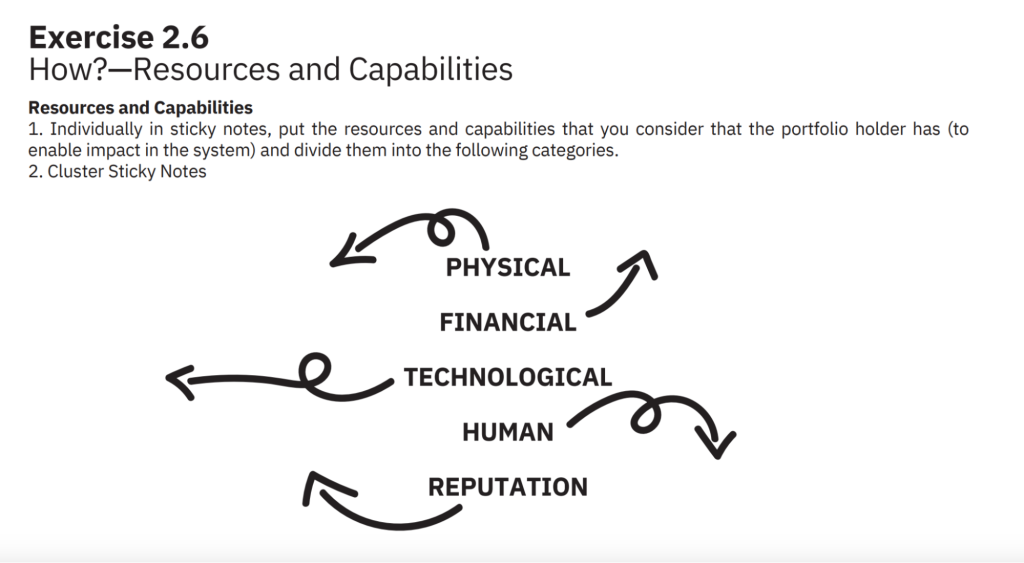
The portfolio bootcamp included sessions on the theory behind portfolios, group exercises, experiences from Country Offices spanning multiple regions, and expert inputs. The materials and exercises used in the bootcamp, including terminology and processes and developed by UNDP’s RBEC Innovation Team, draw from learnings and experiences with Chora Design and Agirre Lehendakaria Center.
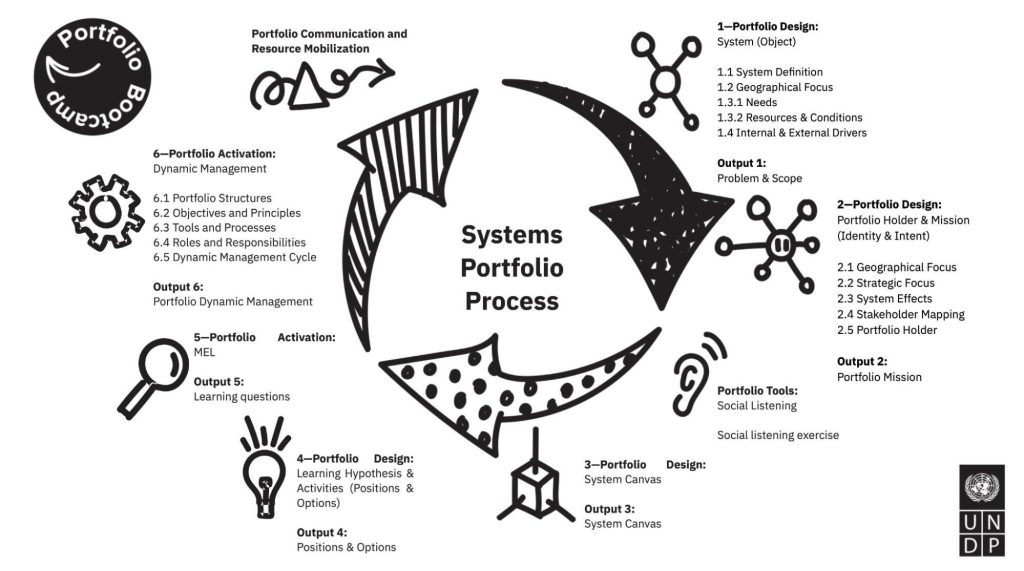
What we learned
Embracing a new way of thinking and doing is both exhilarating and challenging. We tried to document what worked and what didn’t to provide an even better learning experience to participants in future portfolio bootcamps.
Below we share three of the insights we gained from feedback surveys and reflection sessions, undertaken with the entire team of bootcamp designers and facilitators.
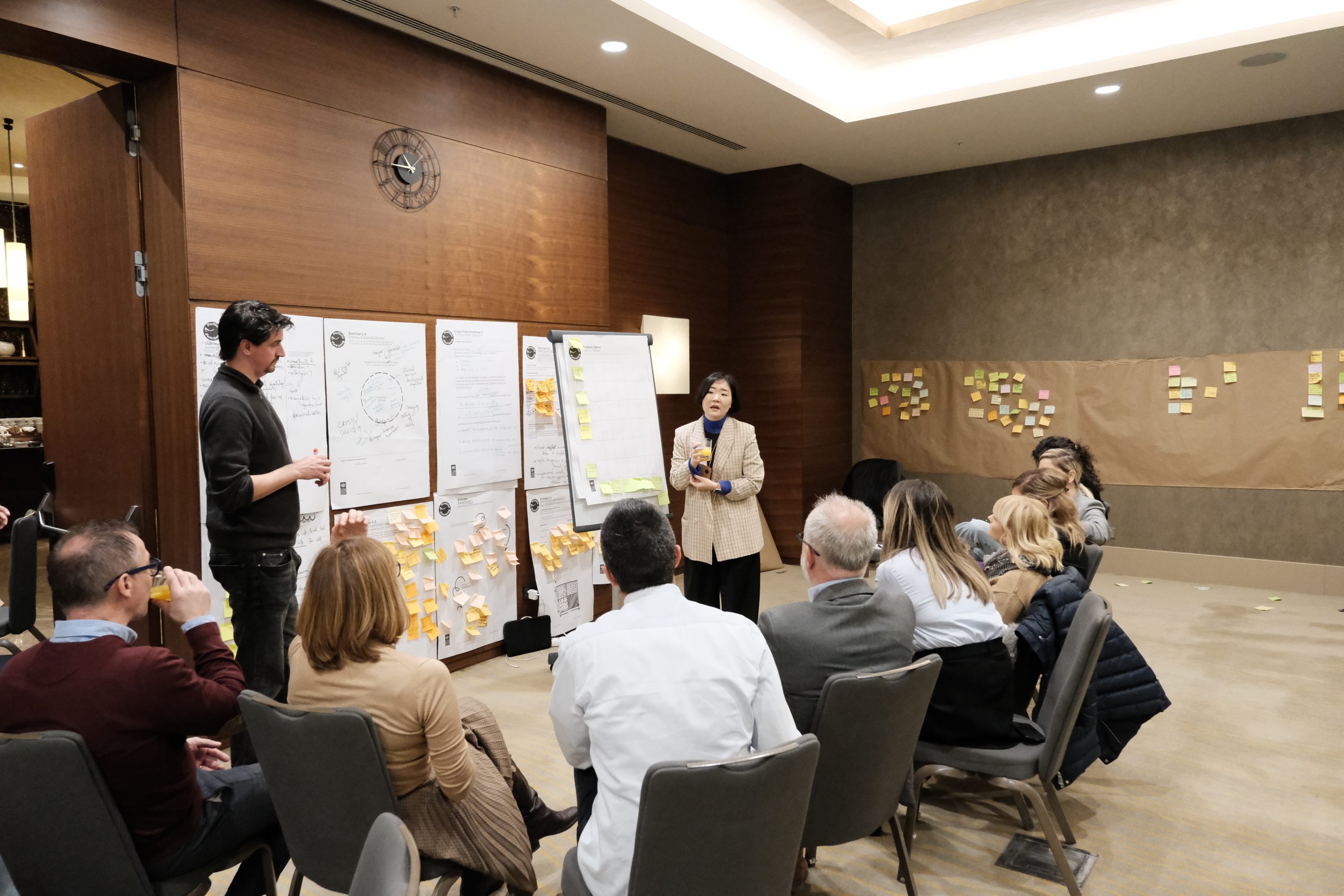
Reflection 1
Acknowledge discomfort in learning a new way of thinking and doing
Moving from a largely project-based model to applying a portfolio approach extends beyond shifting from one methodology to another. It means transforming how we perceive, understand, and respond to (development) challenges.
Different from more linear approaches to problem-solving, portfolios require us to think beyond the obvious, making connections out of existing silos and working across sectors, thereby leveraging a variety of capabilities and resources. This shift can bring about feelings of discomfort and unease, adding a layer of emotional complexity to the experiences of participants when learning about portfolios.
Recognizing and empathizing with these emotions is crucial to creating a conducive environment for participants to effectively learn about the portfolio design and management process and build stronger connections as they learn and implement the methodology collectively.
As one participant shared during one of the end of the day reflection exercises: “Sometimes you just have to be OK with being uncomfortable, or put differently: ‘to not know’ sometimes is the way to go.”
There might be a bigger lesson to learn here: Feelings of discomfort can come from the changing identities and roles. As development professionals we are used to playing the roles of experts and solution providers. More and more we’re required to be explorers in uncertain contexts which impacts our professional identities, but also forces the organization to rethink and reconfigure the role it plays in the international development landscape, the services it offers, and the support it provides to partners across the globe. This involves understanding the intricacies of that shift as well as applying what the participants learned about complexity, systems and portfolios to navigate the changing context.
Therefore, the bootcamp not only focused on providing portfolio knowledge but also recognized the importance of community and peer support. It created an environment where participants could embrace discomfort and navigate transformative change together by sharing and reflecting as a cohort. This approach led to spill-over effects, fostering a portfolio community and helping participants gain the skills to be able to adapt in the evolving development landscape.
Reflection 2
Combine practical tools with case studies
We’re aware of the importance of providing a meaningful context when teaching how to apply the portfolio approach. While theory, frameworks and concepts have their place, it’s equally essential to arm learners with practical tools, templates, and guidance to apply portfolio design and management effectively.
The bootcamp intertwined theory with hands-on exercises. Participants worked with tools and templates that UNDP teams have found effective for internal exercises and with partners. But to apply these tools and templates effectively, participants require a certain level of understanding about the specific geography, socio-cultural context and other relevant factors.
In the bootcamp, this was provided through sectoral themes including green transition, digital transformation, and the future of work. However, we found that exploring sectoral themes was not enough for participants to navigate their regional or national challenges and sometimes led to questions, confusion and difficulty in applying the portfolio approach effectively.
Using detailed case studies instead, ideally directly related to a geographic region and development challenge that the teams are working on, could be a better way to go in future trainings. This approach would provide a more relatable and comprehensible context, thus facilitating a better understanding and application of the tools and principles taught.
Reflection 3
Balance complexity and simplification
As trainers in applying portfolios, we constantly grapple with the delicate task of simplifying the explanations without compromising the integrity and accuracy of the approach. There’s an obvious need to ensure the comprehension of core ideas, but oversimplification can risk distorting these concepts, obscuring their inherent complexity and nuanced understanding. It is a difficult task to walk this tightrope – delivering just the right amount of explanation without straying into unnecessary complexities. As Albert Einstein famously said, “Everything should be made as simple as possible, but not simpler.”
We also recognize the need for using new language around portfolio design and management (without simply repackaging existing concepts and ideas). Our comprehension of the world is shaped through words and narratives so the language we use profoundly influences how we act. Adapting our language is a crucial but often underestimated way of facilitating effective learning about the ways portfolios work.
What’s next
Through events like the portfolio bootcamp, we’re trying to pave the way for UNDP colleagues to use portfolios in their work. Running these bootcamps, trainings and workshops isn’t easy though. They need careful planning to cover the nuances of the approach without overwhelming the participants. Following up on the bootcamp, we have recently launched the first prototype of an online course on portfolios to make learning for our colleagues easy to access and flexible. We look forward to sharing what we learned from running the course for the first cohort on our blog soon.
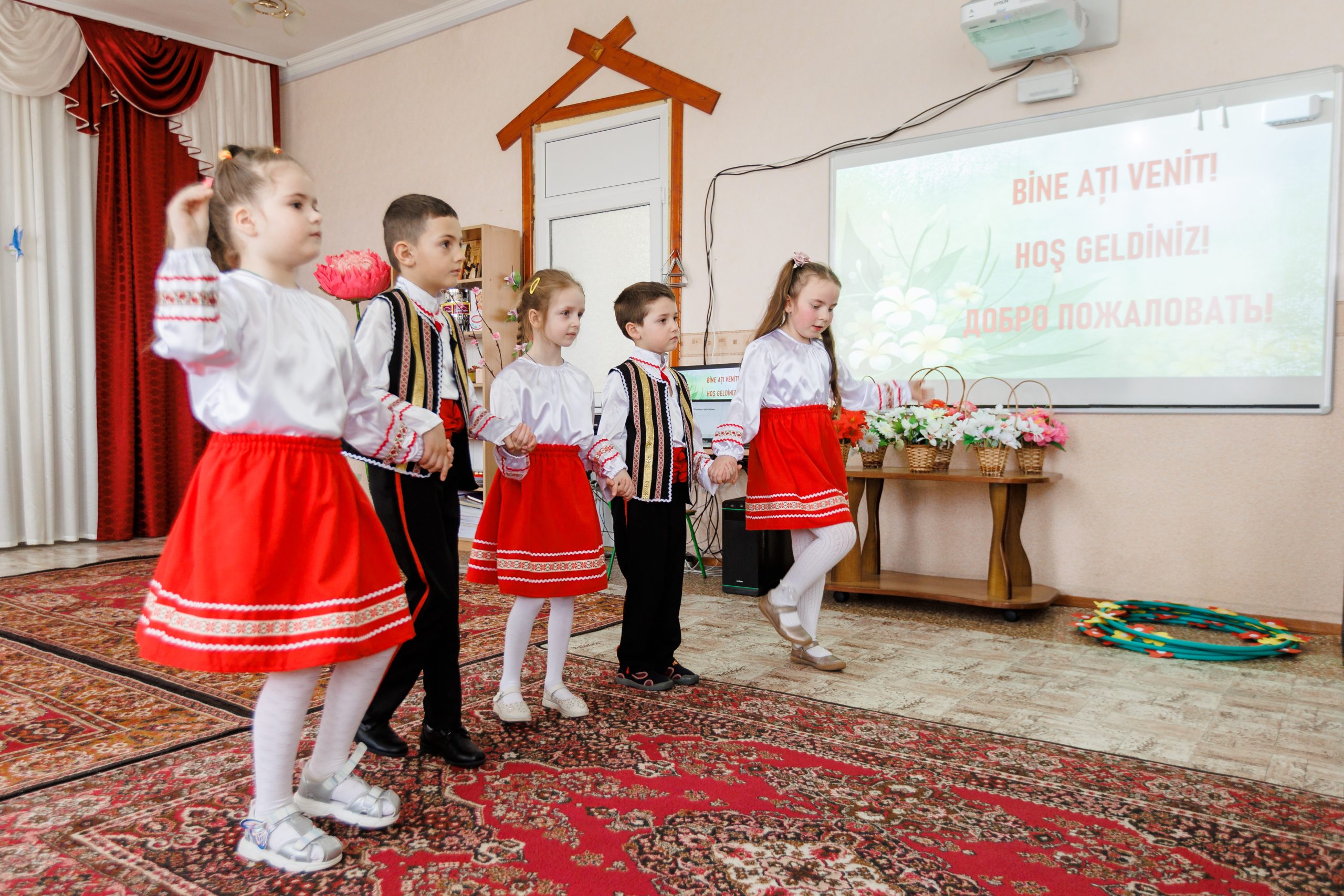
The building of “Sălcioara” kindergarten, not repaired in last five decades, had undergone a makeover, and both children and parents are thrilled with the change. With the support of the European Union and UNDP, the people and the authorities of Ceadîr-Lunga have set out to transform their city into an example of energy efficiency.
“We work at full capacity; we have many requests from parents. Several generations passed through our kindergarten and now parents that attended our kindergarten bring their children to us. Until recently, we were ashamed of our building. But now, we are proud of it.” Says Oxana Caragea, the director of the “Sălcioar” kindergarten from Ceadîr-Lunga, while she gives us a tour of the institution.
The exterior of the building has been fully renovated and insulated. Now they are renovating the roof of the building. The five entrances to the building are also being repaired, one of which has been adapted with a ramp. The total investment amounts to more than 2 million MDL, money allocated under the “Mayors for Economic Growth” (M4EG) initiative, funded by EU and implemented by UNDP.
Until recently, the plaster was falling off the walls, rainwater was leaking through cracks. Cold rooms were a normal thing as soon as the warm season ended.
“The walls were limewashed and because there were countless layers, they were peeling off. We did what we could, but our efforts were insufficient. The first floor was practically limewashed every spring, but everything fell off and looked disastrous, including the windowsills,” says the facility manager.
The renovation works started in winter and included major repairs to the exterior walls and their thermal insulation. The kindergarten’s 140 children and its employees enjoy better conditions.

The manager says that thanks to the renovation, they started to save immediately – in March, for example, the institution saved about 30% on its electricity bills.
Zinaida Ghenova, an educator, says she is very happy with the way the institution looks now: “The building is much more elegant and now we are up to standards. Children love us and when they come in the morning, many of them say ‘How beautiful!’”
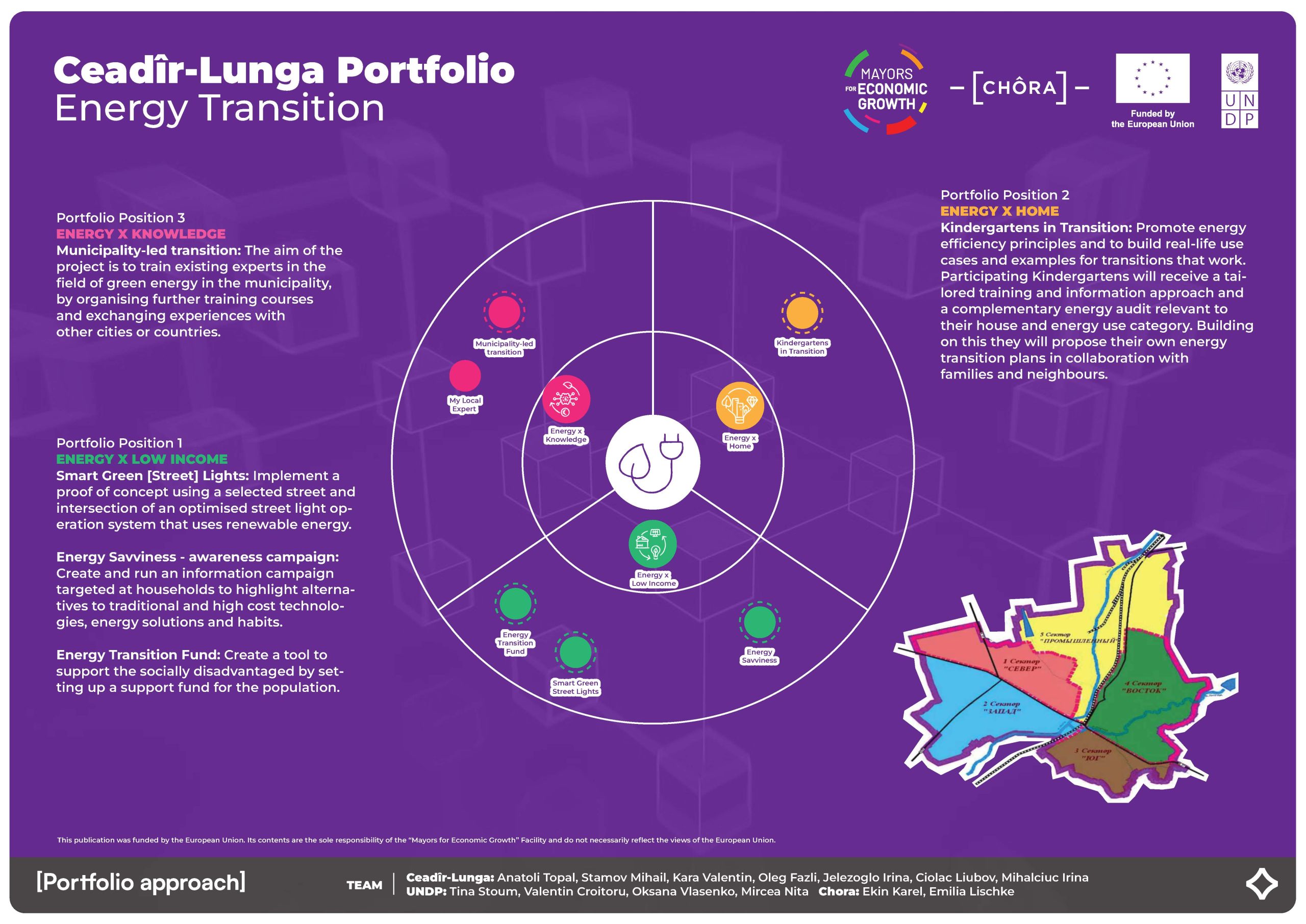
Ceadîr-Lunga’s portfolio for energy transition
The renovation of the kindergarten as a pilot for possible scaling is not a one-off activity, but part of the town’s mission approach to increase energy resilience and move from an import based and extractive energy system to an affordable and renewable energy set-up for the municipality.
As there is no quick fix to these challenges, the municipality team has designed a number of diverse activities, or mini-projects, to best explore what can move the needle within their local context. The portfolio approach is hence an adaptive, iterative process that is a complementary method to standard project management. It can help decision makers, like the municipality, navigate problems that require a more comprehensive and interconnected perspective.
“Through the portfolio approach, we identified the problem of the city and exploring a number of possible solutions. The process has enabled us to apply new and innovate methods for greater impact and sustainability.”
Oleg Fazli, Municipal team of Ceadîr-Lunga
Energy efficiency is included in all infrastructure projects currently carried out by the municipality. The portfolio of interventions in the field of energy transition supports efforts to attract investments from other development partners.
As part of these endeavors, the municipality initiated a zero-energy retrofit for one of their eight kindergartens. This holistic approach aims to test and refine various strategies with the ultimate goal of achieving an energy-independent future for the residents. The quick results of the kindergarten pilot gave the municipality a proof of concept, which led to fundraising/attracting addition funds outside the existing funding, and now two more out of the total eight kindergartens in Ceadîr-Lunga will be retrofitted.
The municipality is piloting, as part of M4EG facility, several coherent activities on automated traffic lights, LED lighting, awareness campaigns among residents on energy savings, and the design of an energy poverty fund.
With EU and UNDP support, hundreds of street lighting fixtures will be replaced so they can be charged with solar energy. Two pedestrian crossings in the city will also be lit with solar energy, and future plans include changing the lights of eight more pedestrian crossings, thus improving visibility and reducing the number of road accidents involving pedestrians.
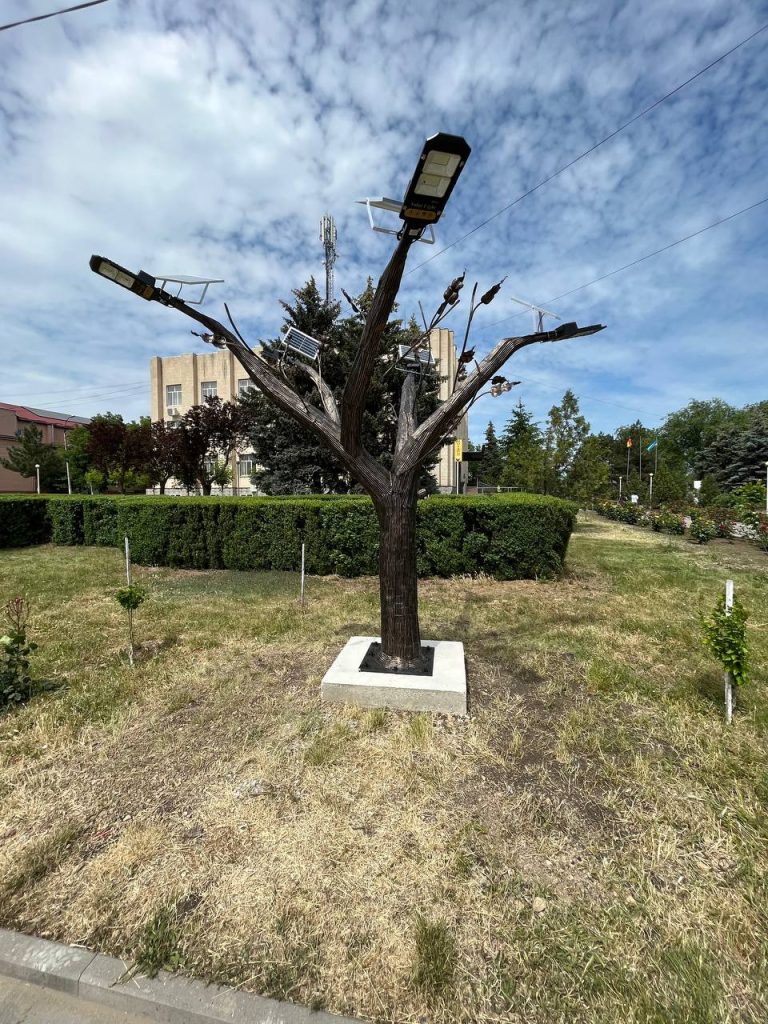
The square in front of Ceadîr-Lunga Culture House is also lit by the first solar tree installed in Găgăuzia. The municipality of Ceadîr-Lunga installed the solar tree, solar panels and benefited from a feasibility study partnering with the Science and Technology Park “Euro-Centrum” within the Polish Challenge Fund, an initiative of the Polish Ministry of Foreign Affairs and UNDP in Europe and Central Asia, supporting the transfer of Polish know-how and innovative solutions.
The “Mayors for Economic Growth” initiative is financed by the EU and being run by UNDP as of 2021. It strives to empower secondary cities in Armenia, Azerbaijan, Georgia, the Republic of Moldova, and Ukraine to explore new trajectories of economic growth to become more attractive and vibrant for people and investment.
Reposted from UNDP Moldova.
Read the article in Russian.
or how UNDP, UNICEF and the City of Skopje established the first Biohacking Lab in Skopje
FROM EMPTY LAB TO FIRST PROTOTYPES AND SOLUTIONS
Through the award-winning project “BioHack My World,” UNDP, UNICEF, and the City of Skopje established the first BioHacking Laboratory, putting Skopje on the map of cities in Easter Europe with such state-of-the-art, open, innovative space. The BioHack lab will serve as an acceleration hub that brings science closer to the community of entrepreneurs and will, spark curiosity and will serve as an inspiration to a new community of entrepreneurs, young people, and civil society enthusiasts that want to pursue activities in the realm of circularity with a focus, but not limited, to bio-waste.
One of our early hypotheses of the project, created as an option as part of the City Experiment Fund, was that with the establishment of such a laboratory will encourage a shift in narrative and act as a system transformation initiator that would inspire young people to shift their focus of interest to STEAM research and, in the near future, create economic opportunities, including start-ups. These spin-offs, we designed, will employ highly skilled labor by utilizing some burning environmental challenges, such as biowaste.

SKOPJE BIO HACK MY WORLD 2023 CHALLENGE CALL
In early April, UNDP joined forces with Solveo, an innovation consultancy company, to test this hypothesis by launching the first program for startups working with Biotechnologies. The Skopje’sBio Hack My World 2023 challenge had a core objective to discover are there remarkable teams, startups, entrepreneurs, and innovators with groundbreaking ideas aimed at addressing pressing environmental challenges and second to facilitate progress from the initial ideation phase to the achievement of tangible outcomes, be it a proof of principle, proof of concept, or the development of a Minimum Viable Product (MVP). Simultaneously, an important aim of the challenge was to generate increased recognition and understanding of the recently established Biohacking lab and its extensive capabilities. And all this within 3 weeks.
The challenge garnered significant attention. 44k people were reached on social media through various social media campaigns, 37 participants started the program who created 11 proof of principles or MVPs. The and participation, with 37 individuals forming 11 diverse teams. Following the Design Thinking methodology used by leading Startup Accelerators such as YCombinator, the teams managed to identify the customer’s needs, rapidly create and test prototypes, and bring new innovative solutions that fit the identified needs. All teams underwent the 5 cyclical stages: empathize, define, ideate, and prototype. All converged to explore new horizons, leveraging biowaste to create innovative solutions.
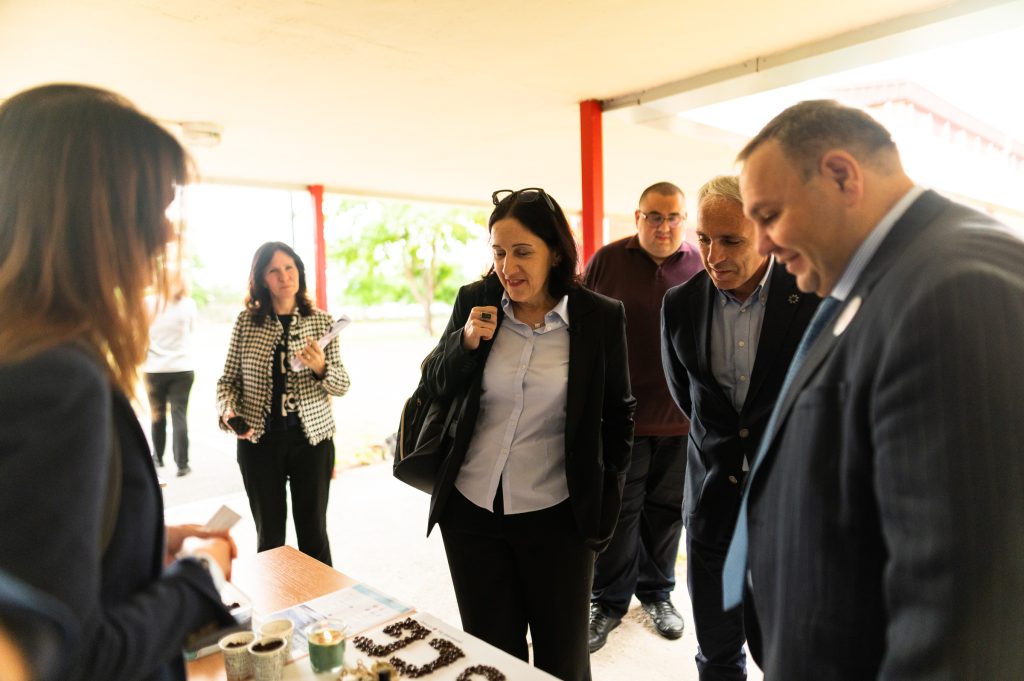
A core aspect of the Bio Hack My World 2023 challenge was the development of innovative solutions that can be presented to the general public in an open day called Demo Day. The Demo Day highlighted the immense potential and groundbreaking work of the participating startups, entrepreneurs, and innovators. A day that offered an invaluable opportunity for the teams and startups to demonstrate the tangible impact and viability of their solutions to potential customers and investors, paving the way for future collaborations and partnerships. Or as they become widely known as the local innovators, the unsung climate action heroes.
THE INNOVATIVE SOLUTIONS
The future of sustainability lies in the hands of innovators who challenge conventional norms and champion environmentally conscious solutions. As we’ve explored the inspiring initiatives presented by these visionary teams, we are reminded of the power each individual holds to create lasting change. By embracing these solutions, we actively contribute to waste reduction, resource conservation, and establishing a greener world. Let’s unite in celebrating and supporting these pioneers as they continue to inspire positive change and foster a healthier planet for future generations.
The innovative solutions that are the future for a better sustainable life:
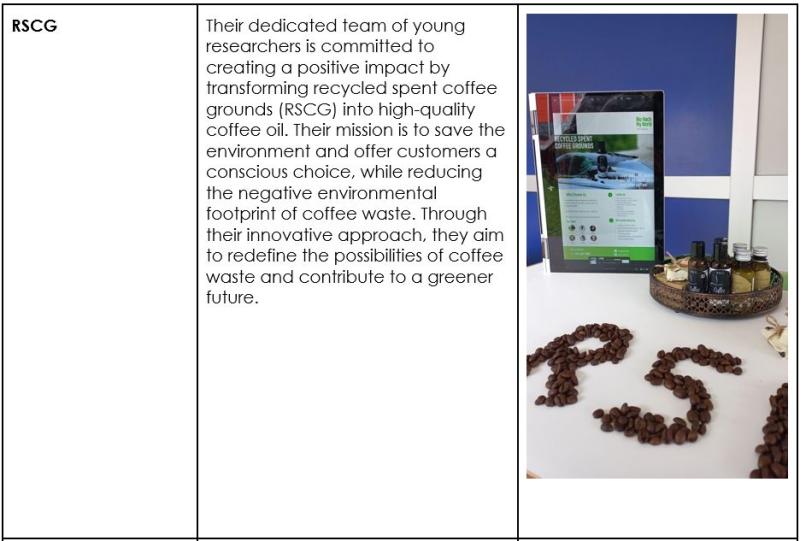
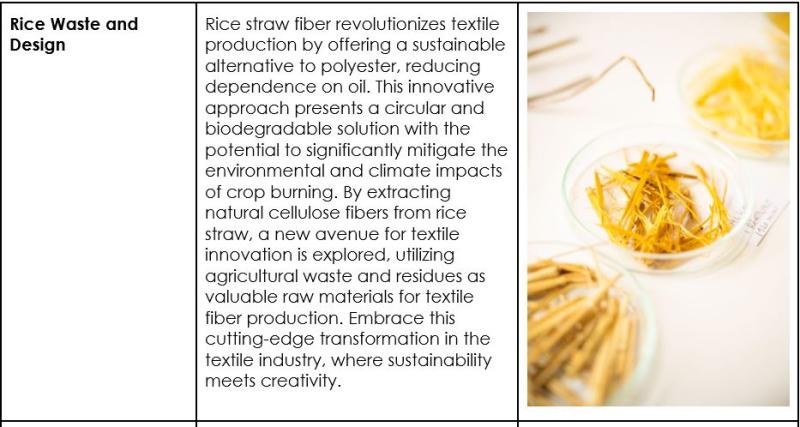
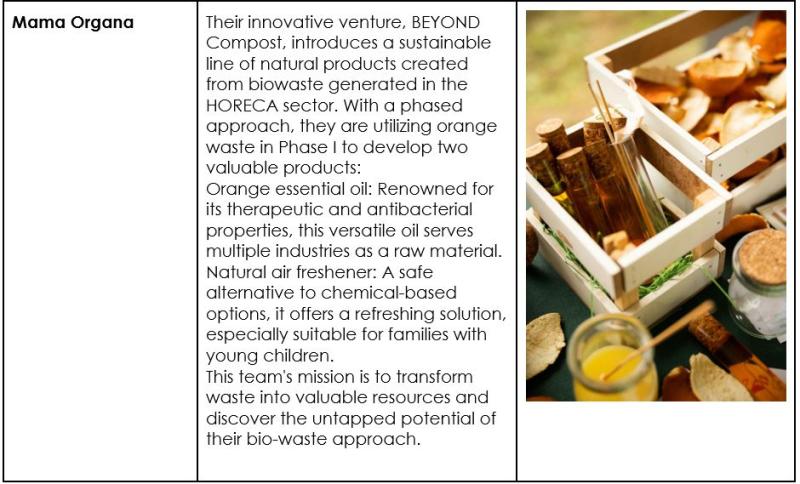
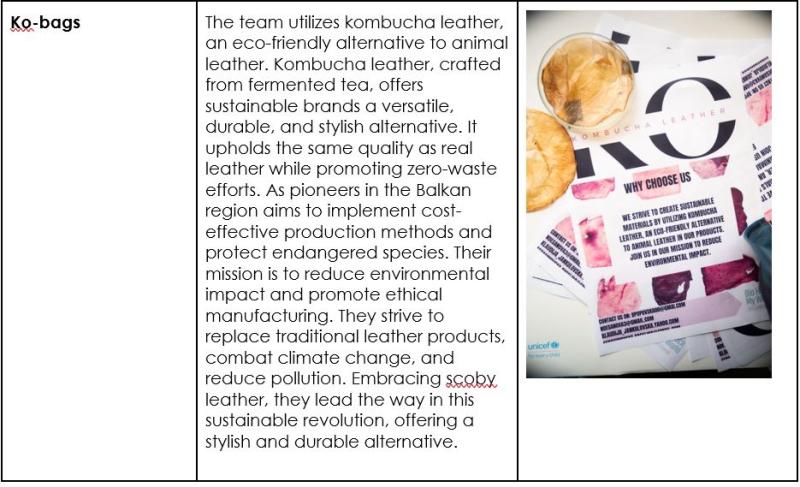

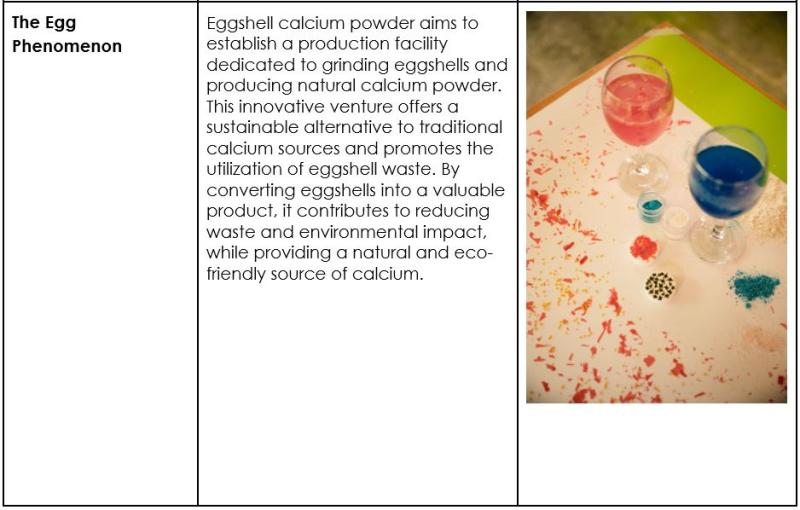
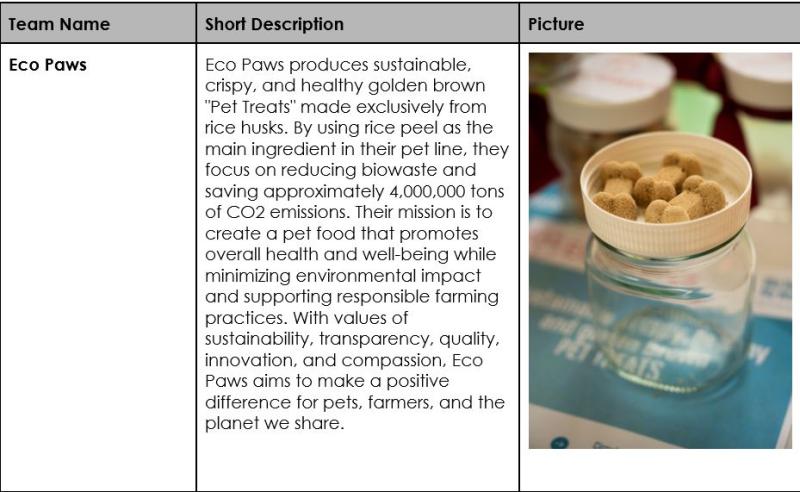

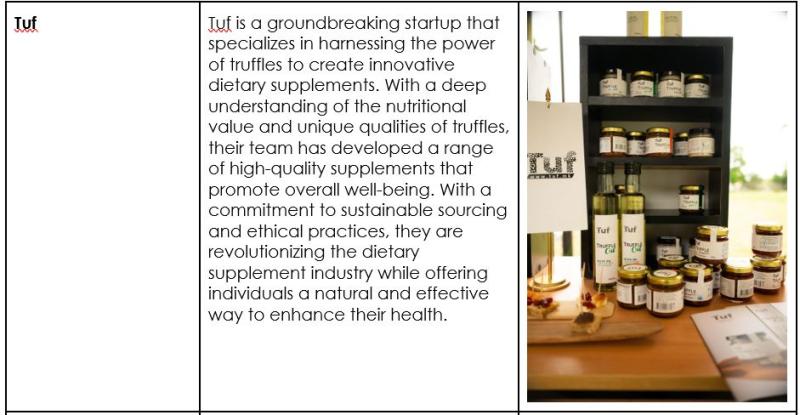
OUTCOMES OF THE CHALLENGE
The Bio Hack My World 2023 challenge marked a significant milestone in North Macedonia’s journey towards fostering innovation, collaboration, and sustainable solutions in biotechnology and biowaste transformation. This pioneering initiative brought together a diverse array of stakeholders, including startups, entrepreneurs, investors, industry experts, and policymakers, all united in their mission to tackle the pressing challenges of waste management and harness the potential of biotechnology for a more sustainable future. One of the notable outcomes of the challenge was the heightened awareness and interest in biotechnology and biowaste transformation.
The Challenge also played a pivotal role in strengthening the startup ecosystem. By providing enhanced support and resources tailored specifically for biotechnology startups, the ecosystem experienced a significant boost. The event fostered a culture of collaboration and knowledge-sharing among startups, mentors, and experts, catalyzing further growth and innovation within the sector.
Moreover, Bio Hack My World 2023 played a pivotal role in enhancing North Macedonia’s reputation and visibility as a regional leader in biotechnology and sustainable waste management. The event garnered positive media coverage and PR exposure, showcasing the country’s commitment to innovation and sustainability while highlighting the achievements of the participating stakeholders.
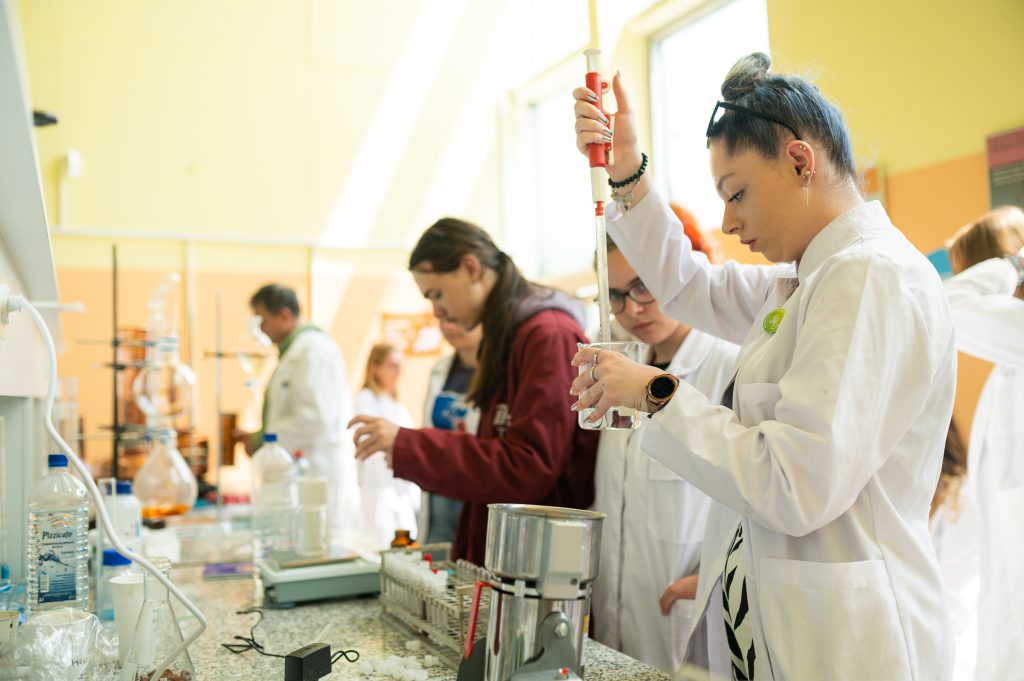
Looking ahead, the long-term impact of Bio Hack My World 2023 is expected to be profound. The event has set the stage for the continued growth of the biotechnology sector in North Macedonia. It has laid the foundation for the development and implementation of sustainable solutions for waste management and environmental conservation. In turn, these advancements are poised to generate economic and social benefits through job creation, innovation, and sustainable development goals.
Overall, Bio Hack My World 2023 has left an indelible mark on North Macedonia’s journey toward a more sustainable and innovative future. By catalyzing collaborations, inspiring innovation, influencing policy, and raising awareness, the event has positioned the country as a frontrunner in the biotechnology landscape, with the potential to drive lasting positive change in waste management practices and beyond.
Reflections on the first Regional Sensemaking with nine cities under Mayors for Economic Growth (M4EG)
“When we started the project last year, I did not understand the process or purpose. As a leader, I had to make sure I understood, I even went to Istanbul to talk to UNDP about how I should explain and motivate my team and partners of the changes we needed. Now my understanding is completely different.”
Anatoli Topal, Mayor of Ceadir-Lunga,
There was a sense of nervousness in the air at the first Regional Sensemaking event under M4EG. Four city teams had activated their portfolios or north star missions for urban transformation – they were in the center of the circle to present their interventions and learning so far. Five other city teams were there for hands-on practice of how to dynamically manage their upcoming portfolio implementation, and to act as ‘explorers’ for collective insight generation.
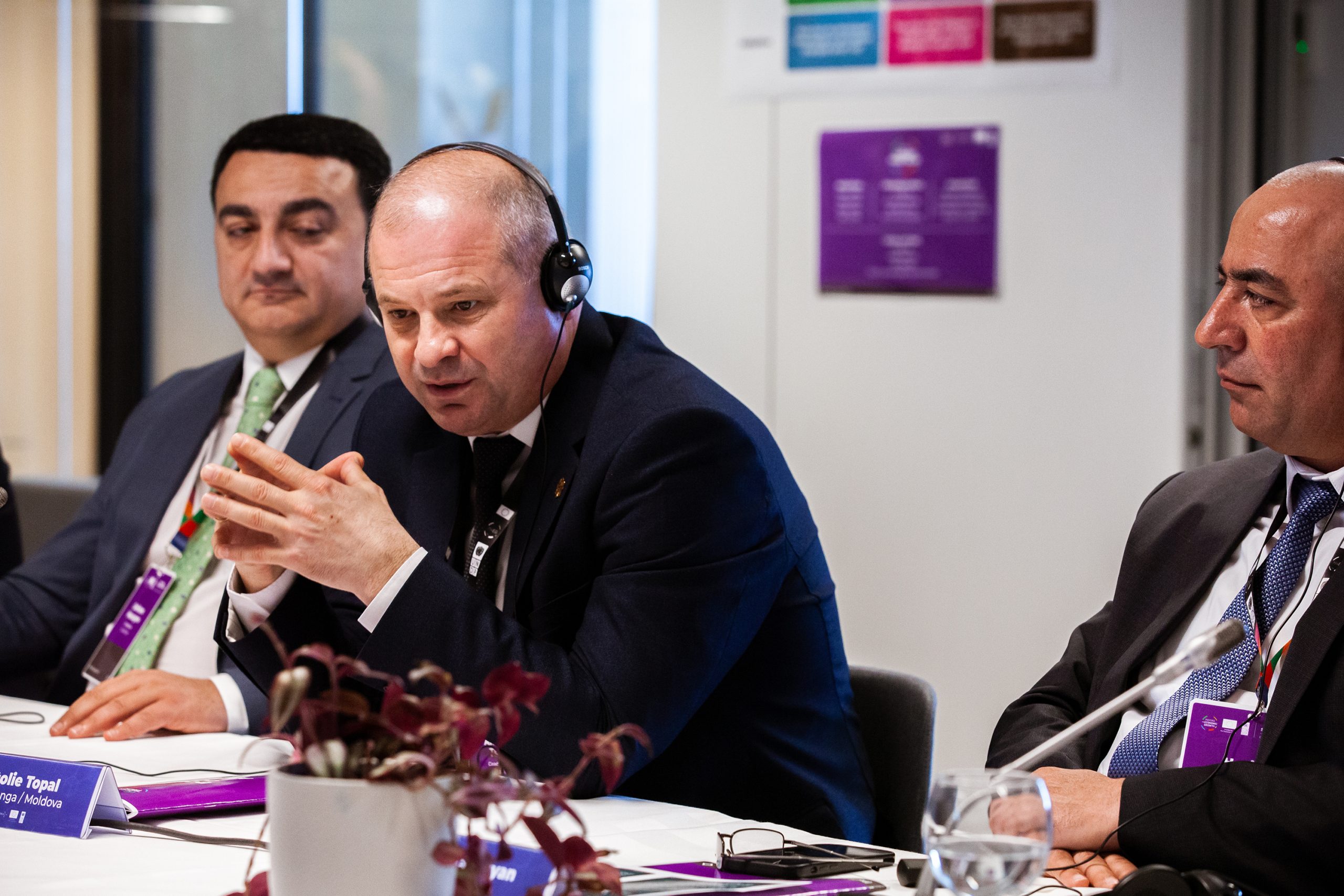
By gathering leaders and practitioners of demonstrator cities, we wanted to start exercising our adaptive muscles to ‘see’ and ‘feel’ systems. Through this turbulent time of uncertainty and evolving challenges, sensemaking remains a pivotal point throughout the Portfolio Journey programme that enables us to gain a more interconnected perspective. This was a first-of-a-kind regional sensemaking for all participants.
All of us at UNDP and Chora Design carried out specific roles to capture and map patterns to make better ‘sense’ of what had happened – with the overall intention to maximize the effectiveness of the work done so far.
Hence it was not the standard workshop, as most participants were testing new roles and going beyond their comfort zones. With much gratitude to the city mayors and teams, Chora Design, EU and UNDP colleagues, we share three key takeaways on adaptability, de-risking and agency from this milestone activity, one year into the M4EG Portfolio Journey programme.
Below is an overview of the 10 cities and towns, currently part of the Portfolio Journey at different stages in the programme:
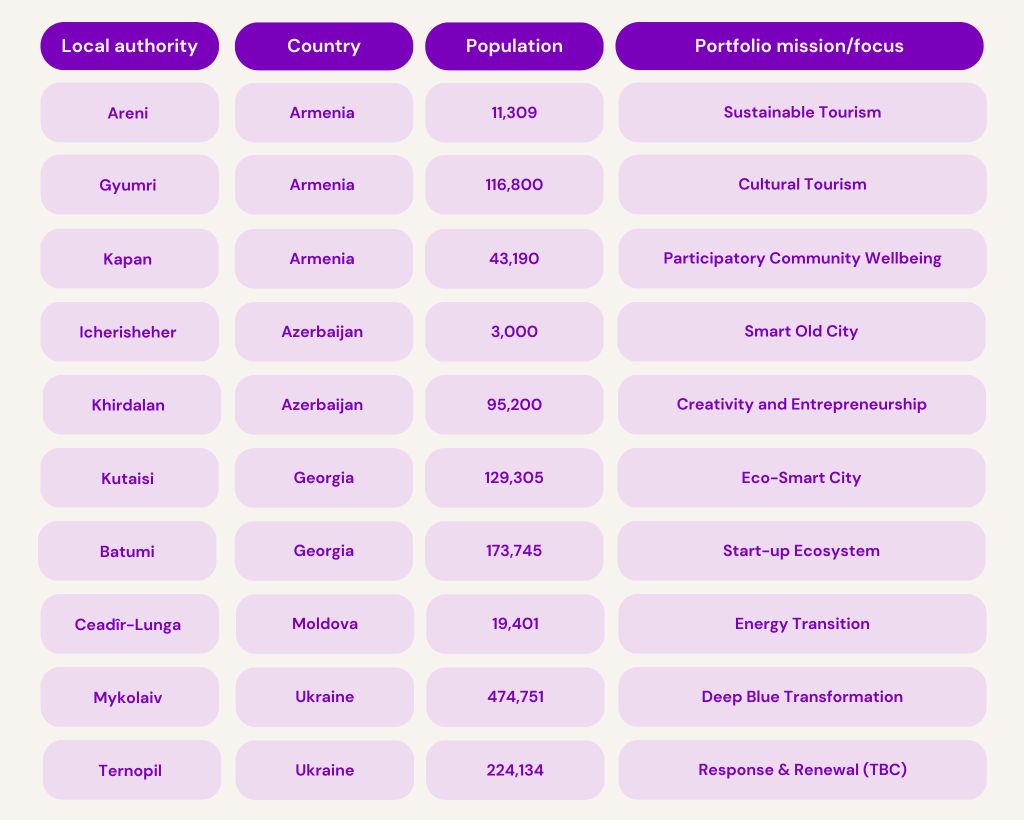
Adapting – is it (still) meaningful?
Earlier this year, we shared an overview of the Dynamic Management Protocol, developed with Chora Design. What we saw in Brussels was city teams checking-in on their ongoing and completed activities (also known as ‘options’) – what had been learned so far, was there a need to tweak something, stop altogether or start something new to complement? Was the city team engaging the most suitable partners, and what was happening beyond the implementation that ought to be brought in?
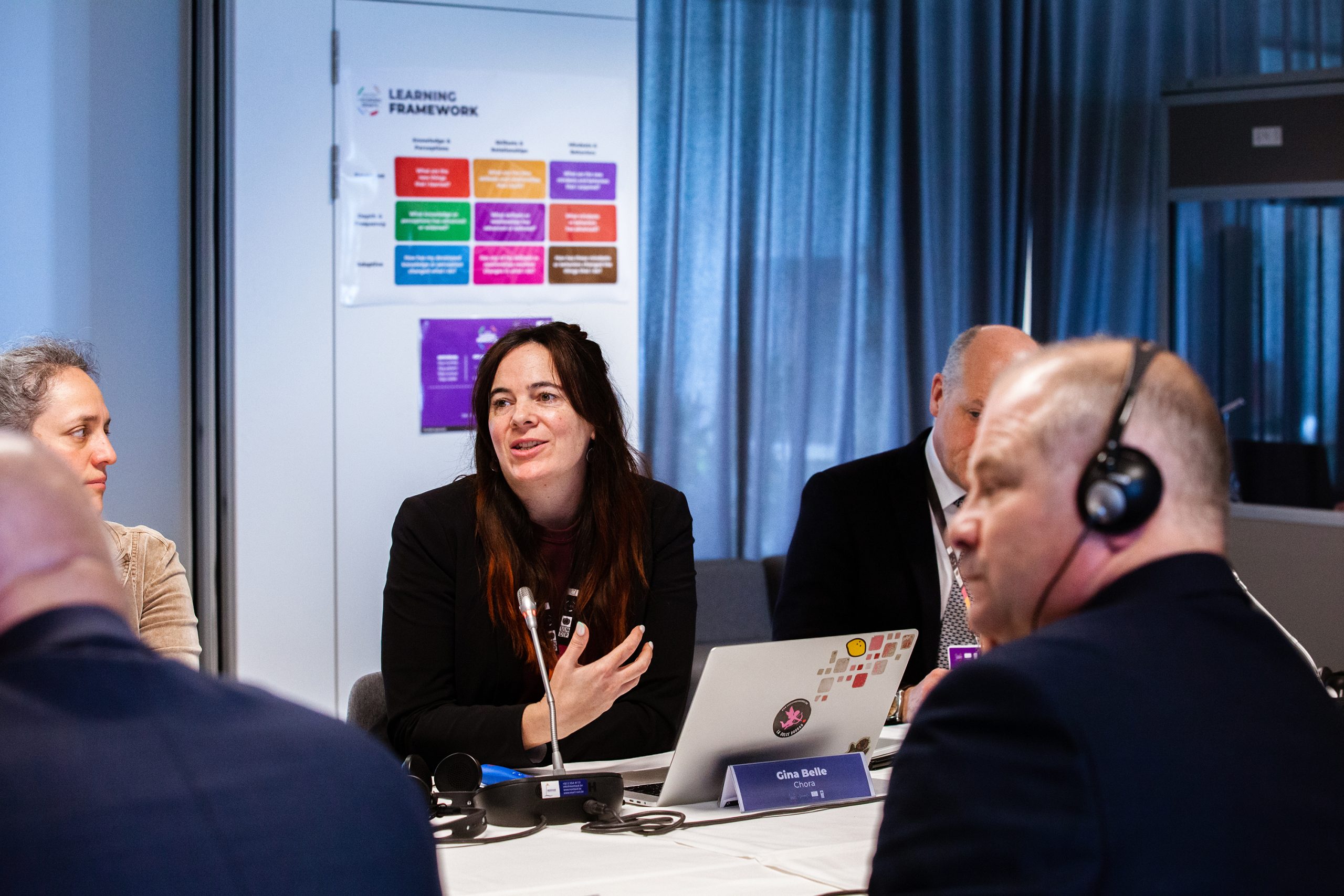
In Batumi (Georgia), on a mission to develop an ecosystem for start-ups, the narrative study among youth confirmed the assumption that start-ups were perceived to be a risky career path. However, the municipality team was surprised to also find that young people associated their ideal future job with innovation and technology. The study confirmed the dominant narrative, but also identified nuances that could be harnessed for future activities, such as educational programmes for youth, and shaping a narrative around entrepreneurship as a cool and respected job. The study also found overlooked groups – such as parents and social media influencers. On the sidelines, the study also helped shape Batumi’s new Youth Policy. Importantly, the first portfolio interventions helped the city team and us to understand the dominant urban narratives, so we can better design further activities without building them on false assumptions.
The need for adaptability is often visible early in the portfolio journey. Gyumri (Armenia), known as the “culture capital of Armenia”, is on its journey to turn Gyumri into an international cultural destination that can also support the wellbeing and development of local communities. However, the Covid-19 pandemic and recent border conflicts in the country have shown that unpredictable events can easily change tourism flows and there is a constant need for responding and adapting to changes.
The journey allows each city team to adapt their interventions as new learnings and effects emerge or conditions change, and in so doing build a flexible and agile mindset and practice.
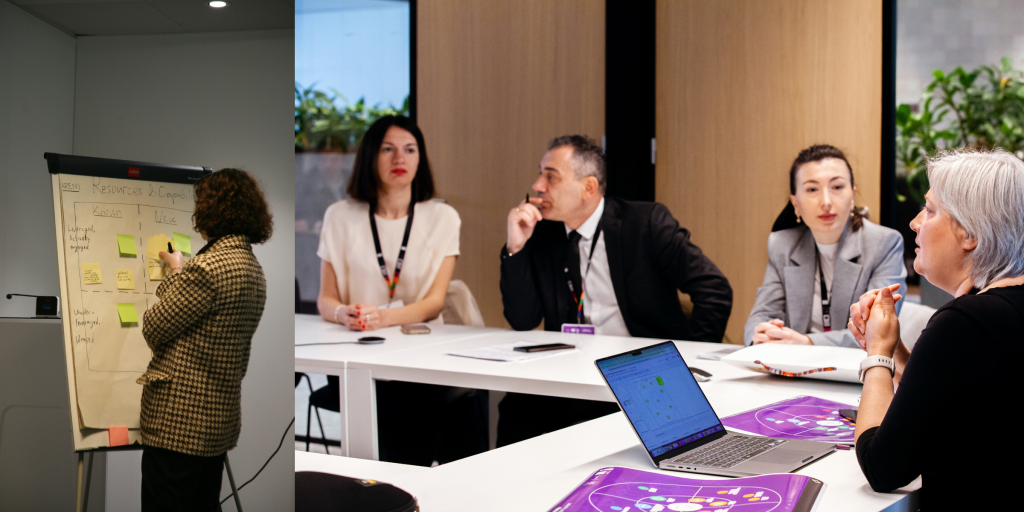
De-risking – is it ready for scale?
The city missions (or North Stars) are ambitious – how to turn a ‘sleeper-town’ into a vibrant, creative and attractive place that is inviting for business, like in Khirdalan, Azerbaijan? It is at times hard to decide where to start. And so, the Portfolio Journey is designed with an initial ‘seed-fund’ phase – it is a learning mechanism for the mayors and their teams to get a better sense of where and when to invest. For example, a portfolio intervention can provide the needed evidence and proof of concept for a city to present a project proposal to attract public funding or private financing from somewhere else.
The team in Ceadir-Lunga (Moldova) initially wanted to go all in and invest in a solar farm. This was understandable because of the sense of great urgency present – the war in Ukraine and the town’s heavy reliance on energy imports from Russia led to a sharp increase in energy prices, and residents of the town were struggling deeply to pay their electricity bills, even before the onset of winter. But the purpose of the portfolio is not to implement what is tried and tested, but rather to increase options and possible avenues to get closer to the North Star – in the case of Ceadir-Lunga, an energy independent future with renewables.
So instead, Ceadir-Lunga tested pilots on automated traffic lights, LED lighting, and awareness programmes among residents on energy savings, and began a zero-energy retrofit of one of eight kindergartens, managed by the municipality. The already saved costs will now be redirected to an energy poverty fund for the most vulnerable residents, as well as community initiatives through participatory budgeting. The tangible effects of the first kindergarten retrofit received positive feedback from parents, and the municipality team has secured funding for three other kindergartens, beyond the EU funding available under the M4EG.
As the team was reflecting on the learning and effects so far, including a new partnership with a Polish tech green energy park, and began designing new options for the next ‘growth’ phase of the portfolio, some municipality and UNDP team members advocated for the quick scale up of an option, when the Mayor, Mr Topal, said: “This is not ready for scaling yet, let’s test it first.” Spot on. The next portfolio iteration will continue testing different energy efficiency technologies, to boost the energy saving potential, city attractiveness and urban safety, as well as put in motion new financial mechanisms to further de-risk and build proof of concepts for scaling.
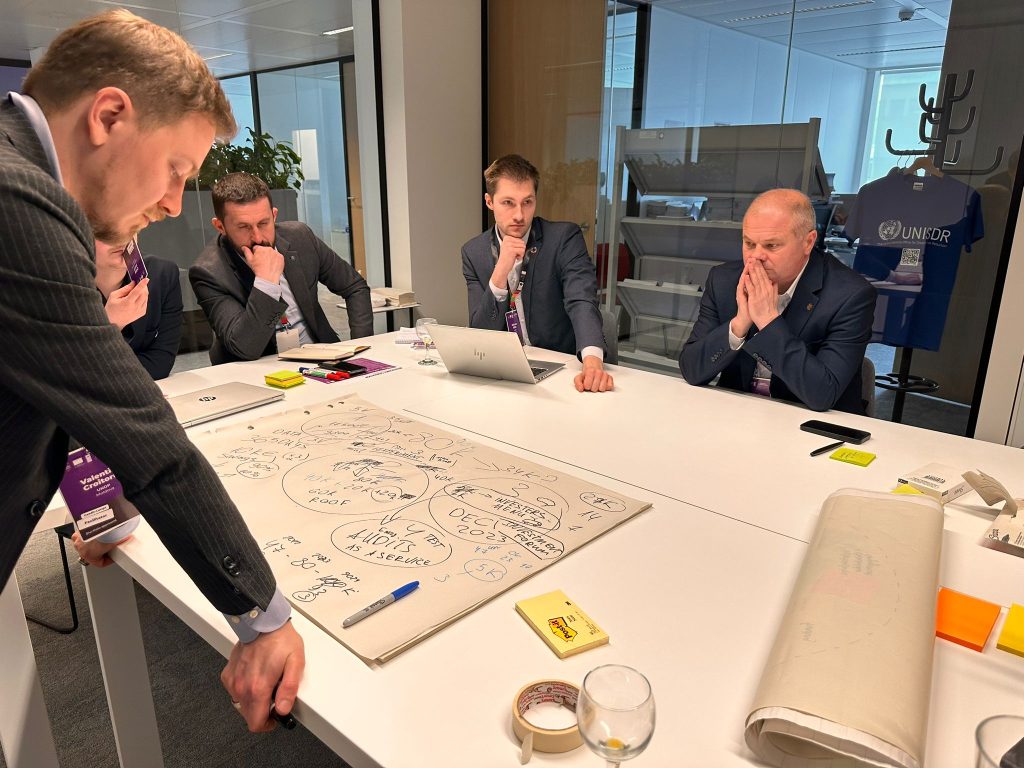
Local lead – can the city teams create more options and opportunities for their local systems?
As a principle and facilitation practice, the mayors and portfolio teams are in the front seat of the portfolio management in their local systems, which is often pushing them to move away from more traditional public service provider roles into ecosystem managers. Any transformative change will rely on human relationships, and it is the municipality team, their ecosystem of actors and the assets at the locality (built infrastructure, economic sectors, human capabilities, natural resources, identity of place with its geographic, cultural, and historical underpinnings etc.) that can turn the dial.
As development partners, together with the EU and Chora Design in this programme, we take up roles as connectors and bridge builders, including process designers, co-learners, and synthesizers, but not as up-front solution providers. The mantra is ‘let’s test and de-risk together what could work in your context and system’. One effect of this approach is that it increases the exposure and opportunities for the municipality – the intended place-based transformation is not something we do to the place or municipality, but what the municipality does themselves and in their context. The portfolio journey has offered municipalities an opportunity to be orchestrators of their own ecosystems and to connect with both existing and new stakeholders towards the same mission.
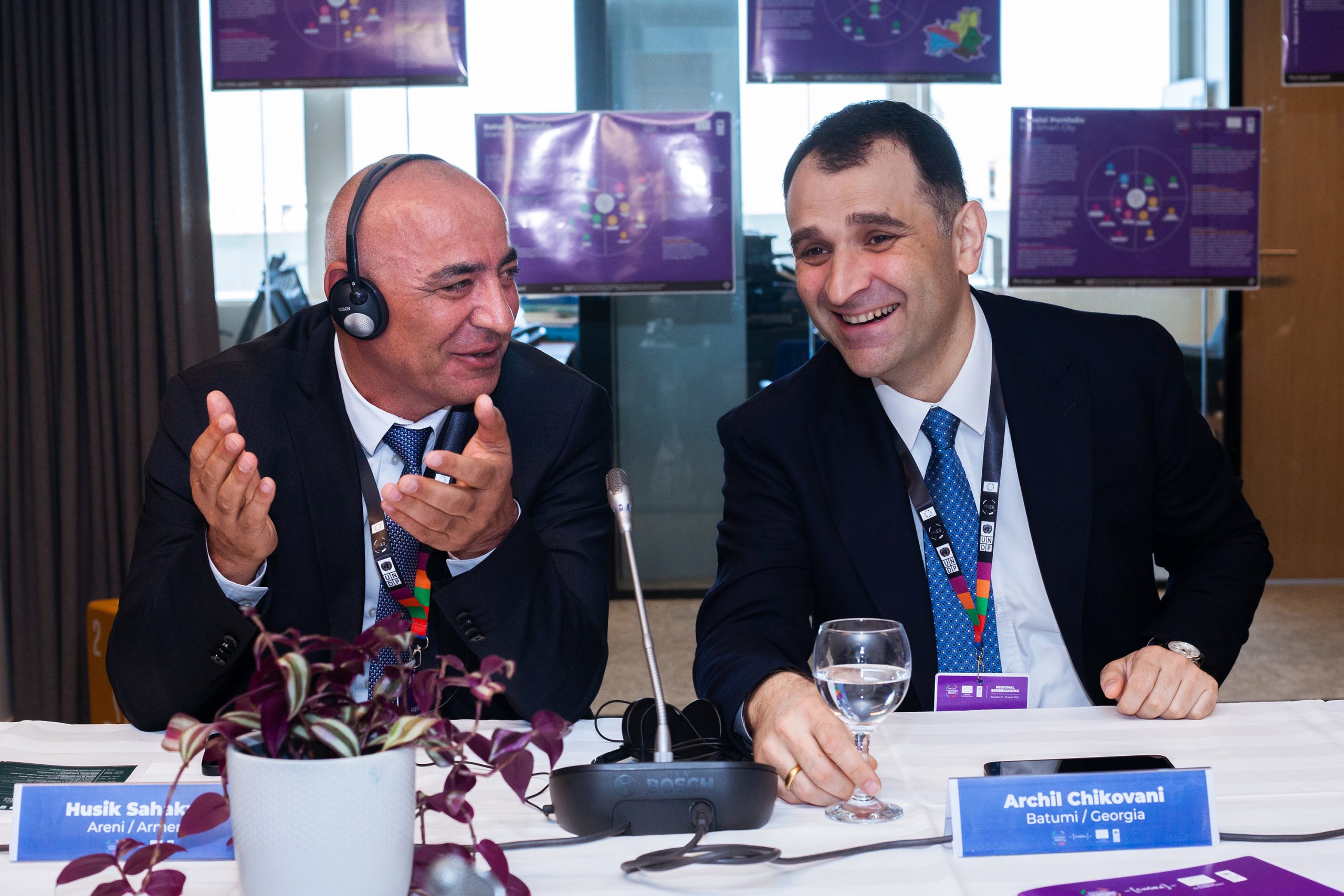
Areni (Armenia), best known for its Areni indigenous Armenian grape variety that has also inspired the name for the village, is leveraging its wine production assets and identity to connect with the surrounding settlements in the municipality for the creation of a sustainable tourism network of offers. For building a common vision and connecting with the variety of resources of both natural and cultural gems, the municipality has gone through a facilitation capability training and organized a series of community dialogues and meetings. The facilitator role pushed them out of the municipality office into the communities, which was new for the team but created new dynamics and interaction between the settlements and the municipality.
In Kutaisi (Georgia), the city team is on a mission to become an EcoSmart City. With the steering of the mayor, a local team of 12 people from the municipality, public, and private entities was formed to represent the full scope of the mission – from waste and transport to energy. In exploring what a local solution for electric vehicles, smart waste bins, e-wallet, eco-academy etc., could look like, the team had to explore beyond existing practices and partners. This took them to Barcelona and its Smart City Expo and several other gatherings within the country for inspiration and possible partnerships. This also helped shape a strong narrative for their pitch on why a smart and green city can be a future for Kutaisi, leading to winning an award by the National Association of Local Authorities of Georgia on best practices in local governance and municipal performance.
“I am impressed by the new vision of Kutaisi, it is fresh and forward looking.”
Irakli Khmaladze, Programme Manager, EU Delegation in Georgia
As the municipality teams engage in shaping ecosystems for change, their own agency increases and momentum with new partners and pathways is generated. We are excited to see the future effects of the city teams’ embrace of testing, listening, adapting and de-risking.
The first four portfolio cities will now continue their journey in iterating and generating new interventions after capturing the insights and intelligence in the sensemaking, which helped them to form concrete action points for the next ‘growth’ phase of each portfolio. The second cohort of five portfolios recently finished their first portfolio design and are starting to activate their first ‘seed’ interventions and applying dynamic management capabilities, practiced in the sensemaking in Brussels.
To read more about the current portfolio cities, please see here.
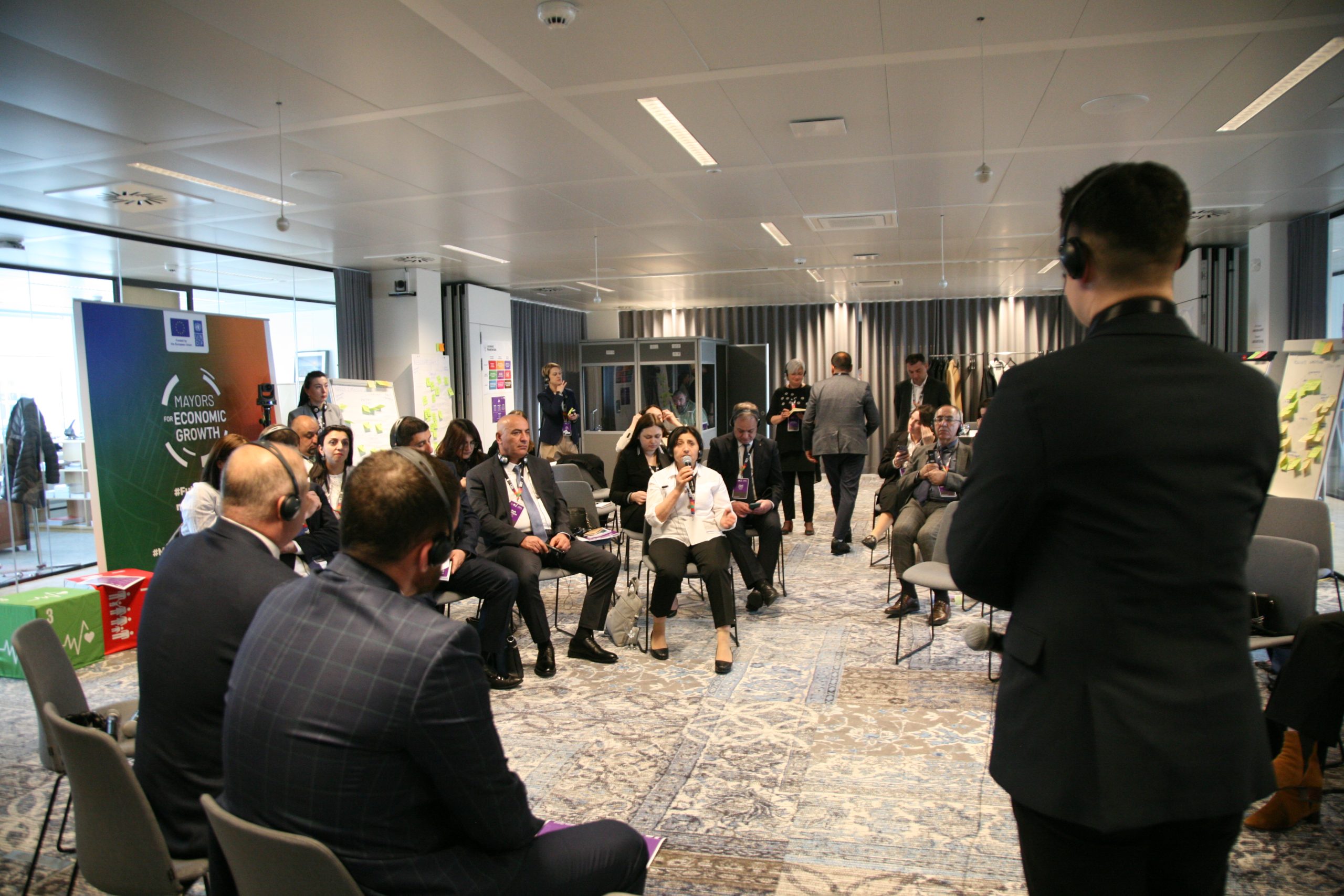
Background:
In 2021 UNDP, together with the EU, launched the M4EG, a regional initiative hosting a network of some 400 municipalities in the Eastern Partnership – Armenia, Azerbaijan, Georgia, Moldova, and Ukraine. The M4EG’s intention is to demonstrate and inspire secondary cities’ new trajectories of growth to become more attractive and vibrant for people and financing.
This publication was funded by the European Union. Its contents are the sole responsibility of the Mayors for Economic Growth Facility and do not necessarily reflect the views of the European Union.
Tiko Tkeshelashvili, M4EG Project Manager, UNDP Georgia
Irmak Ekin Karel, Strategic Innovation Designer, CHÔRA
Igor Izotov, Head of Exploration, UNDP Accelerator Lab, North Macedonia [1]
Rusudan Zhozhadze, Head of Batumi Municipal Policy Development Department
When describing Batumi, Georgia, Hemingway’s famous Paris quote comes to mind. For many guests, Batumi is “a moveable feast,” warmly welcoming its visitors as a good friend.
A new chapter in Batumi’s development began when the city was selected through a competitive process, by the EU-UNDP Mayors for Economic Growth (M4EG) initiative, to design an urban transformation portfolio and explore novel ways of development. For the M4EG portfolio journey, UNDP has partnered with CHÔRA, an organization that brings their Strategic Innovation framework and capability to co-design Batumi’s portfolio journey. The portfolio approach is designed to tackle complex challenges.
The EU-funded M4EG provides unique opportunities to local authorities across Eastern Partnership countries to apply systems thinking and promote coherence across various initiatives and measures in municipal management.
What is at stake for Batumi? [2]
Batumi is the second-largest city in Georgia, the capital of the Ajara Autonomous Republic and an important Black Sea port, with an estimated population of 172,000.
This vibrant city offers a unique blend of natural beauty, cultural diversity and economic activity. With its strategic location in the Caucasus and the Black Sea region, Batumi is a melting pot of different cultures and religions, which is evident in its architecture, cuisine, and way of life. Visitors are fascinated with its gorgeous beaches, located just a short ride away from the magnificent highlands and unique Colchic Forests. In 2022 only, Batumi hosted around 3.5 million tourists, and this number is expected to increase in the coming years.
Furthermore, Batumi is a major hub for maritime transport and logistics, which makes it an important player in Georgia’s fast-growing economy. The construction and real estate sectors play an increasingly vital role in the city’s economy, offering opportunities for growth and diversification.
However, the city’s economy is still highly dependent on tourism, which poses a significant challenge. This sector predominantly offers seasonal activities and low-skill service jobs, which limits the city’s economic growth and diversification.
Another challenge that Batumi faces is the emigration of talented youth (aged 14-29) in search of better education and work opportunities in Georgia’s capital Tbilisi or abroad. This brain drain not only affects the city’s economy but also its social and cultural fabric. The loss of young and educated people can lead to a decline in innovation and creativity, which are essential for the city’s long-term growth and development. Therefore, the city needs to invest in education and foster an environment of entrepreneurship and innovation to attract and retain talent.
The recent growth of the international IT community in Batumi has created a demand for co-working spaces and other relevant services. As a result, the private sector has responded by offering new co-working and community gathering spaces, like Terminal, which is a promising development for the city’s startup ecosystem.
Recognizing the need to diversify the city’s labour market and focus on high-skilled knowledge work, the local government has decided to prioritize the development of the startup ecosystem in Batumi. As part of M4EG’s urban transformation project, the government aims to address the challenges that the city is facing in this area. This initiative could not only boost the city’s economy but also position Batumi as a hub for innovation and entrepreneurship in the region. With the private sector’s response and government support, there is potential for Batumi’s startup ecosystem to flourish in the coming years.
What makes startup ecosystems an engine of economic renewal?
The 21st century was defined as “the era of startups”, made possible due to advances in technology and the rise of venture capital. But more importantly, countries and cities saw the potential of creating startup ecosystems where economic development, especially for entrepreneurs and innovators, fueled new businesses with almost no barrier to entry. In these ecosystems, startups have been a major driver of economic growth and job creation that transformed not only the cities where they were active, but entire countries as well. The whole aura around building startup ecosystems, where young entrepreneurs and innovators can thrive, has become something of a north star when it comes to youth mobilization and brain gain. Examples of such startup ecosystem success stories are Madeira in Portugal, Israel, and the Startup Chile programme in Santiago de Chile.
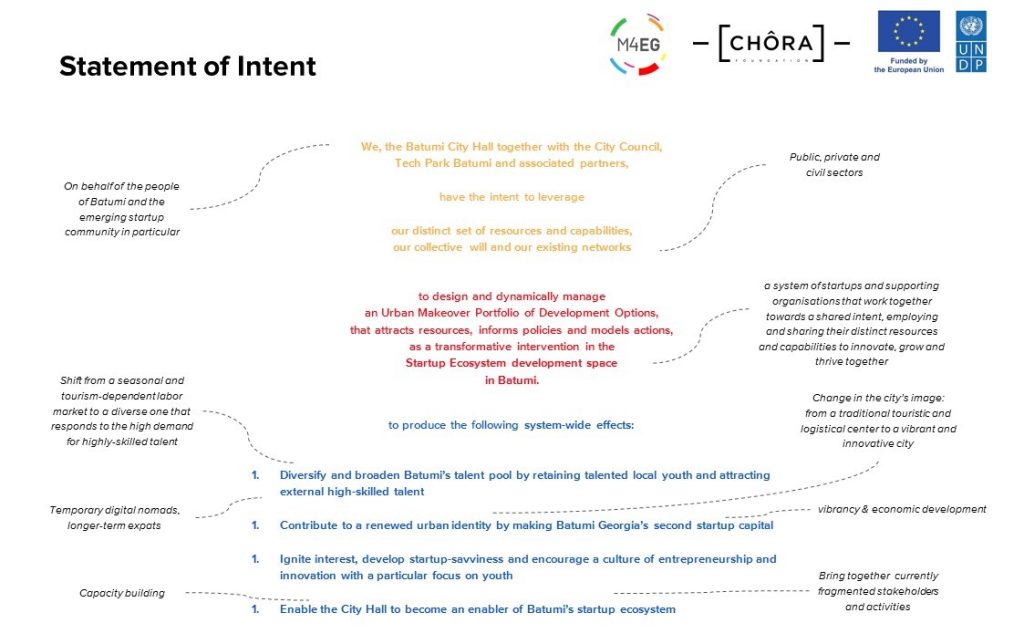
“City hall is interested in exploring new ways for economic diversification. Batumi has a great potential to become Georgia’s second startup capital and we are committed to enable this process. However, building an ecosystem is a complex goal, requiring cohesive engagement of various stakeholders. Therefore, we see great value in establishing new partnerships and are inviting other interested actors to contribute”.
Archil Chikovani, Batumi Mayor
The process behind creating the Batumi portfolio
The portfolio is co-created by the Batumi City Hall, UNDP and the Batumi Tech Park. Leveraging CHÔRA and UNDP’s urban transformation framework, the process started with a high intensity inception phase – sensemaking and defining the portfolio thematic scope. The portfolio design core team applied deep listening to better understand how citizens experience key problems and where they see underlying causes.
Then the team participated in a four-day bootcamp, allowing for a deep dive into intent-setting, problem exploration and mapping, followed by identification of portfolio positions, and ideation. Batumi decided to work on the development of a startup ecosystem, to produce system-wide transformation effects in the city. As seen in the Statement of Intent (see above image) and mentioned earlier, the desired effects include diversifying Batumi’s talent pool, contributing to a renewed identity, igniting interest and developing startup-savviness, and reshaping the role of the Batumi City Hall in this transformation journey.
Subsequently, the seed portfolio options were defined. In the initial stage, the portfolio team decided to activate four out of a total of eight positions: youth narratives, education, networking and city hall capability. The seed portfolio options were developed to enable testing and learning about how they contribute to advancing the city’s intent around startup ecosystem development.
Now Batumi is trying to apply dynamic portfolio management tools to ensure smooth implementation of these seed portfolio options, capture learning and generate intelligence within the key thematic area. This will allow for a second iteration of the portfolio in support of municipal transformation.
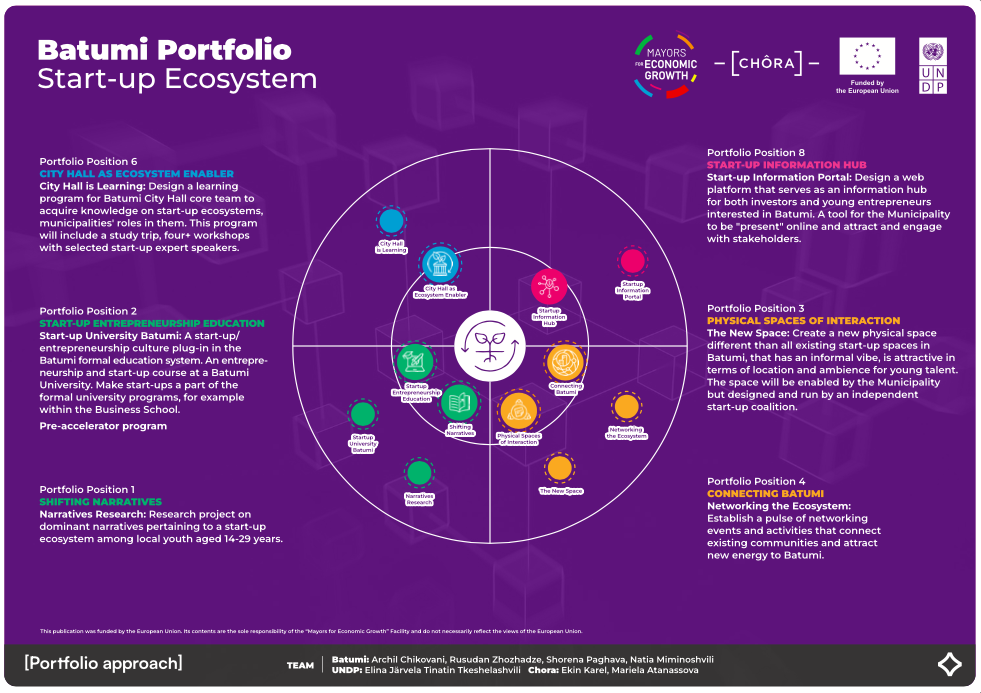
What is the role of the Batumi City Hall?
Every portfolio and complex problem needs ownership to be well addressed. Given the hyperlocal approach of M4EG, the Batumi City Hall is well positioned to ensure cohesion, bring together various actors, attract partners from the public, private and civil spheres, and connect the dots around the city’s new vision for development.
“We aimed to transform the city into the second startup capital of Georgia, gathered partners from different sectors, jointly developed the portfolio design and initial activities, the progress of which showed positive intermediate results, showing us different perspectives of development. All this gives us hope that the portfolio will have a significant positive impact on innovative professions among Batumi youth, promoting entrepreneurship and startups. The acquisition and employment of relevant skills, will help attract young talents and people interested in startups, and ultimately, diversify the city’s economy and development of the startup ecosystem.”
Rusudan Zhozhadze, Head of Municipal Policy Development Department, Batumi City Hall
During the portfolio design process, there were discussions about what a local government can do within its competence and power to promote local economic development, and whether it should take a guiding role when it comes to innovative entrepreneurship and startups, a field where the private sector and markets are natural drivers. Throughout the discussions about Batumi City Hall’s role in this complex transformation journey, the team has been open to taking on a facilitating, supportive, enabling seat, helping build alliances with private sector partners and innovative youth, to give them the space to grow organically. Below is a reflection of what the City Hall team sees as potential roles for themselves going forward.
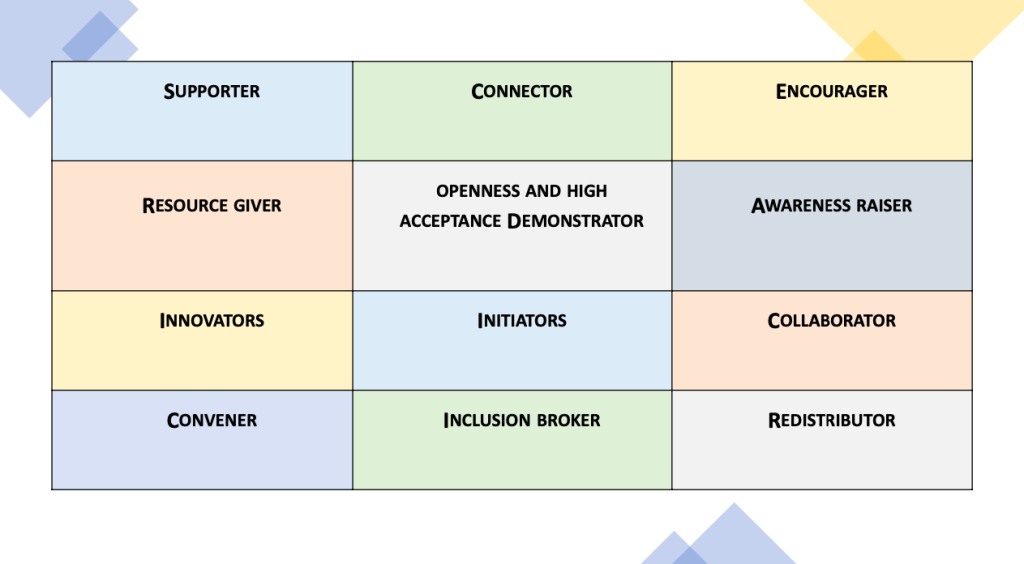
The City of Batumi is lucky to have a team of young professionals engaged in the portfolio design process. The Municipal Policy Planning department, responsible for the portfolio journey, is led by Rusudan Zhozhadze (co-author), and supported by Shorena Pagava, Ninaka Tsintsadze, Nunu Bakhtadze, Magda Chogadze and Guranda Gobadze, as well as Ketevan Buliskeria, from the Batumi Tech Park. Having a dedicated team and committed leadership, with the support of the Mayor, is key to success on the way to transformation.
Building partnerships: the value of coming together around a shared intent
This urban transformation portfolio has been praised both locally and internationally for its success in securing a key stakeholder group’s interest from the very beginning of the portfolio journey. Among them the Tech Park/GITA and Startup Grind Tbilisi have become part of the portfolio team, investing their resources and ideas in the further development of Batumi’s portfolio. Furthermore, the city is in touch with the Government of Adjara, the You Regional center of Adjara, Impact Hub, Tbilisi City hall’s Spark business accelerator, Maritime Transport Agency, individual entrepreneurs and startups, the Tourism Institute, Batumi Shota Rustaveli State University, and others. These stakeholders are the life of the portfolio’s interventions and experiments in Batumi.
The startup ecosystem has been successfully developing in Georgia for 10 years. In Batumi, Adjara Tech Park started working only three years ago, offering various services, including education and pre-acceleration programs. Last year we engaged in the Batumi Startup Ecosystem Portfolio co-design process and already implemented a number of joint initiatives with the City Hall.
I can say that the ecosystem is gradually evolving. Now there are up to 30 technological startups based in Batumi, which have the potential to scale globally. GITA expects these startups will secure investments; they will definitely contribute to the Batumi startup ecosystem development. The Batumi Startup Ecosystem Portfolio development is one of the most important processes that have helped us to take the right path in the region, as it brings a systems approach and encompasses various options.
Ketevan Buliskeria, Batumi Tech Park Manager, GITA
Connecting Batumi with existing startup ecosystems, and why it matters
While Batumi is yet to build its own network of startups and supporting organizations, it became clear that the Batumi portfolio team could tap into existing momentum in Georgia.
With GITA’s initiative, startup ecosystem was accelerated in Tbilisi in 2014-2015, turning the capital city into the place in Georgia with experience in building a community of founders, consultants, tech talent, and supporters of different trades. Furthermore, international startup networks such as Startup Grind, Impact Hub and many others were not present in Batumi, but were well functioning in Tbilisi. There was a need to connect Batumi with existing networks and mature startup ecosystems to learn about other systems’ processes, and to leverage existing knowledge, people, and models to accelerate Batumi’s own development process.
The portfolio hypothesis was the following: If Batumi connects to networks in Georgia and abroad, and gains access to contacts and experience from other startup ecosystems, it wouldn’t need to start from scratch and can accelerate the emergence of the startup ecosystem. Batumi’s portfolio design team identified two types of work to be done:
- Connect Batumi from within, especially the fragmented startup and innovation-related changemakers, leaders and initiatives;
- Connect Batumi with the national and international startup networks to ignite interest, and test whether startups would be interested to move or expand to Batumi. Focus on connecting Batumi with two distinct network spaces:
- Tbilisi Startup Ecosystem;
- Startup Networks abroad (focus on Europe and USA).
Following this hypothesis, in 2022, as part of the seed portfolio, Batumi organized the following events:
- 2022 Startup World Cup National competition; and Batumi is preparing to host it again in 2023;
- Two startup community events, hosted by Startup Grind Tbilisi, to showcase successful Georgian founders CARU and PulsarAI;
- Batumi Tech park Pre-accelerator program for startups and Demo Day.
Local youth: what they know and think about entrepreneurship
Research and stakeholder interviews revealed that despite existing efforts, entrepreneurship continues to be “uncool” in Batumi, especially still so amongst youth. Young people do not know what a startup is or have not heard of the concept at all. Even the ones who are engaged in creating high tech-supported innovative ideas do not identify as startupers.
Young people also do not have local heroes for positive role modeling – successful startup examples or initiatives in Batumi to inspire them or changemakers who can share their experiences about such employment or entrepreneurship opportunities. Thus, to develop a local highly-skilled talent pool, Batumi needs to excite its youth about innovative and meaningful startup job opportunities beyond the typical jobs available in the public sector or large international companies. But, emerging efforts by ecosystem actors such as Tech Park, Startup Grind and small NGOs are still fragmented, and need to be coordinated and cohesive.
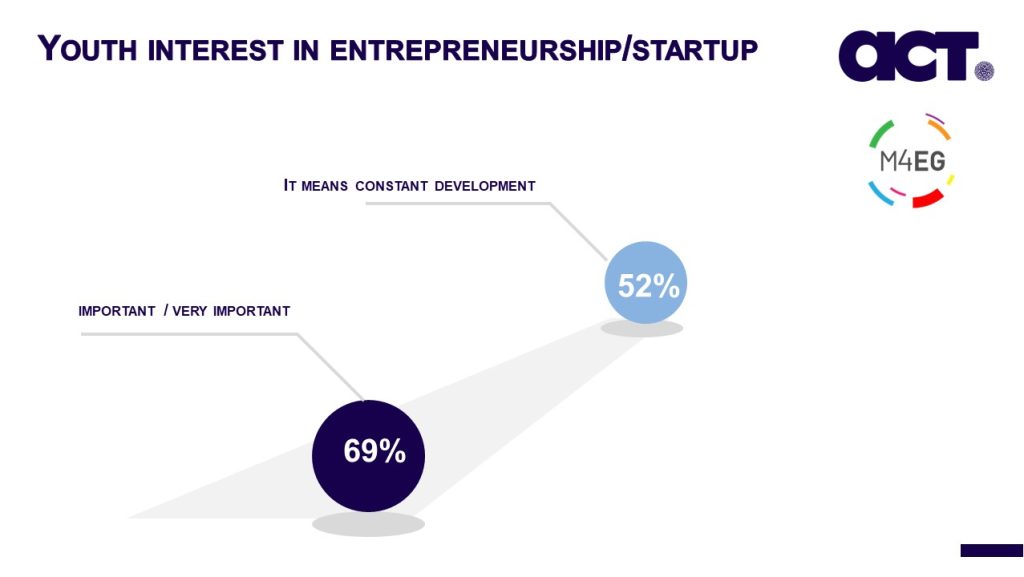
Given the need to excite the youth about entrepreneurship, when designing the Batumi Startup Ecosystem portfolio, it was important to understand the existing narratives. The ACT, a global research and management consulting company, was tasked with conducting research to provide insight into the dominant narratives that shape the mindset, behavior, and career decisions of young people in Batumi. The Batumi City Hall, Batumi Tech Park and UNDP Georgia, together with the ACT, presented the key research findings early in 2023. While there is a low awareness about startups, it is promising to know that the ideal job for the majority of young people participating in the study is associated with innovations and technologies (17%), followed by law (14%), tourism (10%) and construction (10%). Other sectors of interest include: education (9%), health (8%) and business (3%).
“The portfolio and the narratives’ research have already influenced a youth policy change in Batumi. The findings of the research were used as evidence for a four-year youth municipal strategy development, in which startups, entrepreneurship and innovative technologies were defined as a strategic goal. In addition, research recommendations were taken into account in the 2023 youth development promotion program budget.”
Shorena Pagava, Specialist in Youth Issues, Batumi City Hall
City Hall is learning how to become an ecosystem enabler
During the design process, the team identified City Hall’s essential need to engage with others, learn in person from other ecosystems’ stories, and become acquainted and confident to talk and think about its own startup ecosystem development. The City Hall also needed extra capacity to move away from the day-to-day tasks and phone calls, so it can focus on systems thinking and strategic design. The design and management of a new portfolio requires strategic thinking skills, lobbying for a portfolio’s needs and resources at a high level, and engaging unusual suspects to create new synergies and learn from them continuously. Therefore, the team needed to boost both the municipality’s capabilities and capacity as it grew into its new role as an ecosystem enabler.
For this reason, UNDP created a tailored learning programme, run with the help of UNDP’s BOOST network [3]. So far, the municipal team has met the following people through a series of workshops: David Liu, Community & Engagement Lead at Norrsken House Stockholm; Mark Stoevelaar, Project Coordinator in the CTO Innovation team at the Municipality of Amsterdam; Stavros Dalmiras, Department of Entrepreneurship, Blue Growth & Maritime in the Municipality of Piraeus, Greece; and Thomas Kösters, Managing Director Deep Ecosystems.
Furthermore, tThe City Hall received mentorship along with partner meetings with both public and private entities from around the world to learn how they went about developing new startup ecosystems. As part of the learning journey, the city studied other’s experiences of arranging and managing physical spaces as places of attraction and interaction among ecosystem actors. As a result of the research, Batumi plans to create such a place in the city, thereby enabling exchange of ideas and experiences, networking and co-working among interested and talented youth. It could be developed into an additional municipal service – something the city can offer to innovators, changemakers and interested partners as part of the local startup ecosystem building.
The potential of Batumi’s emerging startup ecosystem
The Batumi startup ecosystem has the potential to become a major hub of innovation and entrepreneurship in the Black Sea region. The city is already a leading regional destination for digital nomads, affected by the war in Ukraine, with two major co-working spaces opening only in the past year alone. Batumi is strategically situated on the Black Sea coast of Georgia, with access to both the Eastern and Western markets. Furthermore, the city’s proximity to the EU makes it an ideal gateway for digital nomads, entrepreneurs and freelancers. If Madeira in Portugal can do it, why not Batumi?
Furthermore, there is an excellent opportunity for both internal and external actors to harness the local talent pool, the city’s favorable business climate, and its growing startup ecosystem. Internal actors, such as entrepreneurs and startups, have a limited range of resources and services to help them grow their business. However, thanks to the project and its strategic partners, new opportunities are opening up. GITA has nearly doubled funding for small scale grants and introduced quotas for startups from Adjara in a new competition announced in April 2023.
Additionally, together with the government of the Autonomous Republic of Adjara, UNDP has implemented various incentives and regulations in recent years, aimed at supporting the entrepreneurial ecosystem.
The way forward
The Batumi City Hall attended a two-day Sensemaking and Intelligence Generation workshop, as part of the M4EG programme, where following the Dynamic Management methodology, the team discussed actionable intelligence about the implemented and ongoing portfolio options, and the design of the second phase of the portfolio, to be implemented during 2023-2024. Whatever the next iteration of Batumi’s portfolio will be, given the intelligence generated during the last iteration of the portfolio, the city will continue focusing on the following system dynamics to achieve system-wide transformation:
- Enable an environment to easily attract and retain talented entrepreneurs: The city will create a welcoming environment for talented entrepreneurs and provide resources and incentives for them to stay in the city and region. Models of how this is done elsewhere include offering tax breaks, special grants, and hosting at least one conference where startups can interact with follow-up capital in the form of VC financing.
- Invest in infrastructure: Infrastructure is key for any city that wants to become a startup capital. This includes investing in technology infrastructure, transportation, and services like internet access.
- Foster collaboration: The city will provide spaces for entrepreneurs to meet and collaborate. City supported co-working spaces, incubators or acceleration programmes, or places where entrepreneurs and innovators can mingle are a good starting point.
- Invest in education: To foster the next generation of entrepreneurs, the city will invest in education programmes that teach the necessary skills to become successful entrepreneurs. The educational institutions, which are already present in the city, in the case of Batumi – the Naval Academy and the University of Batumi – can be the places where the next generation of blue economy startups are nurtured.
- Add a special ingredient: As already mentioned, the Batumi State Maritime Academy, with its flagship programmes on marine-trade fleet management and maritime transportation, can be a powerful environment for new startups wishing to disrupt this traditional sector.
- Promote the new city identity: Promote the city as a great place for startups to launch and grow. Connect with influencers and media outlets to spread the word that this is happening. And at the end of the day: “Tbilisi is awesome, but Batumi is by the sea”!
This is Batumi’s open invitation to all potential partners interested in co-designing this portfolio and contributing to the city’s journey towards emerging as a promising and inspiring place of innovation.
Footnotes:
[1] The co-authors have been collaboratively supporting and consulting the Batumi City Hall team in the portfolio design process.
[2] Batumi Startup Ecosystem Portfolio Brief prepared by CHÔRA Foundation (not publicly available).
[3] Special thanks to Louise Skarvall (UNDP), for supporting the Batumi team in their education journey.
Main photo by Irakli Dzneladze