
Category: Systems and portfolios
Waste is hardly mysterious. In much of the developing world and even much of the developed world, waste is a source of everyday frustration – but also something lavishly produced without much thought, both in households and the private sector. At the same time, basically anyone can make a list of the top waste management problems in their community or industry in less than 60 seconds. The only problem is that hardly anyone is ever asked.
This is a story of how and why the Accelerator Lab in Bosnia and Herzegovina went out and asked people from different constituencies the same questions over a period of time and what the journey from a pixelized issue-based view to a complete system understanding looked like for us.
Step 1: Signals, pixels and grains
The Accelerator Lab was established in late 2019 and by the end of that year, we already knew that much of our future work on creating new value propositions for UNDP Bosnia and Herzegovina (BiH) would be linked to resource use through new approaches to development – whether through measuring the environmental footprint, exploring consumption patterns or promoting sustainable lifestyles and business models. All of this was new to the Country Office’s programming, which was initially oriented towards more traditional, more familiar, and large-scale development work. However, our horizon scanning showed that the momentum was there, and we dedicated our first experimentation efforts to single-use plastics experimentation and – at the request of a city administration – to the problem of food waste in the capital city, Sarajevo.
In short, our pre-pandemic work concentrated on:
- First, understanding how and why single-use plastic is used and disposed of in collectives such as companies or school buildings, and what would be needed to effectively end this use through a codified approach – a practical step-by-step toolkit to help workspaces become plastics-free. The experimentation journey is illustrated below.
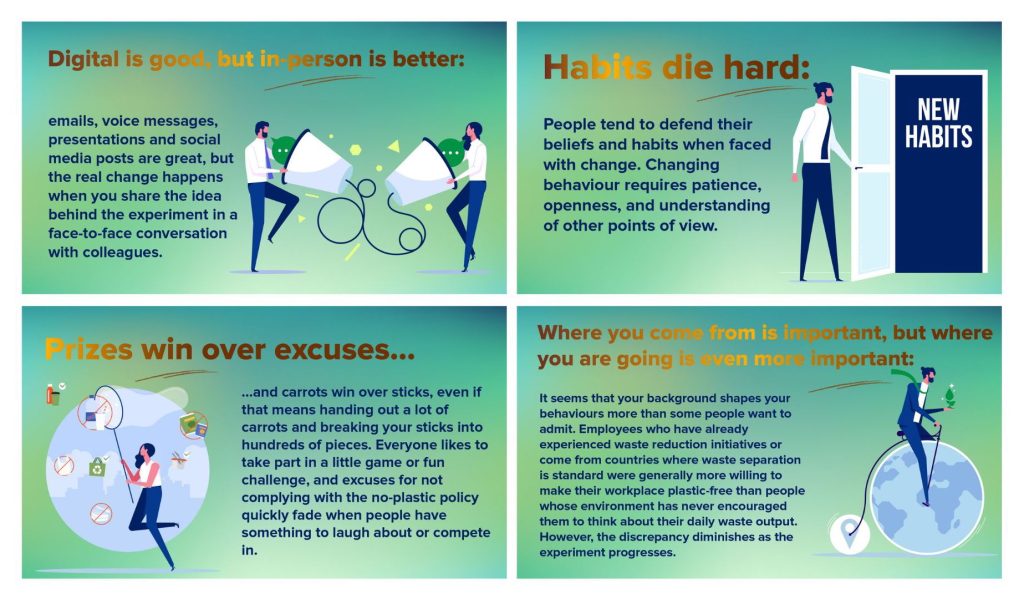
As an excerpt from this experiment on how to make workspaces (including the UN House) plastic-free, here are some early findings on behaviour and attitudes towards plastic that our team captured at the time:
- Second, testing public awareness and interest in doing something about food waste, combined with some analytical work and utilisation of it all through a city-focused policy document on food loss and waste prevention. The journey initially looked like this:
The experiment here started with an innovation challenge, “Food is Not a Waste”, which allowed us to learn more about the country’s innovation ecosystem, and also take the public pulse on the issue of food loss and waste. We learned that there are important signals on the issue, including hyperlocal solutions and activists, but we needed much more insight to make sense of the root causes and the scale of the problem.
In parallel, UNDP BiH Accelerator Lab was lucky enough to be accepted to the 2020 Collective Intelligence Design Studio run by Nesta, UK’s innovation agency for social good, for a select group of UNDP Accelerator Labs working on waste management practices. This process enabled our team to apply the collective intelligence methodology to better understand municipal waste management in places of interest and, consequently, deep dive into community perceptions of waste and asset mapping.
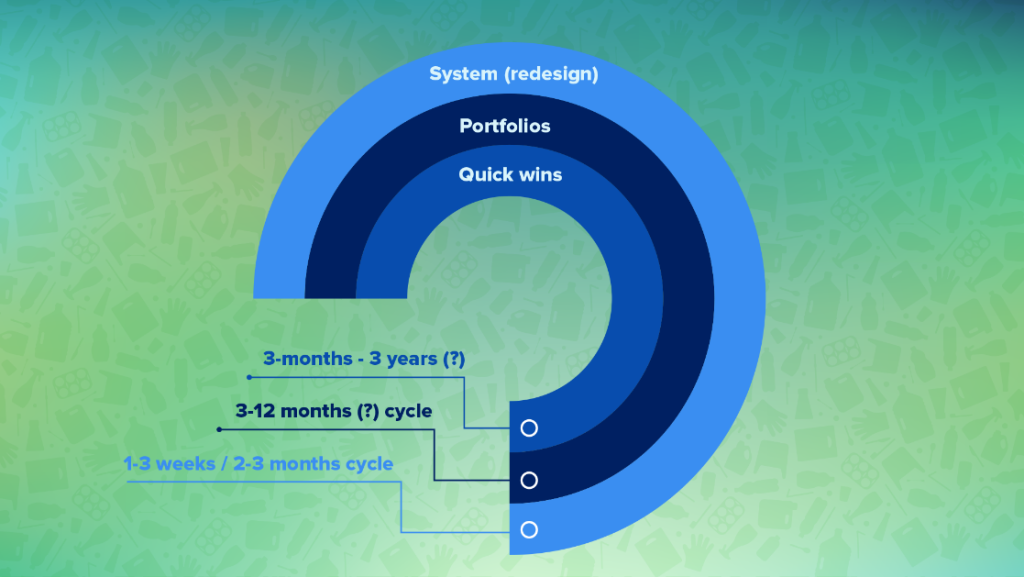
We didn’t know it at the time, but this early, pixelated and almost unintentional focus on waste was the beginning of a multi-year learning journey that evolved into a full-scale system work, perfectly depicting the AccLabs’ learning cycle as described by the Network’s Learning Designer in early 2020:
Step 2: A sketch of the system
In 2020, the global pandemic shifted the Lab’s focus and drew attention to new priorities. We seized the opportunity presented by the restart of the world and expanded our experiments into the recovery efforts. Building on the previous year’s interest in resource use and waste management, a rapid three-month intervention aimed to explore circular economy models for the country’s post-Covid economic recovery. In particular, it looked into how small and medium-sized enterprises in the local market could reduce or eliminate waste streams from production or use waste as a resource. The results of the practical work with five local businesses selected through a public call have fundamentally reshaped our understanding of private sector engagement in the circular economy.
After two years of launching our pilot projects, we assessed their impact on individual companies. The results showed a noteworthy return on investment in the majority of targeted processes, especially in waste prevention and reuse, resulting in significant environmental benefits. Specifically, the intervention supported the reuse of over 200 tons of various secondary materials and, on average, led to energy savings of some 12%.
Our work on circular practices within the private sector and industrial waste prevention was complemented by an analysis of the policy landscape regarding plastic waste. Our goal was to contribute to proactive policymaking by examining how the EU’s Single-Use Plastics Directive would affect the local economy. This exploration also featured case studies of specific companies dealing with plastic packaging, offering practical insights into the lack of preparedness of the local economy for the substantial shift in resource use and treatment in the European Union.
Simultaneously, what began as small-scale experimentation on food losses and waste evolved into substantial research and policy development efforts. The Lab established the Sarajevo Food Lab, an informal network of stakeholders interested in the subject. We collaborated with the Sarajevo City administration and the Czech Republic Development Cooperation to craft the first policy and action document on the prevention and reduction of food waste in the country.
We also supported the first estimation of food losses along the value chain of two agri-products. This provided evidence to support the assertion that the majority of food waste occurs towards the end of the value chain, particularly in households. We also produced a strategic note aimed at systemically improving food waste management in the country.
One of the key recommendations was the establishment of the food bank, a previously non-existent facility for food redistribution in the country. This realization prompted a shift in our perspective, leading us to recognize another aspect of the food waste issue – food poverty. What began as small resource-use experimentation swiftly transformed into a wider matter of social justice.
External recognition of our work on food waste work was also notable: our pioneering exploration of the food rescue models and mapping of food loss and waste in collaboration with the City of Sarajevo was recognised by the European Environment Agency as the only effort in this sense featured in the 2021 National Waste Prevention Programmes overview for Bosnia and Herzegovina.
However, I personally believe that the biggest contribution to the outline of the waste management system in the country came from the implementation of the Innovation Challenge on zero-waste neighbourhoods. Over the course of six months in 2021 we closely worked with five community-based organisations from across the country to explore how communities perceive and treat their waste, and how hyperlocal changes in waste management can be achieved.
It turns out that even small investments in inclusive and novel approaches combined with close attention to local needs really do resonate with communities – as noted previously, everyone is aware of the waste problem, but few can do anything about it on their own. Through the innovation challenge, we have created a local activist network that collectively learned about the behaviours and practices behind waste management problems and shared experiences from implementation, thus creating real change that was sustainable.
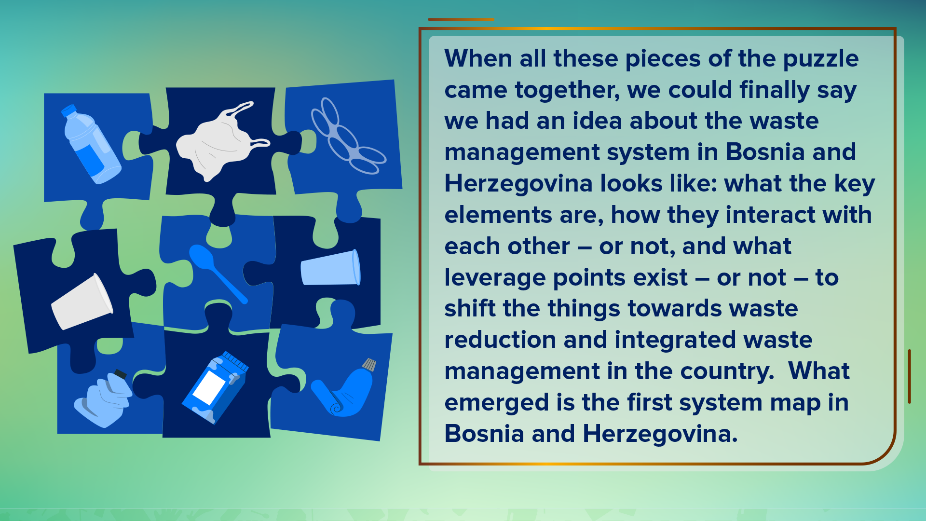
What emerged is the first system map on a development issue in Bosnia and Herzegovina.
Part 3: Adding colour to the painting of our system through a portfolio approach
What better way to expand our experiments and apply the knowledge of the system than to integrate it with the rest of the Country Office in a deliberate and structured portfolio development? UNDP in Bosnia and Herzegovina embarked on a journey with the Chora Foundation in early 2023 to introduce the portfolio approach through jointly devising a circular economy portfolio, a process that – needless to say – was significantly informed by the previous three years of the Lab exploring circularity and waste management at a high level of granularity.
The portfolio resulted in seven concrete intervention areas targeting a move towards circularity for specific industries in the country. In 2023, upon the portfolio’s finalisation, the teams were able to “activate” two of these interventions immediately. One of them was explicitly aimed at – you’re guessing – expanding the experimental work on general waste management in the country by exploring and connecting with the local ecosystem, digitizing waste-related reporting and, maybe most importantly, mapping the material flow in selected large manufacturing companies to learn more about how waste can become a resource for the economy. The results shed entirely fresh light on resource use in the country and the transition potential of the local economy: we managed to devise ways in which internal and external platforms for re-imagining the waste management system in the country can be established and their collective intelligence harnessed; we also engaged artists into the visioning of the wasteless world and we learned where the industry levers lie to accelerate the transition towards a circular economy.
The portfolio approach also proved to be a valuable tool to connect with all parts of the house and consequently to share much of the research and insights generated by the Lab with larger teams. After a few years of reflecting on how society and the economy use or waste our limited resources, we can say that the Network’s learning designer was right: shaking the system starts with a few quick wins.
The European Commission’s Directorate-General for Neighbourhood and Enlargement Negotiations (DG NEAR), Arup, EIT Climate-KIC, Tallinn University of Technology (TalTech), and UNDP launched today the Pathways for Economic Growth (P4EG) framework, a methodology to design a new generation of local economic development plans in the context of the EU-funded project Mayors for Economic Growth (M4EG).
Founded on the principle of holistic development, the P4EG framework helps cities best assess social, environmental and economic factors in local development, as well as the potential for scaling up their projects in cooperation with central governments, donors and European and International Financial Institutions.
Thibault Charlet, Programme Manager for Digital Transition and Local Economic Development in the European Commission’s DG NEAR, underlined that a critical success factor for the P4EG framework is that existing revenue streams, funding and financing opportunities are mapped up front. He highlighted the important role for local leaders to engage with diverse stakeholders, such as local businesses, donors, investors and central government. He added that the P4EG framework will play a key role in building pipelines of investment projects at the local level, which will help cities mobilise more public-private financing under the EU’s Economic and Investment Plan for the Eastern Partnership region.
Pasquale Capizzi, Europe Resilience and Adaptation Leader, ARUP, highlighted that pathways address the ongoing need for learning and adaptability among local authorities. “The approach prompts cities to rethink their economic development paradigm, by firmly linking growth to sustainability and equity.”
Tina Stoum, Regional Manager, M4EG, UNDP Istanbul Regional Hub, highlighted the importance of shifting from one-size-fits-all linear planning tools to recognizing the uncertainty and complexity of challenges faced by municipalities. “By moving beyond traditional GDP-centric focus, P4EG brings a broader focus on well-being and sustainability,” added Stoum.
Comprising eight building blocks, the P4EG approach provides cities and towns with the necessary framework to set a diagnostic of their local situation, identify key drivers of change, opportunities, stresses, and shocks facing them. It allows the establishment of prioritised actions for municipalities to deliver on the targets set out in their development vision, and promote entrepreneurship and innovation.
Access the P4EG Guidance Note and join the P4EG introduction course starting today.
Republished from M4EG. See original article here.
In this two-part blog series, the Innovation Team at UNDP Europe and Central Asia shares their reflections on the recent user-testing for a new online course focused on portfolio design and management. Part 1 provided an overview of the course’s structure, format, and content. In part 2, we delve into our experience with the first cohort of learners and how we’re thinking about modifying the course for future groups.
We recently finished the initial round of our portfolio design and management course and gained useful insights from it. Reviewing the user-testing phase that consisted of participant surveys and interviews, we highlight three key aspects of our first group’s experience: a major accomplishment, a significant challenge, and a critical request.
One accomplishment
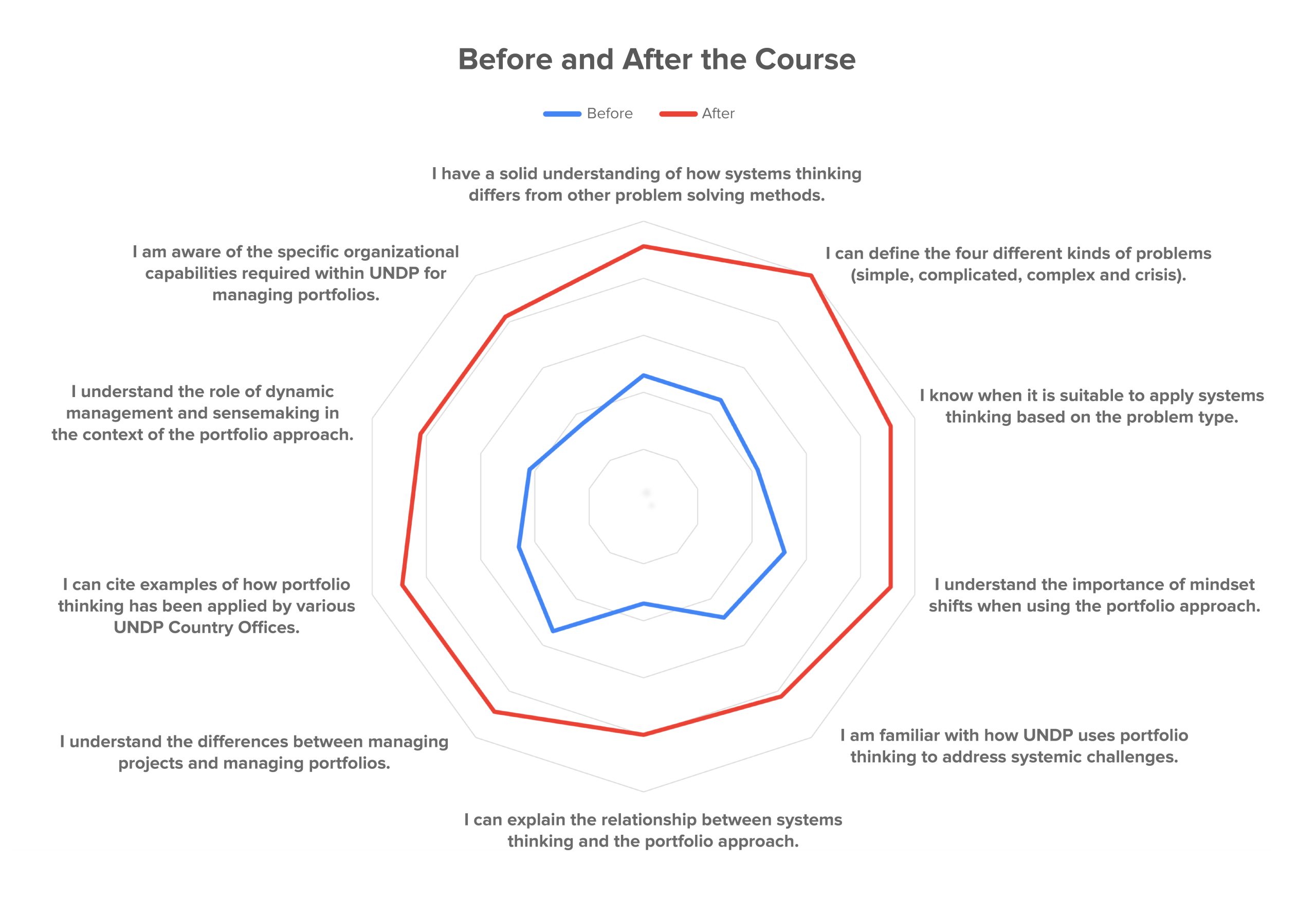
In our pre- and post-course assessments, we asked participants the same set of questions during the first live session and immediately after they had completed the course. With this we wanted to get a sense of what they already knew about the content, but also measure any improvements and the overall impact of the course. We found the majority of participants improved their understanding of portfolio design and management, as evidenced by self-reported scores going from 2.3 on average at the start to 4.6 by the end (on a scale of 1-5). Overall the course was effective in helping participants better understand the value of thinking in systems, learn what the portfolio approach is about, and how to design and manage portfolios of learning options.
The user interviews we conducted with a select group of participants confirmed the results from the surveys. Colleagues praised the course for being rich in content, engaging, and interesting, making the often difficult concepts, methods, and processes accessible to those largely unfamiliar with portfolio design and management. They also appreciated the balance between theory and examples from Country Offices which provided a practical context.
What’s more, participants valued the overall structure of the course which took them from the broad conceptual understanding, encompassing the theory and mindsets behind portfolios, to more focused lessons around dynamic management, sense-making and MEL. What helped them understand and retain the learnings, according to some of our colleagues, was the mix of videos, exercises, and readings we provided for the different learning modules.
One challenge
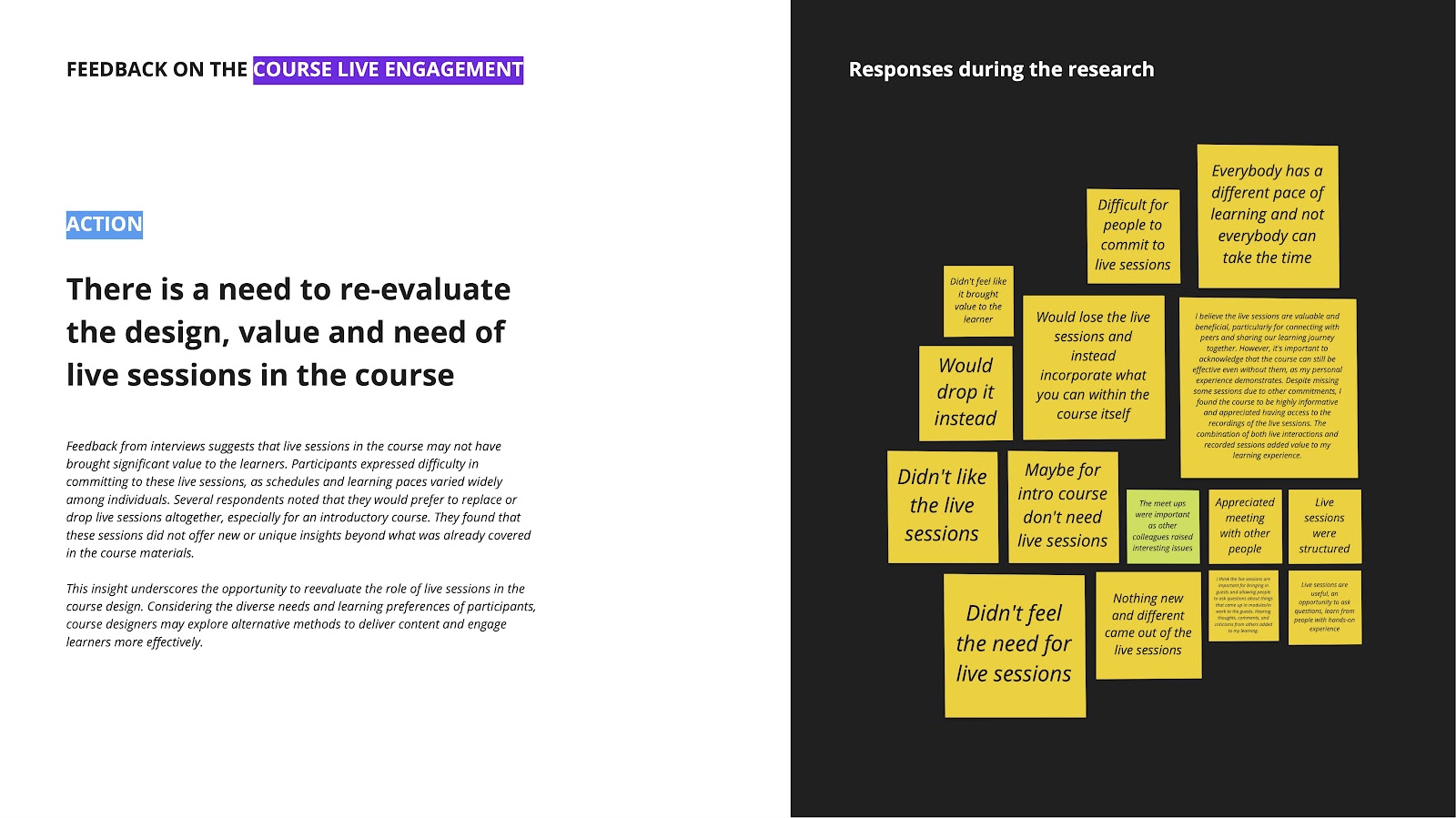
What came as a surprise to us is that the feedback from the survey and interviews indicated a need not only to rethink the design of the three live sessions we ran over the five-week course, but also whether we need live sessions in the first place. Some colleagues expressed difficulties in fully participating in the live sessions due to the time constraints of their busy work schedules and their varying learning speeds. A few participants proposed more flexibility in the format with a mix of asynchronous and synchronous learning.
We are now considering approaches such as additional pre-recorded short video lectures and downloadable materials, and more customized quizzes to cater to different preferences and needs. These changes aim to accommodate varying schedules and learning paces of future course participants. Additionally, to maximize interaction and engagement, we’re exploring the use of peer collaboration and discussion forums. Such platforms might provide a space for participants to share ideas and feedback, thereby enriching the learning experience.
One request
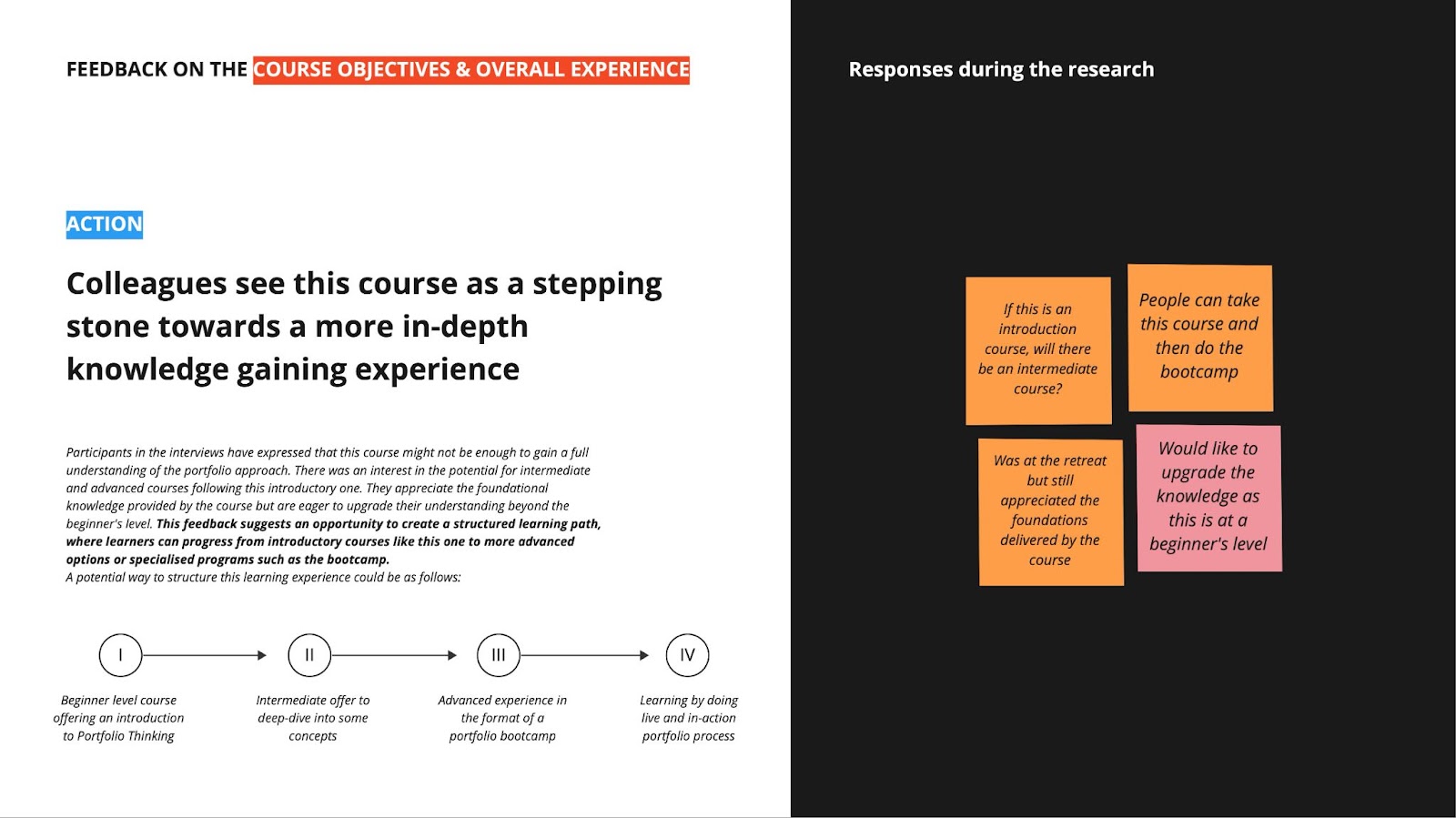
From the beginning the course was designed for colleagues new to portfolios. It provides foundational knowledge on portfolio design and management, covering concepts, terms, methods, and tools to design, manage, and monitor portfolios. At the same time, it offers practical portfolio experiences from different UNDP teams.
Yet, a recurrent request we received was to go beyond the foundational knowledge and offer more advanced modules. Colleagues expressed interest in more in-depth content. Some felt the need for a deeper theoretical perspective while others were interested in more practical cases to gain a deeper understanding of what engaging with portfolios looks like in a real-world context. So, for the redesign, we’re looking into developing advanced, but optional, modules while at the same time designing customized learning journeys for different teams that might include the online course but also in-person bootcamps like the SIU’s Transforma and self-study materials like the Portfolio Primer.
Looking ahead
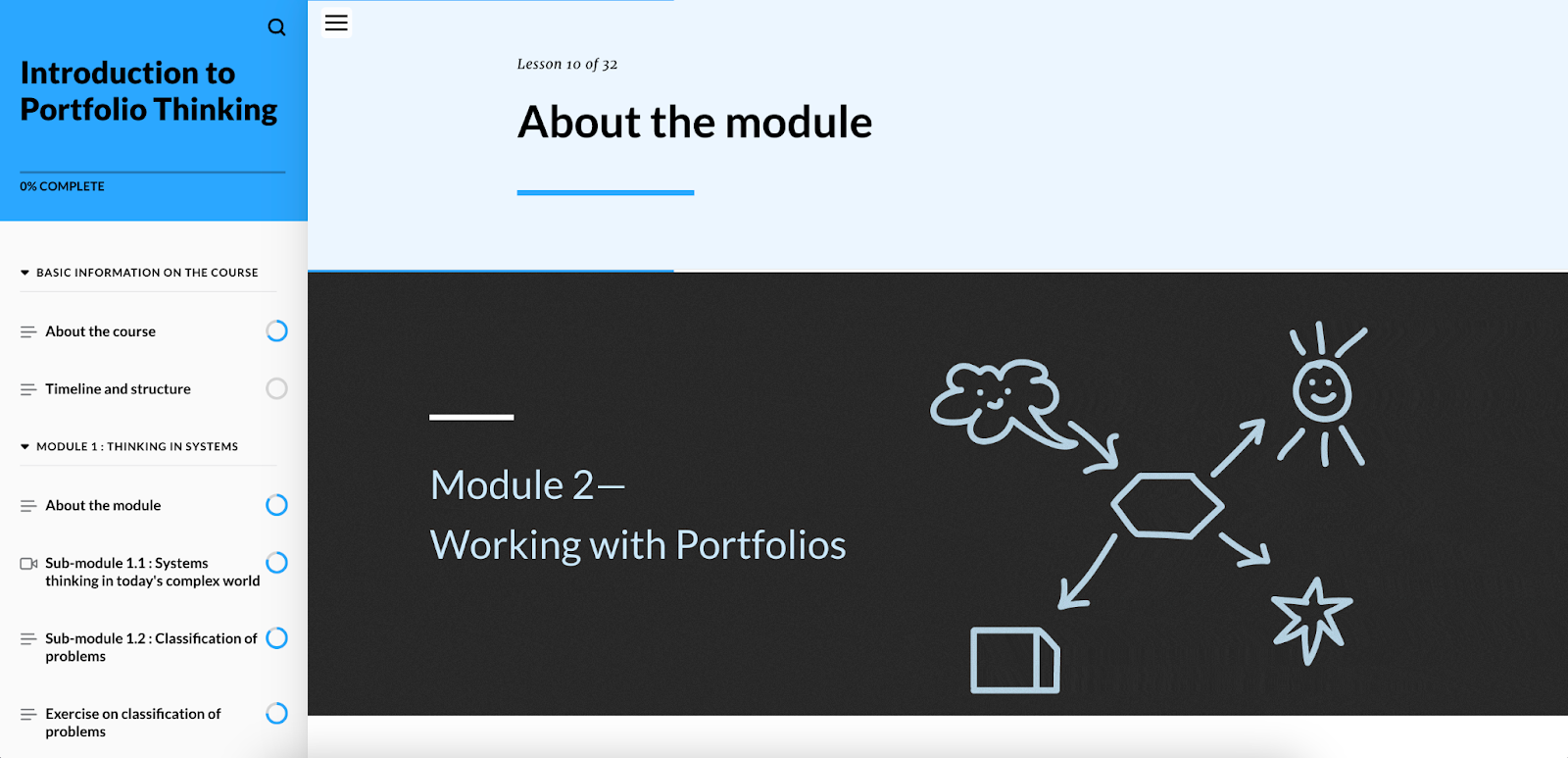
As we move forward, we’re enhancing the practical learning experience of the course while maintaining its introductory nature. Our plans include more tailored content, interactive exercises, quizzes, case studies, and narratives. In addition, together with the Tech Cell of UNDP Serbia, we’re building a customized AI-powered companion to provide tailored learning experiences. We have now started the redesign process and aim to release the new version in April 2024.
Contact Aditi Soni (aditi.soni@undp.org) or Andreas Pawelke (andreas.pawelke@undp.org) from the UNDP IRH Innovation Team to learn more. We’re particularly interested in hearing from people working on similar learning experiences!
—
The successful first run of the course owes much to the support and expertise of the UNDP IRH Innovation Team. We thank the first cohort participants for their valuable inputs. A special thanks to our colleagues from Country Offices, the Istanbul Regional Hub, the Talent Development Unit, and the Strategic Innovation Unit for their contributions to the course development and production.
Stepanavan, in northern Armenia, boasts picturesque landscapes and lush greenery. Just over 100 kilometers from the capital, it is a quiet destination, away from the bustling urban centers, and whose rich historical heritage and warm community have earned it a reputation as a welcoming valley hotspot.
But despite its undeniable beauty and cultural allure, Stepanavan has been grappling with depopulation. The town is experiencing rapid aging, with residents aged between 18 and 29 making up less than 15% of the permanent population. The gradual decline in the town’s population, especially among younger generations, is mainly a result of the appeal of larger cities and economic opportunities elsewhere.
So Stepanavan has embarked on a path of urban transformation to address the underlying causes of outmigration. It is among five cities, part of the City Experiment Fund (CEF), a regional initiative at UNDP Europe and Central Asia supported by the Slovak Ministry of Finance, that are embedding innovative methods in the design and delivery of city-level programmes and shifting to systems thinking in approaching urban challenges.
In partnership with the Agirre Lehendakaria Centre and CHÔRA, CEF is working hand in hand with the local municipality and Armenian communities to provide the essential tools and resources needed to develop innovative solutions in response to depopulation. The objective of retaining and attracting youth is no small task, especially for rural towns. But one year into applying a portfolio approach, it is fitting to take a look at how Stepanavan has fared thus far.
How to tackle depopulation innovatively
To address depopulation, the solution lies in fostering a robust economic ecosystem that enhances people’s quality of life. In the field of rural development, urban experts have identified several critical focus areas and strategic approaches aimed at revitalizing depopulated rural communities and promoting sustainable growth. These approaches encompass but are not limited to:
- Bolstering technological advancements to attract skilled talent and enhance the competitive advantage of small businesses in rural areas.
- Encouraging collaboration between the public and private sectors to nurture entrepreneurship in these regions.
- Prioritizing inclusivity, particularly by empowering and supporting women-led businesses to rejuvenate local economies.
- Establishing social and recreational spaces, catering to diverse demographics, to inject vibrancy and effectively combat rural-to-urban depopulation.
A journey to vibrancy
In the aftermath of 2020, Stepanavan found itself confronting a dual crisis, marked by economic and security uncertainties. It became clear that conventional municipal management methods were no longer sufficient, prompting Stepanavan to adopt innovative approaches to confront its challenges. Acknowledging the necessity for a comprehensive and systemic approach, the town’s leaders and community members enthusiastically joined forces to formulate a strategic roadmap for progress and sustainability.
As one of the pioneering cities in the region to embrace systems thinking, Stepanavan’s adoption of the portfolio approach underscored the significance of social listening and community engagement in crafting a tailored set of options precisely aligned with the town’s unique needs. By meticulously mapping out key stakeholders involved in civic transformation efforts and, more crucially, involving all relevant parties in a profound listening exercise, they explored the specific problem areas within the municipal context. In collaboration with more than 200 prominent stakeholders, including nonprofits, the public and private sectors, and community members, they identified the roadmap’s intent and delved deep into the challenges and opportunities lying ahead for this picturesque community center.
“The most important thing to highlight about our social listening exercise is that people started to own the process for themselves… it served as a significant anchor point.”
Nelli Minasyan, Technical Task Leader, UNDP Armenia
While the initial intent was to draw in young people from larger cities, the profound process of active listening revealed a more pressing demand within the community: the need for a thriving environment for both residence and employment in order to bolster both attraction and retention. Furthermore, the youth of Stepanavan pinpointed the scarcity of educational and job prospects, along with the absence of recreational and entertainment spaces, as the primary factors driving them to leave the region. At the same time, local businesses, nonprofits, educational institutions, and cultural heritage centers identified the latent resources that could potentially be harnessed to foster a dynamic Stepanavan.
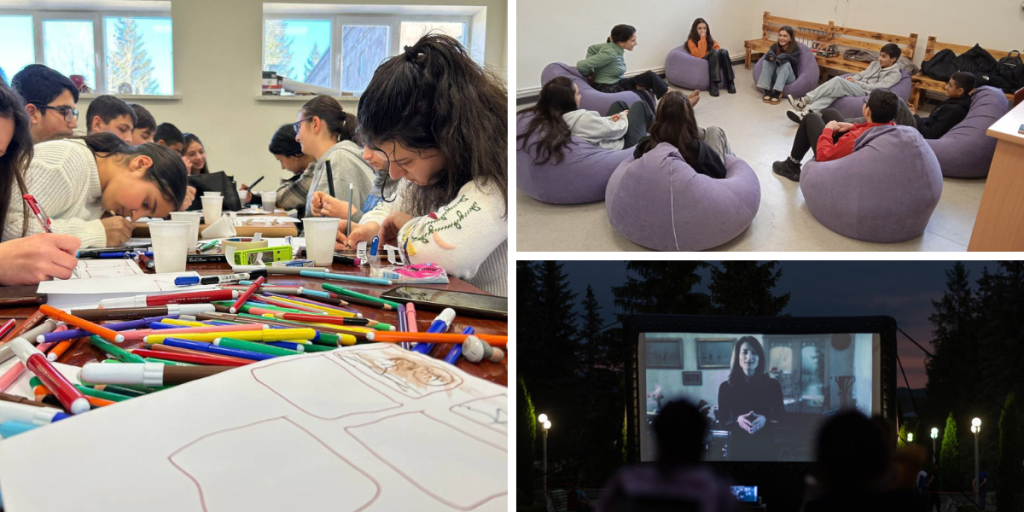
Stepanavan aspired to learn how to develop a plan for consistently attracting and retaining talent from within and outside the mountainous town. This also meant transforming Stepanavan’s image from merely being “a place of rest” to becoming “a place to live and contribute”. The overall portfolio design co-created by and for Stepanavan outlined workable goals that aimed to boost green job skill development. These goals included the engagement of local nonprofits in talent attraction and retention initiatives, the support of STEM education, particularly for children, the establishment of a certified Aviation and IT Training Center, the promotion of additional recreational and cultural events, and the creation of new digital tools to create a new municipal identity.
The Stepanavan portfolio journey has achieved remarkable strides through its implemented options. Some noteworthy achievements in the pursuit of attracting and retaining youth includes establishing lively spaces for youth entertainment, the successful coordination of an open-air cinema event, the hosting of a flower festival that celebrated nature’s beauty in Stepanavan, and the construction of a new sports courtyard to boost wellbeing with the assistance of the UNDP Crowdfunding Academy.
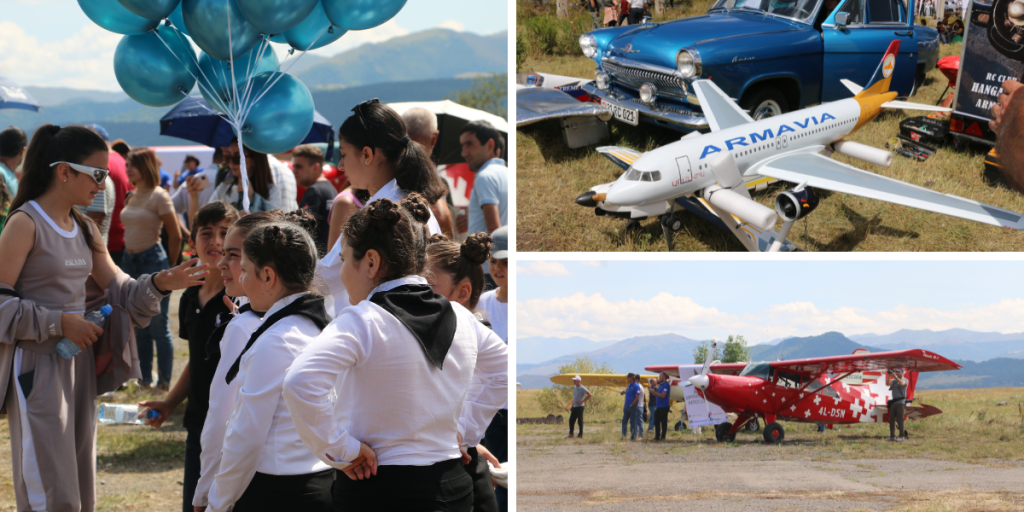
One of the central achievements of the portfolio approach has been the establishment of the Aviation and IT Learning Center, a collaborative effort involving the municipality, a local nonprofit, and the Crisis Management Academy. The center’s agri-drone classes have created valuable opportunities for skills development among the province’s youth, preparing them for green transition jobs. The center has already had a tangible impact, with numerous graduates successfully finding employment within the sector after completing their training sessions.
In another implemented option, the Stepanavan public library underwent a significant transformation and introduced a new Youth Learning Hub. Focused on talent retention, a dedicated team organized a diverse range of enriching events, including career orientation sessions, dynamic discussion bootcamps, and programming and design classes.
A promising glimpse into the future
The portfolio process in Stepanavan has yielded invaluable insights, revealing a newfound awareness among key stakeholders of their crucial role in shaping the municipality’s transformative path. This realization represents a significant milestone as the Stepanavan municipality, in close collaboration with other stakeholders, has taken the initiative to implement the co-designed strategic options independently of further UNDP involvement. As the journey unfolds, the collective efforts of Stepanavan’s stakeholders are proving to have far-reaching and positive implications for the municipality’s future. A local network of changemakers is now actively exploring additional innovative approaches not only to retain local talent but also to attract new talent to the town.
Furthermore, Stepanavan is in the process of institutionalizing the transformation by integrating the portfolio approach into the municipality’s strategic decision-making process. This is being achieved through collaborating with key stakeholders and partners to co-design living strategy documents to lead Stepanavan into the evolving future. The newly established Resilient Stepanavan Fund is taking its first steps to mobilize alternative finance for ongoing efforts aimed at revitalizing the town’s vibrancy.
Finally, by having the safe space for interaction, creation, learning and fun, the network of active youth of Stepanavan has been gradually expanding as demonstrated by engagement of more than 200 young people into non-formal education activities, community work, humanitarian support and social integration activities by commitment to take initiative, respond to crisis, become the change agents to craft a resilient Stepanavan.
Bratislava, February 2024 – UNDP Europe and Central Asia, in partnership with the Ministry of Finance of the Slovak Republic, is set to host next week Catalyzing Urban Transformation, a regional forum aimed at advancing urban development through innovative and systemic approaches in cities in the Europe and Central Asia region.
This two-day event, taking place on February 14 and 15 in Bratislava, Slovakia, will bring together policymakers, urban planners, development experts, and private sector stakeholders from across the region.
Through the Slovak Transformation Fund, a program supported by the Ministry of Finance of the Slovak Republic, UNDP is actively collaborating with cities in the region in addressing the challenges of urbanization through adopting a portfolio approach to urban development, mitigating investment risks, and developing sustainable pathways to growth.
The conference will showcase the progress and lessons learned from cities involved in the City Experiment Fund (CEF), an integral part of the Slovak Transformation Fund, which has been instrumental in working with cities such as Skopje, Pljevlja, Pristina, Almaty, and Stepanavan to craft innovative visions and systemic approaches for more liveable, inclusive, and resilient urban environments.
“Cities are at the forefront of development challenges – I trust this forum will create a shared understanding of what is needed for the twin transition and a call to action to unlock the financing needed, especially for tertiary and intermediary cities,” said Lejla Sadiku, Team Leader for Innovation, UNDP Europe and Central Asia. “This conference also provides a unique platform to explore progress on urban transformation in the region, highlight valuable best practices, and explore new collaboration opportunities to shape sustainable urban futures for the region.”
Moreover, the forum will feature discussions on systemic approaches to urban challenges and opportunities, strategies to accelerate access to finance for urban development projects, and the reinforcement and expansion of partnerships with regional actors and stakeholders.
As cities grapple with various global challenges and crises, the upcoming forum in Bratislava serves as a timely opportunity to continue amplifying efforts to accelerate urban transformation in the region and beyond.
To learn more about the forum, see the full agenda.
This article is part of a spotlight series highlighting Mayors for Economic Growth (M4EG), a joint EU and UNDP regional initiative, hosting a network of 400+ municipalities in the Eastern Partnership – Armenia, Azerbaijan, Georgia, Republic of Moldova, and Ukraine. M4EG’s goal is to reimagine urban and local spaces for positive economic transformation and future-readiness.
In a time where progress often overshadows history, Kutaisi, an ancient Georgian city, is making moves to become a forward-thinking eco-smart hub. Over the course of a comprehensive multi-year engagement, Kutaisi’s municipality, together with local stakeholders, is working with Mayors for Economic Growth (M4EG) to chart a new approach to transformative urban initiatives as part of a broader economic development strategy. This municipal-level collaboration is underpinned by a commitment to support one of the city’s pivotal goals – achieving a balance between economic prosperity and a sustainable and environmentally resilient future. Kutaisi’s effort is a practical example of what is often referred to as ‘mission-oriented innovation or economy’ approach.
As cities are both significant contributors to greenhouse gas emissions and ever more vulnerable to climate change impacts, there is a pressing need to confront environmental crises, such as air pollution and resource depletion, as we push for economic progress. To this end, eco-smart cities prioritize actions to cut emissions, boost energy efficiency, and navigate a shifting climate landscape. As technological advancements make eco-smart cities a reality, it’s now more feasible than ever for cities to adopt sustainable practices to reduce their environmental footprint.
Kutaisi’s vision of tomorrow is spearheaded by local authorities who are committed to empowering citizens in new ways. With support from M4EG, Kutaisi is leveraging the portfolio approach to test a range of strategic options – from catalyzing environmental resilience to addressing urban challenges using smart management, green transportation, and sustainable energy use. One key goal unifying this multifaceted approach is to transform community-based organizations, businesses, academic institutions, and everyday citizens into stewards of the environment. Moreover, these portfolio options aim to attract additional resources from stakeholders with sustainable agendas, while also generating insights to help launch pilots in other parts of the country and inspire policies at the national level.
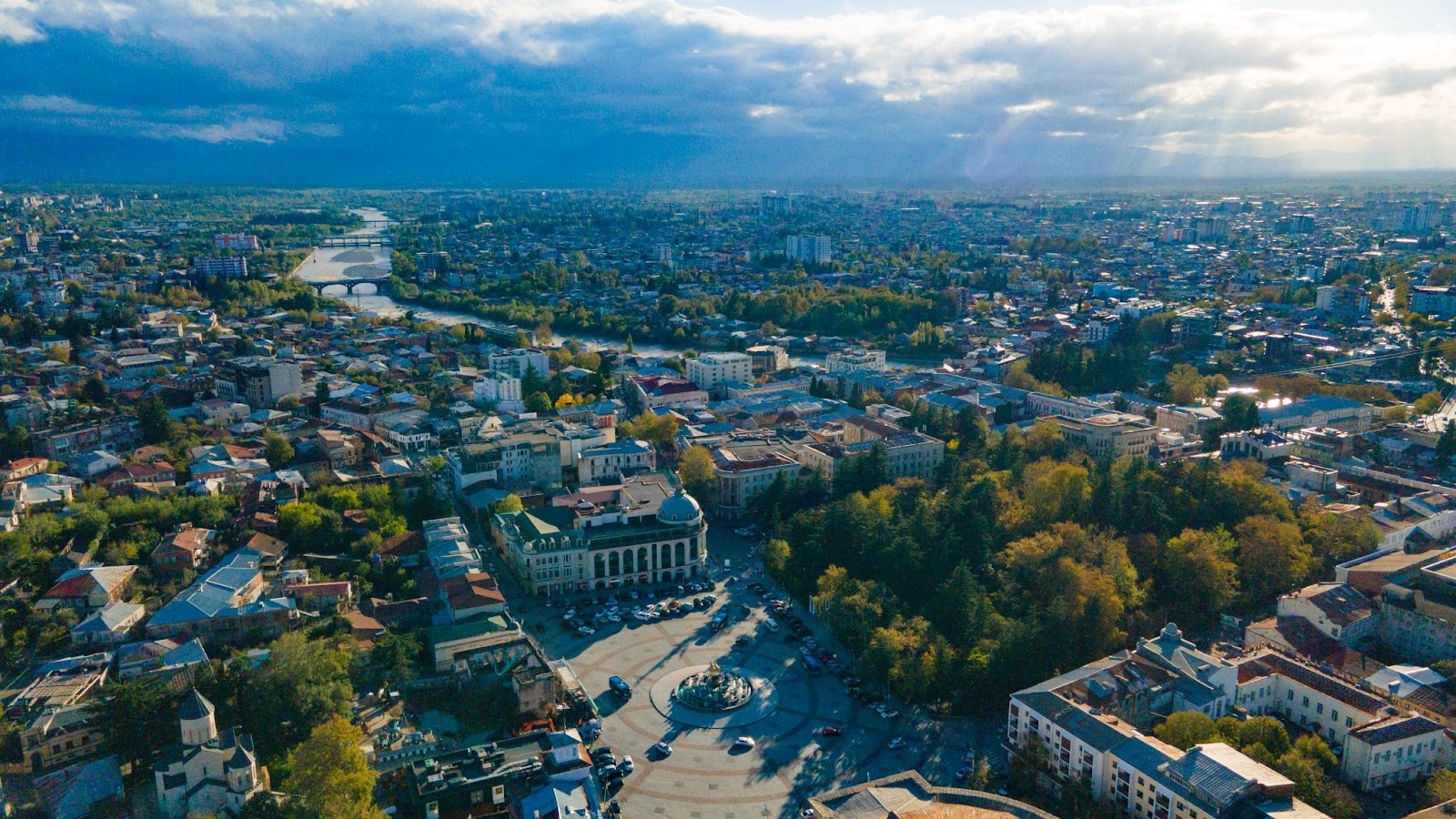
Weaving a complex tapestry of heritage and modernization
In the midst of these transformative shifts lies a profound challenge – even when equipped with state-of-the-art technology, this endeavor often entails the delicate task of reshaping the intricate social narratives, norms, and practices woven into the very fabric of the city.
For Kutaisi, a city boasting a remarkable 3,600-year-old legacy, this dilemma takes on a particularly monumental character. Prominently featured in Greek mythology such as the enduring epic of Jason and the Argonauts, Kutaisi stands as a living link to antiquity. With a claim to the title of one of the region’s oldest continuously inhabited areas, its roots can be traced back to the Kingdom of Colchis, which dates back to at least to the 2nd century BC [1].
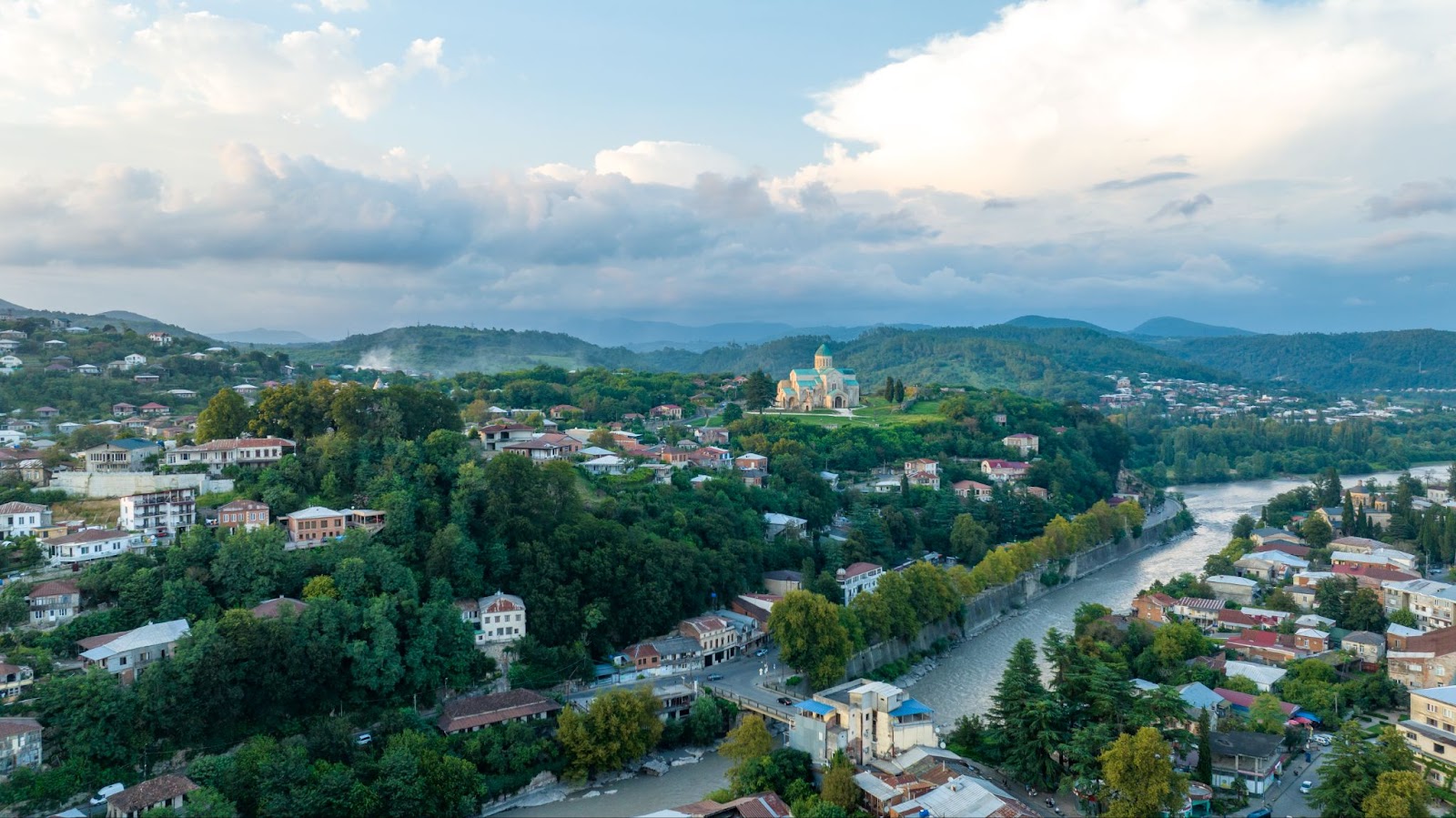
Centuries-old monuments, such as the iconic Bagrati Cathedral, bear witness to the city’s resilience. This 11th century landmark has not only withstood various attacks in the 17th and 18th centuries, but has also undergone significant-yet-controversial renovations at the start of the 21st century [2], characterizing the difficulty of striking a balance between preservation and progress.
Much like with the Bagrati Cathedral, Kutaisi continues to navigate this nuanced path between honoring its epochal past and embracing a future that fits the needs of its residents. “Kutaisi is one of the oldest cities in the world with great traditions, and simultaneously it’s a city of innovations. We’re very glad that our city has joined the M4EG joint EU-UNDP Initiative to mutually start working towards an eco-smart city,” says the Mayor of Kutaisi, Ioseb Khakhaleishvili.
Georgia’s third largest city now stands poised to parallel this journey, ready to step out of the shadows of its more recent past as a major Soviet industrial center. “The main challenge for us is the transformation of the city because the city has its history, traditions for centuries,” notes Mirza Khidashelli, a portfolio team member representing Kutaisi’s Office of Infrastructure. “The industrial part of this city, as it was expected, did not have capacity to maintain the enterprises in free competition…[the transformation process now] is more like an invention or something new, but it should be connected with its historical part.”
Charting a new course for empowered engagement
Weaving Kutaisi’s significance as an industrial hub into its eco-smart city aspirations is a complex endeavor – years of manufacturing and production have set the stage for persistent air pollution. When intertwined with its terrain and local climate conditions, this underscores the city’s vulnerability to natural disasters. The urgency to bolster resilience has been further accentuated by recent events – a 3.5 magnitude earthquake this past April, swiftly followed by flash floods in June.
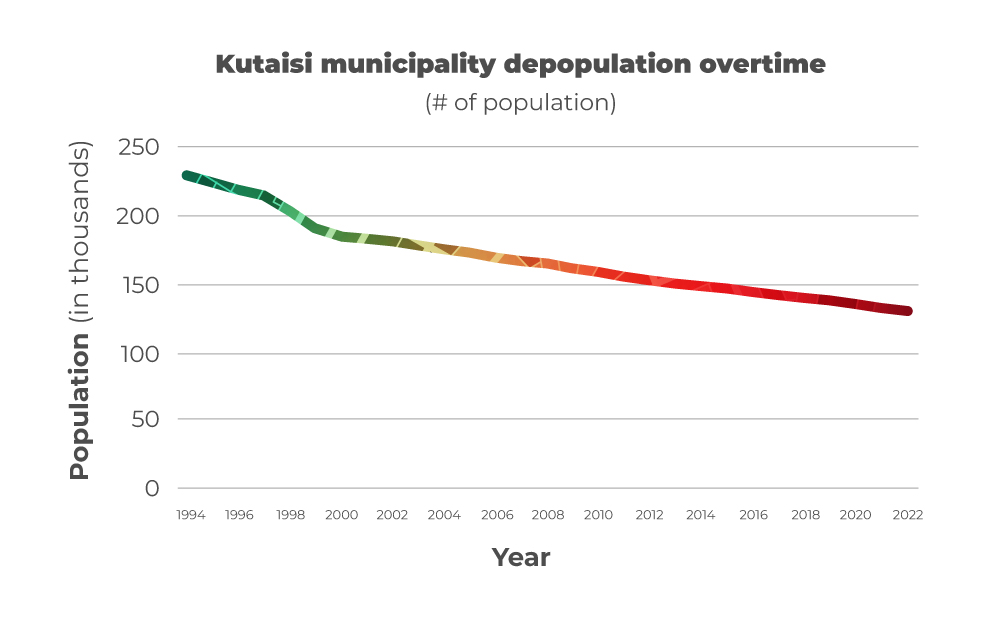
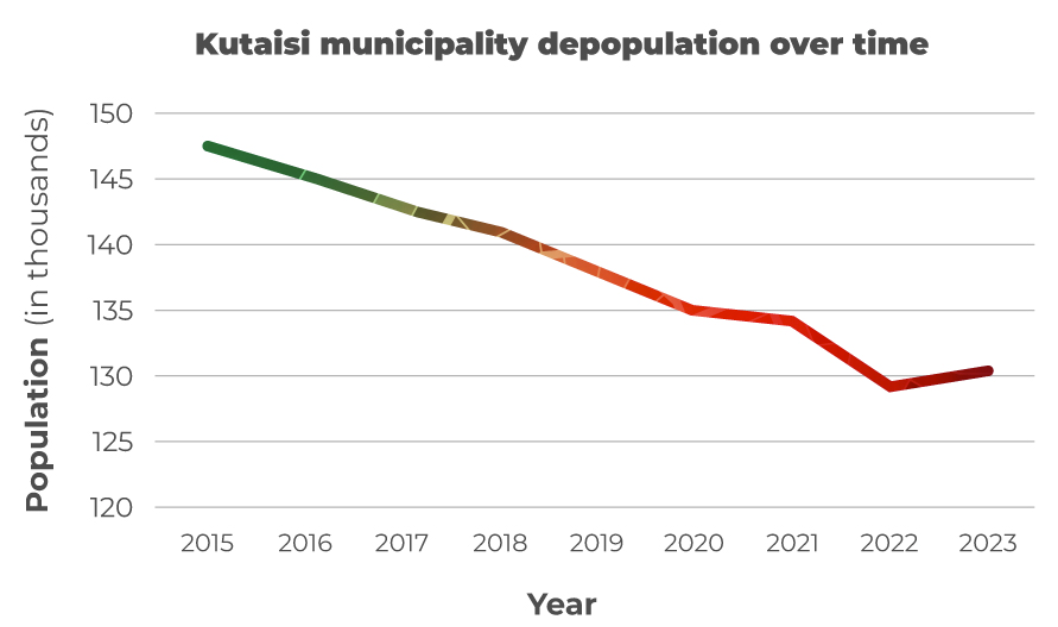
The city also grapples with an additional challenge: a decline in economic prominence has triggered a phenomenon known as “brain drain,” resulting in depopulation and contributing to a larger countrywide trend. Consequently, Kutaisi’s urban transformation portfolio hinges not only on its ability to preserve its cultural heritage and introduce innovative green solutions but also on the crucial mission of making the city more comfortable and attractive for residents. Sustainable economic development and a fundamental shift in perceptions about the city are integral parts of this multifaceted approach. “After all, as in many post-industrial cities, people always want to have a better life,” explains Irakli Goglichidze, Portfolio Team Leader and Head of the Department of Economic Development and Transport at Kutaisi’s City Hall. “So we need somehow to recover opportunities in the city and to raise our citizens’ awareness that something will be improved, transformed and changed inside of the city.”
In an effort to actively engage a wide range of stakeholders in the transformation process, the M4EG team carried out a large-scale citywide event that introduced citizens to the portfolio journey. It involved in-depth interviews with local residents, academics, youth, local non-governmental organizations, the private sector, and investors to gather their invaluable insights. Above all, its primary goal was to cultivate local enthusiasm for contributing ideas on how to improve the city as the portfolio team embarked on the mission of conceptualizing an eco-smart city with and for the community.
“We can say frankly that whatever we have planned in the first phase, within the framework of this project, envisages the opinions of many of our citizens,” says Ketevan Tskhakaia, co-founder and executive director of Spectri, a non-government organization that fosters cross-sectoral partnerships to ensure sustainable development in Georgia. “And this is one of the factors of high engagement in this project. The idea and concept of an eco-smart city is something new for our city.”
Embracing the spirit of “something new” has earned the Kutaisi municipality prestigious recognition in the form of a 2022 Best Practice Award from the National Association of Local Authorities. It garnered two nominations for best practices in local governance and municipal performance; the first applauds the city’s achievements in local economic development planning and participatory economic development innovation. The second accolade highlights the city’s outstanding track record of successful collaboration with international donors.
Promoting eco-friendly behavior through multifaceted initiatives
“One of the goals is to help our citizens change behavior, to improve awareness in order to meet the requirements of a smart and eco city because this process is strongly dependent on human behavior and human awareness,” Ketevan explains.
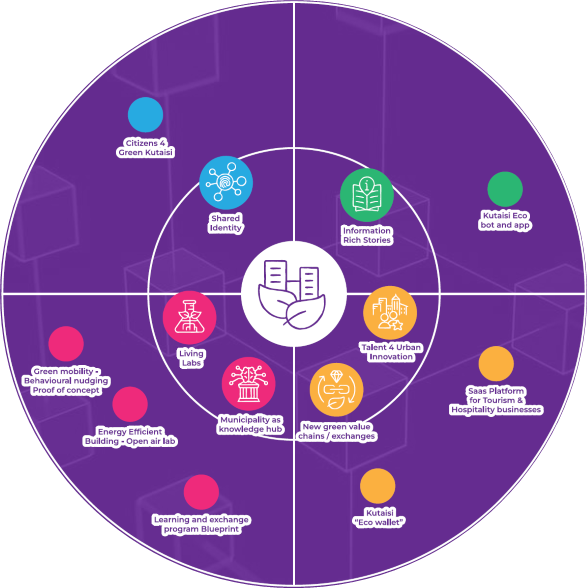
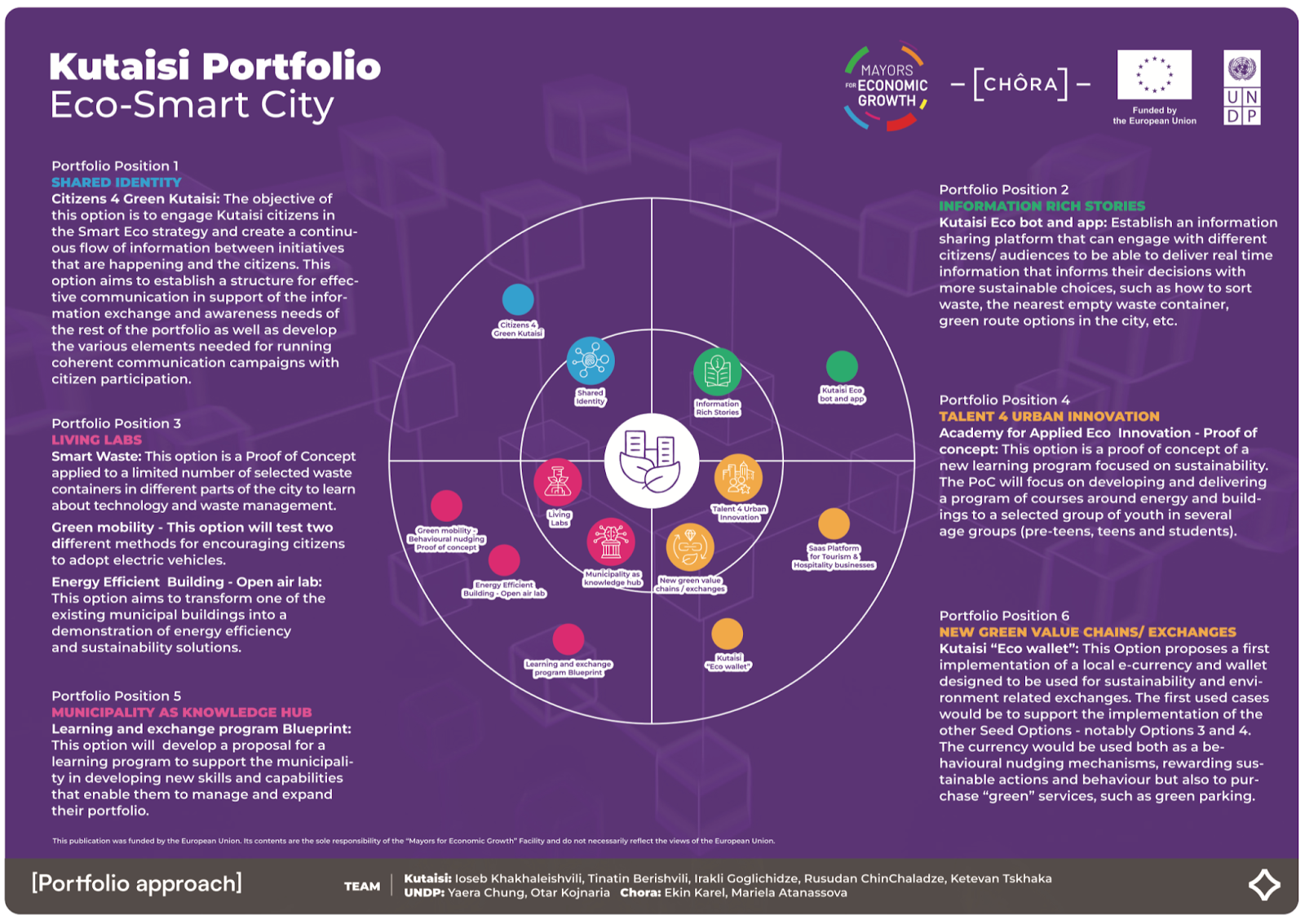
“Kutaisi was the first city in Georgia where waste separation and composting took place. We have made significant changes to create an environment-friendly public transport system as well as to improve the inner-city and suburban ecosystem,” explains the Kutaisi mayor. In their pursuit of promoting eco-friendly behavior, the portfolio team launched experimental initiatives in three key areas: smart management, green transport, and sustainable energy. In just one year of collaboration, they’ve made significant strides: testing a smart waste management system using bin sensors and analytics; establishing an Eco Innovations Academy that offers training, hackathons, and mentorship to foster innovation; installing solar panels on buildings; preparing the electrical grid and charging infrastructure ahead of a procurement of a fleet of electric vehicles; and reducing the expenses associated with adopting electric vehicles by eliminating specific charging fees and city tolls.
Instead of concentrating on a single-point project as seen in traditional development project management, M4EG project coordinator and UNDP Georgia representative Otar Konjaria explains the benefit of piloting multiple actions at the same time aimed at behavioral nudging. “Implementing small initiatives give us an opportunity to see whether we are on the right track, whether these are the initiatives which will promote transformation of the city into an eco-smart city,” says Irakli and further adds that, “the way that one intervention has a positive influence in different directions enables us to impact citizens’ awareness.”
Experimenting locally to pave the way for the region
The startup-inspired portfolio process serves as a catalyst to nurture innovation and adaptability in an increasingly fast-paced and uncertain world. However, as Irakli points out, the accessibility of resources for rapid idea testing through iterative implementation is generally out of reach for many Georgians. “People are lacking the luxury of investing in experiments because it is somehow risky, isn’t it? So our municipal team accepted this responsibility.”
The city’s ambitious journey towards sustainability is rooted in its ability to lead by example. “We wanted them to see how these municipal services could work. For example, we believe that businesses will copy these services and implement them in their activities. We believe that we can propose and show our citizens something new, something useful,“ explains Irakli. “Then our people will see that this is really good municipal practice and they will try to implement this in their everyday life.”
Beyond its municipal boundaries, Kutaisi seeks to take on a broader role. The team endeavors to leverage the portfolio to not only inform but also spearhead a national agenda for sustainable policies and incentives. “This is the first attempt in our country and even in the region to develop a model of an eco-smart city,” says Ketevan. “Our experience might be shared, not just by other cities in Georgia, but our neighboring countries as well.”
Even in the face of potential post-election changes, the team’s high-octane enthusiasm remains intact, partly due to the administrative safeguards in place that protect the process. The municipal team has designated eco-smart city development activities as essential for the city and has even integrated the project frameworks into local development initiatives at City Hall to protect them from the effects of political transitions.
“We clearly understand that economic welfare and an ecologically sustainable future are of equally essential tasks, and the local government aims to develop these two components harmoniously,”says the Mayor Ioseb Khakhaleishvili.
When it comes to envisioning the lifespan of the portfolio and its long-term impacts, Irakli is tenaciously resolute. “This is a long-term responsibility and we’ll work on this. We’ll do our best to allocate human and financial resources from the local budget, maybe donors can also help.” Then he muses, “You can’t give food one day to someone and then leave them starving the next day. No, we’ll continue feeding this process and permanently supply our society with something new, leading to eco-friendly development. That is our plan.”
Footnotes
[1] Okrostsvaridze, A, et al. “A Modern Field Investigation of the Mythical “Gold Sands” of the Ancient Colchis Kingdom and “Golden Fleece” Phenomena.” Quaternary International, vol. 409, no. Part A, 2016, pp. 61-69, https://doi.org/10.1016/j.quaint.2014.07.064. Accessed 20 Oct. 2023.
[2] “Reconstructing the Sacred: The Controversial Process of Bagrati Cathedral’S Full-scale Restoration and Its World Heritage Delisting.” Wikipedia, Wikimedia Foundation, 18 Nov. 2020, www.cambridge.org/core/journals/international-journal-of-cultural-property/article/abs/reconstructing-the-sacred-the-controversial-process-of-bagrati-cathedrals-fullscale-restoration-and-its-world-heritage-delisting/B8048773BF4338C57D254DA76C5E674D. Accessed 20 Oct. 2023.
The story of the Montenegrin non-profit Korak sa naukon (KSAN), which translates to Step with Science, begins with the belief that science should be accessible and relatable for everyone. “As science enthusiasts ourselves, we aim to bring together like-minded, young individuals and promote science’s potential for the whole community,” explains Miloš Jelovac, one of KSAN’s co-founders.
Since 2020, KSAN has been actively working to engage young girls and boys interested in science and technological innovation through numerous workshops, lectures, trainings, seminars, and competitions. Over the last four years, KSAN has organized the Engineering Summer School of Science, their annual flagship summer event. This program aims to inspire young enthusiasts to explore possible solutions for important problems in their communities, offering support as they work towards bringing their ideas to life.
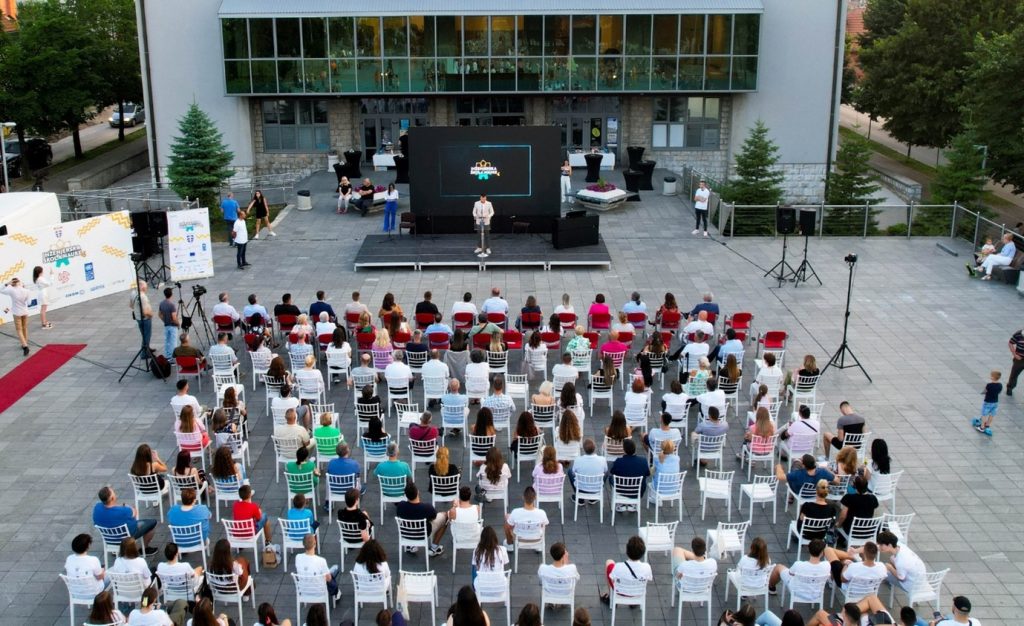
This year was no different. Over nine days, 30 young people from Pljevlja and other cities in Montenegro, as well as Bosnia and Herzegovina, North Macedonia, and Serbia, participated in a diverse range of activities. From immersive experiences such as attending dynamic workshops and lectures, led by both esteemed professors and seasoned practitioners, to actively engaging in KSAN’s mentorship program and collaborative group work, participants gained a wealth of theoretical and hands-on knowledge across a myriad of fields. These areas of expertise included information technology, programming, biomedical and mechanical engineering, energy, and much more, creating a multifaceted and enriching learning journey. With the guidance of experts from various science and tech fields, the Summer School’s participants were challenged to develop creative solutions for some of the greatest problems present in Pljevlja – from addressing air pollution and the local economy’s dependence on coal to finding viable alternative energy sources, and tackling challenges faced by women and youth.
One benefit of the Engineering Summer School of Science is its ability to connect creative young people with local government representatives and international development agencies, creating opportunities to turn their promising ideas into reality. “Our goal was to show that Montenegro has significant potential when it comes to young scientists and it’s up to all of us to nurture, support, and develop that potential,” says KSAN’s Saša Janković. “We are particularly pleased that the Creative Hub in Pljevlja and the United Nations Development Programme (UNDP) in Montenegro have also recognized this potential and supported us in empowering the youth.”

The active participation of young people in planning and implementing sustainable solutions for the reimagination of the future of the city of Pljevlja is a key element for the successful just transition in this coal-dependent region, spearheaded by national and local authorities, the EU, UNDP and other actors. A just transition doesn’t simply mean phasing out coal, which is the primary source of income for a significant portion of the local population and the foundation of Montenegro’s energy independence. Instead, this process provides a clear vision of how to utilize Pljevlja’s potential and resources to diversify the local economy and build robust programs to support the labor market. This can be achieved through investments in training and skill development, and the promotion of innovation and entrepreneurship, with a primary focus on empowering young people.
In line with this, UNDP Montenegro has designed a portfolio of projects on urban transformation in Pljevlja, including the City Experiment Fund and the Just Transition Roadmap, which are funded by the Ministry of Finance of the Slovak Republic and Slovak Agency for International Development and Cooperation. The portfolio aims to support local and national partners in the gradual transformation of the Pljevlja coal region with respect to the principles of inclusivity, innovation, digitalization, and gender equality.
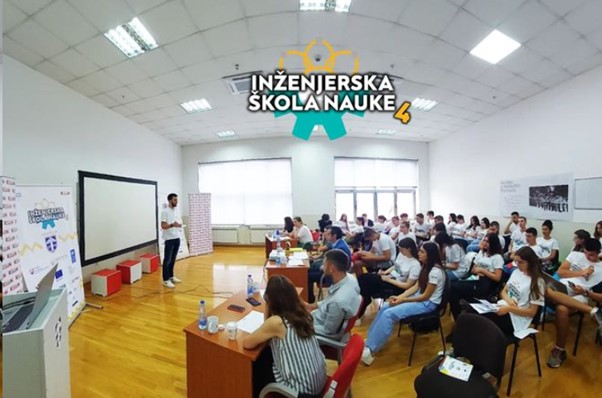
The newly opened Creative Hub in Pljevlja plays a pivotal role in implementing these options. Established in 2022 by UNDP in collaboration with the Municipality of Pljevlja, the Creative Hub serves as a dedicated space for young people to explore innovative technology applications, gain new skills and knowledge, and foster communication and co-design with citizens, the private and public sectors, non-profits, and the media, all within the context of promoting a just transition in the coal region. This year’s Summer School was supported by the Creative Hub, emphasizing the importance of this collaborative space in nurturing the next generation of scientists and problem-solvers.
Lara is one of the many young people who frequently visits the Creative Hub, where she feels free to exchange ideas with peers and mentors, confident that she’ll always find support and useful advice. This year, she participated in the Engineering Summer School of Science and reflected positively on her experience, stating: “For me, this was a fantastic opportunity to deepen my knowledge. During the workshops and lectures we had over these nine days, my teammates and I had the opportunity to develop many new skills and expand our knowledge on a variety of topics, which will definitely be useful in our future endeavours.”
Her friend Viktor and his team were similarly inspired to experiment with an idea to make the air in Pljevlja cleaner. He says, “We focused on air pollution, and our idea was based on automating city traffic to reduce exhaust emissions, along with a subsidy program for citizens to motivate them to use personal vehicles less in everyday situations.”
Empowering girls in STEM
Of the 30 participants in this year’s school, more than 50% were young women, passionate about technology, programming, engineering, and related fields. Minja decided to participate in the Engineering Summer School when she heard that one of the topics would be biomedical engineering, an area she is particularly interested in and plans to pursue in the future. “As a child, I thought science was mostly for boys. When I started showing interest in biomedical engineering and attended various seminars and workshops on the subject, I was excited to see many girls participating,” says Minja.
Ilma, another summer school participant, sees the equal participation of both women and men in scientific research and the implementation of technological solutions as a standard and the only way to achieve a more equitable society. She emphasized, “During the school, my team consisted of three girls and three boys. We all contributed equally to developing the idea we presented at the end, and each had an irreplaceable contribution. This experience is essential to me because I plan to enroll in the Faculty of Electrical Engineering.”
There is a wide range of careers falling under STEM, an acronym for science, technology, engineering, and mathematics. In the Western Balkans, STEM positions are in high demand as they are often well-compensated. However, women in the region hold only a mere 14% of job positions in these fields.1 Despite this underrepresentation in STEM, women in Montenegro constitute the majority of the educated population, with 62.5% holding specialist degrees and 60.5% attaining master’s degrees.2 Although Montenegro lacks comprehensive statistical data tracking trends in STEM in more depth, the available data suggests that girls and boys enjoy equal opportunities when it comes to choosing their educational paths for future careers, including in STEM fields, and it is persisting patriarchal social norms that often influence girls to pursue professions traditionally labeled as “female”.
The importance of organizations like KSAN and activities like the Engineering Summer School of Science is embodied in statements like Miljana’s: “When I applied for the school, I knew I wanted to improve my knowledge in various scientific fields, but I didn’t have a clear idea of what I wanted to pursue in the future. Now, as the school has concluded, I believe I have a much clearer idea, and I’ve taken a significant step toward establishing my path as a scientist in the field of technological innovations.”
“The increasing participation of girls in the Engineering School of Science is an encouraging trend. Therefore, UNDP has supported the efforts of KSAN to continue empowering girls to pursue education and careers in STEM, digital, and green economy fields,” adds Aleksandra Kiković, Team Leader for Green and Inclusive Development at UNDP Montenegro. “In this way, we create opportunities for girls to be initiators of changes that will contribute to gender-responsive development in their local communities.”
A way forward
Having successfully concluded the fourth edition of the Engineering Summer School of Science, Miloš and Saša from KSAN feel they have moved a step closer to their objective of integrating science into the daily experiences of youth in Pljevlja. Thirty additional young individuals have now been involved and empowered to advocate for a green economy, harness the natural resources of Pljevlja, and lay the foundation for the region to emerge as a trailblazer in pioneering innovative technologies in the years ahead.

In preparation for the fifth edition of the school next year, KSAN intends to carry out a series of activities with the goal of further promoting science and increasing awareness of its significance, particularly among young women. Throughout this process, their close collaboration with the Creative Hub in Pljevlja will remain the cornerstone for effectively advancing the vision of a just transition and the pivotal roles that technology and innovation can play in the Pljevlja coal region.
As emphasized by Miloš and Saša, one thing is clear: the youth in Pljevlja possess the knowledge and enthusiasm needed to work towards building a more sustainable future for generations to come.
Edited by Svetla Baeva, Strategic communications lead, Innovation team, UNDP IRH, & Arianna Friedman, Intern, Innovation team, UNDP IRH.
[1] UNDP. (2020, December 10). Women’s economic empowerment: Areas for joint actions in the western balkans. https://www.undp.org/eurasia/publications/womens-economic-empowerment-areas-joint-actions-western-balkans
[2] MONSTAT. (n.d.). Uprava za statistiku Crne Gore. Statistical Office of Montenegro, Specialists, Masters and Doctors by gender. https://www.monstat.org/cg/page.php?id=196&pageid=76
In a rapidly evolving urban landscape, traditional methods of addressing interconnected urban challenges are becoming increasingly inadequate. As a result, urban development practitioners are exploring innovative ways of working to tackle systemic urban issues. One such solution is the portfolio approach, a dynamic and multi-faceted strategy that redefines the way we address urban challenges. This approach is seen as complementary to traditional project management, offering an additional tool for tackling more complex problems. But what impact does this new approach have, and is it truly transformative? Our latest publication, City Snapshots, offers a glimpse into these groundbreaking practices, showcasing their application, areas of influence, and potential outcomes.
Based on the upfront experience of seven UNDP Country Offices, this booklet not only highlights the value of innovative development but also consolidates key learnings to communicate this work to urban practitioners within and beyond these programs and communities. Ultimately, the publication aims to ignite a conversation among diverse stakeholders and teams working on urban transformation, creating a community that will serve as an inspiration and learning space to harness the growing interest for innovation in urban development.
The portfolio approach itself offers a new way to tackle complex urban challenges, creating a network of intervention options that examine problems from multiple angles, allowing for flexibility and adaptability. Nine municipalities in the Europe and Central Asia region have embraced this approach, demonstrating tangible and significant advantages. This presents an opportunity for other municipalities to explore and implement portfolio practices, opening new possibilities for addressing urban issues.
City Snapshots is your invitation to explore urban development innovation and discover how these pioneering practices are leading to positive, sustainable outcomes in cities across Europe and Central Asia.
City Snapshots delves into UNDP Europe and Central Asia’s urban transformation initiatives – City Experiment Fund (CEF) and the Mayors for Economic Growth (M4EG) – employing the portfolio approach across various cities, contexts, and problem spaces. Funded by the Slovak Transformation Fund, UNDP’s CEF is a joint effort by UNDP and the Ministry of Finance of the Slovak Republic to support cities in applying the innovative portfolio approach to tackle complex urban challenges, while M4EG is a joint EU & UNDP initiative to support mayors and their teams in the Eastern Partnership region. The M4EG offers resources, networks and learning opportunities to explore new trajectories of growth, and to make towns and cities more attractive for people and investment.
For Mayors involved in the initiative, the purpose is to provide a sense of expanded options in the face of complexity, rather than resorting to “magic bullets.” Initial M4EG launch piece: “Integrating complexity in development handbooks, with mayors on the front page”.
It’s been three years of EU and UNDP partnership in orchestrating the Mayors for Economic Growth (M4EG) initiative in the Eastern Partnership (Armenia, Azerbaijan, Georgia, Republic of Moldova and Ukraine). Below we take stock of how our three main work streams have supported local authorities in the following areas: 1) creating spaces to learn from each other, 2) adapting to new realities and improving crisis response, and 3) delving deep into finding a municipality’s best local fit for sustainable economic development.
1. Reinvigorating municipal ties: A network of peer learning and inspiration
One of our core objectives has been to transform the network of municipalities into a vibrant space for exchanging knowledge and shared experiences. With an eye on the myriad of challenges and opportunities municipalities face, we recognized that the collective strength lay in their ability to learn from one another.
To respond to the evolving needs, we designed an Urban Learning Center (ULC) with partners Arup, Climate KIC, and TalTech. The ULC is an online platform with open access to courses and resources. As a result in 2023, we launched our Foundation for Future Readiness course, soon to be followed by courses on the green and just transition, smart cities, and a new generation of local economic development plans (Pathways for Economic Growth – P4EG), all available in the six languages of the EaP. The courses are complemented by in-country learning sprints and workshops, tailored to the demand and interest of M4EG network members. More than 400 municipality staff have so far been trained under the ULC.
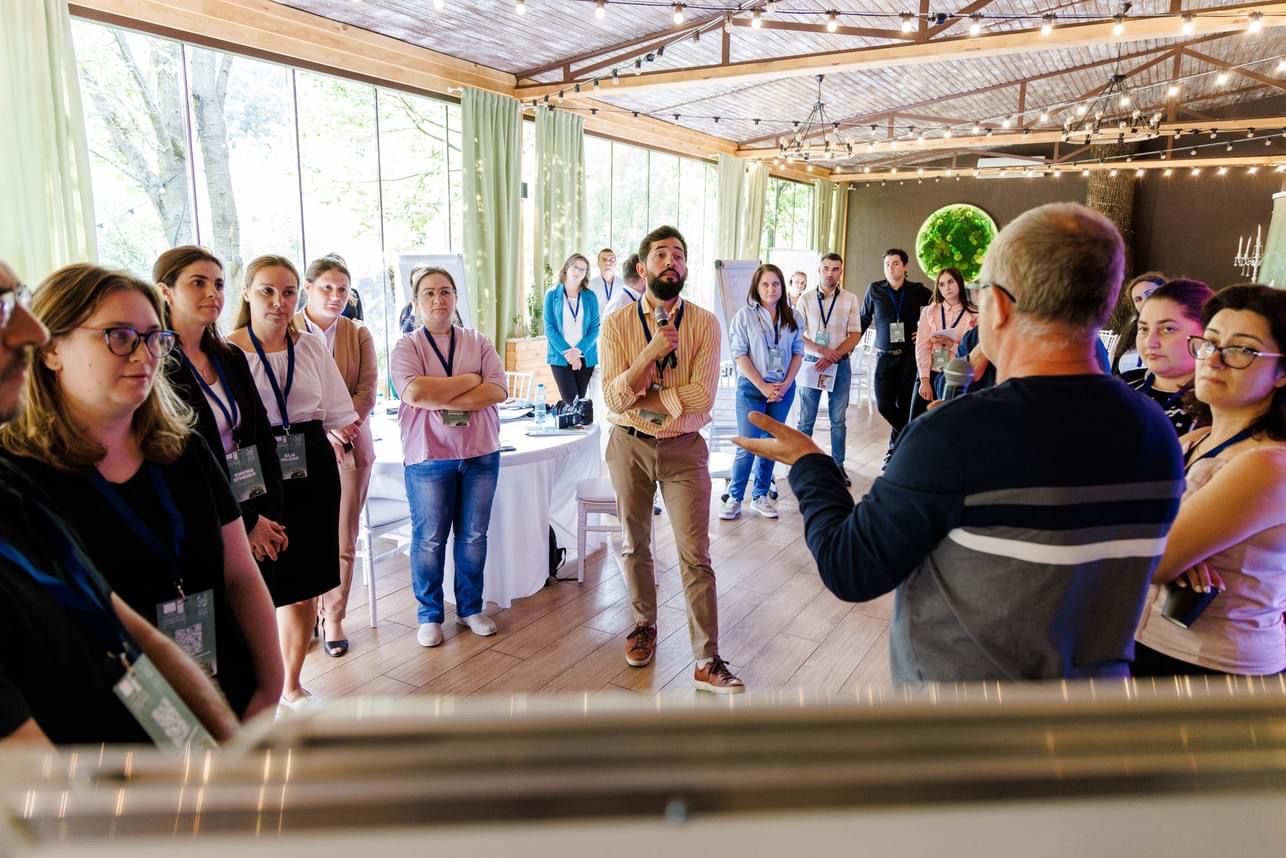
The network is further strengthened by regional as well as national level events, including starting the tradition of “Show & Tell” gatherings where members share learning and effects with peers. A key principle of the M4EG network is to leverage and scale initiatives that are already taking place and embed a stronger local economic transformation lens. For example, in 2023, the M4EG helped design and co-host the Tbilisi Economic Forum and the Lviv Urban Forum that brought together development leaders and policymakers to reimagine urban transformation.
What have we seen so far?
Over the past few years, the network has closed to doubled, and with a notably strong demand from Mayors and their teams for more tailored opportunities to connect with their peers. We received a substantial number of applications for all of our learning and grant opportunities. There is a keen interest in moving beyond traditional methods, especially if it allows city governments to play a broader role in connecting partners and expanding opportunities. The M4EG’s focus on ‘future-readiness’ and exploring new trajectories of growth has awakened interest. Over the past three years, more than 8,000 individuals have actively participated in workshops and events, and our communication initiatives have reached over 2 million people.
While maintaining our emphasis on sustainable economic growth, M4EG’s ‘urban makeover’ concept, which focuses on the vibrancy of places and innovation, has landed well with mayors and municipalities. There is a growing consensus that achieving prosperity and nurturing ‘thriving communities’ requires a strong interplay of economic as well as social and environmental dimensions.
Drawing inspiration from the EU and beyond, the network has fostered a culture in which municipalities are not just beneficiaries but active contributors, sharing their innovations and lessons learned.
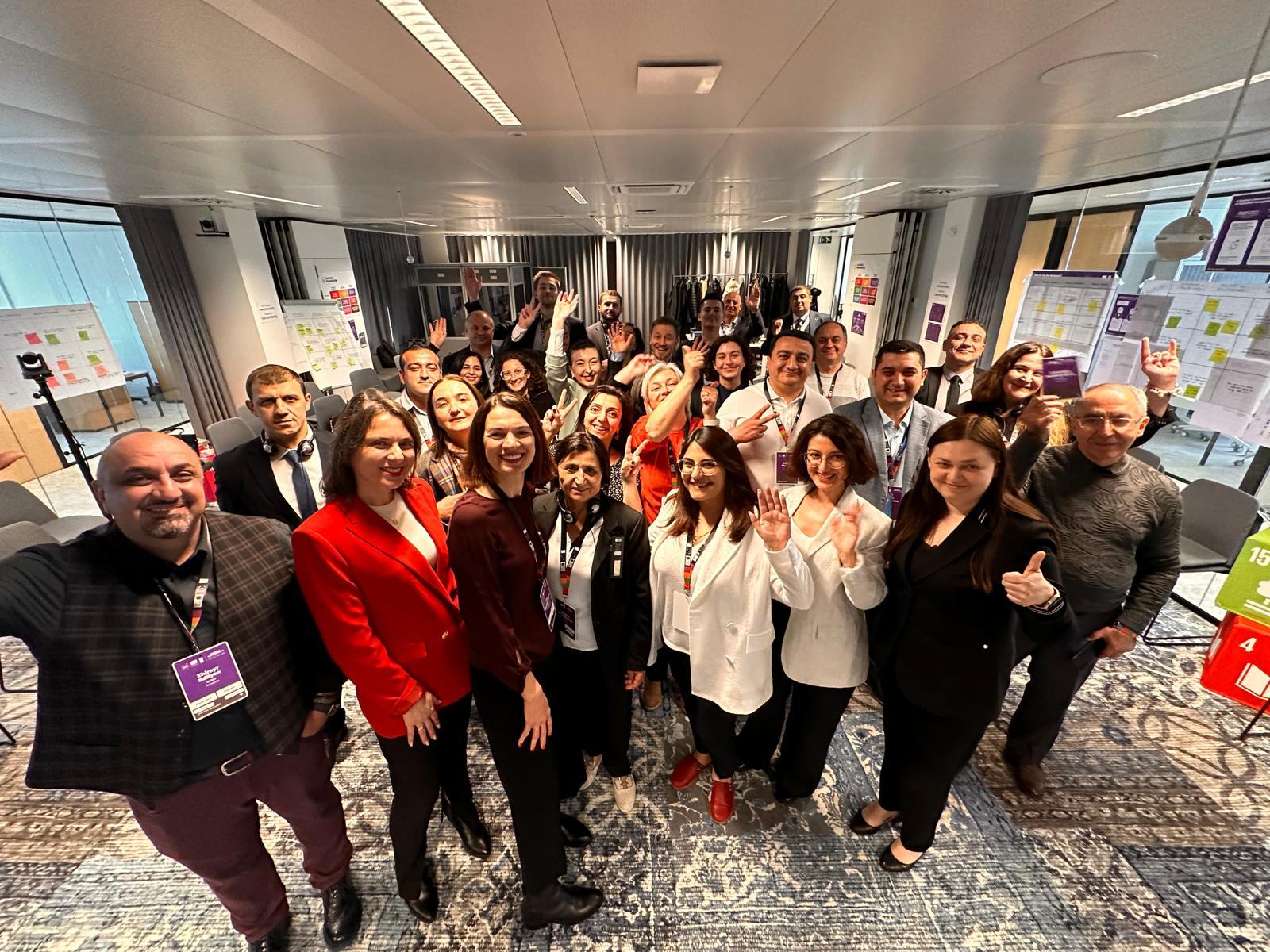
2. Pivoting in times of crisis: Resilience amidst adversity in Ukraine and Moldova
The unpredictability of the global landscape was never more evident than with the onset of the war in Ukraine and its significant repercussions in Moldova. Faced with these new realities, the M4EG swiftly adapted to the changing dynamics, providing urgent and resilience support to over 100 municipalities in the most trying times of 2022-2023. More than 25,000 refugees and internally displaced people (IDP) were supported through a number of initiatives.
A new offer called the Response & Renewal Grant Programme was designed, with a EUR 1.8m top-up from the EU. Close to 200 applications were received from members, and the selected 18 members went through the Learning & Design Sprint, a co-design process to develop the best-fit intervention to rejuvenate their foundations for economic recovery, facilitate future sustainable growth, and modernize their cities and communities. Currently, all grants are under implementation and results are expected at the end 2023.
The Learning Sprint led to several concrete improvements of our proposal including: systematization of the project’s educational component, detailed planning of specialized training for IDPs, and establishment of a consultative body for addressing IDP issues.
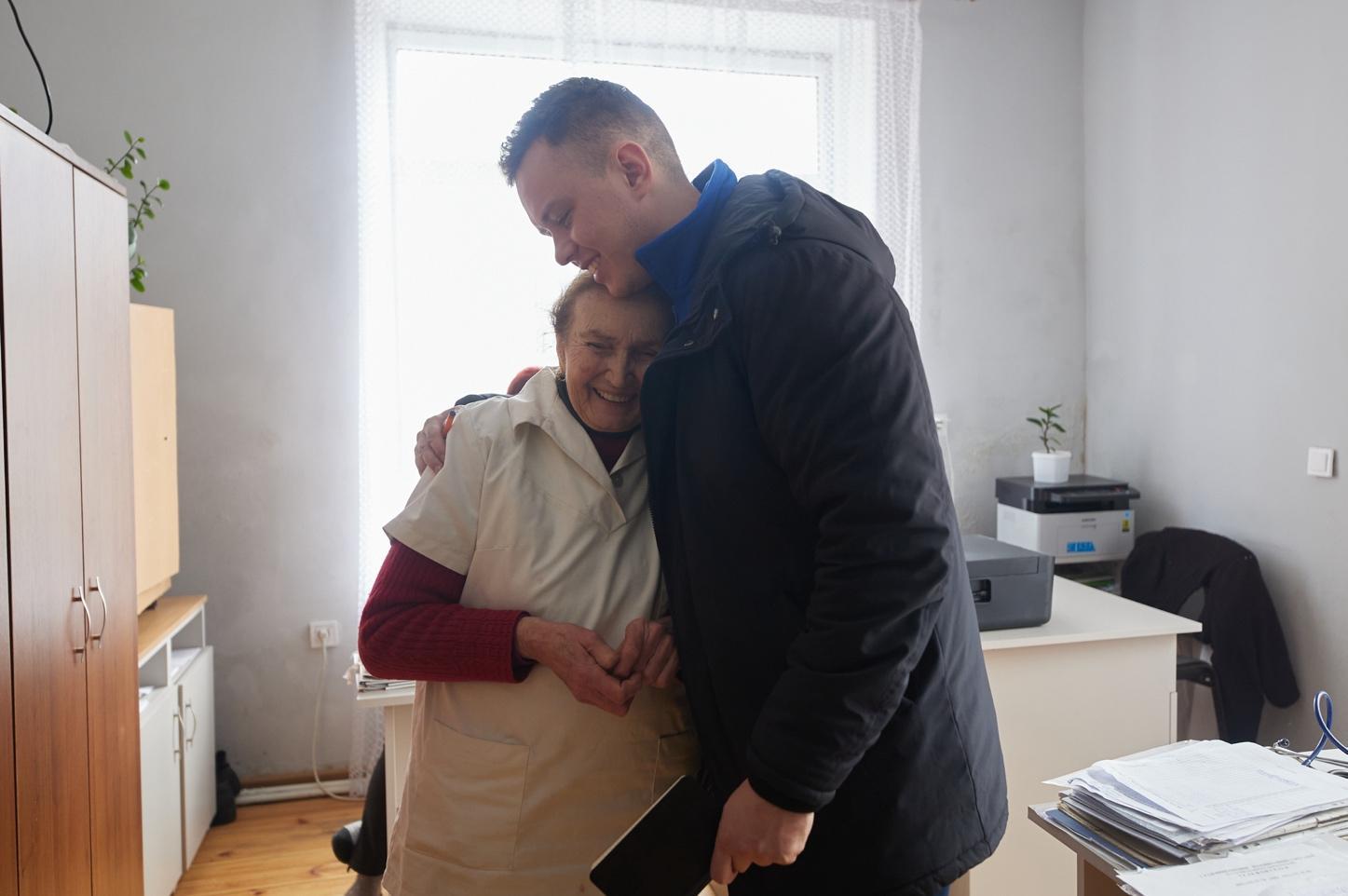
Municipality staff in Slavuta, Ukraine
What have we seen so far?
Local authorities are at the forefront of the crisis response, and the M4EG recognized these existing capabilities and system immunities by leveraging and topping up ongoing responses. The rapid learning sprint design helped to quickly improve the existing proposals. Community listening proved particularly valuable, allowing municipal teams to vet their intended interventions with stakeholders, make necessary adjustments, and improve communication about their initiatives with residents. The collaboration of Bilbao’s Agirre Lehendakaria Center with Ukrainian cities underlined that ‘community listening is not a luxury, even in times of crisis’.
M4EG’s strong principle of adaptability, ensuring relevance in changing circumstances, proved essential and underscored our commitment to development and the well-being of the municipalities.

3. Deep engagement: Innovating and leveraging beyond the norm
Transitioning from conventional economic approaches, our ‘deep’ engagement with nearly 50 municipalities marks a significant shift towards innovative economic and urban development.
These municipalities embarked on a transformative learning journey, fortified with seed-funding – totaling approximately EUR 5 million – to introduce groundbreaking tools and methodologies. The Portfolio Journey, led with our partner Chora Design, introduced a mission-based economy approach to local challenges around economic stagnation and unemployment. The Urban Imaginaries, led with our partner Center for Public Impact, applied a human-centered design approach to reimagining city life and public services. The diverse range of focuses, spanning from creative economic industries and the blue economy to fostering a start-up ecosystem and the renewable energy transition, are inspiring and offer tangible results and lessons to be shared with the regional network and beyond.
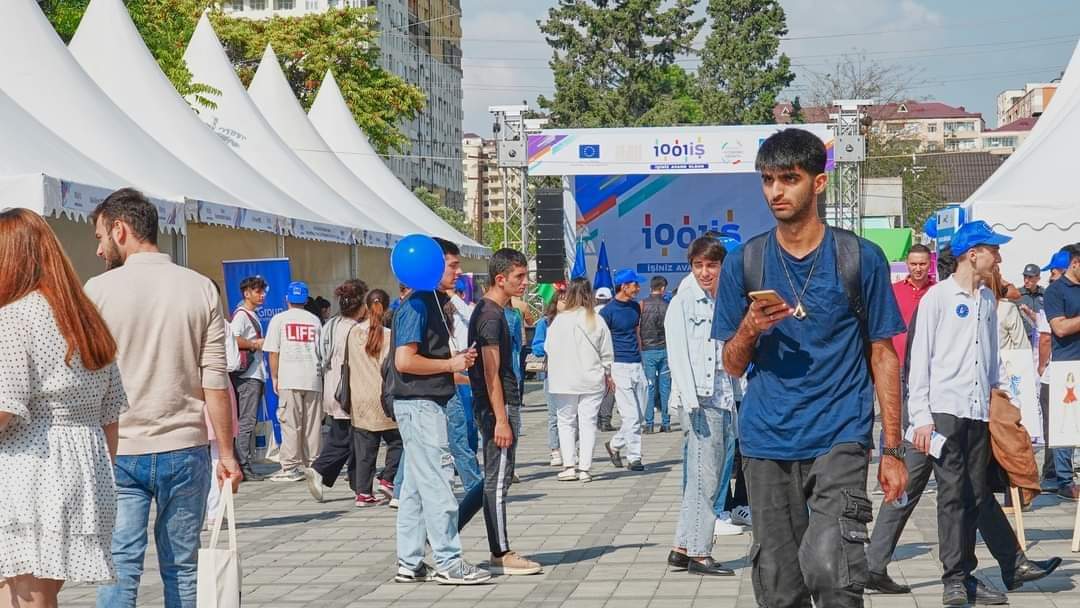
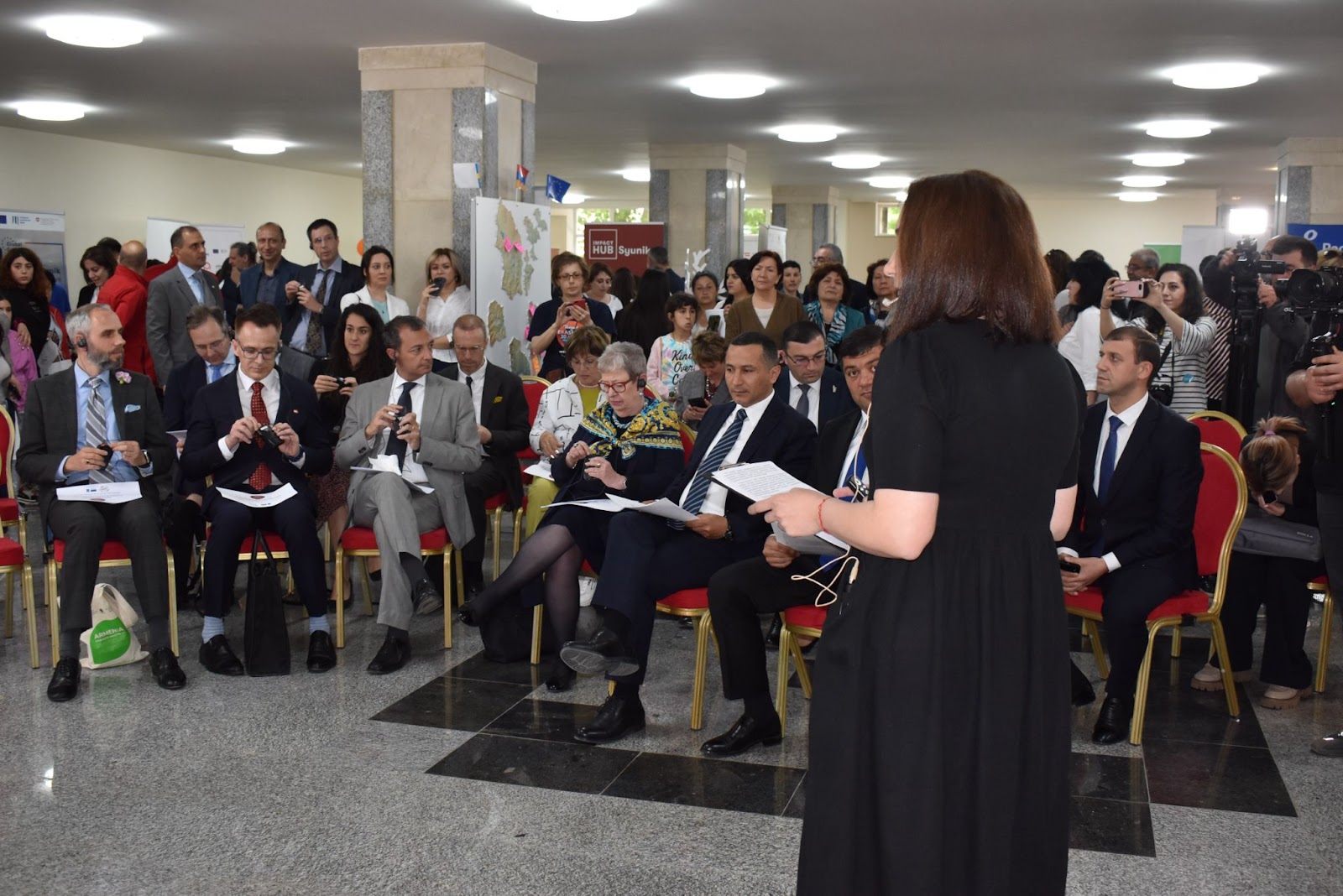
What have we seen so far?
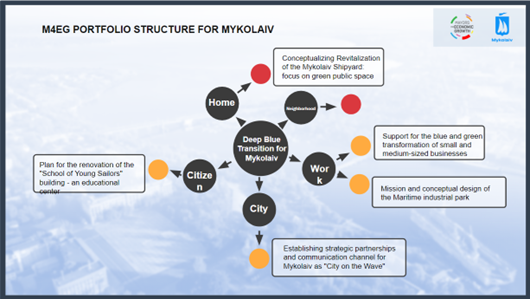
The M4EG approach of going ‘hyperlocal’ and working alongside municipalities to jointly co-design and solve issues together is highly appreciated by its members. The impact on the ground is evident, and the close and tailored engagement has unlocked new partnership and funding opportunities. To highlight one example, the Ukrainian city of Mykolaiv – the “city on the wave” – has already mobilized EUR 300,000 on top of the M4EG grant for its new blue economy portfolio, designed under the M4EG.
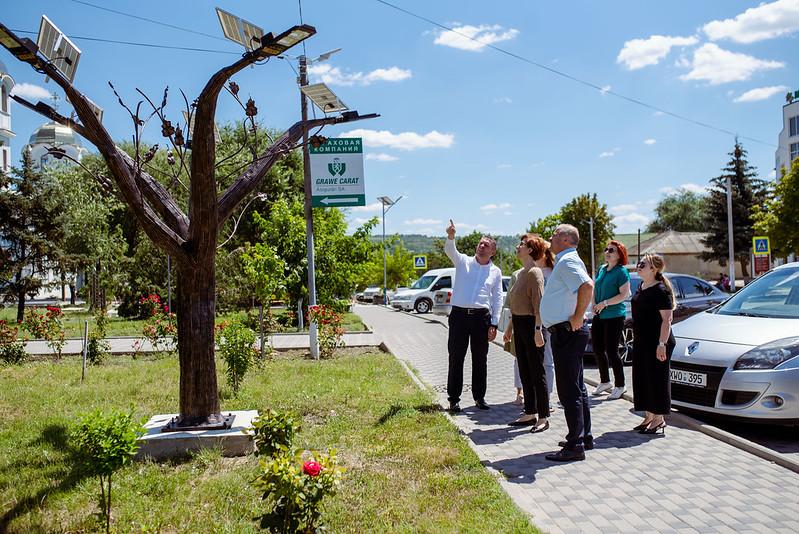
However, official development assistance (ODA) is far from sufficient to sustainably manage the economic changes needed at the local level. The need to diversify revenue streams is clear, and M4EG is intensifying its focus on identifying existing as well as new funding and financing opportunities. Further leveraging funds from central government, improved tax collection, budget savings, such as through energy efficiency measures, municipal enterprises, crowdfunding, SME funding support, such as credit lines from the EU Economic and Investment Plan for the Eastern Partnership region, as well as the identification of possible ‘bankable’ projects for financing can all help turn the dial toward economic transformation, and where the local city governments can take an active facilitator role.
What is next?
Going forward, the M4EG will maintain an active network with meaningful participation through learning opportunities under the ULC, with a particular focus on the Pathways for Economic Growth methodology and the green and smart transitions. Supporting implementation of grants and capturing and disseminating the results from those going ‘deep’ will also be another key deliverable over the next year.
Simultaneously, the M4EG plans to increase its focus on further optimizing the grant funding, seeking new avenues to scale and mobilize more public and private financing. As we look ahead, our vision is to harness these resources to unlock new partnerships, funding, and financing opportunities, including under the EU’s Economic and Investment Plan for the Eastern Partnership region, to ensure that the M4EG municipalities are well-positioned to capitalize on emerging opportunities.
In conclusion, as we reflect upon our journey with the M4EG initiative, it has been a path marked by valuable learnings, adaptability, and profound engagements. Here is to continuing our collective endeavor towards a sustainable, resilient, and prosperous future, with Mayors and their teams in the driving seat.
Background:
The Mayors for Economic Growth, a joint EU and UNDP initiative, funded by the EU since 2017, supports cities and towns in the Eastern Partnership countries. By fostering robust partnerships and promoting local transformations, the initiative seeks to reshape traditional developmental thinking and encourage sustainable, resilient, inclusive, innovative economic growth within planetary boundaries.
4 October 2023, BATUMI – More than 200 participants from Eastern Partnership cities convened in Batumi, Georgia, for a two-day urban forum organized by the Directorate-General for Neighbourhood and Enlargement Negotiations (DG NEAR) of the European Commission, the United Nations Development Programme (UNDP), and partners. The forum – titled “Future-Fit Cities” – focused on how to tackle complex municipal issues by building green, inclusive and resilient cities, capable of leveraging public-private finances to boost growth and innovation.
Gérald Audaz, Team Leader for Economic Development, Connectivity and the Green Transition in Eastern Partnership countries at DG NEAR, European Commission, emphasized the importance of the collaboration between the EU, UNDP, local authorities and European and International Financial Institutions to mobilize more public and private resources and tap into the opportunities offered by the EU’s Economic and Investment Plan for the region. “Together, we aim to empower local authorities to shape green and prosperous cities and assist them in leveraging more financing to achieve their ambitions”.
Lejla Sadiku, Knowledge and Innovation Team Leader at the UNDP Istanbul Regional Hub, said that cities are the engines driving global prosperity, but that they also bear the weight of 75% of resource consumption and 60-80% of greenhouse gasses. “The municipalities in Eastern Partnership are going through challenging times, but gathering and discussing critical issues helps us move forward towards economic growth.”
Archil Chikovani, Mayor of Batumi, noted that Batumi is glad to host such a gathering for Mayors. “We can already see how the city benefits from the dynamic engagement with the Mayors for Economic Growth initiative and are tapping into alternative development pathways thanks to the EU and UNDP support.”
The Forum surveyed the current urban landscape and charted a path forward to build resilience and promote environmentally sustainable development, even in the face of crises. The discussions addressed critical issues, including leadership challenges and financial sustainability. Participants had the opportunity to accelerate their knowledge and expand their partnership network within the Mayors for Economic Growth (M4EG) community and beyond.
International speakers representing renowned urban development institutions such as ARUP, the Creative Bureaucracy Festival, the Centre for Public Impact, Demos Helsinki, CHÔRA, etc., and international organizations including the European Bank for Reconstruction and Development, as well as municipal representatives from countries such as Georgia, the Republic of Moldova, North Macedonia, and Ukraine, shared their valuable insights, enriching the discussions.
Background: The M4EG Facility draws on the Mayors for Economic Growth Initiative, launched and funded by the European Union (EU) in 2017. Since 2021, the EU-funded M4EG Facility has been managed by UNDP in close cooperation with the EU, local authorities and a range of partners.
For media inquiries:
For the European Commission/DG NEAR:
Mr. Thibault Charlet, Programme Manager, Digital and Local Economic Development, DG NEAR Unit C1, thibault.charlet@ec.europa.eu
For UNDP:
Mrs. Laurence Lessire, Regional Communications Specialist, laurence.lessire@undp.org
Ms. Svetla Baeva, Communications Lead, Innovation Team Istanbul Regional Hub, svetla.baeva@undp.org
Mr. Anton Sydorenko, M4EG Facility Communications Lead, anton.sydorenko@undp.org
Originally published by Mayors for Economic Growth
Photo: Irakli Dzneladze/UNDP
Next week, Mayors for Economic Growth, a joint UNDP and EU initiative, will host the Urban Forum: Future-Fit Cities, a gathering of over 300 representatives from local governments, the European Union, UNDP, and stakeholders from the civil society and the private sectors. This two-day conference will take place in Batumi, Georgia on October 4-5, 2023.
The Urban Forum: Future-Fit Cities aims to address the current global situation and chart a path forward for building resilience and promoting sustainable growth in the face of crises. This includes addressing challenges related to leadership, finance, and pursuing a just, green transition. It is dedicated to fostering knowledge exchange on urban transformation and strengthening connections among the M4EG networks of municipalities and stakeholders across the Eastern Partnership, European Union, and Eastern Europe and Central Asia regions.
The event features a diverse range of panels, including discussions on cultural drivers for urban rejuvenation, collaborative and decentralized decision-making, blended financial opportunities for cities, local-level innovation ecosystems, greener urban development models, and much more. Participants will engage in in-depth discussions on tackling environmental challenges, securing resources, investing in leadership, and leveraging a combination of soft and hard investments to drive progress.
To ensure accessibility for a diverse audience, workshops and panels will offer simultaneous translation in English, Armenian, Azerbaijani, Georgian, Russian, Romanian, and Ukrainian.
Check out the full conference schedule and learn more about this year’s featured speakers: www.eum4egfutureforward2023.com
The Mayors for Economic Growth (M4EG), launched by the European Union (EU) in 2017 and implemented by UNDP since 2021, supports Mayors and municipalities of the Eastern Partnership countries (Armenia, Azerbaijan, Georgia, Moldova and Ukraine) in becoming active facilitators for sustainable economic growth and to cultivate a vibrant community (“urban makeover”) to further attract talent, partnerships, funding and finance. The network has more than 400 members in the five countries.
Originally published by UNDP Eurasia. Edited by Karen Cirillo, Digital Communications Specialist, UNDP IRH.
Biowaste. It’s not just your average trash. Biowaste – anything from egg shells to orange peels, from garden to food processing plant garbage – is quickly becoming a valuable resource and its transformation is fueling sustainable waste management practices.
Innovative technologies and creative approaches are breathing new life into biowaste, giving rise to a host of eco-friendly solutions, from nutrient-rich compost and renewable bioenergy to biodegradable plastics and even insect-based proteins.
In North Macedonia’s capital Skopje, biowaste amounts to a whooping 45 percent of all municipal waste, most of which ends up in landfills. So UNDP North Macedonia, together with UNICEF and the City of Skopje, opened the first-of-its-kind biohacking laboratory in the country to tackle biowaste head on.

Today, cities produce more than 50 percent of global waste (OECD) due to inadequate waste management, higher food consumption patterns in urban areas, and a lack of composting infrastructures. Skopje joins a growing number of cities bent on embracing a circular economy – making and consuming things in a way that minimizes our use of the world’s resources, cuts waste and reduces carbon emissions.
“[Right now], the waste gets thrown in the landfills, which creates a range of other problems, including air pollution…There are a lot of recycling initiatives for glass and plastics, but none regarding organic waste,” says Lazar Pop Ivanov, Head of Experimentation at UNDP North Macedonia.
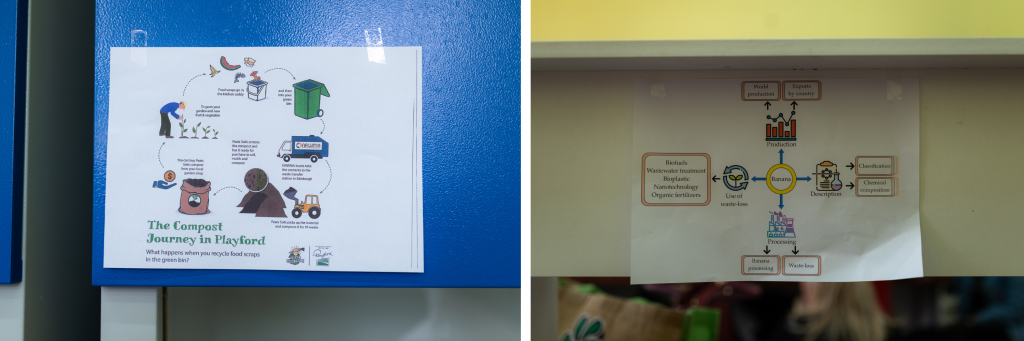
“Traditional “take-make-dispose” economies have devastating impacts on people and the environment. But the alternative circular economy model is widely considered to be the way forward…
Repairing, recycling and redesigning products and systems have the potential to trigger far-reaching change, and put the world on track to achieve the UN’s’ Sustainable Development Goals,” notes Igor Izotov, Head of Exploration at UNDP North Macedonia.
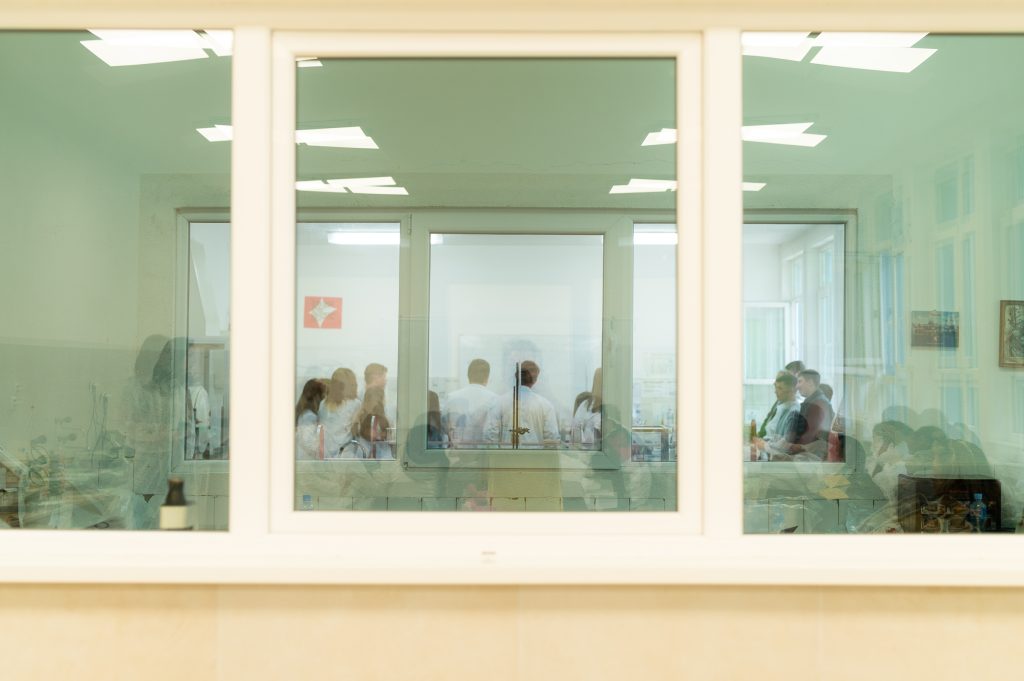
Making science fun for our future innovators
Rooted in the practice of biohacking, more generally understood as do-it-yourself biology, the fully-equipped Skopje laboratory is not just an innovative experimental facility. It’s also part of a movement to democratize science, making scientific knowledge, research and education more accessible, inclusive and participatory.
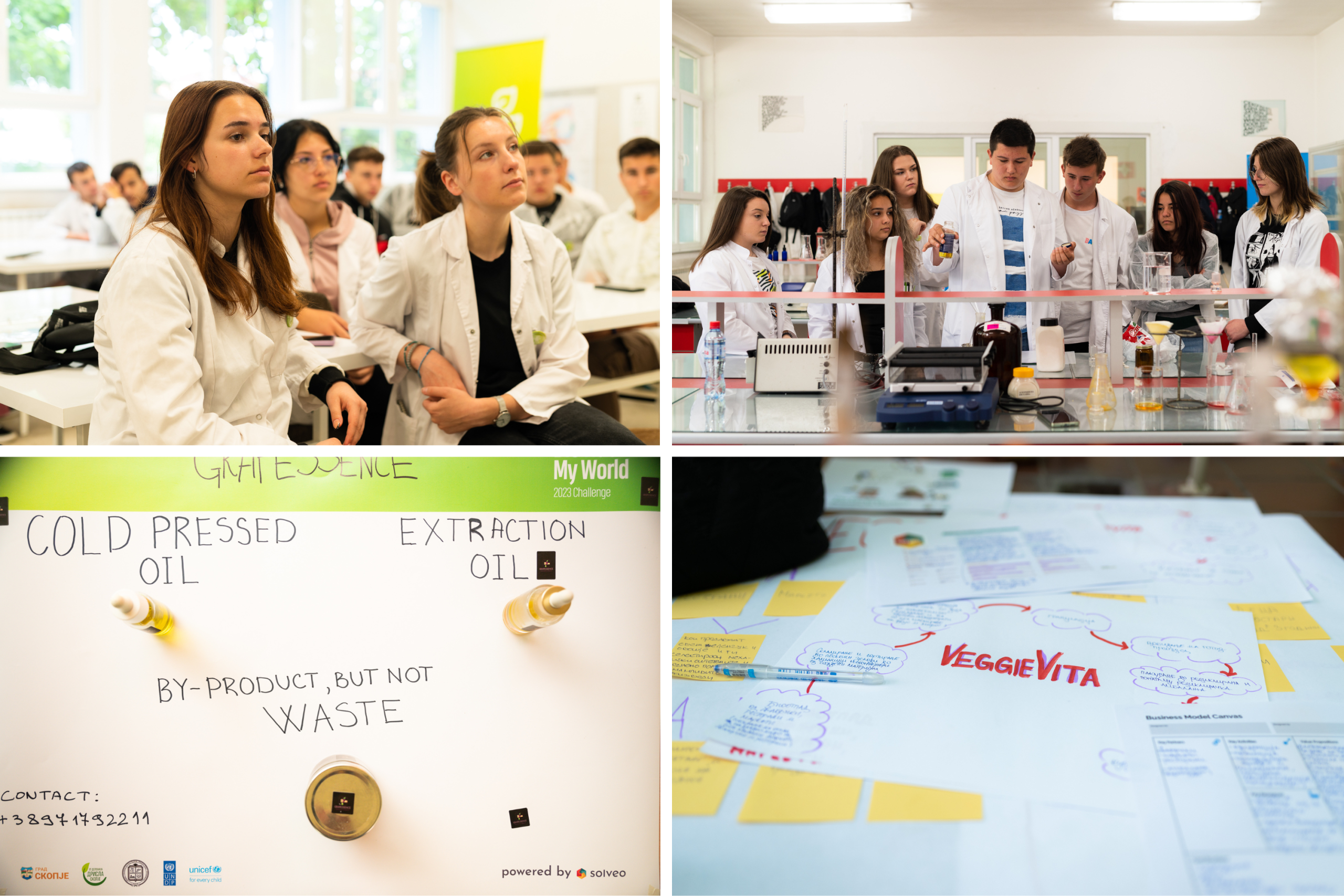
Strategically nested in a state high school in Skopje, the lab is opening up science to students and teachers, providing a space to experiment with science and technology-based projects. It uses biowaste as an entry point to foster innovation, education and meaningful community engagement to find solutions to pressing environmental challenges.
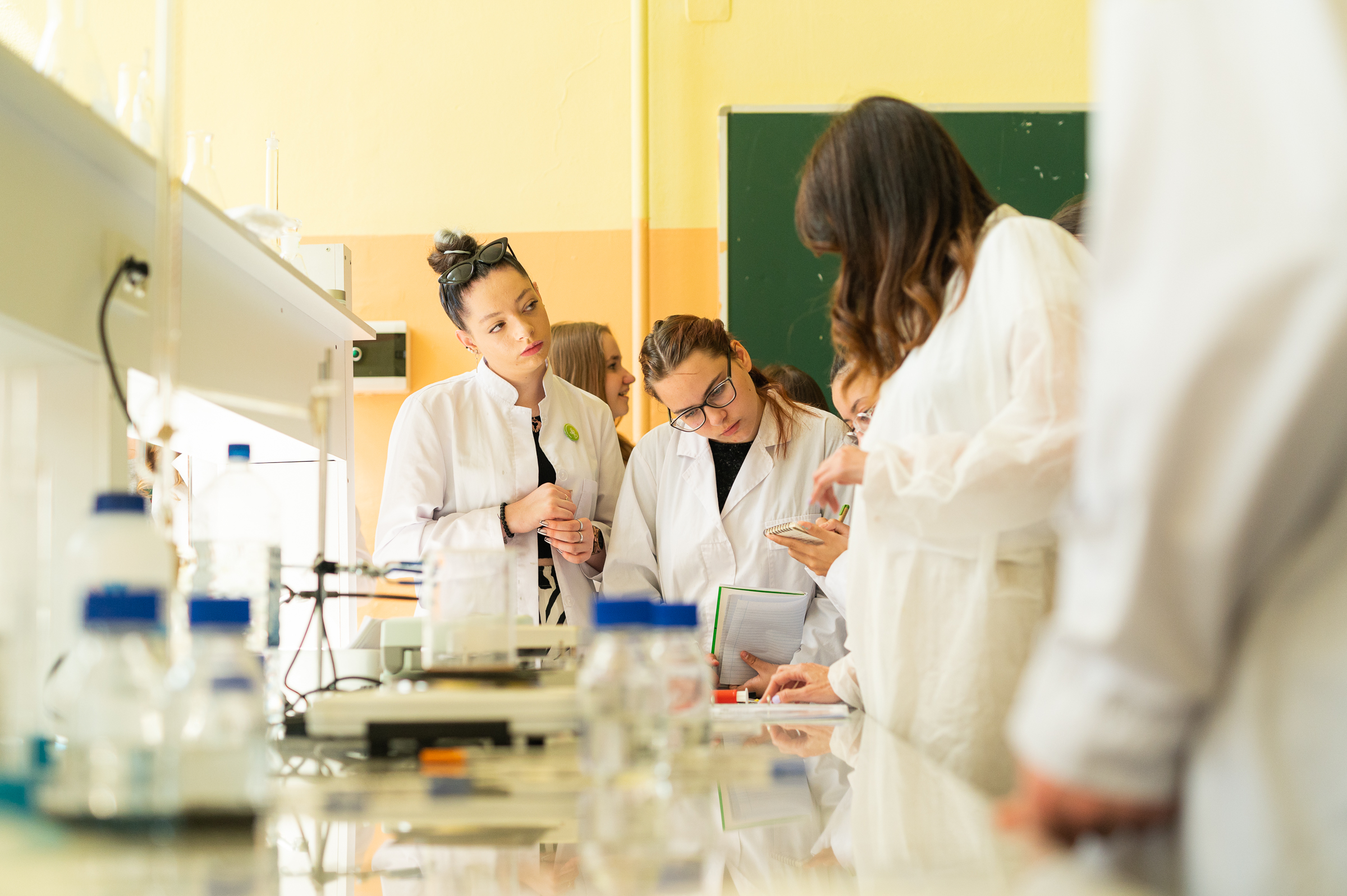


“The formal education system is quite resistant to change and over the years that has contributed to a level of disengagement from students. They start to perceive that what they’re being taught is irrelevant, impractical and not connected to the real world,” says Bore Pucoski, an Education Officer at UNICEF.
Research shows that students in North Macedonia have difficulties in applying the knowledge learned in schools in their everyday lives, and that teachers lack the skills and capacity to provide experiential learning. The lab offers much needed tools for teachers to be able to deliver a practical, hands-on learning experience for students on subjects related to chemistry and biology, with a special focus on repurposing biowaste and circularity.
The team also partnered with the National Vocational Education and Training Center, to engage over 40 teachers to organize regional science caravans. Using the laboratory’s mobile equipment, the science caravans travel to schools that teach courses in chemistry, technology, agriculture and veterinary sciences, where teachers deliver preparatory lectures and set up biowaste collection points with students. Then, in close collaboration with leading scientists, they work on experiments to transform biowaste into usable products.
Sparking a new generation of climate innovation heroes
Biowaste holds immense potential for a wide range of beneficial uses from bioenergy production and bioplastics to innovative textiles. What is more, the biotech industry is catching on, developing technologies that are being optimized to convert biowaste.
In April, UNDP North Macedonia joined forces with Solveo, an innovation consultancy company, to launch the lab’s first three-week program for startups working with biotechnologies. Skopje’s Bio Hack My World 2023 challenge had one main objective – to bring together startups, entrepreneurs and innovators with groundbreaking ideas leveraging biowaste to address environmental challenges and support them to develop their ideas.
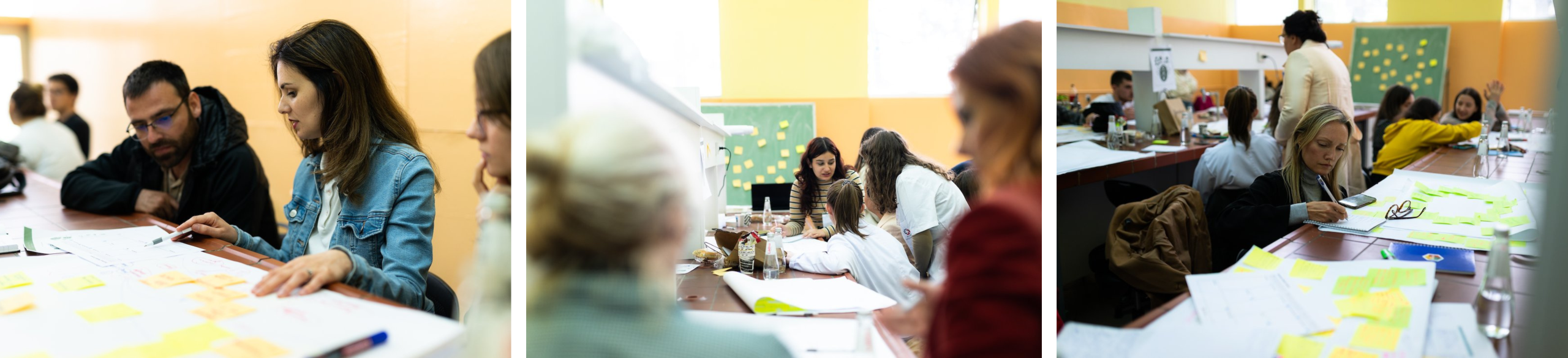
The emerging solutions, showcased during an open Demo Day in May, demonstrated innovations contributing to waste reduction and resource conservation. One idea was to use fermented tea to manufacture kombucha leather as an alternative to animal-based leathers, in a bid to promote ethical manufacturing and reduce pollution. Another harnessed rice straw fiber to create a sustainable alternative to polyester in hopes of revolutionizing the textile industry. Rice by-products were also used to create a wide selection of compostable cups, plates and utensils as an eco-friendly alternative to plastic items, while eggshells were ground to produce a natural calcium powder as a sustainable alternative to conventional sources.
All of these ideas used biowaste to create new, sustainable products. And it’s just the beginning. Participants were connected with UNDP’s Social Inclusion portfolio for launching possible businesses.

A new of thinking and doing
The establishment of the laboratory comes as part of a wider portfolio of interventions under the City Experiment Fund, a regional project at UNDP Europe and Central Asia supported by the Slovak Ministry of Finance. Currently, five cities in the region are embedding innovative methods in the design and delivery of city-level programmes and shifting to systems thinking when approaching urban challenges.
In the initial cycle of the programme, UNDP North Macedonia devised multiple interventions through which to nudge Skopje’s waste ecosystem to embrace circularity, not only as a waste reduction method but also as an opportunity to fuel the economy through new businesses and jobs. In the lead up to the opening of the lab, UNDP collected valuable data on the creation and generators of biowaste in Skopje, evaluated gaps in the current biowaste collection and management, developed a waste index that ranks biowaste in terms of its market potential and conducted laboratory research on how biowaste can be transformed.
With this new approach, UNDP Macedonia – and the city of Skopje – are ready for the next stage, developing new ways to tackle waste collection and support biowaste innovations so the wheels keep moving for a greener and more resilient urban future – one citrus peel at a time.
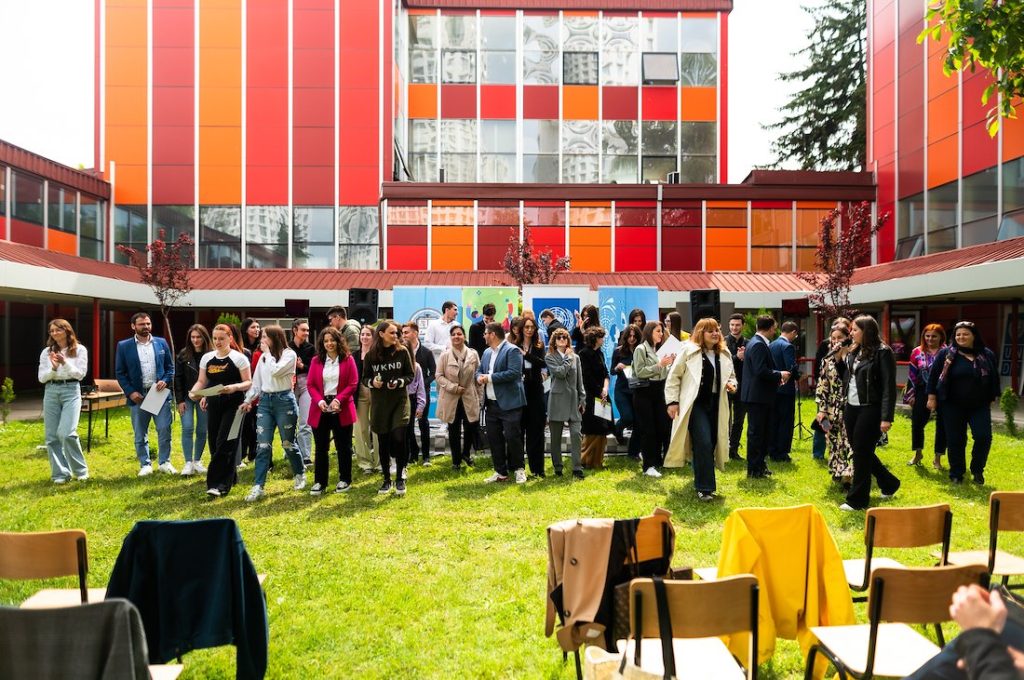
Photos: Goran Boshkovski (VidiVaka.mk)