
Category: Innovation ecosystems
In the Western Balkans, a wave of digital innovation has the potential to reshape how cities function. Imagine a city where public services operate seamlessly, infrastructure adapts to real-time needs, and resources are used efficiently. Traffic congestion, inefficient waste management, and high energy consumption – problems that have long plagued cities – are now being tackled with smart solutions.
Among them, three standout ventures – Next Gen Networks, Solarise Technologies, and Peasy, part of the BOOST: Urban Future Finance acceleration programme – are proving that digital transformation can address urban challenges in diverse environments, from smaller municipalities to larger cities. By leveraging AI, IoT, blockchain, and smart infrastructure, these startups are setting the ground for more connected, efficient, and sustainable cities.
Next Gen Networks: Advancing smart city solutions in Kosovo* and beyond
In the city of Peja, Kosovo, Next Gen Networks is improving urban management with an innovative 5G-powered smart city platform. Originally launched as a technology hub, the nonprofit now develops digital solutions that enhance municipal services, from waste management to public lighting.
Fjolla Cavolli, a project manager at Next Gen Networks, describes the organization’s mission: “We wanted to develop a solution that directly addresses challenges faced by the municipality – specifically citizen engagement and resource management. Our platform collects real-time data and enables decision-makers to optimize public services.”
Their approach integrates 5G and blockchain technology to ensure the security and efficiency of data transmission. Sensors can monitor air quality, detect waste levels in bins, and track energy consumption, providing actionable insights for local governments. What sets them apart is their citizen-centric model: through a dedicated app, residents can report issues – such as potholes or faulty streetlights – and receive updates on municipal responses. “We want citizens to be part of city management, not just passive recipients of services,” Fjolla explains.
Still in its early phases, the platform is expected to launch in Peja by the end of the year, with plans to scale across Kosovo and the broader Balkans. With its fusion of IoT, blockchain, and 5G, Next Gen Networks is positioning itself in the field of smart urban governance in the region.
Solarise Technologies: Simplifying solar energy with AI
Renewable energy adoption in the Balkans has been slow-moving, but Solarise Technologies is making solar installation more accessible, data-driven, and easier than ever. Founded and led by a standout team of engineers – primarily women – Solarise is not only breaking barriers in renewable energy in Serbia but also challenging gender norms in the tech sector. Starting as a hackathon project, the startup has evolved into a powerful AI-driven solution for the solar energy industry.
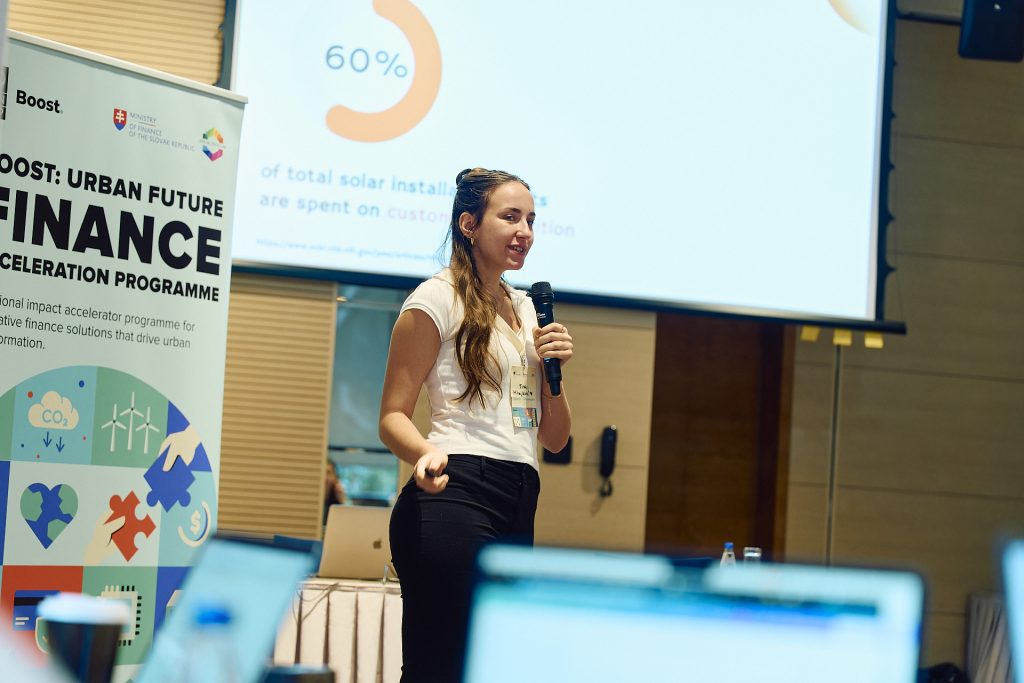
Tina Mihajlovic, co-founder and CEO, reflects on their journey: “We realized that one of the biggest barriers to solar adoption wasn’t the technology itself but the complexity of the installation process. People had to wait weeks for an evaluation. Our goal was to change that.”
Solarise uses AI and satellite imagery to analyze rooftops and instantly generate solar installation quotes, eliminating the need for manual site inspections. Their software enables users – ranging from individual homeowners to large-scale solar companies – to assess a property’s solar potential in just minutes. By removing cost and knowledge barriers, they are accelerating the shift toward renewable energy.
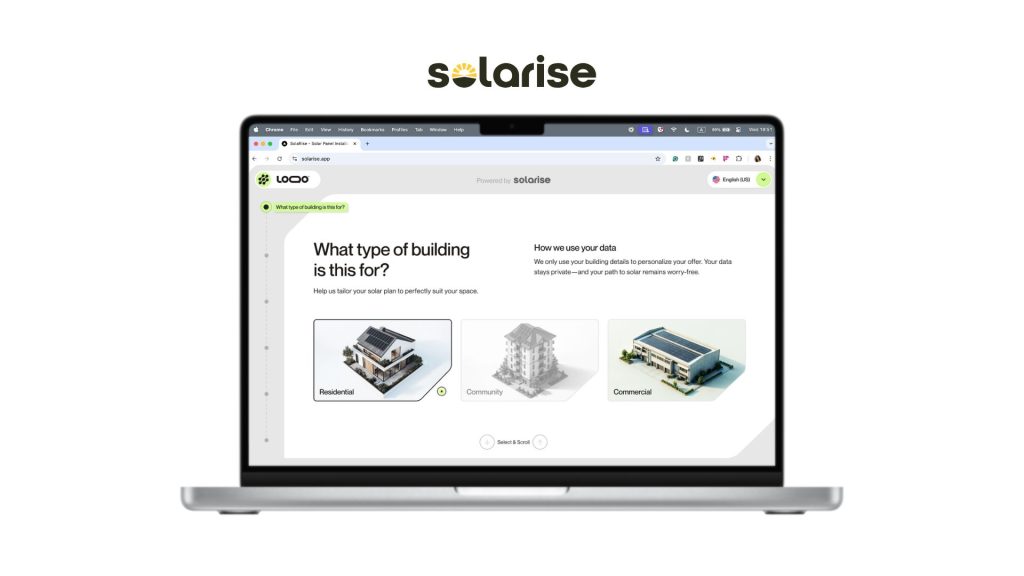
Beyond convenience, Solarise is actively working on global scalability. Unlike existing solutions, which are often limited to select regions, their technology can be applied worldwide. “We’re not just building another solar calculator,” Tina emphasizes. “We’re democratizing access to solar energy.” With beta testing underway in multiple European countries, including Germany, Spain, and the UK, Solarise is proving that AI can be a game-changer for sustainable urban infrastructure.
Peasy: Making parking more efficient through smart tech
Anyone who has ever spent countless minutes circling a neighborhood looking for parking knows the frustration of inefficient urban mobility. In Niš, Serbia, Pavle Mitic, CEO, and his team at Peasy have developed a digital solution to address parking shortages and reduce urban congestion.
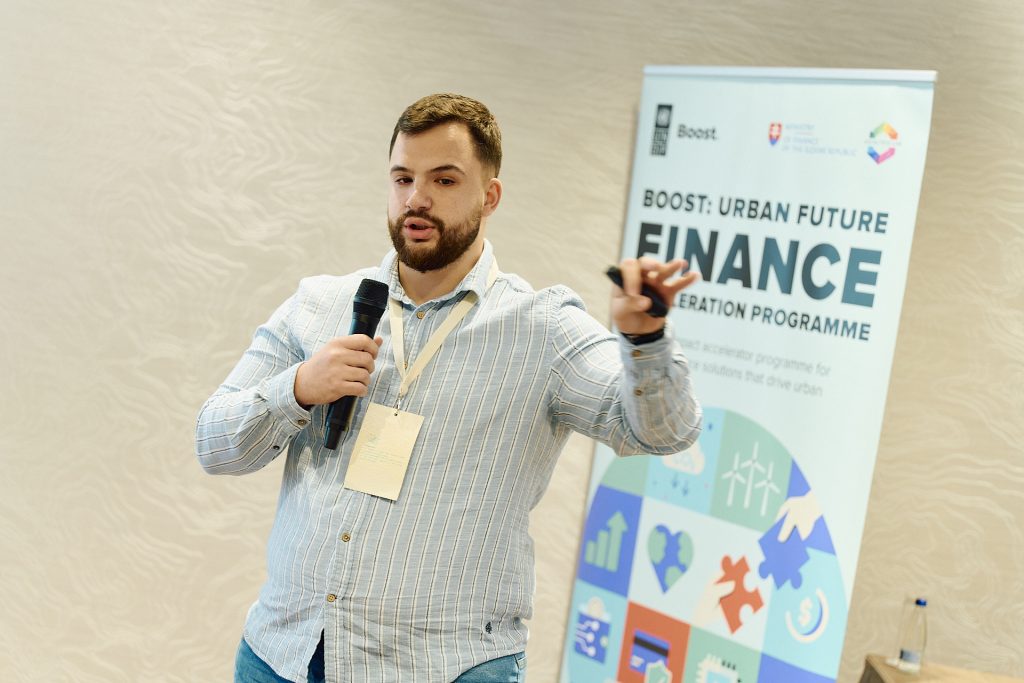
“Globally, drivers spend an average of 40 hours per year searching for parking,” Pavle explains. “That’s not just wasted time – it’s increased pollution, stress, and economic inefficiency.”
Peasy’s solution is twofold: a mobile app that allows users to reserve parking spaces in advance and Bluetooth-enabled devices that signal real-time parking availability. By connecting drivers with both private and public parking spaces, Peasy aims to optimize existing infrastructure rather than requiring costly new developments.
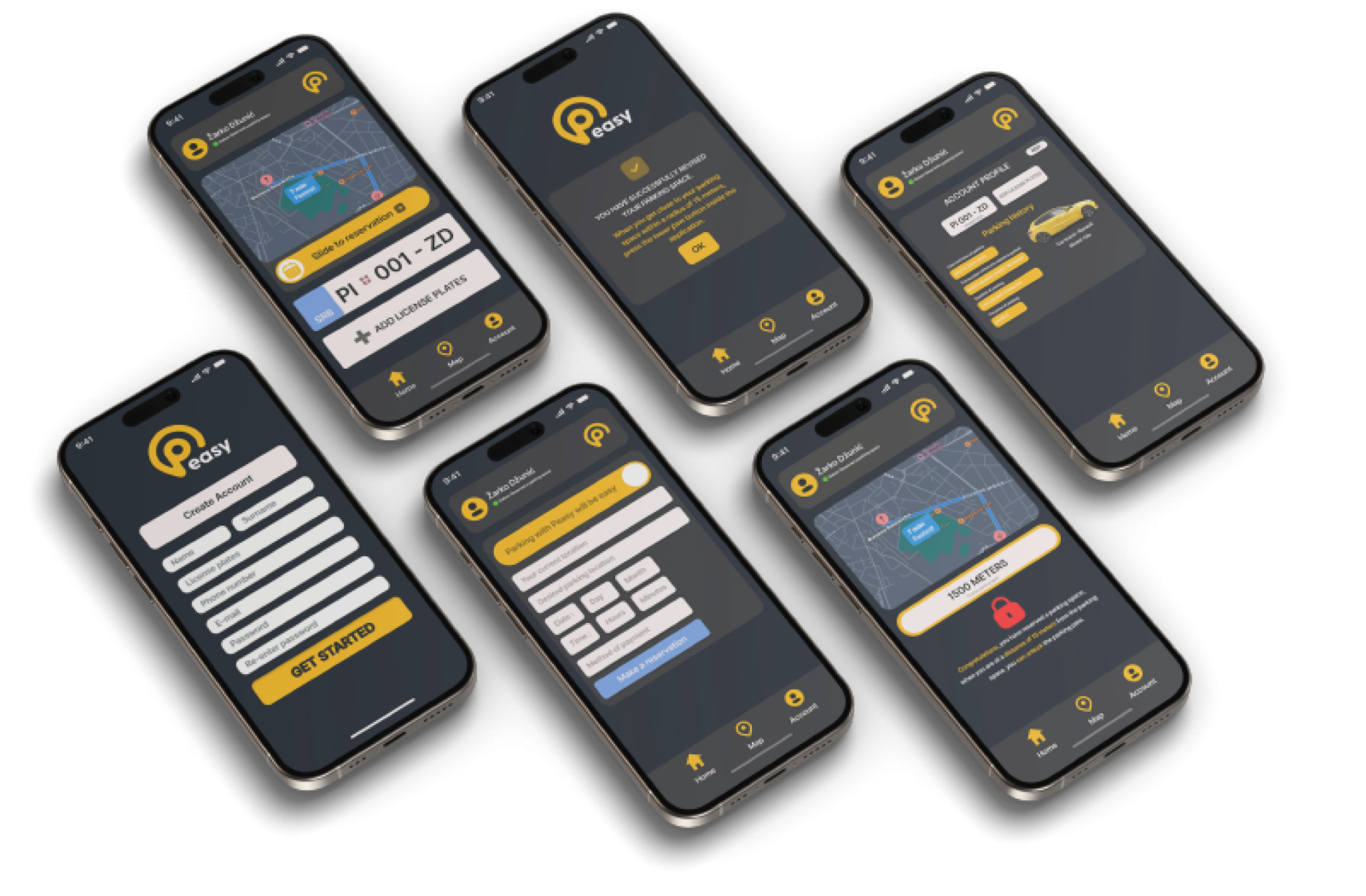
Unlike conventional parking apps that merely display available spots, Peasy guarantees reservations and personalizes recommendations based on users’ habits. The platform also enables property owners to rent out unused parking spaces, contributing to a more efficient sharing economy. “It’s not just about finding a spot – it’s about transforming parking into an optimized, stress-free experience,” Pavle says.
Currently in pilot testing, Peasy is set to launch in Niš within the next months, with plans to expand to larger cities across Serbia like Belgrade and Novi Sad before scaling internationally. By integrating smart parking solutions, Peasy is tackling both environmental concerns and quality-of-life issues in urban centers.
Tech-driven urban transformation in the Western Balkans
Across the Western Balkans, startups like Next Gen Networks, Solarise Technologies, and Peasy are demonstrating that impactful urban transformation is within reach through resourceful innovation and strategic technology adoption.
BOOST’s Urban Future Finance acceleration programme has played an important role in this ecosystem, offering resources, mentorship, and networking opportunities that have helped these startups refine their business models and scale their impact. The programme has also emphasized the urgency of sustainable urban solutions. “Before BOOST, we weren’t even thinking in terms of measurable impact,” Tina from Solarise admits. “Now, we’re tracking the environmental benefits of every installation.”
Each of these ventures reflects a broader shift – where digital tools put power in the hands of communities, sustainability takes center stage, and technology helps make cities more livable for everyone. As these solutions continue to evolve, the future of cities in the region is being built not just by policymakers and urban planners but by tech-driven entrepreneurs who see innovation as a tool for smarter, greener cities.
*References to Kosovo shall be understood in the context of Security Council Resolution 1244 (1999).
BOOST, powered by UNDP, in collaboration with the European Union (EU), the Government of Denmark, are proud to announce the successful launch of the acceleration programme in Ukraine.
The programme, part of the broader Mayors for Economic Growth (M4EG), a joint EU-UNDP initiative supporting local governments in the Eastern Partnership countries on their path to inclusive economic growth, has selected twelve innovative teams to drive economic growth in two participating cities Mykolaiv and Ternopil.
The teams represent a wide range of micro, small, to medium-sized enterprises, each bringing innovative solutions in the “blue” or “green” economy sectors. The selected participants span diverse industries, including electric transportation, maritime equipment, environmental technologies, and sustainable manufacturing.
Blue Innovation Challenge (Mykolaiv)
Seven teams from Mykolaiv are focusing on maritime and water-related innovations:
- AMICO DIGITAL, LLC: A research and production enterprise specializing in the design, development, manufacture, and support of equipment for metering liquids, oil products, and liquefied gases. Through the programme, the team will acquire knowledge and resources to rebuild their business and continue innovating in the manufacturing of measuring devices crucial for Ukraine’s coastal infrastructure.
- KranTechElectro, LLC: A company dedicated to the restoration, overhaul, and maintenance of portal cranes, conveyor equipment, and handling equipment for ports and private terminals. The programme will enable them to transform their production processes to be more environmentally sustainable by converting their facilities to solar energy.
- Kushnyrov (IE): A specialized manufacturer of small, high-density polyethene (HDPE) vessels. Through participation in the programme, the company’s leadership team will enhance their management capabilities while receiving funding to contribute to the revival of Ukraine’s small fleet.
- Budko (IE): A pioneering team developing and implementing environmentally friendly water treatment technologies for both private households and industrial facilities. Their participation in the acceleration programme will facilitate the development and implementation of innovative water treatment units specifically designed for the city of Mykolaiv.
- RMC, LLC: One of Ukraine’s leading producers of industrial refrigeration equipment. They plan to develop technical documentation for protective-case units running on natural refrigerant, making refrigeration equipment more environmentally friendly across ships, enterprises, and retail sectors.
- MeGoElectric UA, LLC: A company at the forefront of affordable electric truck production. Their project focuses on developing and expanding production capabilities to make freight transportation both more affordable and environmentally sustainable.
- Netudykhata (IE): An innovative agricultural enterprise developing an advanced irrigation automation system for greenhouses and open ground farming. Their technology aims to help Ukrainian farmers reduce water and electricity consumption, increase crop yields, and address the challenge of skilled labor shortages.
Green Innovation Challenge (Ternopil)
Five teams from Ternopil are advancing sustainable and environmental initiatives:
- Eleek, LLC: Ukraine’s first electric bicycle manufacturer, operating since 2010 with expertise in producing and selling electric bicycles, spare parts, and accessories. Their project involves establishing Ternopil’s first electric bike rental business, providing residents and tourists with a faster, more convenient, and environmentally friendly transportation option.
- KVOTA: A family-owned company with over 30 years of experience in mechanical engineering, specializing in mould design and manufacturing. Their project focuses on producing specialized moulds and environmentally friendly forks for Ternopil’s hospitality sector, including hotels, restaurants, and cafes.
- City Initiatives, LLC: A technology company specializing in innovative solutions for urban mobility, city management, and e-democracy. Their project involves creating the “Ecomap of Ternopil,” an interactive electronic database of recycling centres integrated into the popular e-Ternopil application.
- Association of Parks of Culture and Recreation: The sole public utility company in the programme, planning to create an innovative city farm in Sopilche Park. This modern, eco-friendly space will combine innovative plant growing approaches with environmental education initiatives for city residents.
- Termopaneli, LLC: A market leader in facade insulation thermal panel production and successful exporter to European countries. Their project aims to create a fully energy-independent production facility, advancing both environmental sustainability and business resilience.
As part of BOOST, all participating teams will receive comprehensive mentoring support, business acceleration guidance, and valuable networking opportunities. Additionally, each team will be eligible for funding of up to US$10,000 to help bring their innovative ideas to life. The programme is scheduled to conclude in Spring 2025, culminating in Demo Days where teams will showcase their achievements and their impact on local economies.
Find out more about the Blue Innovation Challenge in Mykolaiv and the Green Innovation Challenge in Ternopil.
The United Nations Development Programme (UNDP) in Europe and Central Asia and the Ministry of Finance of the Slovak Republic have announced a $5.94 million extension of the Slovak Transformation Fund Project (STF) through 2028. The announcement was made during the 12th World Urban Forum in Cairo, Egypt, which brought together thousands of people to showcase urban innovations. This builds on the successful partnership between UNDP and the Slovak government to drive systemic change across the region.
The extended partnership will scale up successful components of the Project, particularly focusing on urban transformation through two key initiatives: the City Experiment Fund, which enables cities to tackle complex urban challenges through experimentation and learning, and BOOST, an impact acceleration programme supporting innovative solutions. Key focus areas include:
- Enhancing innovation capabilities across the Europe and Central Asia region
- Supporting cities in developing complex urban transformation processes
- Promoting gender-responsive urban development and decision-making
- Facilitating partnerships between participating cities and municipalities in Slovakia and broader region
- Developing new financing options to fund sustainable urban initiatives
“The extension of the Slovak Transformation Fund demonstrates our commitment to fostering innovation and sustainable development across the Eurasia region,” said Martina Kobilicová, Acting Director General of the International Affairs Section, Ministry of Finance of the Slovak Republic. “Through this partnership, we continue to support transformative initiatives that create lasting positive change in urban communities.”
“The main objective of the Slovak Transformation Fund is to drive meaningful system transformation in Europe and Central Asia for the achievement of the Sustainable Development Goals. This will be achieved by deploying systems approaches that demonstrably enhance the effectiveness and sustainability of local ecosystems, engaging stakeholders in co-creation processes to address complex challenges, fostering innovation and resilience, and leveraging innovative finance to increase investment in pilots and initiatives that can drive change,” said Steliana Nedera, Manager of UNDP’s Istanbul Regional Hub.
The 2025-2028 extension will support at least two cohorts of cities, organized around strategic innovation portfolios of various interventions, and the launch of specific development challenges through BOOST in areas such as twin transition, gender equality, youth participation, and innovative urban governance to identify and accelerate innovative business models and solutions in the region. The project will also develop innovative financing mechanisms to mobilize public and private resources for sustainable urban development.
The extended partnership reflects both organizations’ commitment to driving sustainable, inclusive urban development and fostering innovation ecosystems that can effectively address today’s complex development challenges.
The United Nations Development Programme (UNDP) in Europe and Central Asia, in partnership with SocialTech Lab, announced the selection of 19 innovative finance solutions for the BOOST: Urban Future Finance acceleration programme. The participants will receive comprehensive support to develop and scale their initiatives to drive urban transformation across the Western Balkans.
Following a rigorous evaluation process, the selected participants represent a diverse innovation ecosystem, including startups (37%), micro, small and medium-sized enterprises (32%), municipalities (16%), non-profits (11%), and academic institutions (5%). The geographic distribution spans across Serbia (21%), North Macedonia (21%), Montenegro (21%), Kosovo¹ (16%), Albania (16%), and the region (5%).
The selected participants bring forward a remarkable range of innovative solutions in the following areas:
- Citizen engagement & governance: City & Me, Muqa, and QX are pioneering new approaches to participatory urban decision-making, budgeting, and community data management, while Cities for Humanity will take part with an initiative on citizen-driven urban planning.
- Sustainable energy: Solarise and Sun Energy are advancing clean energy adoption through innovative solar solutions for communities and public transport.
- Smart city solutions: Next Gen Networks and Peasy are developing IoT-powered services to optimize urban services and parking management.
- Environmental innovation: Batica and Veles are introducing novel approaches to sustainable delivery systems and carbon credit trading, while the City of Skopje proposed new urban greening practices.
- Urban agriculture: Biotech Agriculture and Intelligent Indoor Farm are revolutionizing urban farming through sustainable practices and aeroponic technology.
- Education & innovation: Kolegji Nderkomberat per Biznes dhe Teknologji UBT and N’Zon Creative Industries are creating sustainable spaces for education and entrepreneurship.
- Cultural heritage: Montenegrin Heritage Hub is creating digital platforms to connect artists, tourists, and local communities.
- Financial & urban services: Presto, 3D World, and Smart Condo Startup are streamlining financial services, information sharing, and utility management.
The selected participants are at various stages of development, with 42% at the prototype stage, 32% at the idea stage, and others ranging from MVP to commercial deployment. This diversity in maturity stages promises rich peer-to-peer learning opportunities throughout the programme.
“The selected participants represent the incredible innovation potential of the Western Balkans region,” says Ievgen Kylymnyk, Regional Project Manager, UNDP. “Through this acceleration programme, we aim to provide these changemakers with the tools, networks, and expertise they need to scale their solutions and create lasting impact in urban development.”
The six-month acceleration journey will begin in November 2024 with a four-week BOOSTCamp, including intensive training sessions and tailored mentorship. The programme will culminate in a Demo Day in April 2025, where participants will present their developed solutions to potential investors and partners.
The BOOST: Urban Future Finance programme is part of the Slovak Transformation Fund, financed by the Ministry of Finance of the Slovak Republic, and aims to reimagine urban development in the Western Balkans and advance innovative finance solutions.
¹References to Kosovo shall be understood to be in the context of United Nations Security Council resolution 1244 (1999)
Istanbul, September 24 – Powered by the United Nations Development Programme (UNDP), BOOST, a regional impact acceleration programme, is launching an initiative for innovative financial solutions for urban transformation
The Western Balkans region has long faced financial difficulties in securing adequate funding for urban development. Cities often grapple with strict regulations, limited budgets, and a lack of interest from investors, among other things. This has made it particularly challenging to pursue sustainable, green, and inclusive urban growth. Yet, there are promising innovations emerging in how cities organize themselves and finance development, enabled by a stronger civil society and digital technologies such as blockchain, machine learning, and AI, that are beginning to unlock new ways to bridge resource and financial gaps and empower growth.
The BOOST: Urban Future Finance acceleration programme seeks to identify, accelerate, and scale emerging or existing innovative financial solutions. By doing so, it aims to catalyze urban transformation and unlock growth potential across the region. Up to 20 innovative financing solutions will be selected to participate in this unique opportunity, receiving comprehensive technical assistance from UNDP and partners.
The BOOST programme is open to a diverse array of applicants – from startups and social enterprises to non-profits, municipalities, and academic institutions – who are based in or plan to deploy their solutions in Albania, Bosnia & Herzegovina, Kosovo1, Montenegro, North Macedonia, or Serbia. In addition to access to a network of investors, cities and innovative finance experts, the selected participants will benefit from tailored training sessions and personalized mentorship in key areas such as impact measurement, business model development, and digital transformation. To qualify, applicants must have developed at least a Minimum Viable Product (MVP) and demonstrate their solution’s potential to drive innovation, scalability, and measurable social, environmental, and/or economic impact.
UNDP is committed to reimagining urban finance to overcome the barriers to sustainable urban growth. “Through this new acceleration programme, we strive to catalyze urban transformation in the Western Balkans by nurturing innovative financial solutions that bridge funding gaps, engage communities, and unlock sustainable development potential in cities across the region,” says Ievgen Kylymnyk, UNDP.
The deadline for applications for the BOOST: Urban Future Finance acceleration programme is October 21, 2024. The programme will kickstart with a four-week long BOOSTCamp, including an in-person event in November 2024. This will be followed by personalized mentorship, peer-to-peer learning and pitch training, which will culminate in a Demo Day in April 2025 where participants will have the chance to pitch to UNDP, cities and potential investors. This journey will equip participants with the tools, networks, and expertise necessary to further develop, expand and scale their innovative finance solutions for urban growth.
As a regional initiative, powered by UNDP Europe and Central Asia, the BOOST programme is committed to advancing urban development through cutting-edge financial solutions. The programme is funded by the Ministry of Finance of the Slovak Republic and offers participants a comprehensive acceleration journey to help them strengthen their business models, embed impact, explore new financing options, and integrate digital technologies.
For more information on the BOOST: Urban Future Finance acceleration programme and how to apply, visit BOOST website, and register for our information session on October 10, 2024 at 11 CET.
Contact information:
Svetla Baeva, Communications Lead, Innovation Team, UNDP Europe and Central Asia
Email: svetla.baeva@undp.org
About UNDP
UNDP is the leading United Nations organization fighting to end the injustice of poverty, inequality, and climate change. Working with our broad network of experts and partners in 170 countries and territories, we help nations to build integrated, lasting solutions for people and planet. Learn more at undp.org or follow at @UNDP.
About BOOST
BOOST is a regional impact acceleration programme, powered by UNDP Europe and Central Asia. It harnesses innovation for development by reimagining our future and nurturing a community of innovators in the region.
1 References to Kosovo shall be understood to be in the context of United Nations Security Council resolution 1244 (1999).
The European Union (EU), the Kingdom of Denmark, and the United Nations Development Programme (UNDP) in Ukraine, in partnership with BOOST, an acceleration programme for social impact innovation, are excited to announce the launch of an Innovation Challenge to boost the economies of Mykolaiv and Ternopil.
UNDP Ukraine invites micro-, small, and medium enterprises (MSMEs) to apply to participate in the Innovation Challenge with innovative ideas for the transition of the economies of Mykolaiv and Ternopil. Selected participants will join the BOOST entrepreneurial acceleration programme aimed at revitalizing the economies of two cities.
The Innovation Challenge comes at a critical time for Ukrainian cities, which have been deeply affected by Russia’s war on Ukraine. The once thriving economies have suffered significant setbacks as investment potential dwindles, resources become scarce, and new challenges emerge daily. In the face of adversity, Mykolaiv and Ternopil seek innovative solutions to pave the way for economic recovery and sustainable development in the fields of the Blue and Green Economy.
But what do these terms mean? The Blue Economy refers to the sustainable use of water resources for economic growth, improved livelihoods, and jobs while preserving the health of rivers and seas ecosystems. It encompasses sectors such as marine renewable energy, sustainable fisheries, coastal tourism, marine biotechnology, and many more. The Green Economy, on the other hand, promotes economic growth and development while ensuring environmental sustainability and social equity. It involves reducing carbon emissions, increasing energy efficiency, promoting renewable energy sources, and adopting sustainable production and consumption practices.
Despite the challenges they face, Mykolaiv and Ternopil are determined to embrace these new economic models and seize the opportunities they offer for growth and resilience, whilst developping the capacities of MSMEs in the region.
The Innovation Challenge participants will be provided with mentorship, business acceleration support, networking possibilities as well as USD10,000 in financial awards to boost and make their innovative idea come to life.
See more information and apply for the Blue Innovation Challenge for Mykolaiv.
See more information and apply for the Green Innovation Challenge for Ternopil.
The Innovation Challenge is implemented within the framework of the Mayors for Economic Growth facility funded by the EU and supported by the Innovation Fund Project funded by the Kingdom of Denmark. The projects are implemented by the UNDP.
UNDP Europe and Central Asia announces the launch of the BOOST Alumni Network, an initiative designed for the 200+ impact ventures and non-profits who previously participated in a BOOST 2020-2023 acceleration program, including spin-off initiatives such as the Tadamon Accelerator for non-profits in 28 countries. With a focus on delivering essential post-acceleration support, the network aims to expand professional growth opportunities and foster cross-border collaboration among innovators, industry experts, investors, and mission-driven business and donors.
Starting in January 2024, the BOOST Alumni Network will host BOOST Unplugged, an online series of candid conversations with BOOST alumni and other innovation ecosystem players. Topics to be covered include business model innovation, fundraising strategies, use of emerging technologies, and impact measurement and management.
In addition to BOOST Unplugged, the network will organize pitch events and masterclasses on topics such as generative AI and crowdfunding. In the spirit of SDG 17: Partnerships for the goals, alumni organizations will also have the opportunity to join UNDP’s new Impact Venture Hub to be announced in 2024. Through this online platform, innovators, industry experts, and investors from all around the world will be able to connect, share knowledge and resources, and forge new partnerships. The platform will also serve as a catalogue of ventures and non-profits with scalable high-impact solutions.
Interested in getting involved?
No one organization, sector, or industry can solve the development challenges we face today alone. If you’re interested in collaborating with us – as a mentor, investor, or program partner, get in contact at: boost@undp.org.
BOOST is an acceleration program for social impact innovation that runs innovation challenges and capacity-building trainings for impact ventures and non-profits.
Thirty micro-, small and medium-sized enterprises (MSMEs) from across Kosovo, whose project proposals demonstrated significant potential for making the shift towards environmental sustainability, have been selected to be part of the second edition of the BOOST x Kosovo acceleration programme: NextGen. Importantly, this edition marked a higher application rate of women entrepreneurs, resulting in a participation rate of over 50% for businesses led by women.
The selected MSMEs covering a range of sectors, including agriculture, production, tourism, fashion, tech industry, and engineering among others, showed their readiness and commitment to automate some of their work and improve business operations and services through digital technologies. Through BOOST x Kosovo: NextGen, these enterprises will propel their initial solutions to the next level and amplify their impact. Moreover, the programme will help connect these selected entrepreneurs across Kosovo with global innovators who will support them technically and financially to develop and advance their ideas. Ultimately, the best 10 teams with the most promising solutions will be awarded grants to finalize their projects.
Earlier last week, BOOST NextGen participants officially kicked off their journey toward green and digital transition, with a bootcamp. The three-day bootcamp was designed to orient the young entrepreneurs towards digitalization, innovation, business modelling, with an overall thrust towards sustainability and climate resilience. During intensive and immersive sessions, participants had the opportunity to learn about various aspects of business growth through Sustainable and Development Goals and social inclusion. Upcoming sessions will consist of a tailored program and coaching sessions with a focus on digitalization and entrepreneurship, as well as practical exercises to help entrepreneurs apply the concepts they learn in real-world scenarios.
The Kosovo Green Challenge is among the first initiatives with a particular focus on empowering young entrepreneurs in their endeavors, to cultivate novel business models that prioritize innovation, circularity, and zero-emissions. It aims to bring together institutional stakeholders, civil society organizations, and the private sector to support Kosovo’s MSMEs and strengthen the innovation ecosystem.
BOOST is an acceleration programme, powered by UNDP Europe and Central Asia, boosting social impact innovation, and accelerating the 2030 Agenda for Sustainable Development. BOOST x Kosovo is the local chapter of the programme, launched by UNDP Kosovo and implemented in cooperation with the Innovation Centre Kosovo. Its second edition aims to support green recovery in the private sector by fostering an enabling environment with a people-centered approach.
*All references to Kosovo shall be understood to be in the context of the Security Council Resolution 1244 (1999).
Originally published by BOOST
In the ever-evolving world of impact acceleration, we, the Innovation team at UNDP Europe and Central Asia and the architects of BOOST and Tadamon Acceleration programs, are taking a moment to reflect on the transformative journey of our program graduates. We’re excited to share key insights from our recent alumni survey which did not only help us evaluate the impact of our programs but also provide a nuanced understanding of the diverse landscape of our alumni and how we can continue to support this community in the months and years to come.
From crisis response to a flexible and scalable model for impact venture support
Born in 2020 as a response to the COVID-19 pandemic, our flagship programs, BOOST and Tadamon, were conceived with a clear mission: to identify, support and scale innovations that can help address the complex challenges standing between us and the Sustainable Development Goals (SDGs).
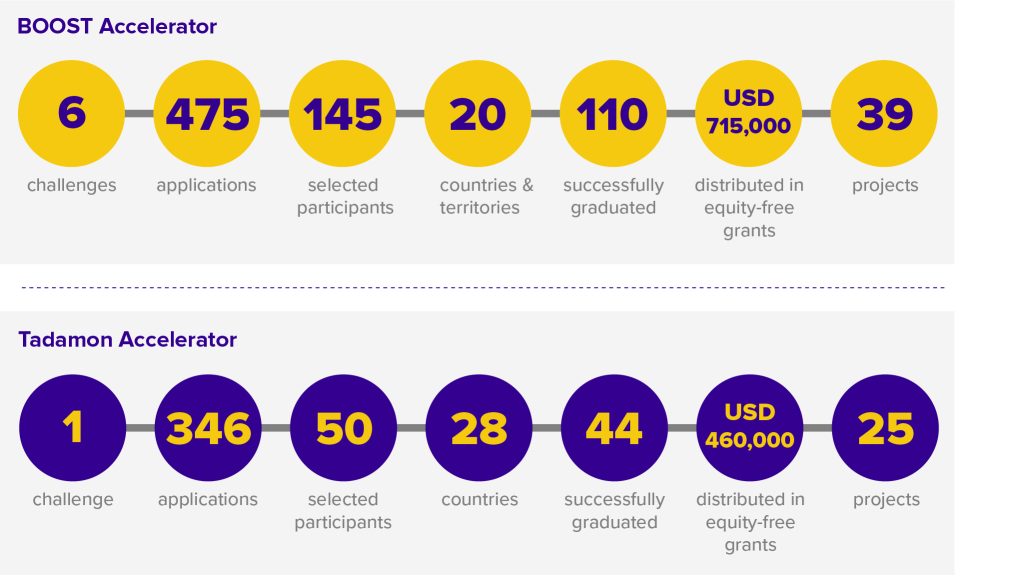
Since then, we have designed and implemented six BOOST programs in Europe and Central and one Tadamon program in 28 member states of the Organization of Islamic Cooperation. This collective effort has provided crucial support to nearly 200 startups, micro, small and medium-sized enterprises (MSMEs), social enterprises, and non-profits. Moreover, we have allocated a substantial USD 1,175,000 in grants to further develop and help scale the innovative and high-impact solutions developed by our participants. What started as a swift response to the emerging needs during the pandemic, has evolved into a flexible and scalable model for impact venture support.
Insights about our BOOST & Tadamon graduates
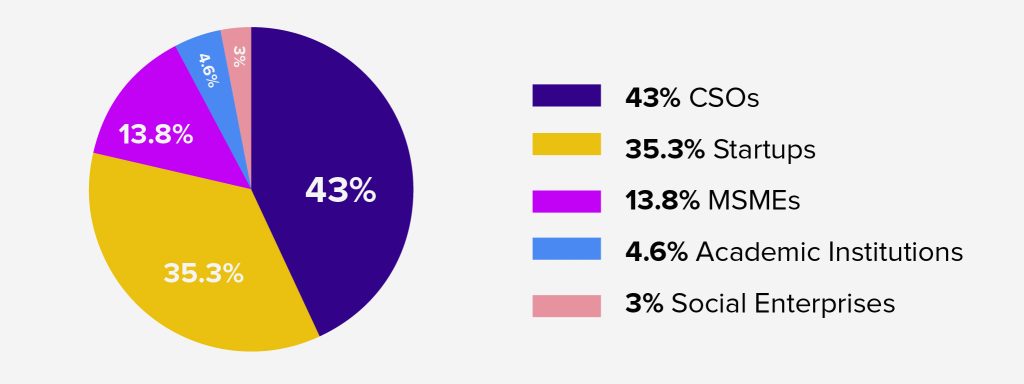
The BOOST and Tadamon alumni network is a melting pot of diversity, representing businesses and non-profits across various countries and sectors, with ideas at different developmental stages. Our strong commitment to supporting women-led organizations has notably contributed to an alumni network with a significant representation of women.
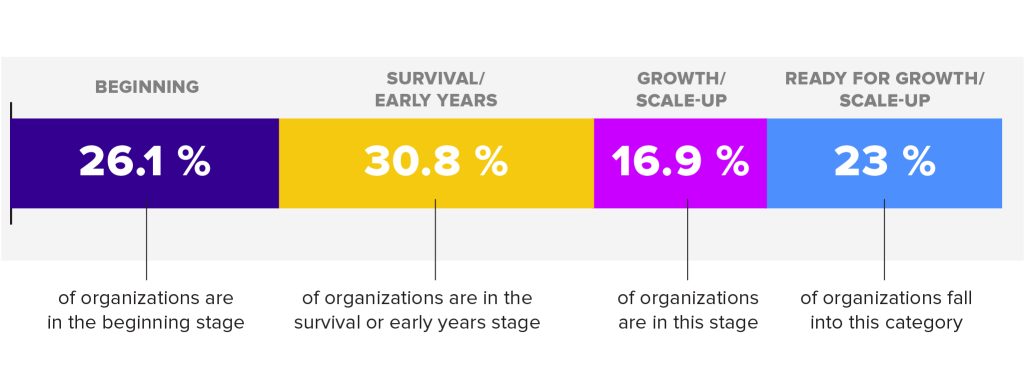
Our program graduates are actively progressing and growing. A significant number of the surveyed participants have not only secured funding and investments but have also expanded their teams and are venturing into new markets.
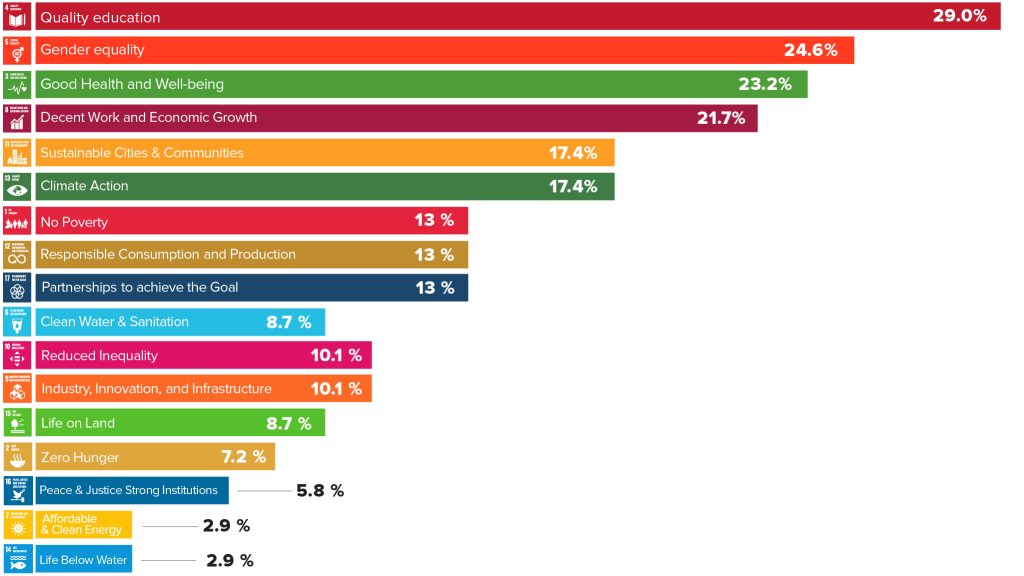
What unites our alumni is a shared commitment to impact. Alumni organizations are not just participants; they are innovators and changemakers. Their commitment to addressing development challenges is evident in their alignment with various SDGs.
What’s next?
Building on the survey findings and in-debt interviews with our alumni, we are currently drafting a strategic roadmap for the next phase of our alumni network. This is what we are working on right now:
- Alumni Networking Events: We aim to offer regular online and offline networking events, enabling alumni to connect, share experiences, and foster meaningful connections. The sessions will be practical and engage our alumni as speakers and sources of inspiration.
- Continued Training and Mentorship: We are committed to providing post acceleration learning and mentorship opportunities tailored to alumni requests and needs. Leveraging UNDP’s large network of experts and partners, we want to develop an online repository of resources and establish a mentorship program connecting alumni with experienced entrepreneurs and sector experts.
- Expand Funding and Financing Opportunities: In collaboration with other UNDP impact venture initiatives, we are exploring new partnerships with global, regional, and local investors and corporations. Our goal is to facilitate matchmaking between investors and innovators e.g. through regular pitch events, making sure that funding and financing is channeled towards high-impact solutions.
Join us in supporting a community of changemakers reimagining our future through innovation!
We are looking to join forces and exchange ideas and approaches with other people in UNDP and beyond looking to drive impact through innovation and entrepreneurship. We want to hear from you if you are interested in:
- Supporting BOOST or Tadamon participants and alumni with one-on-one mentorship and advice on scaling their businesses and non-profit organizations.
- Co-designing and/or participating in alumni network training sessions, knowledge exchanges and pitch events.
- Wishing to directly collaborate with alumni organizations to scale their high-impact innovations into new markets
To learn more about BOOST and Tadamon accelerators or to get involved in shaping or supporting our alumni community, visit www.boosimpact.org and www.tadamon.community/accelerator or reach out directly to:
- Louise Skärvall, BOOST Accelerator Lead, louise.skarvall@undp.org
- Teodor Petricevic, Tadamon Accelerator Lead teodor.petricevic@undp.org
UNDP Kosovo launched the second edition of the BOOST x Kosovo programme to support green recovery in the private sector. This edition: The Kosovo Green Challenge: NextGen comes as a result of the first cohort’s success, which has been profound, with over 90% of the attendees expressing a strong recommendation for the programme. This edition is focused on the Green and Digital Transition of 30 micro, small and medium-sized enterprises (MSMEs), of which 10 will receive grants in adopting the proposed solutions.
The recent heatwaves and flash floods that occurred in Kosovo serve as a clear illustration of the severity of climate change challenges, creating a wide range of risks for businesses and their daily operations. To help address these environmental and economic shocks, this open challenge intends to prepare businesses to adapt to climate change impacts while accelerating the shift towards sustainable business practices.
The challenge is open for all MSMEs looking to bolster their resilience, by acquiring the necessary knowledge and funding for unrolling innovative solutions, which address the environmental, economic, social, and health crises. Embracing a green recovery strategy not only offers the potential to create new employment opportunities and rebuild the economy but also paves the way for a climate-resilient future, bolstering Kosovo’s competitiveness.
The BOOST x Kosovo acceleration programme will select 30 MSMEs that demonstrate significant business potential for making the shift towards environmental sustainability as a crucial component of a green recovery. This programme will focus on developing sustainable business models, enhancing risk management capabilities, and fortifying disaster resilience. Through their participation, these enterprises will propel their innovative solutions to the next level and amplify their impact. Women-led MSMEs, poised to generate significant employment opportunities and a greener future, are strongly encouraged to apply.
The Kosovo Green Challenge is among the first initiatives with a particular focus on empowering young entrepreneurs in their endeavors, to cultivate novel business models that prioritize innovation, circularity, and zero-emissions. It aims to bring together institutional stakeholders, civil society organizations, and the private sector to support Kosovo’s micro, small and medium-sized enterprises and strengthen the innovation ecosystem.
The application deadline for The Kosovo Green Challenge: NextGen is 31 October 2023.
Apply here!
BOOST is an acceleration programme, powered by UNDP Europe and Central Asia, boosting social impact innovation, and accelerating the 2030 Agenda for Sustainable Development. BOOST x Kosovo is the local chapter of the programme, launched by UNDP Kosovo and implemented in cooperation with the Innovation Centre Kosovo. Its second edition aims to support green recovery in the private sector by fostering an enabling environment with a people-centered approach.
For more information, please contact:
Burbuqe Dobranja, UNDP Communications Associate
Phone: (038) 249 066 ext. 410
mobile: 049 720 800
e-mail: burbuqe.dobranja@undp.org
Danijela Mitić, UNDP Communications Associate
Phone: (038) 249 066 ext. 412
mobile: 049 720 824
e-mail: danijela.mitic@undp.org
Originally published on BOOST
*References to Kosovo shall be understood to be in the context of Security Council Resolution 1244 (1999)
We live in a rapidly changing world where vast technological advancements are announced almost daily – think of the AI developments in just the last couple of months. The so-called fourth industrial revolution is characterized by extraordinary technology and digital transformation. While this is a time of great opportunity and excitement for the future, we must ensure that we are moving forward in an integrated and inclusive way. Women must be at the forefront of this revolution and an emphasis on equality is necessary for its success.
This is exactly what Female Algorithm, one of our BOOST: Women Innovator awardees, is set on doing – bringing more girls and women in Slovakia into the ICT sector, helping them break through entrenched biases and hurdles. Founded in 2020 by Lenka Hlinkova, Female Algorithm, follows the success of her book with the same title, published in 2018.

“I wrote it after working 10 years in tech, and seeing the lack of women. My journey to tech wasn’t direct because I chose to study economics. Even though I was very good in mathematics, at the time, informatics wasn’t that popular […] and everything technical I know now, I had to learn myself,” says Lenka. The book is a guide for women on everything tech – it provides data on the situation of women in tech in Slovakia, lays out the common barriers women face, and gives a glimpse into women’s experiences from around the world.
After receiving dozens of emails from women, thanking her for inspiring them to make a career change, start their own business or even just ask for a higher salary, Lenka decided to open a new chapter, and kickstarted Female Algorithm.
Education programmes for women
There is a risk that the fourth industrial revolution could perpetuate the gender imbalance, since women still remain a minority in digital information technology, computing, physics, mathematics and engineering. What’s more, the gender gap tends to widen as women pursue their career.
Female Algorithm’s primary goal is to educate women in technology. In Slovakia, two thirds of girls who wanted to study informatics were discouraged by their parents, and only 10% of computer science students, 15% of tech workers and 7% of startup founders are women.
“We often don’t choose technology as our subject of study or as a job because of gender stereotypes rather than qualities we have. So I have a huge desire to change this,” says Lenka.
Now over 30 people strong, Female Algorithm focuses on two main programmes: engaging more women in tech, including girls, older adults, and refugees, by equipping them with essential digital skills, and supporting women to change or accelerate their careers, by teaching advanced technical or digital skills. Overall, they have trained nearly 1500 people.
“The women who approach us that want to change their career usually chose their field of study at a point when they didn’t have enough information or weren’t sure what they wanted to do in their lives. But once they finished their university studies, they realized they didn’t like what they studied,” explains Lenka.
When Female Algorithm first started out, they began with a Back in Business programme for training women, returning from maternity leave, to transition to careers in tech or business. Now they have expanded their trainings to include, among other things, coding camps for girls between the ages of 11 and 18 – the only ones in Slovakia. “We also want more women in management, so we’ve started programmes like Ready to Lead for women in business looking to deepen their digital skills,” explains Lenka. All cohorts continue with self-development classes for another 12 months in Lean In circles across the country, which are at the core of the organization’s work and how they started.
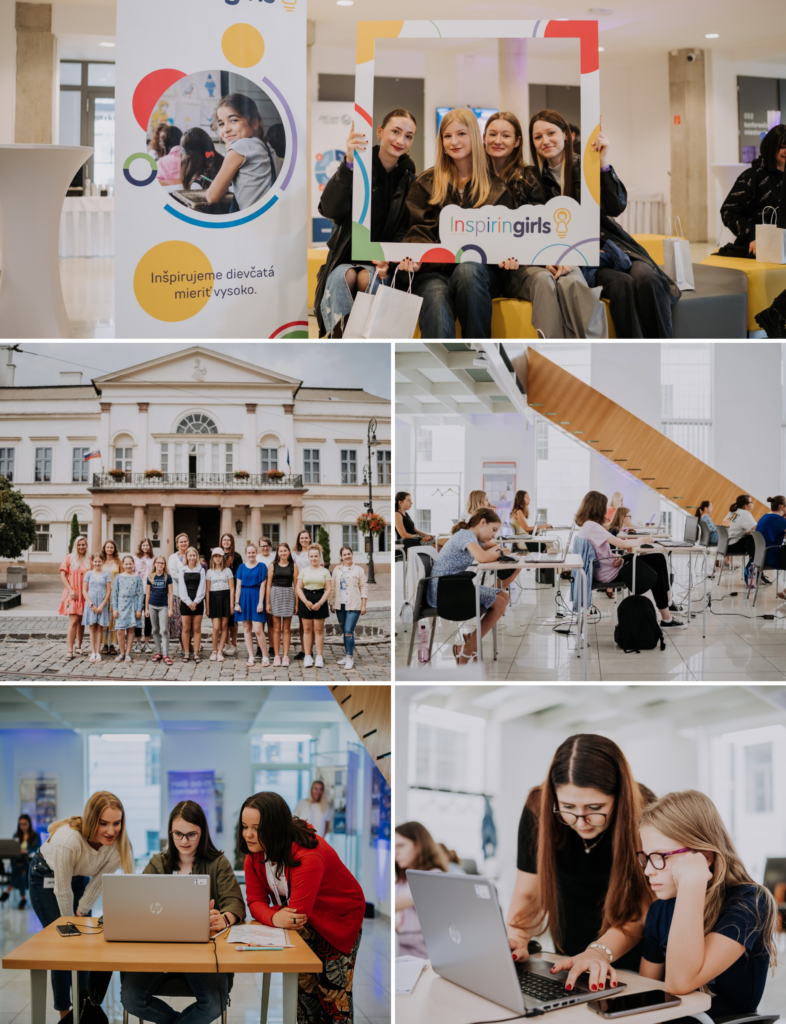
What is unique about their training programmes is that 90% of them are led by female digital lecturers, university students or graduates in the field, via an online educational platform or in-person events. In addition, “a big part of our team are women who have either read my book or attended one of our events,” says Lenka about organically growing the team and building a community.
One of the reasons that women choose not to pursue a career in STEM is that there are often no role models and mentors to provide guidance and support. To change this, Female Algorithm is also spotlighting emerging local heroes. In one of their recent events, they invited Michaela Valovska, a graduate from their very first coding camp in 2020, to speak about her experience and how it changed her life trajectory. “At the time she wanted to become a fashion stylist, and she attended the camp so that she could see what programming was about. One year following the bootcamp, I met her on the train and she said, ‘You know what, I’m studying tech now thanks to that camp,’” says Lenka.
A digital night school for Ukrainian refugees
Since the start of the war in Ukraine, over one million Ukrainian and third-country nationals in need of international protection have crossed the borders into Slovakia, 78% of whom are women and children. To help people resettle and integrate, Female Algorithm kickstarted Women2Women, regular meetups and mentorship sessions to help Ukrainian refugees navigate the local job market, build a community and remove the barriers they face. The programme now continues, led entirely by the Ukrainian community in Slovakia.
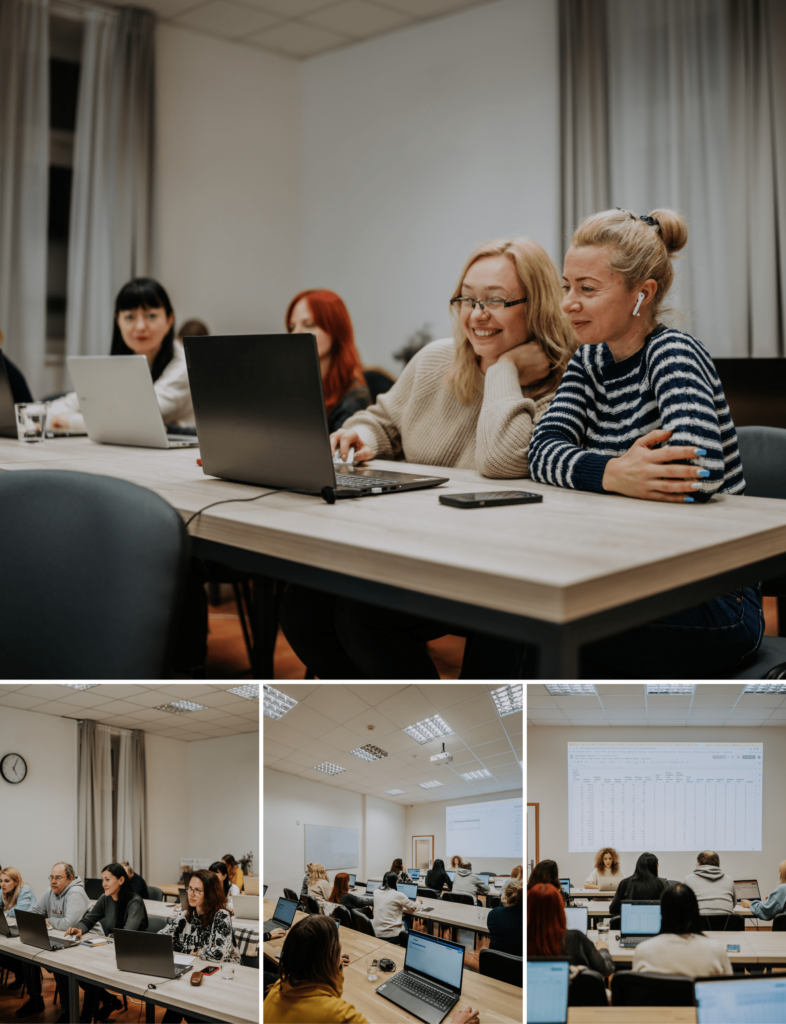
Through the BOOST: Women Innovators grant, Female Algorithm was able to launch a follow up to Women2Women – a digital night school for Ukrainian women refugees, which ran until the beginning of 2023. Led by Ukrainian lecturers, the night classes focused on digital technologies, project management, data analysis, programming and more.
Female Algorithm also secured an additional partnership with the European Bank for Reconstruction and Development to promote the programme among Ukrainian refugees beyond Slovakia’s borders, expanding their reach. The training consisted of two onsite rounds in Slovakia and an online one, gathering a total of nearly 400 registered participants from 10 countries, including Poland, Croatia, and the Czech Republic.
From the 192 women who completed their pre-entry questionnaire, 88% stated that they had no previous experience in IT, 10% had previously worked in a junior IT role and 2% had worked or were still working in a senior IT position. Over 60% wanted to be employed in the tech sector within six months of completing the programme, and almost 75% wished to increase their knowledge and learn new digital skills.
Through these programmes, Female Algorithm has managed to help Ukrainian refugees resettle and tap into the “IT Valley”, the second largest tech community, as the Central European region is known, boasting more than 12,000 tech jobs.
A booster for new horizons
As Female Algorithm is nurturing the ecosystem, it is also growing itself. “The BOOST: Women Innovators programme helped me structure our vision and put together a strategy. We created an idea for a business spinoff for our nonprofit, which will start operations in 2024,” Lenka explains about the impact of BOOST’s acceleration sessions. Their work with different vulnerable groups will remain under the umbrella of their nonprofit, but their capacity-building programmes for companies and women leaders will become the core of their new business operation to scale their work.
When it comes to achieving your dreams, Lenka says: ’Don’t let yourself be influenced by what’s happening around you and where the hype is, but reflect and ask yourself: What do I really want? Who am I and Why do I want it?”
A real algorithm for success.
In recent years, there has been a strong shift from investing in traditional businesses to investing in impact ventures, i.e. companies that aim to create positive social and environmental impact alongside financial returns. The Global Impact Investing Network, an international think tank on impact investing, recently released a study that estimated that the private impact market grew to approximately US$1.2 trillion at the end of 2021 – up 63% since 2019 (Forbes 2022). This shift reflects a growing recognition that the private sector can play a significant role in addressing social and environmental challenges, and that impact investing can be a powerful tool for promoting sustainable and inclusive economic growth.
BOOST acceleration programmes for startups, nonprofits and academic institutions
In this context, the Innovation team at UNDP Europe and Central Asia set out to develop BOOST – a bespoke acceleration programme, targeting impact-oriented organizations. Acceleration programmes are typically a type of capacity development initiative that provide intensive training, mentorship, and networking opportunities to entrepreneurs, with the goal of helping them develop the skills and knowledge needed to build successful and sustainable businesses. However, recognizing the power of the entrepreneurial creative mindset to solve pressing problems and drive impact, we saw the need to take a broader approach and apply this type of thinking to the work of non-profits and academic institutions.
As part of this journey, UNDP engaged both private and public actors – such as Koç Holding, the Ministry of Finance of the Slovak Republic and the Ministry of Foreign Affairs of the Polish Republic – to co-design and jointly launch open calls for innovations that tackle specific development challenges. To execute the programmes, we partnered with Startup Grind, KWORKS, ImpactAIM to craft training and mentorship sessions at the intersection of innovation, impact, and business thinking. The initial vision was to help impact-oriented organizations rethink, develop, and scale their innovations, and in this way mitigate the impacts of the Covid-19 pandemic whilst also accelerate the implementation of the Sustainable Development Goals (SDGs).
Since its creation in 2020, six regional and national innovation challenges have been implemented as part of the BOOST umbrella, with more than 110 organizations successfully graduating from the programme, out of which 39 received a total of US$715,000 in equity-free grants.
The methodology has also been adopted by Tadamon, a community and a platform for civil society organizations (CSOs) in member countries of the Organization of Islamic Cooperation (OIC). Together with the Islamic Solidarity Fund for Development and the Islamic Development Bank, an emergency response accelerator for social impact innovators was implemented in 2022, resulting in 44 new graduates from 28 OIC member countries, out of which 25 received a total of US$460,000 in grant funding.
What we learnt so far and what we aim to do next
Here are three things we learnt that will influence the next generation of UNDP’s entrepreneurship interventions.
Strengthening impact entrepreneurship ecosystems by applying systems thinking
Entrepreneurship ecosystems are complex and dynamic networks of people, resources, and institutions that support the development and growth of new ventures. Building a strong entrepreneurship ecosystem requires a coordinated effort from a diverse group of actors. Simply put, entrepreneurs, financial institutions, service providers, educational institutions, workers, policy makers, etc. need to work together to create an environment that fosters innovation, economic development, and social and environmental impact.
Several methodologies and frameworks have been developed over the last decades to analyze, understand and strengthen entrepreneurship ecosystems. What they all conclude is that when a key actor or element in an entrepreneurship ecosystem is missing, the ability of entrepreneurs to start and grow successful businesses is negatively impacted. For example, if entrepreneurs lack access to capital, they may be unable to get their business off the ground, or invest in research and development, hire employees, or acquire the resources they need to up-scale. Smilary, absence of supportive policies can discourage entrepreneurship by creating a less favourable environment for innovation and risk-taking.
Applying systems thinking and a portfolio approach to entrepreneurship ecosystem development can help stakeholders better understand complex interdependencies and relationships. This allows stakeholders to identify areas of strength and weakness, and to develop strategies that will make the ecosystem more resilient and adaptive to changing conditions and emerging opportunities. Systems thinking also enables stakeholders to see how changes in one part of the system can impact other parts of the ecosystem, including how business tactics can be applied to solving social/environmental challenges and how SDG-aligned models can deliver long-term value for all actors within the ecosystem such as by adopting social and environmentally-friendly business practices. To make this a reality, we need to put ecosystem builders at the centre of our interventions, viewing ecosystem building as a profession rather than a temporary activity. Examples of such interventions can include but are not limited to acceleration programmes for entrepreneurship ecosystem initiatives and peer-to-peer exchanges across ecosystems to promote good practices, collaboration and cooperation.
Promoting women-led businesses to drive innovation, economic development and gender equality
Being a female founder is trendy, and a growing number of resources and support systems are being developed and made available to women entrepreneurs to help them grow their business. However, women continue to be underrepresented among both venture-backed entrepreneurs and venture capital (VC) investors. On a global scale, about 2% of all venture capital investments go to all-female founders, this despite the fact that female-founded startups represent about 20% of all startups (PitchBook data). Women also remain highly underrepresented in business in the Europe and Central Asia region, partly driven by limited access to financial services (World Bank, 2022).
This disparity is often referred to as the “financial gender gap” and persists across countries and sectors. There are several reasons for the gender funding gap. One is that there are simply fewer women in entrepreneurship and venture capital overall. Another is that there may be unconscious biases among investors that lead them to favour male-led businesses over women-led ones. For example, women founders in the US raised 1.9% of VC funds in 2022, compared to mixed-gender teams who raised 17.2% (PitchBook data). Women entrepreneurs in developing and rural contexts may also face unique challenges, such as the double burden of domestic and professional work, lack of access to training opportunities, networks and mentors, and pressure to conform to gender roles, making it more difficult for them to secure VC funding.
“The experience with BOOST gave me an opportunity to advance my entrepreneurial mindset to a higher level and understand the different aspects of building a business. It also gave me ideas of who I can partner with in order to help more women.”
Onwa (Serbia)
Focusing on overcoming these challenges can help address these disparities and at the same time promote gender equality. For example, running acceleration programmes for women-led ventures can help forge new types of networks, connect female founders with strong mentors and role models, and facilitate match-making with investors known for supporting women-led businesses. BOOST: Women Innovators, Women’s Startup Lab, and Women Entrepreneurs Finance Initiative are a few examples. In parallel, initiatives like Female invest are leading the way to ensure that more women become investors themselves. This will help boost the number of female fund managers and decision-makers in venture capital funds, and – if we are to believe recent research – increase the likelihood of female founders raising VC funding.
Nurturing entrepreneurial mindsets to address our most pressing development challenges and scale impact
CSOs and social ventures continue to play a critical role in advancing social and environmental causes, not least in development contexts. Yet, many struggle to achieve their objectives due to limited resources, including financial ones. To sustain and amplify their impact and achieve greater results, there is a growing need for CSOs to adopt a business-like approach to its operations, with a focus on sustainability and scalability.
“Thanks to BOOST, we are transforming from a grants-only dependent NGO to a self-sufficient social EdTech startup with the potential to split activities between the NGO and company in the future.”
Female Algorithm (Slovakia)
To bridge the gap in knowledge, mindset and application, capacity development initiatives focused on helping CSOs, including acceleration programmes, should explore ways to provide trainings on business thinking. Moreover, they need to include opportunities for participants to work with experienced business mentors, who can provide guidance and support as they navigate the challenges of building, transforming and scaling their operations. This will help CSOs and social ventures to increase their financial sustainability, improve their operational efficiency and effectiveness, scale their impact through innovation and creativity, and build partnerships and collaborations.
Looking ahead
With more than 50% of global impact investment capital going to developing nations (Global Impact Investor Network’s 2020 survey), not least in relation to the green transition, we see a huge need and opportunity to work with our partner countries to improve business environments and promote sustainable business practices. To brace ourselves for what’s to come, UNDP will continue to co-design and implement incubation and acceleration programmes in support of changemakers – be they hybrid nonprofits or do-good startups. Nonetheless, to truly have an opportunity to influence and strengthen entrepreneurship ecosystems for positive SDG impact, our support will need to be mindful of all elements of the ecosystems and not only the startup founders themselves. This will require closer collaboration with governments, investors, business leaders, civil society, academic institutions, and other support programmes.
Want to learn more about our entrepreneurship ecosystem development work and how you can partner with BOOST, get in contact!