
Category: Innovation ecosystems
The United Nations Development Programme (UNDP) in Europe and Central Asia has published the 2025 Annual Report for the Slovak Transformation Fund (STF), highlighting how cities across the region are strengthening their capacity to manage complex urban transitions and connect local priorities with innovation and emerging pathways to finance.
Funded by the Ministry of Finance of the Slovak Republic, the STF entered the first year of its new 2025–2028 phase by moving the strategic direction established in 2024 into municipal practice. Its two core initiatives – the City Experiment Fund (CEF) and the BOOST impact acceleration programme – also became more closely connected, linking challenges identified by cities with potential solutions, partners and financing opportunities.
Through CEF, which supports municipalities in addressing complex urban challenges through strategic innovation and experimentation, ten cities in Armenia, Kosovo[1], Montenegro, North Macedonia and Ukraine completed a shared process of community listening, sensemaking, portfolio development and early option design. This helped them understand how challenges such as energy resilience, air pollution, waste, land use and economic transition intersect, and identify portfolios of interventions that could address them.
Across the ten cities, 319 residents and local stakeholders shared their experiences and priorities, helping municipal teams ground their work in local realities. More than half of those consulted were women, while over a third were from groups identified locally as facing greater vulnerability.
In Stepanavan, Armenia, a circular-transition portfolio moved into early operation: reusable sorting bags were distributed to 100 households, 30 public bins were installed and around two tons of sorted waste were collected. In Podgorica, UNDP and the city signed a memorandum of understanding, prepared a Disaster Risk Reduction Strategy and Action Plan, and designed a heat-island mitigation pilot with the University of Montenegro. In Pljevlja, more than 50 young people took part in a summer school and ideation labs linked to the city’s just transition, while agreements were prepared to take forward studies for a Green Jobs Training Centre and more energy-efficient public lighting. In Kovel and Nizhyn, city teams continued developing energy-resilience portfolios despite continued effects of the war in Ukraine.
BOOST complemented the city-level work by identifying and preparing potential responses to urban and green transition challenges. The Urban Future Finance Challenge graduated 16 ventures, brought 11 to Demo Day and awarded three US$10,000 innovation prizes. Green Urban Tech attracted 262 applications from more than 30 countries and selected 15 organizations for its sprint phase, building a pipeline of solutions spanning air-quality monitoring, urban management, emissions tracking, circularity, biodiversity and citizen participation.
The report also captures the knowledge generated through this work. The Twin Transition Stencil and related tools provide a practical way for cities and development practitioners to connect green and digital change with systems thinking, portfolio development, innovation and finance readiness.
At the same time, the report reflects on political change, limited municipal capacity and the effects of war. The experience of 2025 reinforced the importance of senior leadership, institutional ownership, flexible support and realistic implementation pathways tailored to each city’s circumstances.
For the next years, the report recommends deepening engagement with mayors and senior officials, converting existing portfolios and financing pipelines into more clearly sequenced activities, and strengthening cities’ ability to assess and engage with artificial intelligence through the newly launched CEF × AI cohort.
[1] References to Kosovo shall be understood in the context of United Nations Security Council resolution 1244 (1999).
The UNDP Alternative Finance Lab (AltFinLab) has launched an open call for the third edition of the SDG Blockchain Accelerator, inviting UNDP Country Offices and other UN entities to submit development challenges linked to active programmes and portfolios by 30 September 2026.
The global initiative helps develop and scale practical solutions powered by blockchain, AI and other emerging technologies to advance the Sustainable Development Goals (SDGs). It connects UN teams facing concrete development challenges with vetted technology partners who can help them explore, develop and implement practical solutions with the potential for development impact.
AltFinLab leads the Accelerator in strategic partnership with the Blockchain for Good Alliance, alongside leading technology partners across the blockchain and AI ecosystems, including the Cardano Foundation, Stellar Development Foundation, Partisia Foundation, DFINITY Foundation, and FLock.io. Together, they bring expertise from across the blockchain and AI ecosystems and connect participating teams with technical guidance, mentorship and wider partner networks.
The 2026 edition welcomes applications from UNDP Country Offices, global teams and other UN entities that have an active programme, institutional backing and a credible pathway to take a solution forward. Applicants do not need prior blockchain or AI expertise, nor are they expected to identify the type of solution needed before applying.
Applicants should start with a concrete delivery challenge within an active programme, clearly identifying who it affects, what needs to change and why it matters. For examples of how UNDP teams have translated programme challenges into practical solutions, explore New Tech, New Partners: Transforming Development in the Digital Era, which features more than 40 solutions developed through the Accelerator.
The third edition will offer two technology tracks: blockchain, and decentralized AI & cloud. Across both tracks, the Accelerator will support development challenges in four key areas such as digital payments, digital identity, traceability and supply chains, and data and privacy.
The new cohort edition builds on the results of the Accelerator’s first two global cohorts. Fifty teams participated, producing 46 implementation-ready solutions. Seventy percent are now embedded within ongoing national and regional programmes, while 12 progressed into piloting in country contexts. These results have informed a more selective model centred on strong programme ownership and a practical pathway towards implementation.
Once UN teams are matched with technology partners, they will then move through a structured acceleration process combining technical mentorship, solution development, implementation planning, business and communications support, post-acceleration support, and access to international technology ecosystems. They will also receive continued guidance on partnerships, procurement and resource mobilization after the programme.
This model helps teams move viable solutions beyond stand-alone technology concepts and integrate them into ongoing programme delivery, strengthening services and contributing to greater transparency, efficiency, inclusion and accountability.
Learn more about the SDG Blockchain Accelerator and apply by September 30, 2026!
Contact
Ben Thomson Coon
SDG Blockchain Accelerator Lead
ben.thompsoncoon@undp.org
Governments around the world are accelerating their digital transformation efforts. As they do, blockchain has gained attention as one of several technologies that can help strengthen public systems, from digital payments and identity to climate finance, supply chains, and public service delivery. Governments are now less focused on proving blockchain can work than on exploring where it can bring the greatest value, integrating it into public systems and sustaining it over time.
These questions shaped Scaling Blockchain for Public Good, a two-day series of events organized by the UNDP Alternative Finance Lab (AltFinLab) alongside Proof of Talk 2026 in Paris. The programme included the launch of the UNDP Blockchain Advisory Group (BAG), a platform for strategic dialogue between UNDP and leaders from across the blockchain ecosystem; a public dialogue co-organized with the Sciences Po Tech & Global Affairs Innovation Hub on the institutional and policy dimensions of blockchain adoption; and the SDG Blockchain Accelerator Impact Showcase, highlighting implementation-ready blockchain solutions developed through UNDP’s global accelerator.
From experimentation to implementation
The discussions reflected a broader shift in how blockchain is being approached. Rather than asking where blockchain can be applied, attention is increasingly turning to how it can help solve concrete public challenges and where it offers a clear advantage over existing approaches. Speakers shared examples from governments and development programmes around the world, including blockchain-verified academic credentials in Dubai and humanitarian payments in fragile contexts. Despite their different contexts, each initiative responded to a clearly defined development challenge rather than starting from the technology and looking for a problem to solve.
Participants also pointed to a common set of barriers. Governance, regulatory clarity, interoperability, institutional capacity, and public trust increasingly determine whether innovative solutions move beyond pilots and become part of long-term public systems.
Building government readiness
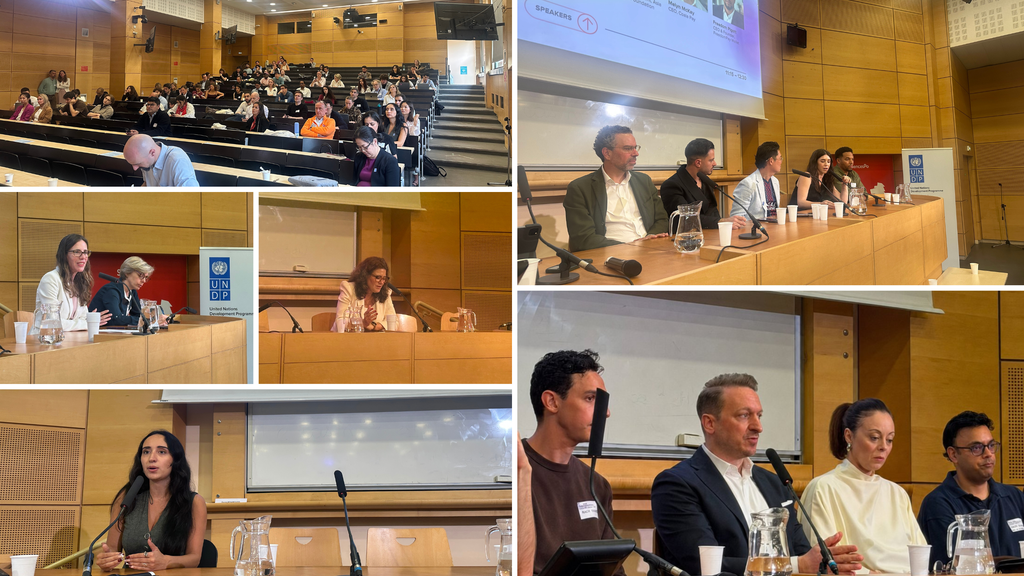
Moving funds through blockchain-based systems can be relatively straightforward. Ensuring that people can access, use, and benefit from those funds is not. The Sciences Po dialogue highlighted the importance of the “last mile” of public service delivery, where digital identity, payment infrastructure, regulatory frameworks, and local institutions all shape whether innovation reaches the people it is intended to serve. The challenge, participants argued, is often less technological than institutional.
The conversations also highlighted the importance of institutional continuity. Successful initiatives need to outlast individual projects, funding cycles, and changes in leadership if they are to become sustainable public systems.
This thinking informed the launch of the Government Blockchain Academy, developed by UNDP in partnership with the Exponential Science Foundation. The Academy will equip government officials with the knowledge, practical skills, and institutional capabilities needed to assess blockchain technologies, identify where they create value, and support their responsible adoption as part of broader digital transformation strategies.
Collaboration for implementation
Scaling blockchain for public good depends on collaboration across governments, development organizations, academia, and the private sector.
More than 30 senior representatives from across the blockchain ecosystem gathered for the inaugural meeting of the UNDP Blockchain Advisory Group, creating a new platform for strategic dialogue on the responsible application of blockchain for sustainable development. Beyond providing strategic advice to UNDP, the Group creates space to exchange knowledge, identify emerging opportunities, and strengthen collaboration around shared development priorities.
Its first discussion focused on digital finance and financial inclusion. Globally, 1.3 billion adults remain without access to formal financial services, and close to one billion lack the digital identity needed to access them. The discussion examined how blockchain-enabled approaches can help address these persistent challenges and what is required to support implementation at scale. Participants emphasized that financial inclusion is not simply about moving money more efficiently. It is about enabling people to participate more fully in the economy by building trusted financial histories, accessing savings and credit, and connecting to formal financial systems. Blockchain can support that transition, but only when it is integrated with existing financial infrastructure and supported by appropriate governance, regulation, and partnerships.
Showcasing implementation-ready solutions
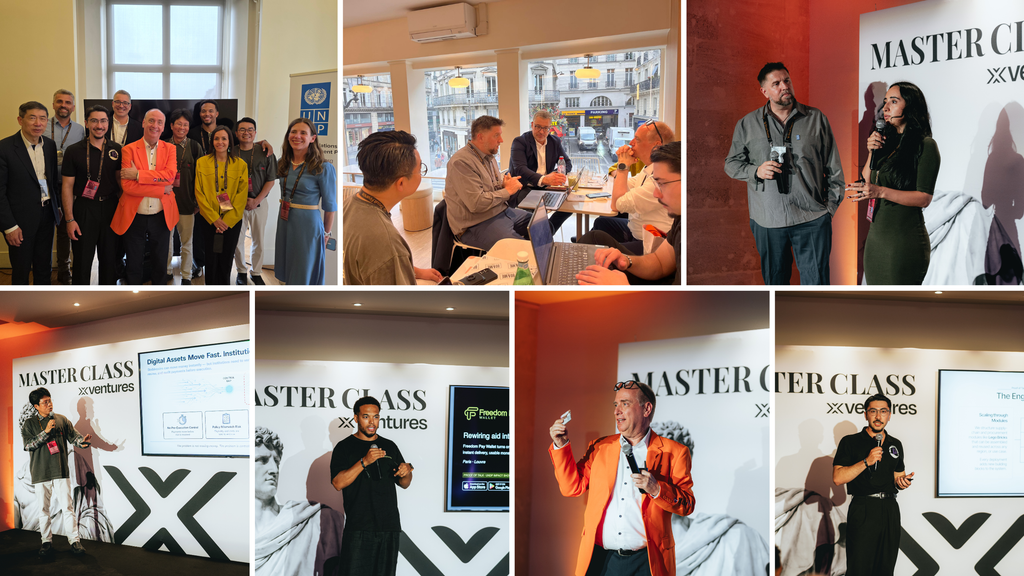
The SDG Blockchain Accelerator Impact Showcase demonstrated how these ideas are already being put into practice through partnerships between UNDP and technology innovators. The Showcase introduced the SDG Blockchain Accelerator to a wider blockchain audience, presenting UNDP’s challenge-led approach to innovation. Rather than starting with technology and searching for a use case, the Accelerator begins with development challenges identified by UNDP Country Offices and institutional partners, then matches them with technology organizations capable of designing and implementing a solution. This helps ensure that innovation responds to real needs while creating practical pathways towards implementation.
Among the projects presented, FreedomPay Wallet is working with UNDP The Gambia to strengthen transparent and accountable digital payments, while Plastiks is partnering with UNDP in Armenia, India, El Salvador, and Zambia to create verifiable records of plastic recovery that support circular economy value chains. Other teams showcased solutions focused on programmable funding, supply chain traceability, and digital finance, showcasing how blockchain can strengthen transparency, efficiency, and accountability when embedded within broader public systems rather than deployed as a standalone technology.
Blockchain for good at scale
“The future of blockchain for development will depend not only on innovation, but on the institutions, partnerships, and public trust needed to apply it responsibly,” said Robert Pasicko, Lead, Alternative Finance Lab (AltFinLab), UNDP Europe and Central Asia.
Putting blockchain to work for sustainable development requires more than technology. It requires capable institutions, trusted partnerships, and the confidence to adopt new approaches responsibly. Achieving this requires new models of collaboration that bring governments, development institutions, and the blockchain ecosystem into sustained, structured dialogue rather than one-off engagement.
The United Nations Development Programme (UNDP), in partnership with the Ministry of Foreign Affairs of the Republic of Poland, is launching the BOOST: Innovation Ecosystem Accelerator – a new open call for business support organizations (BSOs) in Moldova and Ukraine to strengthen their capabilities, expand their reach, and grow their impact.
Building on insights developed through the BOOST: Green Futures Challenge – which provided tailored capacity building and mentorship to 40 ventures from Moldova and Ukraine – the new programme reflects BOOST’s broader strategic expansion from venture-level acceleration towards ecosystem strengthening – supporting the organizations that work most closely with local entrepreneurs. Many BSOs in both countries remain overstretched and under-resourced, with limited opportunities to experiment with new methods or position themselves within regional and international networks.
The BOOST: Innovation Ecosystem Accelerator aims to strengthen the capacity, sustainability and reach of these organizations. At least 10 BSOs will be selected through the new open call to join a structured acceleration journey covering mission-oriented innovation, impact management, business model innovation, innovative tools and approaches, and leadership and culture. The programme combines in-person and online learning, expert-led workshops, one-to-one mentorship, and structured peer exchange. It also includes BOOSTCamp – an in-person residency in Warsaw in autumn 2026 bringing together selected BSOs with ecosystem actors, experts and mentors from Poland and the wider BOOST network.
“Strengthening innovation ecosystems in Ukraine and Moldova is both an economic priority and a green recovery and resilience imperative. Through our partnership with the Ministry of Foreign Affairs of the Republic of Poland, BOOST: Innovation Ecosystem Accelerator backs the business support organizations that are building these ecosystems locally – connecting them with Polish expertise, peer learning across both countries, and the resources to grow their impact, deepen their reach, and join a wider community of innovation actors across Europe,” said Louise Skärvall, Project Manager and BOOST Accelerator Lead.
Following the acceleration programme, a minimum of five BSOs will receive grants of US$50,000 each to design and deliver their own locally led business support programmes in 2027, directly supporting startups and micro-, small- and medium-sized enterprises (MSMEs) in their communities. All graduating organizations will join the BOOST Alumni Network, gaining continued access to learning, partnerships and ecosystem opportunities across Europe and Central Asia.
The open call is open to non-governmental and civil society organizations legally registered in Moldova or Ukraine with an active track record of supporting entrepreneurs and businesses. Eligible organizations include incubators, accelerators, innovation hubs and centers, entrepreneurship networks and associations, and university-affiliated innovation units. Particular attention will be given to teams committed to inclusive entrepreneurship – including support for women, youth, internally displaced persons, veterans, and entrepreneurs outside major urban centers.
Applications are open until 31 July 2026. Interested organizations are invited to register for an information webinar on 2 July 2026 for a walkthrough of the programme, the application, and what BOOST is looking for. Full details and the application form are available at: https://undp.zoom.us/meeting/register/gtLqHyRWT2ereMHb2q9XQQ (in English).
As a regional initiative powered by UNDP Europe and Central Asia, BOOST supports impact-driven innovation across the region. The BOOST: Innovation Ecosystem Accelerator is funded by the Ministry of Foreign Affairs of the Republic of Poland reflecting a shared commitment to support green recovery, resilience and long-term economic transformation in the region.
Contact:
Svetla Baeva, Strategic Communications Lead, Innovation and Digital Team,
UNDP Europe and Central Asia
svetla.baeva@undp.org
About BOOST:
BOOST is a regional impact acceleration programme, powered by UNDP Europe and Central Asia, reimagining our future by supporting innovators across the region.
About UNDP:
UNDP is the leading United Nations organization fighting to end the injustice of poverty, inequality, and climate change. Working with our broad network of experts and partners in 170 countries and territories, we help nations build integrated, lasting solutions for people and planet. Learn more at undp.org or follow @UNDP.
About Polish Aid:
The BOOST: Innovation Ecosystem Accelerator is part of the Polish-UNDP Partnership: Innovative Solutions for SDGs Project, funded by the Polish Aid programme, coordinated by the Ministry of Foreign Affairs of the Republic of Poland. This project aims to empower innovation-driven, scalable solutions for sustainable development by leveraging Polish expertise to address SDG challenges in partner countries, with a focus on green recovery and regional resilience.
This article is the second in a three-part spotlight series exploring how local ventures in Moldova and Ukraine are advancing green innovation. The series is published as part of the BOOST: Green Futures Challenge – an initiative led by UNDP with financial support from the Ministry of Foreign Affairs of the Republic of Poland. Read the first article exploring circular experiments in waste, packaging, and materials.
The lights don’t always stay on in Ukraine and Moldova. Whether it’s damaged infrastructure as a result of the war, grid overload, or the rising cost of imported energy, power today feels more precarious than ever.
In response, a new generation of innovators is stepping up with local solutions. They’re redesigning how energy is generated, stored, and used – often in ways that are greener, smarter, cleaner, and built for crisis. And they’re doing it not in spite of the challenges – but because of them.
Energy citizenship in action: Virtual power plants for the people
In Moldova, where most electricity is still imported and grids remain fragile, Proton Energy Solutions, one of the winners of the BOOST: Green Futures Challenge, is flipping the system on its head. Led by Afanasi Chihaioglo, the company is building Moldova’s first AI-powered virtual power plant – a decentralized platform that connects everyday consumers to the energy balancing market.
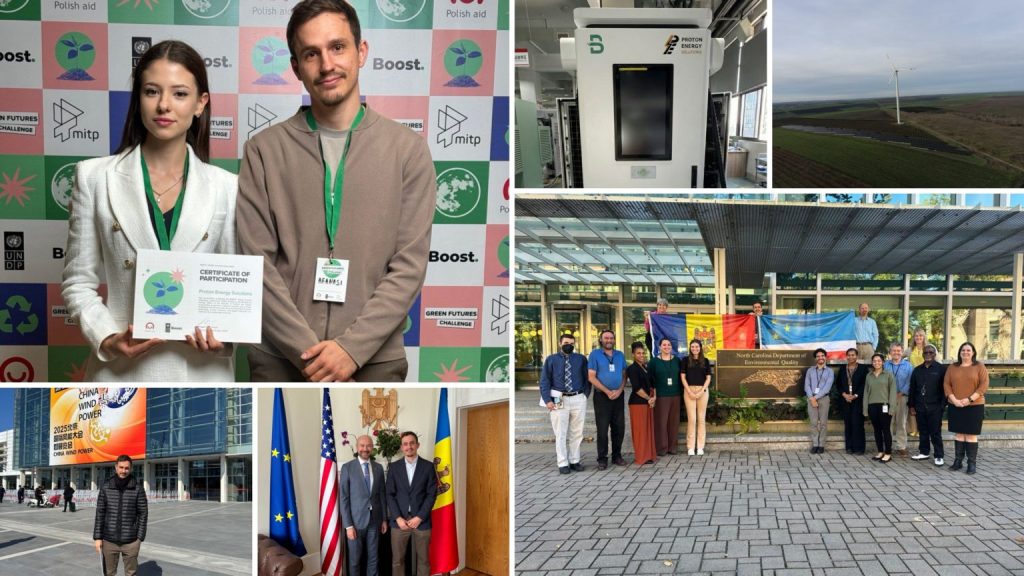
Households and small businesses can earn money by adjusting when and how they consume energy. In moments when the grid is under strain, the platform automatically shifts consumption to off-peak times – for example, by preheating homes or pausing electric vehicle charging – without any disruption to comfort or routine.
“We’re trying to ensure that green energy doesn’t go to waste,” says Chihaioglo. “There’s a mismatch between when renewable energy is generated and when it’s needed. Our platform helps solve that – and lets people become active participants in the energy system.”
By smoothing out demand, Proton’s model estimates it can reduce energy use by up to 20%, cut household energy bills by 30–40%, and significantly lower emissions – all while paving the way for Moldova to absorb more renewables into its grid. Though still in early stages, the venture is gaining traction – including active discussions with Moldova’s Energy Ministry to help shape the legal framework for a more participatory, AI-enhanced energy future.
Building for uncertainty: Modular batteries for better energy storage
In Ukraine, where energy blackouts have become a grim part of daily life, Infinity Magnitude Batteries is designing a local response: durable, modular storage systems that can help provide energy supply in unpredictable conditions.
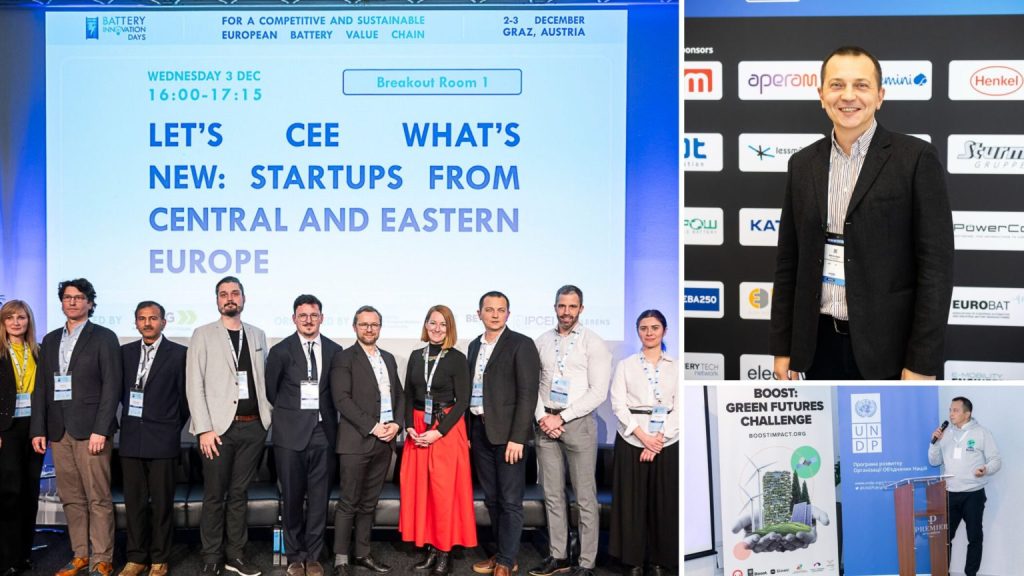
“My apartment has no power right now,” says founder Mykola Aliyev, matter-of-factly. “But this isn’t just a wartime problem. Power outages are happening around the world – from Moldova to Portugal to the U.S. It’s a global issue. What we’re building is a long-term solution.”
Infinity’s innovation lies in their use of solid-state battery technology, which promises longer lifespans, greater safety, and a cleaner environmental footprint compared to conventional lithium-ion batteries widely used in electronics, electric vehicles, and energy storage systems.
These batteries are modular and adaptable – powering everything from homes to warehouses. And unlike many industrial batteries on the market, they’re built with no cobalt or nickel, reducing dependency on scarce and often unethically sourced materials.
“Our aim is to replace not just lead-acid batteries or diesel generators,” says Aliyev, “but also to offer something fundamentally better – safer, longer-lasting, and truly local.”
In a market dominated by imports, Infinity is showing that effective, scalable solutions can be built at home – by small teams, responding directly to community needs.
E-mobility with a mission: Renter’s bikes for work and dignity
While some innovations in Moldova and Ukraine are directly responding to energy disruptions, others are building resilience by meeting social and economic needs often ignored. One of those is Renter E-Bike, which is rethinking urban mobility for the migrant workers powering Europe’s delivery economy.
“We’re solving a real-world problem for people who often get overlooked,” says Daniel Trohin, Renter’s co-founder and CEO. “Most delivery riders are immigrants. They arrive without savings, and an e-bike – the most efficient, sustainable option – is usually out of reach.”
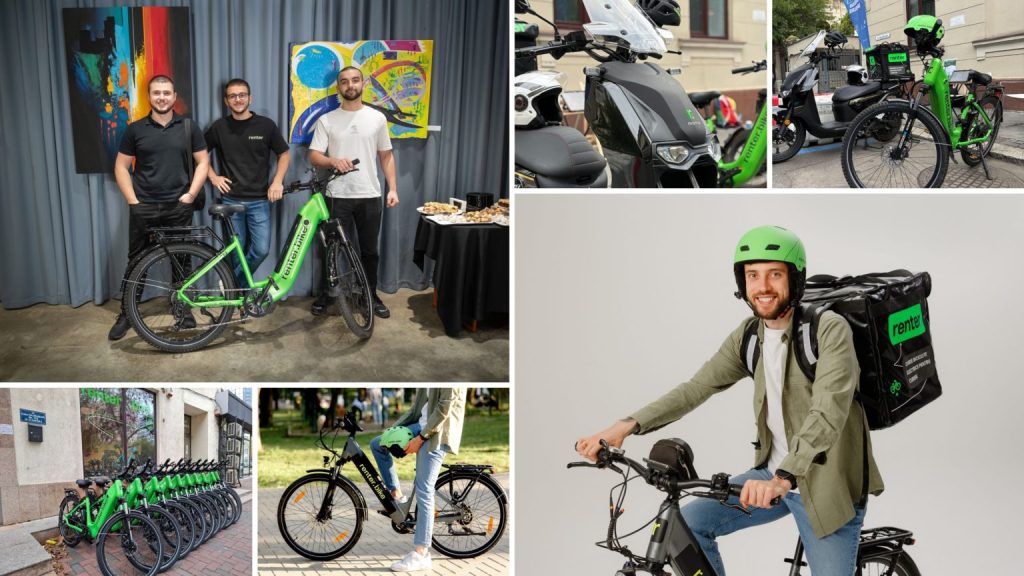
Renter provides an all-in-one subscription model: riders get access to rugged, puncture-proof, GPS-enabled e-bikes purpose-built for long delivery shifts. The company’s in-house software platform handles maintenance, logistics, and performance tracking, helping keep repair costs low and uptime high.
But it’s more than just mobility. It’s about giving riders a chance to work safely, earn better, and avoid debt. “Some of our customers are sending money home while paying off loans they took just to get here,” says Trohin. “If we can help them earn more, faster – while replacing cars or fuel scooters with clean e-bikes – that’s a win for people and the planet.”
The impact can add up fast: each Renter bike in use is estimated to avoid up to 7 tonnes of CO₂ per year to reduce air pollution, and the company’s battery recycling efforts are closing the loop even further – offering access, dignity, and decarbonization all in one.
Investing in energy independence: Power IT’s MCrowd Platform
What if clean energy projects didn’t depend on grants, government funds, or global investors – but on the communities who need them most?
That’s the idea behind MCrowd, rebranded from GreenCrowd during the BOOST Program – a new crowdfunding platform launched by Power IT to unlock Moldova’s renewable potential by making solar and wind investments accessible to citizens and the diaspora. As Michael Gutu, the CEO, puts it: “We wanted to create a tool where people could co-create Moldova’s energy future – not just wait for someone else to fix it.”
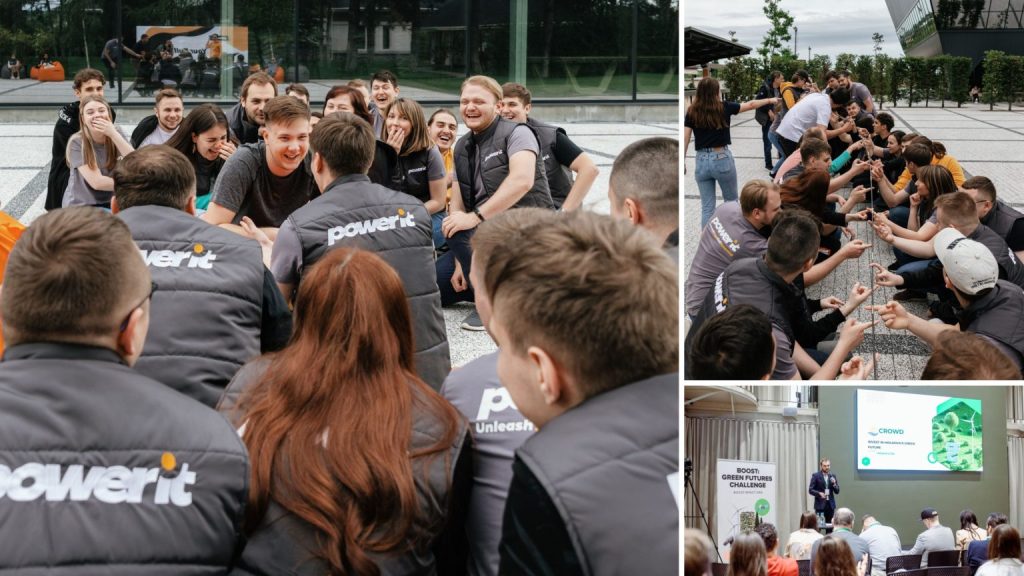
Moldova’s diaspora sends back more than €1.5 billion in remittances every year – but until now, there’s been no structured, transparent way to invest those funds in local infrastructure or clean energy. MCrowd changes that – the platform is fully regulated, equipped with escrow protections, and allows even small contributions to back vetted green projects.
“You can log in, invest in a solar project, and track everything – from emissions reduced to power generated,” says Gutu. “It’s accessible, it’s secure, and it makes energy transition something everyone can co-create.”
Even before the full public launch, early modelling shows potential: with just three megawatts of solar, MCrowd could reduce 15,000 tonnes of CO₂ over three years and mobilize €1 million in local investment. The platform also strengthens community resilience, allowing municipalities and residents to build energy assets that reduce reliance on imported electricity.
As Moldova accelerates toward greater energy independence, Gutu sees a new kind of energy actor emerging – citizens as co-investors, not just consumers.
Rewiring the future
These ventures – different in size, scope and sector – are all solving versions of the same problem: how to build cleaner, fairer, more resilient energy systems from the ground up.
Some are tackling storage, others access. Some are rewriting the rules of participation; others are rethinking the tech itself. But what connects them is the need for urgency. They offer a powerful reminder: energy resilience isn’t just about the grid. It’s about people.
The United Nations Development Programme (UNDP) in Europe and Central is set to spotlight a new generation of green innovators this autumn as the BOOST: Green Futures Challenge reaches its final stage with two high-energy Demo Days – on 22–23 September in Lviv, Ukraine and on 3 October in Chișinău, Moldova.
After months of tailored acceleration support, 23 Ukrainian and 16 Moldovan startups and ventures will pitch their solutions for tackling climate change, driving the circular economy, and creating green jobs – competing for a share of US$120,000 in Innovation Prizes, with up to six winners each receiving US$20,000 to scale their impact.
The Demo Days will bring together UNDP, local innovation ecosystem leaders, investors, and representatives from the Ministry of Foreign Affairs of the Republic of Poland to celebrate innovation, strengthen cross-border cooperation, and accelerate green recovery and resilience. Alongside fast-paced pitching sessions, the events will feature panel discussions and networking opportunities designed to spark new collaborations and open market pathways for the participating startups.
An expert jury of leading innovation and investment actors – including Diia Business, Venture Café Warsaw, the Moldova Innovation Technology Park, and the Polish-Ukrainian Startup Bridge – will evaluate the pitches and select the winners, alongside representatives from UNDP and the Ministry of Foreign Affairs of the Republic of Poland.
Launched by UNDP and partners, the BOOST Green Futures Challenge supports mission-driven innovators working on solutions for climate change, biodiversity loss, and green transitions. The Demo Days mark not only the conclusion of the acceleration phase but also the launch of a post-acceleration journey, helping these ventures access mentorship, investment opportunities, and new markets to drive a just green transition across the region.
The BOOST: Green Futures Challenge is funded by the Ministry of Foreign Affairs of the Republic of Poland.
The United Nations Development Programme (UNDP) in Europe and Central Asia has launched the BOOST x CEF: Green Urban Tech open call, inviting innovators worldwide to submit tech and digitally-enabled solutions that can help cities in Europe and Central Asia accelerate their green and digital transitions.
The initiative is a collaboration between UNDP’s regional impact acceleration programme BOOST and the City Experiment Fund (CEF), a regional UNDP initiative that supports cities in navigating complex urban transformation through strategic innovation. It is supported through the Slovak Transformation Fund, financed by the Ministry of Finance of the Slovak Republic.
Across Europe and Central Asia, cities are under growing pressure to cut emissions, protect biodiversity, and improve the quality of urban life, while also adapting to the disruptions and opportunities of rapid digitalization. The BOOST x CEF initiative is designed to help cities confront these challenges head-on by connecting them with entrepreneurs and impact innovators who can deliver practical, scalable solutions.
The open call seeks solutions that can turn real-time data into greener decisions, engage residents in sustainable lifestyles, and help build urban systems that are more resilient to climate and other risks. Examples include AI-powered analytics for city planning, blockchain-enabled reward systems that incentivize green behavior, or digital tools that strengthen waste management, energy use, and ecosystem restoration.
Through the open call, selected businesses, civil society organizations or academic institutions will have the opportunity to present their solutions directly to city representatives during the BOOST Discovery Days taking place from 19 to 21 October 2025. They will be matched with municipalities in Armenia, Montenegro, North Macedonia, Kosovo[1], and Ukraine, where their innovations can address pressing urban challenges.
In addition, participants will receive tailored support to co-develop pilots and partnerships with these cities. To help accelerate deployment, the programme also offers the chance to compete for up to US$30,000 in funding to adapt, pilot, or implement solutions in 2026.
The call for applications is open until 19 October 2025, and interested organizations from around the world can apply.
[1] References to Kosovo shall be understood to be in the context of United Nations Security Council resolution 1244 (1999).
The United Nations Development Programme (UNDP), in partnership with the Ministry of Foreign Affairs of Poland, is pleased to announce the selected participants for the BOOST: Green Futures Challenge — an acceleration programme supporting ventures and startups in Moldova and Ukraine with solutions in the field of green technology, circular economy, and digital innovation for resilience and sustainable recovery.
A total of 40 ventures from Ukraine and Moldova have been selected to join the programme following a competitive open call. These promising startups and businesses are developing solutions ranging from renewable energy and sustainable packaging to climate-smart agriculture and eco-construction.
- BEST OF YOU (Moldova) – Develops Oto, a smart digital menu powered by AI that helps restaurants increase sales while ensuring guests receive timely and personalized service.
- BSW Tech (Moldova) – ThermoSmart is a smart thermostat integrated with a mobile application that enables users to remotely control heating or cooling systems.
- Biopack Trading (Moldova) – Pilots Green Pack, a decentralized urban composting system using the Bokashi method in residential buildings.
- Briller.House (Ukraine) – Builds zero-carbon modular homes using AI and CNC-powered micro-factories.
- GEOPOLIMER (Ukraine) – Develops geopolymer-based materials for construction using recycled waste with enhanced carbon absorption.
- ECAR CONCEPT (Moldova) – eCharge Moldova offers a mobile app and fast-charging station network for electric vehicles.
- EVECO Construction (Moldova) – Produces prefabricated wall systems from natural and recycled materials for sustainable homes.
- EcoFabrica (Moldova)– Solar-powered system for heating buildings and drying harvested produce.
- Farm Enterprise “Vytvirnia” (Ukraine) – An innovative agri-food enterprise creating biodegradable cups from apple pomace and natural, waste-free food products.
- Felmar’s Lab (Ukraine) – Builds smart reverse vending machines to improve plastic collection and recycling efficiency.
- GENESCOTEC (Moldova) – REDU is an IoT-based solution that shifts electric water heating to off-peak hours, reducing energy bills and grid strain.
- Infinity Magnitude Batteries (Ukraine) – Develops versatile battery modules for energy storage, automotive, and industrial applications.
- Scientific and Practical Center “Vitalizator” (Ukriane) – Creates a device using gentle electromagnetic therapy to support blood circulation and stress reduction.
- Maitek Plus (Ukraine) – A smart heat energy storage system that helps buildings manage heating from multiple sources while reducing emissions.
- MeGoElectric (Ukraine) – Manufactures light electric trucks tailored to farmers and businesses for affordable, energy-efficient transport.
- NEBORAK Farm (Ukraine)– Develops sustainable shrimp and crayfish aquaculture systems using circular principles and no chemicals.
- NaBilo (Ukraine) – Eco-laundry service powered by solar panels with plastic-free delivery and automated customer tracking.
- Olha Kadikova (Ukraine) – Transforms walnut shell waste into eco-friendly biofuel pellets with high heat output.
- Mama Plant a Tree (Ukraine) – Builds a remote-controlled platform DemineUkraine to clear anti-personnel mines safely and efficiently.
- PE “RPC “KVOTA” (Ukraine) – Designs molds for mass production of biodegradable household items to replace plastic.
- U:MOTTO (Ukraine) – Develops ultra-efficient electric motors that significantly reduce energy consumption in drones, EVs, and industry.
- PULP MASTER (Ukraine) – Produces biodegradable packaging from organic waste using fiber-molding technology.
- Peony (Ukraine) – Creates flushable, biodegradable menstrual pads that dissolve in water and contain no microplastics.
- Power IT (Moldova) – GreenCrowd enables citizen investment in green energy infrastructure via a digital crowd-investing platform.
- Prompt Engineering (Moldova) – “Energofag” is a triangular solar shelter/roof collecting light, heat, electricity, and water for off-grid living.
- Proton Energy Solutions (Moldova) – A smart-grid platform that transforms flexible energy consumers into grid-balancing resources through a virtual power plant.
- R.Com.Production (Moldova) – Develops biodegradable packaging from textile waste using a closed-loop, solar-powered production process.
- RIC-COMPANIE (Moldova) – Produces solar air heaters for off-grid rural homes and agricultural drying.
- Recup Green (Ukraine) – Builds a circular system for takeaway coffee packaging, combining sorting stations and digital coordination.
- Recycle (Ukraine) – A digital marketplace that connects citizens with certified recyclers, making recycling a simple and rewarding habit.
- Renter (Moldova) – Offers high-performance e-bikes and maintenance as a subscription service for delivery riders.
- Repack (Moldova) – Transforms local paper waste into compostable trays that replace plastic in fruit and vegetable packaging.
- SEM Technology (Ukraine) – Develops and manufactures eco-friendly, fully recyclable molded pulp packaging.
- SIPC “KARE” (Ukraine) – Operates under the brand Parostok, using microwave irradiation to improve seed quality and crop yields.
- RECYCLINE (Moldova) – Transforms community-sourced plastic waste into sustainable design objects through art and innovation.
- Oleksandr Furmanchuk (Ukraine) – Green Circle Packaging rroduces biodegradable drinking straws made from reed and rye stalks.
- Wermix Agro TCE (Moldova)– Designs modular, plug-and-play containers for drying medicinal herbs efficiently.
- ZAVOD CARBON RECYCLE (Ukraine) – Develops smokeless, autonomous units that turn organic waste into energy and biochar.
- ZIUZEA (Moldova) – Combines passive water treatment systems with smart digital monitoring for low-cost, long-term water pollution control.
- RMC (Ukraine) – Manufactures CO₂-based refrigeration units that replace freon systems with zero-ozone-impact alternatives.
These innovators will now take part in an intensive acceleration journey — including expert mentorship, tailored support, and visibility opportunities — designed to help them refine and scale their solutions. The programme culminates in a Demo Day in Lviv and Chisinau in September, where participants will pitch their innovations to a network of partners, investors, and ecosystem actors. In addition, selected ventures will be eligible for cash prizes of up to $20,000 USD, access to investment readiness support, and international exposure through UNDP’s innovation platforms.
The BOOST Green Futures Challenge is part of UNDP’s broader effort to support inclusive, green recovery and economic resilience in the region. It is implemented in collaboration with a dynamic network of partners. These include the Polish-Ukrainian Startup Bridge, which connects Ukrainian founders with the Polish innovation ecosystem; the Polish-Ukrainian Chamber of Commerce, a hub of knowledge and business support with more than 30 years of activity and over 650 completed projects; and Venture Café Warsaw, a national innovation ecosystem activator fostering connections across sectors. From Moldova, the Challenge is supported by the Moldova Innovation Technology Park, a government-backed virtual park accelerating over 2,000 tech companies; and Diia.Business, Ukraine’s national platform for entrepreneurship and export development, combining both digital tools and a growing network of physical support centers.
Together, these partners bring deep local knowledge, vibrant ecosystems, and cross-border collaboration to amplify the impact of the BOOST Green Futures Challenge and help scale solutions for a more sustainable and resilient future in Ukraine and Moldova.
Find out more at boostimpact.org.
In the Western Balkans, a wave of digital innovation has the potential to reshape how cities function. Imagine a city where public services operate seamlessly, infrastructure adapts to real-time needs, and resources are used efficiently. Traffic congestion, inefficient waste management, and high energy consumption – problems that have long plagued cities – are now being tackled with smart solutions.
Among them, three standout ventures – Next Gen Networks, Solarise Technologies, and Peasy, part of the BOOST: Urban Future Finance acceleration programme – are proving that digital transformation can address urban challenges in diverse environments, from smaller municipalities to larger cities. By leveraging AI, IoT, blockchain, and smart infrastructure, these startups are setting the ground for more connected, efficient, and sustainable cities.
Next Gen Networks: Advancing smart city solutions in Kosovo* and beyond
In the city of Peja, Kosovo, Next Gen Networks is improving urban management with an innovative 5G-powered smart city platform. Originally launched as a technology hub, the nonprofit now develops digital solutions that enhance municipal services, from waste management to public lighting.
Fjolla Cavolli, a project manager at Next Gen Networks, describes the organization’s mission: “We wanted to develop a solution that directly addresses challenges faced by the municipality – specifically citizen engagement and resource management. Our platform collects real-time data and enables decision-makers to optimize public services.”
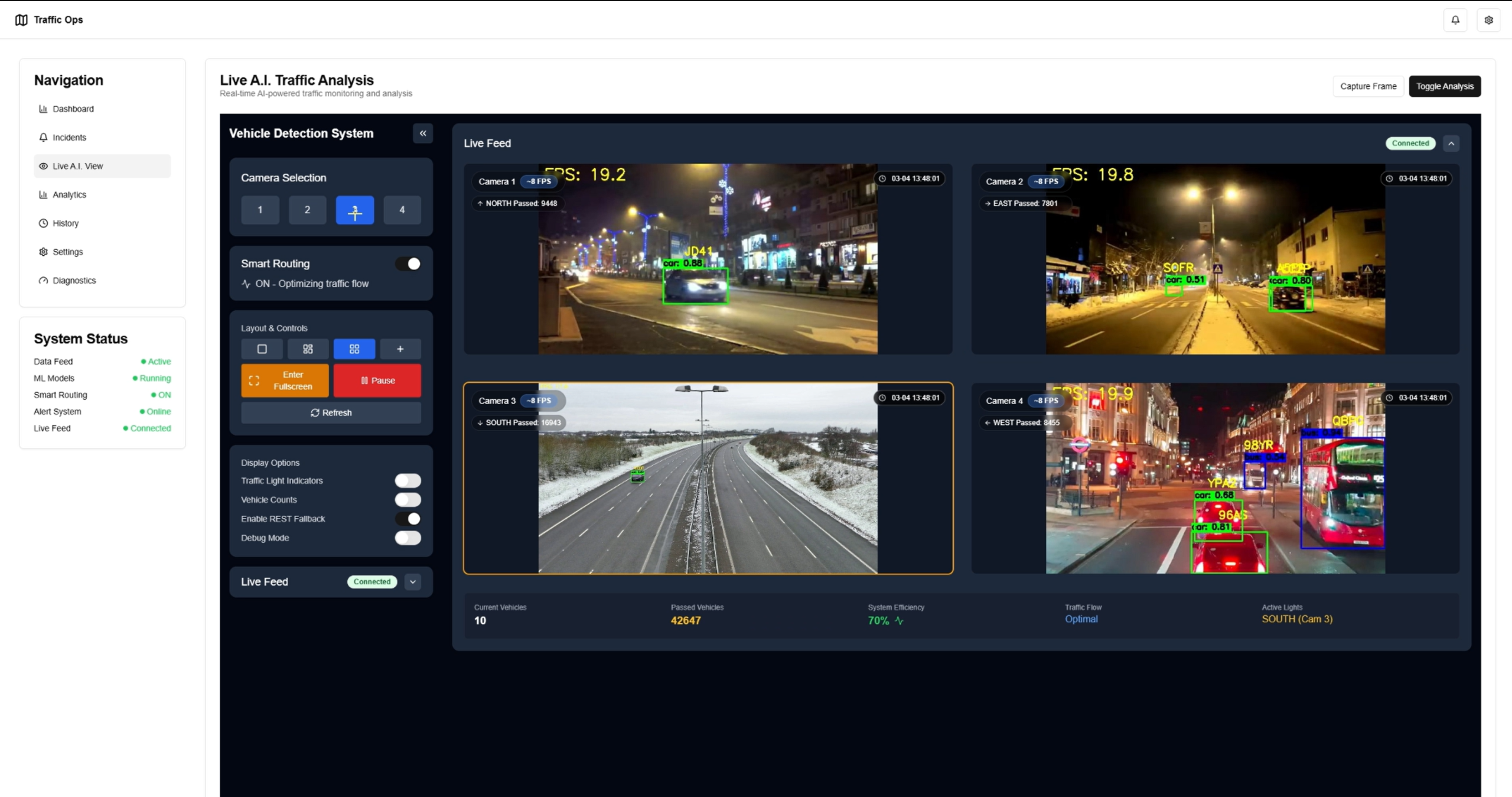
Their approach integrates 5G and blockchain technology to ensure the security and efficiency of data transmission. Sensors can monitor air quality, detect waste levels in bins, and track energy consumption, providing actionable insights for local governments. What sets them apart is their citizen-centric model: through a dedicated app, residents can report issues – such as potholes or faulty streetlights – and receive updates on municipal responses. “We want citizens to be part of city management, not just passive recipients of services,” Fjolla explains.
Still in its early phases, the platform is expected to launch in Peja by the end of the year, with plans to scale across Kosovo and the broader Balkans. With its fusion of IoT, blockchain, and 5G, Next Gen Networks is positioning itself in the field of smart urban governance in the region.
Solarise Technologies: Simplifying solar energy with AI
Renewable energy adoption in the Balkans has been slow-moving, but Solarise Technologies is making solar installation more accessible, data-driven, and easier than ever. Founded and led by a standout team of engineers – primarily women – Solarise is not only breaking barriers in renewable energy in Serbia but also challenging gender norms in the tech sector. Starting as a hackathon project, the startup has evolved into a powerful AI-driven solution for the solar energy industry.
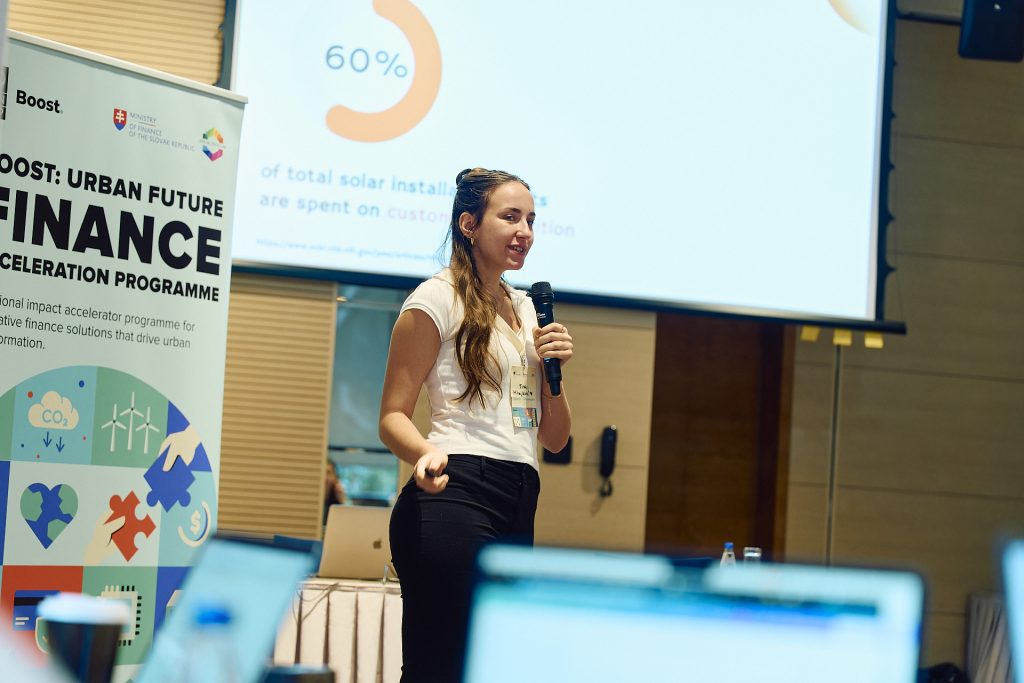
Tina Mihajlovic, co-founder and CEO, reflects on their journey: “We realized that one of the biggest barriers to solar adoption wasn’t the technology itself but the complexity of the installation process. People had to wait weeks for an evaluation. Our goal was to change that.”
Solarise uses AI and satellite imagery to analyze rooftops and instantly generate solar installation quotes, eliminating the need for manual site inspections. Their software enables users – ranging from individual homeowners to large-scale solar companies – to assess a property’s solar potential in just minutes. By removing cost and knowledge barriers, they are accelerating the shift toward renewable energy.
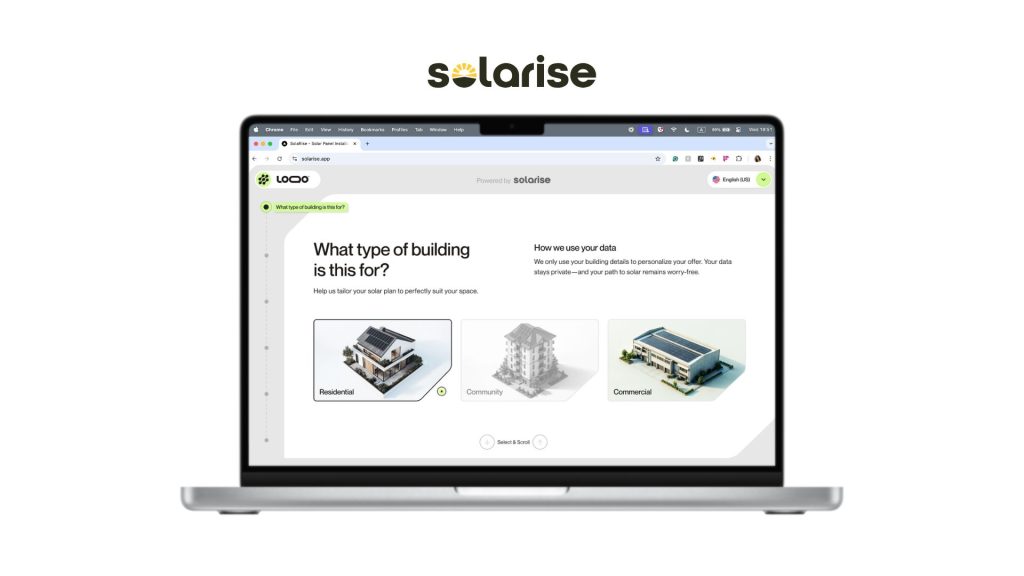
Beyond convenience, Solarise is actively working on global scalability. Unlike existing solutions, which are often limited to select regions, their technology can be applied worldwide. “We’re not just building another solar calculator,” Tina emphasizes. “We’re democratizing access to solar energy.” With beta testing underway in multiple European countries, including Germany, Spain, and the UK, Solarise is proving that AI can be a game-changer for sustainable urban infrastructure.
Peasy: Making parking more efficient through smart tech
Anyone who has ever spent countless minutes circling a neighborhood looking for parking knows the frustration of inefficient urban mobility. In Niš, Serbia, Pavle Mitic, CEO, and his team at Peasy have developed a digital solution to address parking shortages and reduce urban congestion.
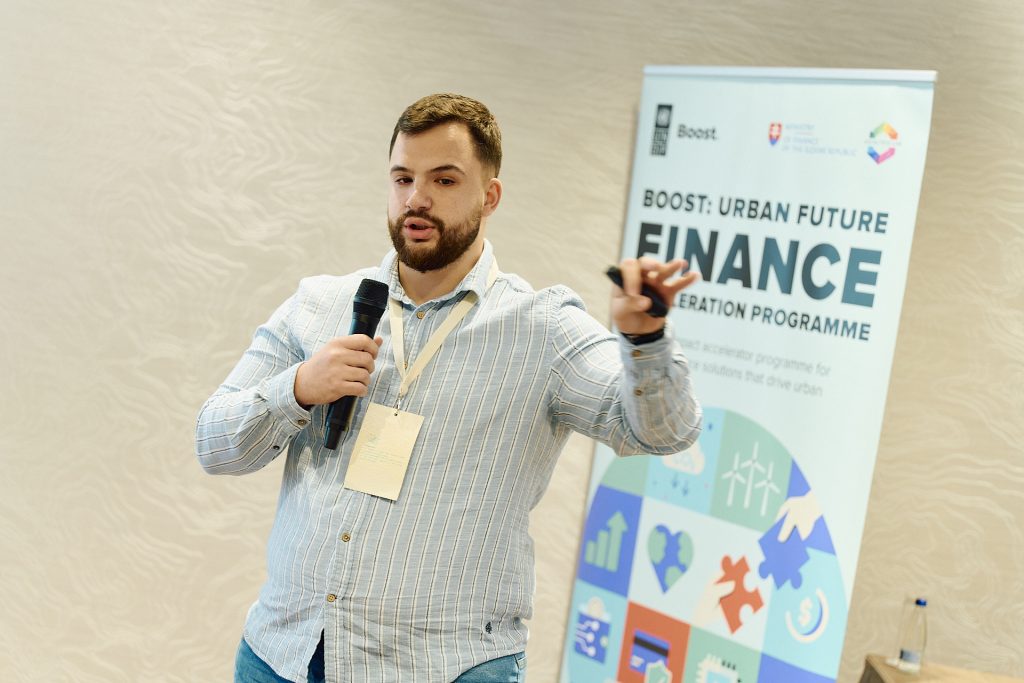
“Globally, drivers spend an average of 40 hours per year searching for parking,” Pavle explains. “That’s not just wasted time – it’s increased pollution, stress, and economic inefficiency.”
Peasy’s solution is twofold: a mobile app that allows users to reserve parking spaces in advance and Bluetooth-enabled devices that signal real-time parking availability. By connecting drivers with both private and public parking spaces, Peasy aims to optimize existing infrastructure rather than requiring costly new developments.
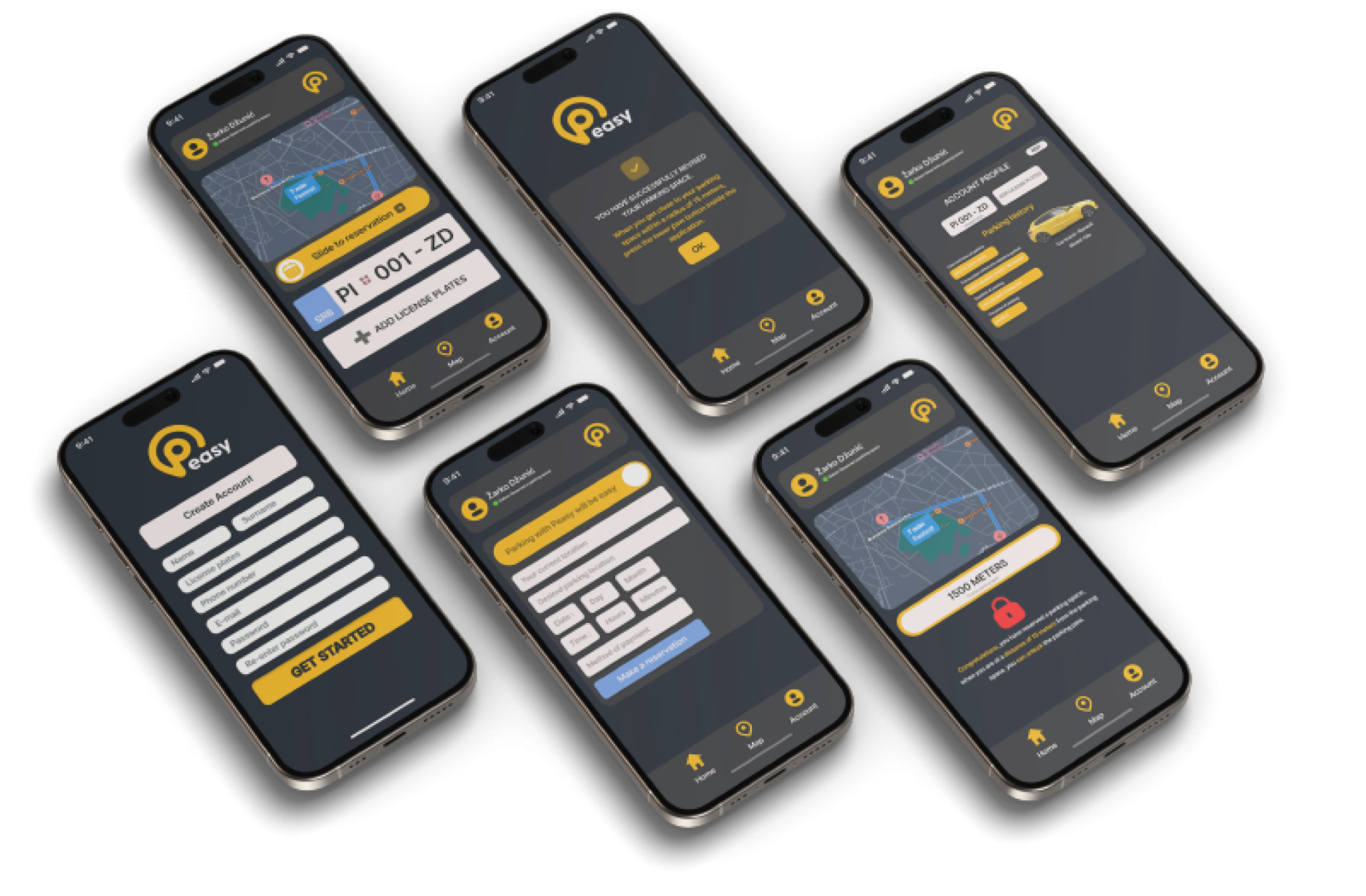
Unlike conventional parking apps that merely display available spots, Peasy guarantees reservations and personalizes recommendations based on users’ habits. The platform also enables property owners to rent out unused parking spaces, contributing to a more efficient sharing economy. “It’s not just about finding a spot – it’s about transforming parking into an optimized, stress-free experience,” Pavle says.
Currently in pilot testing, Peasy is set to launch in Niš within the next months, with plans to expand to larger cities across Serbia like Belgrade and Novi Sad before scaling internationally. By integrating smart parking solutions, Peasy is tackling both environmental concerns and quality-of-life issues in urban centers.
Tech-driven urban transformation in the Western Balkans
Across the Western Balkans, startups like Next Gen Networks, Solarise Technologies, and Peasy are demonstrating that impactful urban transformation is within reach through resourceful innovation and strategic technology adoption.
BOOST’s Urban Future Finance acceleration programme has played an important role in this ecosystem, offering resources, mentorship, and networking opportunities that have helped these startups refine their business models and scale their impact. The programme has also emphasized the urgency of sustainable urban solutions. “Before BOOST, we weren’t even thinking in terms of measurable impact,” Tina from Solarise admits. “Now, we’re tracking the environmental benefits of every installation.”
Each of these ventures reflects a broader shift – where digital tools put power in the hands of communities, sustainability takes center stage, and technology helps make cities more livable for everyone. As these solutions continue to evolve, the future of cities in the region is being built not just by policymakers and urban planners but by tech-driven entrepreneurs who see innovation as a tool for smarter, greener cities.
*References to Kosovo shall be understood in the context of Security Council Resolution 1244 (1999).
BOOST, powered by UNDP, in collaboration with the European Union (EU), the Government of Denmark, are proud to announce the successful launch of the acceleration programme in Ukraine.
The programme, part of the broader Mayors for Economic Growth (M4EG), a joint EU-UNDP initiative supporting local governments in the Eastern Partnership countries on their path to inclusive economic growth, has selected twelve innovative teams to drive economic growth in two participating cities Mykolaiv and Ternopil.
The teams represent a wide range of micro, small, to medium-sized enterprises, each bringing innovative solutions in the “blue” or “green” economy sectors. The selected participants span diverse industries, including electric transportation, maritime equipment, environmental technologies, and sustainable manufacturing.
Blue Innovation Challenge (Mykolaiv)
Seven teams from Mykolaiv are focusing on maritime and water-related innovations:
- AMICO DIGITAL, LLC: A research and production enterprise specializing in the design, development, manufacture, and support of equipment for metering liquids, oil products, and liquefied gases. Through the programme, the team will acquire knowledge and resources to rebuild their business and continue innovating in the manufacturing of measuring devices crucial for Ukraine’s coastal infrastructure.
- KranTechElectro, LLC: A company dedicated to the restoration, overhaul, and maintenance of portal cranes, conveyor equipment, and handling equipment for ports and private terminals. The programme will enable them to transform their production processes to be more environmentally sustainable by converting their facilities to solar energy.
- Kushnyrov (IE): A specialized manufacturer of small, high-density polyethene (HDPE) vessels. Through participation in the programme, the company’s leadership team will enhance their management capabilities while receiving funding to contribute to the revival of Ukraine’s small fleet.
- Budko (IE): A pioneering team developing and implementing environmentally friendly water treatment technologies for both private households and industrial facilities. Their participation in the acceleration programme will facilitate the development and implementation of innovative water treatment units specifically designed for the city of Mykolaiv.
- RMC, LLC: One of Ukraine’s leading producers of industrial refrigeration equipment. They plan to develop technical documentation for protective-case units running on natural refrigerant, making refrigeration equipment more environmentally friendly across ships, enterprises, and retail sectors.
- MeGoElectric UA, LLC: A company at the forefront of affordable electric truck production. Their project focuses on developing and expanding production capabilities to make freight transportation both more affordable and environmentally sustainable.
- Netudykhata (IE): An innovative agricultural enterprise developing an advanced irrigation automation system for greenhouses and open ground farming. Their technology aims to help Ukrainian farmers reduce water and electricity consumption, increase crop yields, and address the challenge of skilled labor shortages.
Green Innovation Challenge (Ternopil)
Five teams from Ternopil are advancing sustainable and environmental initiatives:
- Eleek, LLC: Ukraine’s first electric bicycle manufacturer, operating since 2010 with expertise in producing and selling electric bicycles, spare parts, and accessories. Their project involves establishing Ternopil’s first electric bike rental business, providing residents and tourists with a faster, more convenient, and environmentally friendly transportation option.
- KVOTA: A family-owned company with over 30 years of experience in mechanical engineering, specializing in mould design and manufacturing. Their project focuses on producing specialized moulds and environmentally friendly forks for Ternopil’s hospitality sector, including hotels, restaurants, and cafes.
- City Initiatives, LLC: A technology company specializing in innovative solutions for urban mobility, city management, and e-democracy. Their project involves creating the “Ecomap of Ternopil,” an interactive electronic database of recycling centres integrated into the popular e-Ternopil application.
- Association of Parks of Culture and Recreation: The sole public utility company in the programme, planning to create an innovative city farm in Sopilche Park. This modern, eco-friendly space will combine innovative plant growing approaches with environmental education initiatives for city residents.
- Termopaneli, LLC: A market leader in facade insulation thermal panel production and successful exporter to European countries. Their project aims to create a fully energy-independent production facility, advancing both environmental sustainability and business resilience.
As part of BOOST, all participating teams will receive comprehensive mentoring support, business acceleration guidance, and valuable networking opportunities. Additionally, each team will be eligible for funding of up to US$10,000 to help bring their innovative ideas to life. The programme is scheduled to conclude in Spring 2025, culminating in Demo Days where teams will showcase their achievements and their impact on local economies.
Find out more about the Blue Innovation Challenge in Mykolaiv and the Green Innovation Challenge in Ternopil.
The United Nations Development Programme (UNDP) in Europe and Central Asia, in partnership with SocialTech Lab, announced the selection of 19 innovative finance solutions for the BOOST: Urban Future Finance acceleration programme. The participants will receive comprehensive support to develop and scale their initiatives to drive urban transformation across the Western Balkans.
Following a rigorous evaluation process, the selected participants represent a diverse innovation ecosystem, including startups (37%), micro, small and medium-sized enterprises (32%), municipalities (16%), non-profits (11%), and academic institutions (5%). The geographic distribution spans across Serbia (21%), North Macedonia (21%), Montenegro (21%), Kosovo¹ (16%), Albania (16%), and the region (5%).
The selected participants bring forward a remarkable range of innovative solutions in the following areas:
- Citizen engagement & governance: City & Me, Muqa, and QX are pioneering new approaches to participatory urban decision-making, budgeting, and community data management, while Cities for Humanity will take part with an initiative on citizen-driven urban planning.
- Sustainable energy: Solarise and Sun Energy are advancing clean energy adoption through innovative solar solutions for communities and public transport.
- Smart city solutions: Next Gen Networks and Peasy are developing IoT-powered services to optimize urban services and parking management.
- Environmental innovation: Batica and Veles are introducing novel approaches to sustainable delivery systems and carbon credit trading, while the City of Skopje proposed new urban greening practices.
- Urban agriculture: Biotech Agriculture and Intelligent Indoor Farm are revolutionizing urban farming through sustainable practices and aeroponic technology.
- Education & innovation: Kolegji Nderkomberat per Biznes dhe Teknologji UBT and N’Zon Creative Industries are creating sustainable spaces for education and entrepreneurship.
- Cultural heritage: Montenegrin Heritage Hub is creating digital platforms to connect artists, tourists, and local communities.
- Financial & urban services: Presto, 3D World, and Smart Condo Startup are streamlining financial services, information sharing, and utility management.
The selected participants are at various stages of development, with 42% at the prototype stage, 32% at the idea stage, and others ranging from MVP to commercial deployment. This diversity in maturity stages promises rich peer-to-peer learning opportunities throughout the programme.
“The selected participants represent the incredible innovation potential of the Western Balkans region,” says Ievgen Kylymnyk, Regional Project Manager, UNDP. “Through this acceleration programme, we aim to provide these changemakers with the tools, networks, and expertise they need to scale their solutions and create lasting impact in urban development.”
The six-month acceleration journey will begin in November 2024 with a four-week BOOSTCamp, including intensive training sessions and tailored mentorship. The programme will culminate in a Demo Day in April 2025, where participants will present their developed solutions to potential investors and partners.
The BOOST: Urban Future Finance programme is part of the Slovak Transformation Fund, financed by the Ministry of Finance of the Slovak Republic, and aims to reimagine urban development in the Western Balkans and advance innovative finance solutions.
¹References to Kosovo shall be understood to be in the context of United Nations Security Council resolution 1244 (1999)
Istanbul, September 24 – Powered by the United Nations Development Programme (UNDP), BOOST, a regional impact acceleration programme, is launching an initiative for innovative financial solutions for urban transformation
The Western Balkans region has long faced financial difficulties in securing adequate funding for urban development. Cities often grapple with strict regulations, limited budgets, and a lack of interest from investors, among other things. This has made it particularly challenging to pursue sustainable, green, and inclusive urban growth. Yet, there are promising innovations emerging in how cities organize themselves and finance development, enabled by a stronger civil society and digital technologies such as blockchain, machine learning, and AI, that are beginning to unlock new ways to bridge resource and financial gaps and empower growth.
The BOOST: Urban Future Finance acceleration programme seeks to identify, accelerate, and scale emerging or existing innovative financial solutions. By doing so, it aims to catalyze urban transformation and unlock growth potential across the region. Up to 20 innovative financing solutions will be selected to participate in this unique opportunity, receiving comprehensive technical assistance from UNDP and partners.
The BOOST programme is open to a diverse array of applicants – from startups and social enterprises to non-profits, municipalities, and academic institutions – who are based in or plan to deploy their solutions in Albania, Bosnia & Herzegovina, Kosovo1, Montenegro, North Macedonia, or Serbia. In addition to access to a network of investors, cities and innovative finance experts, the selected participants will benefit from tailored training sessions and personalized mentorship in key areas such as impact measurement, business model development, and digital transformation. To qualify, applicants must have developed at least a Minimum Viable Product (MVP) and demonstrate their solution’s potential to drive innovation, scalability, and measurable social, environmental, and/or economic impact.
UNDP is committed to reimagining urban finance to overcome the barriers to sustainable urban growth. “Through this new acceleration programme, we strive to catalyze urban transformation in the Western Balkans by nurturing innovative financial solutions that bridge funding gaps, engage communities, and unlock sustainable development potential in cities across the region,” says Ievgen Kylymnyk, UNDP.
The deadline for applications for the BOOST: Urban Future Finance acceleration programme is October 21, 2024. The programme will kickstart with a four-week long BOOSTCamp, including an in-person event in November 2024. This will be followed by personalized mentorship, peer-to-peer learning and pitch training, which will culminate in a Demo Day in April 2025 where participants will have the chance to pitch to UNDP, cities and potential investors. This journey will equip participants with the tools, networks, and expertise necessary to further develop, expand and scale their innovative finance solutions for urban growth.
As a regional initiative, powered by UNDP Europe and Central Asia, the BOOST programme is committed to advancing urban development through cutting-edge financial solutions. The programme is funded by the Ministry of Finance of the Slovak Republic and offers participants a comprehensive acceleration journey to help them strengthen their business models, embed impact, explore new financing options, and integrate digital technologies.
For more information on the BOOST: Urban Future Finance acceleration programme and how to apply, visit BOOST website, and register for our information session on October 10, 2024 at 11 CET.
Contact information:
Svetla Baeva, Communications Lead, Innovation Team, UNDP Europe and Central Asia
Email: svetla.baeva@undp.org
About UNDP
UNDP is the leading United Nations organization fighting to end the injustice of poverty, inequality, and climate change. Working with our broad network of experts and partners in 170 countries and territories, we help nations to build integrated, lasting solutions for people and planet. Learn more at undp.org or follow at @UNDP.
About BOOST
BOOST is a regional impact acceleration programme, powered by UNDP Europe and Central Asia. It harnesses innovation for development by reimagining our future and nurturing a community of innovators in the region.
1 References to Kosovo shall be understood to be in the context of United Nations Security Council resolution 1244 (1999).