
Category: Digital transformation and emerging tech
Originally published by UNDP Eurasia. Edited by Karen Cirillo, Digital Communications Specialist, UNDP IRH.
Biowaste. It’s not just your average trash. Biowaste – anything from egg shells to orange peels, from garden to food processing plant garbage – is quickly becoming a valuable resource and its transformation is fueling sustainable waste management practices.
Innovative technologies and creative approaches are breathing new life into biowaste, giving rise to a host of eco-friendly solutions, from nutrient-rich compost and renewable bioenergy to biodegradable plastics and even insect-based proteins.
In North Macedonia’s capital Skopje, biowaste amounts to a whooping 45 percent of all municipal waste, most of which ends up in landfills. So UNDP North Macedonia, together with UNICEF and the City of Skopje, opened the first-of-its-kind biohacking laboratory in the country to tackle biowaste head on.

Today, cities produce more than 50 percent of global waste (OECD) due to inadequate waste management, higher food consumption patterns in urban areas, and a lack of composting infrastructures. Skopje joins a growing number of cities bent on embracing a circular economy – making and consuming things in a way that minimizes our use of the world’s resources, cuts waste and reduces carbon emissions.
“[Right now], the waste gets thrown in the landfills, which creates a range of other problems, including air pollution…There are a lot of recycling initiatives for glass and plastics, but none regarding organic waste,” says Lazar Pop Ivanov, Head of Experimentation at UNDP North Macedonia.
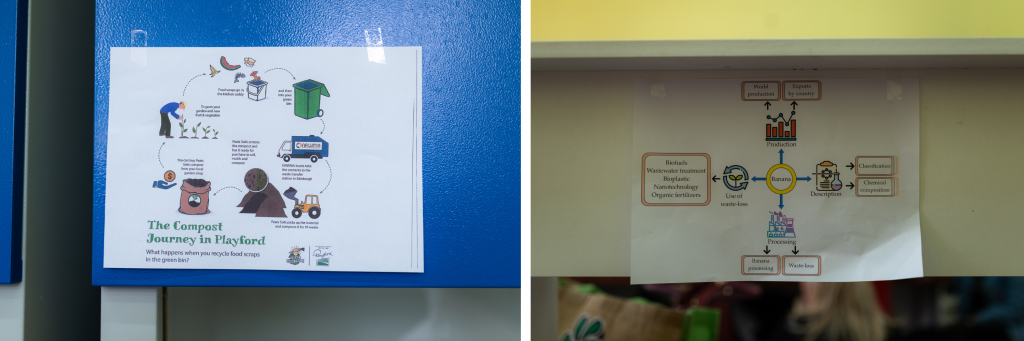
“Traditional “take-make-dispose” economies have devastating impacts on people and the environment. But the alternative circular economy model is widely considered to be the way forward…
Repairing, recycling and redesigning products and systems have the potential to trigger far-reaching change, and put the world on track to achieve the UN’s’ Sustainable Development Goals,” notes Igor Izotov, Head of Exploration at UNDP North Macedonia.
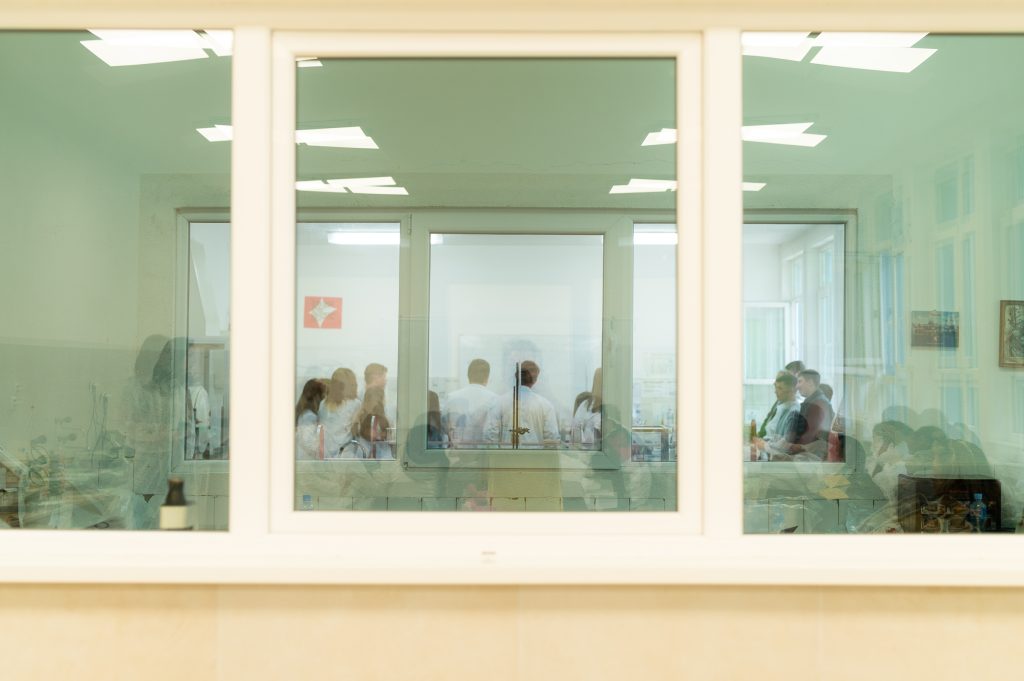
Making science fun for our future innovators
Rooted in the practice of biohacking, more generally understood as do-it-yourself biology, the fully-equipped Skopje laboratory is not just an innovative experimental facility. It’s also part of a movement to democratize science, making scientific knowledge, research and education more accessible, inclusive and participatory.
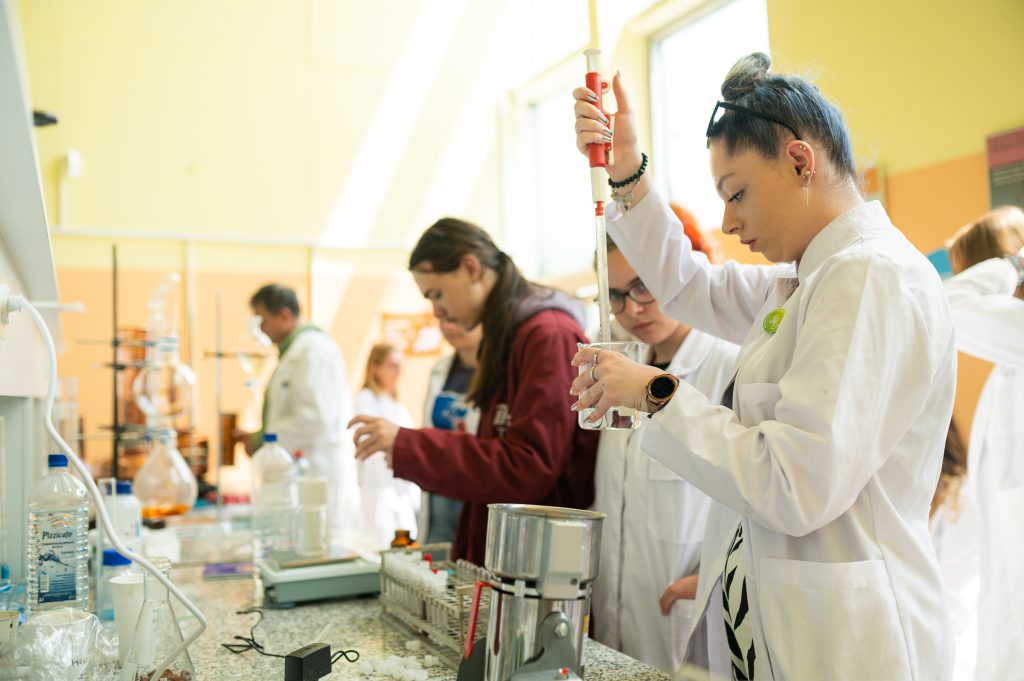
Strategically nested in a state high school in Skopje, the lab is opening up science to students and teachers, providing a space to experiment with science and technology-based projects. It uses biowaste as an entry point to foster innovation, education and meaningful community engagement to find solutions to pressing environmental challenges.
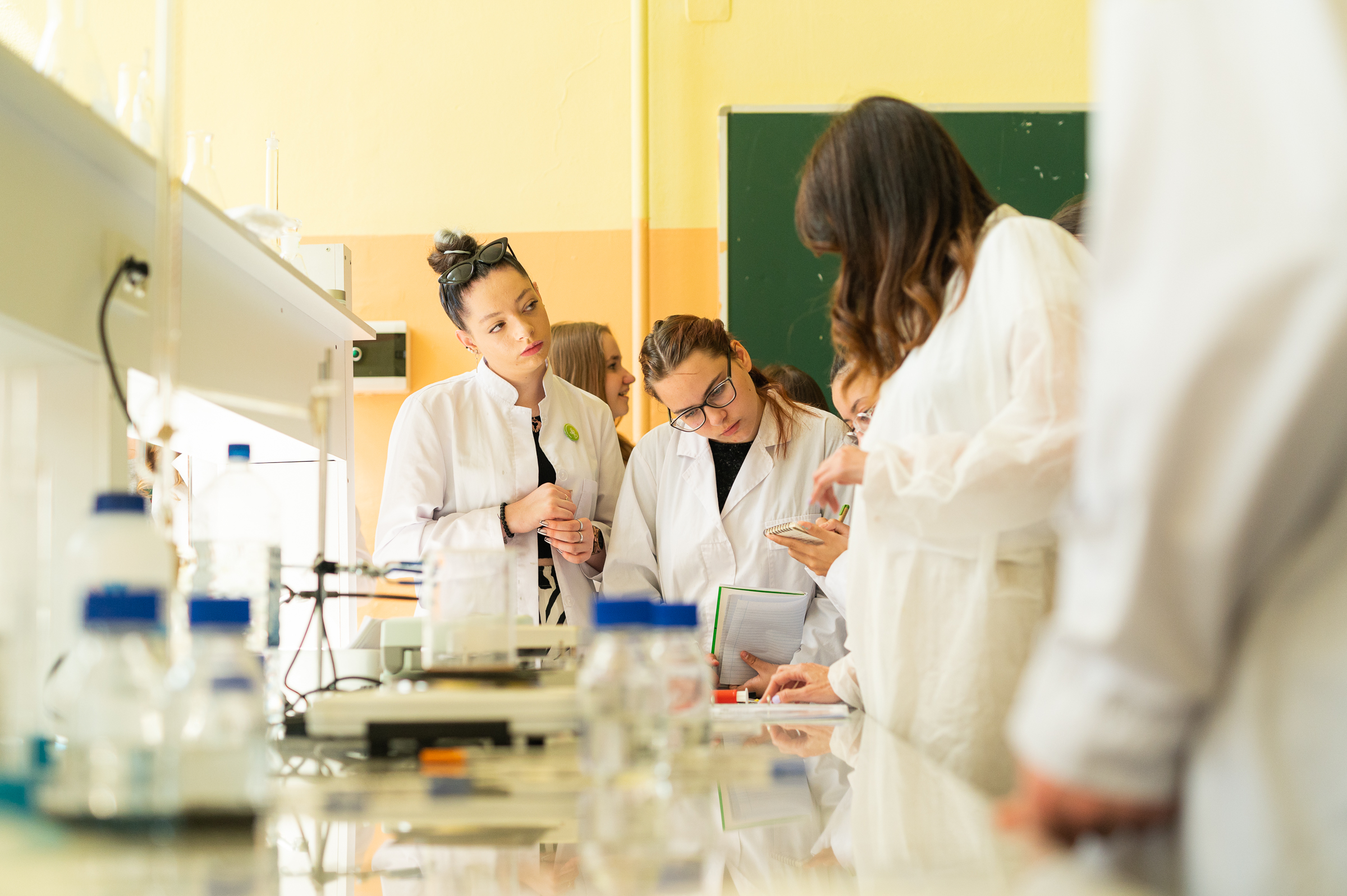

“The formal education system is quite resistant to change and over the years that has contributed to a level of disengagement from students. They start to perceive that what they’re being taught is irrelevant, impractical and not connected to the real world,” says Bore Pucoski, an Education Officer at UNICEF.
Research shows that students in North Macedonia have difficulties in applying the knowledge learned in schools in their everyday lives, and that teachers lack the skills and capacity to provide experiential learning. The lab offers much needed tools for teachers to be able to deliver a practical, hands-on learning experience for students on subjects related to chemistry and biology, with a special focus on repurposing biowaste and circularity.
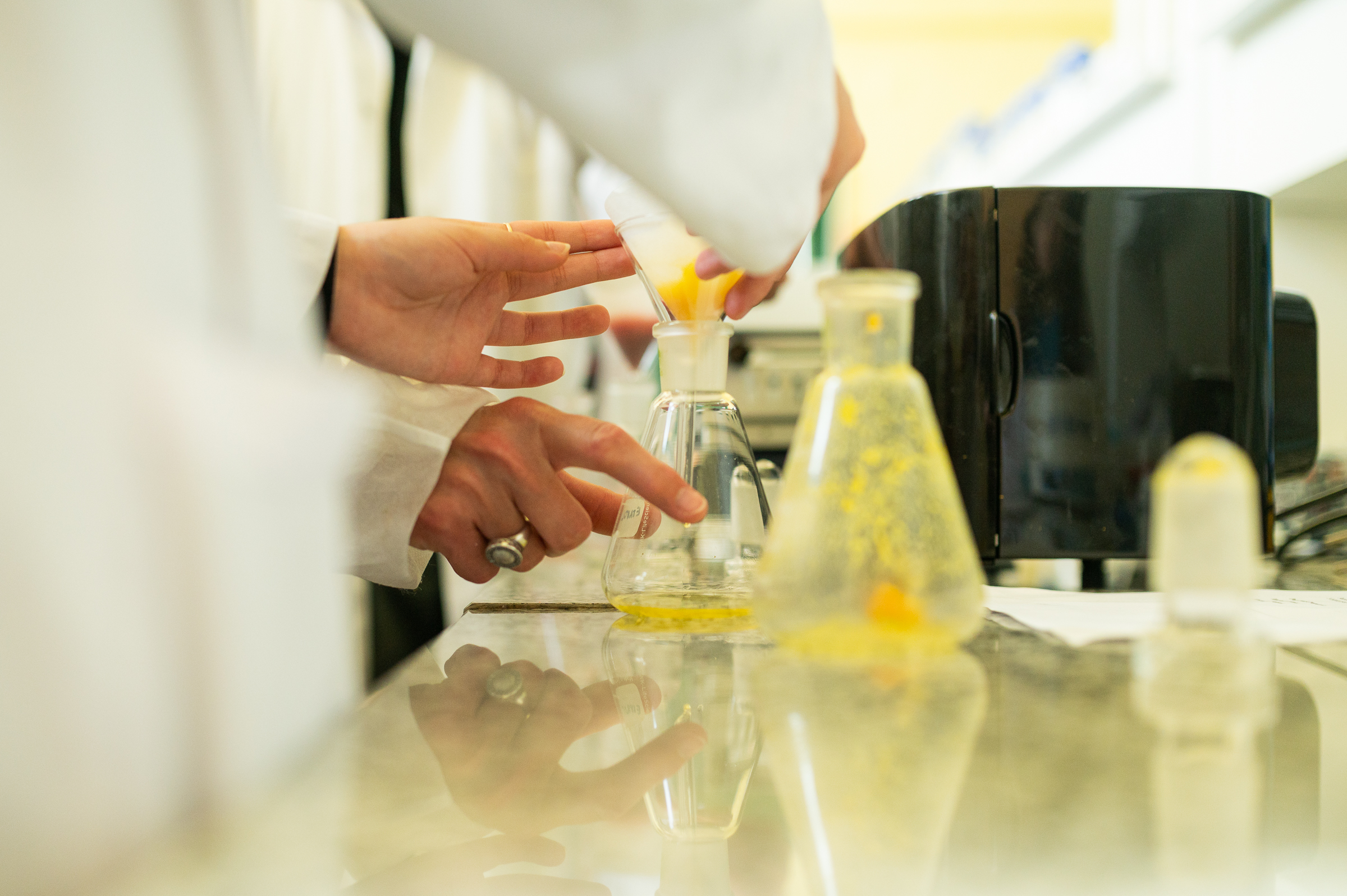
The team also partnered with the National Vocational Education and Training Center, to engage over 40 teachers to organize regional science caravans. Using the laboratory’s mobile equipment, the science caravans travel to schools that teach courses in chemistry, technology, agriculture and veterinary sciences, where teachers deliver preparatory lectures and set up biowaste collection points with students. Then, in close collaboration with leading scientists, they work on experiments to transform biowaste into usable products.
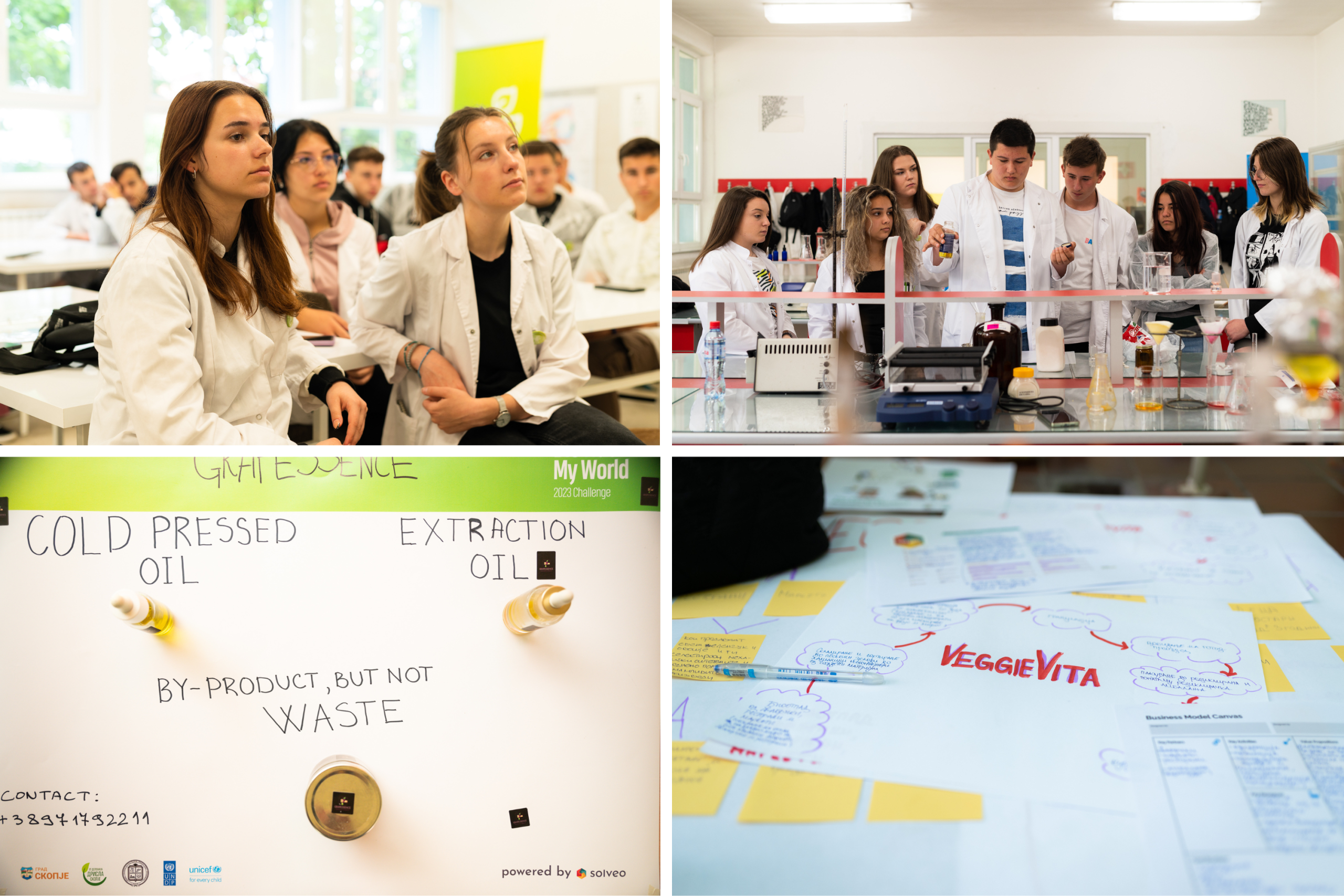
Sparking a new generation of climate innovation heroes
Biowaste holds immense potential for a wide range of beneficial uses from bioenergy production and bioplastics to innovative textiles. What is more, the biotech industry is catching on, developing technologies that are being optimized to convert biowaste.
In April, UNDP North Macedonia joined forces with Solveo, an innovation consultancy company, to launch the lab’s first three-week program for startups working with biotechnologies. Skopje’s Bio Hack My World 2023 challenge had one main objective – to bring together startups, entrepreneurs and innovators with groundbreaking ideas leveraging biowaste to address environmental challenges and support them to develop their ideas.
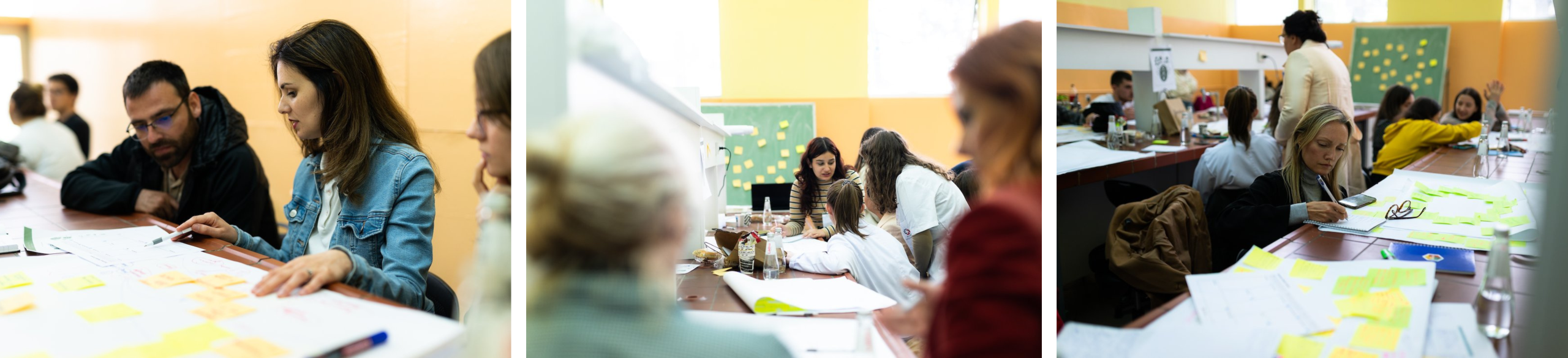
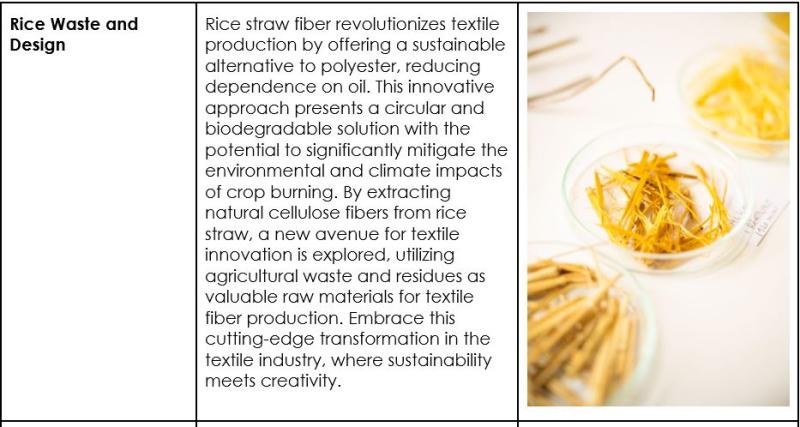
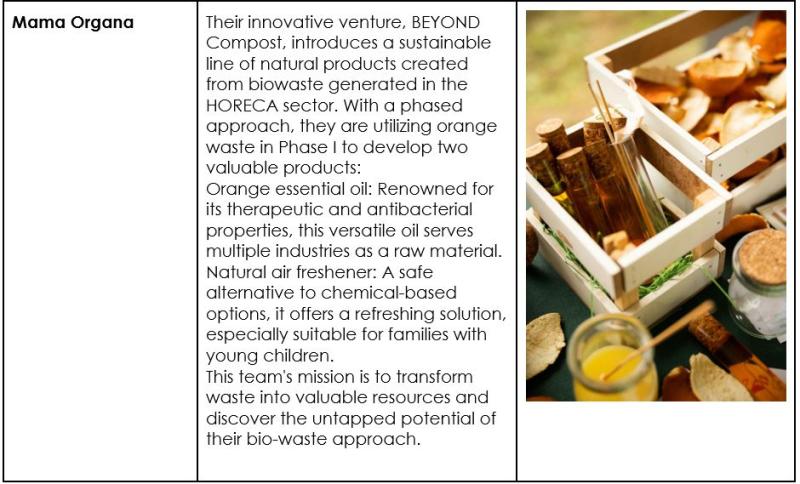
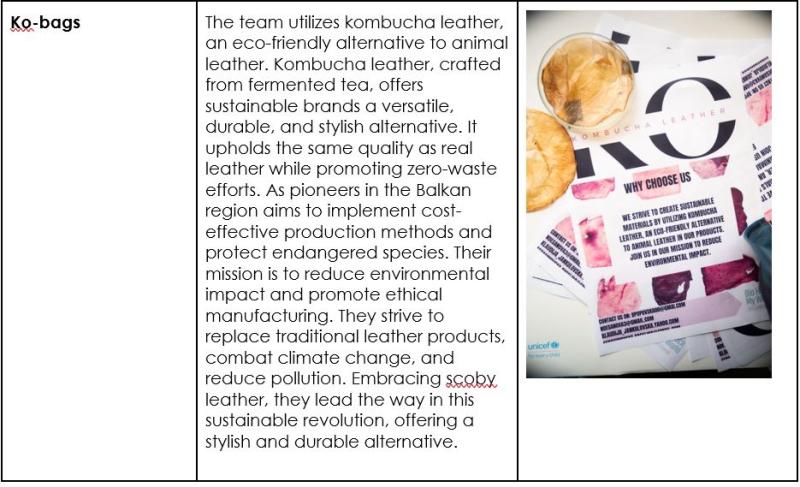
The emerging solutions, showcased during an open Demo Day in May, demonstrated innovations contributing to waste reduction and resource conservation. One idea was to use fermented tea to manufacture kombucha leather as an alternative to animal-based leathers, in a bid to promote ethical manufacturing and reduce pollution. Another harnessed rice straw fiber to create a sustainable alternative to polyester in hopes of revolutionizing the textile industry. Rice by-products were also used to create a wide selection of compostable cups, plates and utensils as an eco-friendly alternative to plastic items, while eggshells were ground to produce a natural calcium powder as a sustainable alternative to conventional sources.
All of these ideas used biowaste to create new, sustainable products. And it’s just the beginning. Participants were connected with UNDP’s Social Inclusion portfolio for launching possible businesses.

A new of thinking and doing
The establishment of the laboratory comes as part of a wider portfolio of interventions under the City Experiment Fund, a regional project at UNDP Europe and Central Asia supported by the Slovak Ministry of Finance. Currently, five cities in the region are embedding innovative methods in the design and delivery of city-level programmes and shifting to systems thinking when approaching urban challenges.
In the initial cycle of the programme, UNDP North Macedonia devised multiple interventions through which to nudge Skopje’s waste ecosystem to embrace circularity, not only as a waste reduction method but also as an opportunity to fuel the economy through new businesses and jobs. In the lead up to the opening of the lab, UNDP collected valuable data on the creation and generators of biowaste in Skopje, evaluated gaps in the current biowaste collection and management, developed a waste index that ranks biowaste in terms of its market potential and conducted laboratory research on how biowaste can be transformed.
With this new approach, UNDP Macedonia – and the city of Skopje – are ready for the next stage, developing new ways to tackle waste collection and support biowaste innovations so the wheels keep moving for a greener and more resilient urban future – one citrus peel at a time.
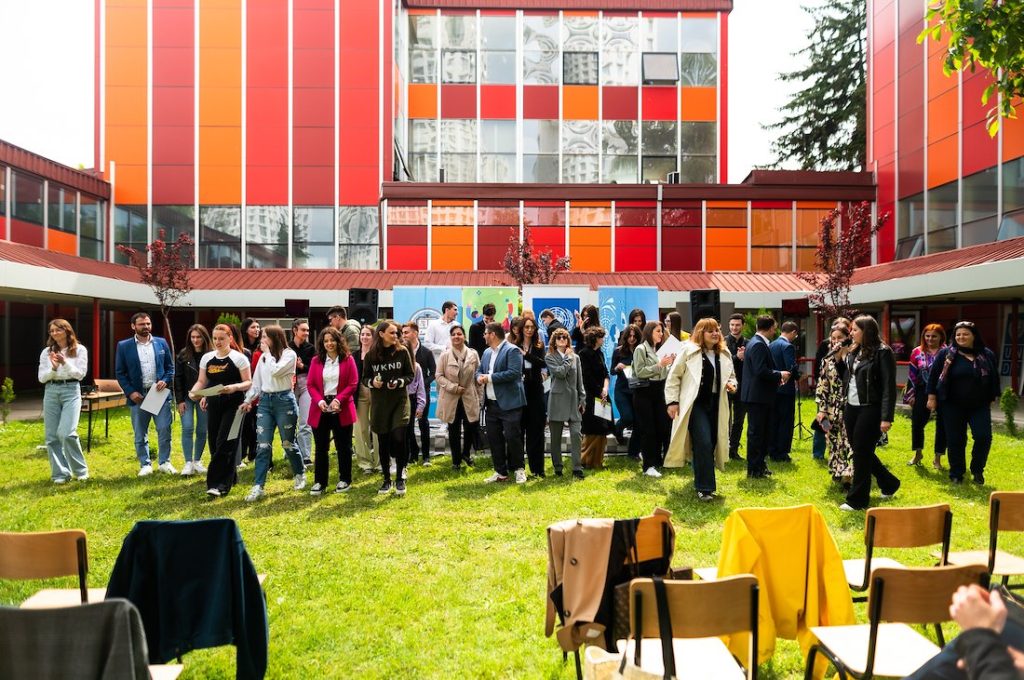
Photos: Goran Boshkovski (VidiVaka.mk)
For the Innovation Team at UNDP Europe and Central Asia, much of our work revolves around creating, storing, managing, and sharing knowledge. Approaching the latest AI developments with a blend of openness and discernment, we have started test driving generative AI tools and technologies to expedite ideation processes and streamline data analysis to see how it enhances our work.
We recently organized an internal hands-on learning session to explore various use cases for generative AI. During the session, we discussed how tools like ChatGPT can be set up as a reasoning or conversational partner to help us think through ideas for project activities. Furthermore, rapid improvements to platforms like Midjourney also position generative AI as a valuable tool for improving our storytelling capacity and attracting new audiences, partners, and donors.
Beyond automating some of our daily tasks, we are exploring how generative AI supports our new ways of working. Our shift from conventional project formats to a portfolio approach is transforming how we perceive, understand, and respond to various issues – from the future of work to depopulation. In the process, we are finding new methods to improve our readiness to address obstacles as we push the boundaries of development work in ever changing contexts – from adapting our methodologies to harnessing and embracing new technologies and partners.
Synthesis software for amplifying analytical capabilities
Combating societal distrust through social listening, also called community or deep listening, is at the core of our portfolio approach. Social listening exercises can take many forms, but the overall intent remains the same: driving transformative change at the local level.
Social listening exercises involve compiling a diverse collection of narratives in a city or region, extracting patterns of people’s lived experiences, and analyzing how these encounters are shaped by underlying values and behaviors, as well as evolving needs, challenges, and opportunities. These insights are integral to understanding what is and is not important to citizens. As a compass for action, they pave the way for aligning initiatives and government decision-making with the collective pulse of residents. This coordination, established through an intimate understanding of citizens’ perceptions and experiences, becomes the foundation for generating meaningful outcomes that embrace inclusivity as their guiding principle.
To explore the application of generative AI in social listening, we integrated Notably and ChatGPT into our workflow to test their effectiveness in accelerating data sorting and insight generation based on inputs from social listening sessions. For example, to analyze a wide range of challenges and experiences, we generated a conversation script using Notably’s qualitative tool. While this initial step eased our workload, manual intervention was necessary to highlight and code “want” statements – an area where AI fell short. But after tagging the script, the AI was able to generate concise summaries, offer thematic insights, and even generate a persona based on the applied tags.
However, Notably’s AI treated all statements as equal and could not prioritize which ones would be more important than others based on the context of the interview. This resulted in generic responses. On the other hand, ChatGPT’s text-prompt interface proved more versatile since it responds to detailed instructions, like counting the number of statements, giving a thematic analysis, and ranking things in importance. Nevertheless, ChatGPT’s analytical capabilities still lacked the granularity required to distill precise and comprehensive thematic insights.
To test other use cases for generative AI, we used ChatGPT to craft different citizen profiles for a mock interview activity during our five-day, in-person portfolio design and management bootcamp. The purpose of the simulated listening exercise was to immerse participants in the intricacies of social listening through role-playing scenarios. Using ChatGPT to generate profiles was an invaluable time-saving measure. Preparation that would typically demand a week’s effort was streamlined to just two days. However, without specific guidance, the platform produced profiles that predominantly skewed towards a singular male perspective, reflecting a narrow segment of society. Intrigued, we opted to retain these homogenous profiles with the intent of gauging participants’ discernment of potential biases. Those involved were quick to point out the lack of female perspectives, but it took more prompting to identify the lack of socioeconomic representation.
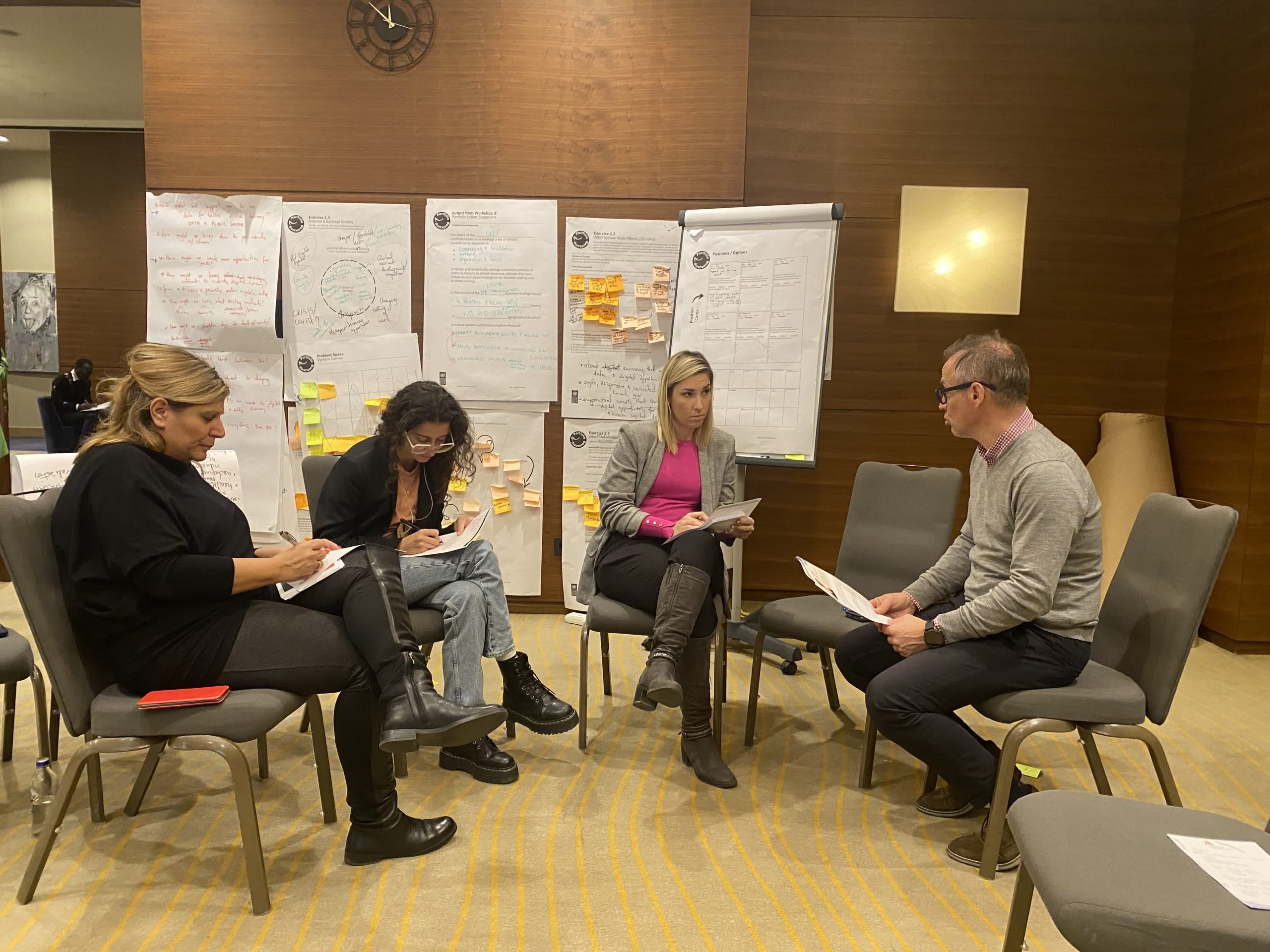
A new dimension to co-creation exercises
On a national level, UNDP country offices in Europe and Central Asia are also exploring ways to integrate AI in their work processes. Already, two country offices have tested and piloted a new partnership with Urbanist AI, a participatory platform for urban planning and co-design that integrates multiple generative AI technologies.
To build capacity for co-creation workshops and enhance social listening activities as part of our portfolio approach, UNDP North Macedonia’s Accelerator Lab worked with Urbanist AI to customize a half-day community workshop on redesigning parking lots, busy streets, and other public spaces in the context of cooling heat islands to combat climate change in Skopje. In a similar exercise, the UNDP Kosovo* led a workshop to collaboratively envision and develop child-friendly open spaces like parks for kids and teens in Pristina. Both meet-ups are linked to programmes under the City Experiment Fund, an initiative funded by the Slovak Ministry of Finance that engages cities in systems thinking-based processes to address urban challenges.
In both scenarios, participants were first divided into groups and sent out to document urban issues, and then were tasked with redesigning the areas in mini design charrettes. Participants applied Urbanist AI’s text-to-picture function to rapidly render lush landscapes and social infrastructure on top of existing urban spaces and used those images to engage in lively, constructive discussions on reimagining how the space could be optimally utilized now and in the future. From young children to seasoned bureaucrats, the workshop captured the attention of a wide range of participants.
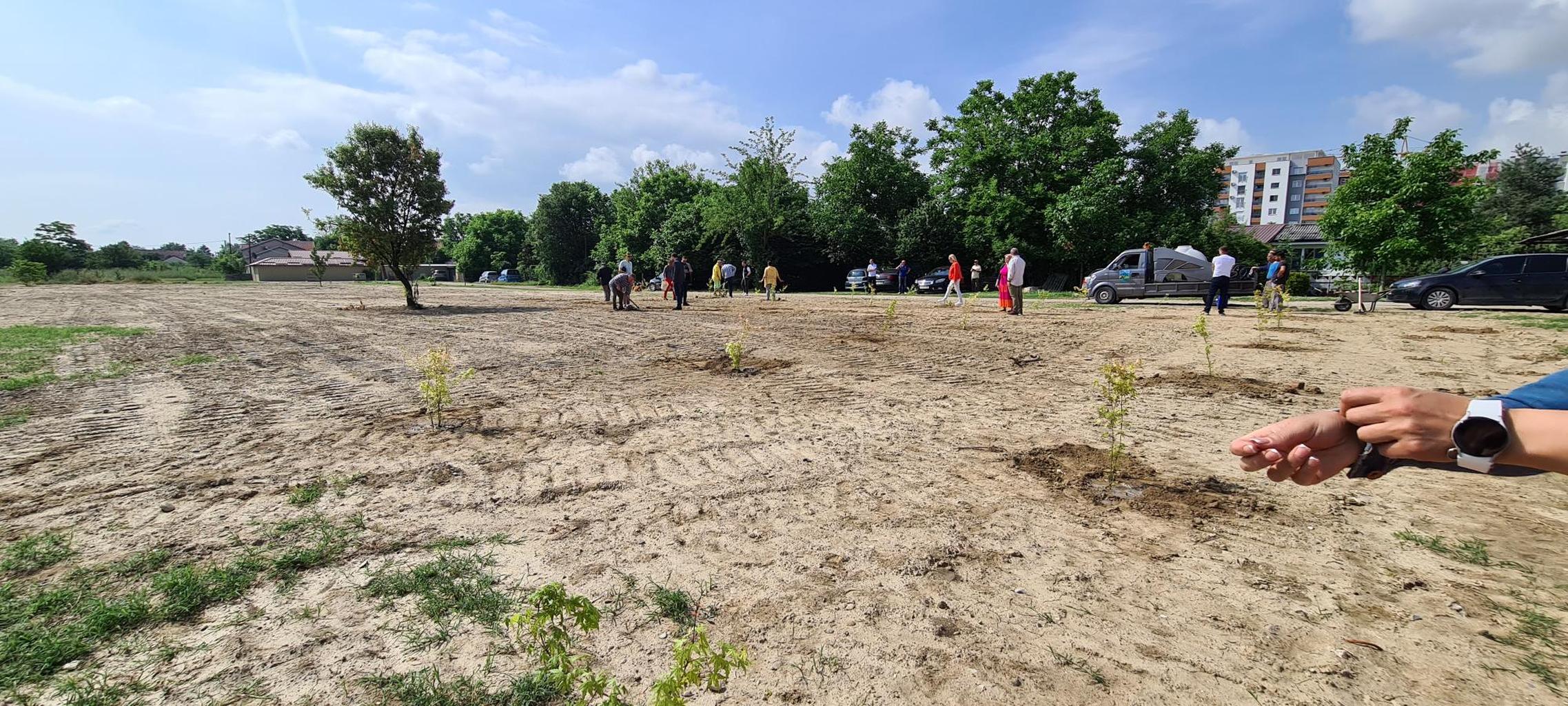
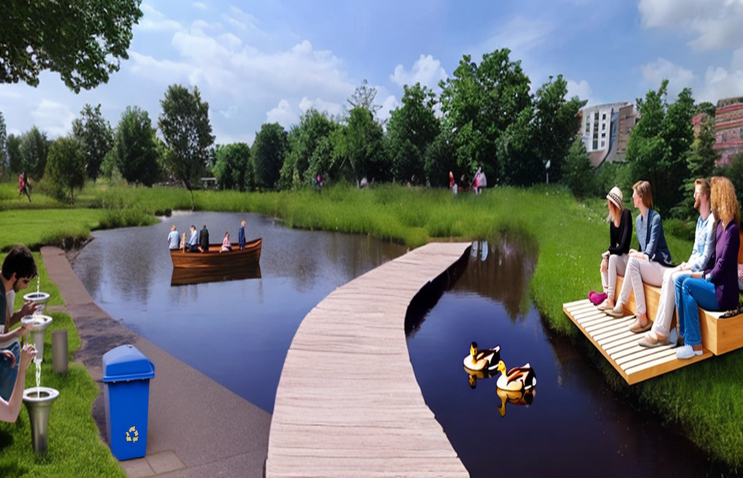

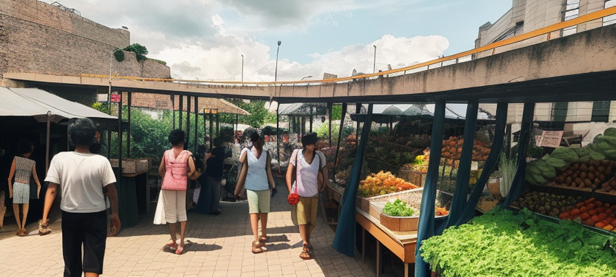
Images: UNDP North Macedonia
Throughout these sessions, Urbanist AI emerged not only as a tool, but also as a mode for getting people together. Attendees enjoyed engaging in the exercises and had positive learning experiences, which we hope will magnify the impact of UNDP’s participatory design workshops. As we fine-tune our approach, our next step is figuring out how to extend the benefits of platforms like Urbanist AI beyond collaborative co-creation exercises to synergize other aspects of the portfolio process. Additionally, we’re exploring potential partnerships that could be unlocked through innovative applications of such platforms.
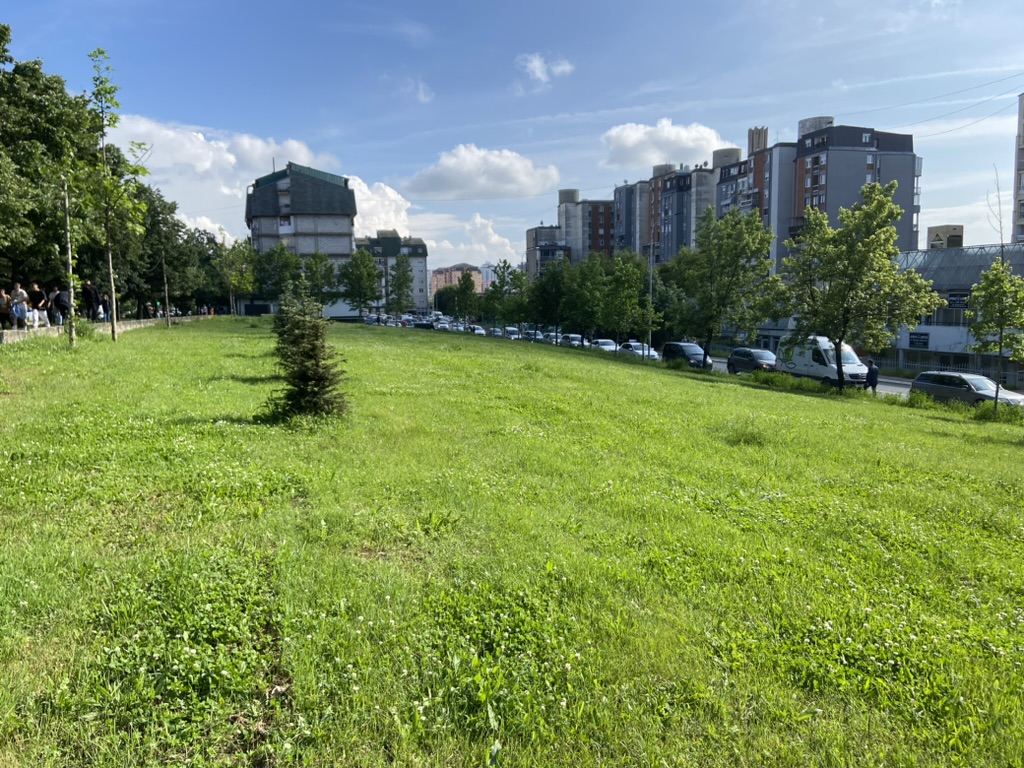

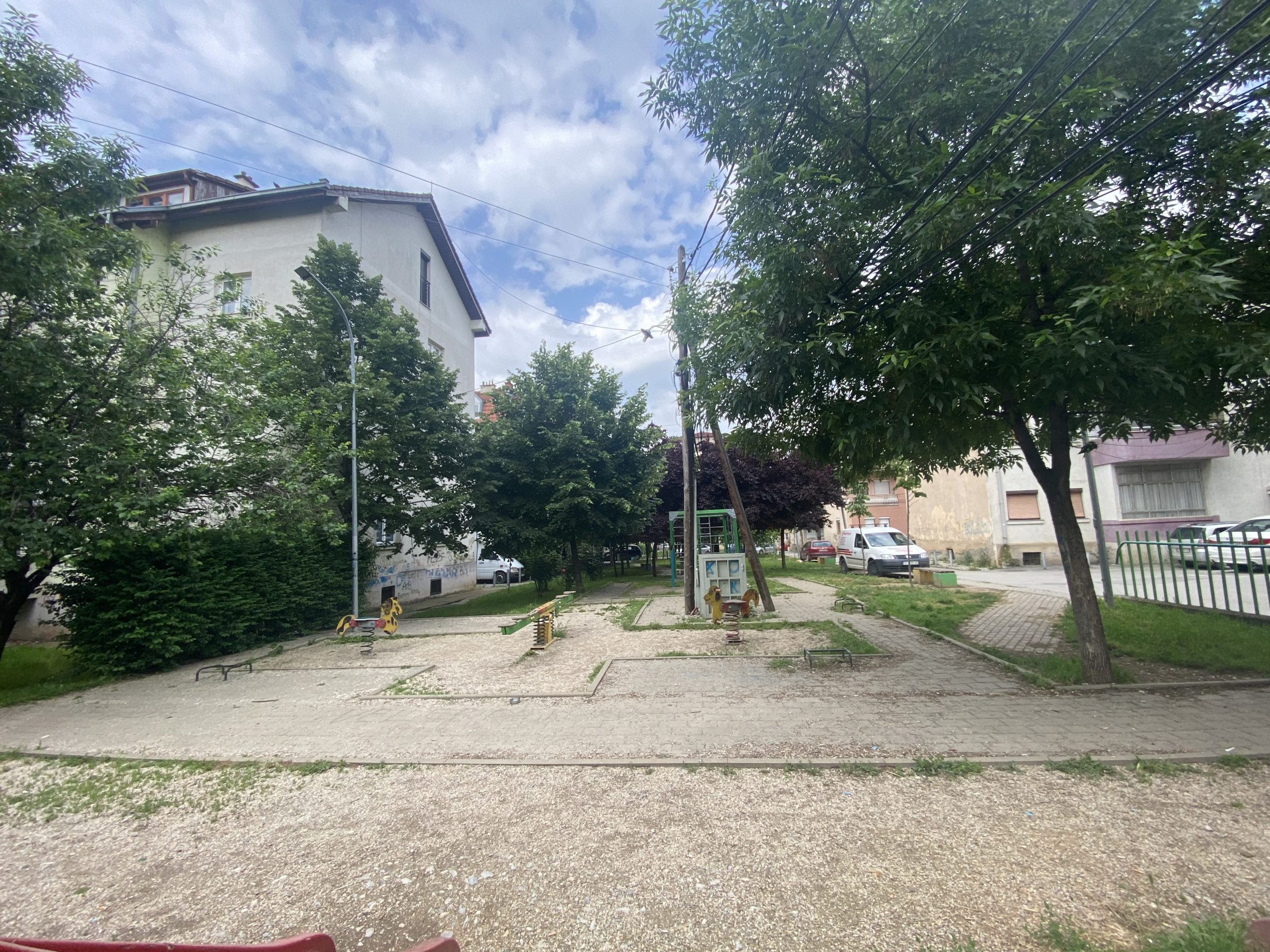

Images: UNDP Kosovo
Final takeaways
We find ourselves in the early stages of the AI revolution, eagerly observing the development of this technology and its adaptive applications. Its current constraints and biases are not inherently fixed; rather, they mirror the collective shortcomings of humanity. As we assess the outcomes of these learning experiences and refine our approach to continuous innovation, our decisions about how we move forward and create systems that reduce bias carry even greater significance.
Our commitment stands firm in addressing the downsides associated with generative AI. These challenges include the displacement of jobs due to automation, the threat of misinformation and deep fakes undermining democracy, biases present in training data, privacy and ethics concerns, and the ongoing issue of the digital divide. But we are also optimistic about a new horizon of possibilities. Our trials taught us that process and methodology can be enhanced by generative AI. While there is a learning curve to crafting the right queries, it is possible to guide the output in the right direction, especially when using tools that allow for step-by-step instruction input.
We foresee generative AI as being a crucial resource in supporting our new way of working with cities and communities. Amid resource constraints and the demands of our portfolio design and management initiatives, such as the City Experiment Fund and Mayors 4 Economic Growth, generative AI could be especially promising for practitioners in this space. As AI technology improves, these facilities will become indispensable accelerants and aides in the work of practitioners and partners who are stretched thin, navigating a complex landscape of demands.
* All references to Kosovo shall be understood to be in the context of the Security Council Resolution 1244 (1999).
or how UNDP, UNICEF and the City of Skopje established the first Biohacking Lab in Skopje
FROM EMPTY LAB TO FIRST PROTOTYPES AND SOLUTIONS
Through the award-winning project “BioHack My World,” UNDP, UNICEF, and the City of Skopje established the first BioHacking Laboratory, putting Skopje on the map of cities in Easter Europe with such state-of-the-art, open, innovative space. The BioHack lab will serve as an acceleration hub that brings science closer to the community of entrepreneurs and will, spark curiosity and will serve as an inspiration to a new community of entrepreneurs, young people, and civil society enthusiasts that want to pursue activities in the realm of circularity with a focus, but not limited, to bio-waste.
One of our early hypotheses of the project, created as an option as part of the City Experiment Fund, was that with the establishment of such a laboratory will encourage a shift in narrative and act as a system transformation initiator that would inspire young people to shift their focus of interest to STEAM research and, in the near future, create economic opportunities, including start-ups. These spin-offs, we designed, will employ highly skilled labor by utilizing some burning environmental challenges, such as biowaste.
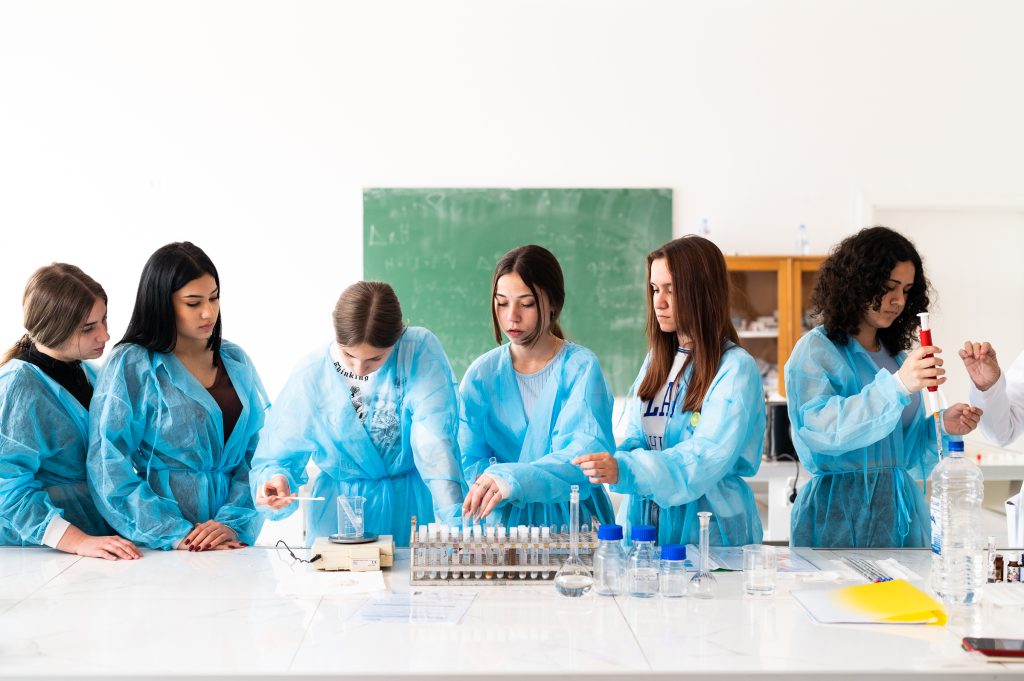
SKOPJE BIO HACK MY WORLD 2023 CHALLENGE CALL
In early April, UNDP joined forces with Solveo, an innovation consultancy company, to test this hypothesis by launching the first program for startups working with Biotechnologies. The Skopje’sBio Hack My World 2023 challenge had a core objective to discover are there remarkable teams, startups, entrepreneurs, and innovators with groundbreaking ideas aimed at addressing pressing environmental challenges and second to facilitate progress from the initial ideation phase to the achievement of tangible outcomes, be it a proof of principle, proof of concept, or the development of a Minimum Viable Product (MVP). Simultaneously, an important aim of the challenge was to generate increased recognition and understanding of the recently established Biohacking lab and its extensive capabilities. And all this within 3 weeks.
The challenge garnered significant attention. 44k people were reached on social media through various social media campaigns, 37 participants started the program who created 11 proof of principles or MVPs. The and participation, with 37 individuals forming 11 diverse teams. Following the Design Thinking methodology used by leading Startup Accelerators such as YCombinator, the teams managed to identify the customer’s needs, rapidly create and test prototypes, and bring new innovative solutions that fit the identified needs. All teams underwent the 5 cyclical stages: empathize, define, ideate, and prototype. All converged to explore new horizons, leveraging biowaste to create innovative solutions.
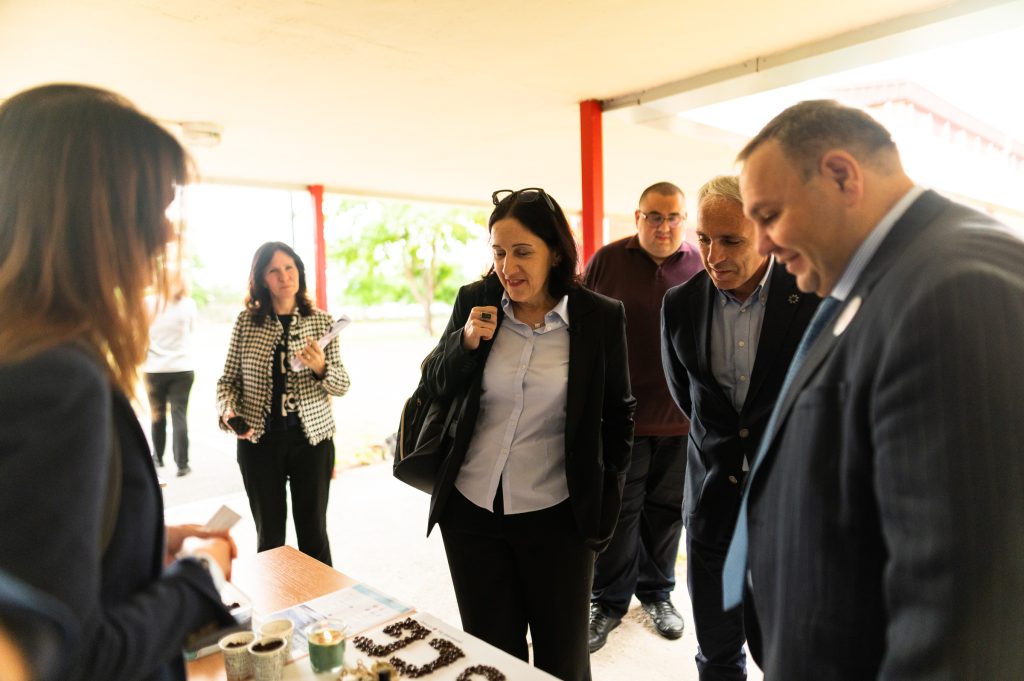
A core aspect of the Bio Hack My World 2023 challenge was the development of innovative solutions that can be presented to the general public in an open day called Demo Day. The Demo Day highlighted the immense potential and groundbreaking work of the participating startups, entrepreneurs, and innovators. A day that offered an invaluable opportunity for the teams and startups to demonstrate the tangible impact and viability of their solutions to potential customers and investors, paving the way for future collaborations and partnerships. Or as they become widely known as the local innovators, the unsung climate action heroes.
THE INNOVATIVE SOLUTIONS
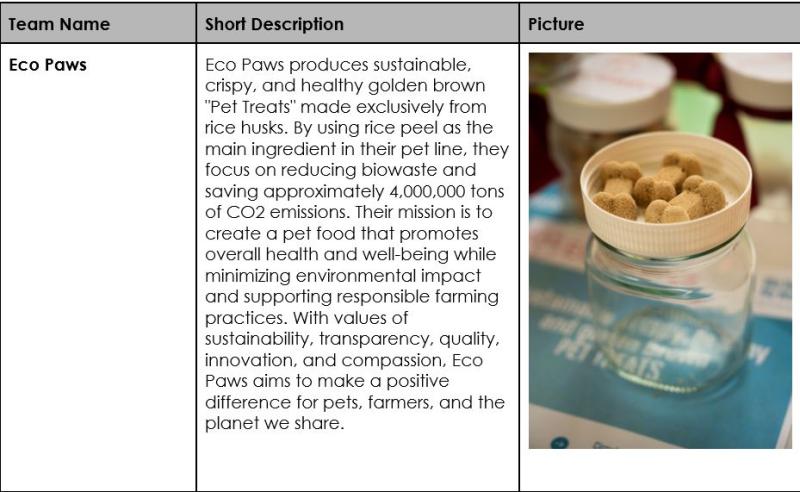
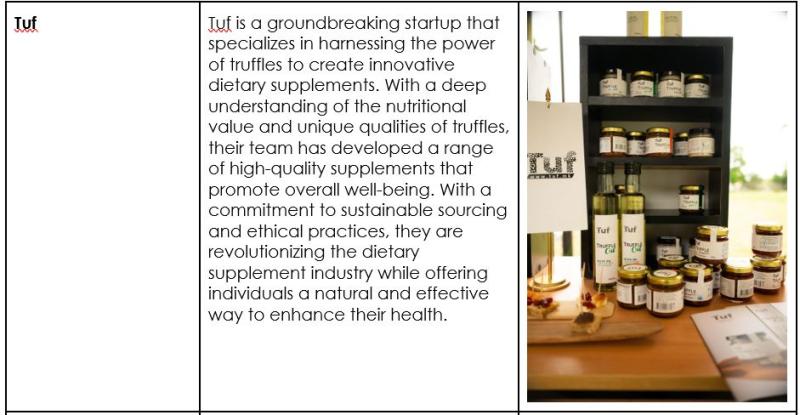
The future of sustainability lies in the hands of innovators who challenge conventional norms and champion environmentally conscious solutions. As we’ve explored the inspiring initiatives presented by these visionary teams, we are reminded of the power each individual holds to create lasting change. By embracing these solutions, we actively contribute to waste reduction, resource conservation, and establishing a greener world. Let’s unite in celebrating and supporting these pioneers as they continue to inspire positive change and foster a healthier planet for future generations.
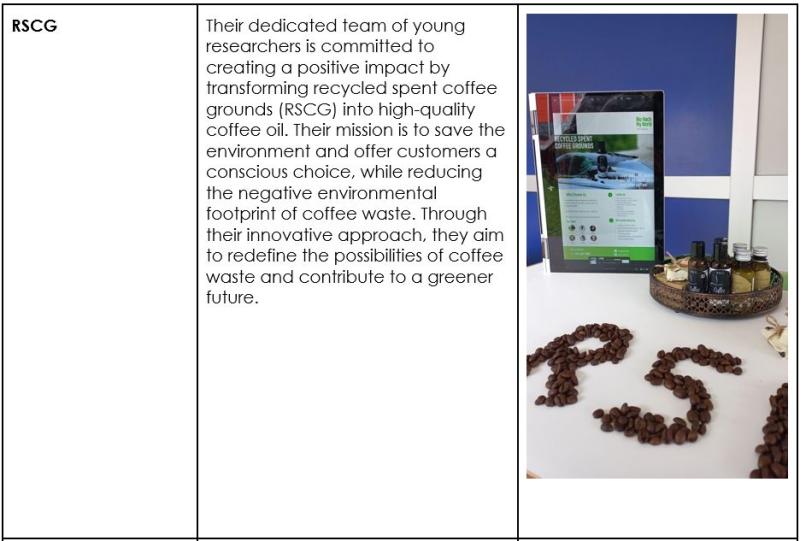
The innovative solutions that are the future for a better sustainable life:


OUTCOMES OF THE CHALLENGE
The Bio Hack My World 2023 challenge marked a significant milestone in North Macedonia’s journey towards fostering innovation, collaboration, and sustainable solutions in biotechnology and biowaste transformation. This pioneering initiative brought together a diverse array of stakeholders, including startups, entrepreneurs, investors, industry experts, and policymakers, all united in their mission to tackle the pressing challenges of waste management and harness the potential of biotechnology for a more sustainable future. One of the notable outcomes of the challenge was the heightened awareness and interest in biotechnology and biowaste transformation.
The Challenge also played a pivotal role in strengthening the startup ecosystem. By providing enhanced support and resources tailored specifically for biotechnology startups, the ecosystem experienced a significant boost. The event fostered a culture of collaboration and knowledge-sharing among startups, mentors, and experts, catalyzing further growth and innovation within the sector.
Moreover, Bio Hack My World 2023 played a pivotal role in enhancing North Macedonia’s reputation and visibility as a regional leader in biotechnology and sustainable waste management. The event garnered positive media coverage and PR exposure, showcasing the country’s commitment to innovation and sustainability while highlighting the achievements of the participating stakeholders.
Looking ahead, the long-term impact of Bio Hack My World 2023 is expected to be profound. The event has set the stage for the continued growth of the biotechnology sector in North Macedonia. It has laid the foundation for the development and implementation of sustainable solutions for waste management and environmental conservation. In turn, these advancements are poised to generate economic and social benefits through job creation, innovation, and sustainable development goals.
Overall, Bio Hack My World 2023 has left an indelible mark on North Macedonia’s journey toward a more sustainable and innovative future. By catalyzing collaborations, inspiring innovation, influencing policy, and raising awareness, the event has positioned the country as a frontrunner in the biotechnology landscape, with the potential to drive lasting positive change in waste management practices and beyond.
Article was originally published on UNDP Kazakhstan’s website.
Our current educational model is struggling to keep up with the rapidly evolving demands of the labour market, as highlighted in a recent article by the World Economic Forum. Many graduates find themselves ill-equipped to enter the workforce, lacking the necessary skills to thrive in a constantly changing environment.
In response to the need for economic growth through knowledge-based activities, UNDP Kazakhstan organized the National Knowledge Week, an event consisting of numerous regional and local activities designed to mobilize hundreds of young people across the country to learn new skills, explore innovative ideas, and foster creativity.
Future-proofing careers in the new labour market
The traditional model of memorization and standardized testing is becoming irrelevant, as employers are placing a greater emphasis on creativity, critical thinking, and problem-solving abilities. According to the 2020 World Economic Forum Future of Jobs Report, these are the top three skills required for the future workforce, which is being increasingly influenced by the growth of artificial intelligence (AI) and digital technology.
The rise of AI and other new technologies is disrupting job markets around the world, including the labour market in Kazakhstan. Based on OECD estimates, more than half of the jobs in Kazakhstan (52%) are at high or significant risk of being automated. These jobs are typically associated with tasks that do not require complex problem-solving or social interactions. Therefore, it is crucial for the education system in Kazakhstan to adapt and incorporate digital and interpersonal competency skills into the curriculum to ensure that graduates are well-prepared for the changing job market. Thus, the goal of UNDP Kazakhstan’s National Knowledge Week was to empower youth with the knowledge and resources they need to take the lead in the country’s economic growth. The event served as a platform for young people to engage in discussions, share their experiences, and network with like-minded individuals who are passionate about creating an impact.
As part of UNDP’s Digital Advocate Network, it was important for me to make sure that a digital agenda was included in the National Knowledge Week as a cross-cutting topic as it is at the core of the much-needed change. As the world becomes more digital, countries need to keep up with the latest technological advancements to stay competitive. Youth are essential to this process, as they are often the most tech-savvy and adaptable to new technologies.
However, to participate in and contribute to the digital economy, young people need the necessary skills and knowledge that are often not readily available or accessible to them via the outdated educational system. Many young people may not know where to find or obtain the required skills, which can hinder their ability to succeed in a rapidly evolving job market that demands digital literacy and technological proficiency. The National Knowledge Week was created just for that – to support the country’s digital transformation agenda by introducing young people to 21st century skills, promoting digital solutions and investing in education and youth training programmes for the skills needed for the labour market.
Bringing together local innovators and learners
Although Kazakhstan possesses abundant natural resources, the genuine wealth of a nation lies with its people, i.e., human capital. The acceleration of technological advancements and the recent breakthroughs in AI have made it imperative for modern education to concentrate on human skills that cannot be automated, such as creativity, critical thinking, and collaboration. In addition, interpersonal competencies like kindness, empathy, and socio-emotional intelligence play an increasingly significant role in the labour market, contributing depth and meaning to all interactions and forming the foundation of any industry.
To promote economic diversification, UNDP Kazakhstan’s Accelerator Lab team posed a challenging question regarding how to harness current trends and resources like globalization and digital transformation to ensure equitable growth. Knowledge-based economic growth emerged as the answer to this query, which gave rise to further questions like the definition of knowledge, how to measure it, and how to connect it to economic growth.
To begin, the Global Knowledge Index was examined, which is the tool used to measure a country’s knowledge and identify growth opportunities. Kazakhstan ranks 78th out of 154 countries, with the index revealing the country’s strong and weak areas, such as education spending, research, development, and innovation.
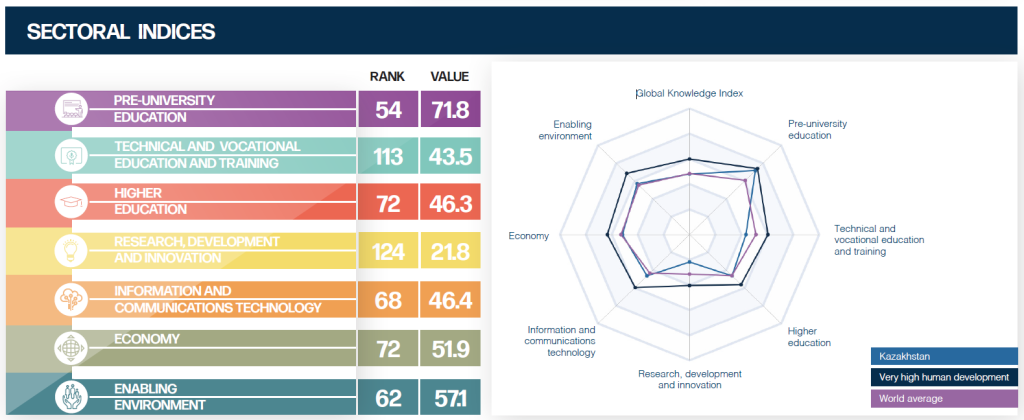
After exploring the concept of knowledge and its measurement through the Global Knowledge Index, the Accelerator Lab team brainstormed ways to approach the topic in an engaging, participatory, and impactful manner. Although the implementation strategy was complicated due to Kazakhstan’s vast geographical expanse, the team developed various formats and ultimately settled on the following approach.
Empowering Zhezkazgan youth through the National Knowledge Week
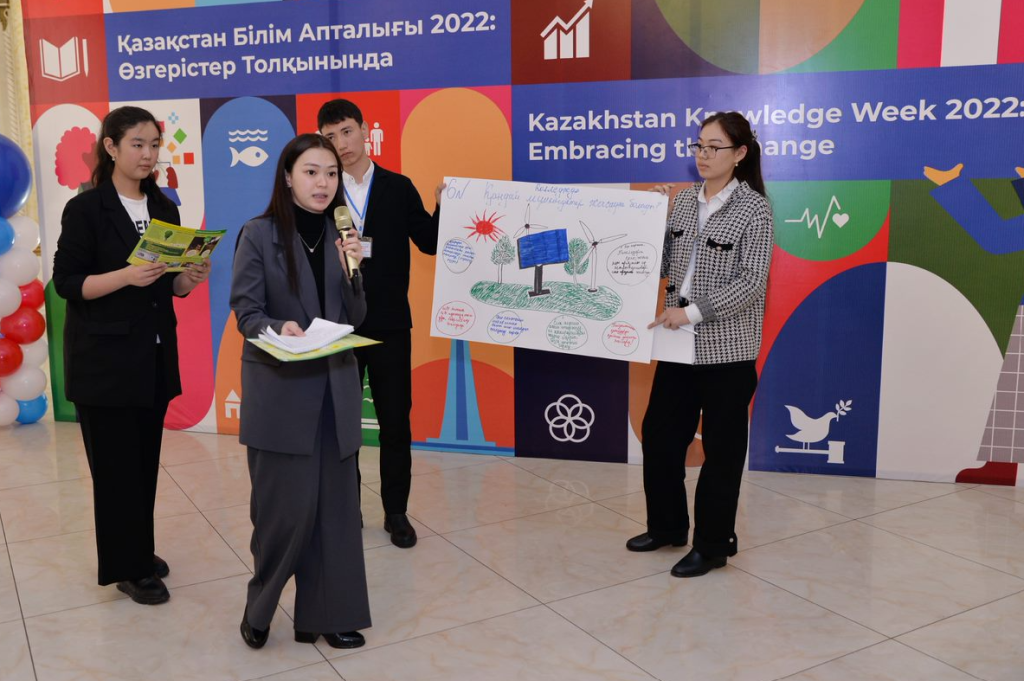
To promote regional development and provide opportunities for young people in areas outside major cities, the Accelerator Lab decided to bring the National Knowledge Week locally. As a part of the local youth engagement, the team organized a two-day skills learning festival in Zhezkazgan, the center of the Ulytau region. This city was chosen as the launch location due to its status as a single industry town or “monotown” that relies heavily on one extractive industry plant. Many young people are attracted to the job opportunities and decent salaries the plant provides, but UNDP wanted to broaden their career horizons by showcasing other professions and opportunities in different sectors, particularly those focused on green jobs.
During the Knowledge Week in Zhezkazgan, young people participated in various workshops for digital and 21st century skills, including leadership, jobs in IT and renewable industries, public speaking, and emotional intelligence. The team aimed to motivate and inspire young people, especially women, to explore new career paths and consider alternative industries beyond the traditional extractive industry. Through this initiative, UNDP hopes to share the example of how communities can promote equitable and sustainable economic growth and development in single industry towns around the country.
Developing the next generation of problem solvers at the SkillsUp Regional Youth Hackathons
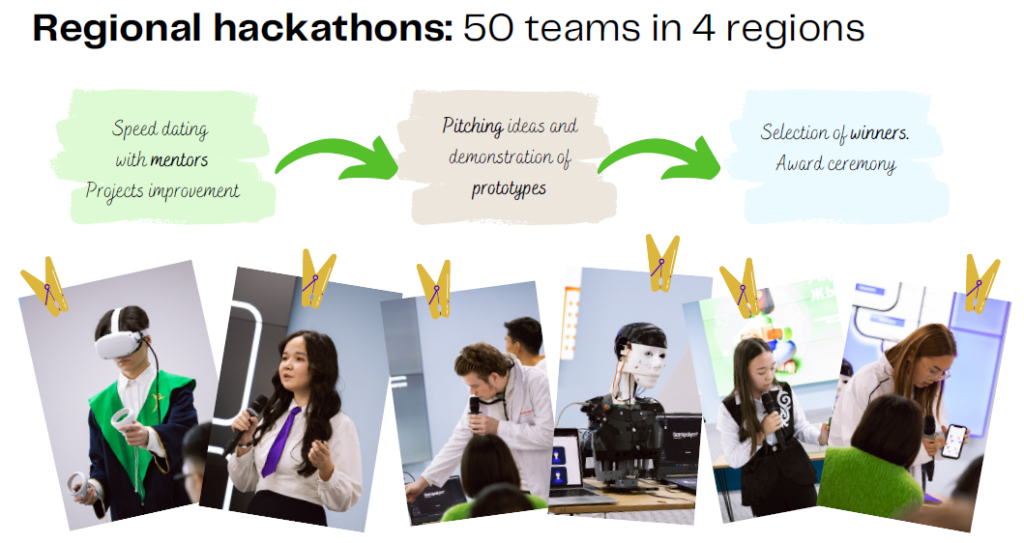
Furthermore, to tap into the potential of young people, the Accelerator Lab organized several SkillsUp regional youth hackathons where high school and university students work together and present their ideas for solutions to challenges identified by the Global Knowledge Index. The team purposefully targeted smaller cities, such as Aktau, Turkestan, Karaganda, and Ust-Kamenogorsk, to create a platform where young people can connect and exchange ideas.
The youth engagement journey began with a week-long online bootcamp, where local experts shared information on the current situation in Kazakhstan on the topics of the hackathon challenges. The team then identified three key topics for the challenges: promoting science in Kazakhstan, reducing disparities in the quality of STEM education, and improving education in rural schools.
Over 500 young people participated in 16 masterclasses to learn practical skills such as how to pitch an idea, choose a topic for a startup, use Arduino prototyping, develop a business model, and commercialize scientific projects. The learning bootcamp aimed to prepare high school and college students for the SkillsUp regional hackathons.
The SkillsUp hackathons attracted around 500 registered students from 11 cities and towns who competed for the grand prize of around USD $12,000. The Accelerator Lab team led each of the four regional hackathons onsite and brought the winning teams together that competed for the national prize in Almaty.
Demo Day: Final hackathon in Almaty
After the regional hackathons, 12 teams (3 from each of the 4 regions) were selected as finalists to present their solutions in Almaty. The teams pitched their solutions and products. The event was a celebration of collective intelligence and how young people can drive development.
To motivate the finalist teams further, the Accelerator Lab organized additional trainings and networking opportunities – they participated in skills workshops, had a field visit to the start-up incubator, and enjoyed networking and inspiring each other. The solutions presented were diverse and had a digital component. Some teams even managed to prepare prototypes of their solutions, such as a smart composter or a smart greenhouse that could be controlled through a mobile application.
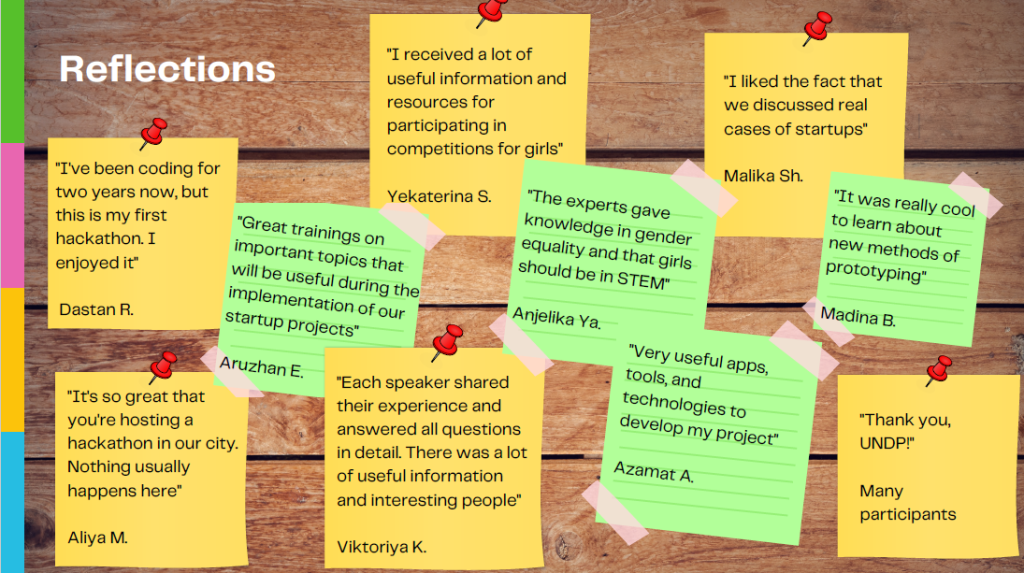
UNDP recognizes the importance of involving youth in the development process, and therefore, the hackathons were designed to address the challenges of the knowledge economy from the perspective of young people. This approach allowed us to gain insight into their unique worldview and incorporate their voices into the development process.
Digital by default for people and the planet
The culmination of the National Knowledge Week, taking place across Kazakhstan, was the Digital Day conference. The purpose of this conference was to showcase various digital solutions supported by UNDP Kazakhstan and to create a platform for networking and inspiration. By bringing together students, UNDP partners, and the private sector, we aimed to break down silos and encourage dialogue exchange among stakeholders. This event was a unique opportunity for solution owners to share their experiences and foster new partnerships and ideas.
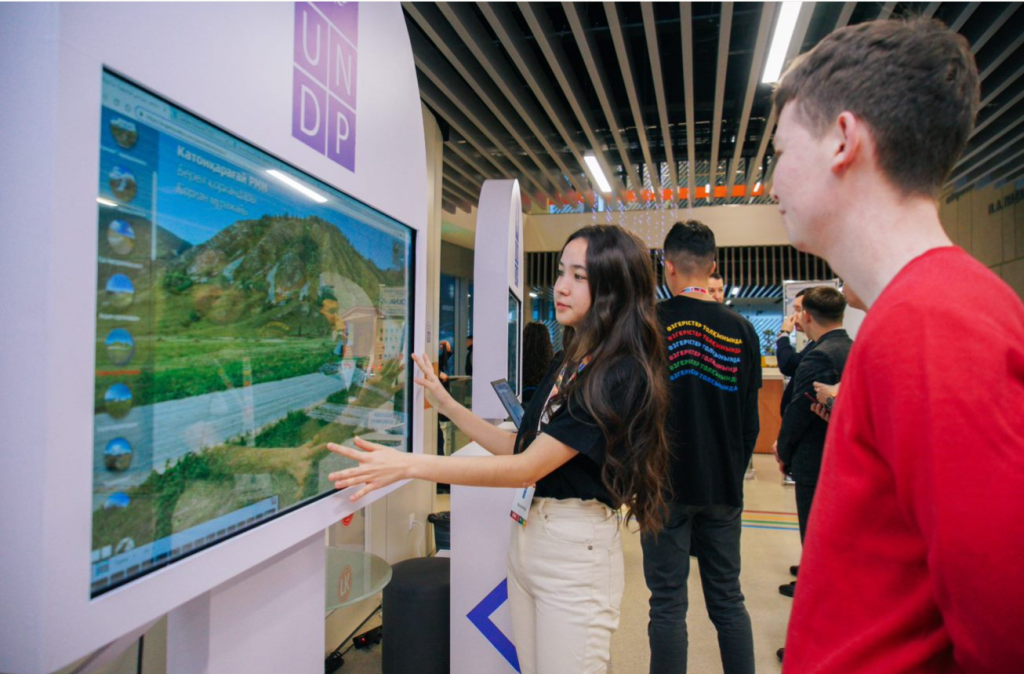
The digital solutions showcased, included the Digital Family Card project, SMART technologies to protect wildlife, a mobile application for social workers, and camera traps and satellite collars to monitor endangered species. UNDP Kazakhstan also partnered with industry experts from HP to deliver workshops on digital skills for participating audiences.
UNDP Kazakhstan is committed to promoting sustainable development through digital transformation, digital inclusion, and digital innovation. By investing in the skills of youth and showcasing digital solutions, we aim to accelerate the country’s economic growth and contribute to sustainable development.
The Digital Advocate Network is an initiative of UNDP’s Chief Digital Office, aimed at promoting the exchange of knowledge and tools that leverage digitalization to reduce inequalities and foster sustainable development. Each UNDP office has a dedicated digital advocate whose mission is to integrate global thought leadership into local contexts. Through this network, digital advocates are trained and empowered to become agents of change, taking advantage of digital platforms and tools to drive meaningful impact. The UNDP Digital Advocate Network is a powerful example of the UNDP’s commitment to leveraging digitalization for social good and creating a more equitable and sustainable world for all.
Main photo: AI generated
In the last few months, you have probably played around with a generative AI application, asking it to create an interesting image, enhance an existing one or maybe write a poem. You may have even used it in the workplace instead of a designer or copywriter. Generative AI is not only fun and useful for small tasks, but also has a variety of applications across key sectors and industries. In healthcare, it can be used to develop treatment plans based on past illnesses, while it can also help city planners optimise traffic flow.
Among tech enthusiasts, AI is being used even more widely to find new, innovative solutions to many of the world’s pressing issues, including those in the fields of science, technology, engineering, and mathematics (STEM). Whether we end up relying on AI to help us with real-life problems or just using it for small tasks, we need to be aware that with great power comes great responsibility.
There have long been concerns that AI models, including text-to-image tools, may contribute to the reproduction of existing inequalities and stereotypes. Therefore, as part of UNDP Accelerator Lab‘s ongoing research on the gender gaps in STEM, we conducted a small experiment to test how two popular visual generative AIs: DALL-E 2 and Stable Diffusion view the STEM fields when it comes to the representation of women.
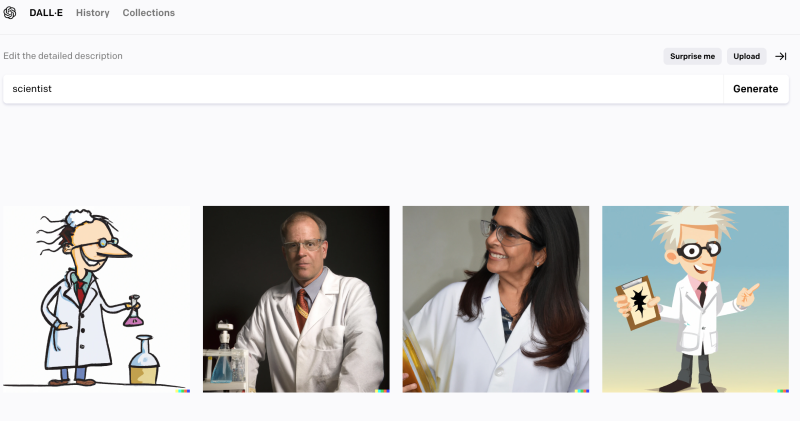
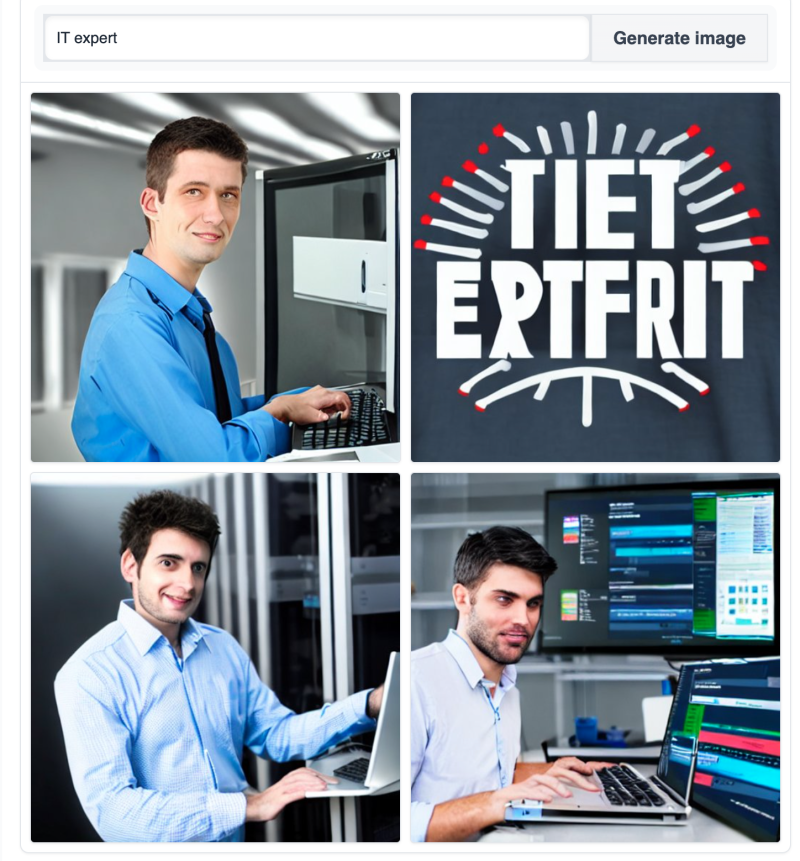
These are generative text-to-image models that create original images based on natural language understanding. Both can produce images of animals, household items, and even abstract concepts like “happiness.” We asked for visual representations of the words: “engineer”, “scientist,” “mathematician” or “IT expert” to see if and how women would be represented.
As you can see, 75-100% of AI generated images show men, reinforcing the stereotypes of STEM professions as male-dominated: both as professions that overwhelmingly attract men and as professions in which men excel compared to women. For comparison, women currently make up between 28% and 40% of graduates in STEM fields globally, and this percentage varies a lot between countries and regions.
The visual reproduction of gender stereotypes is a glaring example of existing inequalities and shows that new AI tools alone cannot be relied on to create a more equitable system. In fact, if AI tools are left without necessary human oversight and input, we risk worsening existing gender disparities in STEM fields, where women are already underrepresented. Without human guidance – through debates about values as well as concrete goals – AI can have a negative impact on women’s recruitment, retention, and advancement opportunities in STEM fields. Even if it is only images they create, they can discourage women from seeing themselves as engineers, mathematicians, and scientists.
This problem stems from the way data and algorithms are used to train AI models. If the data used to train these models are biased or reflect societal inequalities, the resulting AI model will also be biased. In addition, this can lead to AI models reinforcing and perpetuating existing prejudices and discriminatory practices.
If text-to-image models can be so skewed against women, one might wonder what would happen if AIs were used more widely in hiring or promotion processes and fed existing data. In fact, studies have already shown that AI used in hiring – an area where it is slowly gaining foothold – fails to reduce biases.
Given that the use of generative AI tools is spreading fast, with potential for use in various fields, it is critical to consider the importance of just representation of women. It is important to keep in mind that the gender gap is not due to the women’s lack of interest or skills in STEM fields, but their dispersal along the career paths due to systemic discrimination and structural inequality. For example, research shows that the gap in the percentage of men and women increases as they progress in their careers towards managerial posts. This is known as the “Leaky Pipeline” phenomenon.
It is therefore important to acknowledge and talk about the limitations and potential risks of AI technology. Although it can increase our productivity and creativity, it cannot replace human judgement and decision-making. This new technology is, ultimately, only a tool, not a panacea, and it is our responsibility to use it in an ethical manner.
The essential question is what can be done to mitigate the risks and ensure that generative AI tools – especially those used in more sensitive areas, such as hiring – are utilised in a way that promotes gender equality and diversity in STEM fields.
- It is important to involve diverse and inclusive teams in the development and testing of AI models to ensure a variety of viewpoints are represented. This includes diversity in terms of race, ethnicity, and socio-economic background, in addition to gender representation.
- As we have already mentioned, one of the key issues is that the data and algorithms used to train AI models can reflect and reinforce societal biases. Therefore, this area deserves special attention. We need to ensure that the data used to train AI models is representative of diverse groups and that potential biases are considered when developing algorithms.
- Models should be thoroughly tested before they are made public. Mechanisms for continuous monitoring and evaluation of the AI models should be implemented, including the ability for users to rate responses and report inappropriate content.
- Finally, transparency of AI models is crucial. Each model should be accompanied by a Model Card, which includes information about the model’s authors, dataset composition, machine learning algorithm used, intended model use, potential adverse effects, and the evaluation results.
By taking these measures, we can ensure that companies use AI and similar tools in an ethical and responsible manner, thereby promoting gender equality and diversity in STEM fields.
There have been many great initiatives to use these new tools for good in very creative ways. One of them is the UNDP’s VR exhibition “Digital imaginings: Women’s campAIgn for equality,” which uses generative AI to create images that highlight the visions and work of women across Europe and Central Asia who are working in diverse ways to give women more opportunities, justice, and power in their communities. Hopefully, in the future and if used wisely, like in this exhibition, generative AI will be used to inspire and empower rather than frustrate and reproduce existing inequalities.
Two years ago, Mariam Torosyan, a human rights lawyer and social entrepreneur, founded SafeYOU, a social impact startup, in a bid to curb domestic and gender-based violence by supporting women who have experienced or are experiencing abuse.
The mobile app and platform addresses gender-based violence through protection, prevention and prosecution of cases.
The increase of reported domestic violence during Covid-19 accelerated the social enterprise’s journey – first launching in Armenia in early 2020, where 60 percent of Armenian women have experienced domestic violence at least once. The app was thereafter launched in Georgia, where imposed Covid-19 restrictions limited access to life-saving support services.
With plans to expand to Arab states and Africa, the app now has more than 25,000 users across three countries – Armenia, Georgia and Iraq, with 60,000 women already using the SafeYOU platform.
‘Protect, prosecute, prevent’
Just a tap away, SafeYOU provides access to knowledge resources on sexual health and women’s rights, existing support services, community support, and consultations with different organizations and professionals. “Technology has the power to connect the dots that were not connected […] bringing all the resources into one place,” explains Mariam.
Central to the app’s safety function is the HELP button, which sends up to seven free SMS alerts, which can include personal contacts, service providers (such as women support organizations and state authorities) or the police. “In cases of gender-based violence, especially domestic violence, the victim and the abuser are alone. And in many contexts, it’s really very difficult to prove that there was [physical or sexual] violence and there was no consent.” That’s why once the emergency button is activated – an audio recording starts.
In one of its most emblematic cases so far, a 26-year-old mother downloaded the SafeYOU mobile app in Georgia, after having received death threats from her former husband. When she and her three-year-old were attacked by him several days later, she was able to activate the SOS button and alert the police, who arrived quickly to the scene and arrested him. “The audio recording that was gathered by SafeYOU was later used and accepted by the court as a pivotal piece of evidence,” notes Mariam.
Until now, more than 14,000 women have reported cases through the platform and over 8,000 women have used its network of psychologists, lawyers and healthcare workers. The app is especially valuable for women living in more remote areas and unable to travel to access services and consultations.
Nevertheless, access to digital technology is not always evenly distributed and can depend on rurality and digital infrastructure issues including connectivity and broadband speeds, access to digital devices, disability and digital literacy.
“We are [also] currently developing a follow-up and feedback system to understand whether users received help or not.” This is crucial, Mariam tells us, because currently nearly 60 percent of cases on the app are not reported to NGOs or the police, which means women cannot receive the support they need and the magnitude of the problem remains hidden.
Data as an engine for change
Only 41 percent of countries regularly collect data on violence against women, which means that effective policies cannot be created to combat the problem.
SafeYOU’s strategy is also based on a platform and data analysis system. The app collects anonymous and confidential data, which the platform then analyzes to provide a unique live monitoring tool to track and prevent cases of gender-based violence.
“The data gathered through AI algorithms is really something invaluable not only for policymakers, but also for NGOs, to understand what is needed and what are the trends,” explains Mariam. The data allows policy-makers, lawyers and activists to understand how many cases there are, whether they were reported and to whom, as well as background information on those that reported – from age groups to geography.
“Analyzing the patterns can help us understand who is at the highest and lowest risk to be abused among our users, and how we can make sure that we prevent these cases,” says Mariam.
In Armenia, they’ve already made several important recommendations to governments and nonprofit organizations on how to ensure that women report cases officially, not only to family and friends.
Going global, but staying local
SafeYOU was among 55 changemakers selected to take part in the UNDP-led BOOST: Women Innovators acceleration programme and has worked to further scale their app. They’re also currently enrolled in Google for Startups SDG program and are a winner of multiple awards from the EU, World Bank Group, UNFPA, and the Government of Armenia.
Supporting eight languages, including Armenian, Georgian, English, Arabic and Russian, the app is completely free for users. Instead, SafeYOU’s business model targets governments, nonprofits or international organizations interested in innovative approaches to addressing gender-based violence. For example, in Iraq, SafeYOU partnered with the United Nations Population Fund, Ministry of Interior in the Kurdistan Regional Government and the General Directorate of Combatting Violence against Women and Families to launch the app in the Kurdistan region.
In each context, the team adapts the app together with its partners, depending on local needs and specifications. They may add or hide features – for example, they may deactivate the police alert function due to lack of capacity to negotiate with them, and so may rely on third parties such as nonprofits to review and refer cases to the police.
Its user-centric approach means that the app’s functions are rooted in research and interviews with women – from women in shelters to human rights lawyers focused on women’s rights – which has helped the SafeYOU team “create a highly adaptive technology,” says Mariam. Localizing the app requires adapting its interface and functionality depending on different contexts, cultures and needs, continuously improving the user journey within the app over its 80 releases.
Since 2021, SafeYOU is considered a Digital public goods, i.e. an open-source software that adheres to privacy and other applicable laws and best practices, ‘do no harm’ design, and attaining the Sustainable Development Goals.
‘Be unstoppable’
SafeYOU is looking to expand to countries and regions where there are higher prevalence rates of gender-based violence. “This is the best market to be because that’s where we can really bring bigger change, because the gaps in those countries are much bigger.” As is the impact.
When asked about her advice to other women innovators, Mariam says: “Be unstoppable […] You must find your inner power and say: ‘I can do it and I am going to do it, because the world needs someone to do this. And I’m the person who must do it.’”
***
BOOST is a regional acceleration programme for sustainable impact innovation, powered by UNDP Europe and Central Asia. Initially launched in 2020 in response to the socioeconomic impact of the COVID-19 pandemic, BOOST seeks to boost social innovators across the region to accelerate the 2030 Agenda for Sustainable Development. Its Women Innovators programme, financed and supported by the Ministry of Finance of the Slovak Republic and Koç Holding, is about developing innovative solutions that tackle key challenges faced by women and girls or are powering the women-led entrepreneurial ecosystem across the region.
Reposted from UNDP Europe and Central Asia’s website. Photo courtesy of SafeYOU.
40 girls from Dushanbe and Khujand in Tajikistan were selected from 420 applicants to participate in a five-month long coding programme for young women, organized with UNDP support, to gain and improve their information technology skills.
The main objective of the initiative, which started in February, was to boost access to job opportunities in the information and communication technology (ICT) sector, which is growing at a fast pace. As digitalization enters all spheres of our lives today, the younger generation needs to be an integral part of shaping the digital future of Tajikistan.
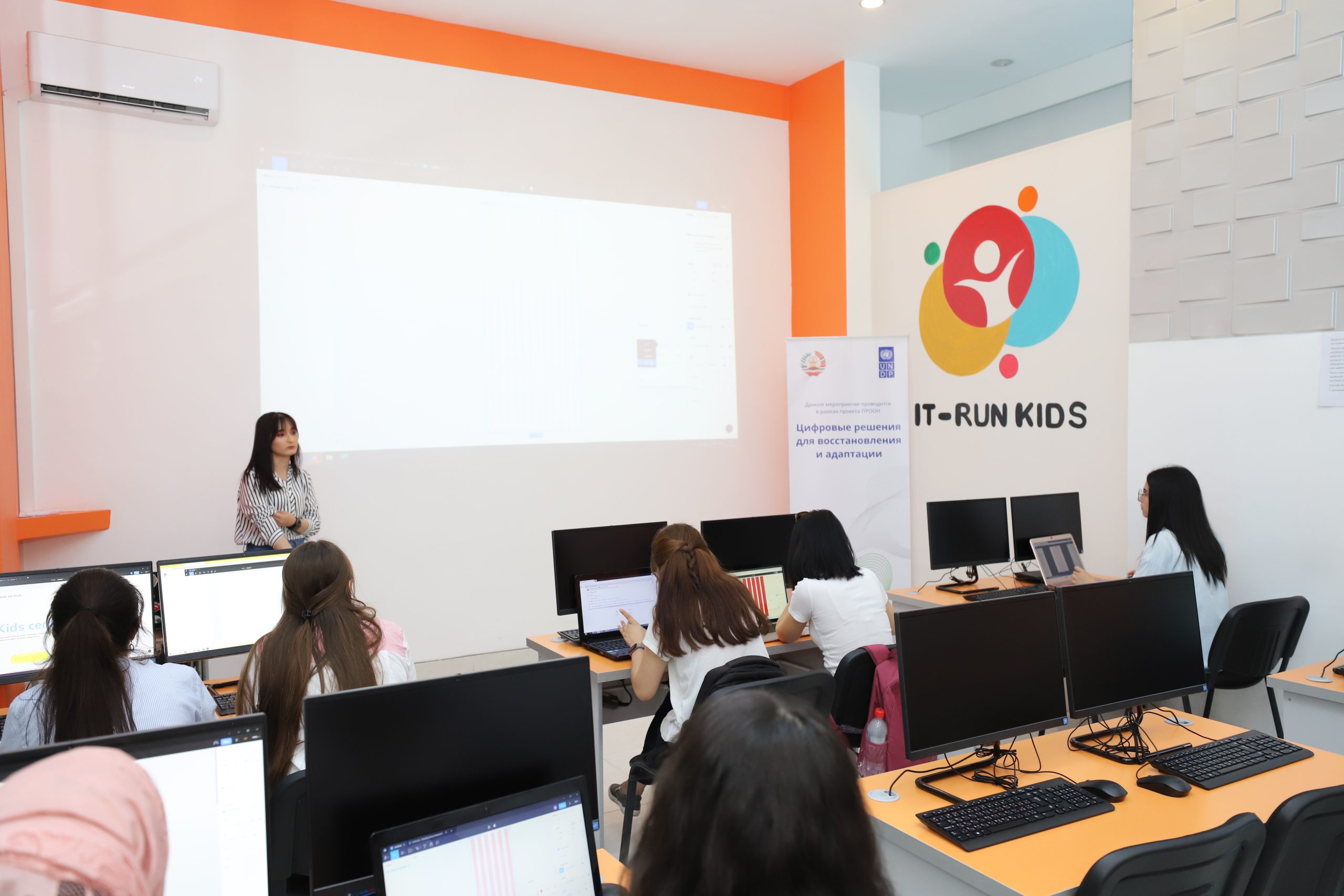
The main focus of the programme was to support people who have the potential and motivation to learn coding, but due to lack of financial resources, cannot afford programming courses. During the programme, participants gained knowledge in programming and coding, and improved their digital literacy skills.
At the end of the course, participants created their own websites on a range of different topics – from providing help to those in need and raising money to support individuals launching their own businesses to offering services for travellers and information on kindergarten orientation.
One of the promising project graduates Manizha Narzuloeva decided to create an informational website for one of the leading local hiking initiatives, launched by the entrepreneur Amir Isaev, as her final project (www.hiking.tj). The website is dedicated to the scheduling of hikes in nearby locations, useful tips for practicing hiking, and information about the most popular tours.
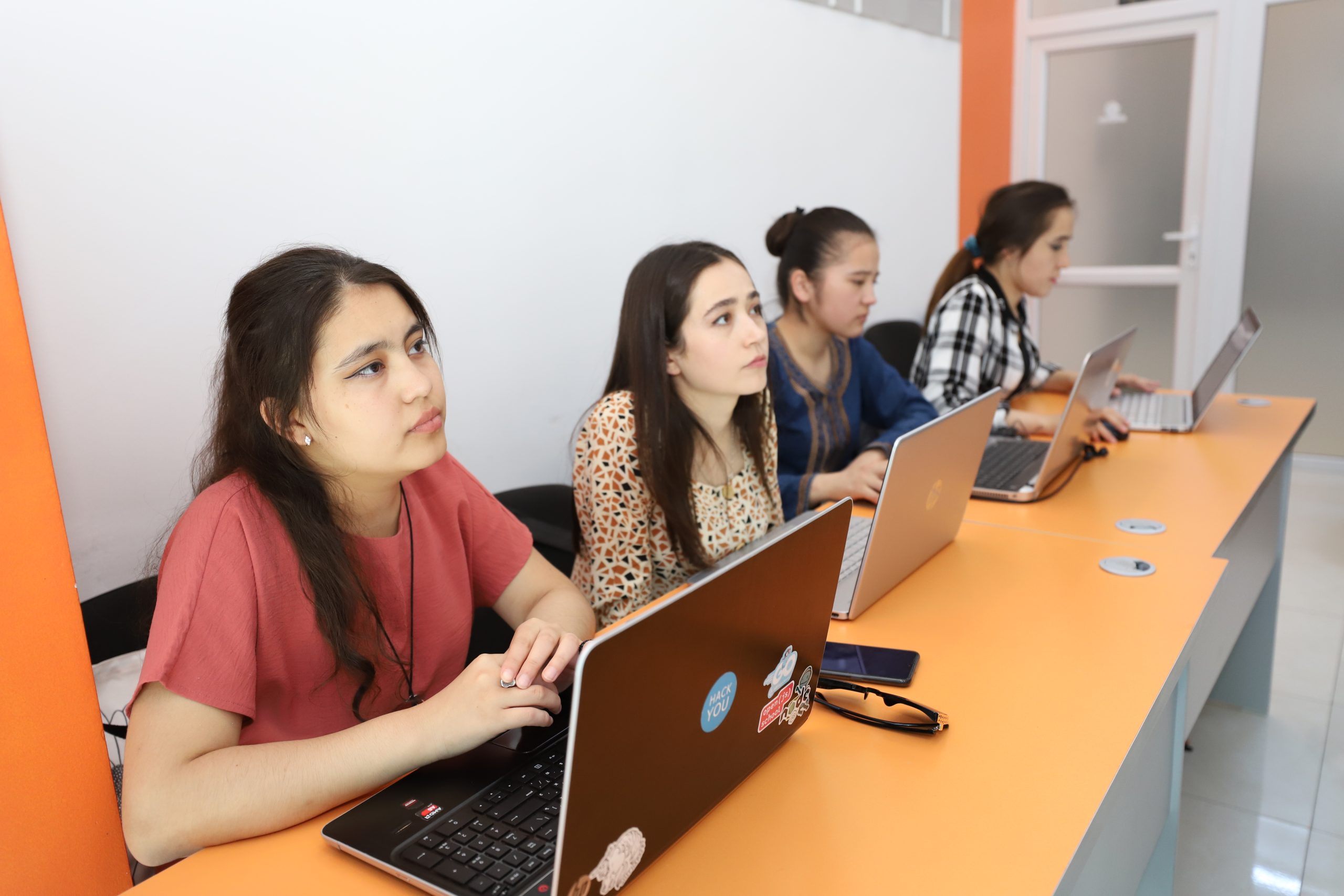
Manizha Muhitdinova, another highly motivated course participant, developed a website for the Office for Civil Liberties (www.freedom.tj). The nonprofit’s mission is to protect citizens’ freedoms and rights. Manizha came to the course with the idea, as she was a trainee in the organization. The course gave her a boost and provided her with the knowledge and skills to bring her idea to life.
Manizha believes that her website can support charity activities in Tajikistan: “As the organization has affiliated charities, it is possible to make donations through my website, which will then be used for further charitable activities and events.” The participant was encouraged to further develop her programming skills after attending mentoring sessions, where leading ICT experts from Tajikistan shared their knowledge.
“During the course, I gained significant knowledge of WordPress, CSS, and HTML. We also learned how to use design software such as Figma and Canva, and I enjoyed this part the most. The course tutors encouraged the students to keep learning and developing in the field of ICT. And I would really like to work on my web development skills before I study mobile app development,” shares Manizha.
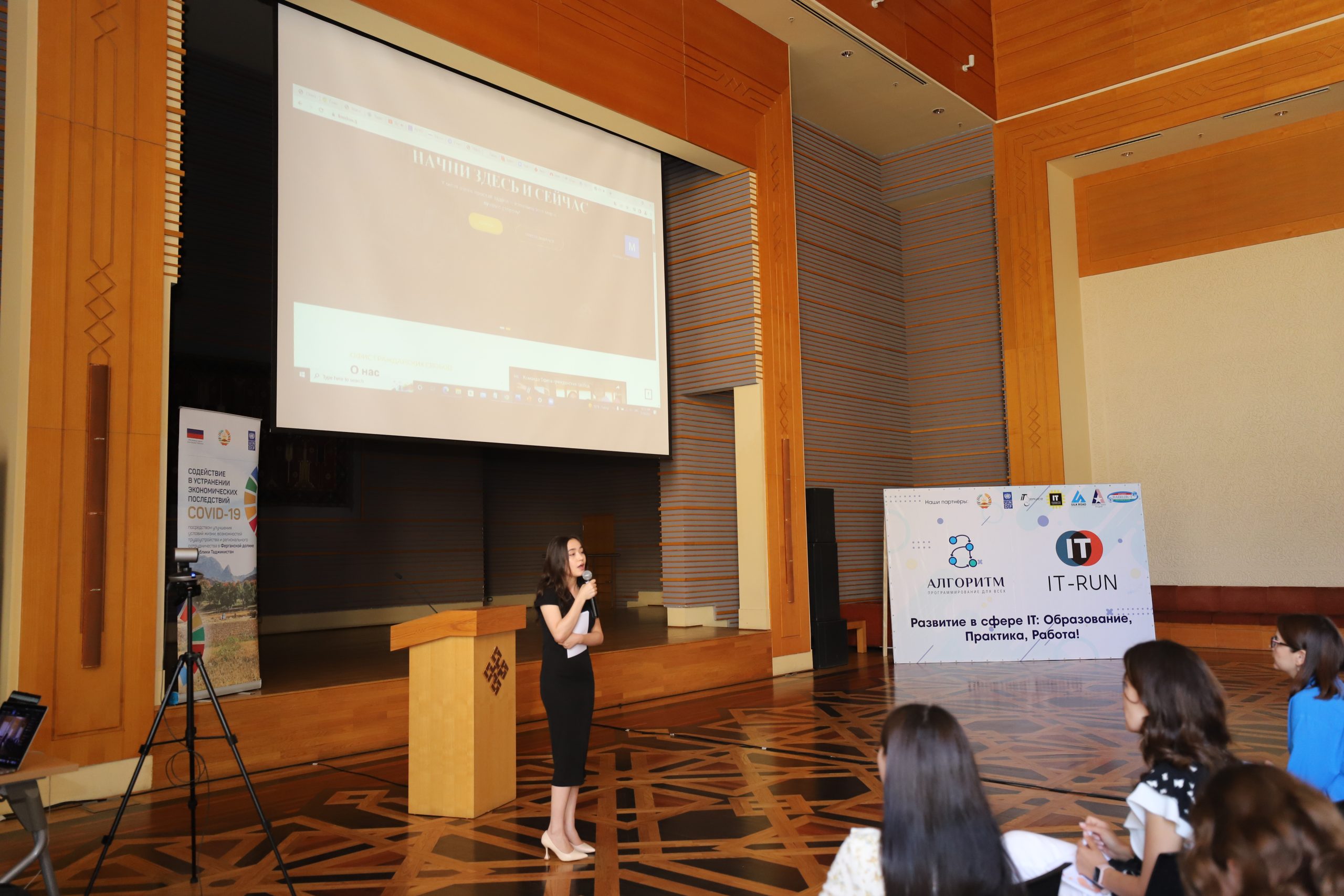
Now a tutor at the programming center, she believes that these programmes will contribute to increasing the number of girls working in the ICT sector. “I can say with confidence that very few girls are trying to learn ICT skills in Tajikistan. Unfortunately, only 10-15% of my students are girls. Many girls feel that they are not suited for ICT-related careers. Initiatives like Girls Who Code, which teaches girls coding and digital literacy skills, encourage girls and help them on their way to independence.”
The Girls Who Code initiative was organized within the framework of UNDP’s Digital solutions for recovery and adaptation project and implemented by IT Run. This project is an 18-month initiative, funded through the UNDP Rapid Financing Facility, that aims to accelerate the immediate and long-term response to the COVID-19 socio-economic impact and to improve capacities for stronger recovery.
Artificial intelligence (AI), including machine learning (ML), is used across all areas of modern life from voice recognition systems to navigation apps. Scientists and practitioners are increasingly using AI tools as a way to pursue the global sustainable development agenda. This growing trend is essential for creating innovative approaches to old problems, for example, in the healthcare and education sectors. According to the McKinsey Global Institute, the deepened adoption of AI can lead to a trillion dollar boost in economic output by 2030. What is more, the demand for highly skilled AI professionals will significantly exceed supply in the near future, propelling developing countries such as Tajikistan to establish regional AI hubs.
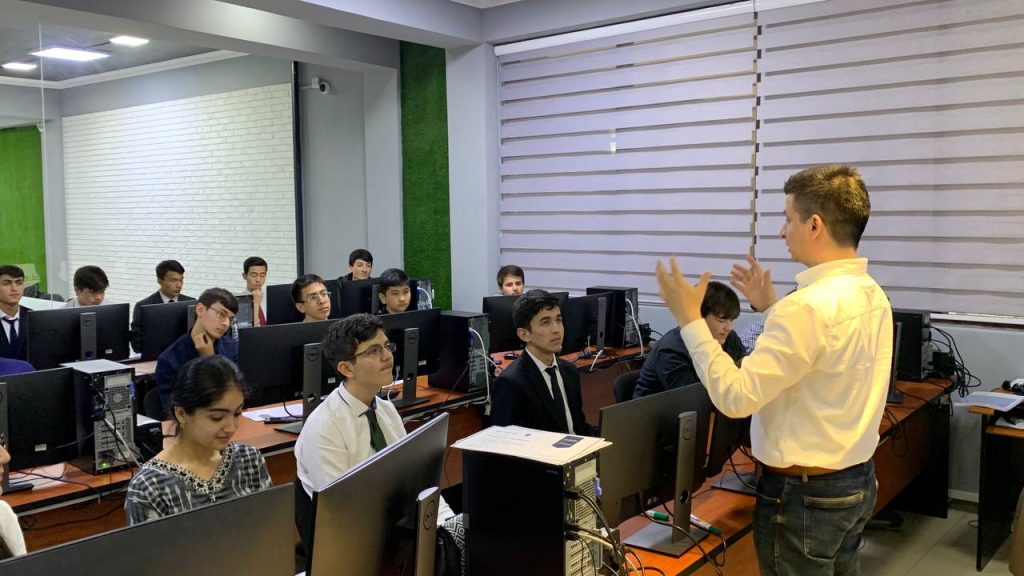
In Tajikistan, UNDP partnered with TajRupt, a nonprofit organization on a mission to empower youth. They set up tajrupt.ai (TAI), Central Asia’s first artificial intelligence lab which aims to transform Tajikistan into a regional hub for machine learning education and entrepreneurship. Jointly with UNDP, TajRupt organized four-month, free of charge AI courses for 30 young people, including 8 girls, in Dushanbe and Khujand, cities in Tajikistan. During the courses students had access to supervised machine learning curriculum, which included statistics, calculus, and programming in Python.
The main objective for UNDP and TajRupt is to expand the pool of qualified AI engineers and data analysts in Tajikistan who can effectively contribute to implementing the National AI Strategy and leverage the country’s development potential. By the end of the course the students acquire the essential background and skills enabling them to find job in the field of AI.
“Local academic institutions originally provide students with theoretical knowledge, whereas the training course equipped us with the necessary practical skills,” shares Gulabru, an active participant in the AI courses, who is currently employed at Zypl.ai, an AI startup founded by TajRupt. Alongside her work, Gulabru is also involved in other AI projects. In cooperation with her teammates, she intends to create a special app for students who are looking for job opportunities. Using artificial intelligence, the app will help match jobseekers to jobs based on their skills and employees’ requirements.
The idea of creating features that can identify skin cancer through digital mapping and photography has been suggested by other participants taking part in the AI course.
“We have already created a prototype and are currently testing it. Based on the results of the latest test, our app can detect 7 classifications of skin cancer with an accuracy of 97%,” reveals Jasur, a trainee in the AI course.
Aside from AI course, students have participated in extracurricular sessions and team building meetings that aim to build awareness about the Sustainable Development Goals (SDG).
“The process was very informative and relevant. We learned a lot about the SDGs in the context of Tajikistan, thus each of us deeply realized how important it is to take responsibility for our actions and that building a better sustainable future for everyone can be jointly achieved,” shares Komil, a participant in the training.
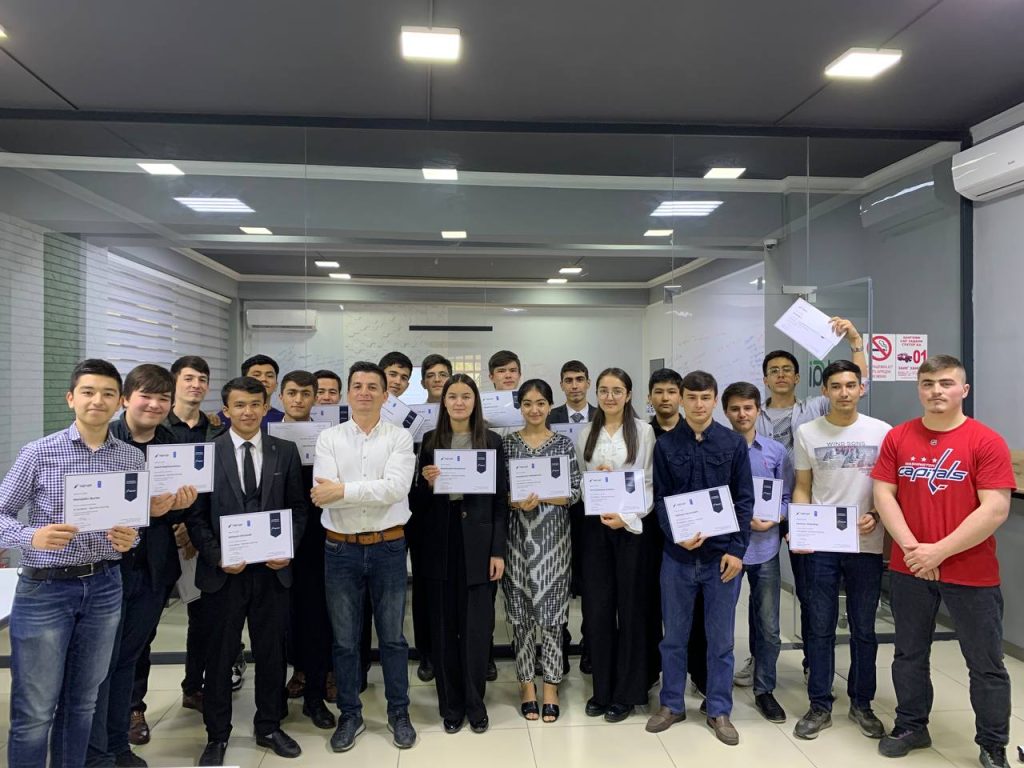
To date, 13 successful finalists have completed the course and completed their internships. Two graduates have already been employed as machine learning apprentices at Zypl.ai lab.
These trainings have been organized within the framework of UNDP’s Digital solutions for recovery and adaptation project and implemented by TajRupt. This project is an 18-month initiative, funded through the UNDP Rapid Financing Facility, that aims to accelerate the immediate and long-term response to the COVID-19 socio-economic impact and to improve capacities for stronger recovery.
Our world is changing fast – often faster than societies can adapt. The seemingly imperceptible changes to our climate, brought on by the burning of fossil fuels that release carbon emissions, are resulting in warmer temperatures, and a more extreme and unpredictable climate.
These changes have not bypassed Bosnia and Herzegovina. Over the last few decades, the annual average temperature has gone up by 1.2 °C. Over the same period, forest fires, coinciding with record droughts and heatwaves, have caused immense environmental damage amounting to 60 million USD. Furthermore, the afforestation efforts are not fast enough to make up for the economic and biodiversity loss caused by frequent and severe wildfires.
At the same time, general awareness and public interest in the causes and effects of climate change is sporadic and passive. Climate action, as both a concept and an act, isn’t quite understood, and climate urgency goes largely unrecognized.
Inspired by UNDP’s Climate Promise and the traditional connection of the people of Bosnia and Herzegovina to their natural environment, the UNDP Accelerator Lab in Bosnia and Herzegovina set out in late 2019 to explore practical ways in which climate action can be ignited. This is the story of what happened next.
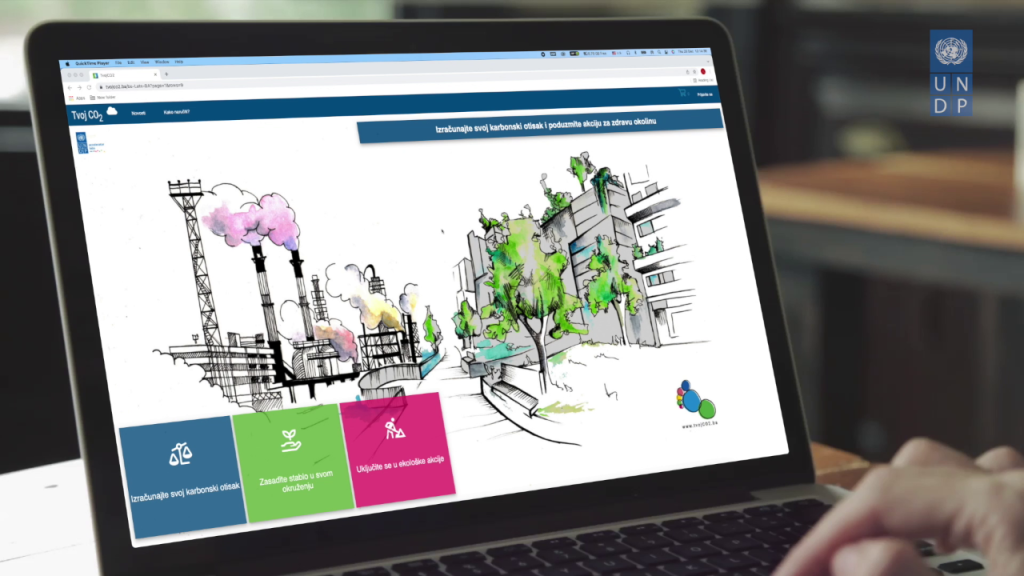
The journey of a new digital tool: TvojCO2.ba
In June 2020, UNDP Bosnia and Herzegovina launched TvojCO2.ba (Your CO2), a digital tool that offers a new way of understanding our climate emergency. It showcases the impact of our everyday lives on the environment and facilitates the planting of hectares of new forests across the country as a means of carbon offsetting and ecosystem restoration. During the three-month campaign in the fall of 2021, the tool enabled the purchase of over 17,000 new trees for natural and urban areas in Bosnia and Herzegovina, that will over their lifetime absorb 20 kilotons of CO2 – which amounts to the CO2 that 10,000 cars on gasoline produce on average every year.
As of 2022, the platform has already attracted more vendors, offers more tree species and expanded its locations, and the public interest in carbon offsetting by planting trees is rising exponentially.
How it started: The Carbon Footprint Calculator
The first phase of the TvojCO2.ba platform consisted of the release of an engaging carbon footprint calculator for individuals and companies, which compared people’s carbon footprint results with the national average and provided a set of recommendations on how to minimize one’s impact on the environment and climate. The goal was first to raise awareness on understanding of the climate urgency.
In parallel, UNDP Bosnia and Herzegovina surveyed the users of the calculator to get a sense of their motivation to take climate action and concrete ways in which they would prefer to lower their carbon footprint. Surprisingly, 100% of those surveyed stated that not enough was being done on climate change and air quality in the country, and that awareness on these issues was very low. Besides separate waste collection, which is correlated with a growing awareness of the municipal waste mismanagement in the country, the second most preferred option for personal and corporate climate action was planting trees.
Safeguarding old-growth forests and planting new ones are among the key ways in which societies can contribute to carbon removal from the atmosphere and the mitigation of negative effects of climate change – such as heatwaves and floods. This was well documented in the “Glasgow Leaders’ Declaration on Forests and Land Use”, endorsed by Bosnia and Herzegovina and a dozen other countries at the COP26 climate summit last year.
Although more than half of the country’s territory is under forest cover, forests in the country are in decline – impacted by wildfires and lack of restoration efforts. At the same time, trees are important carbon sinks, and when healthy, significantly contribute to climate change mitigation. CO2 emissions per capita in Bosnia and Herzegovina in 2021 were estimated to be 6.7 tons. For the capture of 1 ton of CO2 emissions, 50 trees must grow for one year.
Thus, the platform evolved beyond the calculator to give citizens a way to join climate action.
We listened and answered: Tree planting & volunteering
The next step in the platform development was to offer trees for online purchase to allow anyone who calculated their carbon footprint to immediately offset a part of it, and quickly and conveniently take part in maintaining forest health and combating climate change.
Following intensive efforts for over half a year, TvojCO2.ba established partnerships with six vendors across the country. The first batch of partners that offered their seedlings on the platform were either public forestry companies or urban greenery departments of local administrations. This was also the first time in Bosnia and Herzegovina that these types of public companies were introduced to e-commerce, making it available to the entire population of the country.
Users could choose from a wide range of tree seedlings – from less than a dollar for young, common seedlings to more than a hundred dollars for grown-up trees and rare species. In addition the platform offers 17 different species – native species adapted to the conditions of planting locations, and a selection of ornamental tree species used for landscaping in urban environments. What’s more, anyone who contributed could receive a CO2 offsetting certificate.
Each vendor selected a limited number of planting locations, where all seedlings bought through the platform were planted. The pilot campaign included 34 different planting locations, available for review in this map.
Although limited in geographical representativeness, the pilot campaign identified important insights when it comes to planting in forests or natural vs. urban areas and the heightened public interest and mobilization for planting in locations that tell a story (those ravaged by forest fires, or in neighborhoods where someone has grown up).
TvojCO2.ba also expanded its functionalities towards an event organization and management segment. Registered users can, therefore, follow their positive effect on the climate through both the tons of CO2 absorbed by the trees purchased through the platform and the number of hours volunteered for climate action.
Our climate impact following the pilot campaign
A total of over 17,000 tree seedlings were purchased through the platform in less than three months following the launch of the pilot campaign in the autumn of 2021, by 132 individuals and 38 companies. Individuals mostly opted for one or several grown-up and more expensive seedlings to be planted in their neighbourhoods, while companies purchased larger numbers of cheaper ones to be planted in rural areas, resulting in more than 80% of the total trees being bought by the private sector.
All buyers showed a significant interest in the carbon offsetting certificates issued by the platform’s system. Some even gifted them to their loved ones, and companies usually used the certificates for their corporate social and environmental responsibility function and marketing.
While this tool alone cannot tackle the complexity of climate change in our country, it proved to be an important catalyzer for climate action. The trees planted during the pilot campaign alone will absorb over 20 kilotons of CO2 in their lifetime. Also, the newly planted trees will restore a large natural area affected by wildfires, thus contributing to the area’s climate resilience and a boost in biodiversity.
116 mature trees planted in the capital of Sarajevo through the platform will contribute to lower air pollution in the city, cool down urban areas during increasingly warm summers and have a significant aesthetic impact on generally neglected residential areas in the city. However, the most important effect is probably the building awareness of the positive effects of tree planting. Accidently or not, at the very end of our campaign, the Government of Canton Sarajevo announced it will finance the reforestation by planting an additional 500.000 seedlings in rural areas of the Canton.
Where do we go from here?
The first planting campaign by the TvojCO2.ba platform was indeed a pilot campaign: designed and run to demonstrate the viability of the concept and model.
The key result – trees planted through the platform – exceeded the initial target of 5,000 almost four times. However, that was the secondary outcome of this learning journey. The insights collected through the platform, behaviors of vendors and the public when it comes to a “democratized” climate action, types of users and the effectiveness of different communication efforts all paved the way towards: a) an understanding that the concept indeed has genuine value; and b) the forward-looking strategy for the concept’s growth phase.
The growth stage, in 2022 and beyond, is constructed around the following key elements that were recognized as key success prerequisites in the pilot campaign:
- Expanding demand among individual users (attracting more individuals to the platform) and corporate users (new companies to the platform);
- Expanding and diversifying supply: maintain relationships with existing vendors (enhance their offer, improve their products’ presentation and e-commerce skills) and grow the platform to attract new vendors to increase the geographic coverage of planting locations (urban centers & natural areas affected by climate change). The range of tree species offered on the platform will also grow.
- Expanding the network of collaborators and supporters: Besides information about one’s carbon footprint and an online marketplace for trees, TvojCO2.ba also calculates users’ hours of volunteering in climate-friendly activities organized through the event management function of the platform. This entire part of the concept was underutilized during the first stage. The growth phase will include forming strategic partnerships with like-minded formal organizations, such as academia and civil society, and informal networks from the country to create a climate action network, in order to grow the platform as a collaboration and engagement tool.
- Ownership and future management: The Accelerator Lab intends to manage the platform only temporarily until the product is sufficiently developed and sustainably established to continue providing quality service while run by an institutional or NGO partner. We are already exploring different ownership modalities that could work in this case, and in the context of our country.
Read more about the journey and development of the TvojCO2.ba platform.
May 17 marks the World Telecommunication and Information Society Day (WTISD). In today’s age of an ever-evolving array of technologies, it speaks of a revolution, a time of technoculture from an information society to a virtual society. We at UNDP are prepared for this “revolution” by reshaping the way we serve people and the planet in a digital age.
This year, UNDP launched its new Digital Strategy 2022-2025 to pull ahead of the ever-evolving digital reality – to drive forward momentum towards achieving the Sustainable Development Goals.
The Strategy outlines a vision where “digital technology is a fundamental force for change” for people and the planet. In a nutshell, it calls on us to tap into the power of digital technologies for better results and efficiency in both UNDP programming and in its internal business operations, to forge a digital culture in the organization that creates impactful, data-driven decision-making and flexibility.
With the outbreak of the COVID-19 pandemic, digital transformation in the UNDP office has accelerated at a rapid pace. In record time, we put processes in place to enable full remote working. We successfully introduced new collaboration tools that allowed us to not only work digitally, but also save budget and effort and reduce our carbon footprint.
Digitalization, or tech-enabled change, is driving new ways of working and thinking while opening-up opportunities that we could not have imagined. As a key enabler for sustainable development, digitalization helps to reach the most vulnerable by utilizing innovations shaped by technological progress and by creating and nurturing local digital ecosystems.
In Kazakhstan, UNDP harnesses the digital to amplify development outcomes across all portfolios and thematic areas of work. The spectrum is wide-ranging and transformational. From the Digital Portal of Social Services for persons with disabilities and upgrading IT staff to accelerating digital transformation in the public sector, from introducing satellite telemetry for wildlife monitoring to closing the digital gender gap in the monotowns of Kazakhstan. Through all these innovative journeys we are helping the country to build an inclusive and sustainable digital society.
Digitalization for people-oriented governance
Today’s fragile, anxious, nonlinear and unfathomable world dictates that governments need to be more agile and adaptive to changes, taking advantage of new technology to deliver better outcomes, more responsive and effective services to citizens.
Thanks to our flagship platform – the Astana Civil Service Hub – we work to strengthen the capacity of governments from seven countries of Central Asia and the Caucasus to foster innovation in public administration and in digitization of public services – thereby creating citizen confidence.
As part of this initiative, funded by the Government of Korea, we recently presented the results of a first study, thoroughly examining the needs of countries in implementing digital transformation.
In Kazakhstan, we also provided expert and training support to the Digital Transformation Centre, Ministry of Digital Development, Innovations and Aerospace Industry of Kazakhstan – a key entity for revising all the business processes of government bodies. An early initiative during the COVID-19 pandemic in 2020 included training aimed at upgrading digital and communication skills of civil servants in central and local executive institutions.
Designing inclusive digital platforms
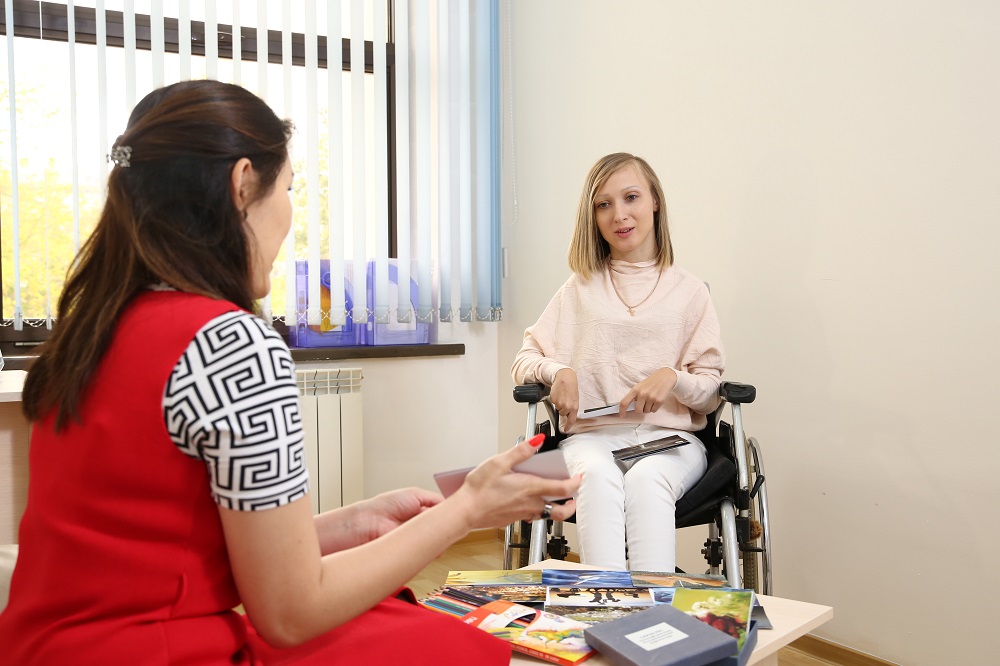
To address the needs of the most disadvantaged – women and girls, youth, persons with disabilities, older persons and people living in remote areas – we promote a digital transformation that is intentionally inclusive. We promote a societal and cultural change that leaves no one behind.
In line with national priorities, persons with disabilities are a primary focus. With the Ministry of Labour and Social Protection of the Population of Kazakhstan, we developed a Portal of Social Services – 690,000 persons with disabilities can access special social services online. The Portal is a virtual marketplace, one in great demand during the pandemic, when quarantine measures made most services unavailable.
The pandemic also encouraged the testing and introduction of digital tools to ensure human rights protection at this difficult time. It was part of our fruitful cooperation with the National Preventive Mechanism against Torture and Ill Treatment. UNDP has developed a digital platform for NPM participants allowing on-line interviews with people in places of detention; the collected data and evidence of torture and cruel treatment is stored here; as is statistical analysis and reporting regarding monitoring visits to the closed institutions.
Harnessing the digital to help flora and fauna thrive
Our lens is also focused on the environment, our narrative is also about the planet: we harness the digital tools and instruments to improve the quality of environmental protection and monitoring.
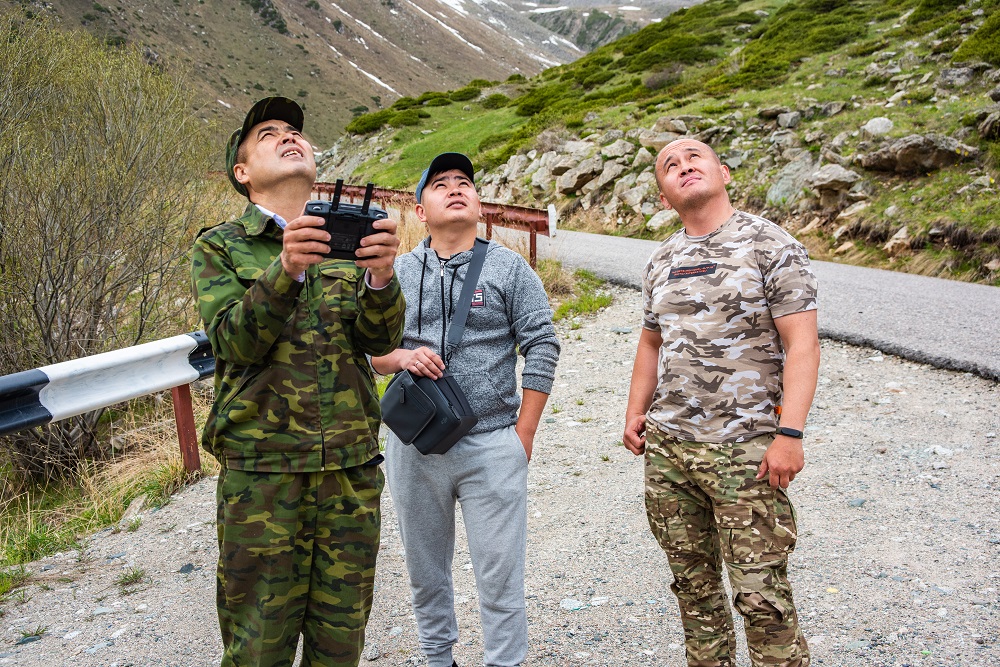
Today, thanks to our joint effort with the Forestry and Wildlife Committee of the Ministry of Ecology, Geology and Natural Resources of Kazakhstan, funded by the Global Environment Facility (GEF), tech solutions have been successfully introduced in specially protected areas of Kazakhstan. In eight of them we introduced a SMART patrolling system – a spatial monitoring and reporting tool for collecting, analysing and exchanging data on wildlife in vast natural areas, 1.5 million hectares. It also helps combat poaching and ensure the safety of employees and visitors.
Thanks to our experts or team’s efforts and the financial resources of the GEF and UNDP, modern technologies for monitoring wildlife including trap cameras, drones and satellite collars are all helping to obtain reliable data on the state of ecosystems and wildlife. Our partnerships on forest management goes beyond by teaming up with the blockchain company Bitfury that helps reduce the carbon footprint by preserving existing forests and increasing their area.
Last year snow leopards entered the scene – we launched the process of tagging snow leopards using satellite telemetry. Satellite equipment, namely collars, send information about the animal’s movements to specialists who study their migratory patterns to identify threats and to develop proposals to reduce perils. The collars are eco-friendly, safe and trapping takes place by a humane and safe method, one successfully and repeatedly undertaken in other countries.
Bridging digital gender gap
We remain committed to bridging the digital gender gap and using digitization to address gender-based violence and to advance women’s economic empowerment.
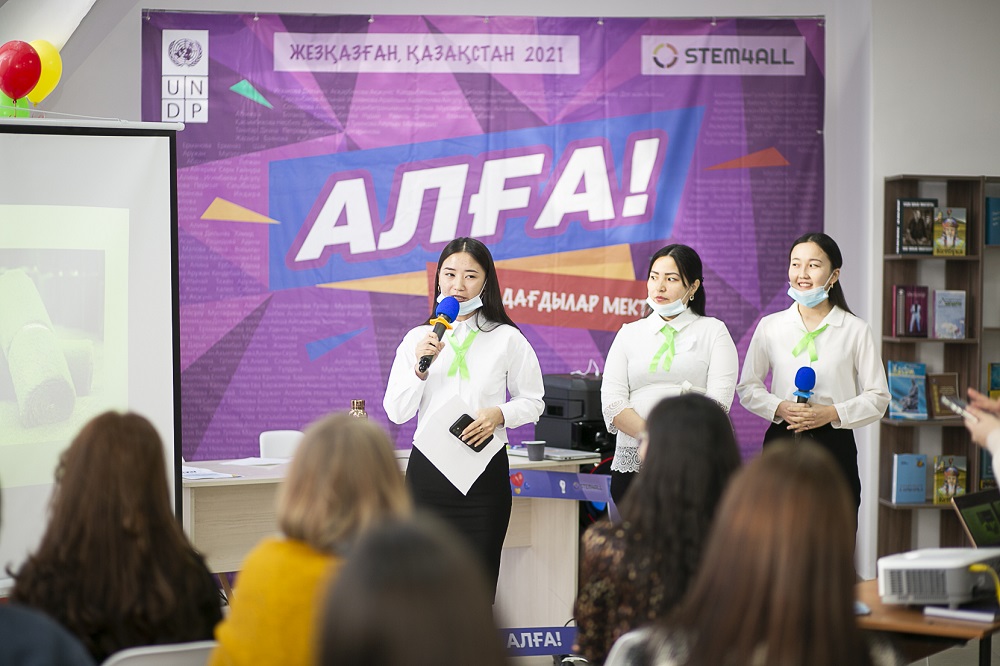
Our recent “Alga!” bootcamp was aimed at promoting digital inclusion and leadership among women in remote areas of Kazakhstan to improve their employment opportunities in the tech sector. Women role models in ICT and STEM pathways were held up as avatars to raise participants’ awareness of the requisite skills for the 21st century.
Thanks to the marathon of ideas, conducted by the Regional Spotlight Initiative, young people from five countries of Central Asia proposed 58 solutions to combat gender-based violence in the region. An important moment in the quest for gender equity.
Contemplating the wider canvas, UNDP in Kazakhstan is promoting a digital transformation thatputs people and the environment at the centre to build a more open, transparent, and accessible society that leaves no one behind. Stay tuned for our new plans to bear fruit this year…
***
The purpose of World Telecommunication and Information Society Day (WTISD) is to help raise awareness of the possibilities that the use of the Internet and other information and communication technologies (ICT) can bring to societies and economies, as well as of ways to bridge the digital divide.
Reposted from UNDP Kazakhstan.
Kazakhstan has made progress in gender equality in all sectors, but challenges remain. Young women in Kazakhstan are not well represented in STEM (science, technology, engineering, mathematics), which generally pay better than occupations in other sectors. Although the overall educational attainment of women in Kazakhstan is high, this is not reflected in the enrolment in STEM degrees and professions. Only 25% of women choose a STEM career. There are several reasons for this, most notably the lack of representation of women role models in STEM fields, gendered role expectations, and societal norms that assume these professions are more suitable for men. Recent studies also suggest that women experience a “confidence gap” about the skills they need to master and that there is low awareness of career opportunities that narrows women’s pipelines in STEM fields.
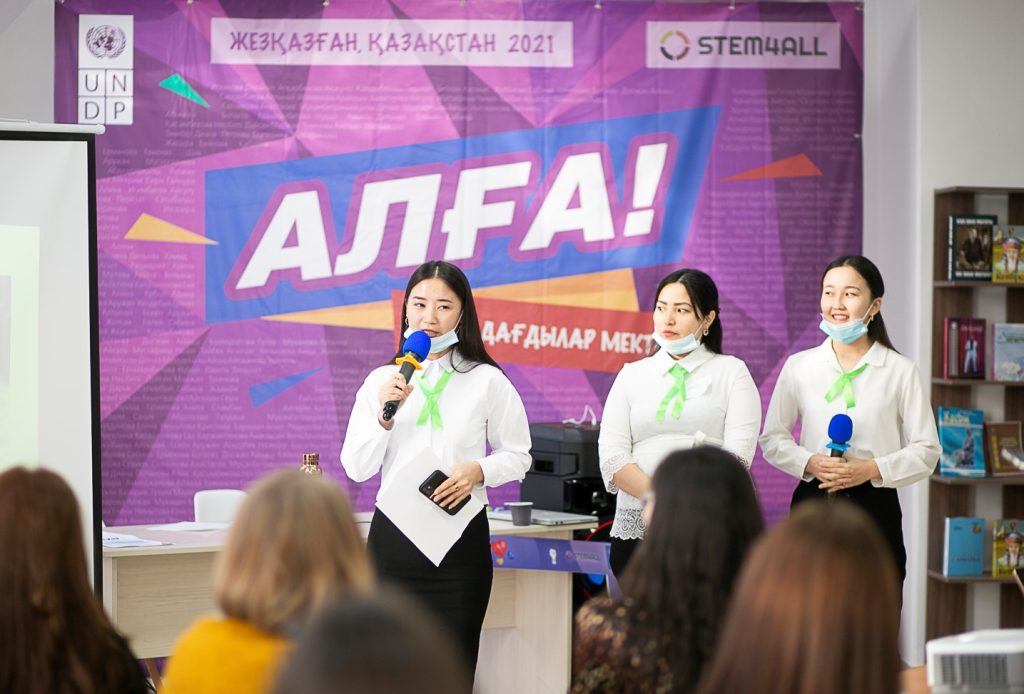
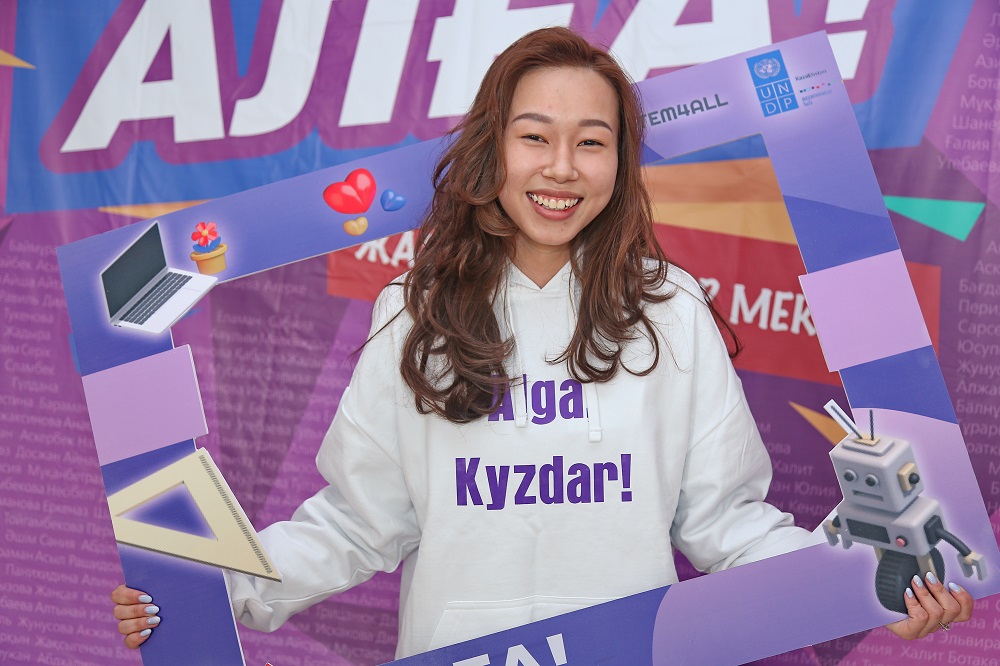
In December 2021, young women from the cities of Satpayev and Zhezkazgan had an opportunity to participate in a two-week “Alga!” [“Go for it!” in Kazakh] bootcamp organized by the UNDP Kazakhstan Accelerator Lab. The experiment aimed to develop digital and leadership among women in remote areas of Kazakhstan to enhance their employment opportunities in ICT (information, communication, technology) and STEM.
Digitalization is an important factor in the UNDP Strategic Plan 2022-2025 and it is important to emphasize how digital technologies can contribute to women’s economic, social and political participation. Increased participation of women in ICT and STEM leads to better professional and academic opportunities, especially in single-industry cities such as Satpayev and Zhezkazgan, where most economic activity is concentrated in a single industry – copper mining.
The goal of the “Alga!” bootcamp, organized together with Girls Power Up (now participating in BOOST’s acceleration programme), was to introduce participants to women role models in ICT and STEM pathways and to raise their awareness of the 21st century skills that are important in each profession. Participants had hands-on workshops in graphic design, social media marketing, ICT skills, emotional intelligence and mental well-being, leadership and project management. They also heard from inspirational speakers from Kazakhstan who are successful in ICT or STEM jobs. Existing role models motivated participants to think about alternative employment scenarios in the knowledge economy and gave them the confidence to overcome gendered expectations.
The bootcamp concluded with an in-person “Pitch Day” event that showcased the presentations participants had worked on during the two-week period. The young women addressed issues such as gender-based violence, animal cruelty, green jobs for people with disabilities, English learning among youth, and promoting educational content in Kazakh, using the tools learned during the bootcamp. Dilnaz Iskakova, a 2nd year student at Zhezkazgan College, was the winner of the bootcamp, creating a website in Kazakh from scratch. The second place went to the team “Jasyl Odak” from Zhezkazgan Industrial and Humanitarian College with the idea of attracting people with disabilities to green jobs in the city.
The experiment demonstrates the importance of targeted local digital initiatives to open up new avenues for education and employment for young people in communities dependent on extractive industries. Such communities can redefine their economies and leverage all of their human capital by promoting women’s economic empowerment through a focus on ICT and STEM with concrete policy changes aimed at building 21st century skills curricula in schools and universities.
UNDP continues to provide its digital capacity to local partners as a tool for change. Through small-scale experiments such as the “Alga!” bootcamp, UNDP is demonstrating innovative ways to address challenges through the use of digital technologies and the promotion of local ecosystems. Given the transformative impact of new technologies, automation and changing the nature of work, the UNDP Accelerator Lab believes in the potential of digital tools as key to structural change for gender equality, as highlighted in the UNDP Digital Strategy 2022-2025.
Republished from UNDP Kazakhstan.
Cut down, an average tree could be worth up to a thousand BAM. It’s simple math: no. of cubic meters x the price of m3 of wood for heating or processing.
Planted and left to grow – what would be the tree’s value? Less or more than BAM 1,000? This is where math becomes more complicated – because a single tree growing in nature makes a range of impacts on our lives.
The value of a tree is embedded in every breath we take. The ecosystem services it provides are practically invaluable: it absorbs and removes carbon and replaces it with oxygen, it reduces air pollution in cities, holds the soil together to prevent landslides and stormwater runoff, it shields us from cold winds and creates a shadow we can hide in from the sun. In addition, all this leads to more avoided greenhouse gas emissions and lower energy bills for owners of homes and buildings.
Destructive effects of climate change are increasingly present in our everyday lives: frequent floods, longer droughts that destroy crops and increase food prices, wildfires that consume entire forests and pollute the air… the list can go on.
A single tree is the single best nature-based solution to many of these growing threats to humankind: from rising CO2 levels and temperatures to air pollution and natural disasters, trees have an answer to all.
How to put a price tag on that?
We do not have the luxury of waiting for the climate change response to come from someone or somewhere else. Living in a time of climate crisis requires all of us to undertake action, personally, collectively and immediately. It’s encouraging to see the growing number of initiatives and efforts by communities, organizations, and individuals in Bosnia and Herzegovina, and around the world, starting to mobilize around the climate emergency.
So, for all of us who care about the future of our communities and the planet, but find it challenging to directly contribute to the positive change, we developed a way to contribute quickly and conveniently: how about planting a tree online?
This was, for the first time in Bosnia and Herzegovina and the region, made possible through UNDP’s innovation engine’s, the Accelerator Lab’s, unique web platform TvojCO2.ba that allows any person or organisation to calculate their CO2 footprint and immediately offset a part of it through planting trees online (at the place of your choosing in Bosnia and Herzegovina) by using an online marketplace. The planting of trees is handled by professionals and seedlings are well taken care of, so you don’t have to worry about the sustainability of your offset.
Are you more of a face-to-face person who doesn’t mind getting your hands dirty with the like-minded crowd? The platform allows you to organize, register or join others in climate actions, greening campaigns, and events.
Trees can be planted in spring or in autumn – so the platform was first tested over the three autumn months of 2021. The results were impressive: TvojCO2.ba online marketplace connected the supply of local tree seedlings by six vendors (public forestry and communal companies) with demand for tree planting by some 200 individual and corporate buyers. Over 17,000 new trees of 17 different kinds were purchased in the test campaign by 132 individuals and 38 companies, and planted at 34 locations across the country. These trees will over their lifetime absorb 20,000 tons of CO2, which is, for comparison, the amount of CO2 that 10,000 cars on gasoline produce on average in a year. The concept was proven to be viable and functional, delivering three times the targeted tree-planting target in a little over two months, and attracted over 16,000 visitors to the platform over that time.
For spring 2022, the plan is to grow the supply and cover the entire territory of the country with tree seedling vendors and planting locations – so everyone will be able to gift a tree to whatever part of Bosnia and Herzegovina they wish.
The value of a tree is not the price of a log.
It’s the future value of the world we have pledged to leave behind for the generations to come.