Author: Anahit Hakobyan, Communications Analyst, UNDP Armenia

About the series: This article is part of the “City Pulse” series, which explores the people, ideas and experiments reimagining urban life across Europe and Central Asia – what they're trying, what's changing and what they're learning along the way. The series is part of UNDP's City Experiment Fund (CEF), an initiative financed by the Ministry of Finance of the Slovak Republic that supports municipalities in tackling complex urban challenges through strategic innovation and experimentation. Running from World Cities Day in October 2026 through Earth Day in April 2027, the series takes readers inside cities experimenting with greener, more resilient and sustainable futures.
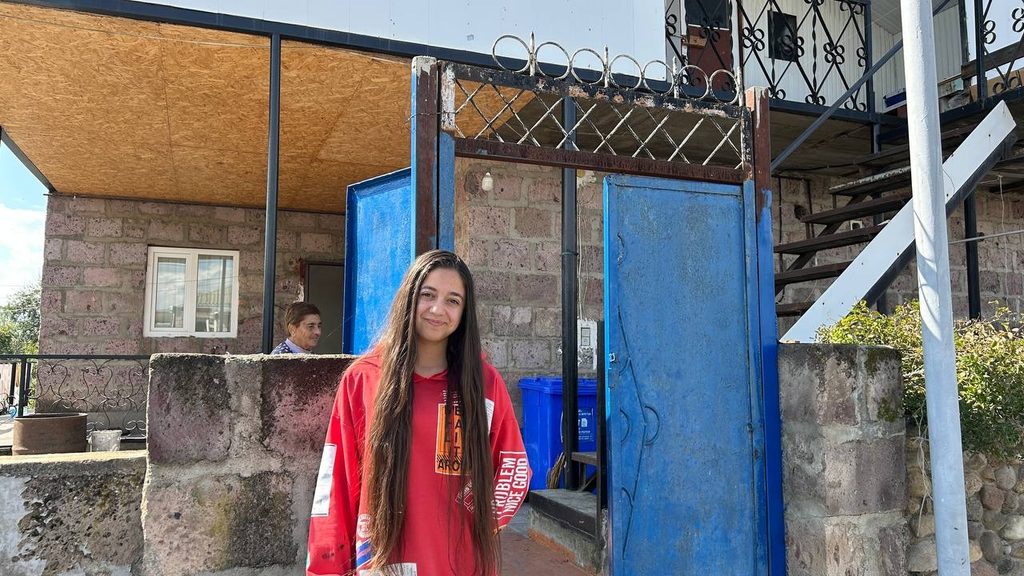
Marusya Atanyan, 78, opens the blue gate to her yard in Tashir, a town in Armenia’s northern Lori Province, and points straight to the waste bin. “Thank you so much. It’s lovely, and we’re very happy,” she says, before telling the story of how it got there.
Marusya has lived in Tashir all her life. Ten months ago, she began separating paper from plastic for the first time.
The idea came from her 16-year-old granddaughter, Mari, one of the young people in Tashir who volunteered to take part in community discussions about waste. Afterwards, when Mari came home, she told her family and neighbours about a new sorting service.
“To be honest, I thought people would tell us, ‘We’re not interested,’ but that didn’t happen. People were genuinely interested. And now, they have already started paying at least a little attention to it. I think we can make waste sorting happen,” Mari says.
In the neighboring town Stepanavan, a 15-minute drive from Tashir, 16-year-old Edmon and his friends have spent the past year combining walks around their hometown with awareness campaigns on waste sorting.
“As soon as I heard about the initiative, I tried to involve active young people to share the idea, and they joined with great enthusiasm,” Edmon says.
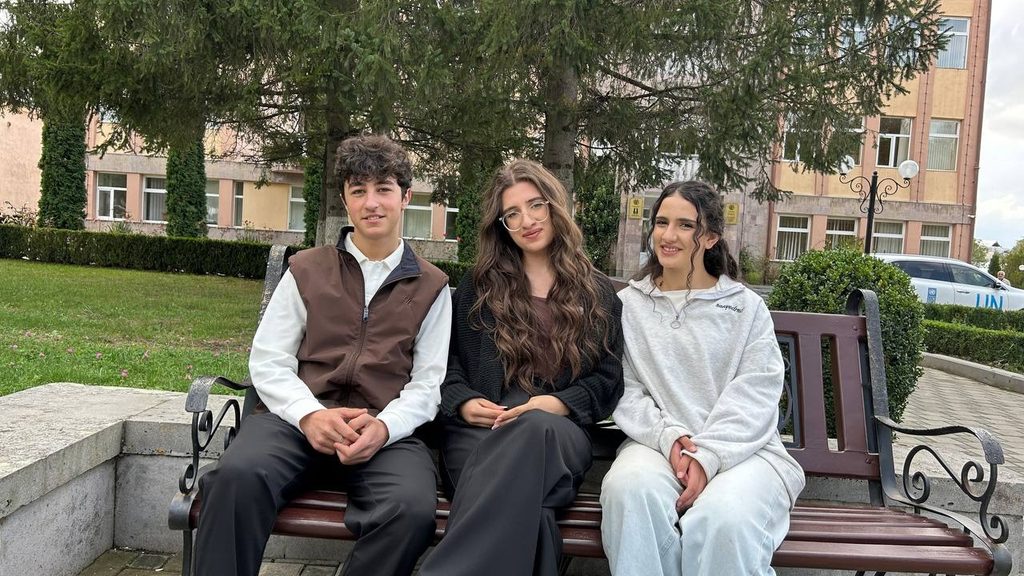
Between them, the two towns have kept almost a tonne of plastic and 350 kilograms of paper from polluting the local environment, by collecting and sorting waste for recycling.
How it all started
In 2025, Stepanavan and Tashir joined UNDP’s City Experiment Fund (CEF), an initiative that collaborates with cities across Europe and Central Asia to tackle complex urban challenges through strategic innovation and experimentation. Both towns set out on a green and digital transition. As part of that journey, working with residents, local organizations and experts, each town co-designed a circular economy portfolio: a set of connected initiatives to improve waste management through recovery, develop data-driven and regenerative agriculture, engage the private sector and young people in circular practices and, in Tashir, reclaim the river through sustainable wastewater management.
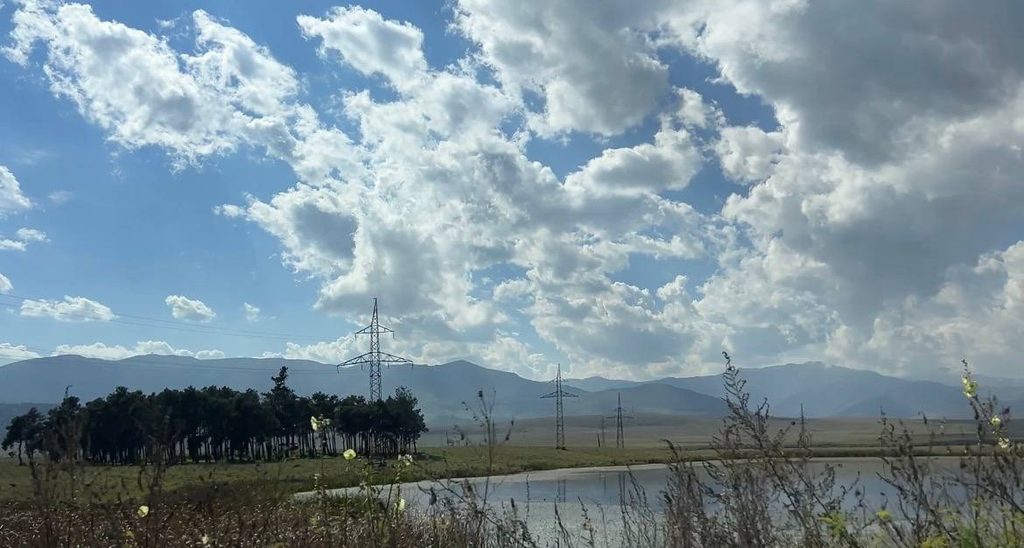
In listening sessions, residents in both towns raised the same pressing concerns: how waste was managed, and the local landfill. For decades, waste from both Stepanavan and Tashir has been piling up in a vast open-air landfill in the Dzoraget Gorge, in the heart of the lush, beautiful landscape of Stepanavan, a town that was once a popular tourist destination.
To tackle the landfill problem, the two municipalities started on a small scale, with the introduction of a waste source-separation service: households, apartment buildings and public organizations such as schools and kindergartens separate paper from plastic, and the sorted waste is collected and sent for further sorting and sale to the private sector. Both communities co-invested in the infrastructure and operational costs, making adjustments along the way to adapt the service to the needs of each community.
From bag to bale
For now, the service is a pilot. In Stepanavan, a town of around 19,000 people, 100 households have joined, along with 30 public non-commercial organisations such as schools, kindergartens and the municipal administration. The Stepanavan Municipal Council of Elders has also adopted the service. In Tashir, home to around 33,000, 20 apartment buildings, 30 households, and six public non-commercial organizations take part.
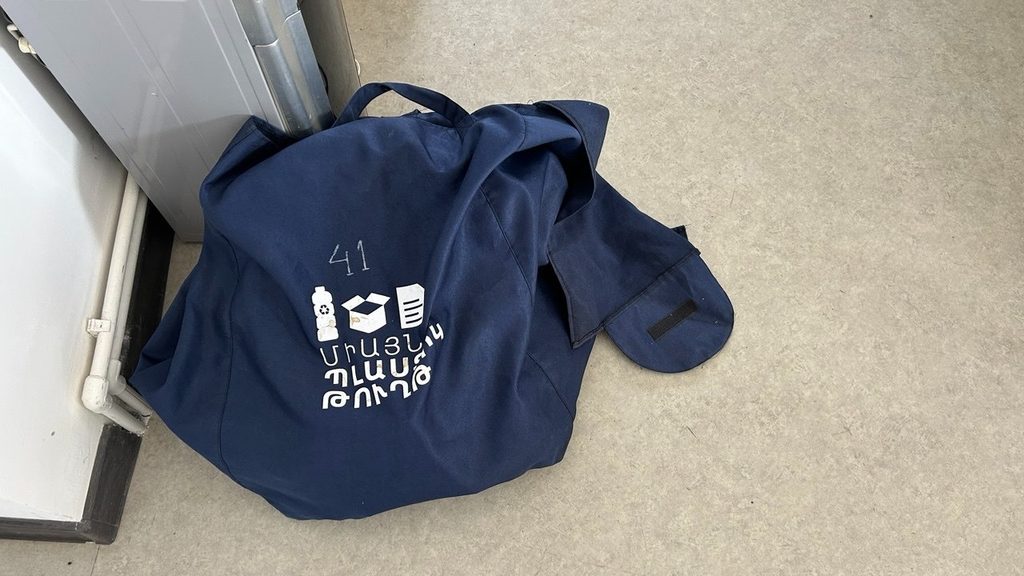
In Stepanavan, alongside 22 bins for paper and plastic installed around town, residents have also been given reusable fabric bags for sorting their waste at home.
“I was the one who proposed the idea of reusable bags. It also made sense from a budgetary perspective,” says says Harutyun Alpetyan, a lecturer and expert in circular economy and waste management. Alpetyan is a programme manager at the American University of Armenia’s Acopian Center for the Environment, and has been working with Stepanavan and Tashir through a partnership between the Center’s Waste Policy Armenia programme and UNDP’s City Experiment Fund.
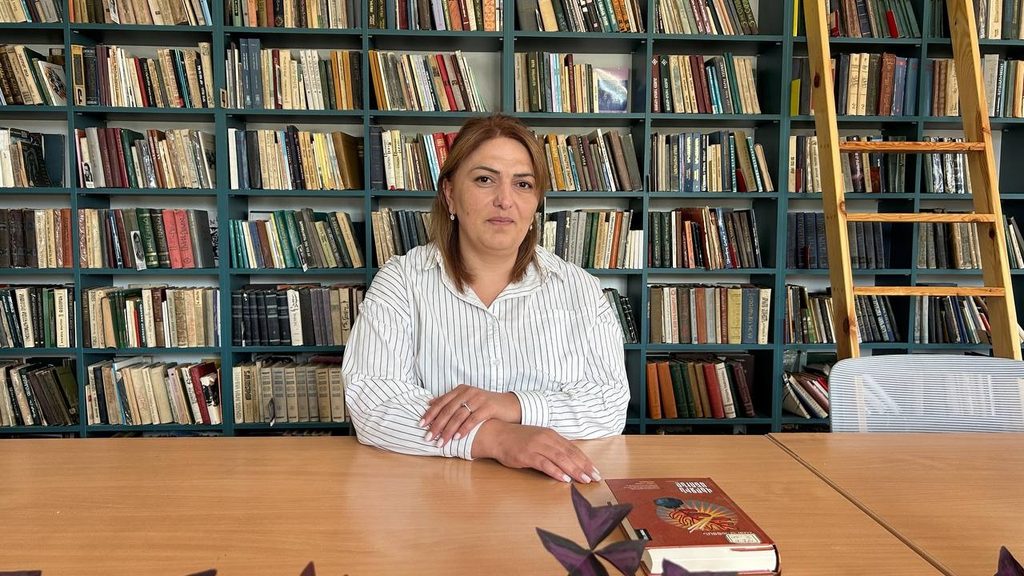
At first, Gayane Feodorova, a senior specialist at the Stepanavan municipal administration, did not think the bags were practical. She now recalls her doubts with a smile. “Today, waste is actually sorted more properly in these reusable bags than in the bins placed outside,” she says.
Waste management expert Mkhitar Avetisyan, who has worked with the municipal administration and youth activists throughout the initiative, had similar doubts about whether households would take to sorting. “Experience showed that households were managing waste very well. They had their own reusable bags, which resulted in higher purity rates,” he says.
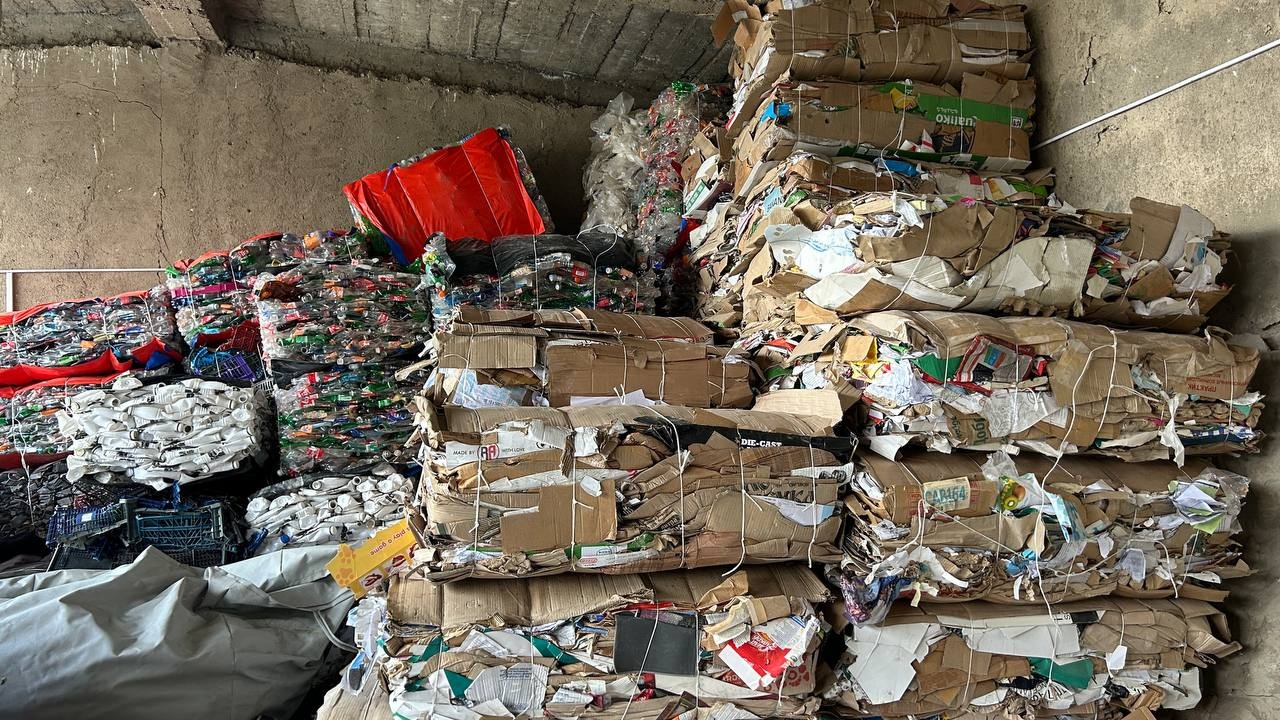
Fifteen minutes. That is all it takes for sorted waste from Tashir to reach Stepanavan. There, at a secondary sorting station that serves both towns, paper and plastic are checked again, weighed and compressed into bales to be sold to the private sector. The arrangement reflects the clustering approach the two towns have adopted, joining forces to scale up the impact.
Learning through play
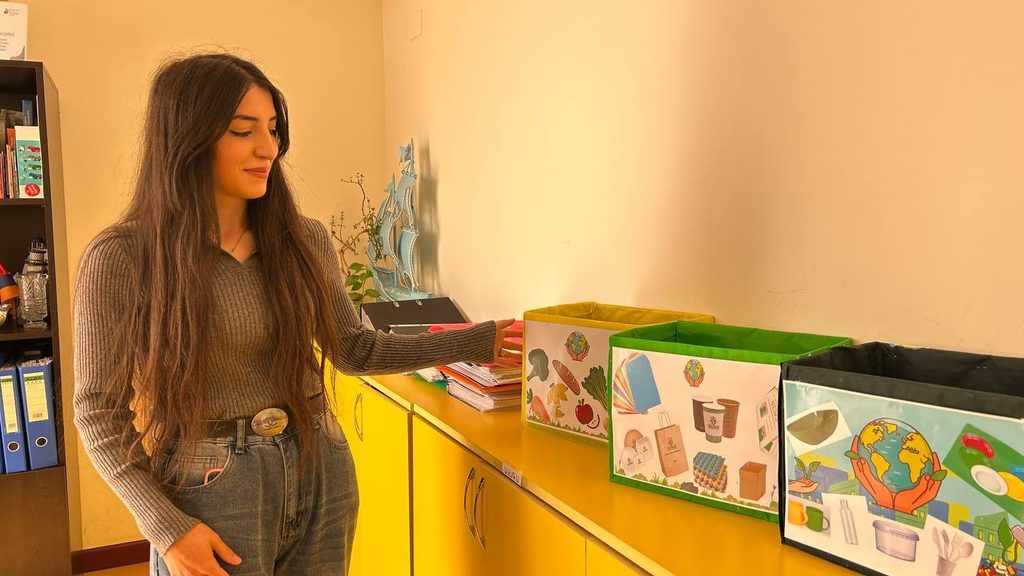
Three colourful bins line the wall in a kindergarten in Tashir. Diana Babayan, the kindergarten’s psychologist, explains how the whole team uses games to teach children to sort waste.
“Mothers tell us that when children see litter on the way somewhere, they start saying which bin it should go into. Children learn through play, which is why they remember. Now we’re trying to turn that game into a habit,” she says.
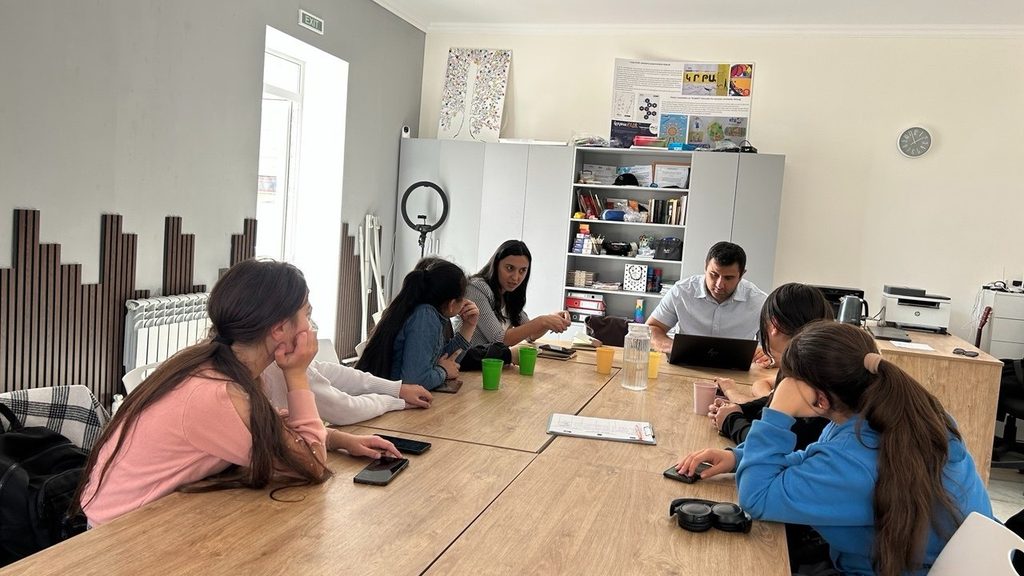
Outside the classroom, Tashir’s young people have become the service’s loudest advocates. “We currently have more than 20 young people involved in conducting awareness-raising campaigns,” says Hayarpi Kirakosyan, executive director of the local NGO Tashir Plus Local Action Group, which has followed the process from the start.
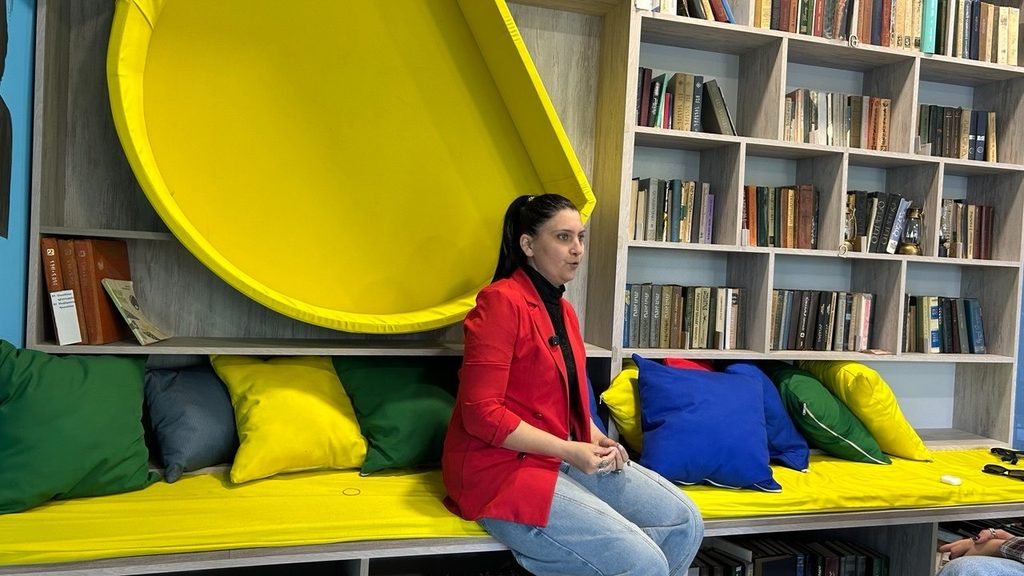
“To our surprise, residents were eager to have the sorting bins and start separating their waste,” she recalls.
According to Hayarpi, waste management is of strategic importance to both communities, and residents understand this. What they wanted was to learn from experience elsewhere and adapt it to local conditions.
“The experts from the UNDP City Experiment Fund project provided us with tremendous support. We often think we know our residents well, but through conversations and interactions with the experts, we realized how we can approach people,” she says.
Harutyun and municipal representatives have also run training sessions on waste management with volunteers.
“We’re doing this consciously,” says a Stepanavan resident. “We understand that we are not harming our natural environment.”
Small steps, high hopes
The initiative has brought the two neighbouring towns to work closely together. They have also agreed that once the sorted waste is sold, each will receive its share of the proceeds, and they are now setting up the legal mechanisms to regulate those sales.
The municipalities of Stepanavan and Tashir initiated advocacy efforts with the national government, and their cases were presented to the Ministry of Territorial Administration and Infrastructure as successful examples of waste source separation. These efforts aim to mobilise national-level support for municipalities in adopting and scaling integrated waste management practices across communities.
Other communities have also taken notice of the waste sorting service and its impact. According to Gayane, who is also the City Experiment Fund focal point in Stepanavan, towns across Armenia have reached out to learn where they started and how far they have come.
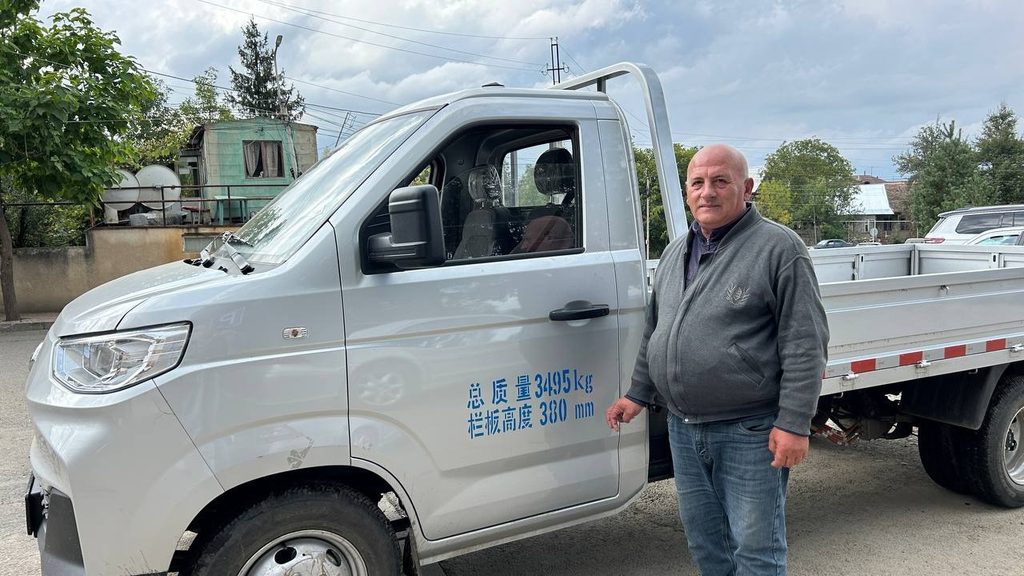
The next steps are already under way. Stepanavan has bought 33 more bins for four additional streets and is upgrading the vehicle it acquired.
The two towns are now expanding into two more waste streams, starting with organic waste. Stepanavan plans to begin sorting it in schools and kindergartens, and the work will build on a wider effort. Drawing on their joint work to build waste recovery capacity in Stepanavan and Tashir, UNDP and the AUA Acopian Center for the Environment secured a US$1.95 million project, launched in September 2026, to scale up organic waste management across Lori Province, where both towns are located.
The second is clothing and textiles. In the second iteration of their circular economy portfolios, the towns will collect used clothing and textiles, which local women with sewing skills will turn into reusable bags and other products. The initiative also aims to support circular entrepreneurship, create local green jobs and new sources of income, and prepare both communities for Armenia’s anticipated ban on plastic bags in 2027.
Nearly a year in, for Harutyun, the expert who first proposed the reusable bags, the results are already visible.
“We are already preventing some of the damage. The impact is still very small, but it is measurable. Even a tiny percentage is a starting point for establishing this culture, so that it is not only plastic that gets sorted. There are signs that overall public behaviour is changing. People know that sorting is feasible and that it brings benefits. That is a very big deal.”
The City Experiment Fund is implemented with financial support from the Ministry of Finance of the Slovak Republic.