
Category: Urban futures
4 October 2023, BATUMI – More than 200 participants from Eastern Partnership cities convened in Batumi, Georgia, for a two-day urban forum organized by the Directorate-General for Neighbourhood and Enlargement Negotiations (DG NEAR) of the European Commission, the United Nations Development Programme (UNDP), and partners. The forum – titled “Future-Fit Cities” – focused on how to tackle complex municipal issues by building green, inclusive and resilient cities, capable of leveraging public-private finances to boost growth and innovation.
Gérald Audaz, Team Leader for Economic Development, Connectivity and the Green Transition in Eastern Partnership countries at DG NEAR, European Commission, emphasized the importance of the collaboration between the EU, UNDP, local authorities and European and International Financial Institutions to mobilize more public and private resources and tap into the opportunities offered by the EU’s Economic and Investment Plan for the region. “Together, we aim to empower local authorities to shape green and prosperous cities and assist them in leveraging more financing to achieve their ambitions”.
Lejla Sadiku, Knowledge and Innovation Team Leader at the UNDP Istanbul Regional Hub, said that cities are the engines driving global prosperity, but that they also bear the weight of 75% of resource consumption and 60-80% of greenhouse gasses. “The municipalities in Eastern Partnership are going through challenging times, but gathering and discussing critical issues helps us move forward towards economic growth.”
Archil Chikovani, Mayor of Batumi, noted that Batumi is glad to host such a gathering for Mayors. “We can already see how the city benefits from the dynamic engagement with the Mayors for Economic Growth initiative and are tapping into alternative development pathways thanks to the EU and UNDP support.”
The Forum surveyed the current urban landscape and charted a path forward to build resilience and promote environmentally sustainable development, even in the face of crises. The discussions addressed critical issues, including leadership challenges and financial sustainability. Participants had the opportunity to accelerate their knowledge and expand their partnership network within the Mayors for Economic Growth (M4EG) community and beyond.
International speakers representing renowned urban development institutions such as ARUP, the Creative Bureaucracy Festival, the Centre for Public Impact, Demos Helsinki, CHÔRA, etc., and international organizations including the European Bank for Reconstruction and Development, as well as municipal representatives from countries such as Georgia, the Republic of Moldova, North Macedonia, and Ukraine, shared their valuable insights, enriching the discussions.
Background: The M4EG Facility draws on the Mayors for Economic Growth Initiative, launched and funded by the European Union (EU) in 2017. Since 2021, the EU-funded M4EG Facility has been managed by UNDP in close cooperation with the EU, local authorities and a range of partners.
For media inquiries:
For the European Commission/DG NEAR:
Mr. Thibault Charlet, Programme Manager, Digital and Local Economic Development, DG NEAR Unit C1, thibault.charlet@ec.europa.eu
For UNDP:
Mrs. Laurence Lessire, Regional Communications Specialist, laurence.lessire@undp.org
Ms. Svetla Baeva, Communications Lead, Innovation Team Istanbul Regional Hub, svetla.baeva@undp.org
Mr. Anton Sydorenko, M4EG Facility Communications Lead, anton.sydorenko@undp.org
Originally published by Mayors for Economic Growth
Photo: Irakli Dzneladze/UNDP
Next week, Mayors for Economic Growth, a joint UNDP and EU initiative, will host the Urban Forum: Future-Fit Cities, a gathering of over 300 representatives from local governments, the European Union, UNDP, and stakeholders from the civil society and the private sectors. This two-day conference will take place in Batumi, Georgia on October 4-5, 2023.
The Urban Forum: Future-Fit Cities aims to address the current global situation and chart a path forward for building resilience and promoting sustainable growth in the face of crises. This includes addressing challenges related to leadership, finance, and pursuing a just, green transition. It is dedicated to fostering knowledge exchange on urban transformation and strengthening connections among the M4EG networks of municipalities and stakeholders across the Eastern Partnership, European Union, and Eastern Europe and Central Asia regions.
The event features a diverse range of panels, including discussions on cultural drivers for urban rejuvenation, collaborative and decentralized decision-making, blended financial opportunities for cities, local-level innovation ecosystems, greener urban development models, and much more. Participants will engage in in-depth discussions on tackling environmental challenges, securing resources, investing in leadership, and leveraging a combination of soft and hard investments to drive progress.
To ensure accessibility for a diverse audience, workshops and panels will offer simultaneous translation in English, Armenian, Azerbaijani, Georgian, Russian, Romanian, and Ukrainian.
Check out the full conference schedule and learn more about this year’s featured speakers: www.eum4egfutureforward2023.com
The Mayors for Economic Growth (M4EG), launched by the European Union (EU) in 2017 and implemented by UNDP since 2021, supports Mayors and municipalities of the Eastern Partnership countries (Armenia, Azerbaijan, Georgia, Moldova and Ukraine) in becoming active facilitators for sustainable economic growth and to cultivate a vibrant community (“urban makeover”) to further attract talent, partnerships, funding and finance. The network has more than 400 members in the five countries.
Originally published by UNDP Eurasia. Edited by Karen Cirillo, Digital Communications Specialist, UNDP IRH.
Biowaste. It’s not just your average trash. Biowaste – anything from egg shells to orange peels, from garden to food processing plant garbage – is quickly becoming a valuable resource and its transformation is fueling sustainable waste management practices.
Innovative technologies and creative approaches are breathing new life into biowaste, giving rise to a host of eco-friendly solutions, from nutrient-rich compost and renewable bioenergy to biodegradable plastics and even insect-based proteins.
In North Macedonia’s capital Skopje, biowaste amounts to a whooping 45 percent of all municipal waste, most of which ends up in landfills. So UNDP North Macedonia, together with UNICEF and the City of Skopje, opened the first-of-its-kind biohacking laboratory in the country to tackle biowaste head on.

Today, cities produce more than 50 percent of global waste (OECD) due to inadequate waste management, higher food consumption patterns in urban areas, and a lack of composting infrastructures. Skopje joins a growing number of cities bent on embracing a circular economy – making and consuming things in a way that minimizes our use of the world’s resources, cuts waste and reduces carbon emissions.
“[Right now], the waste gets thrown in the landfills, which creates a range of other problems, including air pollution…There are a lot of recycling initiatives for glass and plastics, but none regarding organic waste,” says Lazar Pop Ivanov, Head of Experimentation at UNDP North Macedonia.
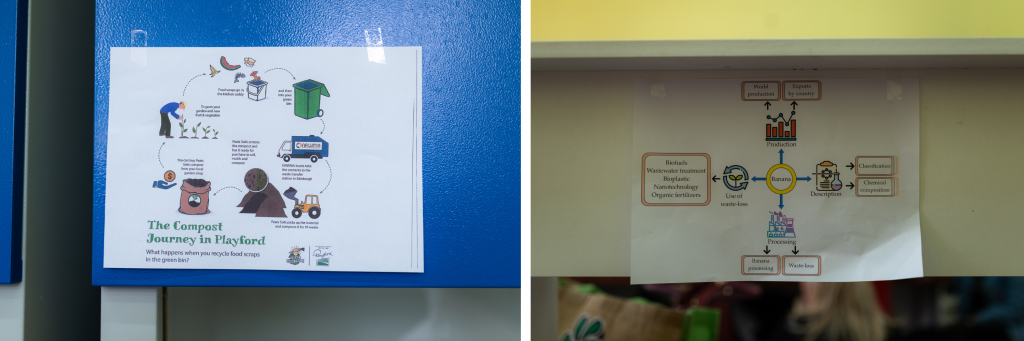
“Traditional “take-make-dispose” economies have devastating impacts on people and the environment. But the alternative circular economy model is widely considered to be the way forward…
Repairing, recycling and redesigning products and systems have the potential to trigger far-reaching change, and put the world on track to achieve the UN’s’ Sustainable Development Goals,” notes Igor Izotov, Head of Exploration at UNDP North Macedonia.
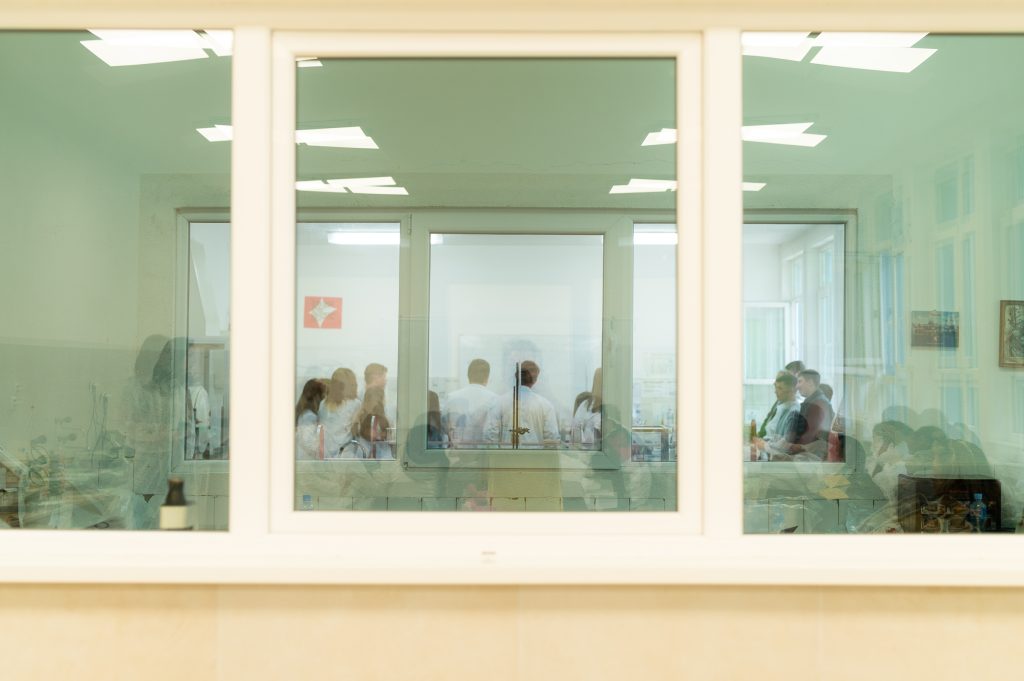
Making science fun for our future innovators
Rooted in the practice of biohacking, more generally understood as do-it-yourself biology, the fully-equipped Skopje laboratory is not just an innovative experimental facility. It’s also part of a movement to democratize science, making scientific knowledge, research and education more accessible, inclusive and participatory.
Strategically nested in a state high school in Skopje, the lab is opening up science to students and teachers, providing a space to experiment with science and technology-based projects. It uses biowaste as an entry point to foster innovation, education and meaningful community engagement to find solutions to pressing environmental challenges.
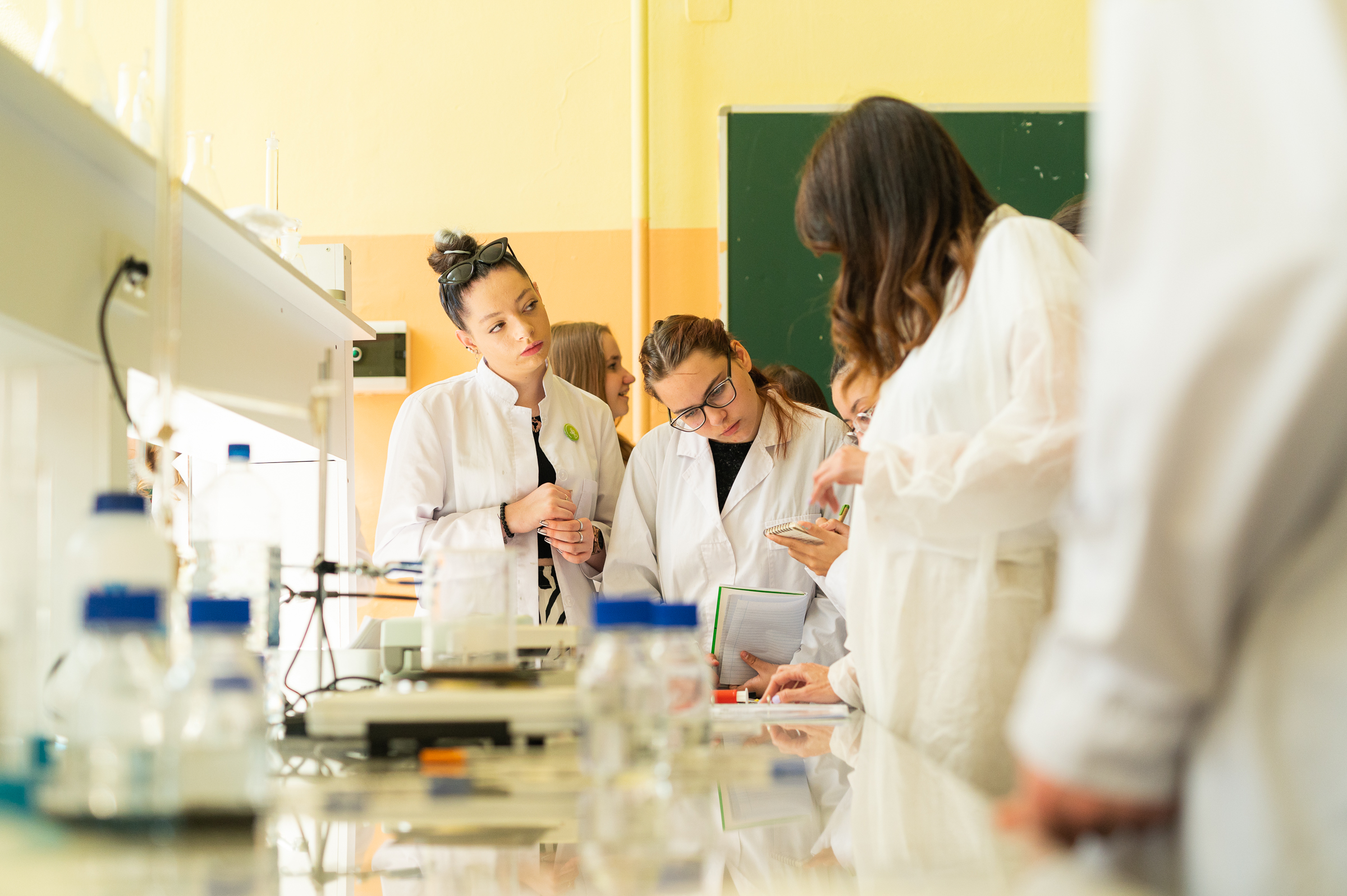

“The formal education system is quite resistant to change and over the years that has contributed to a level of disengagement from students. They start to perceive that what they’re being taught is irrelevant, impractical and not connected to the real world,” says Bore Pucoski, an Education Officer at UNICEF.
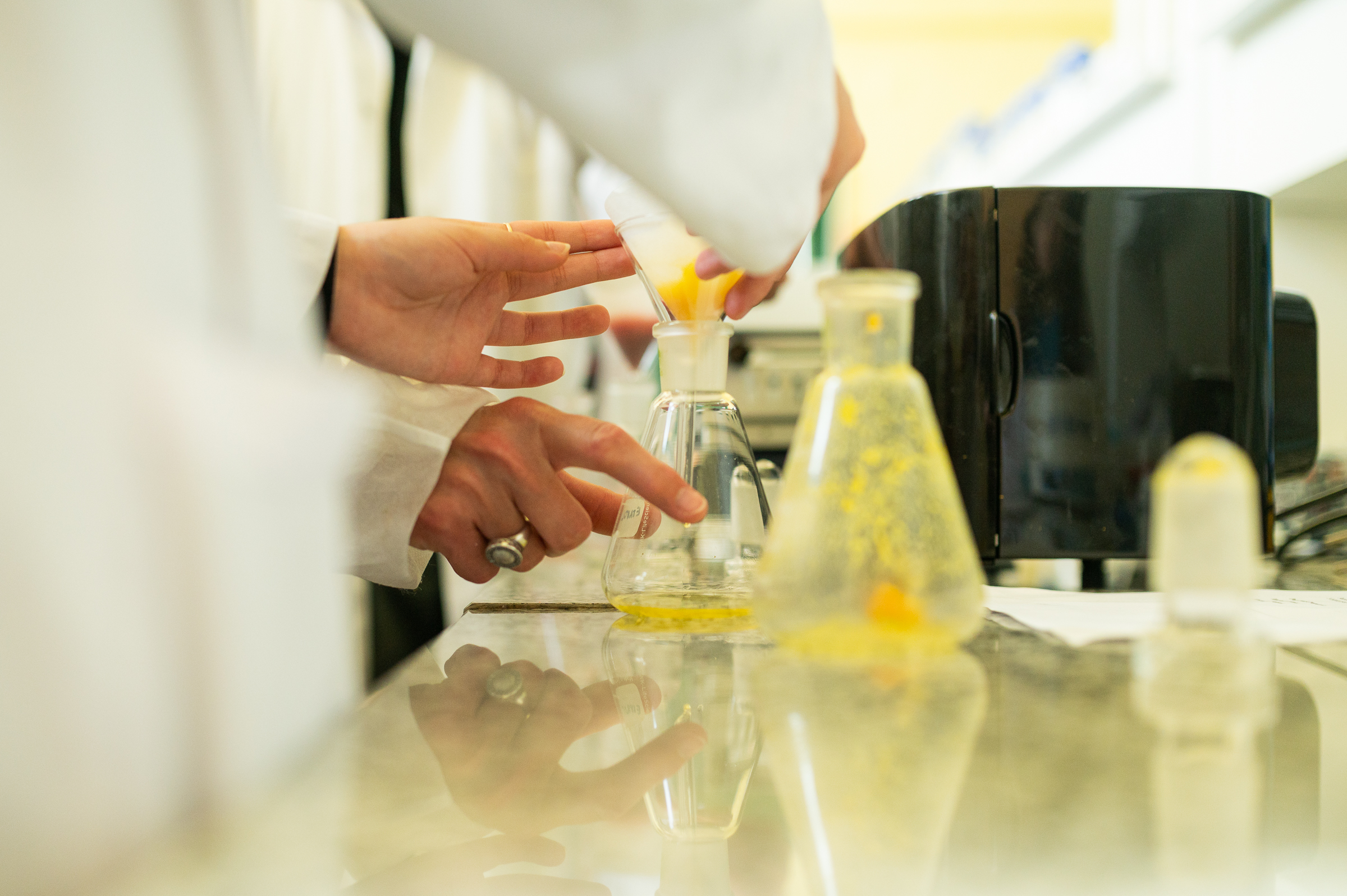
Research shows that students in North Macedonia have difficulties in applying the knowledge learned in schools in their everyday lives, and that teachers lack the skills and capacity to provide experiential learning. The lab offers much needed tools for teachers to be able to deliver a practical, hands-on learning experience for students on subjects related to chemistry and biology, with a special focus on repurposing biowaste and circularity.
The team also partnered with the National Vocational Education and Training Center, to engage over 40 teachers to organize regional science caravans. Using the laboratory’s mobile equipment, the science caravans travel to schools that teach courses in chemistry, technology, agriculture and veterinary sciences, where teachers deliver preparatory lectures and set up biowaste collection points with students. Then, in close collaboration with leading scientists, they work on experiments to transform biowaste into usable products.
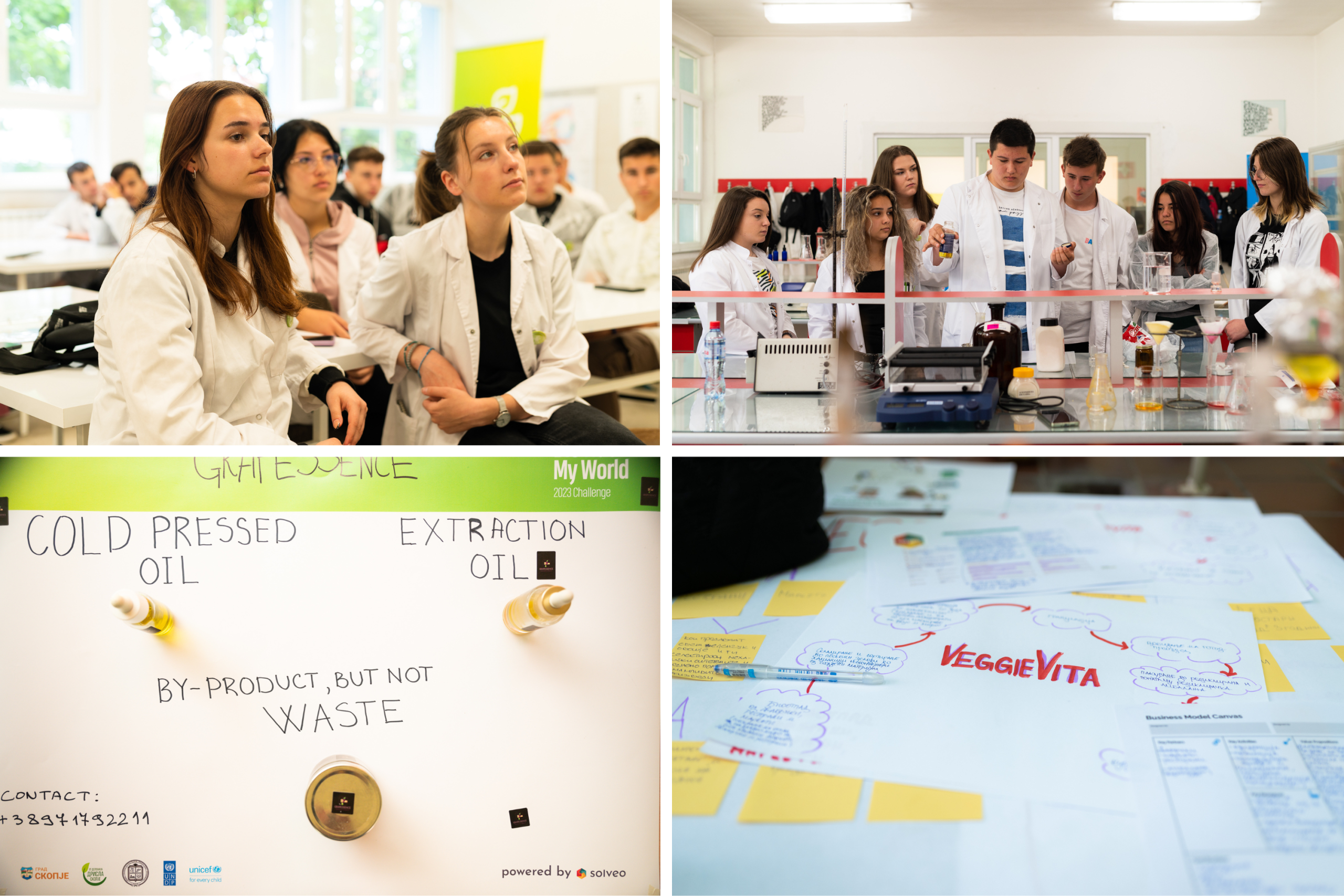
Sparking a new generation of climate innovation heroes
Biowaste holds immense potential for a wide range of beneficial uses from bioenergy production and bioplastics to innovative textiles. What is more, the biotech industry is catching on, developing technologies that are being optimized to convert biowaste.
In April, UNDP North Macedonia joined forces with Solveo, an innovation consultancy company, to launch the lab’s first three-week program for startups working with biotechnologies. Skopje’s Bio Hack My World 2023 challenge had one main objective – to bring together startups, entrepreneurs and innovators with groundbreaking ideas leveraging biowaste to address environmental challenges and support them to develop their ideas.
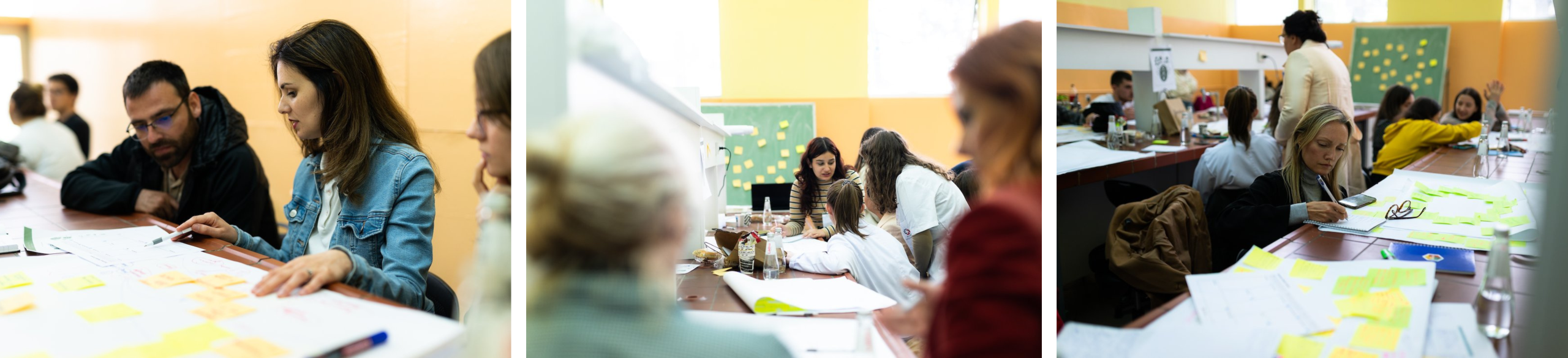
The emerging solutions, showcased during an open Demo Day in May, demonstrated innovations contributing to waste reduction and resource conservation. One idea was to use fermented tea to manufacture kombucha leather as an alternative to animal-based leathers, in a bid to promote ethical manufacturing and reduce pollution. Another harnessed rice straw fiber to create a sustainable alternative to polyester in hopes of revolutionizing the textile industry. Rice by-products were also used to create a wide selection of compostable cups, plates and utensils as an eco-friendly alternative to plastic items, while eggshells were ground to produce a natural calcium powder as a sustainable alternative to conventional sources.
All of these ideas used biowaste to create new, sustainable products. And it’s just the beginning. Participants were connected with UNDP’s Social Inclusion portfolio for launching possible businesses.

A new of thinking and doing
The establishment of the laboratory comes as part of a wider portfolio of interventions under the City Experiment Fund, a regional project at UNDP Europe and Central Asia supported by the Slovak Ministry of Finance. Currently, five cities in the region are embedding innovative methods in the design and delivery of city-level programmes and shifting to systems thinking when approaching urban challenges.
In the initial cycle of the programme, UNDP North Macedonia devised multiple interventions through which to nudge Skopje’s waste ecosystem to embrace circularity, not only as a waste reduction method but also as an opportunity to fuel the economy through new businesses and jobs. In the lead up to the opening of the lab, UNDP collected valuable data on the creation and generators of biowaste in Skopje, evaluated gaps in the current biowaste collection and management, developed a waste index that ranks biowaste in terms of its market potential and conducted laboratory research on how biowaste can be transformed.
With this new approach, UNDP Macedonia – and the city of Skopje – are ready for the next stage, developing new ways to tackle waste collection and support biowaste innovations so the wheels keep moving for a greener and more resilient urban future – one citrus peel at a time.
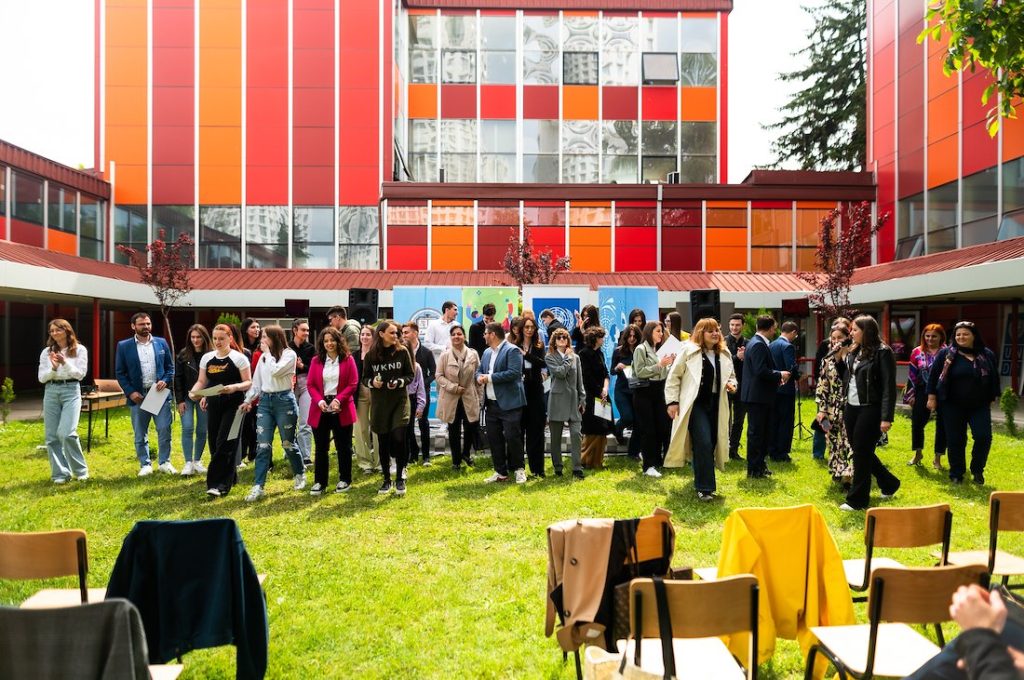
Photos: Goran Boshkovski (VidiVaka.mk)
Edited for brevity by Arianna Friedman and Svetla Baeva. See full article on the UNDP Kazakhstan website.
99% of the global population is exposed to harmful levels of industrial emissions, vehicle exhaust, or other pollutants that put them at increased risk of disease. Air pollution, in all its forms, is responsible for more than 6.5 million deaths globally each year. It shortens life expectancy and makes people more likely to suffer from increased rates of chronic obstructive pulmonary disease, strokes, heart disease, and lung cancer. Exposure to vehicular air pollution during pregnancy, infancy, and childhood also has been associated with a delay in cognitive development. Moreover, the most polluted urban areas are often in areas with the lowest property values, exacerbating existing socio-economic injustices.
In Almaty, air pollution has become one of the biggest challenges to sustainable and economic development. It poses the greatest environmental health risk for the public and the economic impact of poor air quality leads to decreased work productivity and greater healthcare costs. In 2022, the World Bank estimated that air pollution in Kazakhstan causes over 10,000 annual premature deaths and costs the country $10.5 billion per year.
As a born and raised native of Almaty, I can testify that air pollution in the city has always been a topic of discussion. On days with elevated levels of air pollutants like particulate matter, sulfur, nitrogen dioxide, and carbon monoxide, citizens are advised to wear masks or stay indoors for their safety. So when I joined the Accelerator Labs and started leading the City Experiment Fund’s project at UNDP Kazakhstan with the intent of tackling this pressing issue, I felt a keen sense of purpose and was determined to meet the challenge.
Fighting air pollution – an endeavor across many fronts
For those not acquainted with the picturesque “Garden City”, Almaty is the former capital of Kazakhstan. As the largest city and the financial and cultural center of the country, it generates one-fifth of the country’s GDP and is home to one-tenth of the country’s population. Not only does Almaty have the largest municipal budget in the republic, but it holds a special legal status. In tandem with a vibrant civil society, the densely populated metropolis serves as the driver of many infrastructural and public policy experiments.
The city’s majestic snow-capped Tien Shan mountains mesmerize onlookers, but on many days, by the afternoon they become completely shrouded in a dense smog, looming over like giant figures in a polluted mist. The surrounding mountains form a basin where the stagnant air accumulates and lingers, similar to other cities like Santiago, Chile, or Los Angeles, California. However, while the mountains exacerbate the problem, they are not the root cause of the air pollution.
Almaty is not unique in terms of the factors that contribute to its air pollution. However, attributing specific factors as the primary contributors to air pollution can instantly land you in heated political debates. City officials largely attribute the primary source of air pollution to traffic and vehicle exhaust. Conversely, environmental activists lay the blame on emissions originating from coal-fired combined heat and power plants. Meanwhile, some individuals point to emissions stemming from the construction industry and coal burning in individual households. Another area of dispute lies in pollution measurement. Officials adhere to national benchmarks established during the Soviet era, while many independent environmental activists reference standards set by the World Health Organization and other international organizations, which are notably more stringent.
A multistage process to identify roadblocks to restoring clean air
What everyone can agree on is that the need to address the issue is urgent. Tackling Almaty’s severe pollution challenges necessitates a profound transformation of the city’s infrastructures that sustain daily life. Over the years, various initiatives have attempted to reduce the increasing number of vehicles in the city, transition away from gas in favor of cleaner energy sources, and discourage backyard trash burning. Thanks to the hard-fought efforts of grassroots civic action and individual champions, there is now widespread recognition throughout the city regarding the importance of monitoring pollution and establishing reliable, easily accessible, and transparent datasets. Building on this work, UNDP partnered with the advocacy initiative AirVision and Sergek, an urban planning and transport systems company, to develop a digital platform that visualizes real-time air quality data with interactive user features.
While monitoring is a crucial step forward, it must also enable action. How do we move beyond pilot projects and establish the necessary conditions to swiftly address air pollution? Under the regional City Experiment Fund program in Almaty, UNDP and Dark Matter Labs are supporting local actors to try to answer these questions. Using a portfolio approach, we are designing small, but strategically connected sets of interventions with the potential to unlock larger, systemic changes. The portfolio approach requires examining the issue from different perspectives, developing interventions, and continuously surfacing new insights to formulate better policies and investment decisions. Applying systems thinking to a complex issue like air pollution has helped clarify the different relationships and various ways they could be managed.
The first stage of our portfolio design in Almaty was to aggregate knowledge about the ecosystem through desk research and semi-structured interviews with experts, and then test our analysis in a sensemaking session. Together with around 40 participants from different akimat (municipalities) departments, ministries, academia, private sector, and civil society, we explored the underlying challenges in addressing air pollution in Almaty and mapped the existing initiatives and involved stakeholders to unpack the root causes of challenges. The identified challenges to progress included resource shortages, missing legal mechanisms, stakeholder coordination issues, limited data and research, and a lack of vision for a ‘green economy’.
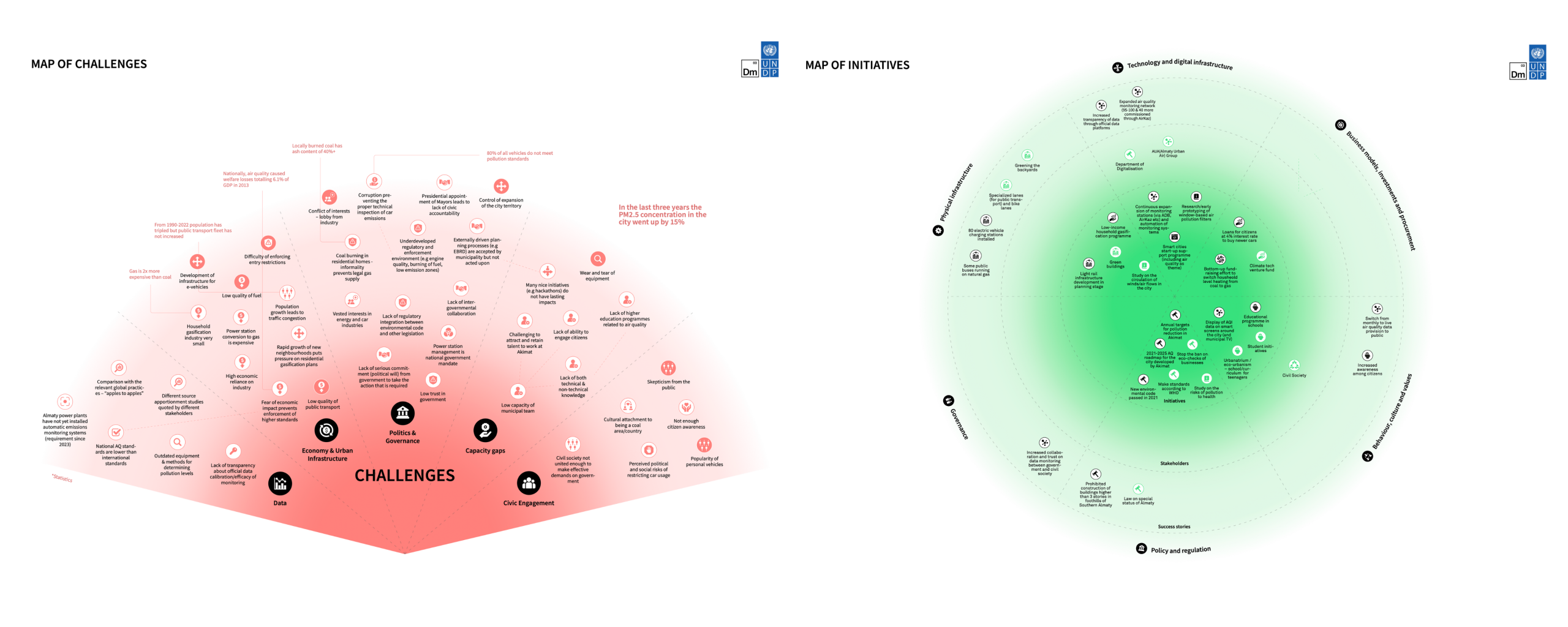
During the many discussions, sensemaking sessions, interviews, and deep listening exercises, a recurring theme emerged: there is a disconnect in perceiving air pollution primarily as an environmental or ecological concern, while its risks and impacts are frequently quantified in terms of economic and public health consequences. This particular framing of the problem restricted other stakeholders and various municipal departments from assuming responsibility for addressing air pollution as part of their respective domains. Consequently, it impeded cross-sectoral collaboration and delayed progress toward transitioning to a green economy. After the first portfolio design session, we decided to broaden the interventions to focus on the health and economic aspects of the problem. Following collective reviews from experts and stakeholders, we refined several clusters around: “Green Economy”, “Green Urban Development”, and “Public Health”.
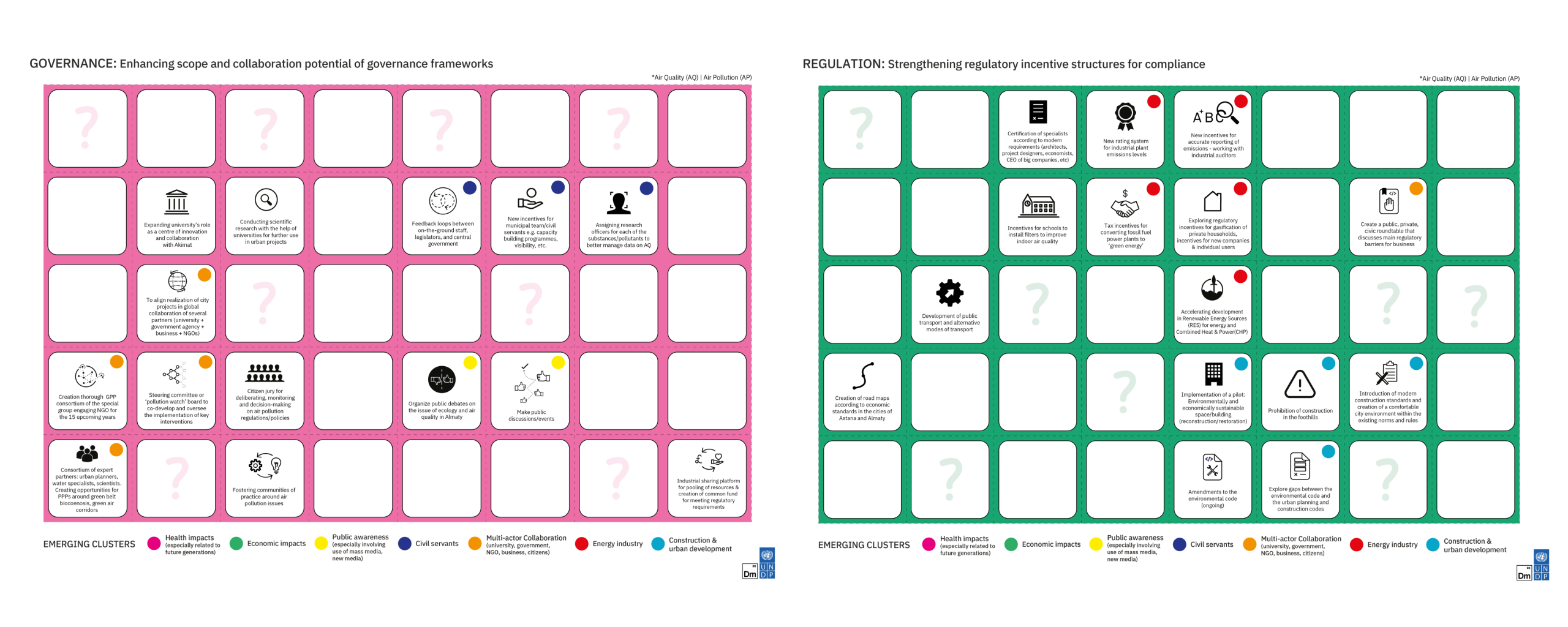
Be part of the solution, not part of the pollution
UNDP’s portfolio approach aimed not to compete with or duplicate the existing initiatives proposed by local actors but, instead, to enhance and support ongoing efforts without undermining them. So when the Almaty Management University asked for support to launch an educational program, we supported the development of the course curriculum that in the end addressed pervasive urban issues like pollution or traffic from a systems thinking perspective and centered on integrating digital solutions into urban planning practices – the first of its kind educational program in the country.
Maintaining high levels of motivation and engagement was crucial during the extended design stages of the portfolio approach. In pursuit of this goal, we made collaborative sessions open to the public and invited a diverse array of experts to share their work. These events provided city activists, scientists, civil service personnel, and community members with a fresh platform for engagement, creating informal spaces for idea exchange and encouraging broader participation.
As the portfolio enters the activation phase, there is a growing momentum behind a set of interventions aimed at co-designing “slow, quiet, and clean streets.” While still a work in progress, the cluster of initiatives concentrates on areas surrounding schools and kindergartens, exploring various possibilities: redesigning streets to prioritize non-motorized transportation, incorporating nature-based solutions to improve air quality, retrofitting buildings for energy efficiency, establishing a research framework to assess the impacts of air pollution on child health, and more. In the upcoming months, we will collaborate with local partners to further refine this concept and proposed interventions, activate options around select schools, and formulate a proposal to secure necessary investments.
At every stage of our process, one thing stood out prominently: the deep affection people have for Almaty, whether it’s their hometown or a place they’ve come to call home. Their genuine concern for improving air quality and their willingness to contribute were unmistakable. I believe that through collective efforts, a significant number of Almaty residents will soon breathe clean air and enjoy crystal-clear views of the snow-capped mountain peaks once more.
Children leading co-design for revolutionizing urban spaces in Prishtinë/Priština, Kosovo*
Do children in Prishtinë/Priština a have access to public spaces to interact, play, socialize? What kind of public spaces would they like to have access to? What are the characteristics of public spaces that motivate children to spend time in them? What kind of urban furniture do they prefer?
Visualize Prishtinë/Priština, a city in a constant state of transformation. Its vibrant cafe-lined streets prioritize cars, making it difficult for pedestrians to navigate through this dynamic urban setting. Yet, in the midst of this lively scene, a crucial element often goes unnoticed—the needs of its youngest inhabitants, especially those of older children. Spaces for youngsters that should ignite active play, social interaction, and exploration, fostering overall well-being and promoting physical fitness are a particularly rare find in the city.
Fortunately, an innovative co-design pilot movement has been underway – orchestrated for and by the very children yearning for these spaces! Fueled by children’s insights, professional data exploration, and a touch of artificial intelligence tools, the design process of the spaces goes beyond conventional participatory planning; it’s a voyage to shape the very essence of a community. This bold co-designing with children journey is what unified the City Experiment Fund (CEF) and the Healthier Kosovo 2 projects, two distinct entities under UNDP, converging in an innovative partnership. On top of that, the Department of Public Spaces and Parks, within the Municipality of Prishtinë/Priština, has been a steadfast supporter throughout the whole co-design journey.
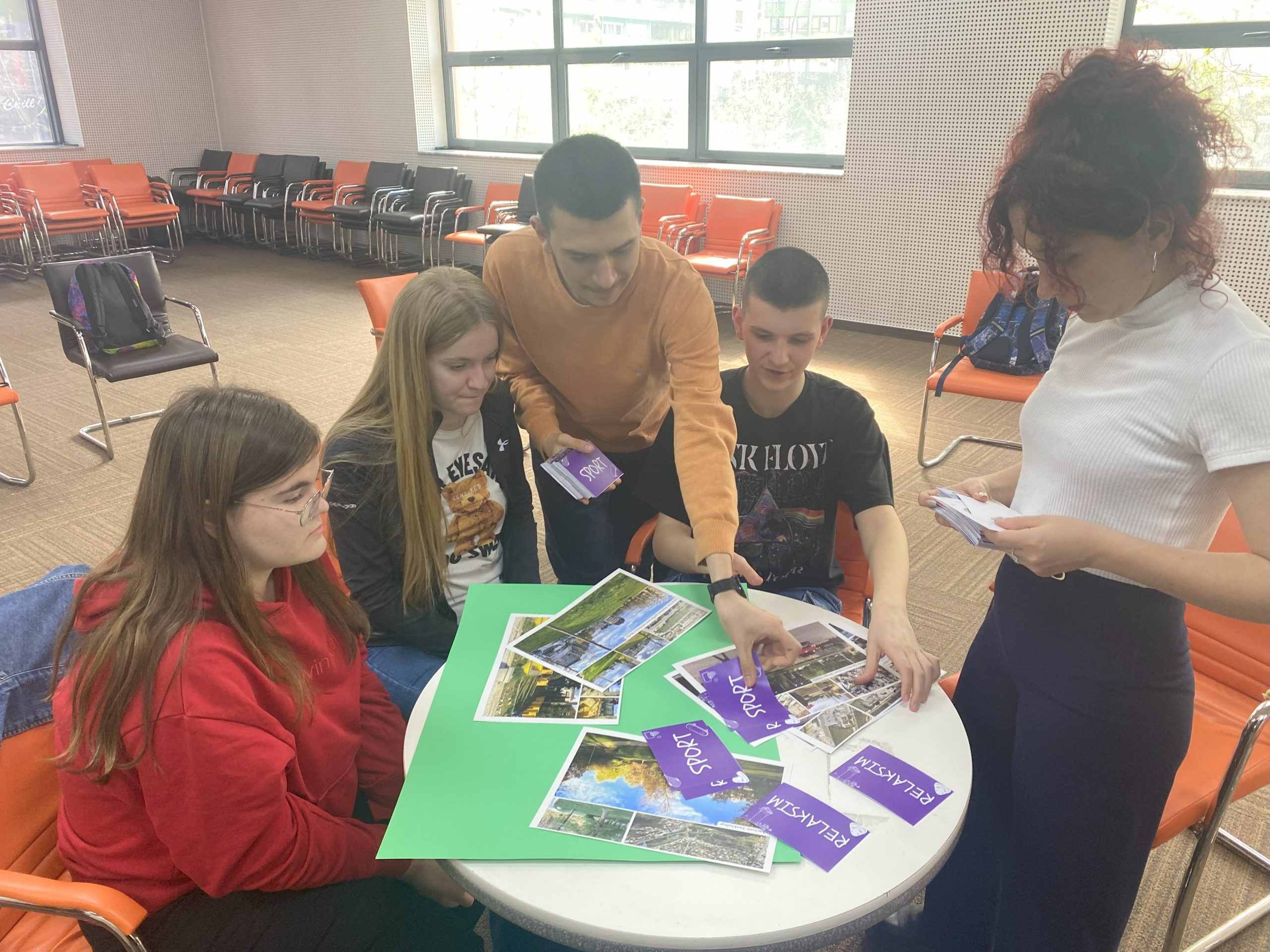
Children aged 10-17, each representing their schools through Children Councils appointed by the Municipality of Prishtinë/Priština, participated in a series of brainstorming sessions, design roundtables and AI testing workshops facilitated by SpaceSyntaks and Save the Children. Participants were selected to ensure diversity and representation from different backgrounds and perspectives.
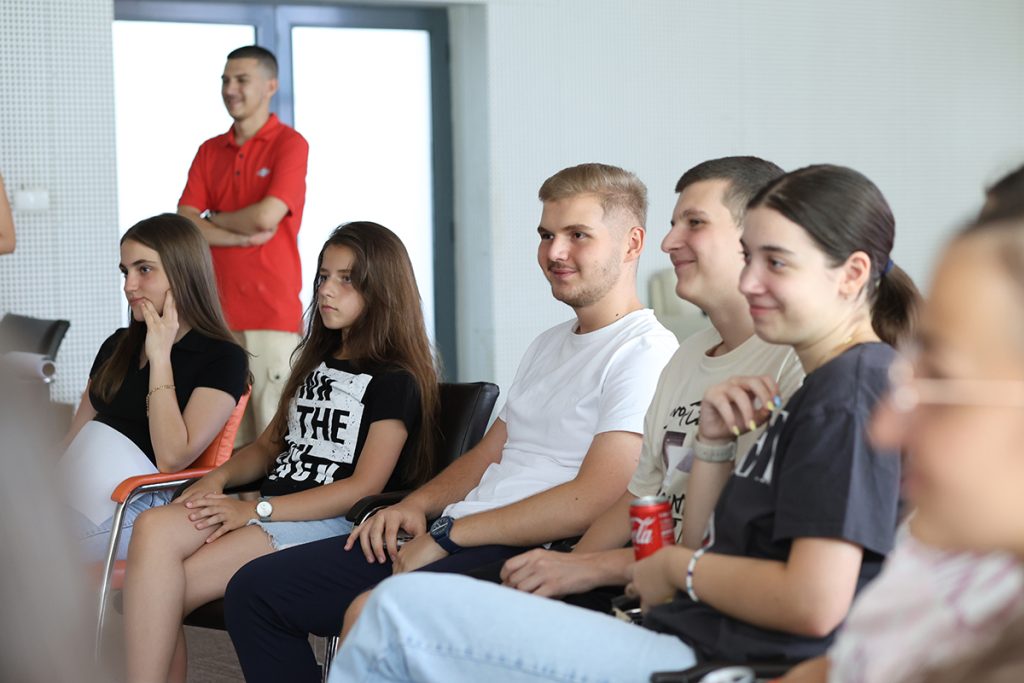
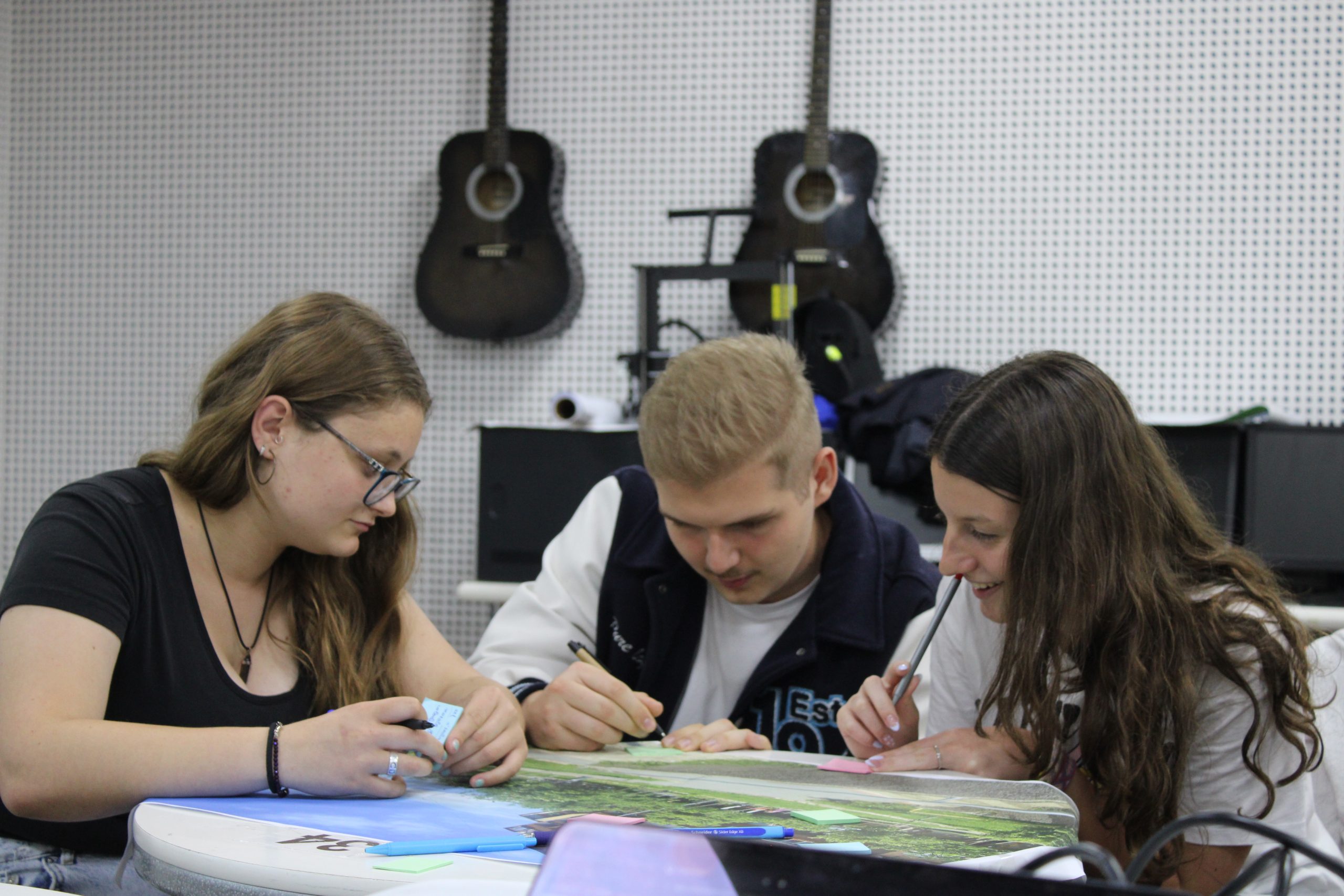
The intense co-design process was actively led by the children’s key needs and challenges and leveraging on the gathered insights and identified potentials to translate their vision of child-friendly public spaces. As co-designers, the idea was to involve children as equal participants throughout all stages of co-design, fostering methods of self-expression that encourage comfort and creativity. This approach enabled them to contribute to the process as experts of their own spaces.
Children’s needs for Green Outdoor Socializing Spaces
The one thing that all the children came to agree on was the lack of child-friendly public spaces; open spaces that allow them to create meaningful experiences, learn and socialize. Furthermore, there was a notable concern among girl children regarding safety and the need for more privacy while socializing, an insight that emerged during the brainstorming sessions.
“We have very limited green spaces. There is not a single suitable public space near my school, where my friends and I would go to socialize or work on joint school projects. The current spaces available are either for little children or adults. Instead, we always end up going to somebody’s house, which is not always the most convenient solution,” expressed Anila Ajeti, 14-year-old participant from ‘Shkendija’ school, Hajvalia/Ajvalija.
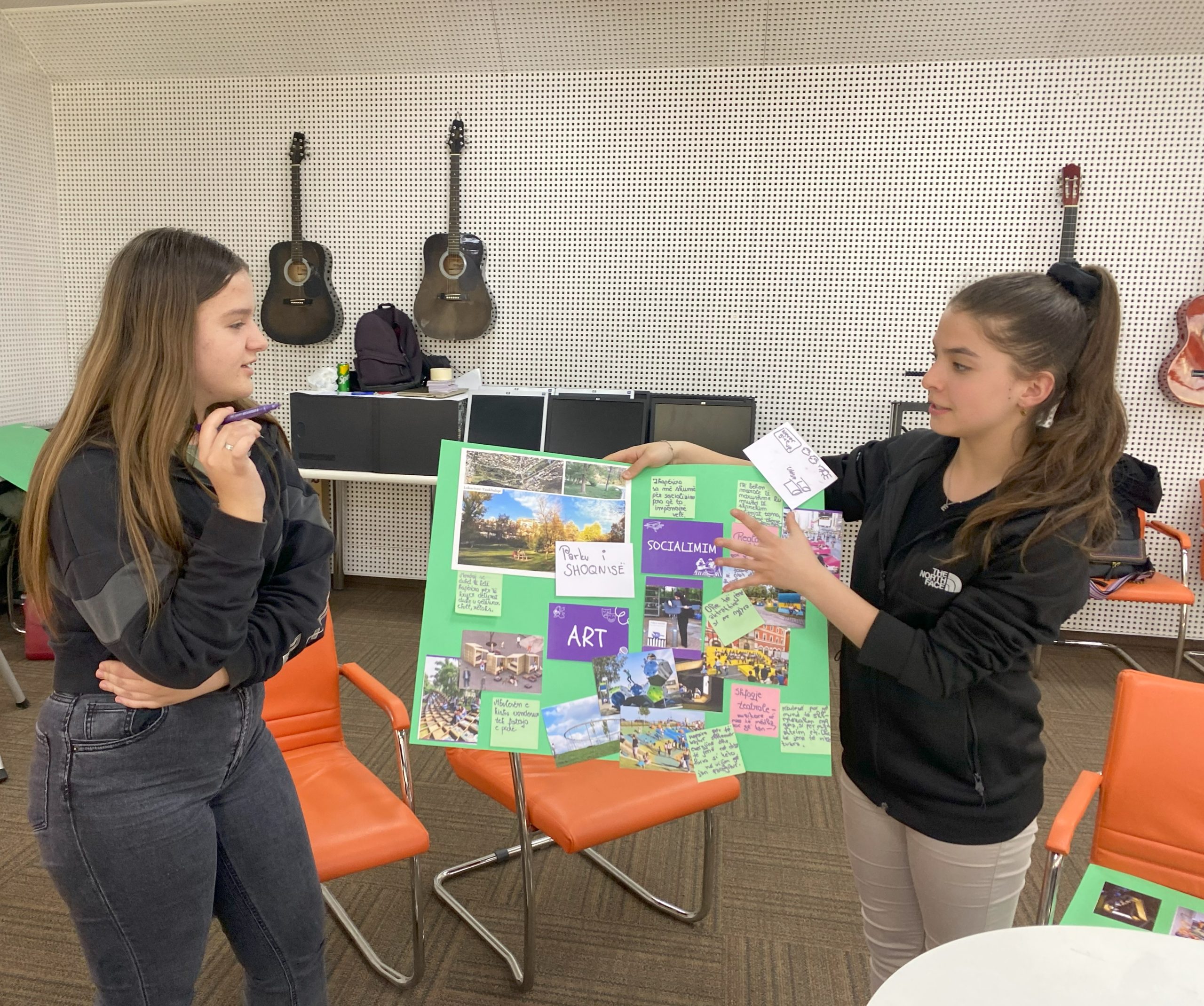
“I love nature. Learning in an open environment motivates me and increases my productivity. Having open green spaces would help me in many ways, importantly, it would help me socialize and reduce screen time,” shared Enea Kadriu, 13-year-old participant from Xhavit Ahmeti school, Kolovica/Kojlovica.
With children’s perspectives in mind and their experience with public spaces, workshops were meticulously designed to help them identify the most suitable locations, frame their visions, understand the environmental impact of their proposals, make informed design choices, and most importantly, educate them on the significance of inclusive spaces that best serve humans with different abilities and interests.
Following site selection, the children engaged in public space visioning, presentations, and feedback sessions. Subsequently, they actively participated in translating their visions into concrete designs for the pre-selected public spaces. Furthermore, the approach involved children actively utilizing the creation of mood boards, aided by the integration of an AI platform and an interactive co-design tool specifically designed to facilitate participatory planning. The children collaborated closely with skilled professionals experienced in child-centered design and urban planning. Even though new to children, this AI platform captured the creative potential of children and teenagers, augmenting their visions into tangible designs while considering safety, environment implications and social inclusion.
From Visions to Possibilities: Children Leading Prishtinë/Priština Urban Transformation
During the Final Evaluation Workshop children had the opportunity to assess and evaluate the design proposals created by professional designers. These proposals were crafted based on the input gathered during the six-month inclusive co-design process, where children contributed in several ways including with their ideas and preferences. As a result, three proposals for child friendly public spaces in three different locations in Prishtinë/Priština got finalized.
The UNDP office in Kosovo has initiated the implementation of two of the finalized designs, marking the beginning of an urban transformation process. This endeavor aims to breathe life into the imaginative visions crafted by the children. Consequently, two innovative child-friendly spaces will be woven into the urban fabric enhancing the urban landscape of Prishtinë/Priština with pioneering settings meticulously designed to cater to the needs and aspirations of its youngest residents.
In the pursuit of creating child-friendly urban spaces, three distinct design proposals have been meticulously crafted, each strategically situated within the location to respect its unique attributes. These proposals aim to seamlessly blend child-friendly urban furniture into the existing landscape while adding a touch of wonder and excitement.
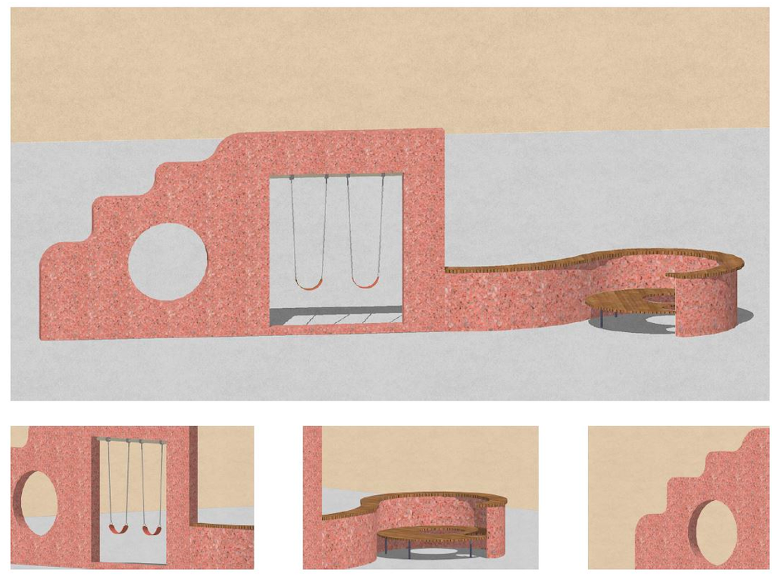
In Design 1, the emphasis lies on providing an intimate setting with two different locations of the urban fabric. The structure encompasses a circular seating arrangement for games and gatherings, swings for playful interactions, and seating with tables for smaller group learning or socializing sessions.
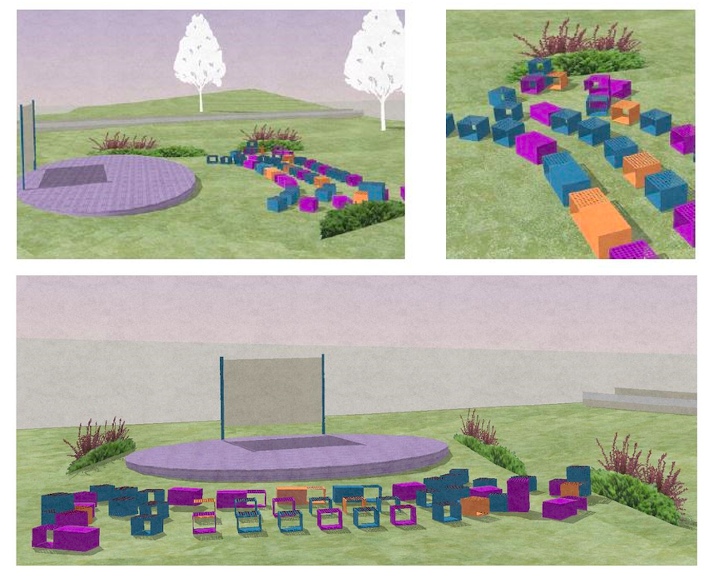
Design 2 focuses on an open green space at the heart of Pristina, offering opportunities for outdoor cultural activities like open-air theatre, cinema screenings, and collaborative music creation. Situated near schools and a local bus station, this rectangular area will be transformed into a vibrant hub. It features carefully curated furniture that enhance the environment’s aesthetic appeal and sustainability. Safety measures and eco-friendly materials are core considerations in these designs, ensuring that the spaces are both inviting and environmentally responsible.
Within this co-design framework, the CEF, established by UNDP Kosovo and the Slovak Ministry of Finance, is focused on catalyzing experimental urban projects. One such project, in collaboration with the Municipality of Prishtinë/Priština, addresses the scarcity of child-friendly spaces. By engaging children, utilizing behavioral insights and data, and leveraging innovative tech like AI, this initiative empowers young participants to reshape their urban environment with a health and well-being focus.
Originally published on UNDP Kosovo Exposure
Simultaneously, the Healthier Kosovo 2 Project—a joint initiative implemented by the UNDP, WHO, and UNV, and funded by the Government of the Grand Duchy of Luxembourg—has a core mission. It aims to contribute to the reduction of environment-related issues while raising awareness among local Civil Society Organizations (CSOs) and influencing policymaking through innovative solutions.
*References to Kosovo shall be understood to be in the context of Security Council Resolution 1244 (1999)
Cities are confronting unprecedented challenges and traditional linear approaches are no longer sufficient to address overlapping, interconnected issues efficiently. But there is an effective way to navigate these complexities and foster positive transformations – involving communities in various ways, to be able to take part in decision-making processes. As this people-powered approach gains momentum and yields promising outcomes, the Innovation Team at UNDP Europe and Central Asia, in collaboration with the Agirre Lehendakaria Center, has been working to develop a toolkit to share tools and processes that help municipalities and other stakeholders engage better with the community to enable holistic engagement and transformation. This new publication titled Co-creating Urban Transformation: A Guide to Community Listening and Engagement for Future-fit Cities is for anybody looking to adopt community-oriented practices and methodologies.
Originally developed as a resource for local authorities taking part in the Mayors for Economic Growth network, a programme jointly funded by the EU and UNDP, and inspired by listening experiences from the City Experiment Fund, the guide’s tools, exercises, and insights are adaptable to different urban contexts and are appropriate for a range of partners driving transformative change at the local level. At its core, the new approach revolves around co-creating urban transformation portfolios through iterative community listening processes. This serves to fortify social cohesion and resilience, particularly during times of crisis and uncertainty. The guide emphasizes that trust is cultivated through direct public engagement, while listening in a meaningful way can galvanize a cultural shift that clears a path for positive change.
The practical adaptation guide is composed of six sections that span the theory of change behind community listening to the development of portfolios. It also delves into the components that facilitate community listening and sensemaking, including how to use ecosystem mapping, data collection matrices, and collective interpretation. The guide also provides step-by-step instructions to equip municipalities and other actors with the tools, templates, and exercises necessary to integrate community listening and engagement seamlessly into their daily operations.
Download the full toolkit for more in-depth explanations and real-life field experience examples.
When we at the RBEC Knowledge and Innovation Team at UNDP Europe and Central Asia designed our four-week learning sprint with selected municipalities in Ukraine and Moldova, as part of the EU Response and Renewal programme, we wanted to see how much this learning journey would encourage the municipalities to widen their perspectives and empower them to apply different tools and processes to rebuild and adapt to the emergent insights. Our team had a chance to visit all of the selected municipalities in Moldova and meet with municipal teams and mayors to see what was happening on the ground and hear their concerns. In the case of Ukraine, our team had one-to-one calls to further understand their current situation.
Many municipalities expressed they were facing difficulties in addressing uncertainty and unpredictability in times of crisis. One Mayor in Moldova specifically mentioned: “One day we had 500 refugees coming to our town. Three months later, only 100 were left in the city. We do not know what will happen in the next 3 months.” Many of the municipalities were already struggling to address the demands of the residents or prioritize issues prior to the crisis due to their limited resources.
In times of crisis, our context changes drastically, making it difficult to plan for the future due to highly unpredictable circumstances. We are often forced to make quick decisions based on limited data and fragmented information due to immediate and pressing needs. We might seek evidence and in-depth research that points us to the “right” solution, but in a time of crisis where circumstances change rapidly, we need to practice a delicate dance between seeking validation and taking decisive action. [1] We need to address the immediate needs through action while holding the space for learning and adaptation to new learnings and discoveries.
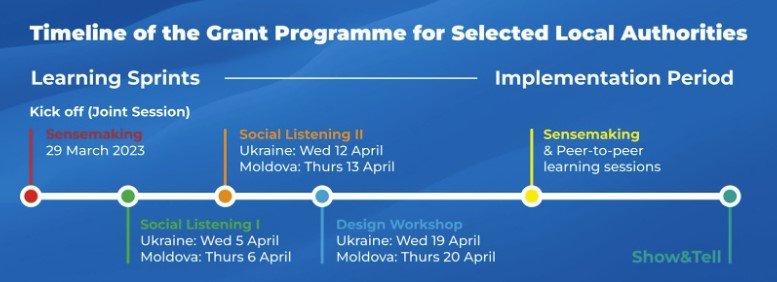
The EU Response and Renewal Programme for local authorities in Ukraine and Moldova, under the Mayors for Economic Growth (M4EG) network, was designed to apply complex systems thinking in a crisis context, emphasizing how we can manage complexity in a crisis setting and adapt to emerging realities. This grant programme offers direct support to 13 selected municipalities in Ukraine and five selected municipalities in Moldova, totaling EUR 1.8 million. Our call for proposals asked municipalities to clearly articulate how they will address issues related to response and renewal, and after the selection, they were invited to join a 4-week learning sprint to validate their proposals and identify emergent insights to adapt them.
Given the limited resources and capacities of many municipalities in the region, we intentionally built a 4-week learning sprint to introduce municipalities to the basic knowhow and applicable tools needed to discover new insights and apply them to their submitted proposals. This was a unique approach whereby the selected proposals could be further enhanced and adapted based on emerging changes, acknowledging the importance of flexibility, adaptiveness, and empowerment of teams and networks to help us make sense of the changing landscape in a complex crisis setting.
The key value of the learning sprint was to improve the proposals and eventually ensure that activities will be more targeted and effective during implementation. In standard project design, we often design our activities upfront in a linear way that (unintentionally) creates a relevance gap by the time implementation starts. Therefore, the learning sprint was designed to build in adaptability, flexibility, and effectiveness of the activities by embedding system-wide perspectives and community listening. In particular, we wanted to achieve the following objectives from the 4-week learning sprint:
- For municipality teams: to learn and build area-based systemic intervention with social listening, sensemaking, and gender-sensitivity training;
- For the M4EG team at UNDP: to learn and build an understanding of current contexts of response and renewal efforts through selected municipalities in Ukraine and Moldova to enhance our support.
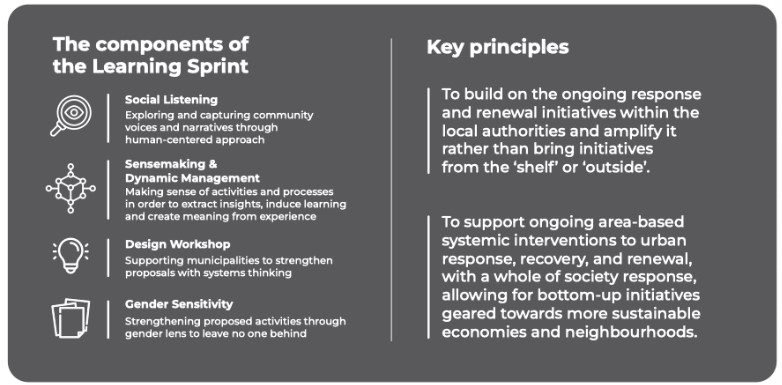
Reflections on social listening
Key takeaways from the social listening:
During the social listening exercises, some teams discovered other adjacent needs that their work could address to be more relevant. The Chernivtsi municipality said: “Based on the results of the received answers, we saw that the problem of providing internally displaced persons (IDPs) with housing is quite urgent. Therefore, during the implementation of the project, it is planned to monitor existing initiatives in this area and to inform target groups about available opportunities on an ongoing basis.” Some teams found social listening to be a helpful tool for monitoring the impact of their initiatives.
The Bucha municipality said: “During the implementation of the project, it is planned to conduct social listening on an ongoing basis to identify new challenges and problems that arise, as well as to receive feedback from target groups for the further possibility of adjusting measures and activities.”
What is social listening?
Social listening is a powerful tool that localizes and connects interventions to the people in the community – the actors or beneficiaries – to ensure their relevance. The municipalities of Ukraine and Moldova embedded this process as part of the Response and Renewal programme to achieve two objectives:
- Ensure that the ideas they produced were aligned with the needs and challenges faced by the local communities they were serving;
- Identify other stakeholders, actors, or organizations in the space who can become collaborators, contributors, and influencers in the intervention.
Social listening was embedded in the learning sprints as a two-week practice of learning and doing and was broken down into three parts:
- Stakeholder mapping
- Introduction to listening & core skills training
- Data collection and synthesis
Stakeholder mapping:
The sprint commenced with an introduction to a stakeholder mapping tool to assist municipalities in comprehending the actors and initiatives within their respective geographic ecosystems. This tool facilitated the identification of connections and the importance of various present actors. Municipalities gained a holistic understanding of the system’s interconnections and interdependencies. Stakeholder mapping served as a valuable aid to initiate the listening process by providing a clear picture of the relevant actors based on their engagement, decision-making power, and interest in the thematic areas addressed by the municipality’s proposal.
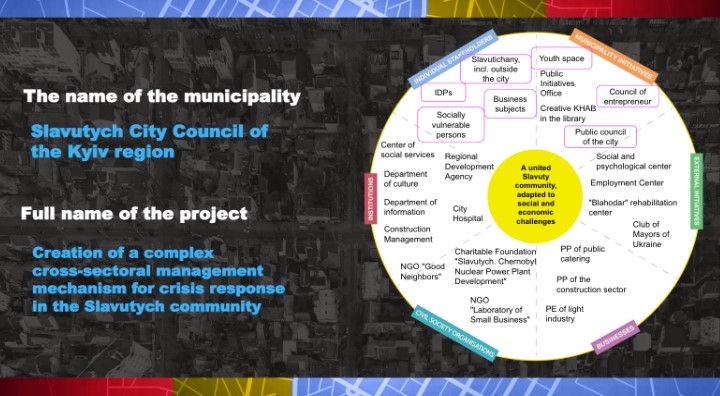
Introduction to listening and core skills training:
Following the stakeholder mapping, participants underwent a comprehensive training session on the purpose of social listening and its applications, including the essential skills required to conduct effective listening activities, such as in-person interviews, focus groups, and observations. The aim was to equip participants with the ability to document their initial assumptions, tailor questionnaires to their specific contexts, and proceed with interviews with selected stakeholders. All participating municipalities successfully completed this exercise and conducted in-person interviews with up to 10 stakeholders.
Data collection and synthesis:
After the interviews, our next session focused on synthesizing the collected data and extracting patterns and insights. The session began with guidance on data synthesis techniques, followed by teamwork to summarize and discuss findings within teams. Through internal discussions, participants answered key questions, unraveling both the insights and conclusions that emerged from the data. Furthermore, they revisited their initially stated assumptions and hypotheses from the first session, validating or invalidating them based on stakeholder feedback and new information gleaned.
Reflection and future applications:
Throughout the learning sprint, ample time was dedicated to team reflection and cohort discussions, enabling participants to evaluate the benefits of their enhanced listening skills in their current work and potential applications going forward. The opportunity to reflect and exchange ideas fostered a collaborative learning environment and encouraged the identification of practical ways in which listening skills could contribute to their ongoing initiatives.
Reflections on the sensemaking and design workshop
What is sensemaking?
Sensemaking is used to identify, generate, map, and leverage relevant connections and existing dynamics across different initiatives and projects. It is also used to create the conditions for reinforcing coherence and building networked effects across different actors through socialization and engagement (UNDP Portfolio and Sensemaking Protocol).
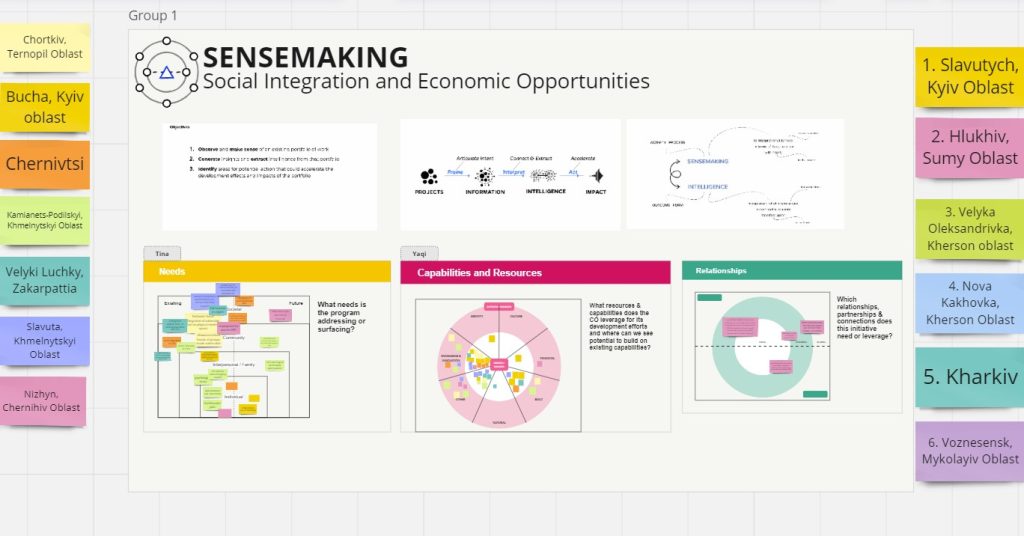
Sensemaking and design session in Ukraine (Zoom + Miro)
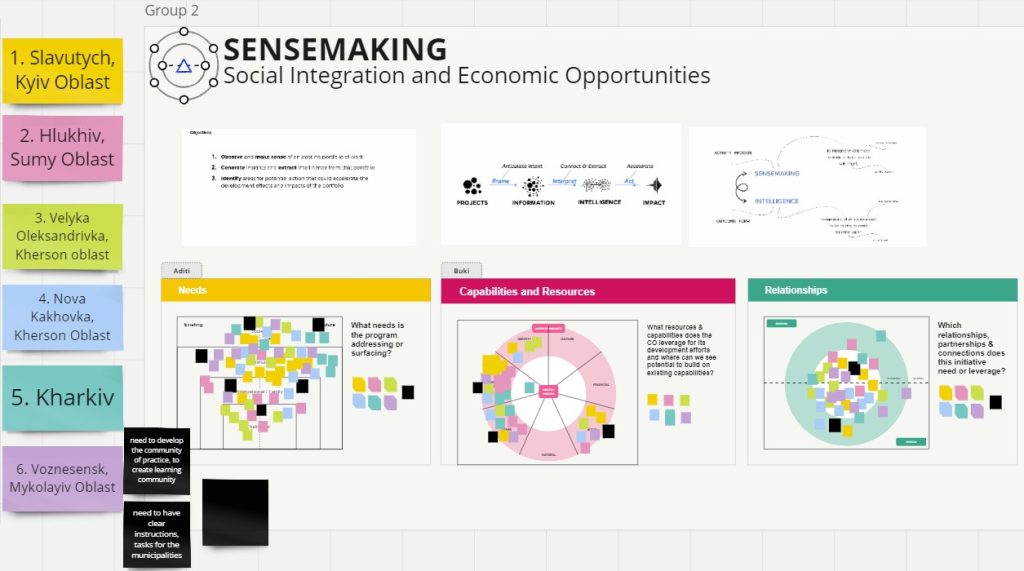
Under the EU Response and Renewal programme for Ukraine, five municipalities were selected under Lot 1 to focus on immediate recovery activities for refugees and IDPs, and eight municipalities were selected under Lot 2 to focus on medium and long-term renewal activities for refugees, IDPs, and local communities. Regardless of their selected lots, we have learned that the municipalities are developing their efforts on 1) social integration of refugees and IDPs, 2) creating and supporting economic opportunities for refugees and IDPs, 3) building and restoring city services and infrastructure, and 4) reshaping and planning for the future vision of the city through comprehensive analysis and aftershocks caused by the war.
Here are some of the key insights that have been captured during the sensemaking and design session:
- IDPs are returning to home towns or nearby towns when it’s possible, but the lack of economic opportunities and jobs are the most pressing needs to be addressed;
- Psychological and mental stress is heavily affecting refugees and IDPs and current assistance is not enough to support the community. Furthermore, a needs assessment from a gender lens perspective is needed since many of the trauma victims are women;
- Continued social inclusion support for IDPs and refugees, including co-creation and community engagement, is key to assisting those that decide to stay;
- Professionals, specialists, and talents are relocating to different cities, and local communities and organizations are very effective at setting up links and connections to support them. Yet, many municipalities are resource constrained and there is a need to prototype or experiment with different services;
- There is a need to communicate, exchange and learn about common topics across different actors and stakeholders.
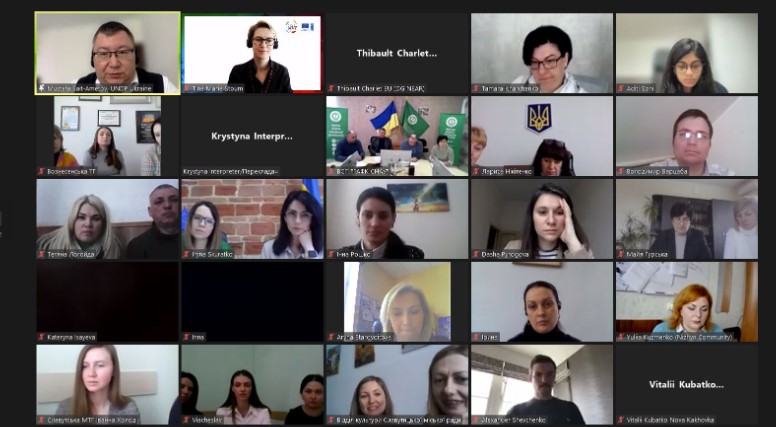
Sensemaking and design session in Moldova (In-person)
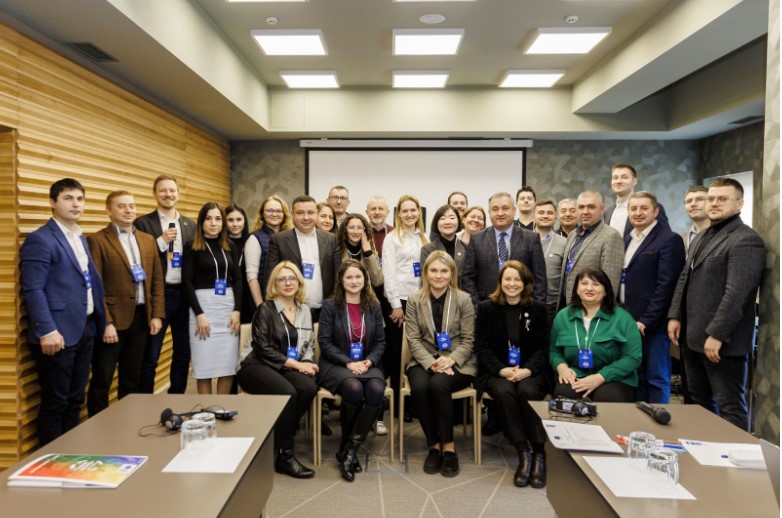
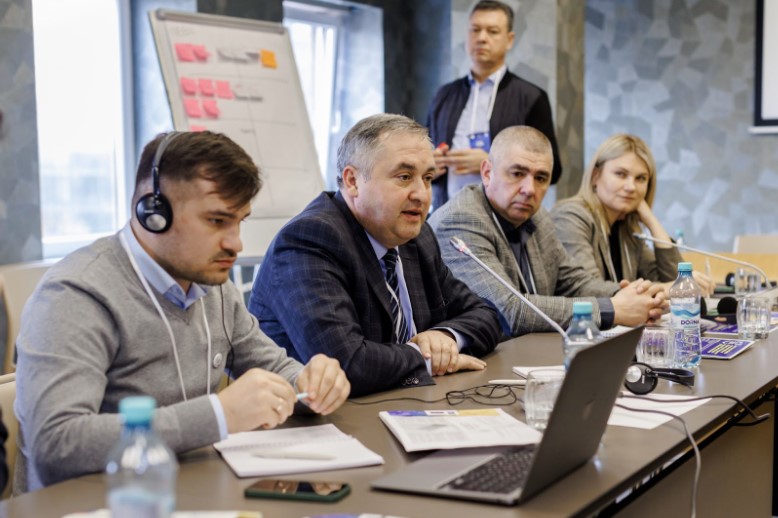
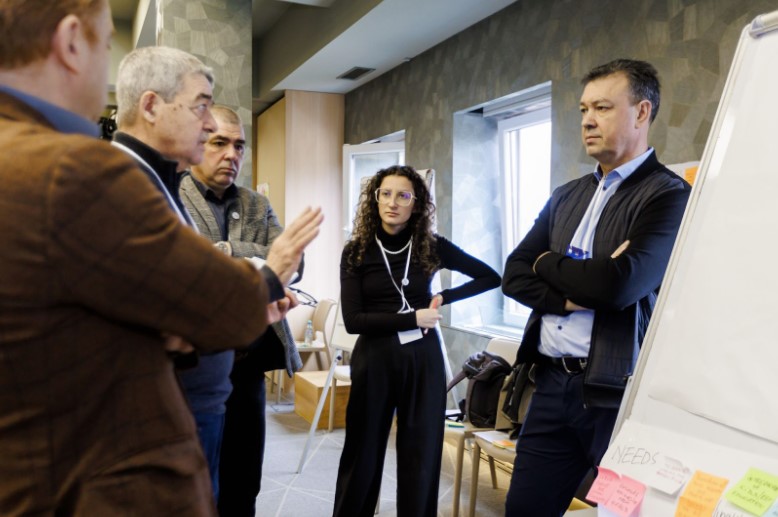
Under the EU Response and Renewal programme for Moldova, two municipalities were selected under Lot 1 to focus on immediate recovery activities for the refugees, and three municipalities were selected under Lot 2 to focus on medium and long-term renewal activities for the refugees and local communities. Similar to the selected Ukrainian municipalities, Moldovan municipalities concentrated on 1) fostering the social integration of refugees, 2) creating and supporting economic opportunities for refugees, and 3) enhancing public services to support refugees in the local community.
Here are some of the key insights that were captured during the sensemaking and design session:
- There are limitations on the municipality’s resources and capacities and this plays a key factor in addressing uncertainty due to changing needs and context.
- Community integration and social inclusion are the key for refugees as well as local community members. Without adequate and clear communication on what is happening in the municipality and new developments, there is confusion and misunderstanding in the communities that risks public trust.
- It is uncertain whether the refugees will permanently settle in the municipalities or relocate in the near future. Therefore, the sustainability of the proposed activities and inclusive approach to integrating both refugees and the local community has been highlighted as an important factor for their activities.
Lessons learned and next steps
As we received positive feedback on the sensemaking and social listening sessions that enabled municipalities to discover new opportunities and validate their assumptions on their community’s needs, we also realized that it takes clear guidance and support to embed learning and adaptations. While a few municipalities were able to entirely reframe their approach and adapt to the emergent insights, captured through the learning journey, almost all municipalities were able to strengthen their proposal arguments, enhance their reasoning and validate the activities of their original proposal. In addition, some also noted that they would’ve liked to use this approach before writing their proposal, and even wanted to reuse the tools and processes for other opportunities.
Another key lesson learned from us is that municipalities are open to learning opportunities, and despite their constraints and daily municipality tasks were very active and engaged in the process. The format preference varied from municipality to municipality, but all of them requested having at least one in-person meeting for networking and deeper engagement. Online meetings were also well-received because this allowed municipality staff to have better access. Future topics that have been requested from the municipalities include proposal writing, project management, foresight, and strategic planning – some are now planned to be included under the Urban Learning Center.
Eighteen Municipalities are now actively in the phase of implementation, and we will organize a follow-up sensemaking session in the Autumn of 2023 to capture what has happened since the design and activity implementation. Stay tuned for more updates and if you would like to know more details about each municipality taking part in the EU Response and Renewal programme, please take a look at this document.
[1] Managing complexity in chaos by Cynefin
Our UNDP Urban Talks is back with a special summer series edition! Last year we heard from a diverse range of urban practitioners and academics on how cities can tackle competing priorities while developing long-term visions, from ReStart Ukraine on how Ukraine can incorporate risk assessment into urban planning to reimagine recovery beyond reconstruction, to lessons from the Istanbul Planning Agency on how Turkish cities can thrive in uncertainty.
This July, we are continuing to spotlight cities and initiatives that are bringing new practices to urban transformation across Europe and Central Asia. These talks serve as a catalyst for uniting a growing community of cities, practitioners, and visionary urbanists that are taking comprehensive, cross-cutting approaches to the challenges facing the future of cities.
We have a captivating lineup of high-level discussions about new ways to establish resilience, integrate methodologies, and foster partnerships. Check out our upcoming sessions:
Urban Talks Summer Series #1 | Creating Gender Inclusive Cities
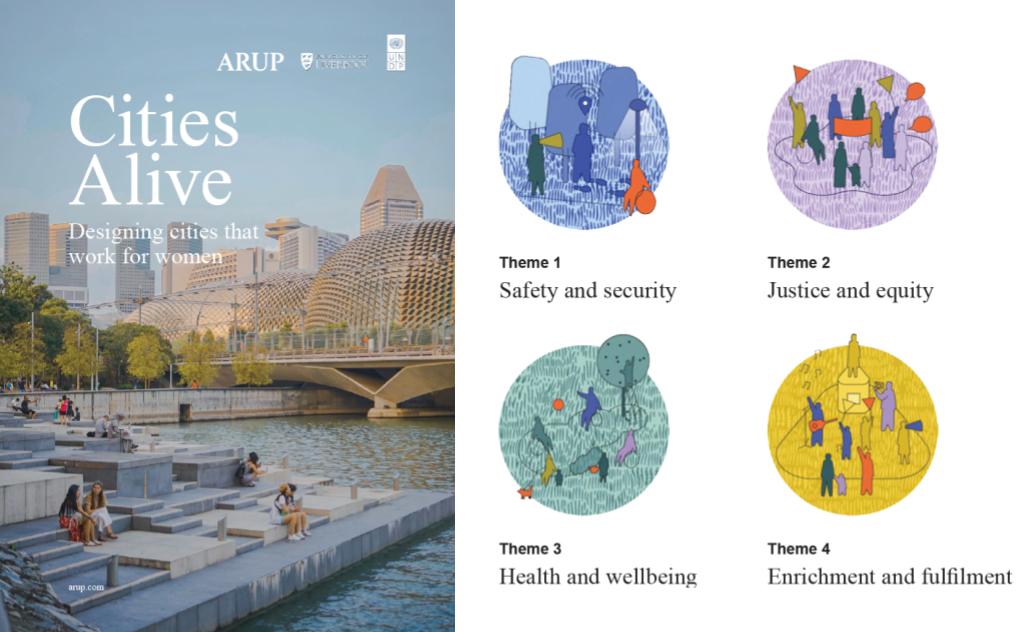
Arup’s new report, “Cities Alive: Designing cities that work for women”, which was produced in partnership with the United Nations Development Programme (UNDP) and the University of Liverpool.
Our first talk will center on creating gender inclusive cities. To discuss what cities would look like if they were designed for women – that is cities that are more inclusive and accessible, safer, and equitable – we invited Arup’s Global Leader of Social Value and Equity Dr. Sara Candiracci and Principal Urban Planner Kim Power to present their gender-focused report Cities Alive: Designing cities that work for women. Arup is a global collective of designers, engineering and sustainability consultants, advisors and experts dedicated to sustainable development, and to using imagination, technology and rigour to shape a better world. They will highlight four key areas of focus for improving women’s lives in cities and outline a new gender responsive approach to urban planning and design. Finally, the Deputy Mayor of Prishtina Donjeta Sahatçiu and CatalyticAction Co-Founder & Director of Programmes Joana Dabaj will join to comment on the Cities Alive framework, using practical examples from Kosovo and Lebanon.
- Date: 12 July 2023
- Time: 10:30 BST / 11:30 CET / 12:30 TRT
- Platform: Zoom (link will be sent automatically upon registration)
Click here to register for Urban Talks Summer Series #1
Urban Talks Summer Series #2 | Pathways to Urban Collective Intelligence
How can collective intelligence help us tackle urban challenges? To explain why a multitude of perspectives is crucial for sustainable development in cities, we invited Peter Baeck, Director of the Centre for Collective Intelligence Design (CCID) at Nesta, the UK’s innovation agency for social good; Alberto Cottica, a network scientist and environmental economist at UNDP Accelerator Labs, a global network of innovation incubators that utilize human-centered design, foresight techniques, and systems thinking to prototype catalytic transformations in the face of complex development challenges; and Justyna Linke, an expert in participatory urban transformation who specializes in experimenting with new methods of engagement, in particular using foresight tools and approaches. Peter will introduce the CCID approach to collective intelligence and present case studies that exemplify the benefits of leveraging insights from citizens to develop smarter solutions, demonstrating how pooling resources and efforts can achieve outcomes that would be impossible to attain alone. Alberto will contextualize the application of collective intelligence within a longstanding contention between top-down urban planning and bottom-up initiatives. Justyna will explore instances of both successful and unsuccessful engagement attempts by local administrations to involve their communities in the green transition process.
- Date: Wednesday 19 July 2023
- Time: 12:00 BST / 13:00 CET / 14:00 TRT
- Platform: Zoom (link will be sent automatically upon registration)
Click here to register for Urban Talks Summer Series #2
Stay tuned for more details on upcoming talks! If you’ve missed our last Urban Talks series, you can read the key takeaways and watch the recordings here.
Reflections on the first Regional Sensemaking with nine cities under Mayors for Economic Growth (M4EG)
“When we started the project last year, I did not understand the process or purpose. As a leader, I had to make sure I understood, I even went to Istanbul to talk to UNDP about how I should explain and motivate my team and partners of the changes we needed. Now my understanding is completely different.”
Anatoli Topal, Mayor of Ceadir-Lunga,
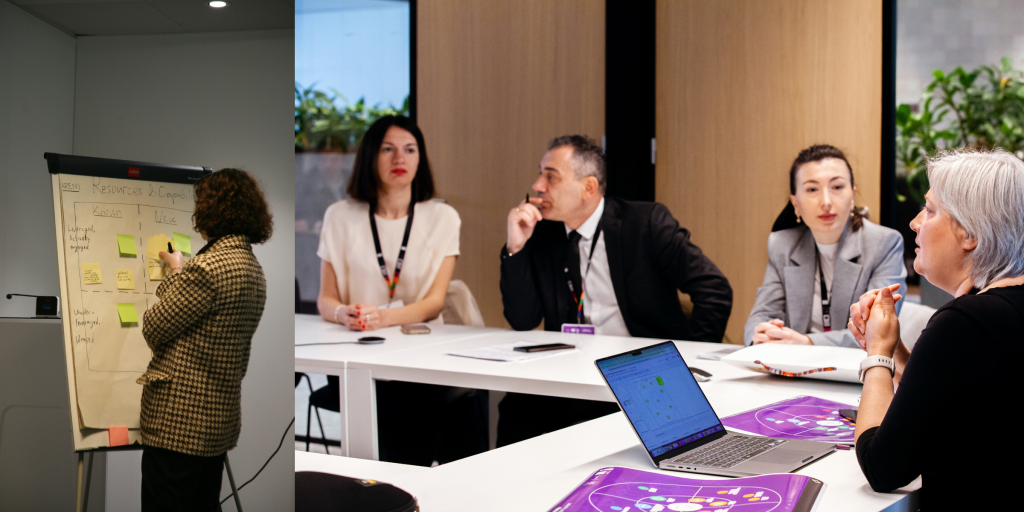
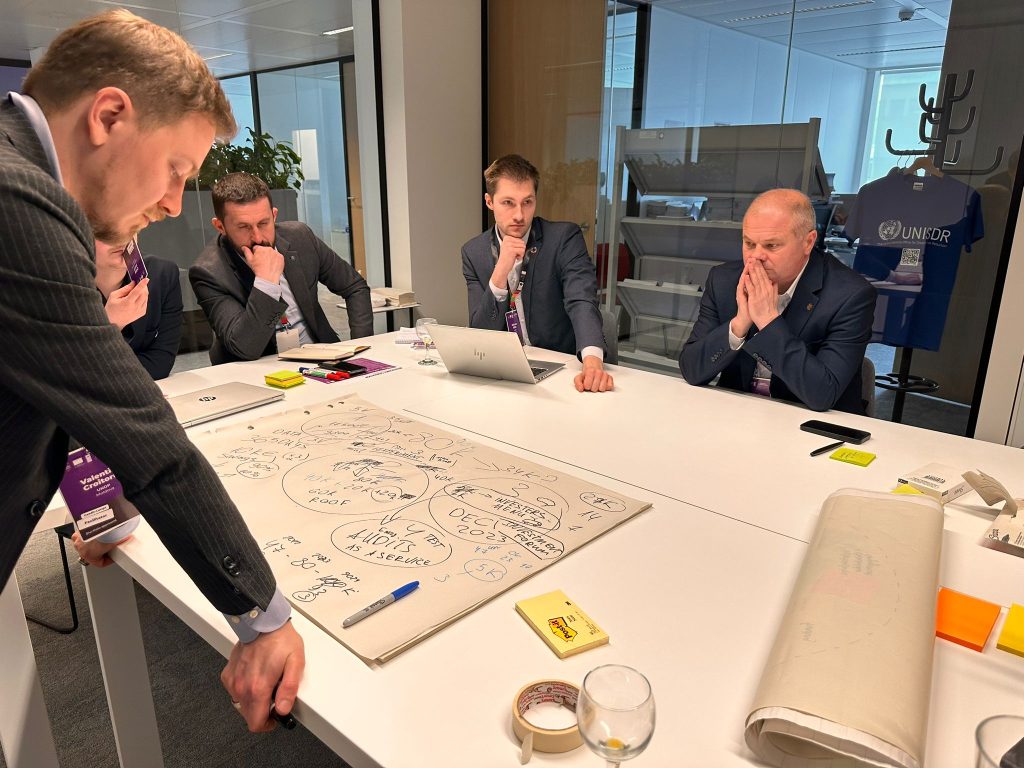
There was a sense of nervousness in the air at the first Regional Sensemaking event under M4EG. Four city teams had activated their portfolios or north star missions for urban transformation – they were in the center of the circle to present their interventions and learning so far. Five other city teams were there for hands-on practice of how to dynamically manage their upcoming portfolio implementation, and to act as ‘explorers’ for collective insight generation.
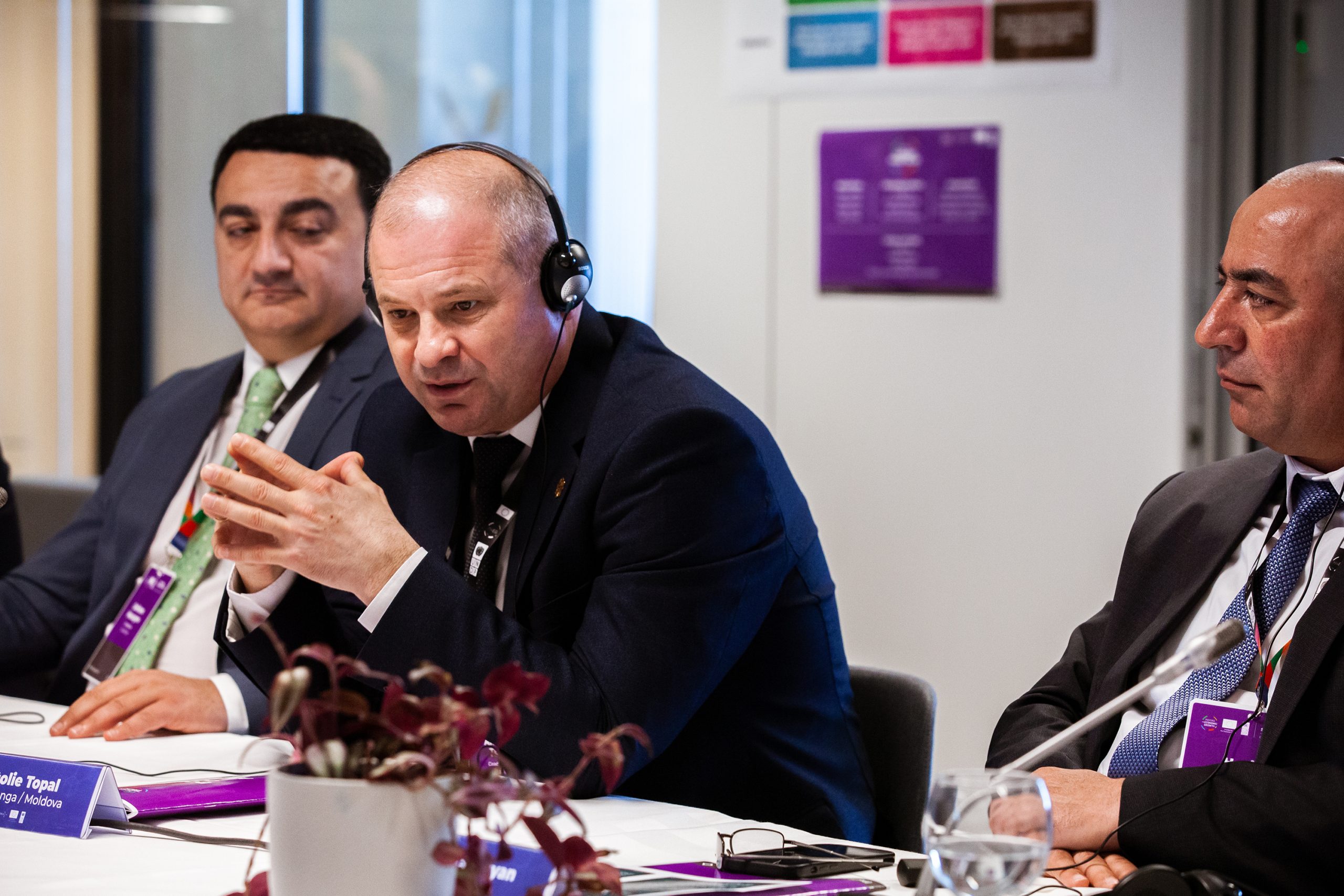
By gathering leaders and practitioners of demonstrator cities, we wanted to start exercising our adaptive muscles to ‘see’ and ‘feel’ systems. Through this turbulent time of uncertainty and evolving challenges, sensemaking remains a pivotal point throughout the Portfolio Journey programme that enables us to gain a more interconnected perspective. This was a first-of-a-kind regional sensemaking for all participants.
All of us at UNDP and Chora Design carried out specific roles to capture and map patterns to make better ‘sense’ of what had happened – with the overall intention to maximize the effectiveness of the work done so far.
Hence it was not the standard workshop, as most participants were testing new roles and going beyond their comfort zones. With much gratitude to the city mayors and teams, Chora Design, EU and UNDP colleagues, we share three key takeaways on adaptability, de-risking and agency from this milestone activity, one year into the M4EG Portfolio Journey programme.
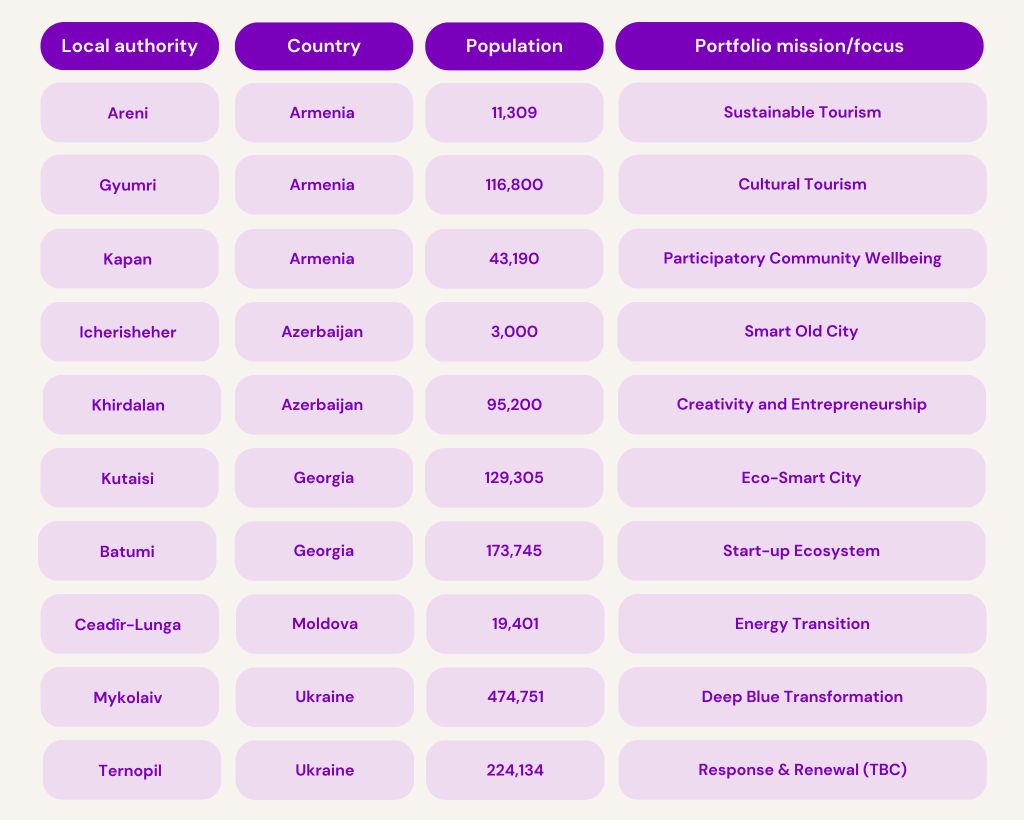
Below is an overview of the 10 cities and towns, currently part of the Portfolio Journey at different stages in the programme:
Adapting – is it (still) meaningful?
Earlier this year, we shared an overview of the Dynamic Management Protocol, developed with Chora Design. What we saw in Brussels was city teams checking-in on their ongoing and completed activities (also known as ‘options’) – what had been learned so far, was there a need to tweak something, stop altogether or start something new to complement? Was the city team engaging the most suitable partners, and what was happening beyond the implementation that ought to be brought in?
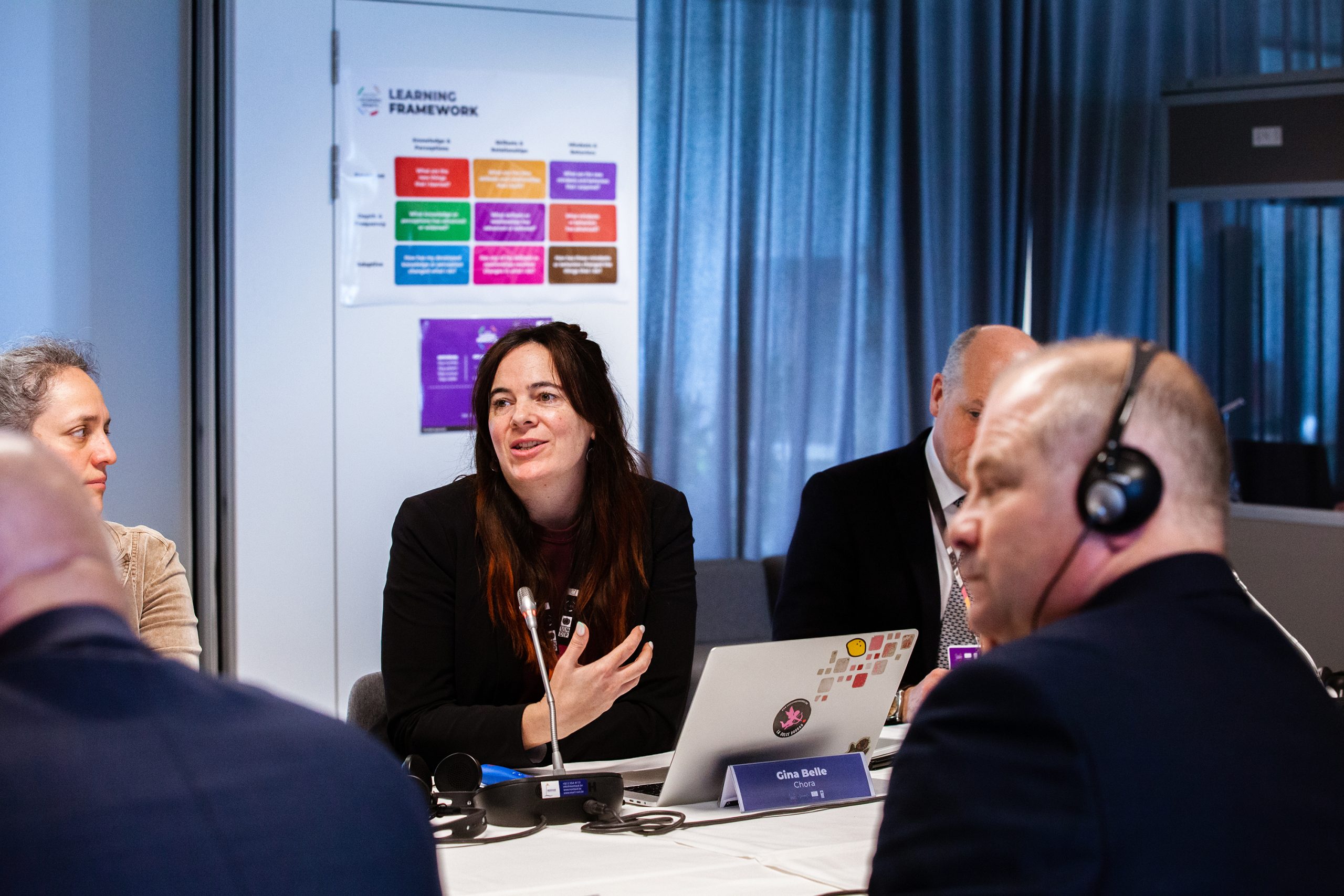
In Batumi (Georgia), on a mission to develop an ecosystem for start-ups, the narrative study among youth confirmed the assumption that start-ups were perceived to be a risky career path. However, the municipality team was surprised to also find that young people associated their ideal future job with innovation and technology. The study confirmed the dominant narrative, but also identified nuances that could be harnessed for future activities, such as educational programmes for youth, and shaping a narrative around entrepreneurship as a cool and respected job. The study also found overlooked groups – such as parents and social media influencers. On the sidelines, the study also helped shape Batumi’s new Youth Policy. Importantly, the first portfolio interventions helped the city team and us to understand the dominant urban narratives, so we can better design further activities without building them on false assumptions.
The need for adaptability is often visible early in the portfolio journey. Gyumri (Armenia), known as the “culture capital of Armenia”, is on its journey to turn Gyumri into an international cultural destination that can also support the wellbeing and development of local communities. However, the Covid-19 pandemic and recent border conflicts in the country have shown that unpredictable events can easily change tourism flows and there is a constant need for responding and adapting to changes.
The journey allows each city team to adapt their interventions as new learnings and effects emerge or conditions change, and in so doing build a flexible and agile mindset and practice.
De-risking – is it ready for scale?
The city missions (or North Stars) are ambitious – how to turn a ‘sleeper-town’ into a vibrant, creative and attractive place that is inviting for business, like in Khirdalan, Azerbaijan? It is at times hard to decide where to start. And so, the Portfolio Journey is designed with an initial ‘seed-fund’ phase – it is a learning mechanism for the mayors and their teams to get a better sense of where and when to invest. For example, a portfolio intervention can provide the needed evidence and proof of concept for a city to present a project proposal to attract public funding or private financing from somewhere else.
The team in Ceadir-Lunga (Moldova) initially wanted to go all in and invest in a solar farm. This was understandable because of the sense of great urgency present – the war in Ukraine and the town’s heavy reliance on energy imports from Russia led to a sharp increase in energy prices, and residents of the town were struggling deeply to pay their electricity bills, even before the onset of winter. But the purpose of the portfolio is not to implement what is tried and tested, but rather to increase options and possible avenues to get closer to the North Star – in the case of Ceadir-Lunga, an energy independent future with renewables.
So instead, Ceadir-Lunga tested pilots on automated traffic lights, LED lighting, and awareness programmes among residents on energy savings, and began a zero-energy retrofit of one of eight kindergartens, managed by the municipality. The already saved costs will now be redirected to an energy poverty fund for the most vulnerable residents, as well as community initiatives through participatory budgeting. The tangible effects of the first kindergarten retrofit received positive feedback from parents, and the municipality team has secured funding for three other kindergartens, beyond the EU funding available under the M4EG.
As the team was reflecting on the learning and effects so far, including a new partnership with a Polish tech green energy park, and began designing new options for the next ‘growth’ phase of the portfolio, some municipality and UNDP team members advocated for the quick scale up of an option, when the Mayor, Mr Topal, said: “This is not ready for scaling yet, let’s test it first.” Spot on. The next portfolio iteration will continue testing different energy efficiency technologies, to boost the energy saving potential, city attractiveness and urban safety, as well as put in motion new financial mechanisms to further de-risk and build proof of concepts for scaling.
Local lead – can the city teams create more options and opportunities for their local systems?
As a principle and facilitation practice, the mayors and portfolio teams are in the front seat of the portfolio management in their local systems, which is often pushing them to move away from more traditional public service provider roles into ecosystem managers. Any transformative change will rely on human relationships, and it is the municipality team, their ecosystem of actors and the assets at the locality (built infrastructure, economic sectors, human capabilities, natural resources, identity of place with its geographic, cultural, and historical underpinnings etc.) that can turn the dial.
As development partners, together with the EU and Chora Design in this programme, we take up roles as connectors and bridge builders, including process designers, co-learners, and synthesizers, but not as up-front solution providers. The mantra is ‘let’s test and de-risk together what could work in your context and system’. One effect of this approach is that it increases the exposure and opportunities for the municipality – the intended place-based transformation is not something we do to the place or municipality, but what the municipality does themselves and in their context. The portfolio journey has offered municipalities an opportunity to be orchestrators of their own ecosystems and to connect with both existing and new stakeholders towards the same mission.
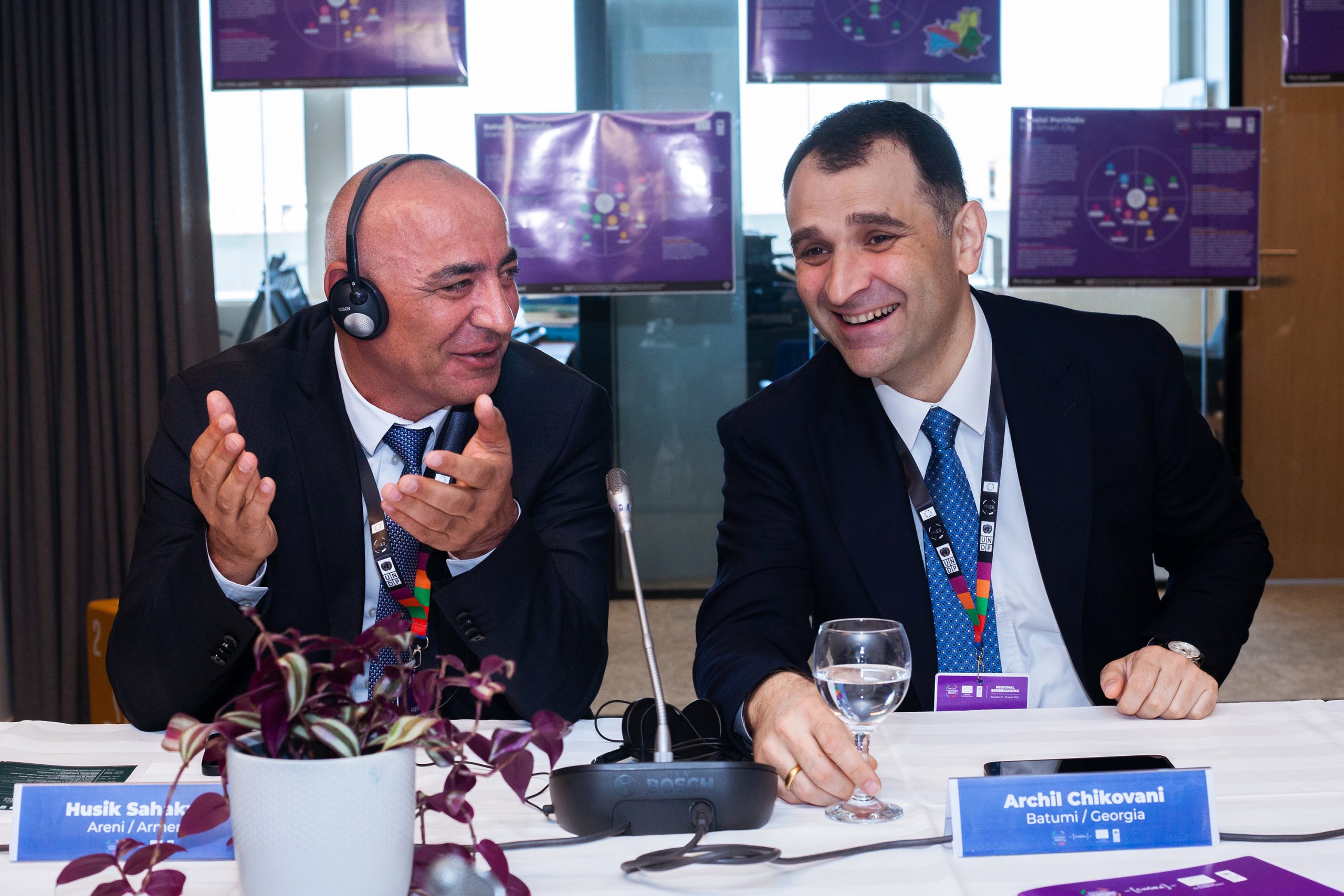
Areni (Armenia), best known for its Areni indigenous Armenian grape variety that has also inspired the name for the village, is leveraging its wine production assets and identity to connect with the surrounding settlements in the municipality for the creation of a sustainable tourism network of offers. For building a common vision and connecting with the variety of resources of both natural and cultural gems, the municipality has gone through a facilitation capability training and organized a series of community dialogues and meetings. The facilitator role pushed them out of the municipality office into the communities, which was new for the team but created new dynamics and interaction between the settlements and the municipality.
In Kutaisi (Georgia), the city team is on a mission to become an EcoSmart City. With the steering of the mayor, a local team of 12 people from the municipality, public, and private entities was formed to represent the full scope of the mission – from waste and transport to energy. In exploring what a local solution for electric vehicles, smart waste bins, e-wallet, eco-academy etc., could look like, the team had to explore beyond existing practices and partners. This took them to Barcelona and its Smart City Expo and several other gatherings within the country for inspiration and possible partnerships. This also helped shape a strong narrative for their pitch on why a smart and green city can be a future for Kutaisi, leading to winning an award by the National Association of Local Authorities of Georgia on best practices in local governance and municipal performance.
“I am impressed by the new vision of Kutaisi, it is fresh and forward looking.”
Irakli Khmaladze, Programme Manager, EU Delegation in Georgia
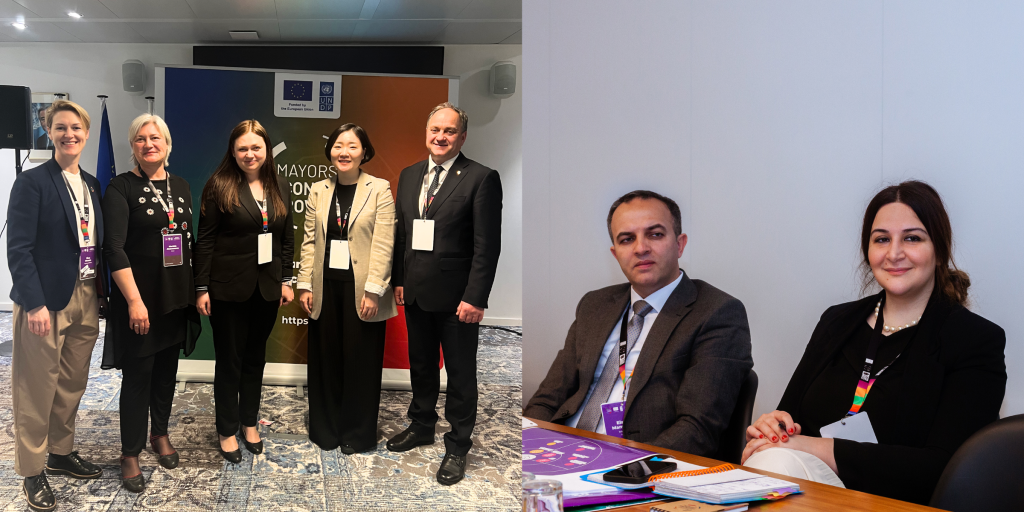
As the municipality teams engage in shaping ecosystems for change, their own agency increases and momentum with new partners and pathways is generated. We are excited to see the future effects of the city teams’ embrace of testing, listening, adapting and de-risking.
The first four portfolio cities will now continue their journey in iterating and generating new interventions after capturing the insights and intelligence in the sensemaking, which helped them to form concrete action points for the next ‘growth’ phase of each portfolio. The second cohort of five portfolios recently finished their first portfolio design and are starting to activate their first ‘seed’ interventions and applying dynamic management capabilities, practiced in the sensemaking in Brussels.
To read more about the current portfolio cities, please see here.
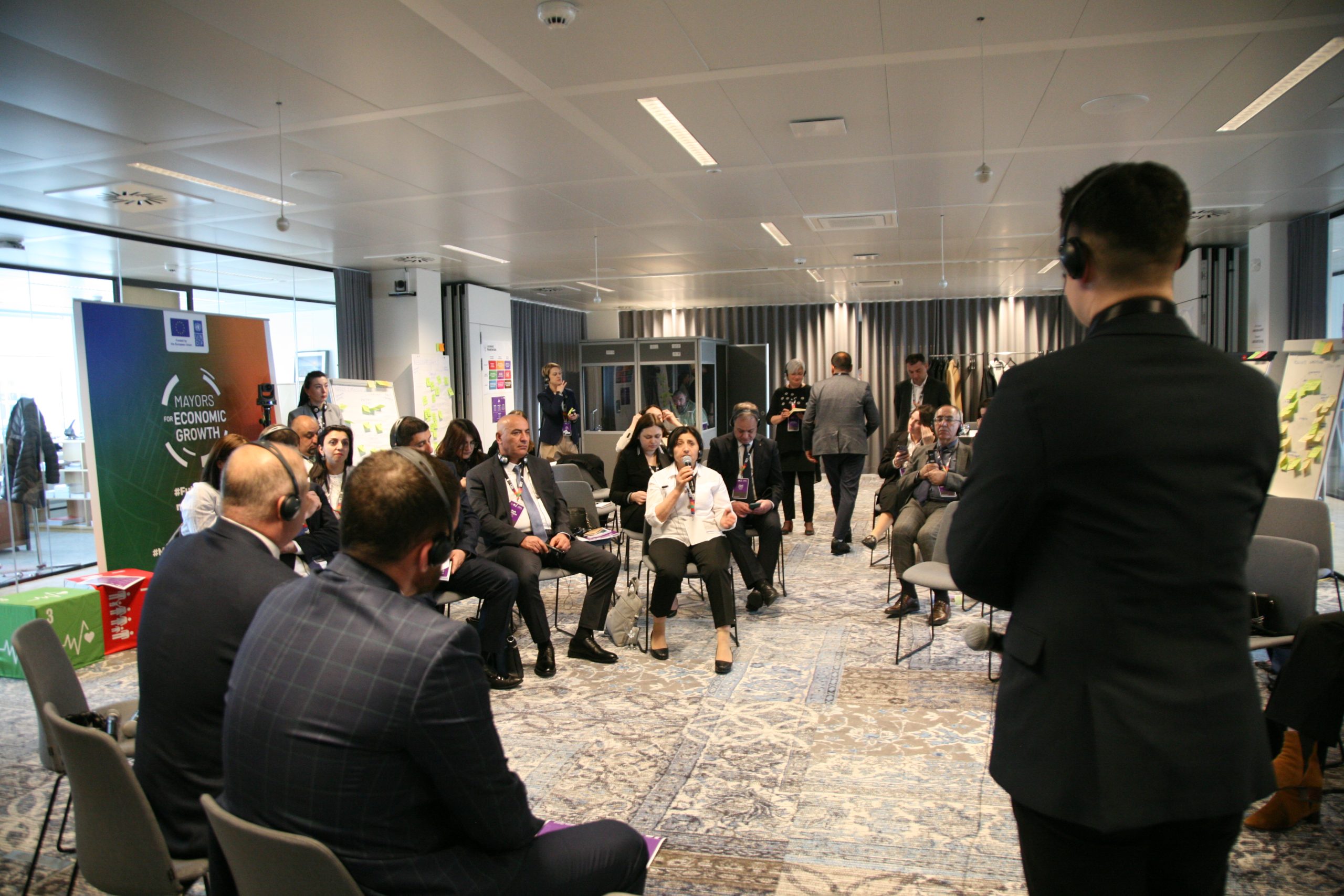
Background:
In 2021 UNDP, together with the EU, launched the M4EG, a regional initiative hosting a network of some 400 municipalities in the Eastern Partnership – Armenia, Azerbaijan, Georgia, Moldova, and Ukraine. The M4EG’s intention is to demonstrate and inspire secondary cities’ new trajectories of growth to become more attractive and vibrant for people and financing.
This publication was funded by the European Union. Its contents are the sole responsibility of the Mayors for Economic Growth Facility and do not necessarily reflect the views of the European Union.
Tiko Tkeshelashvili, M4EG Project Manager, UNDP Georgia
Irmak Ekin Karel, Strategic Innovation Designer, CHÔRA
Igor Izotov, Head of Exploration, UNDP Accelerator Lab, North Macedonia [1]
Rusudan Zhozhadze, Head of Batumi Municipal Policy Development Department
When describing Batumi, Georgia, Hemingway’s famous Paris quote comes to mind. For many guests, Batumi is “a moveable feast,” warmly welcoming its visitors as a good friend.
A new chapter in Batumi’s development began when the city was selected through a competitive process, by the EU-UNDP Mayors for Economic Growth (M4EG) initiative, to design an urban transformation portfolio and explore novel ways of development. For the M4EG portfolio journey, UNDP has partnered with CHÔRA, an organization that brings their Strategic Innovation framework and capability to co-design Batumi’s portfolio journey. The portfolio approach is designed to tackle complex challenges.
The EU-funded M4EG provides unique opportunities to local authorities across Eastern Partnership countries to apply systems thinking and promote coherence across various initiatives and measures in municipal management.
What is at stake for Batumi? [2]
Batumi is the second-largest city in Georgia, the capital of the Ajara Autonomous Republic and an important Black Sea port, with an estimated population of 172,000.
This vibrant city offers a unique blend of natural beauty, cultural diversity and economic activity. With its strategic location in the Caucasus and the Black Sea region, Batumi is a melting pot of different cultures and religions, which is evident in its architecture, cuisine, and way of life. Visitors are fascinated with its gorgeous beaches, located just a short ride away from the magnificent highlands and unique Colchic Forests. In 2022 only, Batumi hosted around 3.5 million tourists, and this number is expected to increase in the coming years.
Furthermore, Batumi is a major hub for maritime transport and logistics, which makes it an important player in Georgia’s fast-growing economy. The construction and real estate sectors play an increasingly vital role in the city’s economy, offering opportunities for growth and diversification.
However, the city’s economy is still highly dependent on tourism, which poses a significant challenge. This sector predominantly offers seasonal activities and low-skill service jobs, which limits the city’s economic growth and diversification.
Another challenge that Batumi faces is the emigration of talented youth (aged 14-29) in search of better education and work opportunities in Georgia’s capital Tbilisi or abroad. This brain drain not only affects the city’s economy but also its social and cultural fabric. The loss of young and educated people can lead to a decline in innovation and creativity, which are essential for the city’s long-term growth and development. Therefore, the city needs to invest in education and foster an environment of entrepreneurship and innovation to attract and retain talent.
The recent growth of the international IT community in Batumi has created a demand for co-working spaces and other relevant services. As a result, the private sector has responded by offering new co-working and community gathering spaces, like Terminal, which is a promising development for the city’s startup ecosystem.
Recognizing the need to diversify the city’s labour market and focus on high-skilled knowledge work, the local government has decided to prioritize the development of the startup ecosystem in Batumi. As part of M4EG’s urban transformation project, the government aims to address the challenges that the city is facing in this area. This initiative could not only boost the city’s economy but also position Batumi as a hub for innovation and entrepreneurship in the region. With the private sector’s response and government support, there is potential for Batumi’s startup ecosystem to flourish in the coming years.
What makes startup ecosystems an engine of economic renewal?
The 21st century was defined as “the era of startups”, made possible due to advances in technology and the rise of venture capital. But more importantly, countries and cities saw the potential of creating startup ecosystems where economic development, especially for entrepreneurs and innovators, fueled new businesses with almost no barrier to entry. In these ecosystems, startups have been a major driver of economic growth and job creation that transformed not only the cities where they were active, but entire countries as well. The whole aura around building startup ecosystems, where young entrepreneurs and innovators can thrive, has become something of a north star when it comes to youth mobilization and brain gain. Examples of such startup ecosystem success stories are Madeira in Portugal, Israel, and the Startup Chile programme in Santiago de Chile.
“City hall is interested in exploring new ways for economic diversification. Batumi has a great potential to become Georgia’s second startup capital and we are committed to enable this process. However, building an ecosystem is a complex goal, requiring cohesive engagement of various stakeholders. Therefore, we see great value in establishing new partnerships and are inviting other interested actors to contribute”.
Archil Chikovani, Batumi Mayor
The process behind creating the Batumi portfolio
The portfolio is co-created by the Batumi City Hall, UNDP and the Batumi Tech Park. Leveraging CHÔRA and UNDP’s urban transformation framework, the process started with a high intensity inception phase – sensemaking and defining the portfolio thematic scope. The portfolio design core team applied deep listening to better understand how citizens experience key problems and where they see underlying causes.
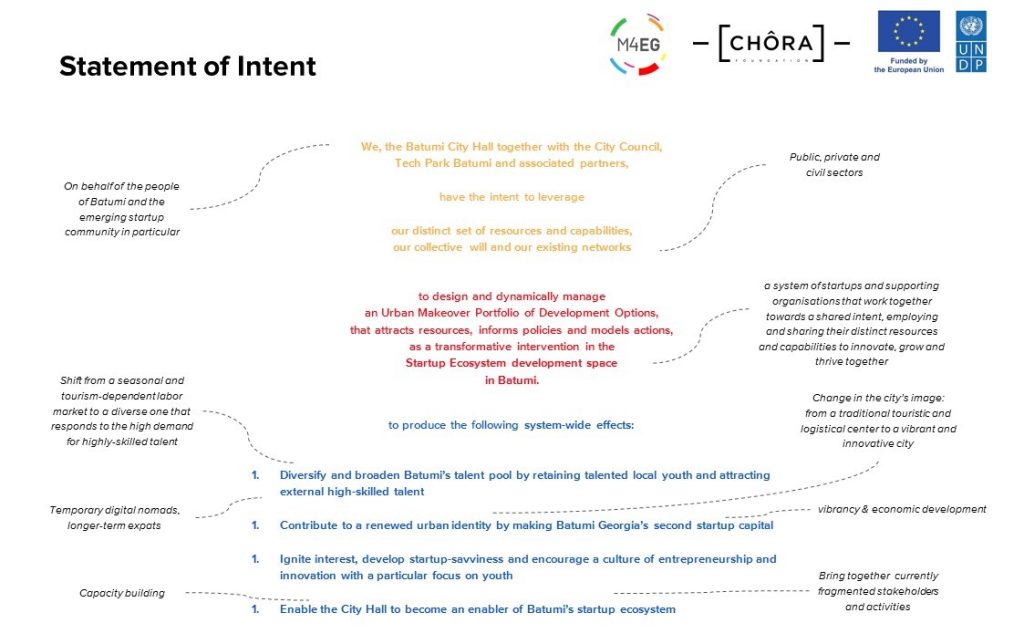
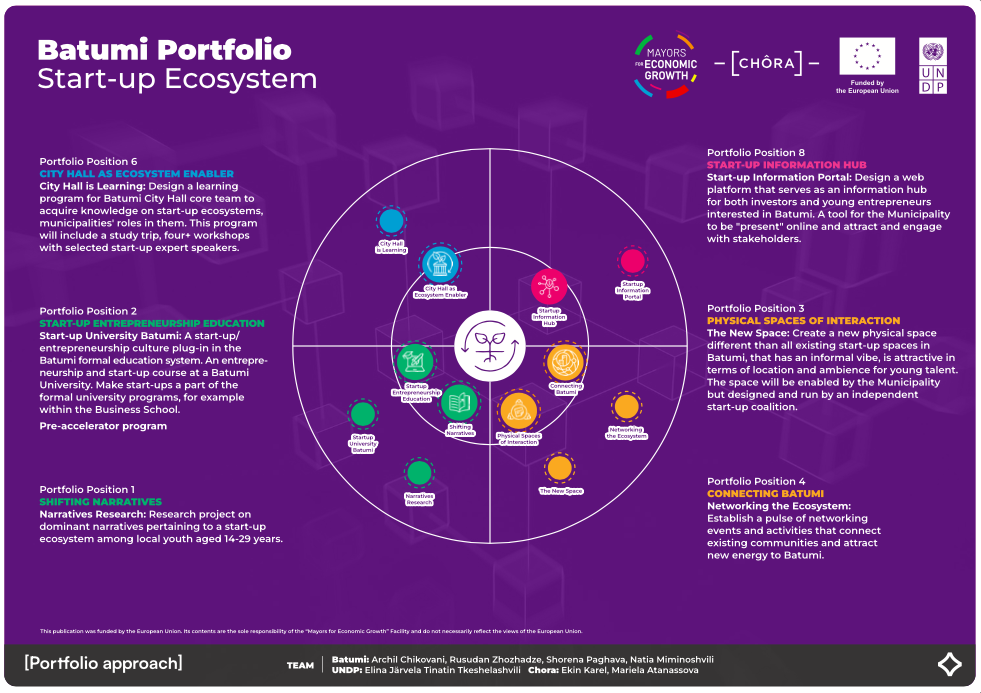
Then the team participated in a four-day bootcamp, allowing for a deep dive into intent-setting, problem exploration and mapping, followed by identification of portfolio positions, and ideation. Batumi decided to work on the development of a startup ecosystem, to produce system-wide transformation effects in the city. As seen in the Statement of Intent (see above image) and mentioned earlier, the desired effects include diversifying Batumi’s talent pool, contributing to a renewed identity, igniting interest and developing startup-savviness, and reshaping the role of the Batumi City Hall in this transformation journey.
Subsequently, the seed portfolio options were defined. In the initial stage, the portfolio team decided to activate four out of a total of eight positions: youth narratives, education, networking and city hall capability. The seed portfolio options were developed to enable testing and learning about how they contribute to advancing the city’s intent around startup ecosystem development.
Now Batumi is trying to apply dynamic portfolio management tools to ensure smooth implementation of these seed portfolio options, capture learning and generate intelligence within the key thematic area. This will allow for a second iteration of the portfolio in support of municipal transformation.
What is the role of the Batumi City Hall?
Every portfolio and complex problem needs ownership to be well addressed. Given the hyperlocal approach of M4EG, the Batumi City Hall is well positioned to ensure cohesion, bring together various actors, attract partners from the public, private and civil spheres, and connect the dots around the city’s new vision for development.
“We aimed to transform the city into the second startup capital of Georgia, gathered partners from different sectors, jointly developed the portfolio design and initial activities, the progress of which showed positive intermediate results, showing us different perspectives of development. All this gives us hope that the portfolio will have a significant positive impact on innovative professions among Batumi youth, promoting entrepreneurship and startups. The acquisition and employment of relevant skills, will help attract young talents and people interested in startups, and ultimately, diversify the city’s economy and development of the startup ecosystem.”
Rusudan Zhozhadze, Head of Municipal Policy Development Department, Batumi City Hall
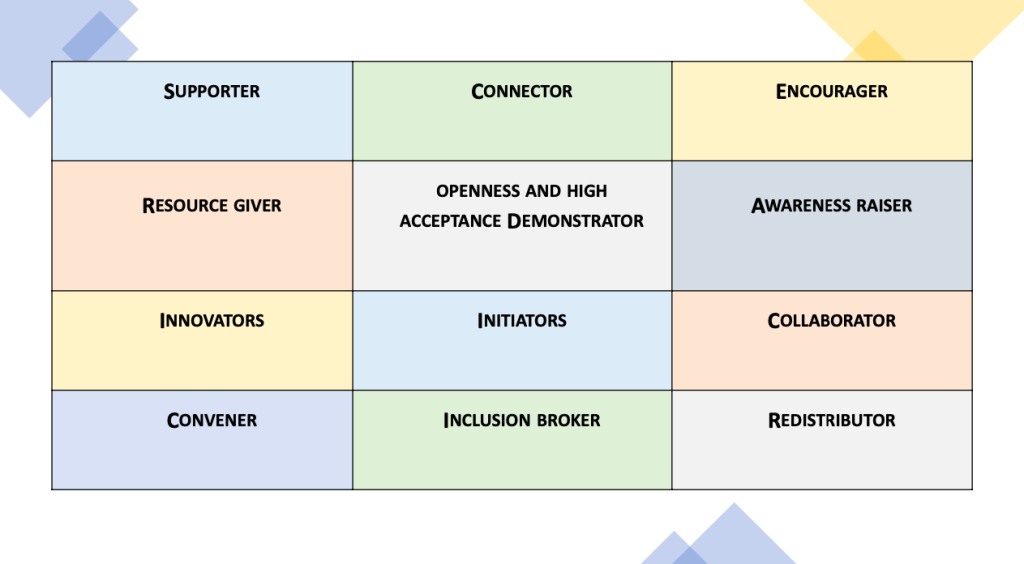
During the portfolio design process, there were discussions about what a local government can do within its competence and power to promote local economic development, and whether it should take a guiding role when it comes to innovative entrepreneurship and startups, a field where the private sector and markets are natural drivers. Throughout the discussions about Batumi City Hall’s role in this complex transformation journey, the team has been open to taking on a facilitating, supportive, enabling seat, helping build alliances with private sector partners and innovative youth, to give them the space to grow organically. Below is a reflection of what the City Hall team sees as potential roles for themselves going forward.
The City of Batumi is lucky to have a team of young professionals engaged in the portfolio design process. The Municipal Policy Planning department, responsible for the portfolio journey, is led by Rusudan Zhozhadze (co-author), and supported by Shorena Pagava, Ninaka Tsintsadze, Nunu Bakhtadze, Magda Chogadze and Guranda Gobadze, as well as Ketevan Buliskeria, from the Batumi Tech Park. Having a dedicated team and committed leadership, with the support of the Mayor, is key to success on the way to transformation.
Building partnerships: the value of coming together around a shared intent
This urban transformation portfolio has been praised both locally and internationally for its success in securing a key stakeholder group’s interest from the very beginning of the portfolio journey. Among them the Tech Park/GITA and Startup Grind Tbilisi have become part of the portfolio team, investing their resources and ideas in the further development of Batumi’s portfolio. Furthermore, the city is in touch with the Government of Adjara, the You Regional center of Adjara, Impact Hub, Tbilisi City hall’s Spark business accelerator, Maritime Transport Agency, individual entrepreneurs and startups, the Tourism Institute, Batumi Shota Rustaveli State University, and others. These stakeholders are the life of the portfolio’s interventions and experiments in Batumi.
The startup ecosystem has been successfully developing in Georgia for 10 years. In Batumi, Adjara Tech Park started working only three years ago, offering various services, including education and pre-acceleration programs. Last year we engaged in the Batumi Startup Ecosystem Portfolio co-design process and already implemented a number of joint initiatives with the City Hall.
I can say that the ecosystem is gradually evolving. Now there are up to 30 technological startups based in Batumi, which have the potential to scale globally. GITA expects these startups will secure investments; they will definitely contribute to the Batumi startup ecosystem development. The Batumi Startup Ecosystem Portfolio development is one of the most important processes that have helped us to take the right path in the region, as it brings a systems approach and encompasses various options.
Ketevan Buliskeria, Batumi Tech Park Manager, GITA
Connecting Batumi with existing startup ecosystems, and why it matters
While Batumi is yet to build its own network of startups and supporting organizations, it became clear that the Batumi portfolio team could tap into existing momentum in Georgia.
With GITA’s initiative, startup ecosystem was accelerated in Tbilisi in 2014-2015, turning the capital city into the place in Georgia with experience in building a community of founders, consultants, tech talent, and supporters of different trades. Furthermore, international startup networks such as Startup Grind, Impact Hub and many others were not present in Batumi, but were well functioning in Tbilisi. There was a need to connect Batumi with existing networks and mature startup ecosystems to learn about other systems’ processes, and to leverage existing knowledge, people, and models to accelerate Batumi’s own development process.
The portfolio hypothesis was the following: If Batumi connects to networks in Georgia and abroad, and gains access to contacts and experience from other startup ecosystems, it wouldn’t need to start from scratch and can accelerate the emergence of the startup ecosystem. Batumi’s portfolio design team identified two types of work to be done:
- Connect Batumi from within, especially the fragmented startup and innovation-related changemakers, leaders and initiatives;
- Connect Batumi with the national and international startup networks to ignite interest, and test whether startups would be interested to move or expand to Batumi. Focus on connecting Batumi with two distinct network spaces:
- Tbilisi Startup Ecosystem;
- Startup Networks abroad (focus on Europe and USA).
Following this hypothesis, in 2022, as part of the seed portfolio, Batumi organized the following events:
- 2022 Startup World Cup National competition; and Batumi is preparing to host it again in 2023;
- Two startup community events, hosted by Startup Grind Tbilisi, to showcase successful Georgian founders CARU and PulsarAI;
- Batumi Tech park Pre-accelerator program for startups and Demo Day.
Local youth: what they know and think about entrepreneurship
Research and stakeholder interviews revealed that despite existing efforts, entrepreneurship continues to be “uncool” in Batumi, especially still so amongst youth. Young people do not know what a startup is or have not heard of the concept at all. Even the ones who are engaged in creating high tech-supported innovative ideas do not identify as startupers.
Young people also do not have local heroes for positive role modeling – successful startup examples or initiatives in Batumi to inspire them or changemakers who can share their experiences about such employment or entrepreneurship opportunities. Thus, to develop a local highly-skilled talent pool, Batumi needs to excite its youth about innovative and meaningful startup job opportunities beyond the typical jobs available in the public sector or large international companies. But, emerging efforts by ecosystem actors such as Tech Park, Startup Grind and small NGOs are still fragmented, and need to be coordinated and cohesive.
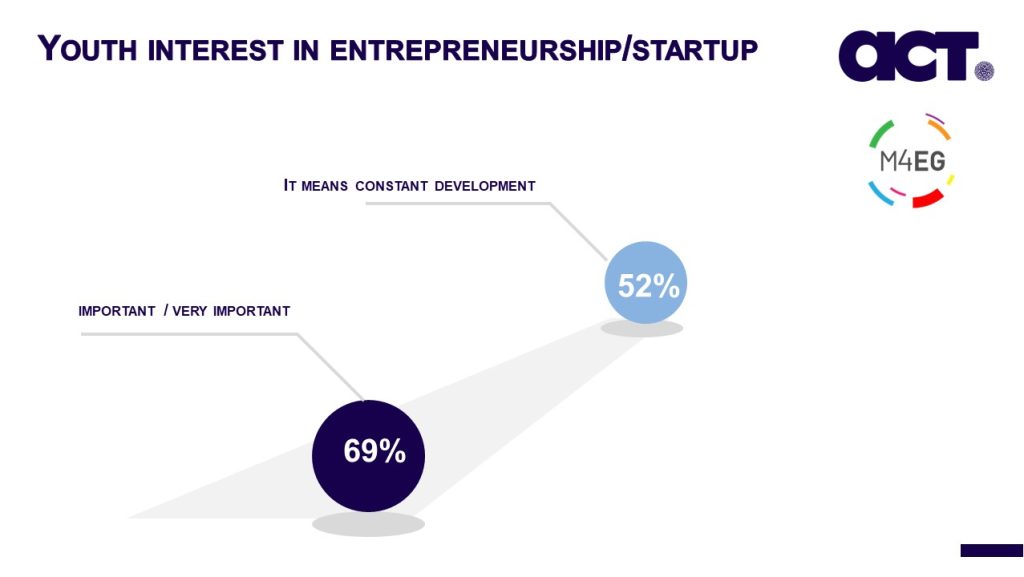
Given the need to excite the youth about entrepreneurship, when designing the Batumi Startup Ecosystem portfolio, it was important to understand the existing narratives. The ACT, a global research and management consulting company, was tasked with conducting research to provide insight into the dominant narratives that shape the mindset, behavior, and career decisions of young people in Batumi. The Batumi City Hall, Batumi Tech Park and UNDP Georgia, together with the ACT, presented the key research findings early in 2023. While there is a low awareness about startups, it is promising to know that the ideal job for the majority of young people participating in the study is associated with innovations and technologies (17%), followed by law (14%), tourism (10%) and construction (10%). Other sectors of interest include: education (9%), health (8%) and business (3%).
“The portfolio and the narratives’ research have already influenced a youth policy change in Batumi. The findings of the research were used as evidence for a four-year youth municipal strategy development, in which startups, entrepreneurship and innovative technologies were defined as a strategic goal. In addition, research recommendations were taken into account in the 2023 youth development promotion program budget.”
Shorena Pagava, Specialist in Youth Issues, Batumi City Hall
City Hall is learning how to become an ecosystem enabler
During the design process, the team identified City Hall’s essential need to engage with others, learn in person from other ecosystems’ stories, and become acquainted and confident to talk and think about its own startup ecosystem development. The City Hall also needed extra capacity to move away from the day-to-day tasks and phone calls, so it can focus on systems thinking and strategic design. The design and management of a new portfolio requires strategic thinking skills, lobbying for a portfolio’s needs and resources at a high level, and engaging unusual suspects to create new synergies and learn from them continuously. Therefore, the team needed to boost both the municipality’s capabilities and capacity as it grew into its new role as an ecosystem enabler.
For this reason, UNDP created a tailored learning programme, run with the help of UNDP’s BOOST network [3]. So far, the municipal team has met the following people through a series of workshops: David Liu, Community & Engagement Lead at Norrsken House Stockholm; Mark Stoevelaar, Project Coordinator in the CTO Innovation team at the Municipality of Amsterdam; Stavros Dalmiras, Department of Entrepreneurship, Blue Growth & Maritime in the Municipality of Piraeus, Greece; and Thomas Kösters, Managing Director Deep Ecosystems.
Furthermore, tThe City Hall received mentorship along with partner meetings with both public and private entities from around the world to learn how they went about developing new startup ecosystems. As part of the learning journey, the city studied other’s experiences of arranging and managing physical spaces as places of attraction and interaction among ecosystem actors. As a result of the research, Batumi plans to create such a place in the city, thereby enabling exchange of ideas and experiences, networking and co-working among interested and talented youth. It could be developed into an additional municipal service – something the city can offer to innovators, changemakers and interested partners as part of the local startup ecosystem building.
The potential of Batumi’s emerging startup ecosystem
The Batumi startup ecosystem has the potential to become a major hub of innovation and entrepreneurship in the Black Sea region. The city is already a leading regional destination for digital nomads, affected by the war in Ukraine, with two major co-working spaces opening only in the past year alone. Batumi is strategically situated on the Black Sea coast of Georgia, with access to both the Eastern and Western markets. Furthermore, the city’s proximity to the EU makes it an ideal gateway for digital nomads, entrepreneurs and freelancers. If Madeira in Portugal can do it, why not Batumi?
Furthermore, there is an excellent opportunity for both internal and external actors to harness the local talent pool, the city’s favorable business climate, and its growing startup ecosystem. Internal actors, such as entrepreneurs and startups, have a limited range of resources and services to help them grow their business. However, thanks to the project and its strategic partners, new opportunities are opening up. GITA has nearly doubled funding for small scale grants and introduced quotas for startups from Adjara in a new competition announced in April 2023.
Additionally, together with the government of the Autonomous Republic of Adjara, UNDP has implemented various incentives and regulations in recent years, aimed at supporting the entrepreneurial ecosystem.
The way forward
The Batumi City Hall attended a two-day Sensemaking and Intelligence Generation workshop, as part of the M4EG programme, where following the Dynamic Management methodology, the team discussed actionable intelligence about the implemented and ongoing portfolio options, and the design of the second phase of the portfolio, to be implemented during 2023-2024. Whatever the next iteration of Batumi’s portfolio will be, given the intelligence generated during the last iteration of the portfolio, the city will continue focusing on the following system dynamics to achieve system-wide transformation:
- Enable an environment to easily attract and retain talented entrepreneurs: The city will create a welcoming environment for talented entrepreneurs and provide resources and incentives for them to stay in the city and region. Models of how this is done elsewhere include offering tax breaks, special grants, and hosting at least one conference where startups can interact with follow-up capital in the form of VC financing.
- Invest in infrastructure: Infrastructure is key for any city that wants to become a startup capital. This includes investing in technology infrastructure, transportation, and services like internet access.
- Foster collaboration: The city will provide spaces for entrepreneurs to meet and collaborate. City supported co-working spaces, incubators or acceleration programmes, or places where entrepreneurs and innovators can mingle are a good starting point.
- Invest in education: To foster the next generation of entrepreneurs, the city will invest in education programmes that teach the necessary skills to become successful entrepreneurs. The educational institutions, which are already present in the city, in the case of Batumi – the Naval Academy and the University of Batumi – can be the places where the next generation of blue economy startups are nurtured.
- Add a special ingredient: As already mentioned, the Batumi State Maritime Academy, with its flagship programmes on marine-trade fleet management and maritime transportation, can be a powerful environment for new startups wishing to disrupt this traditional sector.
- Promote the new city identity: Promote the city as a great place for startups to launch and grow. Connect with influencers and media outlets to spread the word that this is happening. And at the end of the day: “Tbilisi is awesome, but Batumi is by the sea”!
This is Batumi’s open invitation to all potential partners interested in co-designing this portfolio and contributing to the city’s journey towards emerging as a promising and inspiring place of innovation.
Footnotes:
[1] The co-authors have been collaboratively supporting and consulting the Batumi City Hall team in the portfolio design process.
[2] Batumi Startup Ecosystem Portfolio Brief prepared by CHÔRA Foundation (not publicly available).
[3] Special thanks to Louise Skarvall (UNDP), for supporting the Batumi team in their education journey.
Main photo by Irakli Dzneladze
Prototyping City Learning Circle amidst Russia’s war of aggression against Ukraine
This blog is based on the experience of Ukraine cities who were part of prototyping the City Learning Circle from October through December 2022. The City Learning Circle is a series hosted by UNDP Regional Center for Europe and Central Asia (RBEC) and powered by Agirre Lehendakaria Center (ALC) and funded by the EU as part of Mayors for Economic Growth Facility (M4EG) — a joint initiative of the EU & UNDP. The City Learning Circle taps into the work of selected cities participating in the City Experiment Fund — an initiative under the Slovak Transformation Fund, implemented in partnership with the Slovak Ministry of Finance. For more information on the City Learning Circle, please see the Welcome Packet.
This blog is informed by the experiences and reflections of ALC and UNDP teams as well as interviews with the City Learning Circle participants from Ivano-Frankivsk and Kamienets-Podilskyi in Ukraine and UNDP Ukraine Country Office staff. (Some names have been changed to respect anonymity.)
Note that 19 Ukrainian cities applied to take part in the City Learning Circle, but there was only space for two. The cities who were not selected – as well as any others interested – will have access to a guide and toolkit that ALC and UNDP are preparing as a result of this process, called: Co-creating urban transformation: A guide to community listening for future-fit cities. Please fill in this form if you’d like to be notified when the guide becomes available.
Preface: Listening to the past for narratives of possibility
It was little known until recently that Ukraine has one of the longest and richest histories of urban settlements in the world (Cities in Ukraine (also called megasites) date as far back as the 4th millennium BC (see Graeber & Wengrow (2021). The Dawn of Everything: A new history of humanity. Signal)). What’s more, as revealed in Graeber & Wengrow (2021), cities in Ukraine seem to have parallel evolutions with human settlements at the opposite corner of the continent in the Basque Country. Among the earliest known in Europe, Ukrainian and Basque ancient histories of large community settlements reveal similarly built circular forms and cultural commitments to egalitarianism and governance that are far different from other early urban histories in which cities were centrally governed by bureaucracies run by kings and monarchs in various forms. These human settlement histories would seem to coincide with remnants of culture that have persisted, and perhaps even foreshadow possibilities for somewhat similar futures.
We didn’t realize this ancient coincidence between Ukraine and the Basque Country when we invited President Ibarretxe, former head of the Basque Country (and co-founder of ALC), to give the keynote talk during the first session of the City Learning Circle in October 2022. His words of advice to cities in the cohort, and Ukraine in particular, would now seem prophetic.
President Ibarretxe insisted on the importance of questions—and of changing the questions we ask ourselves collectively. He advocated that rather than asking: “How to change a country or a city?”, we should instead ask, “How to engage people to change a country, a city?”. And for him, culture is the key—as in, a culture of innovation and cooperation with a commitment to schools, education, and solidarity, in order to construct better futures for all. He argues further that societies who can make good decisions together will be able to share the benefits, and perhaps most fundamentally, will have developed capabilities for dialogue and listening. That capability to collectively listen (referred to interchangeably as deep listening, social listening, and community listening in the work of ALC) to build shared understanding about collective narratives operating in a society, contributed to the social and economic transformation of the Basque Country, which over the past 35 years has developed the world’s largest network of worker-owned cooperatives. The Basque Country has evolved as a society with one of the highest measures of equality in the world. Our Ukrainian partners in the City Learning Circle were inspired to learn from President Ibarretxe about the Basque Country’s social and economic transformation experience and curious about what aspects could be adapted to their post-war reconstruction.
I. Why are listening & learning critical, even—and perhaps especially—in crisis conditions?
Societies around the world are caught in vicious cycles of distrust and disjointed thinking, and action. In many ways and for many reasons that relate to shifting political landscapes, broken information ecologies, climate and energy crises, violent conflict, and more, it is difficult for communities and societies to listen well to one another, to engage in dialogue, and to understand perspectives of people who have different backgrounds and views. Increasingly, people are navigating social contexts with polarized assumptions about what is happening and what is true. Societal mistrust is contributing to societal breakdown that shows up in all sorts of ways — from polarization and social isolation to increases in violence and war.
In this context, on February 24, 2022, Russia invaded Ukraine from the south, east and north, bombing more than a dozen cities. So began Europe’s largest land war since World War II. Immediately in those early days, UNDP’s Ukraine Country Office moved into gear to support local communities. The M4EG country team in Ukraine was well-equipped to respond, since they had already been working on community infrastructure rebuilding in eastern Ukraine from armed conflict, as well as supporting decentralization efforts with regional governments across the country. In the early days when Ukraine declared marshall law, the M4EG team responded to partner municipalities’ learning needs about how to continue to manage communities and deliver services in the new context. And the need for learning didn’t stop there — Mustafa Sait-Ametov, M4EG country team lead in Ukraine, remarked that municipalities have seized learning opportunities to make their cities better, including responding to our City Learning Circle invitation.
Why does community listening matter, including in crisis conditions? In relatively peaceful times, Community Listening approaches and tools help deepen understanding of local narratives and perceptions, which contributes to collective intelligence building regarding a city’s social reality and desired and imagined futures. Narratives inevitably influence the interventions that municipal teams develop, and thus become essential to take into account when designing and implementing actions. Moreover, listening, coupled with processes of deliberation and co-design with citizens, can contribute to evolving shared narratives for change and creation of urban transformation portfolios that are ‘people powered’. Community Listening can also provide a robust foundation for civic change, and narratives of the past and present are revelatory for how people imagine future transformation. In times of crisis, these processes need to be adaptive to the situation. In the case of the two Ukraine cities in the City Learning Circle, participants chose to dive in and accelerate the testing of Community Listening approaches in order to address pressing problems in ways that directly engaged people and included perspectives based on their current lived realities
Cities are ground zero in this war, and even those who are not being invaded directly are coping with large numbers and flows of displaced peoples and businesses. This massive migration not only requires new strategies for addressing immediate needs and reconstruction planning, but also has a deep impact on people’s lived experience in cities. The fact that the war is urban, and displacement is happening primarily in cities portends, those cities will be particularly important for the post-war reconstruction strategies.
In this context, UNDP extended an invitation to Ukrainian cities to take part in the City Learning Circle, which we designed to address two main questions:
- Can the structure and method of a multi-city, transnational City Learning Circle provide an effective way to engender peer-to-peer learning and stronger relationships between cities?
- How can the community listening tools be improved and adapted to assist cities in Eastern Europe who want to learn these practices as part of a more adaptive governing system that responds more efficiently to real time needs and today’s complex problems?
The flow of the City Learning Circle consisted of three full cohort sessions, punctuated by mentoring sessions with each city team in between to support tool testing and address city teams’ questions on theory, methods, and practical applications. The next section covers outcomes and learnings from the experience between October and December 2022.
II. Ukraine cities’ experience and effects
Ukraine cities jumped at the chance to take part in the City Learning Circle; UNDP expected applications from four or five cities, so we were all surprised to receive 19 applications. “There’s a huge demand for new knowledge and learning, even during the awful situation of war,” said UNDP Ukraine colleagues. Amidst violence, displacement, and the continued crisis context, we wondered why there was so much demand for learning in general and for community listening in particular. We asked participants from the two cities who were selected what motivated them to apply, and they told us that they were driven to learn more so that they could improve their cities and their work and build trust and capabilities that would help strengthen post-war rebuilding. Following are two examples.
“We are right now in a turning point because immediately after the war is over, there will be a huge wave of renaissance of restoration processes and activities and I want to be ready for it.”
Volodymyr, Kamianets-Podilskyi team
“My motivation, first of all, is to improve my work. What does it mean? It means to arrange effective communication and cooperation between resources and our local community. Information received during this City Learning Circle was used to develop the most effective solutions and we are going to use it further and further.”
Irina, Kamianets-Podilskyi team
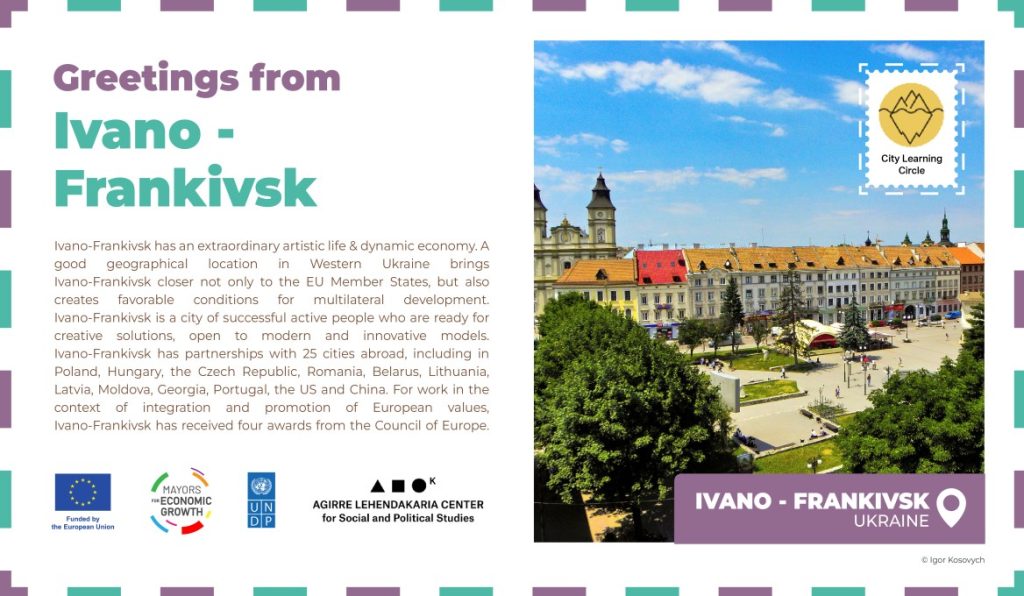
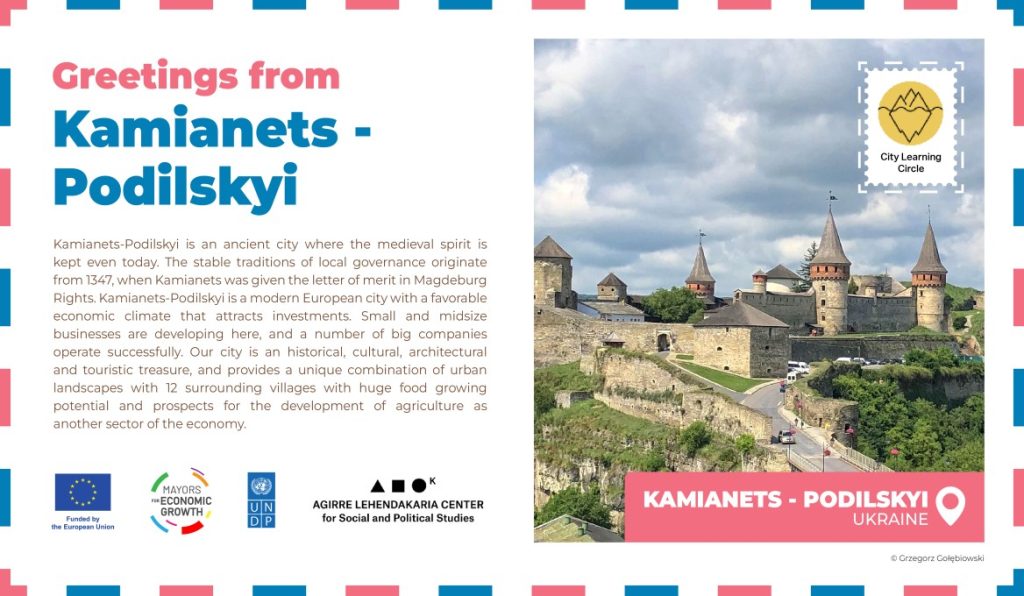
Participants in both selected cities, Ivano-Frankivsk and Kamianets-Podilskyi, consisted of municipal staff from different departments as well as civil society representatives. The cities are both located in the western part of the country, and in spite of their massive workload increase resulting from the arrival of internally displaced people, families and businesses, the teams engaged deeply in the City Learning Circle right from the start. Participants attended group sessions and one-on-one mentoring meetings, and they diligently carried out community listening and narrative analysis exercises in between sessions with support from ALC. City teams reported outcomes on five levels:
Effect 1: Deeper understanding of residents’ lived experiences and clearer analysis of local narratives—both visible on the surface and less obvious hidden narratives and metanarratives—operating in each city.
“We need to constantly learn, constantly find out new things, constantly engage in learning processes. These learning processes [in the City Learning Circle] united us and showed us real processes happening in our city, such as the daily-life challenges of single moms, young people, and internally-displaced people and businesses from the East.”
Yelyzaveta, Kamianets-Podilskyi team
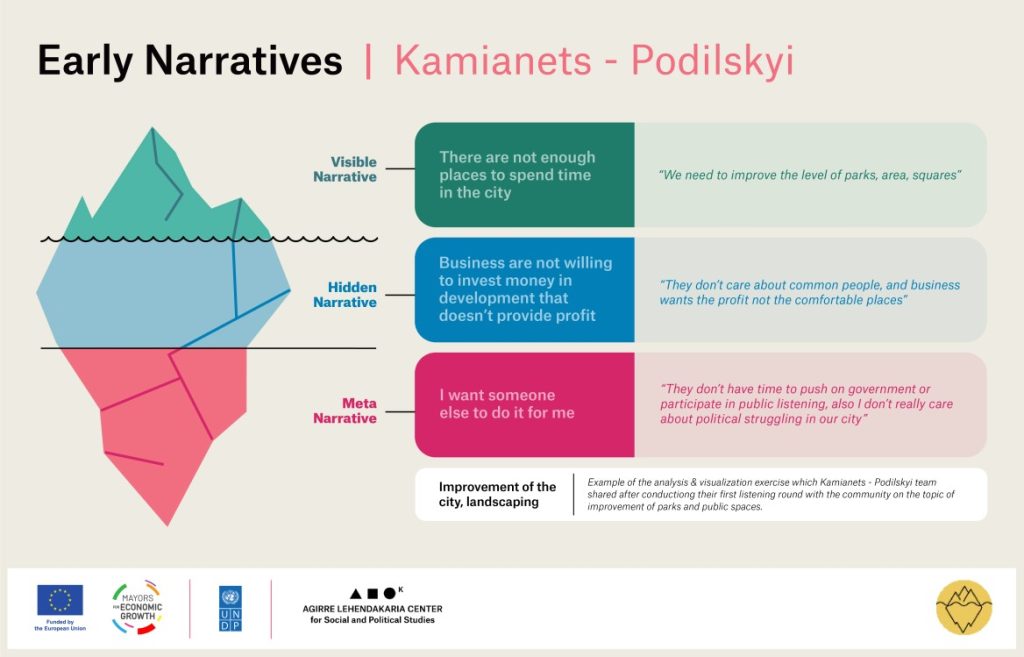
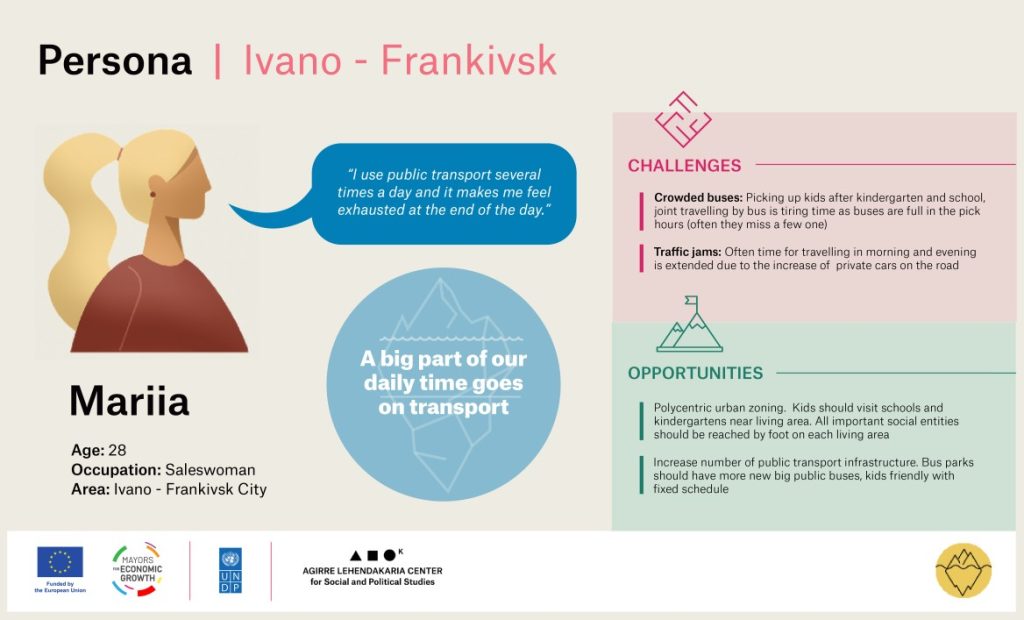
Effect 2: A sense of solidarity and visceral feeling that Ukraine is not alone.
“Participation in the City Learning Circle was, for me, proof that Ukraine is not alone. I mean, it seems that the whole world supports Ukraine in such difficult times. And of course, it gives strength. It gives us understanding that we are supported in such a way, giving us new knowledge, giving us new mechanisms.”
Irina, Kamianets-Podilskyi team
Effect 3: Inspiration, strength, and learning from the diversity of city teams: multigenerational, multidepartmental, multisectoral, and gender diverse.
“It helps me to have the possibility to work in such a diverse team of specialists, which includes young specialists, youth which include special representatives of civil society and many others. It’s just amazing.”
Irina, Kamianets-Podilskyi team
Effect 4: New ideas for the municipalities and new ways to listen to citizens, based on ALC’s tools and approaches.
“The City Learning Circle gave us a lot of ideas. Many of the ideas we have already started to implement into some processes and into some new channels. For example, we have new listening channels, among which is the Council of Civil Activists, that help us to get a better grasp of communities’ and society’s tendencies and worries. […]The experience which we have gained during this learning process can’t be undervalued and underestimated. We have already used various mechanisms which we have learned during the last months, and we plan to extend our existing mechanisms and to develop new ones.”
Irina, Kamianets-Podilskyi team
Effect 5: Changed ways of seeing and greater insights based on sharing experiences with other cities in the cohort, both within Ukraine and from city teams in Kosovo and Armenia.
“For me personally, it was interesting to find out about problems and challenges that exist, especially abroad. On the geopolitics level, it’s always important to understand what the realities are, their real challenges, what are their pains, so to say, because you can’t find it out from the news or from mass media. But on the Ukrainian level, it was interesting for me to find out about some successful projects in other cities. In a good sense that’s a competition, like: ‘Oh, they have this good idea, or they have this good project’. It’s nice to pilot something similar as well.”
Yuliana, Ivano-Frankivsk team
The outcomes were particularly encouraging given the hardship and tension of the war. Our meetings were frequently punctuated with dreaded air raid sirens. Comments like this at the start of meetings were common:
“[…] Municipal offices and administrative buildings are always in danger during air attacks. So, if there is an air raid alert, we will need to go and take cover,” said a participant, Ukraine municipality.
III. Learnings from design and prototyping of the City Learning Circle
Besides learnings embedded in the direct outcomes above, we lay out below what we learned about: a) early evidence of culture shifts in the Ukraine municipalities; and b) what worked well with the City Learning Circle design, as well as limitations.
Learnings about culture shifts we observed during prototyping City Learning Circle
Learning 1: Relational culture of unity and solidarity, local trust, and fighting collective depression.
A number of participants remarked that relationality and trust building both among citizens and between citizens and municipal government were already being strengthened as a result of prototyping Community Listening. In one city, we observed seeds of strengthening relational culture particularly with some of the most vulnerable people in the city, including single mothers and their children and internally displaced peoples (IDPs). One participant also shared that Community Listening helped to fight collective depression:
“Social listening constitutes an important element of this, of all our efforts, because I need to say that society now is quite depressed either because of the economic challenges and not only economic ones, because, for example, today we have a mourning day. We buried one of the heroes who died just today.”
Irina, Kamianets-Podilskyi team
Some city staff felt that the Community Listening went even further to contribute to building a culture of unity and solidarity in the city. Besides the direct, individual listening the team prototyped, they also began social media chats and invited young people and single mothers to share their experiences, challenges and aspirations. This contributed to the city’s ability to develop a set of ‘personas’ (ethnographic profiles, representing archetypes of lived experiences in the city, which then informed the municipal budgeting process for 2023 (as mentioned below).
“Just yesterday we approved the municipal budget for 2023. […] Thanks to inspiration during City Learning Circle we included in the budget different support and benefits allowances for all these categories of our local population, which actually constitutes this persona of the person in their highest needs, and inspired by the mechanisms and processes we learned from you,” continued Irina, Kamianets-Podilskyi team. “That’s a communication possibility for people. We started to develop the persona exercise with single moms, with children during the process, and it brought us to a variety of sectors. For instance, water supply, heating supply, wellbeing of the city and planning of public services, which actually were initially developed for single moms. We have learned more efficient and empathic ways of communication.”
Learning 2: Realization of the importance of narratives and desire to deepen analysis to understand hidden and metanarratives in the city.
Among the different Community Listening tools on how to gather and get to the core of local perceptions, we presented ways of accessing different levels of local narratives.
- Visible: Public discourses and what people say openly;
- Hidden: Something hidden behind the textual discourse; and
- Metanarrative: Deep community beliefs that result in revealing Visible and Hidden levels.
These perceptions at three different levels have a decisive influence on what is believed to be possible or not in a community, and can even determine the success or failure of socio-economic initiatives implemented for city transformation.
“It’s extremely important to understand the deep needs of citizens and it’s extremely important to know how to actually start, and how to handle your communication in order to move quickly from visible narrative and needs into the deep and hidden narratives. These listening skills need extensive training. Of course, we need to train and to learn how to do it more effectively.”
Yuliana, Ivano-Frankivsk team
Learning 3: Growing sense of European identity of Ukrainians.
One city team shared how local culture is changing in that people within their community feel a stronger sense of what it means to be European and the importance of understanding that narrative and its implications.
“Each Ukrainian now feels and wants to be European and to understand how it is to be European and what are important things for Europeans,” stressed Irina, Kamianets-Podilskyi team.
Learnings about the City Learning Circle design—strengths and limitations
Learning 4: The City Learning Circle proved to be a highly adaptive and adaptable container, both for cities who were completely new to Community Listening and analysis processes, as well as for those more experienced.
The alternating sessions of the full group of four cities, followed by one-to-one city mentoring sessions seemed to respond well to Ukraine cities’ needs and accelerated their learning evolutions. The ALC and UNDP teams continually adapted session design to address what we heard from city teams along the way.
Learning 5: City teams that consisted of representatives of a mix of sectors, genders, seniority of city staff, and civil society partners seemed to be able to engage most deeply.
Both cities in Ukraine incorporated such representation. A department head and elected representative in one city marked how enriching it was to have young people in the team with diverse interests and enthusiasm for the work as well as deep commitment to improving their city.
Learning 6: Participants appreciated transnational engagement—not only from the city teams who represented three different countries, but also that the hosting organizations (ALC and UNDP) were multinational.
“International cooperation is extremely important, because it helps us to develop ourselves. It helps us to understand what we lack and what we have in excessive amounts, what we could use, or change, or even build from scratch. With such international communication, we got extremely crucial support. during this difficult time for us and Ukraine,” commented Yelyzaveta, Kamianets-Podilskyi team.
“From the very beginning, when we watched and listened to your presentations, learning about different problems and solutions abroad, it helped me to see that some challenges are quite similar here and in Armenia or Kosovo. At the same time, we have quite a few successes and lessons learned to share with colleagues. Take for instance our good touristic areas, while others have well developed parks and transportation areas. See, we could share our experience and ideas to learn from each other,” said Volodymyr, Kamianets-Podilskyi team. “It would be great to learn how they made such great parks. Or we could share our experience in the tourism sector. It’s extremely important to get out of your information bubble, to learn something new from foreign cities. And so that’s why direct communication with other cities is extremely important in order to give the possibility of experience exchange.”
Learning 7: Participants remarked that the friendly, warm, collegial, and inspiring atmosphere of City Learning Circle meetings put them at ease and facilitated learning, particularly considering that concepts seemed confusing and foggy at the beginning.
The convivial vibe and frequent ALC support helped to relax participants and speed up the learning process, so that by the end, participants had confidence in their knowledge and capabilities to use the tools more regularly and adeptly moving forward.
“For me, it wasn’t clear or obvious in the very beginning. I just didn’t understand anything. Then, amid the process, I started to understand some basic rules and principles, and as result I learned that these are very simple and useful tools to apply in practice.”
Volodymyr, Kamianets-Podilskyi team
“You prepared all the information for all the lectures, and the atmosphere was extremely friendly. And after every meeting, we were so inspired. We created different things and mechanisms such as community and youth chat groups and communication tools,” mentioned Yelyzaveta, Kamianets-Podilskyi team.
Learning 8: For improving or scaling the City Learning Circle moving forward, we’d suggest addressing giving greater thought to several aspects of design: duration, language, and technologies.
The short duration was somewhat limiting as ALC was not able to train and coach on the full set of processes of its community engagement framework/social innovation platform system, which includes: Community Listening, Collective Sensemaking, Co-Creation, and Co-Design of people-powered portfolios. It is more beneficial to cities to have a full understanding of the systemic approach with opportunities to prototype the full set of processes. Secondly, operating in multiple languages and translating documents when the time is condensed proved to be challenging. And thirdly, the tools and learning technologies could be reconsidered next time, and perhaps coordinated with other technologies the city teams are already using or would like to learn.
IV. Where’s this going?
Municipalities understand the critical role of community listening, and they value rapid, adaptive learning, building new capabilities, and connecting more meaningfully with other cities inside and outside Ukraine. To sustain solidarity and reconstruct for social and economic transformation and long-term futures, community listening will be a tremendous asset.
Successful recovery of Ukraine requires strong relationships of trust: community listening is an essential basis for trust and relationship strengthening as part of a larger strategy of generating people-powered portfolios for social and economic transformation
What is the role of cities in Ukraine’s future? For Mustafa in UNDP’s Country Office, cities and regions are critical and will become even more so through continuing the process of decentralization started before the war.
“What would be the role of cities [in the future]? It will be maybe the most important factor—the capabilities of municipalities, and I mean, not only local authorities, but also strong local partnerships for recovery and for development. We’re all kind of orchestrators of the development processes at the local level… Even now we can predict that such cities will recover quickly. And we see all the signs that we will be able to build back better, much better than before. These cities have very progressive and open-minded thinking, and they have the ability to attract and engage partners, mobilize funds and implement their projects. And so there will be, I think, a lot of prominent examples, but there will also be other problems with the cities which require capacities to be built.”
Mustafa, UNDP Ukraine
Mustafa is committed to cohesion and inclusion of all communities.
“The primary task for them [cities in eastern Ukraine] will be to save their communities, to maintain a sense of community and make efforts to bring people back from where they are now in the western part of the country where the situation is different. [The western cities] have seen a significant influx of population, so the pressure on social infrastructure is enormous. Also, they need to find a way to create new jobs and economic opportunities for people who would like to reestablish their lives in their new communities. There are different levels of these issues. In general, I would say the primary factor is internal cohesion of the communities, trust between and within communities, and trust between local governments and others,” added Mustafa, UNDP Ukraine.
According to Mustafa, one thing is sure: for communities across Ukraine, listening and learning are not luxuries — there is constant demand from municipalities and regions for new knowledge, and UNDP, together with its partners, is doing their best to help meet those needs.
Postface: Listening to emerging futures in Ukraine
The war in Ukraine is not over, but the profound courage, solidarity and shared narratives of her inhabitants and her history foreshadow futures of reconstructing a stronger network of cities and regions. Already before the war, processes of decentralization were well underway, and they are expected to resume during reconstruction. The work will be immense—particularly for communities in the East, and new forms of social infrastructure and economic cooperation will be essential. Collective construction of future narratives, resulting from community listening, can contribute to change, as was the case in the Basque Country transformation in the 1980s and 90s.
Historically, both Basque and Ukrainian societies avoided heavy central bureaucracy, and seemed to develop complex systems to govern themselves in self-conscious egalitarian ways. In the Basque case, this became a complex and robust system of economic cooperation and community care, and we can see evidence that these narratives persist even today.
Ukraine will build cities again, and in new ways, that are fit for the future — evolving culture, strengthening social cohesion and economic cooperation. This will require a great deal of collaborative work by cities and communities right across the country.
What futures are emerging in Ukrainian cities? Deep community listening is already revealing possibilities.
“We have one hope for all Ukrainians, for all Ukraine — it’s our victory. All other hopes will be definitely achieved after this. Everything will be restored. Certainly, community listening will be a key element during all these processes,” said Yuliana, Ivano-Frankivsk team.
Disclaimer
This publication was funded by the European Union. Its contents are the sole responsibility of the Mayors for Economic Growth Facility and do not necessarily reflect the views of the European Union.
The M4EG Facility draws on the Mayors for Economic Growth Initiative, launched and funded by the European Union (EU) in 2017. Since 2021, the EU-funded M4EG Facility has been managed by UNDP in close cooperation with the EU, local authorities and a range of partners.
Special thanks to Mustafa Sait-Ametov and Tamara Kharchenko, UNDP Ukraine, and to the Mayors and city teams of Ivano-Frankivsk and Kamianets-Podilskyi, especially participants .
For another example of where Ukrainian cities have embraced and see the value add of innovation amidst crisis, please see this story from UNDP: https://stories.undp.org/lviv-a-city-embraces-innovation-even-amidst-war.
Reposted from the Centre for Public Impact.
The latest developments internationally demand responses that have not been tried before. It requires governments at the central and local levels to engage in intentional learning and testing of new approaches to remain relevant. Hence, municipalities from Georgia applied to the Urban Imaginaries programme run by UNDP and the Centre for Public Impact (CPI). This is part of the EU-funded Mayors for Economic Growth Initiative, and aims to help city authorities listen to their citizens and design solutions to pressing challenges collaboratively. Samtredia, Rustavi, Tskaltubo, and Poti were selected, and I was lucky to join their learning path.
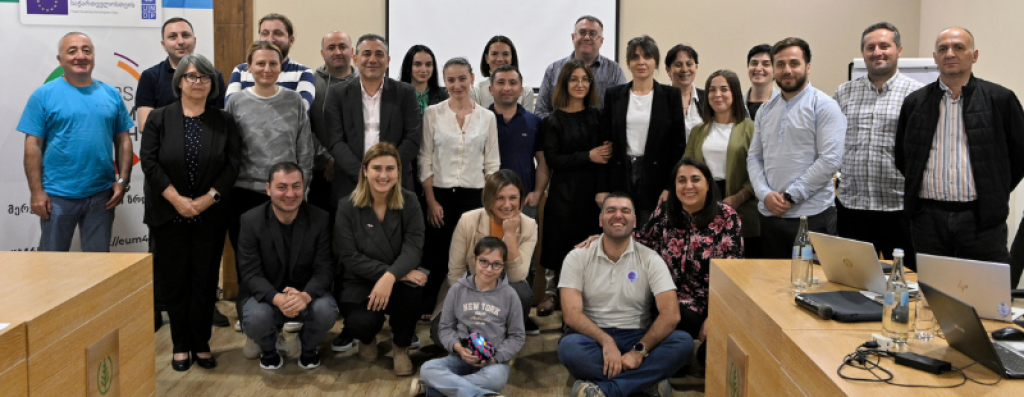
For me, this journey started nearly a decade ago with the launch of the UNDP public sector innovation work in ECIS region. In 2014, the first design experiment in the public sector in Georgia witnessed an unprecedented collaboration between the Ministry of Interior Emergency Services and people with disabilities. It gave people with hearing impairments access to emergency services. It won multiple international awards, but what was most valuable was the appreciation of the members of the Deaf Union, who said that what mattered the most was their role as co-creators of the service. In 2017, UNDP Georgia went local and helped Rustavi City Hall establish its municipal innovation hub – the first in Georgia. This is what we have learnt in the last year since the four municipalities joined the Urban Imaginaries programme.
The process
Each municipal team was comprised of representatives of different city hall departments. They worked on pre-identified issues, which were scrutinised through different lenses to come up with re-framed problem statements. The online learning process was structured and led by the CPI team. They developed a wealth of training materials which were prepared and translated. These were conveyed through workshops and regular individual follow-up mentorship sessions with simultaneous translation provided (8 online workshops with the municipalities from the other participating countries (Armenia and Moldova), followed by 15 weekly individual mentorship reflections with CPI, 2 peer-to-peer learning sessions and 2 storytelling). The UNDP team also guided the teams, with 20 individual city sessions conducted in Georgian.
The ideas for solutions that municipality teams formulated, resulted from what they learnt from speaking with diverse groups of people, peers, state and non-state actors, and testing the first experiments around preliminary solution ideas. These ranged from infrastructure rehabilitation for healthy lifestyles in Samtredia, improving multifunctional open spaces in Poti and Tkaltubo, to fostering youth entrepreneurship in Rustavi, to support the city’s sustainable green development.
What have we learnt?
Following the discovery and prototype testing phases, the teams gathered in Telavi in October 2022 to review the learning journey and plan the next phase of implementation. The overall feedback has been positive, and we probed into what made this engagement different from the others for the civil servants. Several themes are emerging:
At a personal level
- The shift in personal perceptions about people and their role in local development.
“We had organised the viewings before as well, but it did not gather so much public, like the one we organised for testing the prototypes – what made a difference was reaching out to people by the information medium they are most comfortable with (social media group), and asking them what they would like to see. The turnout was unexpectedly high.” (Poti, Irakli)
“People were happy when we were approaching them for an interview – they were happy realizing that their opinion mattered.”
Marekhi, Tksaltubo
“We noticed that a bench in the newly renovated park had been moved to a different location where people found it more comfortable to sit. It made us think that had we, at the municipality, designed the park together with our residents, this would not have happened.” (Samtredia, Lasha)
- Appreciating the iterative nature of the exploration phase which makes the ideas for solutions as targeted to the context and evidence-based as possible.
“We have engaged in the number of design experiments in Rustavi previously, but in this learning journey we were able to go into details of exploration and the purpose mattered.” (Misha)
At an organisational level
- Making learning an integral part of the local service delivery requires engagement with the representatives of different departments of the municipality, but also dedicated staff to manage the collaborative design of solutions requiring time commitment and continuous codification of learnings and data.
- A new generation of skills for the civil servants at the local level needs to be supported to enable institutional continuity of the newly acquired methodologies adapted to the local context, on the one hand, and helping to forge external partnerships for financing and growth, on the other.
“The exploration process was intense which required distribution of workload to several people, new functions have emerged demanding new skills, like conducting user research and sensemaking. Without diversified team you cannot achieve much.”
Nino, Poti
- The need for new forms of engagement with diverse actors, including people at large, formal and informal civic communities or organisations, academia and the private sector, most importantly.
“The key value of this process is that it has helped for people to identify their role and municipality its own role through iterative process which changed the initial vision based on municipality perception to the one reflecting the view of the ordinary people.” (Irakli, Poti)
We were also able to compare notes from our previous city exploration journey in Rustavi. It was different from Urban Imaginaries, as we walked largely “unknown” terrain, where the local context and developments shaped every phase through a “learning by doing” approach. The overarching problem Rustavi has been addressing from the beginning is youth brain-drain and lack of opportunities. The city transformation sandbox then, like in Urban Imaginaries, started with human-centred design to test the ground for service design, followed by Foresight for defining the city’s long-term vision, Urban Game for co-production of community solutions, and alternative finance models to support their implementation.
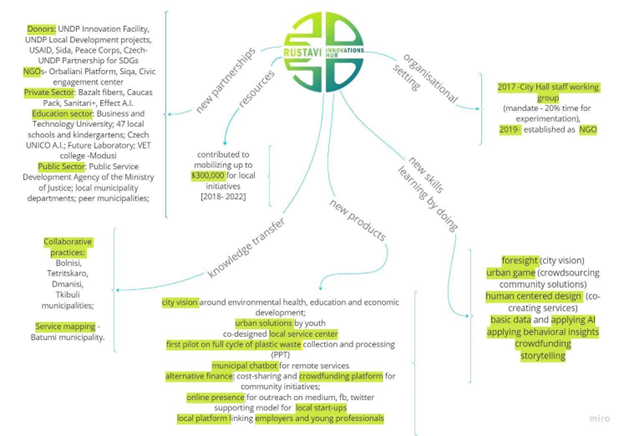
Even with the previous experience of co-designing, Urban Imaginaries was instrumental for the Rustavi city team in: refining the co-creation process through well-structured and mentored discovery phase; codifying data and knowledge; deepening understanding of how prototype testing works; exposure to the peer network for exchange and international expertise via CPI; fundraising and validation of the exploration journey before M4EG.
In addition, as we could follow the work of the several city teams, some common patterns emerged for us as UNDP:
Cultural context and shared values which form the local identity of the communities is the foundation of co-creation
- Process and relationships matter as much as the results
- The pace of change varies depending on the local context and appreciating a meaningful pace for change is crucial for keeping wider engagement going
- Not all local solutions are scalable – small changes over time can translate into systemic shifts, and not always in the communities where they were originally initiated
- Guidance and mentorship and a structured approach is needed throughout for any ‘unknown’ process to succeed until the local team has confidence to take over
- Face-to-face interaction for peer-to-peer learning is necessary for nurturing networks of civil service practitioners
- The need in the new skills for civil servants ranging from learning English or other international languages to access external resources meaningfully, as well as communication, storytelling, managing partnerships beyond public service, basic IT literacy, generating and working with data, horizon scanning, burnout and self-care, codifying the learning (“what has not been put in writing never happened”)
- Emerging opportunities for spreading the movement, like the interest from the part of the 23 NGOs to learn and apply a human-centred approach in their activities, which was unanimously confirmed by the UNDP-organised workshop participants in the summer of 2022
What’s next?
Transformation requires a continued and structured joint effort also involving impartial actors that can channel the external experience into local practices. UNDP can be a conduit and facilitator of its own and can channel external expertise to help generate contextual knowledge and open up new growth avenues for partnership and fundraising for municipalities.
While the municipal teams are in the solutions implementation phase, we are pondering on the new set of questions to explore:
- What is required to make external funding opportunities practically accessible to municipalities?
- Where and how do municipalities retain the knowledge for co-creating new solutions with/for people? (Rustavi Innovation Hub model or beyond)?
- “What would be the incentives for local governments beyond monetary ones to start engaging in new practices systemwide?” (Revaz, Rustavi)
- What is the new generation of skills for civil servants at the local level?
- How do we balance between 3rd horizon outcomes vs short-term tangible results when working with municipalities?
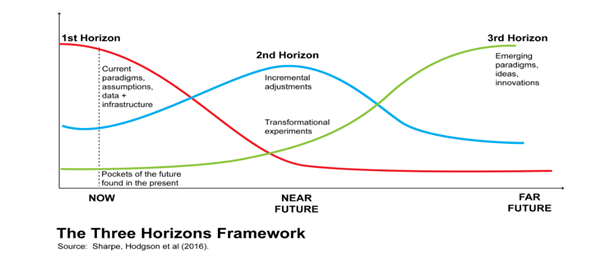
The way to being hyperlocal is through cultivating value-based relationships, which human-centred approaches can provide through equitable community-building, reshaping the traditional funder/recipient/implementer relationship. It can secure trust, open up communication between otherwise unconnected actors, speed up action by shortening the span of decision-making, and create momentum for positive change.