
Category: Systems and portfolios
In Tashir, Armenia, the need is clear: the city’s drinking-water system requires rehabilitation. But the route to financing is less straightforward. Before engaging an external funder, the city needs clarity on technical scope, who will operate and maintain the system, national funding availability, and how much of the investment can realistically be supported through public resources. Until those questions are resolved, an investment affecting something as basic as reliable drinking water can remain stuck between local priority and financing.
Secondary cities, like Tashir, often know what they need. Development banks and other financing institutions are looking for projects worth backing. Yet the two still struggle to meet. Funding availability and the shortage of sufficiently prepared projects are part of the problem, but so is a deeper mismatch between how secondary cities develop investments and how development finance reaches them. Closing that gap requires stronger projects and financing approaches that fit the scale, economics and institutional realities of secondary cities.
In practice, innovative city finance is often more about connecting the right actors with suitable funding than inventing a completely new financial instrument.
UNDP’s City Finance Advisory Function (CFAF) works in this space to accelerate city investments. Launched through the European Union-funded Mayors for Economic Growth initiative and the City Experiment Fund, with support from Frankfurt School of Finance & Management and Climate Policy Initiative, it is working with six municipalities in Armenia, Moldova and Ukraine.
There is no single investment-readiness package
One of the clearest lessons from the first cohort is how different municipal investment pipelines can look. Some projects arrived with studies, indicative cost or a reasonably clear national funding route. Others addressed equally important priorities but still needed to establish what to build, who would operate it, how much it might cost and what kind of funding could realistically support it.
A water project, transport system and industrial park may all be worthwhile investments but won’t follow the same route to finance. Some may depend primarily on public budgets or grants. Others may be able to bring in development-bank finance earlier. A few may attract commercial financing for particular components.
The practical question becomes: what still needs to happen before financing institutions can engage, and who needs to be involved?
Important financing barriers appear long before a large loan or investment is discussed
Development banks and donors often expect early studies, credible costs and structured project documentation before considering a project. Yet municipalities can struggle to finance or procure those relatively small preparation costs.
Targeted technical assistance and relatively small project-preparation grants can determine whether a much larger financing conversation becomes possible later.
Before financing solar power and battery systems for municipal water pumping stations, Kryvyi Rih, Ukraine, needs to decide which assets to prioritize and why. In Trostyanets, Ukraine, the educational and cultural centre will likely need a combination of public or recovery funding, donor support and potentially separate financing for energy-efficiency measures.
CFAF helps cities strengthen their project pipelines, develop priority investments and engage the right institutions earlier. National authorities and public-finance channels may be the logical starting point, while Trostyanets, for example, may require several different sources of support.
Cities remain central to that process. They need to own the project, validate the underlying information and secure decisions or approvals that only they can provide. External advisers can structure, model and open doors, but they cannot replace municipal ownership, or the institutional support needed to move a project forward.

Photo: Kryvyi Rih City Council

Photo: Depostphotos
Better-prepared cities are only half the answer
Many secondary cities also face constraints that better documentation alone cannot solve.
Local revenues may be limited and fiscal autonomy restricted. Borrowing usually requires national approval, guarantees or sovereign participation. Individual projects can also be relatively small compared with the scale at which major international financial institutions usually operate.
For public-service infrastructure, economic and social value can far exceed direct financial returns. Public transport can improve access to jobs and services without generating enough fare revenue to support conventional commercial lending. Water, wastewater, social infrastructure and resilience investments can face similar economics.
These realities also create a role for financing institutions to adapt. Early support can help cities prepare projects before they seek major financing; grants and loans can be combined for public-service projects that cannot rely on commercial finance alone. Smaller investments can be grouped into larger programmes that financing institutions find easier to support.
Development banks can also design financing around municipal realities rather than expecting every city to fit an existing product. Dedicated municipal credit lines could combine grant-funded project preparation with longer repayment periods, appropriate grace periods, guarantees or risk-sharing. Where individual projects are too small, financing could be organised around portfolios of similar municipal investments rather than assessing each one separately.
The financing conversation therefore also needs to reflect how secondary cities actually operate and seek closer collaboration with national governments and financiers.
Innovation may be less exotic than it sounds
“Innovative finance” often brings to mind sophisticated new instruments. For coy secondary-city projects, the most useful innovation may be combining familiar funding sources in a smarter sequence.
A project may begin with technical assistance to complete a study, move to municipal or national co-financing, and then bring in development-bank or donor support for particular components. Commercial finance may suit one revenue-generating part of a project rather than the whole investment. Several smaller projects may become easier to finance when grouped into a larger programme.
Through CFAF, we’re already putting these approaches in practice: earlier project preparation, stronger municipal pipelines, different financing routes for different types of projects, and combinations of public, donor and development finance where a single source is unlikely to be sufficient.
Through its relationships with municipalities, national governments and public institutions, UNDP and the EU can help connect local priorities with policy decisions and financing partners, while bringing in specialist financial expertise where it is needed. Frankfurt School brings the financing perspective, and municipalities bring the knowledge and ownership of their own priorities.
CFAF’s longer-term goal is for cities to develop stronger pipelines, better relationships and a clearer ability to navigate the next investment on their own.
Cities and financing institutions need a shared understanding of what makes a project viable, which type of funding fits it and what needs to happen next. Over time, that relationship also needs to become less transactional and more continuous.
The real test of innovative city finance will be whether it can make ordinary but essential investments, from water and transport to energy and local infrastructure, easier to fund in the places that need them most.
This is joint article by Collaborating Centre for Climate and Sustainable Energy Finance, Frankfurt School of Finance & Management and UNDP’s Regional Bureau for Europe and Central Asia.
Reposted from UNDP Europe and Central Asia.
The Narrative of Transformation
How we speak about change fundamentally shapes the change itself. In development, it is easy to default to reporting in templates with indicators, inputs, outputs, efficiencies, and deliverables. But working with human systems and our capacity to see change from the balcony – the things that are discussed and not necessarily always captured in a document, sticky note or spreadsheet – adds a new dimension to our own reflections.
Across the EU-funded Mayors for Economic Growth (M4EG) programme, relationships between UNDP and the cities in our cohorts have evolved over the past year through what M4EG calls the Mission Journey. The process brings listening and action together: cross-sectoral members of a local authority or community form a mission team and explore their local challenges, bring different actors into the conversation, define a shared ambition and test practical ways of getting there.
Through these evolving relationships, honest conversations and a penchant for local transformation, there has been one profound realisation within the M4EG team.
While holding a mirror to cities to create spaces for reflection on learning, activities and its repercussions, we are well-positioned to take balcony view to the interactions to see the shifts taking place – the unanticipated, often invisible changes in mindsets, behaviours, relationships, and civic imagination across the cities.
From Routine Administration to New Partnerships

In Armenia, some of the first changes are visible in the way municipalities work with the people and organisations around them. Eleonora Mirzoyan, the mission team lead in Aparan municipality, reflected on how easily municipalities can become absorbed by daily responsibilities and routines.
The Mission Journey gave the Aparan team space to look at the local economy through a different lens, listen to different perspectives and ask who was still missing from the conversation. In Aparan, a leading mountain ski resort became part of the conversation about the city’s future.
The same shift is beginning to appear in other Armenian cities – local businesses are starting to see the municipality as an open, proactive partner, creating an enabling environment for ongoing collaboration.
In Khmelnytskyi, Ukraine while still in their early stages of implementation, the mission team is working with local businesses in the light industries. Through deep consultations and engagement with the private sector, they are taking recognition of their role in promoting a thriving business sector – addressing pain points, supporting business development as well as building coalitions to shape the direction of development.
From Individualistic Thinking to Collective Co-Creation
The changes emerging through the Mission Journey can be seen in how municipalities and residents discuss local priorities and make decisions together.
A streetlamp offers a simple example – in one community, residents were reluctant to cooperate on its installation if the light would not reach their own doorstep. The situation pointed to a broader question: how can communities move from looking at what a project offers each person individually to considering what would benefit the community as a whole?
This is motivating many municipalities to create more space for public participation and co-creation. A streetlamp offers a simple example – in one community, residents were reluctant to cooperate on its installation if the light would not reach their own doorstep. The situation pointed to a broader question: how can communities move from looking at what a project offers each person individually to considering what would benefit the community as a whole? This is motivating many municipalities to create more space for public participation and co-creaton.
In Sireti, the number of actors influencing community development has increased as new economic activities emerge in shaping the city’s mission of sustainable agro-tourism. It is transforming a space where the municipality previously wondered: “Who should we even call?”. More local actors involved now, means more people who can contribute knowledge and resources and most importantly a strong sense of local ownership of the mission.
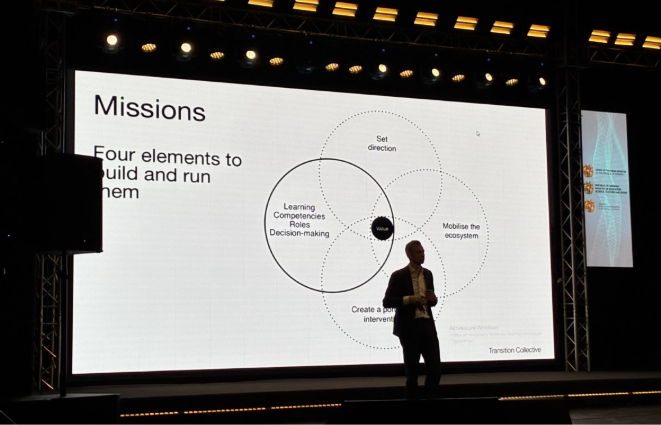
In Georgia, the Mission Journey is driven in Telavi and Gori by a group of local actors ranging from civic actors to interested and active residents who are keen to drive change – a different model from the other cities which are driven by the municipalities. Through their focus on inclusive growth, these mission teams are piloting a variety of initiatives after listening to fellow residents, co-creating new interventions and driving them in the cities to build more momentum for collaboration and collective action.
From Showcasing Only Successes to Transparently Discussing Shortfalls
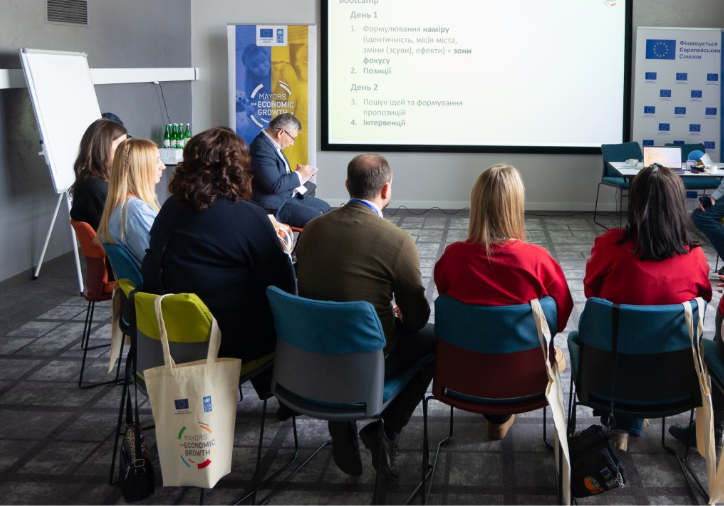
When working with innovative tests/pilots and new experiments, unexpected learnings are generated and the mission teams were introduced to a reflection tool, meant to help record activities and learnings to support them from time to time to create a space to look at what had happened, what had worked, what had not and what might need to change next. The adoption of this tool and the willingness to discuss not just the successes but confront what did not work became particularly visible in Leova, where the team began speaking openly about the difference between the expectations they had from an intervention and the reality they observed – an event was well planned and executed but there was no appetite from the target group to participate. These honest conversations have created a rich foundation for their next set of activities – the “why” is now steering their next steps on strengthening relationships, enabling collaboration and designing incentives.
The adoption of this tool and the willingness to discuss not just the successes but confront what did not work became particularly visible in Leova, where the team began speaking openly about the difference between the expectations they had from an intervention and the reality they observed – an event was well planned and executed but there was no appetite from the target group to participate. These honest conversations have created a rich foundation for their next set of activities – the “why” is now steering their next steps on strengthening relationships, enabling collaboration and designing incentives.
A similar experience with the mission team members using the reflection tool in Telavi, Georgia, led to the realization that while the mission team was focussed on driving inclusive growth in the city through the mission, vulnerable groups were not always actively included in all the activities. Instead of using an external evaluation, the ability of the mission team to surface these insights on their own by reflecting on their own practice is, in itself, a profound shift.
From Finding Solutions to the Discovery of Enabling Actors
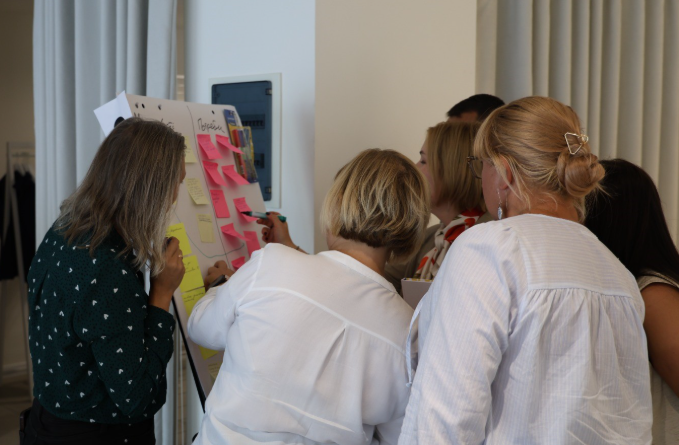
In Georgia, where our focus is on grassroots communities, some of the first changes have come from discovering people, resources and ideas that were not necessarily visible at the start.
The initial phase of the Mission Journey was deliberately exploratory – communities listened to residents, mapped local actors and tested different ideas before narrowing their work around more focused missions. Along the way, unexpected resources emerged. In Gori, community listening processes revealed the women of the city as a driving force for local development. Crucially, the insights gathered from these listening sessions are being actively reused to validate and address women’s specific needs.
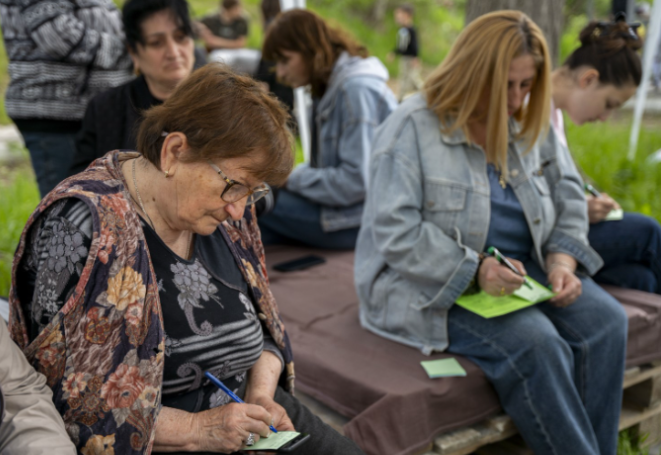
In Telavi, community support helped bring in support from elsewhere. A local crowdfunding initiative created a larger ripple effect. Seeing the community’s skin in the game, the private sector stepped forward with additional support – providing projectors, equipment, Wi-Fi, and access to a hands-on AI training for people of all ages.
Why (In)Visible Shifts Matter
These smaller shifts and ripples we observe, aren’t linked to the individual interventions and they cannot be attributed to one particular source. Working in human systems is messy and complex – what works in one place might not work in another and not every story is one of success. However, every story is a lesson if we choose to see it that way.
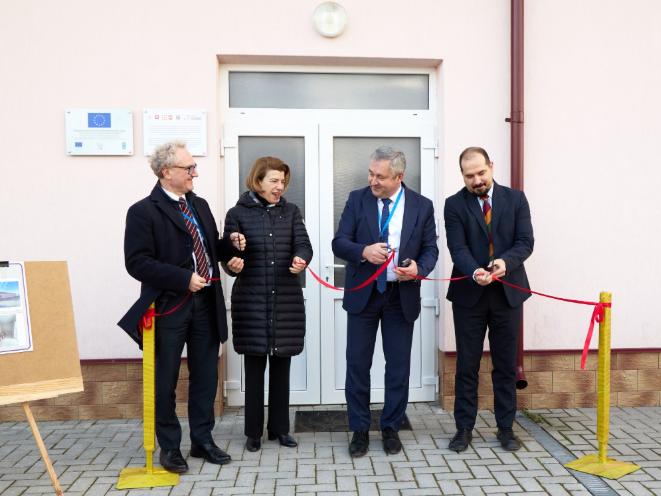
This is precisely why the balcony view matters – it helps us notice the smaller shifts and ripples that would otherwise remain invisible. Taken together, they remind us that transformation often begins long before the larger outcomes become visible.
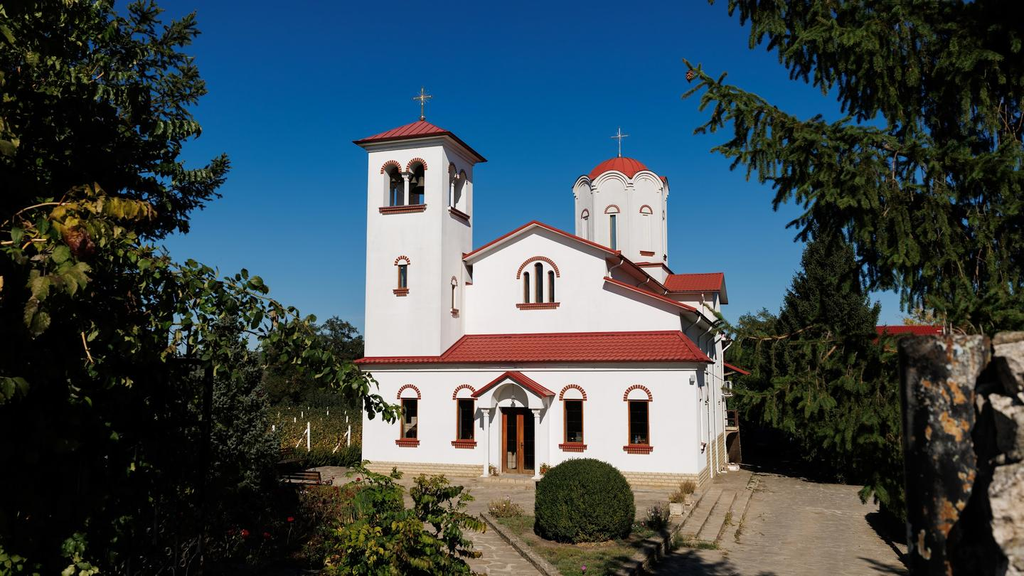
Just 17 km from Chișinău, Sireți invites visitors to slow down and discover the village from a different perspective. Four new tourist routes, two for walking and two for cycling, connect the locality’s better-known landmarks with scenic viewpoints, springs and lesser-known places to stop and enjoy the surroundings.
The tourist routes were developed with the support of the Mayors for Economic Growth (M4EG) facility, funded by the European Union (EU) and implemented by the United Nations Development Programme (UNDP), in partnership with the Sireți Town Hall. The EU and UNDP’s support also covered the development of the locality’s tourism identity, helping position Sireți as a destination worth discovering.
The new routes are part of wider changes taking place in Sireți through M4EG’s Mission Economy programme, which starts by listening to residents and understanding how they experience their locality, what they would like to change and where they see potential. These insights help define a common direction for Sireți and shape a set of practical actions to move towards it, with tourism development forming one part of the bigger picture here.
A walk through the village or towards the monastery
Visitors who prefer walking can choose between two 2.7-km routes. Each can be completed in around 45 minutes, not including time for photographs and stops along the way.
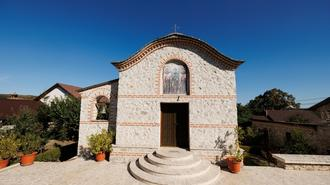
The “Monastery Route/Road” leads to the Monastery of St. Great Martyr James the Persian. From there, visitors can continue to a viewpoint offering panoramic views of the hills surrounding the village. The route also passes by the Sensory Garden, near the School Museum. The walk ends in the centre of the village, where visitors can stop at a local café.
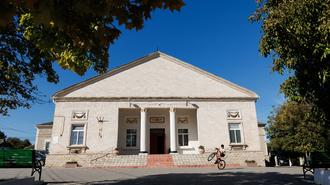
The “Heart of the Village” route takes visitors past the Skete of the Holy Great Martyrs Mercurius and Catherine, the Church of St. Nicholas the Hierarch, the House of Culture and the Memorial of Glory. The route also includes stops at the Ștefan Țopa Spring and two public squares.
Two trails for those who choose to cycle
For those looking to explore Sireți on two wheels, there are two options: the “Lake Valley” and the “Ancient Oak Trail”. The first is 14.6 km long, starts near the town hall and passes by a scenic viewpoint and along the shore of the Ghidighici lake. It is a moderately difficult route.
The “Ancient Oak Trail” is of a similar length but has a greater elevation gain, making it a more challenging option for cyclists.
The new tourist routes are part of a portfolio of initiatives through which Sireți is showcasing its local attractions, people and tourism potential. For visitors, they offer an invitation to step off the beaten path and discover the places, stories and landscapes waiting to be explored not far from Chișinău.

Moldova, emerging on the travel map
The four tourist routes in Sireți, Strășeni district, are part of a growing portfolio of tourism initiatives supported by UNDP across the Republic of Moldova. To date, UNDP has supported the development of 31 tourist routes, opening up new ways for both residents and international visitors to explore the country while helping local communities strengthen their economies and attract more visitors.
Interest in visiting Moldova is growing. Last year, the country welcomed more than 90,000 foreign visitors, an increase of around 34% compared with 2024, according to data from the National Bureau of Statistics.
Significant growth was also recorded in domestic tourism, referring to travel by Moldovan residents within the country for tourism purposes. Statistics for 2025 show that travel agencies recorded 111,800 domestic tourists, or 20,500 more than in 2024, representing an increase of more than 22.5%.
The growing attractiveness of the Republic of Moldova as a tourism destination is also reflected in international reports. In the first half of 2026, Moldova recorded the highest increase in tourist arrivals in Europe, at 25% compared with the same period of the previous year, according to the latest data published by the World Tourism Organization.
ISTANBUL, 16 October 2026 – The United Nations Development Programme (UNDP), through the Mayors for Economic Growth (M4EG) Facility, funded by the European Union, and the City Experiment Fund (CEF), funded by the Ministry of Finance of the Slovak Republic, is launching a new Call for Interest for the Innovative Finance Challenge (IFC). The initiative will support municipalities in Armenia, Moldova, North Macedonia and Ukraine in designing and implementing innovative financing solutions to address local development challenges.
The IFC will provide cities with technical and financial support to test and implement innovative financing mechanisms tailored to their local needs. These may include but are not limited to revolving funds, community co-funding platforms, municipal asset management and monetization, property tax enhancement, municipal bonds and community land trusts. Municipalities may also propose their own innovative solutions.
The financing solutions proposed under the IFC are expected to respond to a concrete financing bottleneck faced by the applicant municipality, rather than serve as a generic revenue-generation tool. Such bottlenecks may relate, for example, to municipal revenue, access to finance, private-sector engagement, community participation or investment readiness. By addressing one or more of these bottlenecks, the proposed solution should enable investment in one or more areas of local development.
Selected municipalities will receive tailored technical advisory support and financial assistance of up to US$20,000 per city to help design and implement their innovative financing mechanisms. Participating municipalities will be required to provide co-financing equivalent to at least 10% of the financial support received from IFC, either in cash or in-kind.
The deadline for applications is 13 November 2026. Selected municipalities will participate in the Challenge from January to November 2027.
The Call for Interest Guidance Note, eligibility criteria and application materials are available via the link.
Background:
CEF works with municipalities across Europe and Central Asia to tackle complex urban challenges through strategic innovation and experimentation with financial support of the Ministry of Finance of the Slovak Republic. The M4EG Initiative was launched by the European Union in 2017, and it has been continuously funded by the EU since then. Since 2021, the initiative has been managed by UNDP, in close cooperation with the EU, local authorities and various partners.
For media inquiries:
CEF: Svetla Baeva, Strategic Communications Lead, Innovation & Digital Team, svetla.baeva@undp.org
M4EG: Anton Sydorenko, M4EG Facility Communications Lead, anton.sydorenko@undp.org
Kovel, Volyn Oblast, 5 October 2026 – Residents, local authorities, civil society and businesses in the city of Kovel now have a shared home for sustainable innovation with the official launch of the Green Economy Hub, a collaborative initiative dedicated to forging a secure and energy-resilient future.
The initiative is part of the City Experiment Fund (CEF), a project supported by the Ministry of Finance of the Slovak Republic and implemented by the United Nations Development Programme (UNDP). The CEF brings cities together to reimagine their future and test innovative solutions. Focused on green and digital transitions, the project helps cities develop and implement holistic portfolios that address their challenges and drive sustainable transformation.
The Green Economy Hub will form a key element of the city’s sustainable transformation mission, which is aimed at achieving an objective formulated as “Secure and Sustainable Energy for Kovel.”
The hub will serve multiple functions to drive positive changes in the city. It will act as an information centre, a practical training facility, a communication platform for partnership events, and a demonstration zone for showcasing pilots of energy-efficient solutions. The hub will equip city residents, including homeowners’ association leaders (OSBBs), entrepreneurs, and public sector staff with the knowledge and skills needed to adopt energy-saving practices, reduce utility costs, and lessen environmental impacts.
During the official opening ceremony, Taras Yakovliev, First Deputy Mayor of Kovel, highlighted the hub’s strategic importance for the city’s long-term development. “This hub is a key element of the structure we’re setting up for the future to support both the digital and green transitions,” Yakovliev said. “The support from the Government of the Slovak Republic and UNDP is vital for building a secure, sustainable and prosperous future for our city. We highly appreciate it.”
Michaela Kukučková, Third Secretary for Development Cooperation at the Embassy of the Slovak Republic to Ukraine, reaffirmed the Slovak Republic’s commitment to supporting Ukraine’s sustainable development. “We’re proud to support the launch of the Green Economy Hub in Kovel through the City Experiment Fund,” Kukučková noted. “This initiative is a practical step towards empowering the community to become more energy-independent and resilient, which is especially critical in the current context. We’re confident that it will inspire innovative green solutions that benefit both the economy and the environment.”
Mustafa Sait-Ametov, Head of the Regional and Local Economic Development Programme at UNDP in Ukraine, emphasised the importance of cross-sectoral collaboration. “The Green Economy Hub in Kovel is a good example of how partnership can accelerate sustainable development from the ground up,” he said. “By providing access to knowledge and a space for dialogue, this Hub will invite and empower citizens to contribute to building a greener and stronger local economy. UNDP remains committed to supporting such transformative initiatives across Ukraine.”
Following the opening, attendees toured the new facility and visited a local lyceum, an example of effective energy modernisation where the next innovative solutions will be rolled out with support from the CEF initiative.
The hub in Kovel is the second such hub established in Ukraine under the CEF project following the successful launch of the first such facility in Nizhyn, Chernihiv Oblast.
For media inquiries:
Yuliia Samus, Head of Communications and Advocacy, UNDP in Ukraine
yuliia.samus@undp.org
The United Nations Development Programme (UNDP) has selected four municipalities – Skopje, North Macedonia; Rivne, Ukraine; Yerevan, Armenia; and Pristina, Kosovo[1] – for the first phase of the CEF x AI programme, following an application and assessment process.
The City Experiment Fund (CEF) works with municipalities across Europe and Central Asia to tackle complex urban challenges through strategic innovation and experimentation. It helps cities develop portfolios of connected actions that can be tested and adapted over time. CEF x AI extends this approach into the field of artificial intelligence (AI). AI is developing rapidly, while many municipalities are still building the policies, governance, skills and safeguards needed to guide its use in public services. The programme will help cities test, adopt, govern and benefit from AI in ways that are practical, inclusive and aligned with the public interest.
The programme runs along two complementary tracks:
- The CEF x AI Demonstrator supports municipalities that want to build longer-term institutional capacity to work with AI. Cities in this track will test and apply AI across different areas of city administration while strengthening internal systems, coordination, governance, and practical capabilities over time.
- The GenAI Challenge, delivered through UNDP’s BOOST impact acceleration programme, in partnership with IEEE Humanitarian Technologies, matches cities with external innovation teams to co-design open-source GenAI solutions for city-defined challenges within a shorter implementation period. The challenge brings IEEE’s network of engineers and technical experts together with UNDP’s experience working with municipalities, while city teams define the problems and help shape the solutions.
Together, the four cities’ work spans water and urban greenery, energy modernisation, air quality and transport planning.
- Skopje, North Macedonia: water and urban greenery – Skopje will explore how AI could strengthen the city’s stewardship of water and urban greenery through AI4Water and Green Cadastre, through the Demonstrator and BOOST tracks. These initiatives offer opportunities to learn how new evidence changes professional judgement, cooperation between municipal teams and public enterprises, and decisions about the city’s natural resources.
- Rivne, Ukraine: energy modernisation – Rivne will connect its wider energy-modernization agenda with a focused energy-efficiency calculator through the Demonstrator and BOOST tracks. The work will explore how AI could help homeowners, municipal teams and experts make informed choices about building improvements – and what changes in advice, coordination and municipal support are needed to turn those choices into action.
- Yerevan, Armenia: air quality and environmental governance – Yerevan will use air quality as a starting point for exploring AI’s role in environmental governance through the Demonstrator track. By bringing environmental evidence and residents’ perspectives into municipal decisions, the city will investigate how AI could support cooperation across departments, strengthen public participation and help translate information into more responsive environmental action.
- Pristina, Kosovo: transport planning – Pristina will explore how generative AI could support municipal transport planning through the BOOST track. A focused pilot will help planners bring relevant evidence together when reviewing transport routes and changing neighbourhood needs. The work will examine what makes AI useful and trustworthy in everyday planning, while keeping professional judgement and responsibility with municipal staff.
How the cities were selected
Ten applications were assessed by a selection panel comprising representatives of the Ministry of Finance of the Slovak Republic, the City of Bratislava, and UNDP. The panel reviewed them against published criteria covering strategic relevance, institutional ownership and delivery capacity, data and technical feasibility including responsible AI safeguards, implementation and sustainability, learning value, and fit with each track. Consultations with city teams followed before final recommendations were made.
What happens next
This autumn, the four cities will work with UNDP to turn their proposals into concrete plans and identify the first steps in each city. The programme aims to help cities shape responsible AI adoption around their own priorities. City teams and UNDP will test ideas, examine what changes in everyday municipal practice, and learn where AI creates public value and where its limits lie. What these four cities learn, including what does not work, will feed into wider regional learning about how cities can navigate AI-driven transformation in responsible way.
The programme is implemented by UNDP through the City Experiment Fund with the financial support of the Ministry of Finance of the Slovak Republic.
[1] References to Kosovo shall be understood to be in the context of United Nations Security Council resolution 1244 (1999).
The United Nations Development Programme (UNDP) in Europe and Central Asia has published the 2025 Annual Report for the Slovak Transformation Fund (STF), highlighting how cities across the region are strengthening their capacity to manage complex urban transitions and connect local priorities with innovation and emerging pathways to finance.
Funded by the Ministry of Finance of the Slovak Republic, the STF entered the first year of its new 2025–2028 phase by moving the strategic direction established in 2024 into municipal practice. Its two core initiatives – the City Experiment Fund (CEF) and the BOOST impact acceleration programme – also became more closely connected, linking challenges identified by cities with potential solutions, partners and financing opportunities.
Through CEF, which supports municipalities in addressing complex urban challenges through strategic innovation and experimentation, ten cities in Armenia, Kosovo[1], Montenegro, North Macedonia and Ukraine completed a shared process of community listening, sensemaking, portfolio development and early option design. This helped them understand how challenges such as energy resilience, air pollution, waste, land use and economic transition intersect, and identify portfolios of interventions that could address them.
Across the ten cities, 319 residents and local stakeholders shared their experiences and priorities, helping municipal teams ground their work in local realities. More than half of those consulted were women, while over a third were from groups identified locally as facing greater vulnerability.
In Stepanavan, Armenia, a circular-transition portfolio moved into early operation: reusable sorting bags were distributed to 100 households, 30 public bins were installed and around two tons of sorted waste were collected. In Podgorica, UNDP and the city signed a memorandum of understanding, prepared a Disaster Risk Reduction Strategy and Action Plan, and designed a heat-island mitigation pilot with the University of Montenegro. In Pljevlja, more than 50 young people took part in a summer school and ideation labs linked to the city’s just transition, while agreements were prepared to take forward studies for a Green Jobs Training Centre and more energy-efficient public lighting. In Kovel and Nizhyn, city teams continued developing energy-resilience portfolios despite continued effects of the war in Ukraine.
BOOST complemented the city-level work by identifying and preparing potential responses to urban and green transition challenges. The Urban Future Finance Challenge graduated 16 ventures, brought 11 to Demo Day and awarded three US$10,000 innovation prizes. Green Urban Tech attracted 262 applications from more than 30 countries and selected 15 organizations for its sprint phase, building a pipeline of solutions spanning air-quality monitoring, urban management, emissions tracking, circularity, biodiversity and citizen participation.
The report also captures the knowledge generated through this work. The Twin Transition Stencil and related tools provide a practical way for cities and development practitioners to connect green and digital change with systems thinking, portfolio development, innovation and finance readiness.
At the same time, the report reflects on political change, limited municipal capacity and the effects of war. The experience of 2025 reinforced the importance of senior leadership, institutional ownership, flexible support and realistic implementation pathways tailored to each city’s circumstances.
For the next years, the report recommends deepening engagement with mayors and senior officials, converting existing portfolios and financing pipelines into more clearly sequenced activities, and strengthening cities’ ability to assess and engage with artificial intelligence through the newly launched CEF × AI cohort.
[1] References to Kosovo shall be understood in the context of United Nations Security Council resolution 1244 (1999).
Originally posted at M4EG’s website, read the full article here.
When familiar maps no longer work and the compass starts to spin, leadership is about learning to navigate the unknown. Tools alone are not the answer; if anything, cities have no shortage of frameworks, strategies, and pilot projects. The more uncomfortable question is whether the way cities are led is keeping pace with the problems they are meant to solve. That is the premise behind the Mayors Leading Transformational Change Programme under the Mayors for Economic Growth (M4EG) Facility and the City Experiment Fund (CEF).
When the old toolbox no longer works
Cities today are no longer just delivering standard services, they are managing complex, overlapping transitions from green and digital transformations to building socio-economic resilience. This new reality makes the demand for an adaptive approach to local leadership more evident than ever. Following an initial kick-off in December 2025, mayors, deputy mayors, senior leadership, and heads of departments from 20 cities across the Western Balkans and Eastern Partnership countries convened in February for a two-day leadership workshop. Gathering in person across four virtually connected venues, the participants dived into the programme built around adaptive leadership and shared experiences from their respective cities.
To ensure these insights translate into lasting local impact, the workshop is being followed up by dedicated mentorship sessions and peer clinics designed to help navigate implementation challenges specific for each city.
Leading within a portfolio
Reflecting on his experience, Mayor Oleksandr Kodola notes: “Taking part in the Programme has changed my view of the role of a city leader: it is not just an administrator, but a facilitator of change who brings together the community, business and partners around a shared mission for development. What stuck with me most was the idea of ‘mission-to-solution’ thinking and the importance of cross-sectoral cooperation as the foundation for effective policies. For me, the key lessons in adaptiv
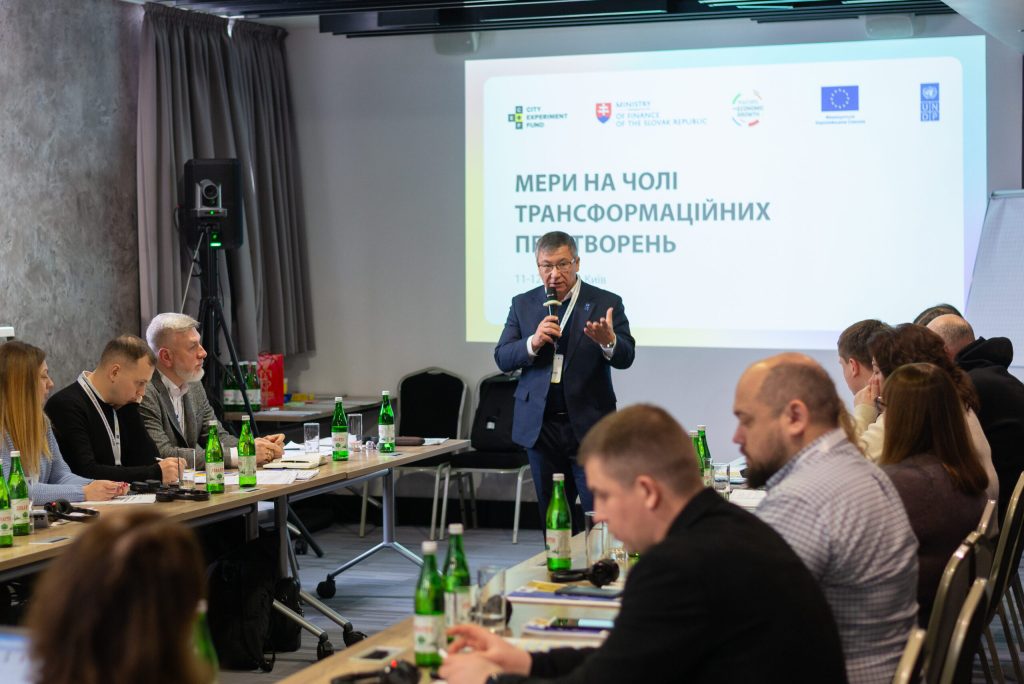
Bringing together participants from North Macedonia, Armenia, Moldova, Ukraine, Montenegro, and Kosovo1, the Mayors Leading Transformational Change Programme provides a structured space for city leaders to move beyond the exchange of best practices towards a more systemic understanding of change.
By building city portfolios, a set of connected initiatives designed to tackle a municipality’s key challenge based on a series of interconnected activities, they learn to see how different pieces of a city connect, to listen more closely to residents, and to make sense of what is shifting around them, so they can steer long-term change rather than simply react to it.
In Aparan, Armenia, the mission to create an “Equitable Tourism-Driven Economy” combines community mobilization around a shared local identity with cultural events and the development of local tourism offerings into new products and services. To ensure residents captialize on the increased inflow of visitors, these interventions are coupled with capacity-building programmes for local actors. This approach ensures that branding, infrastructure, product development, and human capital initiatives are all reinforcing one another to build a more connected and resilient local economy.
How does adaptive leadership work in practice?
Recognizing that systemic change requires strong human capital, initiatives like CEF and M4EG have expanded their focus to directly support the people shaping their municipalities’ futures. Effective leadership is rarely just about making the ‘right’ choice, it is about navigating constant change. It requires anticipating unpredictable factors, uniting diverse perspectives and fostering a portfolio of evolving initiatives rather than relying on a silver-bullet solution. To meet this need, the Mayors Leading Transformational Change Programme was designed to equip city leaders to manage complexities with confidence, scale, and collaboration.
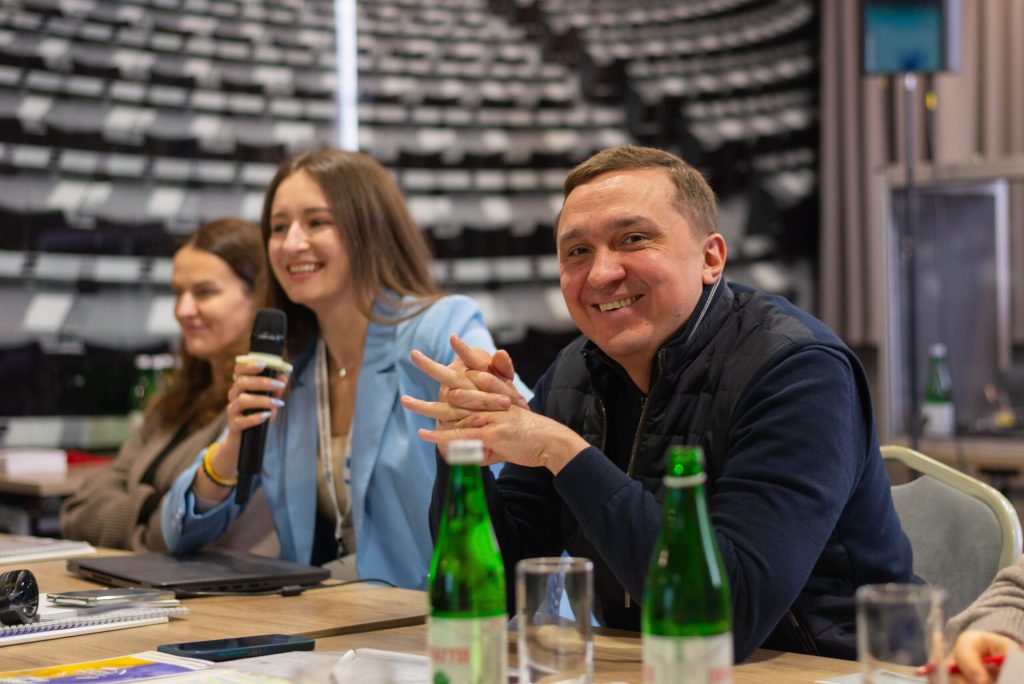
Marat Kyurchevsky, Programme Manager for the EU Integration-Public Administration Reform Programme of the European Delegation to Ukraine: “In Ukraine, city leaders today operate in an extremely fluid, fast-changing environment, often facing unprecedented situations that require rapid decisions without a clear blueprint. I strongly believe that adaptive leadership is highly relevant in this context, as it closely reflects the realities in which Ukrainian cities are currently functioning. Moreover, Ukraine’s experience offers a unique and valuable source of practical insights, case studies, and lessons learned that can further enrich and evolve this leadership approach.”
A key practical tool in this approach is learning how to manage the ‘temperature’ or pace of a transition so that a community remains in the productive zone of learning. For instance, if a community like Leova, Moldova, is pursuing its mission to develop an integrated and competitive local economic ecosystem, and progress stalls due to a reluctance to shift away from familiar economic models, local leaders might need to ‘raise the heat.’ They can do this by inviting diverse stakeholders to the same room and creating a space to openly discuss competing demands and trade-offs. Conversely, if tensions and emotions run high during discussions, leaders can “lower the heat” by focusing on the stakeholder’s shared needs and values while addressing the technical part of the problem first, such as revitalizing the village center.
Anatoli Talmaci, Vice-mayor of Copceac, Moldova: “One of the most valuable lessons from the Adaptive Leadership framework is the importance of diagnosing complex challenges before acting and understanding the perspectives and motivations of different stakeholders. This approach helps leaders address not only technical problems but also deeper systemic issues. I will continue applying key principles such as working both “on the balcony and on the dance floor”, managing expectations and maintaining the right pace of change. These insights will help us strengthen cooperation in Copceac and implement more inclusive and sustainable solutions for our community.”
The Mayors Leading Transformational Change programme builds on Ronald Heifetz’s model from Harvard Kennedy School, treating leadership as a collective practice. In practice, this means experimenting, adjusting as you go, and managing the human side of change, where progress rarely follows a straight line.
Yurii Fomichev, Mayor of Slavutych, Ukraine: “Such leadership programmes are always beneficial for city officials. They provide an opportunity to view their work from a different perspective and rethink approaches to tackling complex challenges.”
The Mayors Leading Transformational Change Programme is implemented under the EU-funded Mayors for Economic Growth Facility and the City Experiment Fund (CEF), funded by the Ministry of Finance of the Slovak Republic.
Originally posted at M4EG’s website, read the full article here.
Cities rarely move in straight lines. A tourism problem is also a skills problem, a public-service problem, a business-confidence problem and often a community-belief problem. A weak local economy is rarely only about investment; it is also shaped by institutions, trust, identity, infrastructure and the ability of people to imagine a future where they are.
This is particularly true for smaller cities. Their challenges are often described in simple terms: too few visitors, too few jobs, too few services, too little money. Beneath these shortages, however, usually sits a more complex system of relationships, habits, assumptions and missed connections.
Aparan, Goris and Noyemberyan in Armenia began their mission-oriented journey from different starting points. Aparan looked at how tourism could become more equitable and economically meaningful. Goris explored how cultural tourism could become more innovative and better connected to local life. Noyemberyan asked how it could become more than a place people pass through on the way to somewhere else.
Different cities and different ambitions, yet their experience points to one shared lesson: local transformation does not begin with a project, but with a municipality learning to see differently.
Start with the system
In many municipalities, development still begins with a familiar sequence: identify a problem, prepare a proposal, find funding, and implement an activity. This logic is useful when the problem is simple, but many local challenges are not simple. They are interconnected, shaped by people’s behaviour, institutional habits, business confide
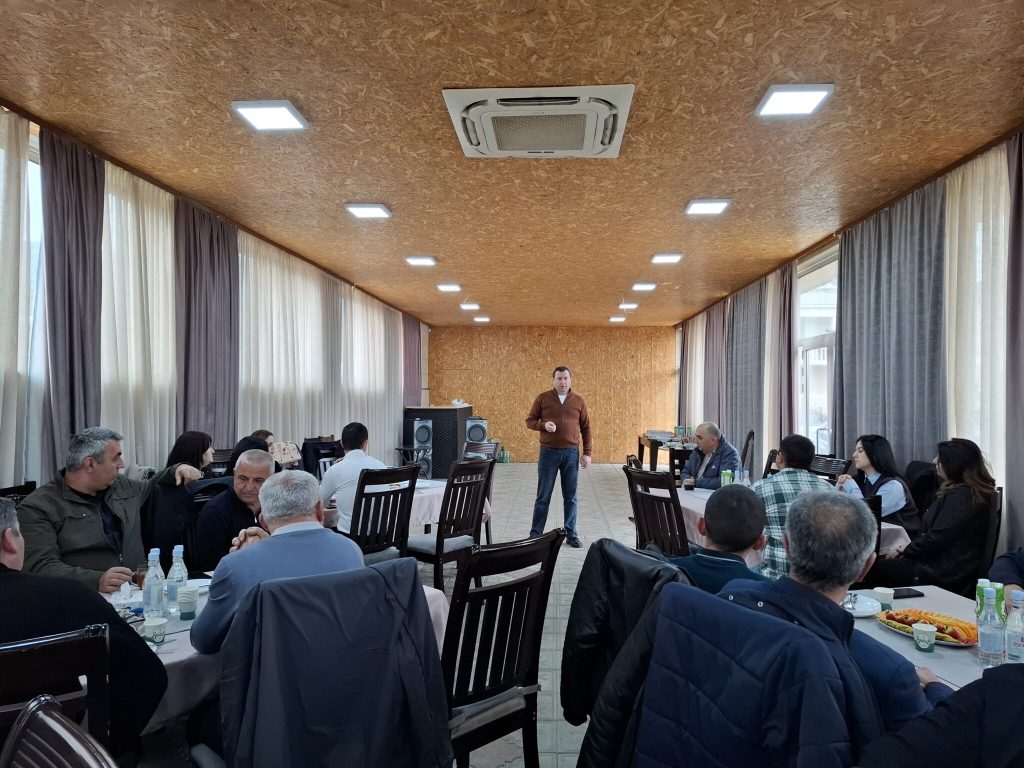
The mission-oriented approach used in Aparan, Goris and Noyemberyan asked municipalities to slow down before rushing to solutions. The sequence was deliberate: understand the challenge, listen to the community, map the actors involved, make sense of what has been heard, and only then design a portfolio of connected interventions that can be tested, adjusted and scaled.
The first change was internal
Each municipality formed a mission team led by the mayor or deputy mayor and composed of decision-makers from different municipal departments. The mission team created a space where these separate issues could be seen as part of one bigger picture. It brought together people with authority, practical knowledge and different institutional perspectives. Through training and capacity building, the teams worked with tools for stakeholder mapping, engagement, deep community listening and shared visioning. The most important outcome, however, was behavioural rather than technical.
Municipal teams began practising horizontal collaboration. They were asked to look beyond their own departments and understand how different parts of the city system influence one another. For other municipalities, this may be the first useful lesson: a city does not become more adaptive simply because it approves a new strategy; it becomes more adaptive when the people responsible for change start working differently.
Become the convener
The next step was to build a more honest picture of each city. Aparan, Goris and Noyemberyan developed city profiles, but this was not only a data exercise. It was a process of shared awareness. What assets already exist? Which actors are active but under-engaged? Where is information missing? Which assumptions have become so familiar that nobody questions them anymore?
This process also changed how the municipality appeared to local actors. When local government approaches businesses, investors and community groups not only to inform them, but to listen and involve them, the relationship begins to change. The municipality moves from being seen mainly as an administrator or service provider to becoming a convener of local development.
In Aparan, a leading mountain ski resort became part of the conversation about the city’s future. In Noyemberyan, agricultural businesses, including those cultivating olive gardens, were brought closer to the city’s development process. In Goris, local hotels became part of the emerging local mission around cultural tourism.
These examples show that many local assets are not absent; they are disconnected. Businesses may operate separately from municipal priorities, community groups may have energy but little access to decision-making, while public institutions may run activities that overlap or fail to reinforce one another. A municipality that can connect these pieces creates value before a single new project begins.
See the hidden links
The cognitive shift came next. Through sessions on systems thinking, complexity and portfolios, mission teams were introduced to a different way of understanding local problems. Instead of treating challenges as isolated issues, they began to see them as interconnected and evolving.
This can be difficult for public institutions, which are often expected to provide clear answers. Yet many urban challenges do not have one clear answer. A city may want more tourism, but tourism depends on services, infrastructure, skills, public spaces, private investment, local identity and the willingness of residents to see themselves as hosts. A city may want more economic activity, but economic activity depends on confidence, coordination, access to opportunity and the ability to turn local assets into something visible and usable.
Seeing the system does not make the problem smaller; it makes action smarter.
Ecosystem mapping turned this new perspective into practice. The teams identified public institutions, businesses, civil society groups, community actors and ongoing initiatives. They looked not only at who existed, but at how these actors related to one another.
This helped reveal overlooked stakeholders and connections. It also challenged the natural bias of municipal work. Officials often see familiar problems, familiar actors and familiar solutions. That is understandable, as institutions are built around routine, but transformation requires looking beyond the usual circle.
By reformulating problems together with stakeholders, the mission teams began to see different entry points for change. New actors emerged not because they had suddenly appeared, but because the municipality had started looking differently.
Listen before designing
Then came the stage that gave the process its human depth: community listening.
In many local development processes, residents enter late. They are asked to react to proposals, validate priorities or attend consultations. In Aparan, Goris and Noyemberyan, residents were brought in earlier. Mission teams conducted around 25 to 40 interviews per city, with attention to gender balance and the representation of vulnerable groups.
The purpose was to understand how residents experience the city: what they need, what they value, what they worry about, what they hope for and what role they imagine for themselves in the city’s future.
This required municipal teams to suspend the comfort of ready-made answers. They went out with open-ended questions and listened before designing. Although that may sound simple, it changes the balance of knowledge. Residents are not only beneficiaries of services; they are experts in the lived reality of the city.
Turn voices into direction
The insights gathered through listening then fed into sensemaking and foresight workshops. These sessions brought diverse stakeholders together to identify patterns, compare perspectives and imagine possible futures for each city. They also helped reduce duplication by showing what different actors were already doing.
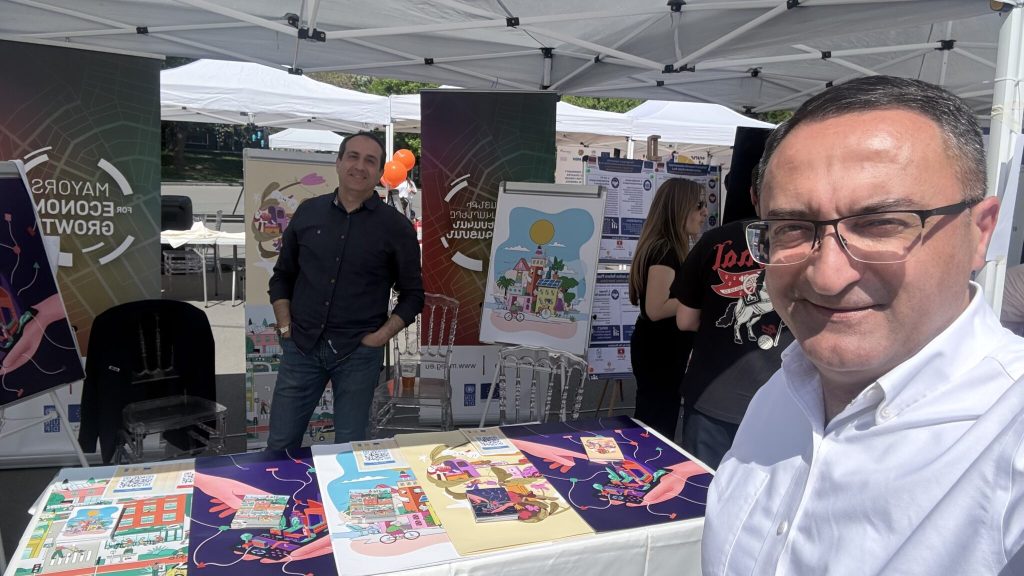
This stage matters because participation without sensemaking can become a list of complaints, while foresight without evidence can become wishful thinking. The value of the process was in combining both: listening to people’s lived realities and then using those insights to shape a collective direction.
It also changed the quality of engagement. When people are asked not only what is wrong, but what future they want and what role they might play in building it, the conversation becomes more productive. A sense of belonging becomes a development asset. People begin to see themselves not only as residents of a municipality, but as participants in its future.
Build a portfolio, not a wishlist
The portfolio bootcamp marked the move from exploration to strategy. Aparan, Goris and Noyemberyan translated their insights into mission portfolios: a clear mission statement, the shifts that need to happen, the expected effects of change and strategic positions within the local system.
- Aparan defined its mission around an equitable tourism-driven economy, with the aim of becoming a more economically active and attractive municipality by strengthening local economic development, improving service provision and making better use of existing assets and institutional capacity.
- Goris focused on innovative cultural tourism, seeking to strengthen the city as a more dynamic and attractive municipality by improving economic activity, enhancing public services and better leveraging its cultural, social and institutional assets.
- Noyemberyan chose the mission of becoming a hospitable transit hub, aiming to transform itself from a municipality people pass through into a recognized and attractive destination by activating its tourism, service and local economic potential.
What other cities can learn
For other municipalities, the message is both practical and demanding. The journey begins with the team: breaking internal silos and creating a shared way of working before trying to solve problems outside the municipality.
It also requires a deeper understanding of the system. Familiar actors, old assumptions and fragmented data are rarely enough to explain why local challenges persist. Municipalities need to look more widely, listen more carefully and involve residents, businesses and vulnerable groups before priorities are already fixed.
Mapping the ecosystem can reveal that many resources are already present but disconnected. A mission becomes useful when it helps bring those resources into a more coherent portfolio of action, where vision is translated into connected initiatives rather than isolated projects.
The real change is a habit
Aparan, Goris and Noyemberyan are now moving into implementation, where the mission-oriented approach will be tested in practice. The next phase will be about trying out interventions, learning from what happens, adjusting where needed and scaling the ideas that prove useful. Some actions may show results quickly, while others may need to be refined or redesigned along the way. This process of adaptation is central to the journey.
For municipalities preparing to join the M4EG network, this may be the most useful lesson. The starting point is not only to ask what project is needed, but who should be part of the conversation, what remains poorly understood and what the municipality is ready to learn together with its residents and partners.
Cities that thrive are unlikely to be those with a single ready-made answer. They are more likely to be those that build the capacity to ask better questions, connect the right actors and keep learning as conditions change.
The experience of Aparan, Goris and Noyemberyan is taking place under the EU-funded Mayors for Economic Growth initiative.
On 30 July, the Green Economy Hub was opened in Nizhyn – a new space where residents, local authorities, businesses and academia can work together around a shared goal: to make the community more energy-resilient and economically stronger.
The Nizhyn community, like hundreds of others across Ukraine, is facing the consequences of a full-scale invasion. These challenges are particularly acute in the energy sector. Outdated infrastructure, low energy efficiency in municipal buildings and a high dependence on centralised energy sources leave towns vulnerable to supply disruptions and rising costs. At the same time, Nizhyn has a clear vision of how to move towards a green transition – but it lacked the resources, technical expertise, and a platform to carry out systematic work to address this issue.
“The green economy is not just about solar panels. It is a new culture of decision-making, responsibility for the future, the efficient use of resources and the whole community working together,” emphasise officials at Nizhyn City Council. The community already has 11 solar power stations in operation, half of which were installed thanks to grant funding, and the rest through an energy-service contract. They supply electricity to schools, the town hospital and other municipal facilities, and this year alone, this model has saved US$62,000 in local budget funds.
This practical experience is the foundation of the Green Economy Hub – a space housed within the Town Hall. It is a place where local government officials, entrepreneurs, academics, representatives of community initiatives and educational institutions can learn, seek advice, develop joint projects and share practical solutions in the fields of energy efficiency and the green economy.
The Hub’s work is based on specific steps: the project team carried out a comprehensive assessment of three municipal buildings to identify where and how energy is being wasted, and to develop tailored plans to improve resource efficiency for each of them.
The project also brought together a newly established cross-sectoral working group comprising representatives of the city council, municipal utilities, businesses, educational institutions and civil society. This group is currently developing the “Roadmap for the Development of the Green Economy Hub for 2026–2030.” It will define the Hub’s long-term priorities and clarify the roles of the stakeholders involved. . As well as disseminating knowledge, this will help to forge a sustainable partnership centred on the theme of energy independence – a partnership that will continue to operate even after the project has ended.
The Hub was established by the NGO “Misto N” at the initiative of the Nizhyn City Council under the City Experiment Fund (CEF), financed by the Ministry of Finance of the Slovak Republic and implemented by UNDP.
The CEF x AI Bootcamp, held on 23–25 June under UNDP’s City Experiment Fund (CEF) with the support of the Ministry of Finance of the Slovak Republic, brought together some thirty participants from ten municipalities – from capital cities to small towns, some of them rebuilding through crisis. In the course of three days, cities from Armenia, Kosovo1, Montenegro, North Macedonia and Ukraine worked on exploring where – and whether – AI belongs in their city.
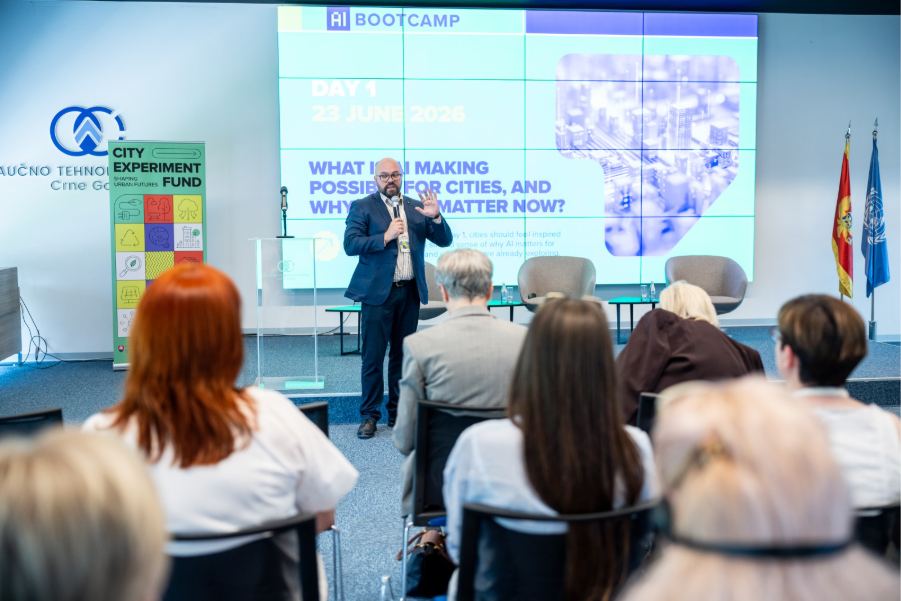
Their starting points differed widely, but the challenges they brought clustered around a handful of shared themes: energy resilience and resource monitoring; water management; waste collection and recycling; air quality and environmental prediction; making sense of citizen requests and complaints; and planning – from circular economy to sustainable tourism. Several teams are also grappling with the underlying data challenge: fragmented systems, scattered records, and information that exists but cannot yet be used.
Why a bootcamp, and why now
Cities are already encountering AI whether they choose to or not – it is reshaping how services are delivered and decisions are made, while the capacity gap between what the technology demands and what most municipalities have kept widening. Cities that engage early get to shape how AI is adopted: which problems it solves, and which safeguards are built in.
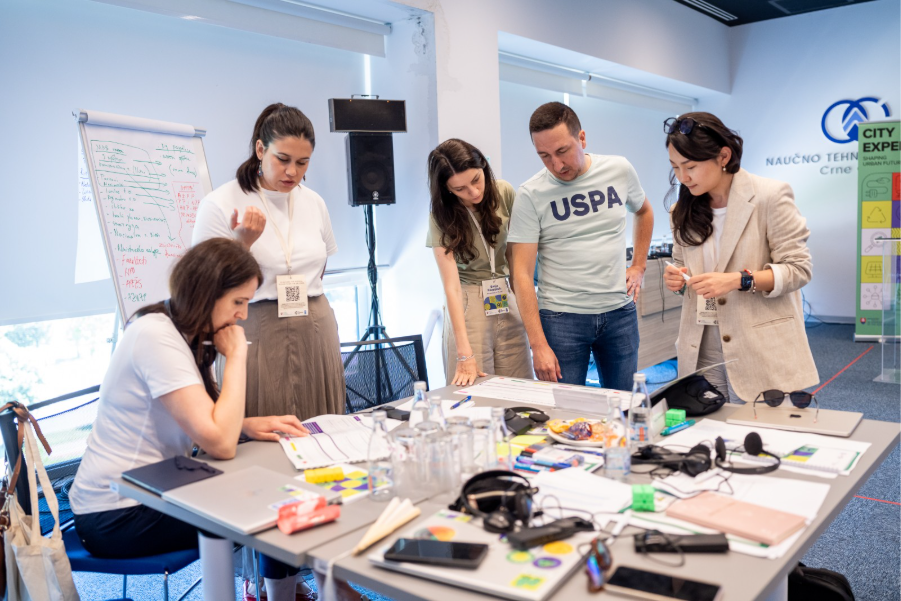
Yet most AI training for governments stays abstract – a tour of the technology, disconnected from any decision a city actually has to make. CEF takes a different starting point: AI is not a tool to procure but a capability to build. The bootcamp was designed as the pivotal middle step of a longer journey that runs from foundational learning to funded experimentation as part of the new CEF x AI programme.
How we designed it
Three design choices shaped the experience.
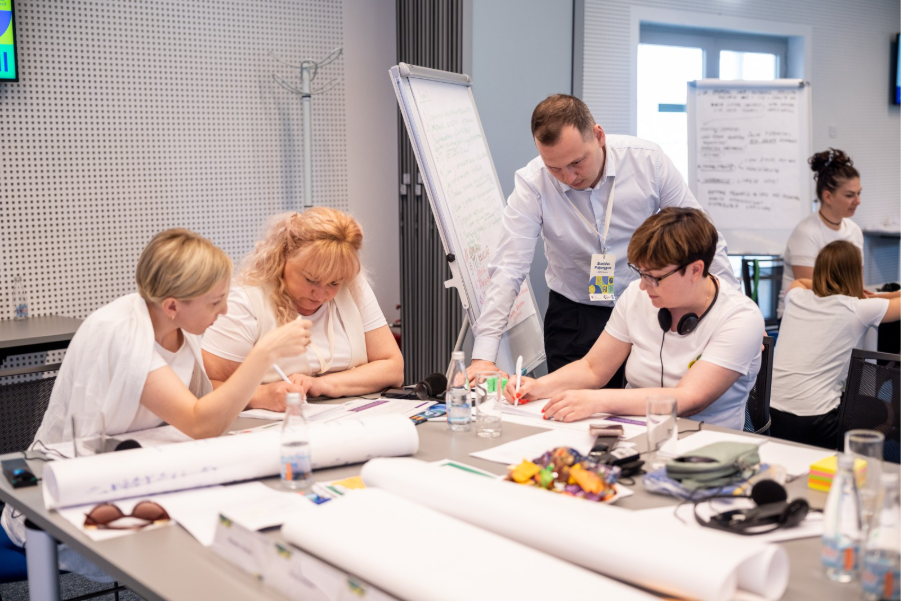
Fundamentals moved online, before the event. All participants completed a self-paced AI Foundations course and a set of preparatory canvases in advance. That freed the three days in Podgorica for the only thing that cannot be done remotely: teams working through the challenges facing their own cities alongside peers and experts in the room.
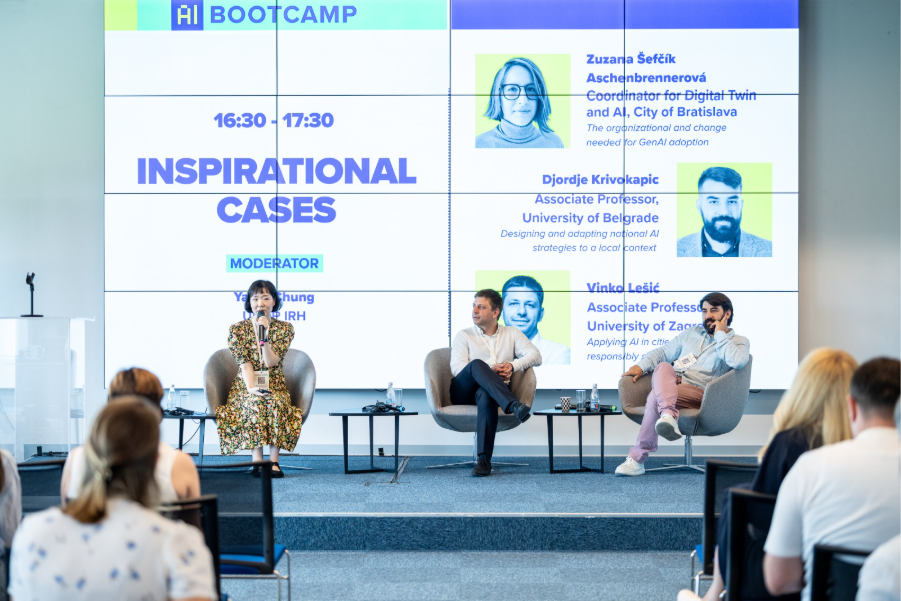
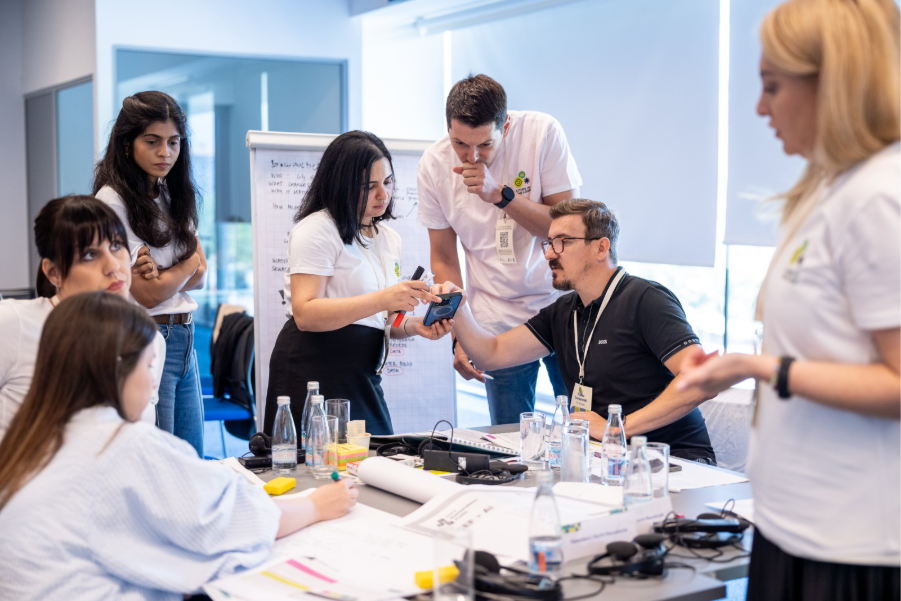
A workbook, not a lecture series. The heart of the bootcamp was a single workbook of seven canvases, each producing one concrete output that feeds the next: an ecosystem map, a problem statement, a responsibility check, a feasibility check, peer feedback, entry points, and reflections. By the final afternoon, every city had at least two concrete AI entry points – the substrate of their funding proposal. One instruction was printed into the method itself: “‘AI is not the answer’ is a valid finding.”
Three days, three questions. Day 1 asked what AI is making possible for cities and why it matters now – inspiration, provocations, and real cases from Bratislava, Montenegro’s national AI strategy and the IEEE’s GenAI for Good work. Day 2 asked what each city’s AI landscape looks like, and which challenge is most worth pursuing. Day 3 focused on implementation: do we have what it takes, and where do we begin?
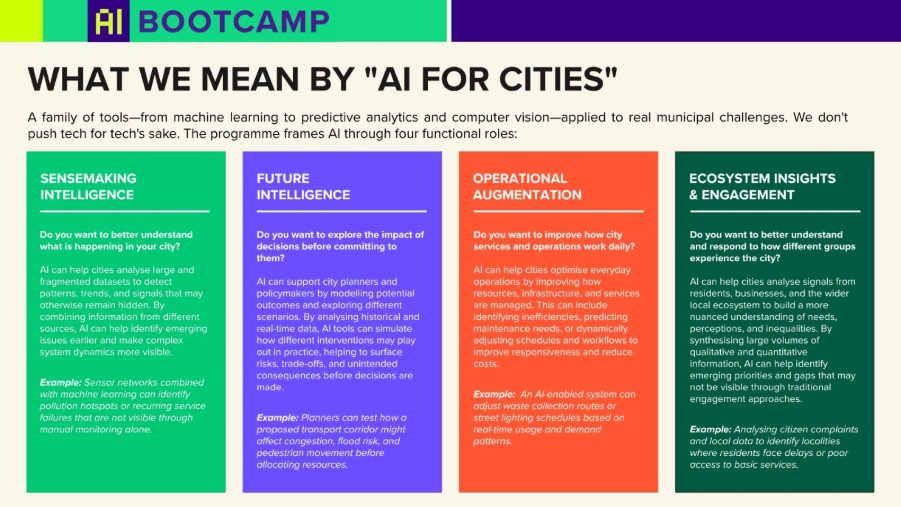
Instead of a taxonomy of algorithms, cities worked with four functional pathways, each phrased as a question a public servant can answer: Do you want to understand what is happening in your city (sensemaking intelligence)? How to explore the impact of decisions before committing them (future intelligence)? Improve daily operations (operational augmentation)? How to better understand how different groups experience the city (ecosystem insights and engagement)?
What we learned
Problem framing is the hardest and most valuable step. Cities tend to arrive with solutions, rather than problems. Many of the biggest breakthroughs came from refining the “How might we” statement. Teams were challenged to clearly define who is affected, what needs to change for them, and why it matters – without jumping to a solution or embedding a technology in the question.
Permission to say no to AI builds trust. Making “AI may not be the answer” an explicitly valid outcome changed the tone of the room. Teams became more candid about fragmented data, missing skills and weak enabling conditions, which is exactly the honesty a credible proposal needs.
Peers are the real curriculum. One participant named their key takeaway from Day 1 simply as a “feeling of alignment.” Whether rebuilding through crisis or planning for long-term transformation, small towns and capital cities found themselves asking many of the same questions. Structured peer feedback in country groups helped teams refine those shared challenges into sharper problem statements.
Responsibility works as a design step, not a lecture. Rather than an ethics session bolted at the end, every team worked through a responsibility canvas while their AI direction was still taking shape – asking who could be harmed or excluded, whose privacy and rights are at stake, and what safeguards would need to be in place. While the cities are still exploring how AI might be applied, it also makes the right moment for cities to reflect on ethics, privacy and rights from the very beginning – where the responsibility becomes part of the design rather than an afterthought.
Real-time sentiment is a facilitation tool, and occasionally a mirror. The daily Menti meter pulse lets the team adjust pacing and energy between sessions. It also gave participants a place to leave the harder, anonymous questions. A room that steps back from process to ask about purpose is a room that has understood the assignment.
What happens next
The bootcamp is a beginning, not an end. Cities are now refining their entry points into proposals along two tracks for CEF x AI Programme. Track 1 – the CEF x AI Demonstrator – will support selected cities with US$200,000 over roughly two years to build and test AI pathways embedded in their ongoing portfolios. Track 2 – the BOOST x GenAI for Good Challenge – will match city-owned use cases with global innovator teams to co-design responsible, open-source GenAI solutions, with cities staying owners of the problem throughout. Selection will take place over the summer; and the activation begins in September 2026.
The question these ten municipalities are taking home is no longer: “What can AI do?” It is the one that emerged during the bootcamp: Will this actually benefit the citizens of our town? The fact that teams are asking this before a single line of code is written may be the bootcamp’s most important outcome.
[1] References to Kosovo shall be understood to be in the context of United Nations Security Council resolution 1244 (1999).
While information about AI is abundant, space to make sense of what it means in practice is not. That gap between the global AI conversation and where cities in our region actually stand is the focus of the first session of the AI in Development Practice series. Hosted by the United Nations Development Programme’s (UNDP) Regional Bureau for Europe and Central Asia, the series aims to create space for practitioners, researchers, and policymakers to work through how AI is reshaping development work.
Urban governance is one of the places where AI’s effects are most concrete and most uneven, and where the stakes of getting it wrong are hardest to ignore. Two speakers anchored the conversation, each approaching the same problem from a different angle: Gesa Ziemer, Academic Lead at UNITAC and Director of the City Science Lab in Hamburg, and Yoonjin Yoon, Founder and Director of the Urban AI Institute and Chair Professor at KAIST in South Korea.
Gesa Zeimer: Leveraging existing ecosystems in cities to enable AI and digital transformation
Gesa pointed out that there is a widening gap between how fast urban AI is developing and how ready cities actually are to use it. Data is often outdated, fragmented across authorities, civil society, and private companies, and rarely interoperable enough to feed into an AI system.
Most cities her team works with lack a centralized data management system altogether, and where one exists, it’s often built on a single proprietary platform leaving the city dependent on that company rather than in control of its own data.
On where cities should start, her clearest answer was prioritization: connect civil society and government first. Activists, artists, and community groups are doing real work that’s disconnected from government, and government holds laws and strategies disconnected from what’s happening on the ground.
Her example of an ecosystem approach in practice came from Windhoek, Namibia. The national statistics agency had a solid centralized data platform, but the column for informal settlements was essentially empty, left blank for political reasons. Rather than build a new tool, her team’s actual work focused on relationship-building connecting local NGOs who already held the data, building enough trust to get it included.
Yoonjin Yoon: How cities could apply AI – what the KAIST Urban AI Lab has been testing in cities
Yoonjin opened with a conceptual distinction that anchored her entire talk:
- AI of Cities – how can AI help cities work better?
- Cities of AI – how will cities evolve because of AI?
The purpose of urban AI is not technology. It is to enable better decisions, improve day-to-day operations and services, strengthen engagement with communities, and help cities achieve more with fewer resources, less budget, less staff. Every city, regardless of wealth or geography, is wrestling with the same three challenges: how people move, how the city responds to external stress, and how it manages growth. AI doesn’t resolve those challenges. It helps leaders see them more clearly, understand them more deeply, and act more confidently. This is what decision support actually means, not automation, not replacing planners or policymakers, but giving them better tools to understand what is actually happening in their city.
Two Seoul projects illustrated what using AI looks like in practice and what it can reveal unexpectedly. In the first, using daily credit card data across all 422 Seoul neighbourhoods, the team found that 80% of neighbourhoods see retail sales decline on extreme heat days. Commercial centres drawing commuters and visitors saw the sharpest drops simply because those people stopped coming, while residential neighbourhoods serving local daily needs were largely unaffected. Neighbourhoods that looked identical in official statistics functioned completely differently in reality – invisible in aggregate data but made visible through AI. A second Seoul project used an AI agent built on the open-source SUMO traffic simulator to let non-expert city officials test scheduling decisions – such as the best 30-minute window for road maintenance – using plain-language prompts that anyone can understand.
For cities that find themselves earlier in this journey, her advice was to flip the usual instinct: define the real problem first, rather than starting from what AI can do. She pointed to her institute’s current project near Ho Chi Minh City, where data exists but is scattered, as a close parallel to where many cities in our region are starting from, and noted that a small or imperfect dataset is still worth using, since working with what’s available tends to reveal what the next data investment should be. Asked separately about open datasets, she pointed to satellite imagery as the most universal starting point regardless of income level, alongside anonymized mobile movement data for understanding human dynamics that built-environment data alone can’t capture.
Both speakers, in different ways, pointed to the same underlying urgency. The window for shaping AI adoption is now. Cities that engage with AI early (even if modestly) can shape how it is introduced: which problems it addresses, whose interests it serves, and what safeguards are built in.
Putting AI to work in cities: The CEF × AI programme
The webinar coincides with the launch of the AI Foundations course for municipalities and the launching of CEF x AI, a new programme, part of the City Experiment Fund, focused on helping cities build the capability to work with AI in practice.
CEF × AI frames AI not as a technology agenda but as a set of functional capabilities cities can put to work. The programme organizes these around four pathways:
- Sensemaking Intelligence: AI can help cities analyze large and fragmented datasets to detect patterns, trends, and signals that may otherwise remain hidden;
- Future Intelligence: AI can support city planners and policymakers by modelling potential outcomes and exploring different scenarios;
- Operational Augmentation: AI can help cities optimize everyday operations by improving how resources, infrastructure, and services are managed;
- Ecosystem Insights & Engagement: AI can help cities analyze signals from residents, businesses, and the wider local ecosystem to build a more nuanced understanding of needs, perceptions, and inequalities.
Together, these four pathways reflect a single underlying idea: AI is most useful when it starts from a real municipal problem, not from the technology itself. To support this work, UNDP organized a CEF × AI Bootcamp in Podgorica, Montenegro in June 2026 bringing together municipalities from the region to explore how AI can support their green and digital priorities. Over three days, city teams worked through their own challenges, assessed their readiness for AI, and identified practical opportunities for experimentation and implementation.
Stay tuned for our next webinar sessions!