Category: Innovative finance
UNDP Europe and Central Asia announces the launch of the BOOST Alumni Network, an initiative designed for the 200+ impact ventures and non-profits who previously participated in a BOOST 2020-2023 acceleration program, including spin-off initiatives such as the Tadamon Accelerator for non-profits in 28 countries. With a focus on delivering essential post-acceleration support, the network aims to expand professional growth opportunities and foster cross-border collaboration among innovators, industry experts, investors, and mission-driven business and donors.
Starting in January 2024, the BOOST Alumni Network will host BOOST Unplugged, an online series of candid conversations with BOOST alumni and other innovation ecosystem players. Topics to be covered include business model innovation, fundraising strategies, use of emerging technologies, and impact measurement and management.
In addition to BOOST Unplugged, the network will organize pitch events and masterclasses on topics such as generative AI and crowdfunding. In the spirit of SDG 17: Partnerships for the goals, alumni organizations will also have the opportunity to join UNDP’s new Impact Venture Hub to be announced in 2024. Through this online platform, innovators, industry experts, and investors from all around the world will be able to connect, share knowledge and resources, and forge new partnerships. The platform will also serve as a catalogue of ventures and non-profits with scalable high-impact solutions.
Interested in getting involved?
No one organization, sector, or industry can solve the development challenges we face today alone. If you’re interested in collaborating with us – as a mentor, investor, or program partner, get in contact at: boost@undp.org.
BOOST is an acceleration program for social impact innovation that runs innovation challenges and capacity-building trainings for impact ventures and non-profits.
The UNDP Crowdfunding Academy (CFA) is now open for applications! The global CFA is a two-month online training that dives into the world of fundraising, building your skills to successfully start a crowdfunding campaign yourself to fund a project or initiative at UNDP.
The interactive and hands-on academy will explore the science behind successful digital fundraising – you’ll learn different types of crowdfunding approaches, how to set the right funding goal, creative ways to engage partners, build a beautiful campaign page and an efficient communications strategy, and receive detailed advice on what to do (and what not to do) when fundraising.
It is a joint initiative between the Bureau of External Relations and Advocacy, responsible for UNDP’s external relations and advocacy functions, and UNDP AltFinLab, a flagship project at UNDP Europe and Central Asia promoting alternative finance for development.
How to apply
The training is open to UNDP Country and Regional Offices anywhere, as well as global teams, seeking to mobilize funds for new or existing projects or campaigns in several key thematic areas (but not limited to): inequality, climate and nature, and crisis and conflict, in line with UNDP’s external engagement priority themes. To apply, please fill in the application form and provide a description of your campaign idea (not to worry – these may be adapted on your crowdfunding journey). Teams should aim to launch their campaigns 3-6 months after the end of the training.
⏳ The deadline for submitting applications is December 20, 2023. You will receive information about your application in mid-January.
What to expect
The academy will start at the beginning of 2024. It consists of 10-12 interactive online sessions, including an introduction to crowdfunding, building a campaign strategy and mapping your crowdfunding ecosystem, setting your financial goal, engaging partners for resource mobilization, as well as communications and storytelling for crowdfunding among other things. The sessions are tailored to fit your needs and improve your skills to launch your own successful crowdfunding campaign. Each session includes a 10-to-20-minute video and a short quiz. Following every third module, you will be given an assignment to complete, which will help you build your campaign.
You will also be assigned a mentor to work with you as you prepare to launch your campaign. Our mentorship takes the form of regular meetings, where you discuss assignments and other pressing campaign issues. The academy requires a weekly time commitment. Your team will need to invest 3-5 hours weekly.
What you’ll receive
By joining the Crowdfunding Academy, you will receive:
- Access to the training materials and resources, master class videos on specific topics, and the Community of Practice on SparkBlue to interact with other participants;
- Access to UNDP’s fundraising platforms – Every.org & Classy – allowing you to create custom campaign pages and content, while providing donors with a secure, reliable donation experience;
- Access to a pool of crowdfunding experts and mentors from AltFinLab, who will provide hands-on support and personalized mentorship sessions on campaign strategy and communications to creating videos & visuals;
- Access to central operational processes, including financial reconciliation, managed by UNDP BERA;
- Additional learning opportunities through LinkedIn for which you can receive a certificate upon completion;
- Access to communications support from BERA on regional or global campaigns.
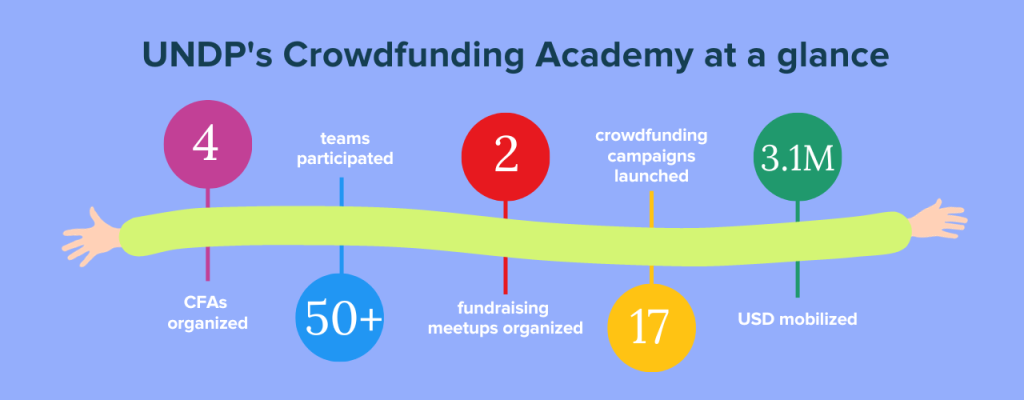
To crowdfund is to build a community. Join us!
In the ever-evolving world of impact acceleration, we, the Innovation team at UNDP Europe and Central Asia and the architects of BOOST and Tadamon Acceleration programs, are taking a moment to reflect on the transformative journey of our program graduates. We’re excited to share key insights from our recent alumni survey which did not only help us evaluate the impact of our programs but also provide a nuanced understanding of the diverse landscape of our alumni and how we can continue to support this community in the months and years to come.
From crisis response to a flexible and scalable model for impact venture support
Born in 2020 as a response to the COVID-19 pandemic, our flagship programs, BOOST and Tadamon, were conceived with a clear mission: to identify, support and scale innovations that can help address the complex challenges standing between us and the Sustainable Development Goals (SDGs).
Since then, we have designed and implemented six BOOST programs in Europe and Central and one Tadamon program in 28 member states of the Organization of Islamic Cooperation. This collective effort has provided crucial support to nearly 200 startups, micro, small and medium-sized enterprises (MSMEs), social enterprises, and non-profits. Moreover, we have allocated a substantial USD 1,175,000 in grants to further develop and help scale the innovative and high-impact solutions developed by our participants. What started as a swift response to the emerging needs during the pandemic, has evolved into a flexible and scalable model for impact venture support.
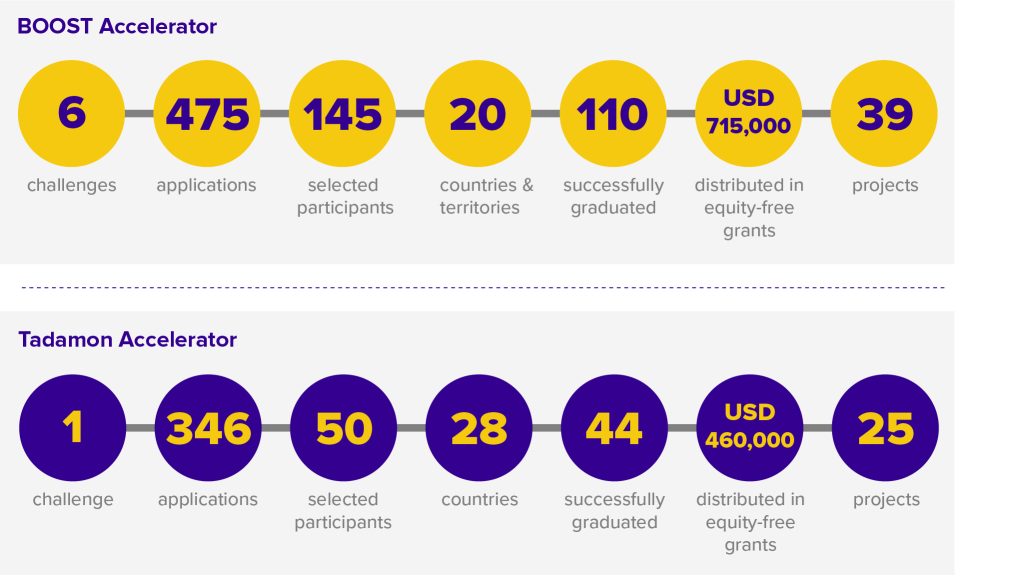
Insights about our BOOST & Tadamon graduates
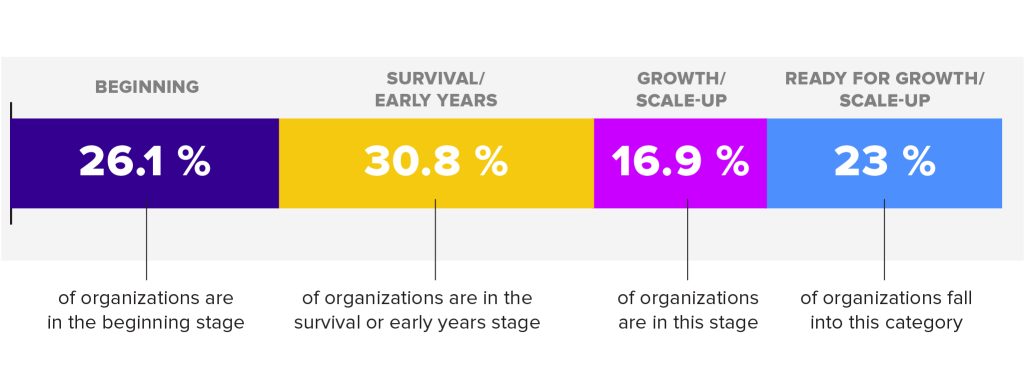
The BOOST and Tadamon alumni network is a melting pot of diversity, representing businesses and non-profits across various countries and sectors, with ideas at different developmental stages. Our strong commitment to supporting women-led organizations has notably contributed to an alumni network with a significant representation of women.
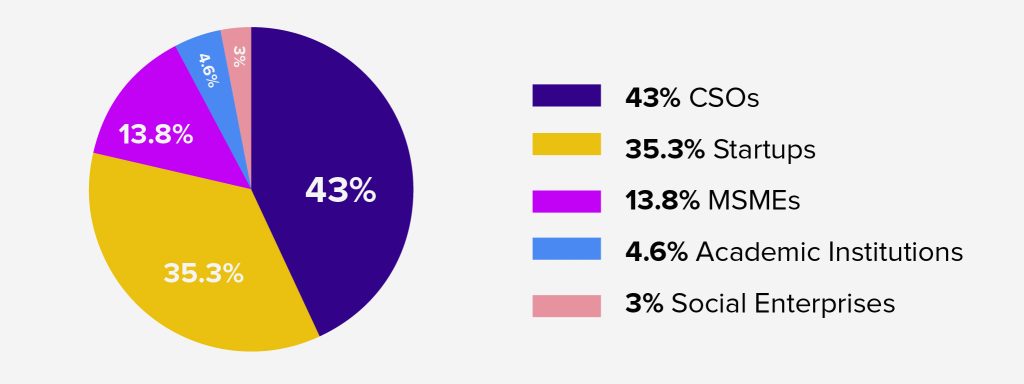
Our program graduates are actively progressing and growing. A significant number of the surveyed participants have not only secured funding and investments but have also expanded their teams and are venturing into new markets.
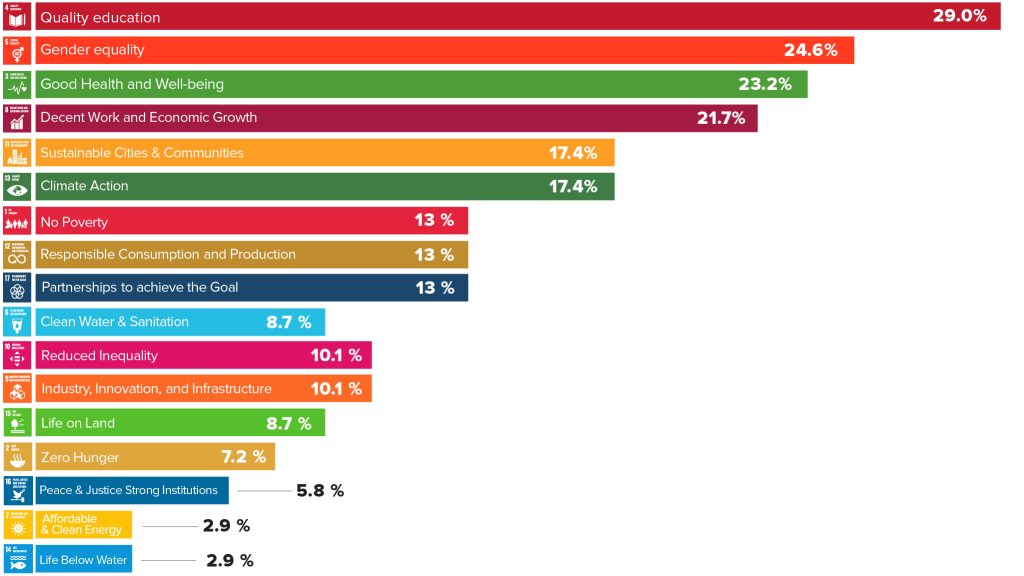
What unites our alumni is a shared commitment to impact. Alumni organizations are not just participants; they are innovators and changemakers. Their commitment to addressing development challenges is evident in their alignment with various SDGs.
What’s next?
Building on the survey findings and in-debt interviews with our alumni, we are currently drafting a strategic roadmap for the next phase of our alumni network. This is what we are working on right now:
- Alumni Networking Events: We aim to offer regular online and offline networking events, enabling alumni to connect, share experiences, and foster meaningful connections. The sessions will be practical and engage our alumni as speakers and sources of inspiration.
- Continued Training and Mentorship: We are committed to providing post acceleration learning and mentorship opportunities tailored to alumni requests and needs. Leveraging UNDP’s large network of experts and partners, we want to develop an online repository of resources and establish a mentorship program connecting alumni with experienced entrepreneurs and sector experts.
- Expand Funding and Financing Opportunities: In collaboration with other UNDP impact venture initiatives, we are exploring new partnerships with global, regional, and local investors and corporations. Our goal is to facilitate matchmaking between investors and innovators e.g. through regular pitch events, making sure that funding and financing is channeled towards high-impact solutions.
Join us in supporting a community of changemakers reimagining our future through innovation!
We are looking to join forces and exchange ideas and approaches with other people in UNDP and beyond looking to drive impact through innovation and entrepreneurship. We want to hear from you if you are interested in:
- Supporting BOOST or Tadamon participants and alumni with one-on-one mentorship and advice on scaling their businesses and non-profit organizations.
- Co-designing and/or participating in alumni network training sessions, knowledge exchanges and pitch events.
- Wishing to directly collaborate with alumni organizations to scale their high-impact innovations into new markets
To learn more about BOOST and Tadamon accelerators or to get involved in shaping or supporting our alumni community, visit www.boosimpact.org and www.tadamon.community/accelerator or reach out directly to:
- Louise Skärvall, BOOST Accelerator Lead, louise.skarvall@undp.org
- Teodor Petricevic, Tadamon Accelerator Lead teodor.petricevic@undp.org
The Islamic Development Bank (IsDB), the Islamic Solidarity Fund (ISFD), the United Nations Development Programme (UNDP), and the Organisation of Islamic Cooperation (OIC) successfully organized a special side event during the 78th UN General Assembly last week. The event ”Empowering Civil Society: Unleashing Innovation and SDG Finance through the Power of Community“ brought together 200+ participants, including civil society organizations (CSOs) and partners, to explore different ways of leveraging innovation and alternative financial mechanisms to empower CSOs that are addressing a range of critical development issues.
The event was attended by high-level representatives, including Haoliang Xu, the Under-Secretary-General and Associate Administrator of UNDP, Dr. Mansur Muhtar, IsDB Vice President of Operations, and Ambassador Hameed Opeloyeru, OIC Permanent Observer to the UN, and Dr. Hiba Ahmed, Director General of the ISFD. Their inspirational and compelling opening remarks and statements underscored the significant role of civil society and the innovative tools available to strengthen organizations’ work on the ground.
At the heart of the event was a lively discussion, moderated by Syed Husain Quadri, Director, of the Resilience and Climate Action Department at IsDB, that highlighted the importance of innovative finance and cutting-edge technologies in advancing the work of CSOs. It featured key speakers: Edward Bitar, Founder and President of Live Love Lebanon, Nasser Diallo, Founder and CEO of Clinic+O, Chris Blauvelt, Co-founder and CEO of LaunchGood, Dorothee Unger-Lee, Head of Education and Inclusion at the Algorand Foundation, and Gina Lucarelli, Team Leader of UNDP Accelerator Labs.
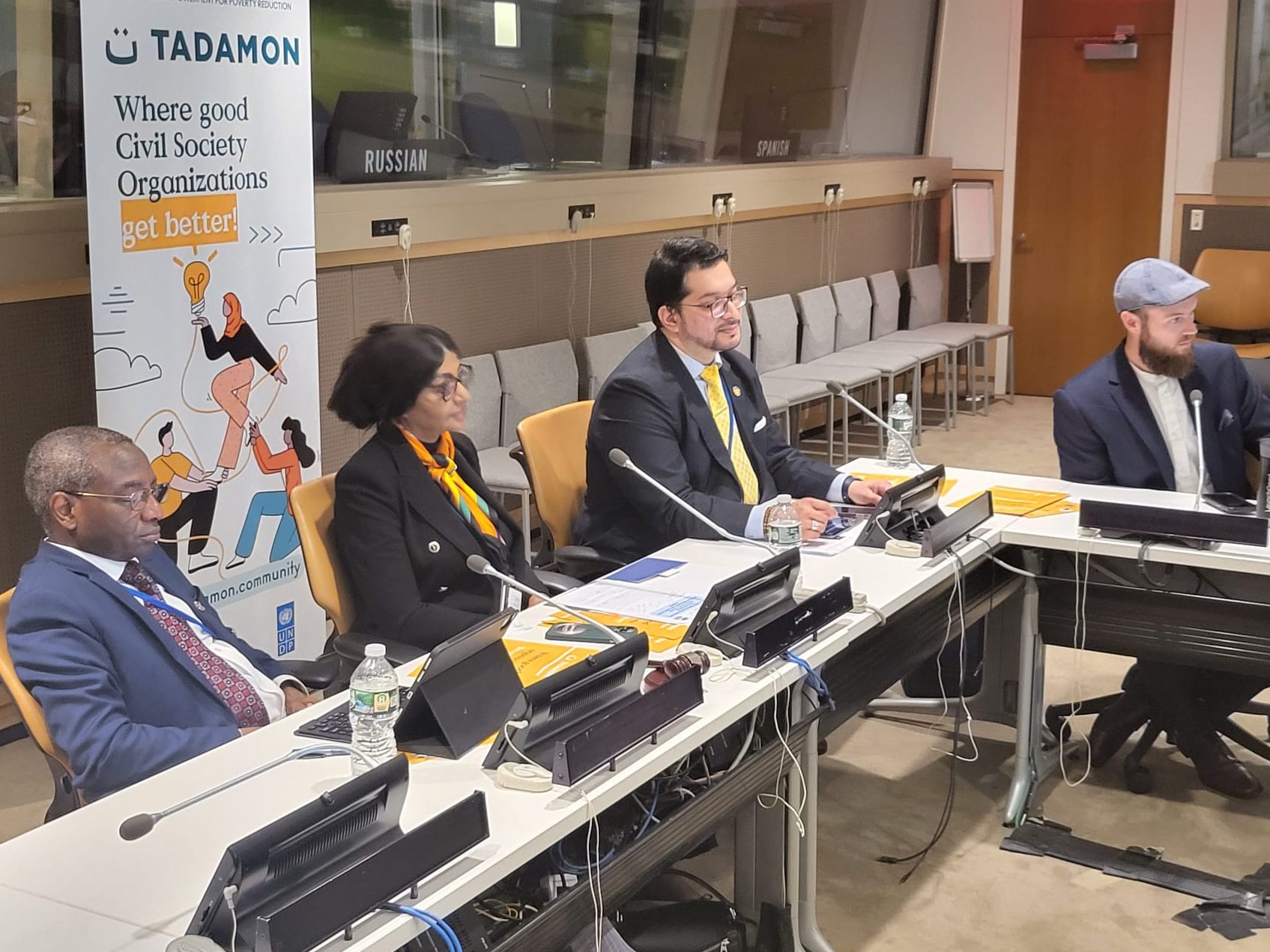
The conversation centered on emphasizing the crucial role of the community in gaining a deep understanding of the challenges and creating solutions that fit the local context. Moreover, it brought attention to alternative funding mechanisms, like crowdfunding for CSO-led projects, and the use of cutting-edge technologies such as blockchain to educate grassroots changemakers in tackling global challenges. These insights underscored the necessity of consistently monitoring and embracing new solutions and technologies to address pressing challenges in our ever-changing world.
In addition, Dr. Robert Pasicko, NGO Empowerment Project Manager, UNDP RBEC, presented the impressive results of Tadamon’s program, four years into the initiative. He shared the progress and impact of contributing not only to civil society development but boosting critical sustainable development financing. As a result of the program, a total value of $2.2 million has been effectively raised by over 80 crowdfunding campaigns powered by CSOs to underpin impactful projects that have changed the lives of over 80,000 people in areas related to education, healthcare, disaster relief, and more. Additionally, 500 CSOs have been trained and have created a $14 million pipeline of innovative projects supporting the SDGs.
The event ended with an exploration of potential partnerships, priority issue areas to address such as climate and youth, and innovative mechanisms to tap into in the next phase of Tadamon in supporting CSOs on the frontline to further drive innovation in development and sustainable financing.
For more information, please see our Tadamon website or contact us via email: team@tadamon.community
The Islamic Solidarity Fund for Development (ISFD) and the Islamic Development Bank (IsDB), in collaboration with the United Nations Development Programme (UNDP) and the Organization of Islamic Cooperation (OIC), are proud to present a special side event during the 78th session of the UN General Assembly. This event aims to explore how innovation, alternative finance, and sustainable development can serve as catalysts, empowering civil society organizations (CSOs) to play a pivotal role in achieving the Sustainable Development Goals (SDGs).
CSOs stand as instrumental players in addressing today’s paramount developmental challenges – spanning from poverty and inequality to climate change and pollution. With a profound understanding of the needs and concerns of marginalized communities, CSOs are at the forefront of driving positive change. Nonetheless, the funding gap in addressing the SDGs in developing countries increased by 56% after the outbreak of COVID-19, totalling USD 3.9 trillion in 2020 (OECD 2022).
In response to this challenge, the interest in harnessing innovative financing mechanisms such as crowdfunding, impact investing, blockchain-based and Islamic financing and other models has soared. This surge is propelled by factors including heightened internet penetration, the proliferation of smartphone usage, and an ever-growing entrepreneurial spirit.
During the side event, the organizers will bring together a diverse array of stakeholders, including crowdfunding platforms and blockchain companies. Together, they will discuss innovative strategies for harnessing alternative financing and innovation, thereby fortifying CSOs to effectively address critical developmental issues. Moreover, the event will shed light on gaps and conditions essential for bolstering CSO capacity, fostering innovation to combat poverty-related challenges, and guaranteeing sustainable financing for those at the frontline of change.
A significant highlight of this event will be the presentation of the IsDB – ISFD NGO Empowerment for Poverty Reduction Programme (Tadamon). This programme, sponsored by ISFD, managed by IsDB, and executed by UNDP and partners, spans across 33 OIC Member Countries, including in the RBEC region, where it supports local CSOs in their mission to improve the socio-economic wellbeing of marginalized communities.
With over 3,500 CSOs having joined Tadamon to drive transformational change, the programme runs a series of initiatives, including a Crowdfunding Academy, which has equipped 450 CSOs with skills in management, innovative financing, and crowdfunding, and the Tadamon Accelerator, which has supported 50 CSOs from 28 countries with training and $460,000 in grants.
Operating at the nexus of innovation and alternative mechanisms, the side event will showcase Tadamon’s achievements and lessons learned, showcasing how innovation and sustainable development can empower local CSOs.
In July, UNDP, in collaboration with the Islamic Development Bank, the Islamic Solidarity Fund, and the Ministry of Finance of the Slovak Republic, organized a three-day workshop in Istanbul to explore how to build innovation ecosystems and leverage innovative finance to fuel sustainable development.
The workshop brought together participants from UNDP Country Offices spanning Africa, Asia Pacific, Europe, Central Asia, Latin America, and the Middle East. Their collective aim was to explore the potential of various innovative financing mechanisms, including crowdfunding, impact investing, blockchain-based financing, and other models, as means to overcome funding challenges and facilitate novel pathways for financing the Sustainable Development Goals (SDGs).
Unlocking innovation ecosystems: Cultivating collaboration and culture of innovation
During the first day we looked into what it means to support the development of innovation ecosystems and explored various types of innovative finance models for sustainable development. Choosing single-point solutions instead of building ecosystems limits the impact and sustainability of innovation, making it ineffective and insufficient.
We heard from a number of UNDP Country Offices from Mauritania and Djibouti to North Macedonia and Uzbekistan, which presented the mapping of existing innovation ecosystems and projects, shedding light on their potential and challenges. Interestingly, each emphasized the importance of collaboration with various stakeholders, including startups, accelerators and incubators, entrepreneurs, policymakers and civil society organizations (CSOs), as crucial for addressing complex challenges effectively.
Boosting innovation ecosystems: Emerging frontiers
Additionally, the workshop convened a diverse group of technology partners, ranging from blockchain enterprises to crowdfunding platforms. Together, they examined potential pathways for embracing innovative approaches to advance the SDGs. The fusion of Artificial Intelligence (AI), Machine Learning (ML), and Metaverse technologies holds significant potential in transforming sustainable development efforts. These technologies offer the promise of enhancing impact measurement, data analysis, and decision-making processes.
“Shifting power and resources to the people most impacted by a problem builds trust and ownership in solutions.”
Rujuta Teredesai, GlobalGiving
The event also explored the possibility of establishing a blockchain academy, tailored for diverse stakeholders, including nonprofits. Such an academy would offer opportunities to delve into state-of-the-art technologies and understand how blockchain, AI, and ML can be harnessed to support CSOs or forge strategic alliances with global tech and development entities in the realms of global campaigns and emergency response measures. The productive dialogue marked the initial stride in identifying pivotal intersections and crucial areas for intervention to catalyze innovation and collaboration for sustainable development.
“Technology is a powerful tool, and its scope has reached out to new fields such as sustainable development in the last years. New technologies such as AI and Metaverse can intertwine with development. For example, in Turkey, a project with UNDP will show (through METAVERSE) how cities and places used to look before the earthquake to motivate donors to add funds in the reconstruction efforts.”
Ece Başay, META
A deep dive into how to use crowdfunding
The second part of the workshop was dedicated to discovering the potential of crowdfunding as a powerful tool to fund initiatives and bring together communities. The sessions took place as part of UNDP’s Crowdfunding Academy, led together with BERA, and Tadamon, under the NGO Empowerment for Poverty Reduction program seeking to uplift CSOs.
“Capacity building is fundamental for CSOs to be able to mobilize resources. The alliance between ISDB and UNDP has been fruitful to tackle this challenge and provide CSOs with necessary mechanisms to grow.”
Eyas Ghreiz, IsDB
Participants in our training program actively immersed themselves in a meticulously crafted curriculum, strategically aimed at empowering them with the knowledge and expertise required not only to kickstart but also to confidently execute impactful crowdfunding campaigns. Our overarching goal was to equip UNDP Country Offices with the essential skills and insights necessary to harness the potential of crowdfunding as a sustainable source of funding for their initiatives.
Moreover, our training program extended its focus beyond the mere execution of campaigns; it delved into the cultivation of thriving ecosystems around these initiatives. Participants delved into strategies for engaging communities, resource mobilization, and sustainable project management. This comprehensive approach sought to ensure that campaigns not only met their immediate funding objectives but also laid the foundation for enduring community support and the long-term success of projects.
The working groups became vibrant hubs of collaboration where participants shared experiences and devised innovative strategies for applying their newfound knowledge in their respective countries. Key learnings from the working groups encompassed a wide spectrum, from crafting comprehensive crowdfunding campaign strategies and mapping out crowdfunding ecosystems to resource mobilization techniques and harnessing the persuasive power of communication and storytelling.
Key learnings and next steps
The three-day workshop was a resounding success, with a profound impact on driving innovation and advancing sustainable development, particularly in the realm of innovative finance. This event acted as a potent catalyst for transformative change in how we approach resource mobilization.
During the workshop, participants were exposed to cutting-edge concepts and real-world case studies, which expanded their horizons and allowed them to approach challenges from fresh perspectives. Through interactive sessions and hands-on exercises, attendees developed a deeper understanding of how innovative financing mechanisms could effectively address intricate societal and environmental issues.
The workshop marked the beginning of a journey toward innovation-driven sustainable development through collaborative initiatives harnessing innovative modes of financing.
On a daily basis, we receive toxic news about problems in the local finance – poor property tax collection, low fiscal effort, limited fiscal capacities, debt-ridden municipalities, insufficient inter-governmental grants, unsatisfactory local public service delivery. However, there are also municipalities with remarkable progress in numerous areas of citizen-centered financial management. We call them positive deviants. They are great examples in the national context with stories that could be replicated or success that inspires. The positive deviance is an approach that seeks to identify outperformers to understand and replicate their strategies and practices within a community. Data Powered Positive Deviance is a method that combines non-traditional digital data and traditional data to identify and characterize outperformers in development related challenges.
At UNDP North Macedonia, we decided to use this method for performing research intended to collect key information on different performances of municipalities in a variety of fields in order to determine the positive deviance in terms of Citizen-Centered Solid Financial Management at the local level in North Macedonia. The period under consideration is 2017 – 2020, whereas the cross-sectional units are all 81 municipalities.
For the selected municipalities as positive deviants (success stories), we also refer to more recent trends and challenges. The indicated period of the study does not include the recent multidimensional crisis (energy crisis) that has led to a rise in municipal arrears in numerous instances. The findings illustrate various practices of municipalities in predefined areas that are related to sound financial management capacities of local governments. These predefined areas are not only related to planning and executing of the budget, but also look broader on the context of planning, transparency, reporting, and ability to respond to the needs of the community.
Based on the reviews and interviews of the outperformers (positive deviants), we are designing a detailed roadmap for creating and maintaining new outperformers among the municipalities in North Macedonia.
The full research is available on English, Macedonian and Albanian language.
Reposted from UNDP North Macedonia.
Tadamon, a community platform for civil society organizations empowerment has recently announced, 50 civil society organizations (CSOs) will join the Tadamon Accelerator open call, a social impact acceleration project financed by The Islamic Development Bank (IsDB), The Islamic Solidarity Fund for Development (ISFD) and implemented by UNDP. The Tadamon Accelerator open call focuses on strengthening emergency and resilient-led responses. The selected changemakers will join a 14-week intensive online program to explore and implement innovative social impact solutions in three key thematic areas: emergency medical response education in emergency, and building community resilience.
The 50 selected CSOs were selected from nearly 350 applications from 28 OIC member countries after compliance verifications by the UNDP and based on their potential to impact their communities. The organizations are on a mission to transform the lives of millions of people and their communities – from advancing remote digital health solutions and revolutionizing maternal healthcare through an app to using gamification to enhance children’s learning skills and repurposing agricultural spaces.
The Tadamon Accelerator open call is part of an overall emergency program launched in 2020 by the Islamic Development Bank and the Islamic Solidarity Fund for Development, titled “Tadamon CSO’s Pandemic Response Accelerator Program”. The program is funded by a seed contribution of IsDB, ISFD and is currently implemented by key strategic financial and technical partners including UNDP, Spark, IFRC, ICRC, Plan International, Light for the World.
The full list of Tadamon accelerator open call selected participants are:
Algeria
Reyada Association
Azerbaijan
Debate in Civil Society
Benin
Médecins A Domicile- Benin
Burkina Faso
Blue Diamond Leading Solutions
Cameroon
Society for the Promotion of Initiatives in Sustainable Development and Welfare
Chad
DIBEBE for Development and Aid
Guinea
Clinic+O
Indonesia
Yayasan Inara
Semarak Cerlang Nusa Consultancy, Research and Education for Social Transformation
Kharisma Agri Inovasi
Iraq
The Iraqi Institution for Development
Nahri Humanity Organization
Young Messengers Organization for Relief and Development
Jordan
SOLVillion
Jordan Youth Innovation Forum
Kazakhstan
Kunde Social
Lebanon
Dooda Solutions
Home Care Services
Libya
Moomken Organization
Women’s Forum for Development
FabLab Libya
Maldives
Global Citizen Society
Mauritania
Development, Research and Monitoring Association
Morocco
Association Al Amal Féminine
Niger
Assistance au Développement Communautaire
Nigeria
NerdzFactory Company
Health Emergency Initiative
Association of Northern Women Entrepreneurs
Pakistan
Needy Poor People Foundation
Active Involvement & Motivation
Saudi Arabia
Saudi Green Building Forum
Senegal
Jokalante
Somalia
Somali Relief Center
African Development Trust
Burhakaba Town Section committee
State of Palestine
BuildPalestine
Al Quds Business Center for innovation technology and entrepreneurship
Hakini for Psychological Services and Consultations
Sudan
Sudan Urban Development Think Tank
Togo
Centre de Documentation et de Formation sur les Droits de l’Homme
Association des Volontaires pour la promotion des Jeunes
Tunisia
Association Tunisienne de Protection de la Nature et de l’environnement de Korba
Scout Without Borders
Smart Books
Turkey
Association for Solidarity with Asylum Seekers and Migrants
Innovation for Development
Hope Revival Organization
Yemen
Democracy School
Enjaz Foundation for Development
Al-Awn Foundation for Development
“Civil society organizations are at the forefront of crises responses complementing hundreds of public health and humanitarian emergencies that occur every year. With the Tadamon Accelerator, we can now expand our support for these pioneering innovative solutions in hard-to-reach communities. The program is meant to connect changemakers across countries and accelerate the impact they have on pressing issues”, said Dr. Robert Pasicko, Project Coordinator from the UNDP IRH.
“Civil Society Organizations spectrum of interventions across the 57 OIC Member Countries can often seem complicated and challenging to navigate in view of the rapid changes and crises they are facing – Our Tadamon Community Hub offers opportunities and support at every stage of the CSOs growth journey. From capacity development to diverse ranges of CSOs, to delivering projects at grass root level, to strategi consultations we are here to empower CSOs to realize their full potential and impact their communities”, says representatives of IsDB.
“The link between the Sustainable Development Goals (SDG) and Civil Society Organizations (CSO) is undeniable. Goal 1 of “ending poverty in all its forms everywhere” would not be achieved (both on the financing and implementation levels) without forging innovative and smart partnerships among governments, CSOs, donors, private sector, and citizens. This is especially true in the least developing and fragile countries.
TADAMON is both a platform and a tool for connecting governments, citizens, and the private sector to CSOs recognizing the vital niche that CSOs have in creating a better future through effective, inclusive and grass roots implementation of humanitarian and development efforts alike”, say representatives of ISFD.
The 50 innovators will access world-class trainings in innovative finance, digital transformation, business model development, impact measurement & management, and more. Guided by trainers and mentors from Startup Grind, Ideas42, ImpactAIM, and UNDP, they will develop, reimagine and scale their impact innovations – and compete for 25 monetary grants of up to USD 40,000, to ensure further scaling and sustainability. The innovations will become part of a region-wide portfolio that lays the groundwork for a better and inclusive future.
About Tadamon:
Tadamon, a community platform for civil society empowerment, is sponsored by ISFD, managed by IsDB, and implemented by UNDP and other strategic partners. The mission of the program is to provide visibility to CSOs’ projects and activities, support them with better access to alternative finance, and connect them to potential partners and supporters.
For more information, see here: tadamon.community or contact us at team@tadamon.community.
Civil society organizations across Asia, the Middle East, and Africa can apply by June 10, 2022, to receive access to training and funding fast-track their emergency response innovations: https://tadamon.community/accelerator
Tadamon, a community platform for civil society empowerment, funded by ISDB, ISFD, and implemented by UNDP, is launching the Tadamon Accelerator, a social impact acceleration program for civil society organizations (CSOs) in 32 Islamic Cooperation (OIC) member countries*.
Amidst public health and humanitarian emergencies, innovative solutions enable quicker responses, improve efficiency, and reduce costs. For its first edition Level Up, the Tadamon Accelerator is looking for CSO-led social impact innovation projects and solutions in three key thematic areas: emergency medical response education in emergency, and building community resilience.
“In line with the IsDB’s Civil Society Engagement Policy, Tadamon Accelerator capitalizes on the important role of CSOs and partners to complement OIC Member Countries Governments in addressing the impacts of the COVID-19 pandemic and the economic crisis. Since 2020, IsDB, ISFD, and all our partners have supported affected communities and populations by engaging with humanitarian actors, local authorities, and trusted leaders.”
“Beyond the COVID-19 crisis, we face hundreds of public health and humanitarian emergencies every year. Civil society organizations are at the forefront of this response, working with the most vulnerable communities. The Tadamon Accelerator is a new initiative that aims to accelerate social impact innovation in the area of emergency response by supporting those pioneering new ideas and technologies to make our societies more resilient and our response more effective”, says Dr. Robert Pasicko, Project Coordinator from the UNDP IRH.
50 CSOs will be selected to join the Tadamon Accelerator to explore and implement innovative solutions in these areas. The selected CSOs will participate in a 14-week intensive learning online program, which consists of training sessions on Sensemaking, Innovative Finance, Digital Transformation, Impact Measurement and Management and many more and mentoring led by world-class professionals to address key CSO needs. Upon completion of the program, up to 25 CSOs will be awarded monetary grants, to ensure further scaling and sustainability.
The application deadline for applying for participation in the Tadamon Accelerator is June 10, 2022. Apply here: https://tadamon.community/accelerator
*32 OIC Member Countries: Algeria, Azerbaijan, Benin, Brunei Darussalam, Burkina Faso, Cameroon, Chad, Comoros, Djibouti, Guinea, Indonesia, Iran, Iraq, Jordan, Kazakhstan, Lebanon, Libya, Maldives, Mauritania, Morocco, Niger, Nigeria, Pakistan, State of Palestine, Saudi Arabia, Senegal, Somalia, Sudan, Togo, Tunisia, Turkey, and Yemen.
Please contact us via team@tadamon.community for any questions you have regarding the Tadamon Accelerator and the application process.
Anyone who wants to make a difference in their community is now able to mobilize support and funds in Georgia through the homegrown crowdfunding platform OrbelianiMeti. Officially launched with UNDP seed funding in late 2019, the platform has succeeded in attracting an additional US$900,000 of USAID funding for a five-year programme to support crowdfunding for civic initiatives in Georgia. How did UNDP Georgia’s pilot transform into a nation-wide programme with a 10-fold increase in funding within just a year?
It all started with the Rustavi Innovation Hub, led by City Hall civil servants who were encouraged to experiment and use innovative approaches. This meant reaching out to new partners beyond the usual suspects for novel knowhow, experiences and practices.
The post-industrial city of Rustavi aims to innovate to create new opportunities for the younger generation to thrive through accessible education, jobs and creative spaces.
Irakli Tabaghua, the Mayor of Rustavi when establishing the Rustavi Innovation Hub
The city exchanged practices with the municipalities from the Polish cities of Lublin, Łódź and Stalowa Wola on how to design the city’s future vision through Foresight methods, and plan specific activities using a gaming approach. Local partners, like the data outlet Forset helped develop basic data literacy skills within the community; while the first public sector innovation space ServiceLab in Georgia guided the hub through user-centred design to co-design urban initiatives – such as urban street addressing and the design of the interior of the local service hall to reflect the needs of diverse groups of people.
The hub also worked with the UK Behavioural Insights Team to design a plastic waste pilot, involving a number of public-private partnerships with 47 schools and kindergartens. This hands-on learning approach gave the hub confidence to independently launch a C-bot, a civil servant chatbot providing 24/7 information on local public services. This project was implemented in partnership with the artificial intelligence startup Pulsar AI which later became the first Georgian startup to be acquired by the US digital automotive merchandising platform SpinCar.
Throughout this process, it became evident that alternative urban solutions proposed by individual citizens, groups or organizations at the local level needed new forms of funding and implementation. The city accepted the challenge and launched a match funding programme for youth initiatives to attract external investments. To manage the calls Rustavi Innovation Hub partnered with Orbeliani platform – a pioneering NGO democratizing access to donor funding. It offered both transparency, as the calls are announced and managed online, and administrative support. Orbeliani doesn’t issue direct funding to winning projects, but purchases all the necessary materials and hands them over to the initiative organizers for implementation. This arrangement overrides the requirement for official registration as a CSO, and gives access to individuals or groups to implement small scale community actions rooted in the local needs. The new funding modality, offered by the City Hall through Rustavi Innovation Hub and the Orbeliani platform, received a record number of 50 submissions for the first call. It transformed civic consultations into an action-based participation mechanism, linking civil servants and communities, albeit still largely dependent on external funding sources.
While we were happy with this new modality of cooperation, we wanted to offer a match funding model – donor funding plus crowdfunding to mobilize resources, spur civic engagement, increase efficiency and multiply impact. We were lucky to join the UNDP-Rustavi urban transformation journey, which helped us connect with the local and external expertise and make our plans a reality.
Ketevan Khachidze, Ex-Director of Orbeliani
It is at this junction that the City of Rustavi joined UNDP’s initiative to bring together mayors from eight countries to boost financing for solar energy in cities across the world. The choice of Rustavi was not incidental – the city as a signatory to European Energy Cities Covenant of Mayors was acknowledged for its local actions on energy efficiency.
Supported by UNDP AltFinLab, a unit within the Innovation team at UNDP Europe and Central Asia promoting alternative finance, the local team was guided through a series of webinars on crowdfunding and partnership building. They also connected with the founder of the first crowdfunding platform in Georgia – WeHelp.ge – to learn about the local context and crowdfunding ecosystem. Although the initial plans envisaged the development of a single crowdfunding campaign for a solar panel installation, the process took an unexpected turn. Orbeliani teamed up with Rustavi Innovation Hub, the selected schools, Future Laboratory and the Business and Technology University (BTU) for the Entrepreneurial Skills Development for Youth initiative. In addition to mentorship provided by Future Laboratory and BTU, students trained within the framework of MIT Global Start up Lab, and eight participating youth teams were given an introduction to crowdfunding and access to the Orbeliani platform.
The designed innovative model for action-based participation, linking local governance and individual citizens, has subsequently been replicated within UNDP local governance programming in three other municipalities: Marneuli, Bolnisi and Dmanisi. With USAID support, Orbeliani expanded its crowdfunding platform to other municipalities and in total helped raise 30,000 GEL for community initiatives by the end of 2020. Not surprisingly, community activists or groups in the municipalities see the non-monetary side of the crowdfunding much more appealing. Elnur Alisoy, who raised funds to organize an open-air museum of local heritage, noted that “crowdfunding is much more than money”, it allowed them to tap into the social capital by communicating about their ideas and mobilize genuine support from the people in the community and local authorities.
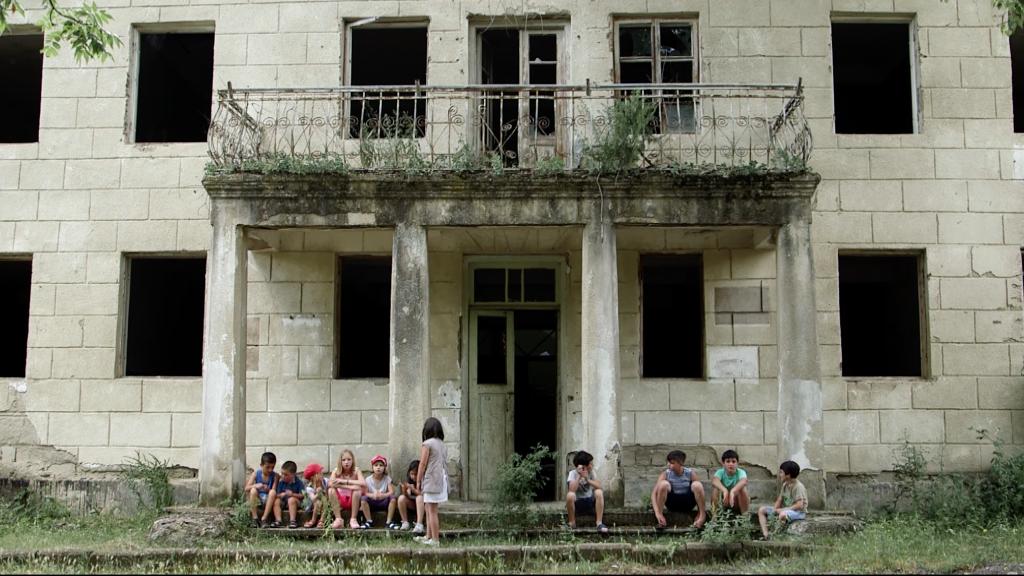
The city’s support for the use of crowdfunding, which is largely perceived as community work, created unprecedented conditions for transforming a single crowdfunding campaign into a collaborative movement of academia, public and private actors. It was centred around creating new opportunities for urban youth, and empowering them with cutting-edge skills and tools to take matters into their own hands. This example inspired others to follow: leading to the creation of the crowdfunding platform OrbelianiMeti.
Within UNDP the framework for this exploratory journey was provided by UNDP Innovation Facility and Country Investment Facility.
Starting a platform for civil society development/transformation in 2020 was no easy feat, given the tumultuous state of the world. However, through innovative and community-centered planning, TADAMON has made a significant impact on multiple non-governmental organizations across multiple regions.
TADAMON was founded by UNDP and the Islamic Development Bank (IsDB) with the intention of empowering CSOs from 57 member countries from the Organization of Islamic Cooperation (OIC). It provides these organizations with visibility, capacity-building training, and resources, with a strong focus on crowdfunding. Out of those 57 countries, 29 of them have endorsed our program so far. TADAMON’s aim is to serve as a bridge between CSOs, program partners, crowdfunding platforms, and citizens. While we serve 57 countries, we’ve prioritized seven countries over the last year: Kazakhstan, Morocco, Tunisia, Indonesia, Lebanon, Turkey, Somalia.
Of course, when TADAMON was first conceptualized, none of us could have predicted the effects of COVID-19 on communities and the organizations that serve them. In this time, we’ve seen COVID-19 shift a greater burden on women both in their homes and communities. The pandemic has also affected the medically vulnerable the most, showing as full-scale human, pushing the socio-economic well-being of people to the verge of collapse. What’s more, social distancing has transformed the way CSOs, multi-governmental organizations, and government entities work, often slowing down or entirely halting critical services.
At the same time, we’ve also seen an increase in innovation with regard to how organizations function, deliver services and solve problems. Much like how diamonds are formed under pressure, the pandemic has forced CSOs and governmental entities to come up with creative solutions, adopt digital approaches, and cooperate with one another. The work of CSOs has been more important than ever, as they’re directly helping those who have been affected most by the pandemic.
At TADAMON, we’ve contributed to helping many CSOs undertake the journey of digital transformation. In light of shrinking budgets, we’ve particularly supported CSOs in learning how to crowdfund (as digital fundraising has been essential during this time).
Our Crowdfunding Academy, an intense online training program, has received over 230 applications from CSOs in our focal area countries. From those applications, 80 applicants were selected to participate in the two-month academy.
Within the next month, we’ll have over 30 crowdfunding campaigns launched by CSOs that have participated in our training program – from filling potholes for smoother and safer roads in Lebanon to helping sustainable and natural agriculture.
Our Crowdfunding Academy works through a digital platform, making the training more accessible for an international audience and COVID-friendly. It’s run through the Kaya platform, part of the Humanitarian Leadership Academy, and it’s set up in three languages: English, French, and Russian. The training program aims to educate CSOs on effective crowdfunding practices.
Our digital training is not the only thing we’re proud of: in 2020, we focused on mapping civil society organizations in our priority countries. This mapping exercise will also expand to other countries soon. So far, we’ve mapped over 1000 organizations, mainly with the support of UNDP focal points in member countries. In addition to this, nearly 1000 CSOs have already signed up to the platform.
Since October 2020, we’ve convened six introductory workshops for CSOs from Kazakhstan, Somalia, Lebanon, Tunisia, Indonesia and Morocco, with another one scheduled to take place soon in Turkey.
Although the past year has been especially trying for CSOs, TADAMON has made significant strides in empowering organizations at a time when they need it the most.
Tadamon (Solidarity in Arabic) – Where good organizations become better
After one year of collaboration with the Islamic Development Bank (IsDB) on supporting non-governmental organizations (NGOs) and other civil society organizations (CSOs) in 57 OIC Member Countries, we’ve mapped and surveyed the civil society landscape across OIC Member Countries – to better understand and get to know the people and organizations at the forefront of grass-roots development, especially during the pandemic times.
Since we began, over 1000 CSOs have voluntarily signed-up to our Tadamon platform to receive support from IsDB, UNDP and other partners (through grants and capacity building), to gain more visibility, new partners and join forces to re-develop a strong ecosystem to empower CSOs.
Instead of relying on existing databases and directories, we decided to focus on crowdsourcing, so we designed an approach to specifically have CSOs come to us. We wanted to identify the most active organizations that would benefit from our program and activities, and by having CSOs sign up on the Tadamon platform this gave us the opportunity to survey and collect information on a set of key variables.
To cast the net as wide as possible, we allowed for a broad range of actors to apply with a limited set of basic criteria, followed by a rigorous verification by both UNDP, IsDB and relevant governments. For organizations to be able to sign-up on Tadamon and thus be included in the database, they needed to meet four basic criteria:
- Officially registered in their respective member countries;
- Do not have any political affiliations;
- Within the geographical scope of IsDB member countries,
- Their field of activities align with our main thematic areas (poverty reduction, working in development and supporting SDGs)
After signing up and passing our 3-step verification process, organizations gain access to participate in our activities: apply for national Crowdfunding Academies and other forthcoming capacity building programs; and are eligible for grants provided by IsDB. During the sign-up process, we ask a set of questions via a sign-up form that allows us to search and categorize CSOs according to a number of indicators ranging from activities, size, location, SDGs to the quality of their internet connection (to name just a few).
Most of the CSOs that have currently joined are based in our seven pilot countries where we first started our work: Indonesia, Kazakhstan, Lebanon, Morocco, Somalia, Tunisia and Turkey.
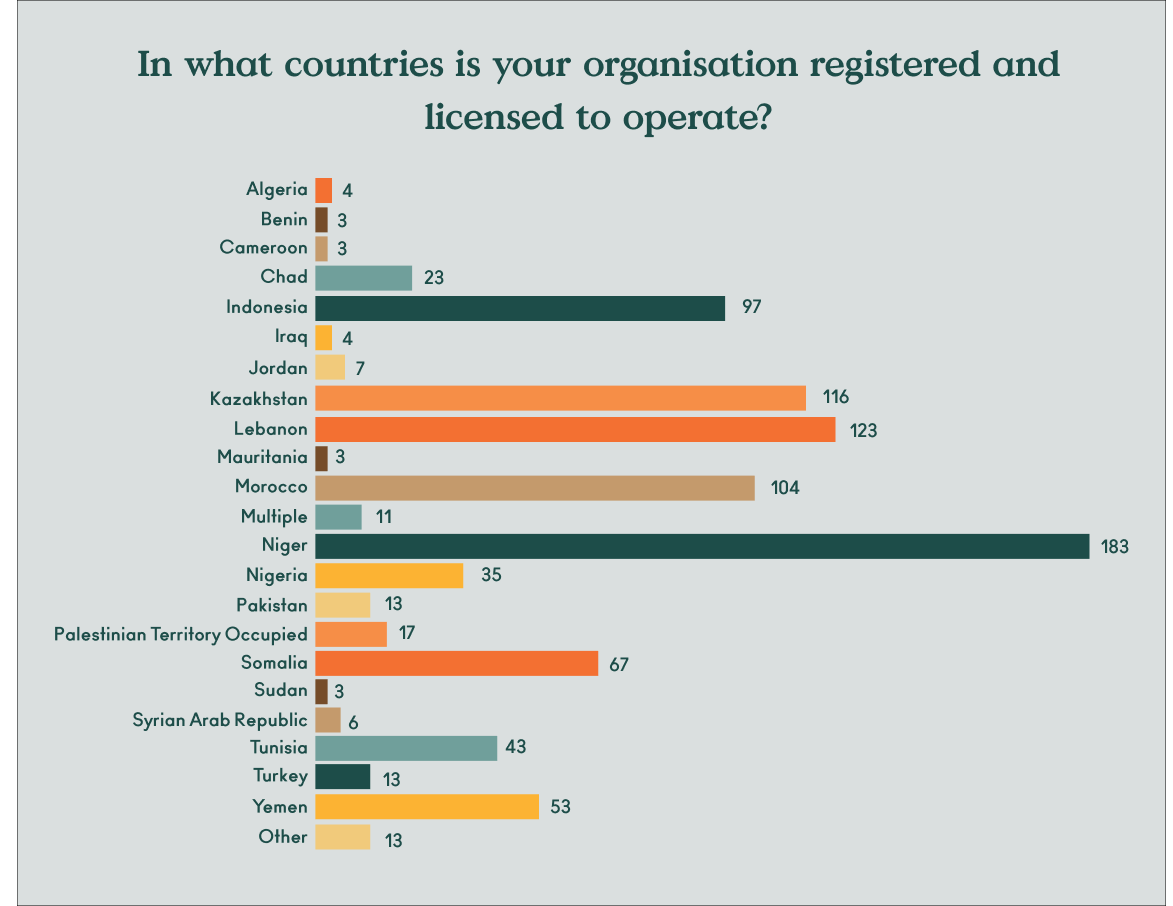
The outreach campaign aimed at raising awareness about the program among CSOs and was mostly focused within these seven countries. Organizations were also invited to spread the word and invite their respective networks beyond these countries.
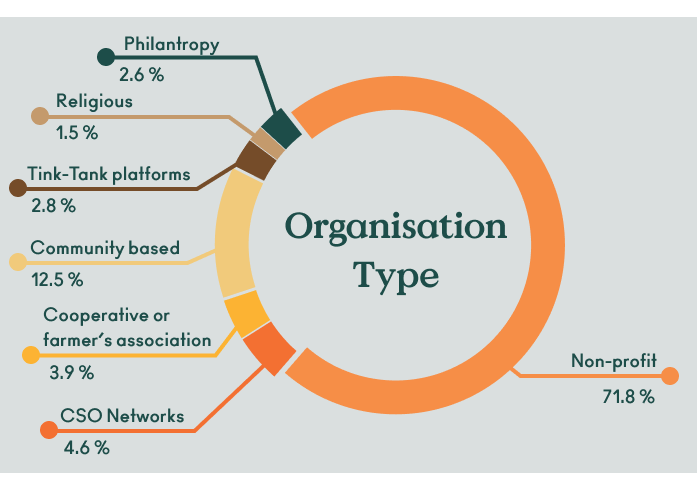
The majority of CSOs categorized themselves as non-profits (72%) and community-based organizations (CBOs) (12.5%). Cooperatives or farmers’ associations, CSO networks, philanthropies and think tanks constituted a minority.
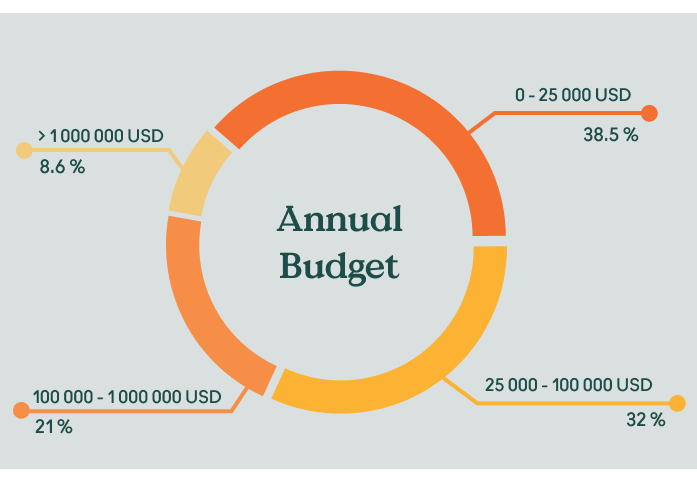
Among the CSOs that identified themselves as non-profits, small and medium-sized organizations dominated the landscape. 70% of the CSOs reported annual budgets of below $100,000 USD with over 38% of the total having a budget less than $ 25,000 USD (non-profits often operate with small budgets and their staff is usually comprised of volunteers rather than paid professionals).
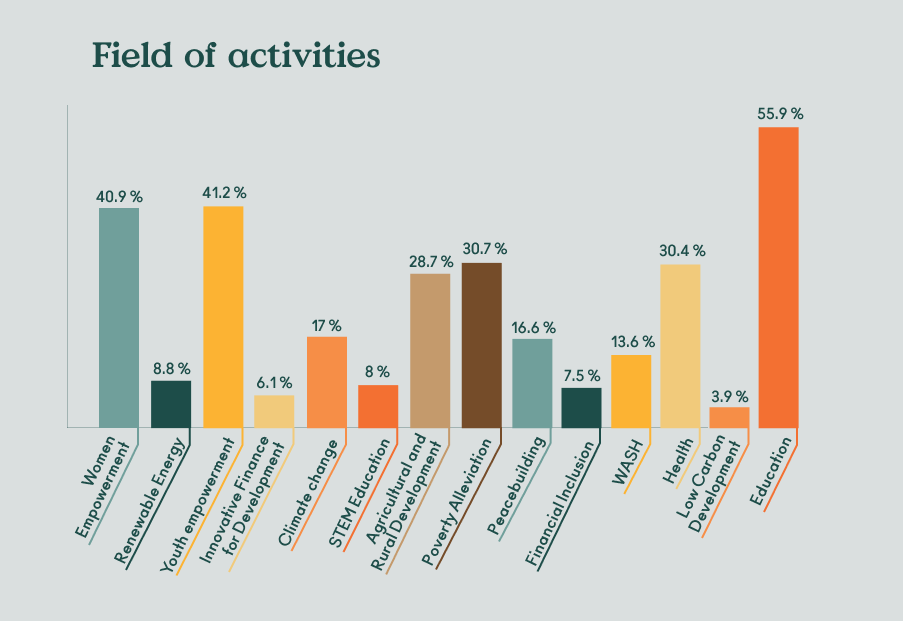
The small scale and focused activities are also reflected in the geographical reach as well as the types of activities most CSOs focus on. For example, the majority of organizations work on a local or national level on issues such as education, youth and women’s empowerment, poverty alleviation and health.
Similarly, when asking “Which SDGs would best describe the work of your organization” the most popular SDGs were: 1. No Poverty; 4. Quality Education; 3. Good Health & Well Being; and 5. Gender Equality, with an average of 50% of organizations reporting these as their priority goals.
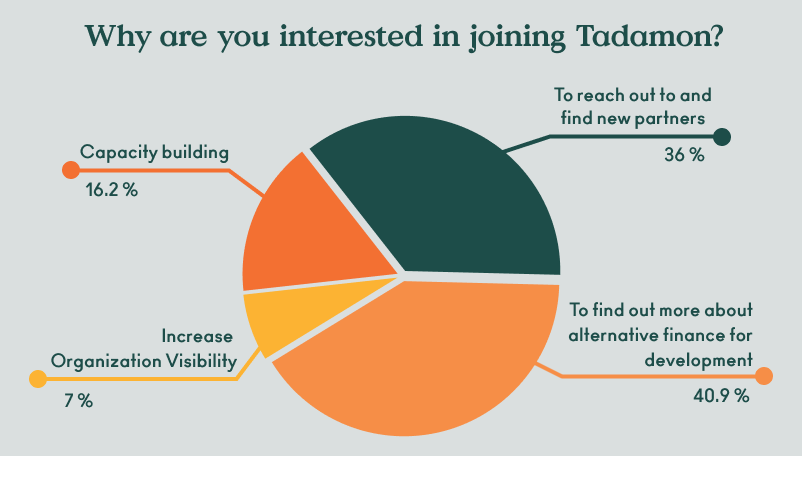
We found that most organizations that applied to the platform are new to UNDP and IsDB alike. An overwhelming majority of CSOs (83%) have not received previous funding from either UNDP or IsDB. This means that it is the first time and a new opportunity for them to engage with us. As a bulk of the empowerment activities are focused on alternative finance and networking with other organizations, most applicants also stated these as their main reasons for joining.
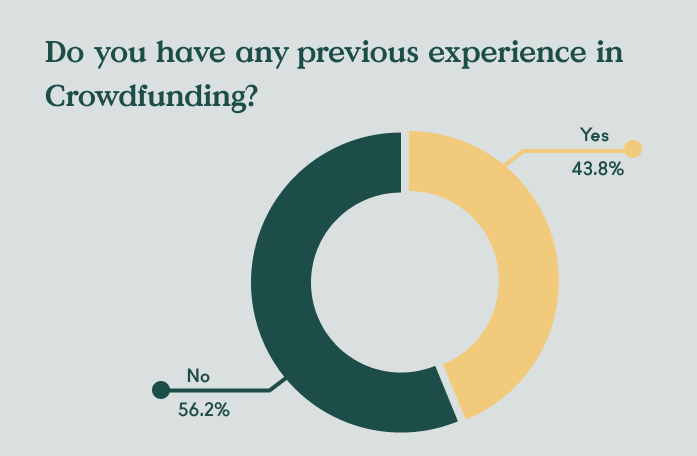
The motivation for CSOs to find new funding opportunities is also reflected in the overwhelming interest in our Crowdfunding Academies. To date we have organized a call for proposals in four countries and received nearly 250 applications. When we polled CSOs on the Tadamon platform on crowdfunding, we found that a substantial number already had experience, which demonstrates that this is already a popular tool among CSOs. However, the majority of organizations that have joined have no prior experience and see the platform and activities as a gateway to the world of crowdfunding.
What’s next?
Following the success we’ve had in our seven pilot countries, we are aiming to step up our efforts and take our CSO mapping efforts to the next level in 14 new countries this year. Additionally, Crowdfunding Academies will be organized in seven new countries and we are expecting to launch our Tadamon Pandemic Accelerator soon for innovative CSOs working in response to the COVID-19 pandemic. Our aim is to double the numbers of CSOs registered on our platform by the end of 2021, bringing an additional 2000 CSOs into our mapping database as well as to diversifying and improving the collected information.
The strength of our outreach campaign is also reflected in the means by which CSOs in OIC member countries have found out about Tadamon, with social media being the most effective tool for building awareness about the program.
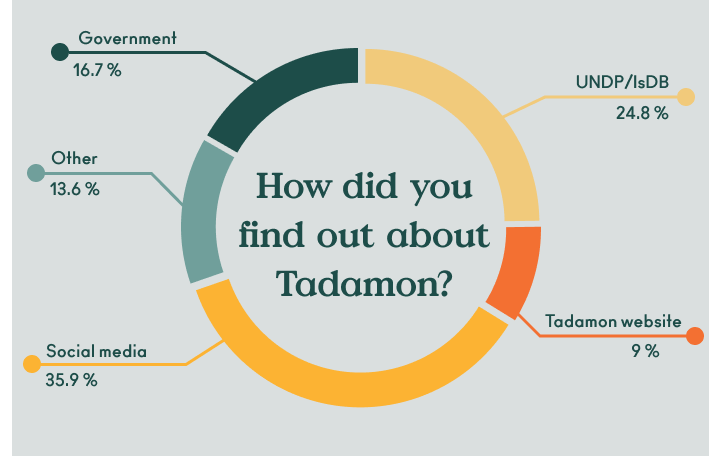
This has encouraged us to step up our efforts in creating a more interactive social media and online presence and promoting our member organizations by sharing their voices on our platform. This database can be used both by project partners, the CSOs themselves as well as donors to find like-minded organizations to partner up with or find projects to support. It also gives us a valuable window into the civil society landscapes and ecosystems of each country we work with to better understand the needs and resources on the ground.
We are continuously working to update the Tadamon platform with new campaigns from organizations graduating from our Crowdfunding Academies, capacity building opportunities, calls for grants, and success stories from the project. We will continue to publish our findings online so stay tuned and sign up for our newsletter at tadamon.community.