
Category: Innovative finance
The United Nations Development Programme (UNDP) in Europe and Central Asia is co-organizing the Blockchain4Good virtual summit on October 30-31, 2024. This event aims to explore the transformative potential of blockchain technology in strengthening international aid and advancing the Sustainable Development Goals (SDGs).
The two-day summit will bring together a diverse ecosystem of partners, including several UN agencies, nonprofits, blockchain platforms, impact investors, and innovative startups. By fostering collaboration between international development agencies and blockchain innovators, the event seeks to ignite new discussions and partnerships that can drive positive change on a global scale.
“At UNDP, we see blockchain as a game changer for sustainable development. Its capacity to provide secure, transparent, and decentralized solutions has the potential to revolutionize how we address poverty, inequality, and climate change. By working with partners across sectors, we aim to unlock blockchain’s potential to create more inclusive and resilient systems,” says Ben Thompson Coon, Analyst on CSO Community Management, UNDP Europe and Central Asia.
The summit will feature four thematic sessions exploring critical global challenges: financial inclusion, climate resilience, food security, and equitable education. Each panel will examine how blockchain solutions are currently being utilized or could be implemented to create a more equitable world.
UNDP is co-organizing the Blockchain4Good virtual summit with Innofund, a blockchain startup focused on creating solutions for international development, and Positive Blockchain, in partnership with Sustainable ADA. The summit will also feature participation from other UN agencies, including UNHCR for Switzerland, UNICEF, and FAO.
Despite global progress, 1.4 billion people remain ‘unbanked’ worldwide, often excluded from vital financial services and trapped in cycles of poverty. The climate emergency, ongoing conflicts, and depleting resources further exacerbate these conditions. Blockchain technology offers promising solutions to these challenges. It has the potential to provide secure, low-cost financial services to the unbanked, create verifiable digital identities, and make aid distribution more efficient and transparent. Additionally, blockchain can enable innovative funding mechanisms like quadratic funding, strengthen monitoring and evaluation through payment data, and improve supply chains and ownership models.
“Blockchain has the power to really change how development and humanitarian agencies work,” says Alex Macbeth, co-founder of Innofund, the company that conceived of the virtual summit. “We are confident that Blockchain4Good is the bridge that will create the necessary introductions and partnerships.”
The event will further explore how blockchain technology can be harnessed to eradicate poverty, reduce inequalities, and build resilience to crises and shocks. Register for the event today: https://blockchain4good.vfairs.com/.
Istanbul, September 24 – Powered by the United Nations Development Programme (UNDP), BOOST, a regional impact acceleration programme, is launching an initiative for innovative financial solutions for urban transformation
The Western Balkans region has long faced financial difficulties in securing adequate funding for urban development. Cities often grapple with strict regulations, limited budgets, and a lack of interest from investors, among other things. This has made it particularly challenging to pursue sustainable, green, and inclusive urban growth. Yet, there are promising innovations emerging in how cities organize themselves and finance development, enabled by a stronger civil society and digital technologies such as blockchain, machine learning, and AI, that are beginning to unlock new ways to bridge resource and financial gaps and empower growth.
The BOOST: Urban Future Finance acceleration programme seeks to identify, accelerate, and scale emerging or existing innovative financial solutions. By doing so, it aims to catalyze urban transformation and unlock growth potential across the region. Up to 20 innovative financing solutions will be selected to participate in this unique opportunity, receiving comprehensive technical assistance from UNDP and partners.
The BOOST programme is open to a diverse array of applicants – from startups and social enterprises to non-profits, municipalities, and academic institutions – who are based in or plan to deploy their solutions in Albania, Bosnia & Herzegovina, Kosovo1, Montenegro, North Macedonia, or Serbia. In addition to access to a network of investors, cities and innovative finance experts, the selected participants will benefit from tailored training sessions and personalized mentorship in key areas such as impact measurement, business model development, and digital transformation. To qualify, applicants must have developed at least a Minimum Viable Product (MVP) and demonstrate their solution’s potential to drive innovation, scalability, and measurable social, environmental, and/or economic impact.
UNDP is committed to reimagining urban finance to overcome the barriers to sustainable urban growth. “Through this new acceleration programme, we strive to catalyze urban transformation in the Western Balkans by nurturing innovative financial solutions that bridge funding gaps, engage communities, and unlock sustainable development potential in cities across the region,” says Ievgen Kylymnyk, UNDP.
The deadline for applications for the BOOST: Urban Future Finance acceleration programme is October 21, 2024. The programme will kickstart with a four-week long BOOSTCamp, including an in-person event in November 2024. This will be followed by personalized mentorship, peer-to-peer learning and pitch training, which will culminate in a Demo Day in April 2025 where participants will have the chance to pitch to UNDP, cities and potential investors. This journey will equip participants with the tools, networks, and expertise necessary to further develop, expand and scale their innovative finance solutions for urban growth.
As a regional initiative, powered by UNDP Europe and Central Asia, the BOOST programme is committed to advancing urban development through cutting-edge financial solutions. The programme is funded by the Ministry of Finance of the Slovak Republic and offers participants a comprehensive acceleration journey to help them strengthen their business models, embed impact, explore new financing options, and integrate digital technologies.
For more information on the BOOST: Urban Future Finance acceleration programme and how to apply, visit BOOST website, and register for our information session on October 10, 2024 at 11 CET.
Contact information:
Svetla Baeva, Communications Lead, Innovation Team, UNDP Europe and Central Asia
Email: svetla.baeva@undp.org
About UNDP
UNDP is the leading United Nations organization fighting to end the injustice of poverty, inequality, and climate change. Working with our broad network of experts and partners in 170 countries and territories, we help nations to build integrated, lasting solutions for people and planet. Learn more at undp.org or follow at @UNDP.
About BOOST
BOOST is a regional impact acceleration programme, powered by UNDP Europe and Central Asia. It harnesses innovation for development by reimagining our future and nurturing a community of innovators in the region.
1 References to Kosovo shall be understood to be in the context of United Nations Security Council resolution 1244 (1999).
The Green Tokens project, led by the UNDP IRH Innovation Team, is a new pilot initiative designed to assess how using a reward-based token system can address environmental challenges in urban areas. In Skopje, North Macedonia and Podgorica, Montenegro, the project looks into emerging technologies to tackle major city pain points such as bio-waste management and public transportation, to promote eco-conscious behaviour among residents and businesses.
Backed by the Slovak Transformation Fund and the Resource Mobilization Facility in this exploration phase, the project has also drawn on the expertise of several Web3 leaders and organizations. Furthermore, through collaboration with local municipalities we ensured that the research integrates the specific conditions of the cities of Skopje and Podgorica.
Hold on – what are green tokens?
Green tokens refer to digital or blockchain-based tokens that are used to promote and support environmental sustainability and eco-friendly initiatives. In essence, it is a digital reward system designed to encourage eco-friendly behaviors among residents and businesses in cities. They can represent various types of assets or rights and are typically associated with projects that have a positive environmental impact. For example, by earning tokens for actions like reducing waste and conserving energy, residents and businesses can directly contribute to environmental sustainability while benefiting from rewards.
Building the green path forward
To understand whether green tokens would be a good fit, the Green Tokens project has undertaken a series of feasibility studies and blueprint development for both Skopje and Podgorica. These studies were essential in identifying existing challenges and opportunities in bio-waste management and public transportation improvement.
- In Skopje, the feasibility study looked into significant challenges in bio-waste management, which constitutes a large portion of the city’s municipal solid waste. The study identified inefficiencies in the current system, leading to increased landfill usage and greenhouse gas emissions. It proposed integrating blockchain technology, IoT-enabled smart bins, and a user-friendly mobile application to incentivize waste separation and recycling.
- In Podgorica, the feasibility study focused on promoting sustainable public transportation to reduce greenhouse gas emissions. Given the city’s current public transport challenges, such as outdated infrastructure and high-ticket prices, the study suggested a token-based reward system to encourage residents to shift from private car usage to public transport, walking, and cycling.
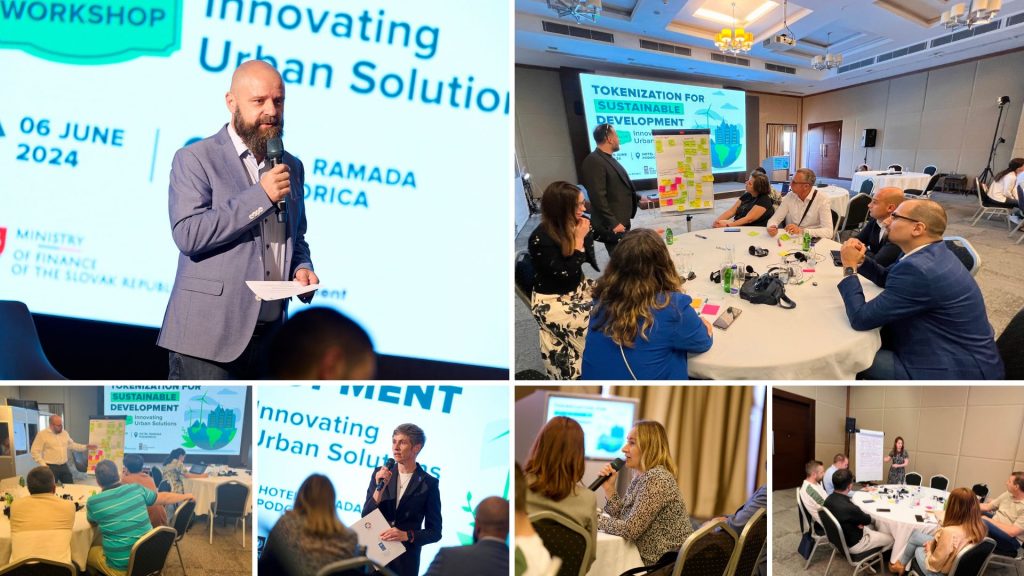
During a co-creation workshop, held in Podgorica in June 2024, which engaged 30 participants from Skopje, Podgorica, and Bar, plus external experts from various institutions and Web3 communities worldwide, we designed potential interventions and gathered valuable feedback to finalize the blueprint development. The event helped build momentum and foster collaboration among stakeholders for the project’s next phases.
The blueprints for Skopje and Podgorica provided detailed technical specifications, system architecture, and implementation strategies.
- For Skopje, the blueprint emphasized leveraging the Cardano blockchain for secure and transparent transaction management and deploying smart bins equipped with IoT sensors for real-time bio-waste monitoring, enhancing biowaste separation and recycling. Additional recommendations included integrating urban farming initiatives, using compost from bio-waste, for community gardens and rooftop greening projects, as well as organizing educational campaigns to boost public awareness about the benefits and value of bio-waste.
- In Podgorica, the blueprint included modernizing the bus fleet, improving route coverage, and integrating electronic ticketing systems to make public transport more attractive and reliable. It also recommended developing a raising awareness campaign to promote sustainable mobility and adapting an existing app to track eco-friendly activities as well as earn tokens and redeem rewards to encourage the use of public transport, walking and cycling.
Next steps
In its exploratory phase, the Green Tokens project has paved the road to understanding how green tokens and other technologies can transform the management of public assets and services in cities. Going forward, engaging local and international partners, as well as securing funding from municipal, private, and community sources, will be critical for the project’s expansion and long-term sustainability. Additionally, the developed model has the potential to be scaled, with plans in place to roll out the token system in other cities, using the blueprints and feasibility studies to assess its applicability and possible integration, bringing environmental and economic benefits across cities in the region.
The Emerging Futures: Digital Partnerships for Sustainable Finance event, organized by the United Nations Development Programme (UNDP) from July 1-3, 2024 in Istanbul, brought together hundreds of participants from over 30 countries to explore the transformative potential of digital and blockchain technology in achieving the Sustainable Development Goals (SDGs).
The event kicked off with leaders from UNDP and the Islamic Development Bank (IsDB) emphasizing the importance of digital partnerships in driving sustainable finance. The opening sessions included a comprehensive review of the Tadamon program, sponsored by The Islamic Solidarity Fund for Development (ISFD), managed by IsDB, and implemented by UNDP. From 2020 to 2024, significant progress was made in empowering local civil society organizations (CSOs) across 57 OIC member countries, including training over 700 CSOs in crowdfunding and business acceleration, contributing to resource mobilization for projects totaling $13.6 million, creating a network of 4100 CSOs (3226 of which are verified), launching 231 crowdfunding campaigns visible on Tadamon, and more. Panel discussions provided a platform for engaging conversations on the needs and opportunities for CSOs, scaling up results, and innovative digital fundraising strategies for the upcoming new Tadamon project phase.
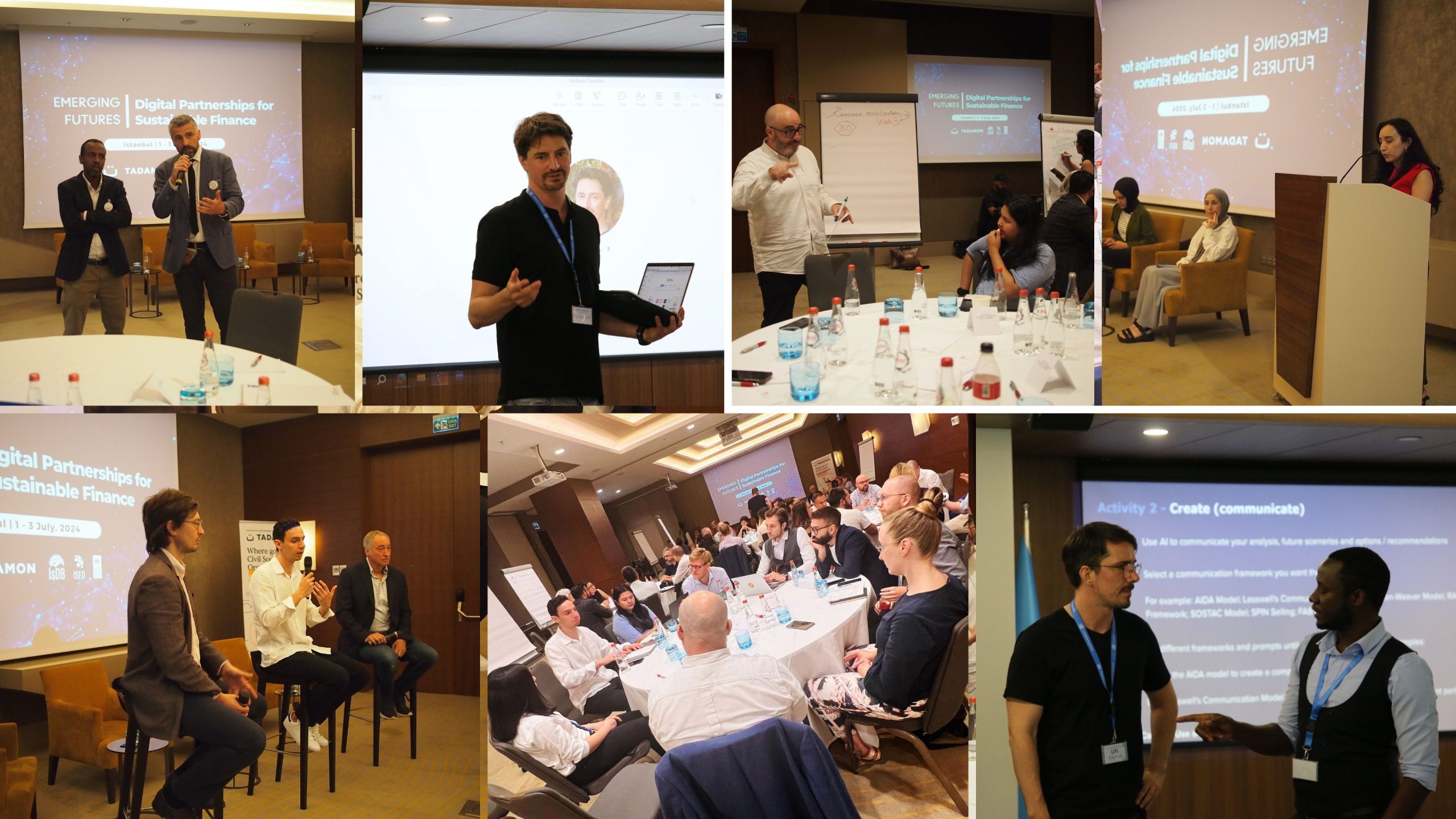
In addition, the event featured a series of motivational talks and panel discussions led by key stakeholders in the blockchain and development sectors, such as representatives of the Cardano Foundation and Algorand Foundation. They highlighted how blockchain can enhance transparency, boost efficiency, and build trust among various stakeholders, including CSOs. Not merely theoretical, these discussions showcased tangible outcomes and case studies that demonstrated blockchain’s potential in real-world applications.
One of the significant highlights was the launch of the Algorand Blockchain Academy, aimed at equipping UN staff with essential blockchain skills. This initiative underscores our commitment to leveraging cutting-edge technology for sustainable development. Participants attended workshop sessions that covered a wide range of topics, including digital identity, supply chains, traceability, digital payments, tokenization, carbon credits, and health applications of blockchain.
Participants also emphasized strengthening partnerships and expanding networks among UN agencies, non-profit organizations, tech developers, and leaders in the blockchain industry – crucial for efficiently building, testing, validating, and scaling solutions. Discussions further explored innovative blockchain financing mechanisms aimed at supporting SDG Impact development projects and other UNDP initiatives to improve accessibility and effectiveness in the financial landscape.
On the final day, participants took part in a Generative AI training session on AI fundamentals, effective prompting techniques, and practical applications relevant to UNDP. It included a series of practical exercises to create prototypes as well as lightning talks on real-world AI applications and current trends.
The Emerging Futures: Digital Partnerships for Sustainable Finance event concluded with a strong call to action for expanding education on digital technologies and fostering collaborative partnerships to drive innovation and effective solutions in sustainable finance.
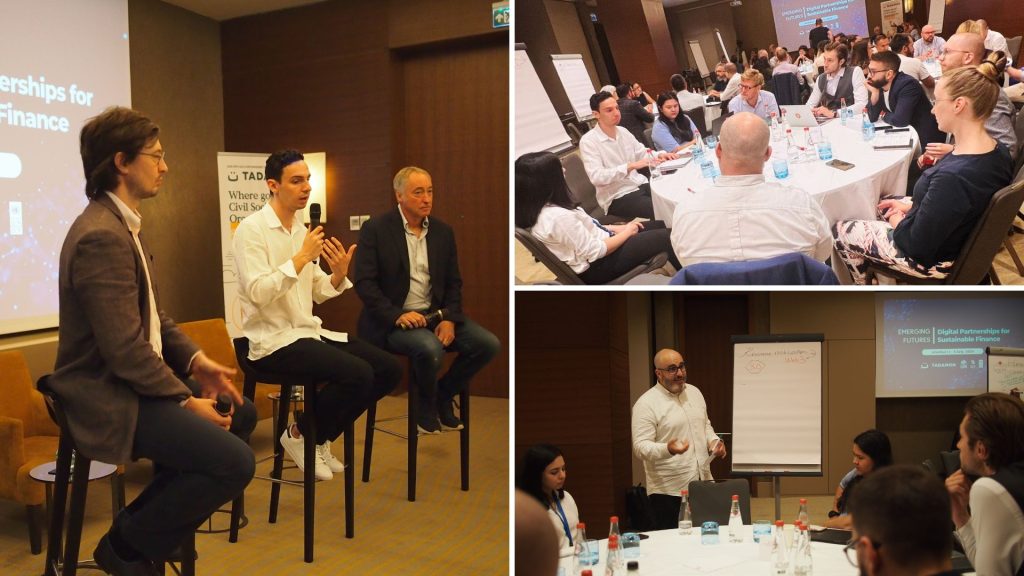
Emerging Futures: Digital Partnerships for Sustainable Finance, a blockchain-focused event organized in July by UNDP, with the financial support of ISDB, provided an in-depth exploration into how blockchain can revolutionize the landscape of development and humanitarian efforts, particularly in advancing the SDGs. It brought together hundreds of participants from over 30+ countries, reflecting a global interest in harnessing digital technology for sustainable development.
Blockchain as a catalyst for change
The event featured a series of motivational talks and discussions led by key figures in the blockchain and development sectors, such as representatives of the Cardano Foundation and Algorand Foundation. They highlighted how blockchain can enhance transparency, boost efficiency, and build trust among various stakeholders. Not merely theoretical, these discussions also showcased tangible outcomes and case studies that demonstrated blockchain’s potential in real-world applications.
One of the standout sessions focused on blockchain’s role in creating sustainable financing models, diving into topics like digital payments, tokenization, and the issuance of carbon credits. These mechanisms were discussed as a means to effectively mobilize resources, underlying the UNDP’s commitment to innovative financing through its AltFinLab Digital Partnership Strategy.
Fostering collaboration and building trust
The event also emphasized strengthening partnerships and expanding networks among UN agencies, non-profit organizations, tech developers, and leaders in the blockchain industry. There was a concerted effort to create a cohesive platform for all stakeholders to collaborate more closely on implementing blockchain solutions – crucial for efficiently building, testing, validating, and scaling. The event also underscored the synergy of cross-chain collaboration and the significant community impact, reinforcing the vision that together, we can achieve greater and more effective changes.
Additionally, practical demonstrations and pilot projects were highlighted, where innovative applications were tested in controlled environments. These pilots showcased the benefits of blockchain and offered scalable models for addressing global challenges.
Discussions further explored innovative blockchain financing mechanisms aimed at supporting the SDG Impact development projects. The event introduced the potential of blockchain funds designed specifically for partnership projects with the UN, promoting sustainable financial models across UN projects.
Mainstreaming blockchain education
The workshop also marked the launch of the Algorand Blockchain Academy, created in partnership with UNDP, which aims to empower UN staff with the necessary skills to effectively utilize blockchain in their operations. This educational initiative is critical for enabling the effective use of blockchain technology across UNDP and beyond. What’s more, educational sessions ran parallel to the main discussions, providing hands-on experiences aimed at demystifying blockchain for newcomers and deepening the technical understanding for those already familiar with the technology.
Looking ahead
With the groundwork laid out and the tools provided, the next steps involve deepening the implementation of blockchain initiatives, expanding educational efforts, and continuing collaborative partnerships that drive innovation and effective solutions. The event not only highlighted the potential of blockchain but also set the stage for a future where these technologies are central to achieving global development goals – from blockchain-based financial services that provide banking access to unbanked populations to tracking food supply chains from farm to table, ensuring food safety or reducing waste.
The Algorand Blockchain Academy, an initiative developed by the United Nations Development Programme (UNDP) and the Algorand Foundation is ready to launch in September 2024. The Algorand Blockchain Academy, which completed its beta phase in May 2024, aims to provide comprehensive blockchain education, hands-on experience, and mentorship support to UN staff worldwide. This initiative marks a significant step towards leveraging blockchain technology to achieve Sustainable Development Goals (SDGs).
The vision and genesis of the Algorand Blockchain Academy
The collaboration between the Algorand Foundation and UNDP is rooted in a shared vision of utilizing cutting-edge technology to tackle global challenges, with blockchain seamlessly integrated into development efforts. The Algorand Blockchain Academy aims to equip over 120,000 UN employees across 170 countries with the knowledge and tools needed to harness blockchain technology effectively. The initial focus areas include financial inclusion, supply chain transparency, real-world asset tokenization, and more.
Doro Unger-Lee, Head of Education and Inclusion at the Algorand Foundation, highlighted the significance of this initiative: “Education is the cornerstone of innovation. By equipping development professionals with the knowledge and skills to use blockchain technology, we are taking a crucial step towards practical, on-the-ground solutions that can address some of the world’s most pressing challenges. Our goal is to inspire and empower participants to become leaders in their fields, using blockchain to foster sustainable and inclusive growth.”
The beta phase: Lessons learned and moving forward
The beta phase of the Algorand Blockchain Academy, which ran from February to May 2024, involved participants from six different UN agencies. The curriculum comprised seven modules delivered over 12 weeks, featuring a mix of self-paced pre-recorded content and live events, supported by personal mentorship from blockchain experts and entrepreneurs in the space. Participants praised the quality of the training, noting its relevance to their work and the practical applications of blockchain in development contexts.
Plans for global expansion in 2025
Teodor Petricevic, Digital Partnerships and Accelerator Lead at UNDP AltFinLab, the flagship UNDP initiative behind the Academy, shared his vision for the Algorand Blockchain Academy: “As we look ahead to 2025, our mission is to expand the reach and impact of the Algorand Blockchain Academy on a global scale. We are not only committed to continuing the education of UN staff but also to extending our programs to civil society organizations worldwide. This will enable a broader range of stakeholders to leverage blockchain technology for sustainable development. Moreover, we plan to offer the Algorand Blockchain Academy’s resources to other prominent development agencies to foster a more inclusive and interconnected global development community. By doing so, we hope to create a network of blockchain-educated professionals who can drive forward sustainable development initiatives with enhanced transparency, efficiency, and accountability.”
Expanding horizons
The Algorand Blockchain Academy’s success in its beta phase and its strategic enhancements set the stage for a transformative educational experience for UN staff. This initiative not only aims to upskill UN employees but also to create a robust community of blockchain-savvy professionals capable of leveraging this technology to drive sustainable development.
As the Algorand Blockchain Academy prepares for its official launch, it stands as a signal of innovation and collaboration, showcasing the potential of blockchain technology to revolutionize development practices and achieve a scalable global impact. Stay tuned for more updates on the Algorand Blockchain Academy and its journey towards fostering a globally connected and technologically empowered community.
The United Nations Development Programme (UNDP) is excited to announce the Tokenization for Sustainable Development event, a pivotal component of the Green Tokens initiative. This event is dedicated to promoting sustainable urban development through the adoption of cutting-edge technologies that foster eco-friendly behaviors among citizens.
As the global focus intensifies on environmental sustainability and urban efficiency, this event seeks to transcend traditional financial mechanisms and cultivate innovative practices that can transform urban landscapes. Key stakeholders from Podgorica and Bar, Montenegro, along with a delegation from Skopje, North Macedonia, will come together to share knowledge, collaborate on various innovative approaches, and expedite the adoption of sustainable initiatives.
The event will underscore the significance of emerging technologies, particularly tokenization, in encouraging eco-friendly behaviors among citizens. Participants will explore how these technologies can be integrated into urban development plans to create more sustainable and efficient cities. Additionally, the event aims to highlight existing tokenization cases and best practices, showcasing their potential impact on urban development and environmental sustainability.
One of the highlights of the event will be the presentation of findings from feasibility studies on tokenization conducted in Podgorica and Skopje. These findings will provide a foundation for gathering feedback and insights, which will be crucial for refining and implementing future projects. Additionally, a co-design session will engage participants in exploring various tokenization models and prioritizing actions for developing a blueprint for sustainable urbanization.
By bringing together together various stakeholders – municipal authorities, government agencies responsible for urban planning, transportation, waste management, and environmental sustainability, as well as experts in blockchain technology and digital innovation, representatives from academia, international organizations, civil society organizations, and community groups – the event aims to ensure a diverse and comprehensive dialogue and fuel cross sector partnerships and connections.
Climate change, technological disruption and other issues are profoundly shaping the trajectory of our cities. Interconnected challenges are converging in front of us, creating a complex landscape that demands action beyond business as usual.
Across Europe and Central Asia, demographic shifts like declining birth rates and rapid aging are straining economies and social systems. Youth unemployment rates are twice as high as older workers. While older populations are less concerned about climate change, young people see it as an existential crisis and demand urgent action – they have a very real stake in environmental impacts playing out over longer timelines.
Emerging learning from the City Experiment Fund
Cities are the hotspots where these challenges are most acute and intersectional. The need to accelerate green and just economic transitions crosses with broader forces reshaping their future:
- Cities’ outsized environmental footprints from industrial activity, transportation emissions and concentrated populations, requiring substantial shifts in how they address sustainability;
- A digital revolution transforming how people work, live and engage with urban environments at an exponential pace, testing cities’ abilities to adapt infrastructure and services;
- Decentralization trends empowering local communities to develop innovative policy solutions tailored to their needs are also fragmenting the landscape of urban governance and straining municipal resources.
- Public trust in institutions eroding even as the need for rapid innovation is increasing.
For UNDP, catalyzing sustainable development means embracing this convergence in cities not as a risk, but as an opportunity for bottom-up transformation.
Enter the “portfolio” approach. Through initiatives like the City Experiment Fund, a partnership with Slovakia’s Ministry of Finance, we assembled collaborative portfolios in five pilot cities – Skopje, Almaty, Stepanavan, Pljevlja and Pristina – we focused on complex urban challenges like air quality, circularity, public spaces and employment.
Rather than pursuing city development projects in isolation, these pilot portfolios became hubs for experimentation – building local capacities in systems thinking, fostering co-creation between unlikely partners and allowing ideas to rapidly evolve based on continuous feedback loops. For example, finding synergy between landfills and the social impact ecosystem to rethink how urban organic waste can be turned into a valuable resource.
The initial results from this approach have been encouraging. Municipalities appreciated the flexibility provided to design and adapt initiatives based on real-time feedback from a wide range of grassroot actors on the ground. This created an environment where experimentation could occur without rigid constraints – a “failing forward” mindset took root, viewing missteps as learning opportunities rather than failures.
Three major shifts dominated the focus across the portfolios: 1) accelerating a green and just transition by addressing air pollution, waste issues, fossil fuel dependency, unsustainable transportation models and lack of green infrastructure; 2) tackling demographic challenges like depopulation, brain drain, loss of human capital and shrinking cities; and 3) tapping into new economic opportunities around circularity and the future of work.
Across these areas, a common thread emerged – navigating uncertainty around how transformation could unfold, and building novel coalitions to drive change, like the civic-municipal partnership returning vibrancy to Stepanavan, Armenia or Montenegro’s National Council for Sustainable Development working on a just transition. The portfolios provided a solid framework for city teams to embrace this complexity. What resulted were not narrow projects but an expanding web of complementary interventions mutually reinforcing each other.
From city portfolios to regional urban innovation cohorts
Encouraged by these initial impacts, UNDP and partners are embracing a more ambitious vision – forming thematic regional cohorts unified by common challenges, transitions and development patterns that transcend geographical boundaries.
Creating groups oriented around emergent themes – recently highlighted at in Slovakia – democratizes innovative solutions by distributing experimentation across a broader network, and simultaneously scales the impact.
Potential thematic areas include youth empowerment to create decent work opportunities that also drive sustainability goals; decentralized, participatory governance models that unlock local policy innovation; and the twin transition towards green economies and digitalization as a unifying platform for reducing emissions/pollution, enhancing environmental resilience and catalyzing smarter, more agile cities.The portfolio architecture will evolve iteratively based on an ongoing process of listening, learning and adaptation to emerging issues, risks and opportunities and changing urban landscapes.
A case for new urban solutions and financing approaches
Systemically addressing these converging urban challenges, however, requires significant financial resources. The global urban financing gap is estimated at a staggering US$1-3 trillion annually, underscoring the urgency of unlocking new funding sources and innovative financial mechanisms.
The regional forum explored a range of emerging approaches and tools:
Quadratic funding for participatory budgeting allows citizens to express their preferences more effectively. Its combination of voting and crowdfunding increases participation, improves decision-making and can even increase the overall budget for projects through citizen donations.
New avenues for value exchange: Inspired by Vienna’s “Culture Token”, a blockchain-based pilot that rewards citizens for environmentally-friendly behaviors like cycling or walking, tokens earned based on saved CO2 emissions can be redeemed for cultural event tickets. This type of cross-sectoral value exchange can help foster more sustainable behaviors while also supporting cultural institutions and creating a shared sense of civic engagement. Meanwhile, they support cities’ climate neutrality goals and create economic exchange in new spaces.
Blended finance and risk-sharing mechanisms: International Financial Institutions (IFI) are increasingly using blended finance approaches to crowd in private investments for sustainable urban projects. This can involve using public or philanthropic funds to de-risk investments, provide technical assistance or structure projects to create more attractive risk-return profiles for private investors. We will be partnering with IFIs too catalyze more private financing for small and medium-sized cities that may otherwise struggle to access funding.
By aggregating smaller, thematically-aligned projects across multiple cities into cohorts, it becomes possible to structure larger financing propositions better suited for these kinds of blended or risk-sharing instruments. City cohorts will also benefit from the strategic integration of UNDP’s regional acceleration programme BOOST.
The key is to move beyond grant-based funding for individual projects and instead design new financing models that are adapted to the complex, mission-driven nature of urban transformation. This requires close collaboration between cities, financial institutions and others, and the City Experiment Fund will continue to foster this and serve as a laboratory for rapidly testing, iterating and diffusing these innovative approaches across city networks.
***
The complex challenges facing cities require new approaches that break down siloes and unlock the creative potential of local stakeholders. The Slovak Transformation Fund (a flagship partnership project between UNDP and the Ministry of Finance of the Slovak Republic) invites partners across sectors to collaboratively explore these new paradigms with us.
Reposted from UNDP Europe and Central Asia’s website.
How can cities get the support they need to achieve their climate ambitions? This conversation in partnership with the City Climate Finance Gap Fund explores how local governments can strengthen cities’ capacities in climate finance.
UNDP’s Head Disaster Risk Reduction & Recovery for Building Resilience Ronald Jackson opens the talk with remarks on cities and urban spaces being an important player for climate and disaster risk reduction action, because (1) urbanization will only intensify over the coming decades, (2) most development trends will be concentrated in cities, (3) there is a discernible urbanization of climate impact and disaster risk and (4) deficits pertaining to governance resources and capacities constrain cities’ ability to meet existing needs and emerging priorities.
To set the table, UNDP Istanbul Regional Hub’s Regional Project Manager – Mayors for Economic Growth Tina Stoum presents ways Mayors for Economic Growth, a network of 425 municipalities, can help secondary cities explore new trajectories of growth within planetary boundaries, with a focus on how can cities and towns can become more livable and attractive for people. She is followed by UNDP Climate Hub’s Climate and Cities Technical Specialist James Vener, who articulates how the Climate Promise, a global initiative supporting 127 countries and territories, helped design national climate strategies, to then help cities move from policy to implementation of concrete actions on the ground, using NDCs (Nationally Determined Contributions) as tools for sustainable development.
Then Global Engagement Lead for the Gap Fund-GCOM Partnership Helena Monteiro deep dives into the core of the topic by going through how the Gap Fund can support municipalities’ climate strategy development and capacity building through technical assistance and knowledge sharing.
Two municipalities then share their collaboration experience with the Gap Fund: Acting Head of Street Infrastructure Office Pavlo Syrvatka for Lviv Municipality, Ukraine expands on a project supporting the city’s street design to make it more favorable for pedestrians and cyclists, and Project manager for the International Cooperation Office Teodora Kusovac for City of Podgorica, Montenegro tells us about the municipality’s key learnings on implementing green infrastructure, by measuring public buildings impact on heat island effects, flooding risks, and energy efficiency.
The talk closes by an engaging Q&A session addressing cities’ eligibility to receive assistance from the Gap Fund, ways to mobilize partners and stakeholders to create a collaborative environment, and partners cities can reach out to for funding.
Find the speaker presentations: Tina Stoum, James Vener and Helena Monteiro.
In an effort to strengthen resource mobilization, UNDP kickstarted six Crowdfunding Academies (CFA) across the globe. This initiative aims to equip teams with the expertise required to organize and launch successful crowdfunding campaigns – focusing not only on fundraising, but also community building, creating greater visibility for UNDP’s work and testing various innovations.
The response to the open call for the UNDP Crowdfunding Academy (CFA) has been impressive – nearly 250 applications – with some applications coming from UNDP Country and Regional Offices worldwide, as well as UNDP global teams. They are all eager to mobilize funds for projects aligned with key thematic areas such as inequality, climate and nature, and crisis and conflict.
The CFA, a joint initiative between the Bureau of External Relations and Advocacy (BERA), responsible for UNDP’s external relations and advocacy functions, and UNDP AltFinLab, a flagship project at UNDP Europe and Central Asia promoting alternative finance for development. The first CFA started in 2015; and in the last four years that we are running the global open call, we have organized four academies with over 50 teams participated; which resulted in 17 crowdfunding campaigns launched and over USD 3.1 million mobilized.
The 2024 UNDP Crowdfunding Academy (CFA) will be conducted in two phases, catering to six cohorts: a Global CFA, a joint CFA for Europe, Central Asia & Asia-Pacific, a CFA for Latin America and the Carribean, a CFA for Arab States, and finally two CFAs for Africa, a general and thematic one focused on Nature, Climate and Energy.
The first phase will focus primarily on capacity-building, giving selected participants the skills and knowledge necessary to effectively use individual giving and crowdfunding for their projects and initiatives. This interactive two-month online training program will cover diverse crowdfunding approaches, campaign strategy development, partner engagement, and communication tactics. The curriculum, tailored to meet the specific needs of participants, comprises 13+ interactive sessions on SparkBlue, each complemented by informative videos, quizzes and assignments to enhance learning. Additionally, participants will receive ongoing mentorship from a pool of crowdfunding experts, ensuring personalized support.
Following the capacity-building phase, a total of around 10 teams will be selected for the second phase, Campaign Accelerator, to advance their skills to the next level by launching a crowdfunding campaign in 2024. Participants will be chosen based on demonstrated commitment & interest, campaign idea, budget and other resources, and team cohesion. During this phase, teams will work on fine-tuning their ideas, building their campaign strategy, forging partnerships, and creating their communications strategy. Each team will work with a dedicated group of mentors over the course of two months via interactive and practical 1:1 training sessions, aimed at accelerating their campaign ideas.
Crucially, mentorship lies at the heart of the CFA experience. Participants receive ongoing support from crowdfunding experts, guiding them through the intricacies of fundraising campaign planning and execution. With access to UNDP’s fundraising platforms and operational support, participants will be equipped to create compelling campaign pages and engage donors securely and reliably.
The impact of the CFA extends far beyond individual projects, fostering a culture of innovation and collaboration within UNDP and beyond. As teams gear up to launch their campaigns, they are poised to drive meaningful change and realize their project goals, amplifying UNDP’s impact in communities worldwide.
Stay tuned for updates as upcoming individual giving campaigns take shape, furthering UNDP’s mission to address global challenges and create positive impact for communities worldwide.
Unveiling new horizons – our commitment to transformative change
Over the last decade, blockchain technology and cryptocurrencies have undergone a significant cycle of hype. As the Alternative Finance Lab (AltfFinLab) in the Innovation team at UNDP Europe and Central Asia, we were there to witness and learn more by experimenting ourselves. We are now convinced that we stand at a juncture where powerful technological solutions can also accelerate development endeavors. Read more about what we have learned and how we are planning to unlock the blockchain potential for development across UN(DP) through unrolling training programs and the use of blockchain-based solutions.
When we talk about using blockchain technologies and cryptocurrencies for development – it’s time we also move away from outdated associations with Bitcoins and speculative bubbles. Instead, we are referring to technology with the potential to ensure the legal identity of almost 1 billion people, offer financial inclusion solutions to 1.4 billion unbanked people, instil more trust in areas like agriculture through track-and-trace systems, accelerate financial aid through smart contracts and transparent payments, and create opportunities for tokenizing assets and impact investments.
This endeavor goes beyond mere technological adoption; it represents a shift in approach to development. We see blockchain as a pivotal tool for enhancing transparency, efficiency, and accountability. Our dedication to embedding blockchain in our projects is driven by its potential to expedite progress toward the Sustainable Development Goals (SDGs), thereby fostering more inclusive, effective, and resilient development models.
Where it all began – our blockchain legacy
The narrative of UNDP AltFinLab’s involvement in blockchain is a rich tapestry, interwoven with various groundbreaking initiatives, each strand representing a step forward in our ongoing journey towards innovation and impact. In 2015, we started exploring blockchain and crypto opportunities together with other UNDP frontrunners, including at the Alternative Finance Conference we organized. Since then, we have facilitated the implementation of smaller-scale initiatives in over 10 countries worldwide, exploring best case practices for how to proceed forward.
2019 marked a milestone with our support for ‘The Other Bar’, an innovative project pairing chocolate bars with a ‘digital passport’ to trace the cocoa journey from bean to bar. More than just a product, each bar carried an impact token, offering consumers an opportunity to reinvest in the very farmers and communities who crafted their chocolate. Additionally, we have been involved in other projects on democratizing energy production and consumption in Serbia and Lebanon, enabling efficient, sustainable, and community-driven energy trading. What’s more, our collaboration with UNDP Lebanon led to the birth of CedarCoin in 2020, a digital impact coin designed to funnel investments into impactful projects within Lebanon.
In Bahrain, we undertook a unique initiative to create blockchain stamps (green energy certificates) for energy generated from solar panels. With the European Commission, we worked on a blockchain accelerator to implement several more solutions in the solar energy sector (in Serbia and Lebanon), as well as to track and trace agricultural products (fair supply chain for argan oil in Morocco).
Each of these initiatives represents a vital chapter in our blockchain legacy. Far from mere experiments, they were foundational steps towards grasping the immense potential of blockchain in tackling global challenges. They underscore our belief that blockchain is not just a tool for digital transactions but a catalyst for meaningful change, capable of addressing some of the most pressing issues faced by our communities today.
Today’s blockchain chronicles – scaling new peaks
Our current chapter in blockchain is as thrilling as it is transformative. We have designed and initiated multiple blockchain initiatives for 2024. This endeavor aims to encourage innovation within UNDP, fostering a culture of exploring cutting-edge technologies and solutions. For this, we have established several strategic partnerships in the last few months with the Algorand Foundation, Cardano Foundation and Polygon Technologies. In addition, the UNDP AltFinLab team also onboarded six blockchain visionaries and experts from our global network to embark on a six-month mission to pioneer novel blockchain applications in development assistance.
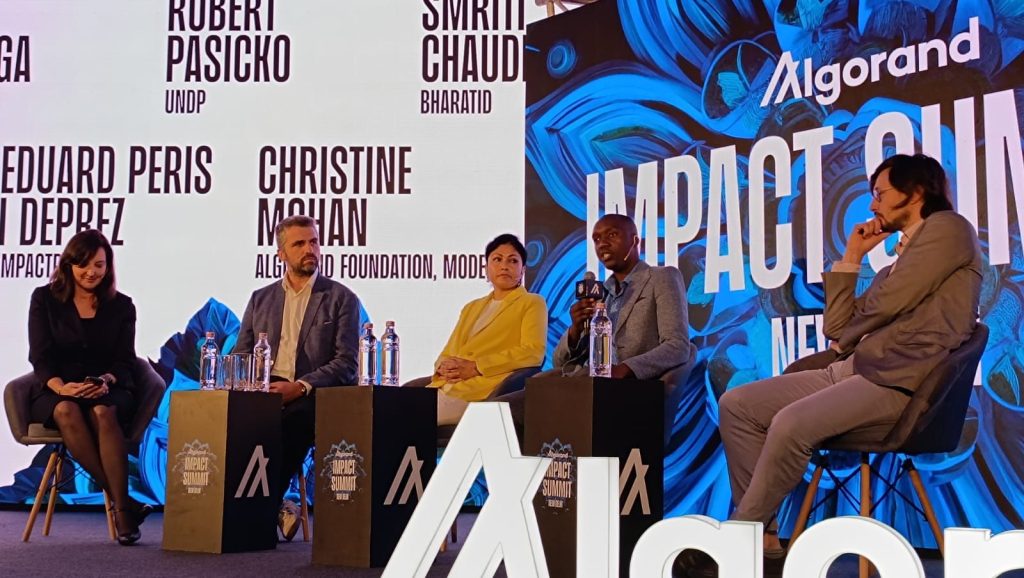
Together with Algorand, we are developing our upcoming Algorand Blockchain Academy, a significant stride towards training UN staff on Web3 and blockchain technology. In collaboration with UNDP Digital Giving and building upon the UNDP Crowdfunding Academy training program, this initiative aims to equip UNDP employees, as well as staff from other UN agencies, with practical knowledge and applications of blockchain in the context of sustainable development. Set to roll out as a beta version in Q1 2024, the Algorand Blockchain Academy will also offer mentorship support to UNDP Country Offices (CO) initiating or developing blockchain development projects.
Furthermore, as part of our program, we plan to develop acceleration programs with funding for the most promising UNDP CO blockchain projects. This approach not only underlines UNDP’s commitment to utilizing blockchain technology for global challenges but also fosters a culture of continuous learning and innovation, opening new fundraising opportunities for pilots and experiments. Together with the UNDP Chief Digital Office and the UN Innovation Network, we are exploring ways to design and manage an effective and impactful UN Blockchain Community of Practice, as well as how we can create environments (playgrounds and sandboxes) to test and validate blockchain-based solutions in various UN development projects.
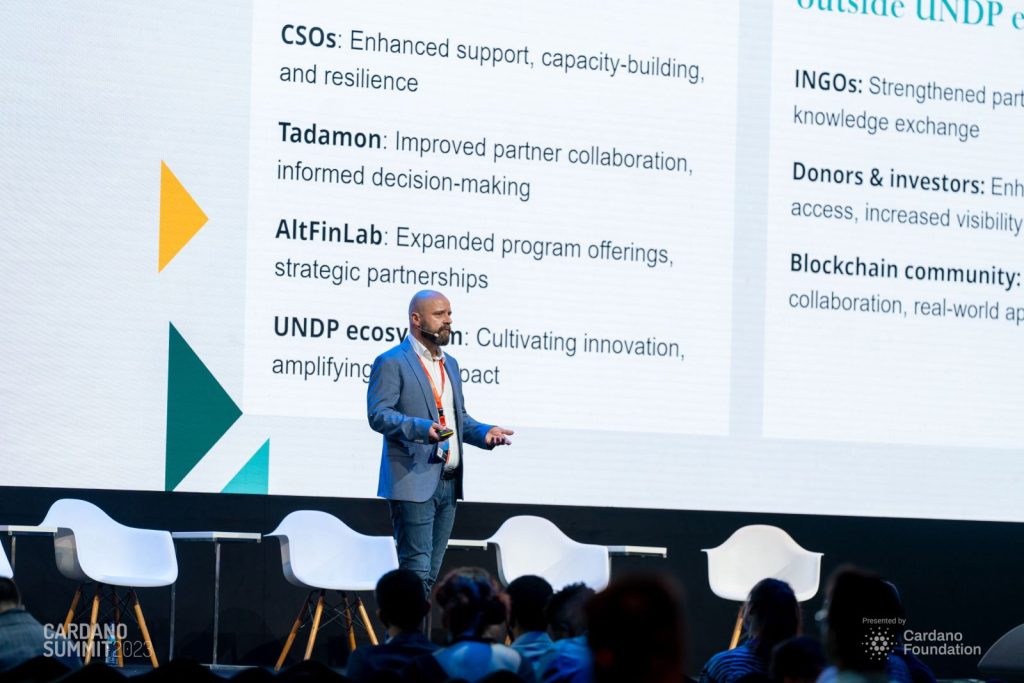
Our collaboration with the Cardano Foundation, announced in early November 2023 at their Annual Summit in Dubai, marks another significant milestone. Each year, through the Cardano Global Impact Challenge (GIC), the Cardano community focuses on blockchain-based solutions for development organisations, like the 2022 partnership with Switzerland’s UNHCR for a charity stake pool. This year’s GIC aims to revolutionise not only the Tadamon program, a multiyear initiative empowering civil society organizations, in partnership with the Islamic Development Bank and Islamic Solidarity Fund for Development, but also other UNDP development projects. Together with Cardano, we aim to establish an automated engine for a verified database and monitoring of civil society ecosystem development across multiple countries where AltFinLab operates. Finally, with Polygon Technologies, we are planning to jointly accelerate and incubate innovators working on the development issues using blockchain, and to learn from their experiences on working with startups.
In addition to our partnerships with blockchain foundations, we have also initiated a number of collaborations with private companies. One such transformative initiative is our partnership with Innofund, and several other UN agencies, on the Tadamon Web3.0 multi-platform. This platform aims to revolutionize grantmaking, crowdfunding, and matchmaking by integrating state-of-the-art Web3.0 technology. Focusing on aid distribution, systematic impact investment, cross-border money transfers, payments, and impact measurement, the platform is poised to significantly streamline and enhance the efficiency of these vital processes. This venture marks a major advancement in leveraging blockchain technology for more effective and transparent global development efforts.
Looking ahead – the future of blockchain in development
Our journey with blockchain is just beginning. As we gaze into the future, a horizon brimming with exciting new initiatives and dynamic partnerships awaits us – from accelerators to incubators. Our efforts go beyond merely fostering new ideas; we are actively shaping a new paradigm. The upcoming e-learning training for UN(DP) employees is set to spark a global discourse on blockchain’s role in sustainable development. Additionally, our 2024 blockchain partnership event, to be hosted in the Western Balkans, is poised to be a hub of innovative ideas and collaborative efforts.
An invitation to co-create the future
As we move towards this new phase of testing and experimenting with blockchain at UNDP, our commitment to unlocking its full potential remains unwavering. But to do this, collaboration should be at the heart of this endeavor. Thus, this is also an open invitation to technologists, development professionals, innovators, and dreamers: join us in spearheading this digital revolution. Your ideas, active participation, and engagement are the lifeblood of our mission. Together, let’s build a future that is inclusive and resilient, driven by blockchain technology, where every innovation and effort propel us towards a universally prosperous world.
Stay tuned for updates, insights, and inspiring stories from the forefront of blockchain and development.
(Edited by Svetla Baeva, Communications Lead, UNDP IRH)
The United Nations Development Programme (UNDP) announces a partnership with Innofund, a blockchain development firm dedicated to creating Web3 solutions that address societal challenges. Together, they will explore leveraging blockchain technology for sustainable development, by addressing governance challenges, promoting financial inclusion, and driving social impact.
Innofund powers Cashdillo, a crowdfunding and grant management platform, which will support UNDP on addressing various challenges, including grant allocation and management, provision of advanced fundraising tools, automating co-financing mechanisms, optimizing data collection, and ensuring seamless impact reporting.
“This new partnership will be first deployed across our work on civil society empowerment through the NGO Empowerment for Poverty Reduction Programme (Tadamon), led by UNDP, ISDB and ISFD, which focuses on supporting civil society organizations (CSOs) by providing capacity-building and development trainings for fundraising and business acceleration,” says Robert Pasicko, UNDP Istanbul Regional Hub’s expert for alternative finance and low carbon development. “We are looking forward to explore and develop blockchain applications to address development challenges in UNDP development projects.”
Notably, blockchain technology will be leveraged to enhance transparency, with the platform offering a comprehensive suite, including matchfunding, crowdfunding, grant management, and an ESG data engine, harnessing the benefits of blockchain such as smart contracts, decentralization, and data transparency.
“We are delighted to be able to partner with UNDP, one of the world’s largest and most respected development agencies, to pilot our bespoke grant management and crowdfunding platform,” says Alex Macbeth, one of the Cashdillo’s co-founders. “We are confident that introducing web3 elements can make the grant management process more efficient and transparent, and ultimately more beneficial for CSOs working on major development challenges, as well as major donors and implementing agencies like UNDP”.
The partnership with Innofund comes as part of a series of collaborations with blockchain technology organizations to build UNDP capacity through education and training and unroll practical applications for sustainable development. Find out more about UNDP’s partnership with Algorand Foundation here and with Cardano Foundation here.
About UNDP:
UNDP is the leading United Nations organization fighting to end the injustice of poverty, inequality, and climate change. Working with our broad network of experts and partners in 170 countries and territories, we help nations to build integrated, lasting solutions for people and planet. Learn more at undp.org or follow at @UNDP.
Photo by Shubham Dhage on Unsplash