Category: Digital transformation and emerging tech
The following piece was first published on the AltFinLab blog and was originally published on February 16, 2018.
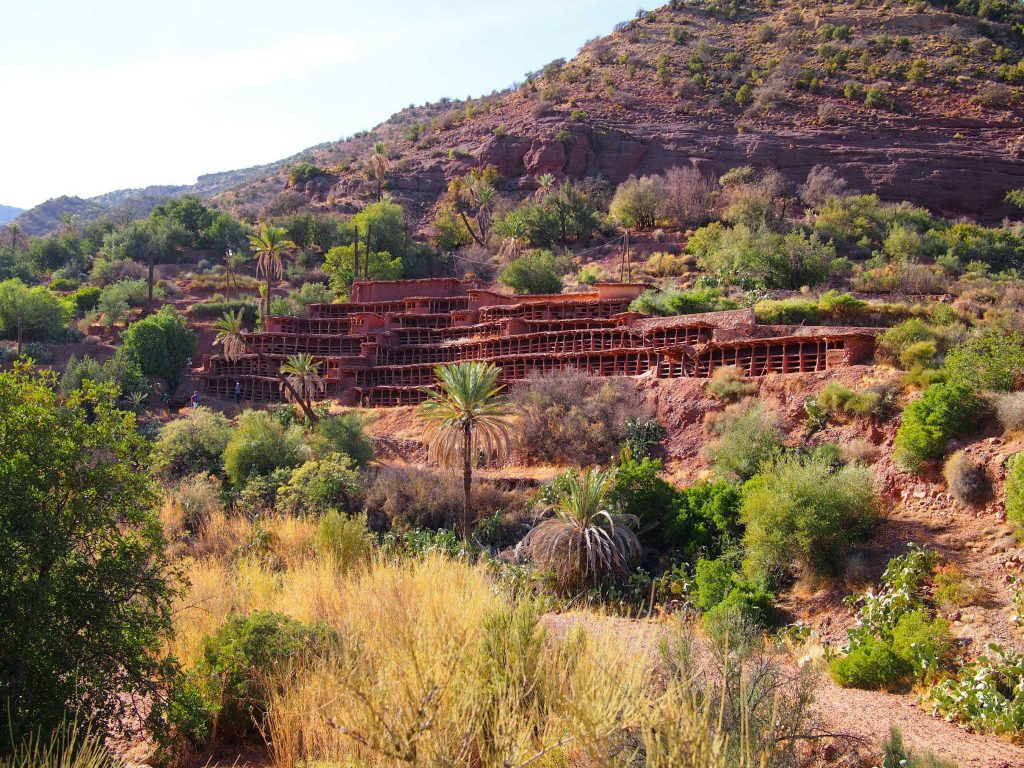
Argan trees are so much more than just trees in rural Morocco. In many cases they are the only income for local indigenous women. Argan nuts are being turned into Argan oil that is being praised by cosmetic industry for its anti-aging and conditioning properties for skin and hair. Since the beauty-cult started some 20 years ago, over 200 women’s Argan oil cooperatives have been organized for collecting nuts and turning them in to “desert gold” and sold worldwide.
However, most of them lack cash for expanding their businesses beyond just simple collecting nuts as conservative funding is not easily assessable for local cooperatives and farmers. Many villages throughout the Argan forest area lack the proper funding needed to open production facilities. Facilities like the women’s Argan oil cooperatives have shown to be extremely beneficial to the development of local communities, providing women with paid employment for the first time in history. Without investments to produce their own oil and to sell it directly on-site to tourists, argan oil is often sold in Morocco at volumes 8-10 lower than in Europe. Without investing in the production and distribution process, Argan cooperatives are just getting a small fracture of the product value. And harvesting the trees can only be profitable if they are preserved – which is often problematic due to goats climbing the trees and hurting their health. New trees need to be planted, and existing ones preserved.
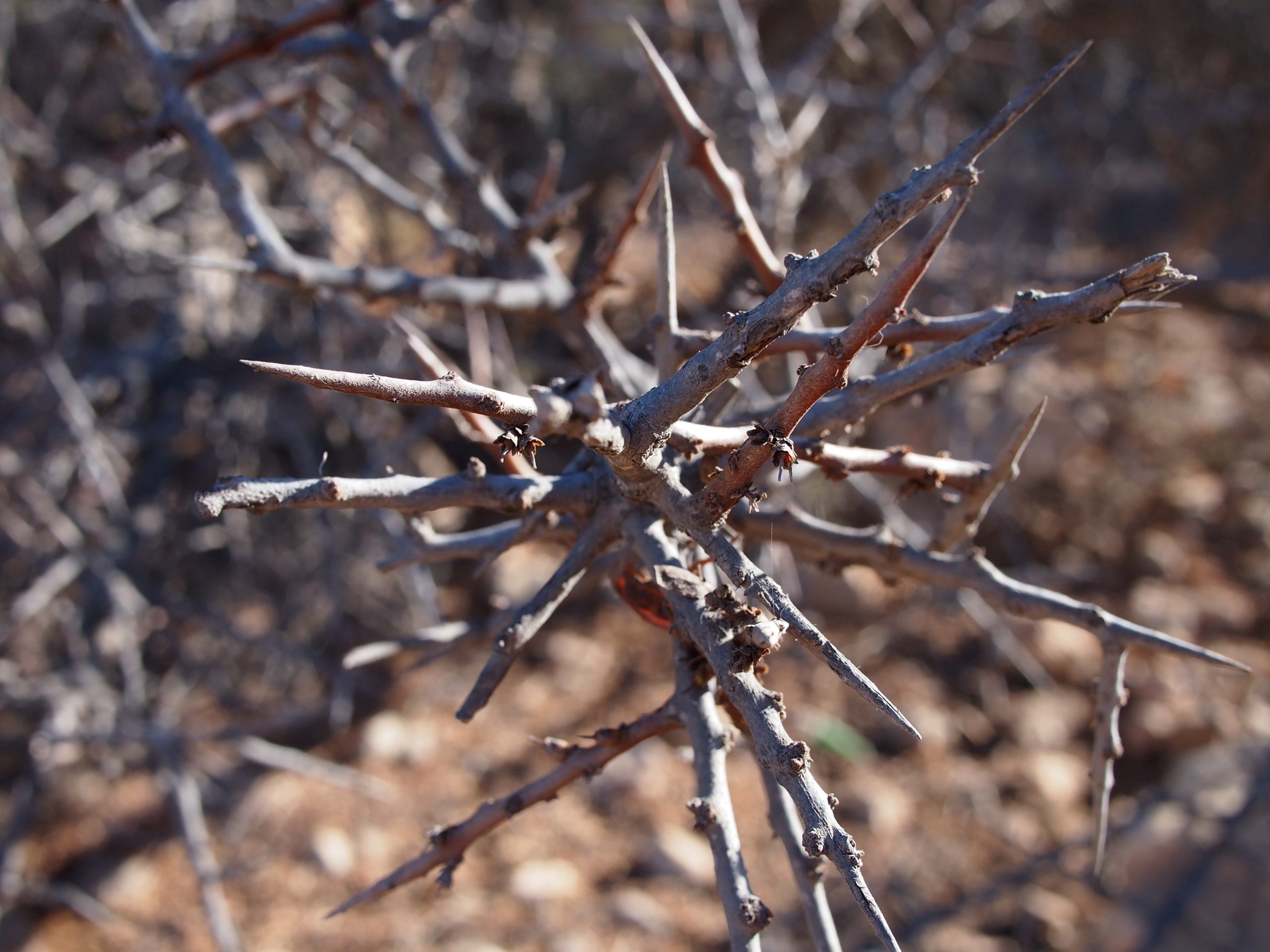
Apart from the economic value, Argan trees play a huge role in the natural ecosystem. With their incredibly deep roots (down to 35 meters!) they are stopping/slowing desertification by preserving soil. Argan Biosphere Reserve extends over 2.5 million hectares in the semi-desert of south-western Morocco. In a way, they are similar to the mangrove trees that are preventing floods in the area they grow in. Practically all the world`s Argan oil resources are coming from this part of Morocco, as the trees are extremely hard to transplant to other areas of the world. This makes it even more important to protect, as it is one of the oldest trees in the world having survived the tertiary era.
So, how can crowdfunding help in bringing the necessary funds to Argan oil cooperatives and make their business more sustainable – enabling them to plant new trees, buy oil processing machines and develop direct selling points? We hope to have first proofs soon – as through UNDP project “A Circular Economy Approach in the Souss-Massa Region of Morocco” we will connect the first cohort of women’s Argan cooperatives to organizations already present in this field; such as Argan Care, which has been working on planting, rehabilitation, women’s Argan oil cooperatives helping them with new equipment, facilities, general organizational skills and even literacy programs for the employees.
First, the KIVA crowdlending platform. KIVA has already done amazing things – such as brought over $ 1 billion to over 1,6 million lenders worldwide – elevating them from poverty by providing them small loans for micro and small businesses, usually invisible to large traditional financial institutions. And good thing with bringing KIVA onboard is – there are no specific needs for crowdfunding loans within the country – as financing is provided from abroad and distributed through local partners (microcredit institutions or banks). Second, while crowdfunding legislation is under development in Morocco, first local crowdfunding platform Cotizi is already operating – currently only enabled for donations which is limited in size and possibilities (to understand different business models for crowdfunding check our Guidebook for crowdfunding). Third, besides Cotizi and KIVA, we also connected the Bettervest platform for investments in green energy which already supported over 60 projects worldwide – allowing citizens to invest as little as 50 EUR in for example solar power plant in Benin, for example. We explored crowdfunding options not only for Argan coops but also for beekeepers, rural hotels and sustainable tourism (you can see here which options have we recognized). We decided to focus on having the first successful crowdfunding projects with our partners in 2018. After first cohort of Argan cooperatives gets experienced with crowdfunding – we are scaling it up and opening it for everybody.
Last year on the margin of the UN climate summit in Marrakesh, idea on payments for ecosystem services were presented as a nature driven solution to “softly adapt” to changing climate conditions pointing out to the necessity of providing cash for nature, to keep Argan oil flowing in Morocco’s hills. Mentioned project aims to set up a new eco-label certifying that value chains for local agro-biodiversity products are biodiversity-friendly and sustainable in terms of underlying ecosystem services with a focus on Argan oil, honey, aromatic and medicinal plants, almonds and tourism. We would like to connect it to crowdfunding – for both funding and visibility. How can we support it with UNDP Global Crowdfunding Academy? Stay tuned!
The following piece was first published on the AltFinLab blog and was originally published on November 3, 2017.
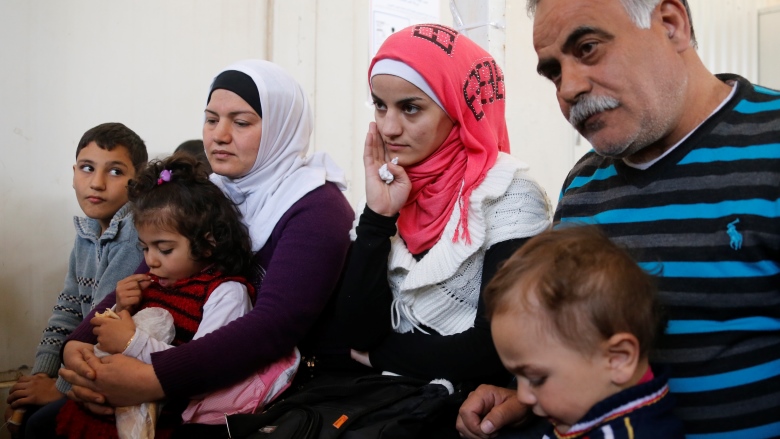
Technology can both empower and disempower. At a recent workshop on blockchain, we landed a challenge: how can we use it to facilitate refugee integration?
I am an immediate misfit in the dynamic multiverse of people speaking in code. But at this USAID event led by the UNDP Alternative Finance Lab and AID:Tech, I wasn’t the only one.
My team, half tree-huggers and half tech gurus, started our brainstorming with this question: what do we have in common? The answer was a strong sense of identity. That fragile sense of self, inflated when our boss pats us on the back and shattered when somebody “swipes left”.
Displaced people often struggle with identity loss. It isn’t just about that “blood and soil” sense of belongingness that disappears when houses, families and an entire mosaic of memories are left behind. It is also the more abstract notion of dignity that ebbs and flows as you knock on doors that don’t open or file asylum and job applications without success.
After ten minutes of philosophizing, we identified our target group: refugee families in transit. More specifically, in camps or settlements. How do they get by? Some may have their own means, savings or earnings. But most rely on vouchers, cash transfers and the like, handed over by humanitarians, development banks, municipalities or governments.
There are many ways to use and abuse that system – most notably if one family member thinks that he/she knows best, but their best isn’t in everyone’s best interest. While a mother may need health services, her 17-year old son might want to learn the local language to be able to start a -business one day.
And of course, this is assuming that all family members’ wants and needs are underpinned by rational choices that would maximize their income and well-being. In reality, though, not all of them want to fight. Some of them just want to forget.
Can blockchain help those of them that want to pursue happiness to do so? Can it help organizations managing camps or settlements keep better track of the aid that they distribute and the demand for different services?
In comes our tradeable token system! Think of it as creating a refugee micro-economy: every individual aged 16+ could register for a personalized blockchain profile and start receiving a monthly package of tokens. The use would be limited to a set of services, which could include food, education and training, healthcare, and so on. Using their mobile phones, refugees could then start exchanging tokens based on what they need at that moment.
Having the digital footprint of blockchain would also help those of us in the humanitarian arena to get a better sense of what displaced people want. This way, we could get better at tailoring our toolkits to assist them. Then, refugee communities could transition from survival to making choices about their present and investing in their future. They could, perhaps, regain a sense of self, of their new identity.
In the end, our team won the workshop challenge. We were excited: Could this actually work? Where do we find someone mad enough to pilot it? That remains to be seen.
Coming up with innovative solutions to development challenges is the easier part. What we need to figure out now is how to integrate them into our day-to-day operations at UNDP.
- 19 percent of people often use domestic remittance services and 40 percent of households receive international remittances;
- Remittances, bill payments, and airtime top-ups are the top three requests for digital finance applications to address;
- 20 percent of users are unsatisfied with international remittance services and spend an average of 39 minutes collecting their money;
- 69 percent of respondents wants to use digital finance options for everything.
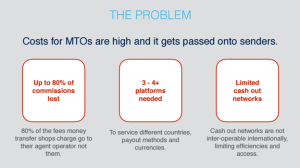 This is what we wanted to find out with our partner BitSpark company, the world’s first cash in, cash out blockchain remittance platform.
Some of the fees in the traditional methods of remittance can vary from a very competitive 1 percent to a higher 3 percent in fees and a variable fee on the exchange rates of around 0-2 percent. This results in the common migrant worker paying the equivalent of about US$5 per transaction (on an average US$250 remittance) but this also does not factor in the last mile costs. To pick up the money, the family may need to send a taxi to the nearest town, who will hand over their bag of cash. Or the money transfer shop may have run out of cash for the day to pay over the counter at collection, meaning a costly wasted trip. The lack of a digital payment system means unseen costs add up.
Comparatively, Bitspark’s fees are decided by its customers and the money transfer shops. The fees are approximately 1 percent, with the possibility to receive payment digitally (i.e.using a mobile phone digital wallet), eliminating ‘last mile’ costs. With this system, the average migrant worker can save 50 percent on their transfer fees which over time, adds up to a lot and means more money in the local economy.
 Using a Blockchain-based system for money transfers would enable businesses to reduce their capital requirements, improve their oversight of payments, and enable regulators a more detailed oversight over KYC (know your customer) information. But most importantly, for the end user this ultimately results in lower costs, faster payments, and more coverage to unbanked areas of the country.
With this pilot project UNDP AltFinLab hopes to leapfrog the financial sector in a country where 70 percent of the people doesn’t even have a bank account. Can money transfer using blockchain be that change for good?
The following piece was first published on the AltFinLab blog and was originally published on July 18, 2017.
The spirit of gotong royong is taught to children from a very young age at schools all over Indonesia. It is the Indonesian brand of volunteerism, or communal work—where members of a community gather to accomplish a task. Traditionally, the task could be to fix a neighbor’s home, or build a road or a bridge.
Today, especially in urban areas, such community work is hard to find. But it does not mean the spirit of gotong royong is gone. The communal culture stays with modern Indonesians. In spite of busy lifestyles, they continue to help others through philanthropy. A study found that philanthropic support in Indonesia totals $600 million per month. Young and tech-savvy Indonesians use the internet for their philanthropic activities—giving rise to crowdfunding.
The World Bank estimated that, with government support, the global crowdfunding market ranged from $4 billion to $300 billion. The Bank further predicted crowdfunding investment would be worth $96 billion a year in developing countries alone by 2025. In Indonesia, the leading crowdfunding platform and our partner kitabisa.com has channeled over 45 billion rupiah ($3.5 million) in just three years of operation.
Meanwhile, it is estimated that Asia Pacific countries will face a funding shortfall of about $44 billion to achieve the Sustainable Development Goals (SDGs). So if development challenges are to be tackled effectively, the slack in finances needs to be picked up by the private sector. This prompts UNDP Indonesia to experiment with innovative and alternative financing models and Indonesia’s philanthropic tradition is an opportunity to be tapped.
Indonesia’s demographic also presents an opportunity. In the coming decade, the largest cohort of young people in Indonesia’s history will start productive years. A study by Goldman Sachs found millennials (defined as people born after 1980) are more likely to participate in a crowdfunding campaign—47 percent have donated or indicated an interest to back a campaign.
Our first crowdfunding campaign was launched in March 2016, on the occasion of the World Water Day. In two months, we raised 350 million rupiah (nearly $27,000) to build a solar-powered water pump in one of the country’s driest region of East Sumba. This activity is part of our climate change adaptation project, for which we partnered with the ministry of environment and forestry, and the local government.
We want to share the ten things that help our successful campaign:
- Tell a story about how the campaign helps real people. We use the narrative that women and children in East Sumba’s Napu village had to walk or ride a horse for hours every day just to get water. We were raising money to build a water pump closer to the village, giving the children more time to go to school, and the village better access to clean water and sanitation.
- Tell it with visuals. We use good quality photos, videos, and infographics to show the situation on the ground and what the campaign tries to change.
- Get a celebrity endorsement. We were fortunate to have our SDGs Movers, actor Reza Rahadianand jazz singer Eva Celia, who attracted free publicity for the campaign.
- Share it far and wide. Share it with friends and family, on social networks, and through communities. Our SDGs Mover and publisher Ronald Liem helped the campaign by promoting it in his business and personal circles.
- Talk about it. Face to face contact can never be replaced by smart phones. All our SDGs Movers and others who supported our campaign took the time to talk about its impact.
- Define targets for various sources of funding. We set realistic and optimistic targets for funds to come from corporate social responsibility (CSR), philanthropic groups, students reached on social media, individuals and communities reached through our celebrity endorsement, even family and friends of our staff members. For CSR, we tried to get matching funds. As part of corporate philanthropy, a lot of companies are willing to match donations made by employees to a cause of the employees’ choice. Clearly defined targets allowed us to ramp up efforts from other sources when we noticed one or more sources were not performing as expected.
- Keep track of your donors. If someone has supported your campaign in the past, and your current campaign is on a related cause, they may be interested in supporting you again, or refer you to someone who is willing to help.
- Keep donors updated. They give you money, they would want to know how the money is spent. We send progress reports to our donors about the construction of the water pump.
- Report progress on social media. Especially if young people make up a good portion of your donors, keeping them updated on social media gives them a sense of continued engagement. We had 15 youth volunteers who acted as our ambassadors on their social media. We met as a group prior to the campaign, kept them updated with the fundraising progress, and rewarded them with certificates.
- Be sure to have an agreement in place between your organization, the crowdfunding platform, and the implementing partner to clarify accountabilities and responsibilities, especially with regard to the funds.
Crowdfunding campaign is a lot of work. It requires technical capacity in the area of the project, and in public communications. While the funds raised were for a specific and limited use, there was an added value gained from the campaign in the form of publicity and awareness of the SDGs. We believe that this is an innovative financing method that we can and will continue to explore, and we welcome any suggestions for potential projects that could attract a similar level of public interest.
The following piece was first published on the AltFinLab blog and was originally published on July 18, 2017. Crowdfunding Academy in Ukraine is a three months project dedicated to entrepreneurs from conflict-affected areas in Donbas. The ultimate goal of the initiative is to rally all available resources to help improve the livelihoods of internally displaced persons (IDPs) and host communities throughout Ukraine. Experts from UNDP Alternative Finance Lab and Terra Hub NGO, who created the concept of Crowdfunding Academy, as well as trainers from the leading Ukrainian online crowdfunding platform “Spilnokosht” are helping entrepreneurs raise funding for their businesses using online tools and innovative methodologies. To be admitted to the Crowdfunding Academy, participants had to describe their business idea and specify the required investment. Crowdfunding experts have then selected the most interesting and socially relevant projects. The selected business ideas vary from the production of traditional Ukrainian carpets to online educational platform. In total, 12 projects received further support and mentorship in launching the campaigns, creating videos and infographics. 8 of the projects will launch on “Spilnokosht” and the remaining 4 on the “Indiegogo” international platform. The Crowdfunding Academy thus opened its doors in February 2017 with online seminars and practical courses in Kyiv for the around 30 selected entrepreneurs. The educational program will cover all topics needed to launch and develop a crowdfunding campaign: from developing a concept and drafting a business plan, to designing and implementing the resource mobilization campaign.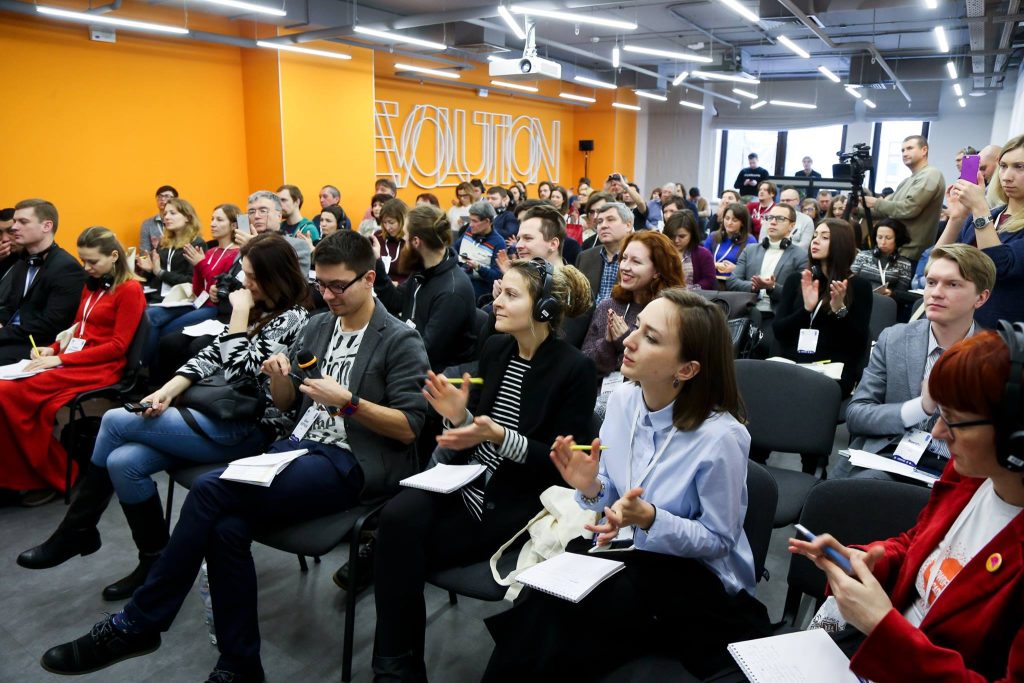 Crowdfunding Academy Ukraine 2017 campaigns:
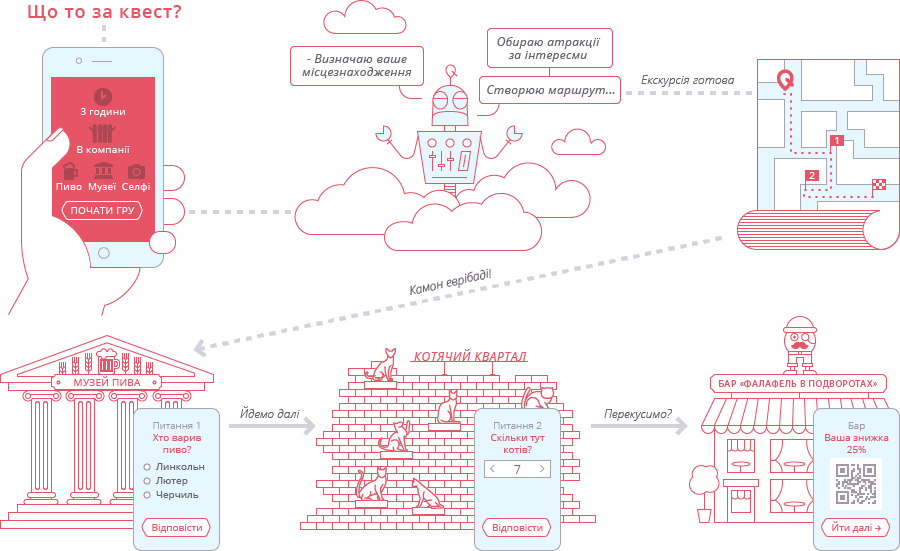
A free application that will help to personalize your travel. It creates an individual route with quests and mysteries. Open up the city in a new playful way
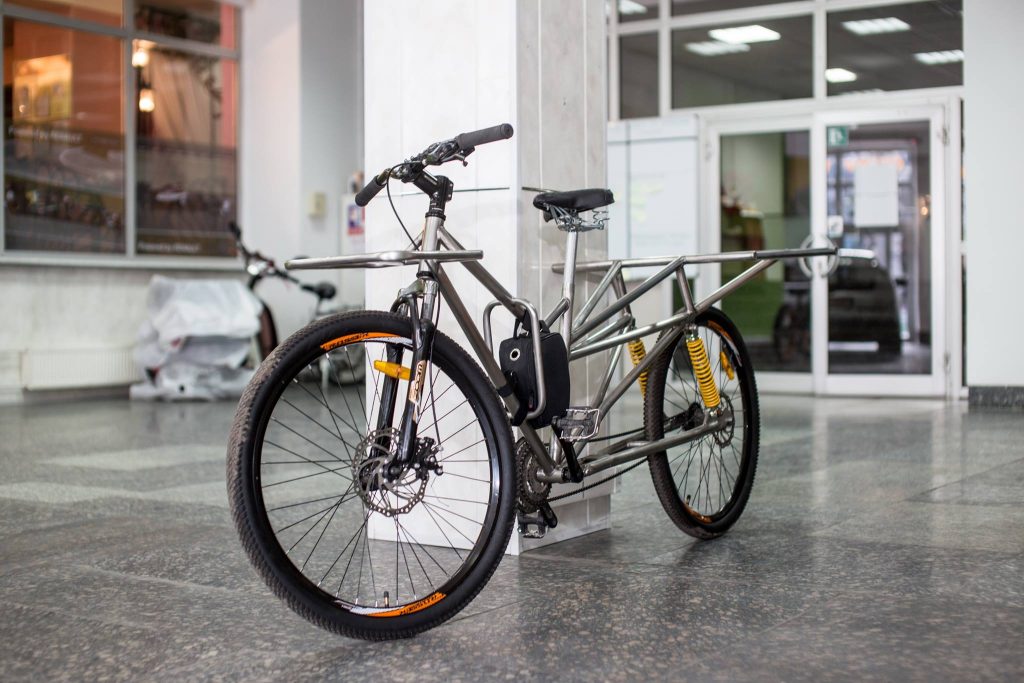
The project model of an electric bike that can travel on a single charge for 120 km with a total load of 150 kg. VoltyCo – is a strong and durable electric bike for personal mobility and commercial transportation.
Tabletop educational game for kids with scientific experiments. “Secret Expedition” not only unveils interesting facts about different cultures and nationalities, but also helps to learn the geography and even to conduct scientific experiments.
The story of Lugansk’ little habitants, which is based on real events. The project will show what really happened in Donbas through the eyes of children, who found themselves in the middle of an armed conflict in 2014.
Collection of custom fashion patches (patches for clothing), which call for tolerance, respect and protection of human rights. 10% from the revenue will go towards supporting NGOs that are engaged in human rights protection in Ukraine.
- Green Schools
- Touristic village Kryva Luka
- Kids Club
- Poltava traditional tapestry
- Open Air Art Space
The following piece was first published on the AltFinLab blog and was originally published on June 21, 2017.
Our first 2 years of experience with crowdfunding taught us that the approach is not just a new market place for accessing funds but a tool to build community engagement; not just a PR fad but a powerful outreach and advocacy mechanisms; and not merely a support system for an initiative but an effort to catalyse new business models, technologies and solutions for social issues. Just donating money is like buying a blanket for one person in need; and crowdfunding an SME is like setting up a company that produces affordable blankets to hundreds in need. Re-inventing the business model, building an ecosystem of supporters and ambassadors, and a powerful leapfrog.
This year, our efforts are geared toward seeing to what extent crowdfunding can help small entrepreneurs accessing funding in places where it is prohibitively expensive or difficult in the mainstream finance sector. And our first lab – Ukraine.
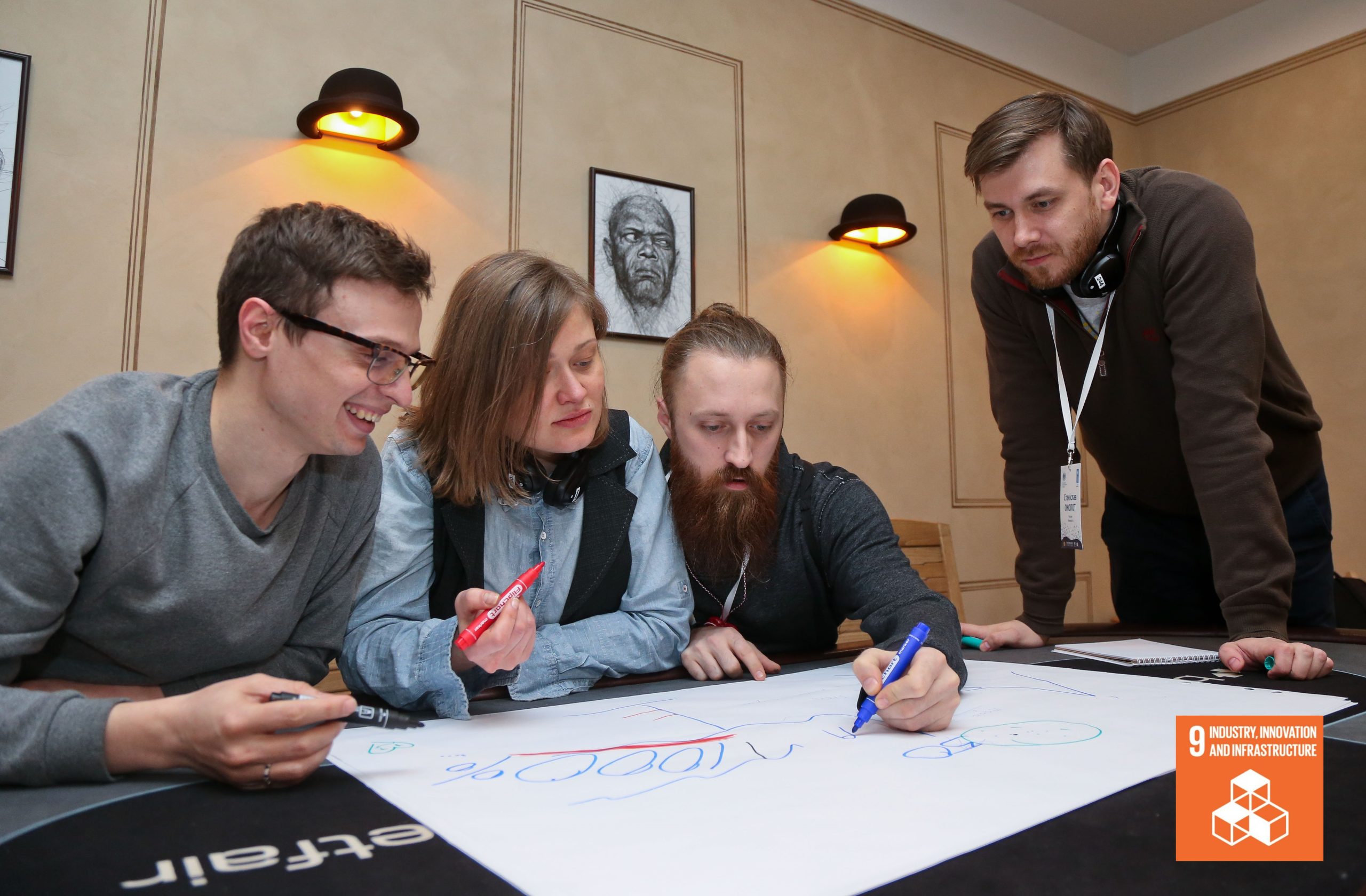
Supporting SMEs from war affected areas in Ukraine
UNDP Ukraine Recovery and Peacebuilding Programme has a challenging task – to inspire people from war affected areas who worked all their life in mines and factories to step into the unsure path of entrepreneurship, and make them believe in themselves and their country again. Instead of just providing grants, we wanted also to see how can crowdfunding engage entrepreneurs themselves to build up their community and build transparency in the process of support.
Out of 40+ interested entrepreneurs, we worked with the 12 who had the most interesting ideas and enthused teams to help turn their vision into a crowdfunding campaign. First two campaigns already finished successfully:
- WalQlike is a touristic app to explore the city in creating personalized route and quests;
- Secret Expedition, an educational tabletop scientific game meant to draw more girls and boys into science and engineering;
- Voltyco is affordable cargo electric bike that can travel on a single charge for 120 km with a total load of 150 kg – currently preparing their campaign for Kickstarter;
- Naprintuy fashion patch creates patches for clothes on human rights and tolerance (campaign coming out soon).
Lessons learned
We are currently in the process of supporting the teams, but some early learnings from the work with entrepreneurs vs. work with the non profit sector:
- Allow time – after finishing crowdfunding education, because of the project deadline there was a pressure to see campaigns out ASAP. Mistake not to be repeated as teams (entrepreneurs) need at least 3 months to build their communities once they know what they want;
- Find champions to start with – for initiating a crowdfunding ecosystem in a country with limited or no crowdfunding experience, quality of early campaigns is extremely important; especially in terms of using social networks, communication skills, English language (if they are about to go to international market) and hardworking dedicated SMEs;
- It is not a sprint but a marathon – don’t put high expectations from first campaigns in a country where culture of giving and supporting is not there. It is all about building the right ecosystem based on trust and it takes time, and it takes a lot of effort in connecting the dots between members of these ecosystem;
- Match the funds – something we planned from the start, we didn’t manage to perform due to project time constraints: supporting successful campaigns with matching additional dollar for every dollar from backers. The Danish Government has set a Fund that gained a lot of interest globally, matching successful platforms. Like this, selection process for companies to be supported is being outsourced to the market; and government gets to leverage public finance.
- Once again, it is a process – that gets initiated every time campaign gets out, and you never know where it is going to take you. Our project Voltyco put a campaign on Indiegogo campaign which brought them investors for a slightly different type of electric bike then they were offering. So they sit together with them, and are now preparing a new product for Kickstarter platform. It is a communication with your customers, to understand their needs and how to find the common ground.
Next steps
Crowdfunding principles are similar (but approach might be different), either it is an SME in a startup stage (early stage, may have just an idea and want to build a prototype); or it is an existing SME developing a new product/service; or even an SME moving into new sector (growth capital). Currently we are working on a number of approaches;
- Soon starting a new Global Crowdfunding Academy in Bosnia and Herzegovina, and supporting 12-15 SMEs with crowdfunding;
- In Moldova our project idea is supporting apple producers in a single food-export company, to bring domestic product to foreign markets (as a scale up of previous crowdfunding project which brought apple snacks to schools);
- In Kazakhstan – our project has just gone out, support it! https://goo.gl/Y2tWvU
Equity crowdfunding or crowdlending for SMEs is a new strong push; and we are currently working with KIVA platform to have our first campaigns soon out (and with an interesting new model – to have a direct contract between KIVA and a social entrepreneur; without usual “middle men”, their field partners. Our partner Indiegogo recently started their equity crowdfunding page for investing in startups and growing companies – so far working only for companies registered in USA, but we hope to see it soon abroad!
The following piece was first published on the AltFinLab blog and was originally published on April 4, 2017.
What are the campaigns, what is in the #BigStoriesSmallBusinesses?
Take a small A to W quest with Maša and find out!
A. stands for Antonov, Ukrainian engineer who constructed the biggest cargo plane in the world, the famous Antonov! Produced in Ukraine. Mašenjka saw it in Zagreb several years ago, once it landed to pick up a transformer for a powerplant. The queue of curious people was the longest queue she has ever seen! Can you imagine how thrilled she was she realised we have another Antonov in one of the teams that is composed of engineers who once worked in the Antonov factory? Now The A. team has created the first electric cargo bike in Ukraine – find out what is their name and try-out the bike when they go out to the crowds with guerrilla marketing!?
B. stands for Bees. Did you know that if you lay down in a specially designed wooden house (or is it a bed that looks like a small house – you tell us?), where you get surrounded by bee-hives, the vibration of their humming around you have healing effects for your health, body and mind? It is called apitherapy. Do not worry, it is safe! You can come and try it out but where, you should find out! It is one of campaigns combined with eco-tourism in beautiful nature of Ukraine.
C. stands for Carpets. Do you know how old is the tradition of waiving carpets, rugs and tapestries with beautiful colourful motives in Ukraine? Can you imagine there are only ten, yes, your read well, ten (10) masters who still know how to do it in the authentic way, manually, working in Reshetylivka village factory. How old the tradition is you’ll find out if you watch the video. You’ll just love it.
D. stands for Donbas. The Eyes of Donbas. Who’s eyes those are? You must find out yourself, you’ll be surprised. And they will tell you what really happened in Lugansk in 2014 when the conflict in Eastern Ukraine burst out.
E. stands for Expedition, but not any kind of expedition, a secret expedition with a Tuareg, a Maya, a Viking, led by Oksana and Mary. What is so secret in this expedition? You have to find out, Maša promised to Tuareg she won’t tell, otherwise he can make her turn indigo blue!
F. stands for Fashion Patches. A statement you can make with your clothes. With what you wear you can show-out your support for human rights. Different we are indeed but our rights should be the same, right? Watch Olena to tell you how you can show your respect and your support!Enter your text here …
H. stands for Home. And for the House. Low-energy house that two guys united in a housing cooperative know how to build, twice as cheaper than regular construction costs in Ukraine are. And there is more! Heating bills in winter times in that house are five times cheaper than in a regular house! These two men want to help more than 1.7 million Internally Displaced Persons in Ukraine, like they are themselves too. Watch their video and they will show you!
K. stands for Kids Club. In Rubizne. Just 30 kilometres from the conflict zone. A couple of thousand kids can come there to play, learn English and spend wonderful time together. There are 500 more kids with special needs that would love to join them, but they need you to support the Kids Club to open that door as well!
P. stands for Patents. If you have a unique and great business idea, you can register it and protect on-line. Easy-peasy copyrights protection – how? Find out!
S. stands for Sloviansk. Same Sloviansk that was captured by terrorists and then was the first city liberated by Ukrainian Army. Did you know there is a nice Simple Coffee café there where you can enjoy some creative time over a nice, smelly coffee? It also has a great yard where outdoor extension of Simple Coffee is planned. You can be part of it, join creative art and smart group, check out how!
T. stands for Trees. For 50.000 seedlings of trees that can grow to at least 1000 trees, with some help of thousands of kids in 40 schools of Luhansk region. They want to turn green what once was grey sand dunes in the surroundings of their city. And you can help them, find out how! Trees are precious. Kids are too.
W. stands for WalQlike. What does it stand for? You do not know yet? Quick, go to Spilnokosht platformand find out, support the team, WalQlike along Kyiv or Lviv and have fun!
After two months of intensive work with the Crowdfunding Academy team – voilà!
The Spring is here and the twelve teams are ready with their campaigns. The great positive energy and enthusiasm all along the Academy reflected in the great progress of the teams. Maša feels happy! She has done her job, with her comrades from the Crowdfunding Academy, with UNDP Alternative Finance Lab, with Terra Hub and Brodoto from Croatia and with Spilnokosht at Big Idea from Ukraine. Powered by UNDP Ukraine and DFID, British International Development Department.
Now it is your turn! What can you do? Check out the teams and their videos, find out the answers to A-W quest, follow when they go out with campaigns, support them, share, tell everyone, be their crowd! It feels great, you’ll see!
The following piece was first published on the AltFinLab blog and was originally published on November 11, 2016.
If you need just money, go to the bank and don’t use crowdfunding. Use crowdfunding if you need awareness building, campaigning, initiating debate, attract other funders and build up your community.
When we started our first campaign for an energy independent school in Croatia, we didn’t have the slightest idea where crowdfunding would take us.
From conducting a successful campaign to setting up Crowdfunding Academy and UNDP Alternative Finance Lab, helping to launch more than 15 campaigns in 10+ countries – crowdfunding has definitely taken a hold on us.
In the UK alone, crowdfunding for civic causes has gained $30 million over the last five years.
But crowdfunding is so much more than about getting the required financing for your project.
Let’s take a look at some other benefits of crowdfunding: amassing social capital, enabling broader visibility and scaling-up of a given project, as well as catalysing social action and policy-level impact.
- Crowdfunding is a Community Building Instrument
One of the greatest gifts of crowdfunding comes when your backers evolve into your continuous project partners. For example, our Tajik campaign attracted donations of their Australian diaspora, which is now interested in making a similar project in Eastern Tajik region where most of them originate from. Similar sidekick happened with a campaign for STEM spider-robots that attracted attention of 30+ schools in Croatia and made them implement it in their official education curriculum.
- Crowdfunding is a Marketing Instrument
Well maintained crowdfunding campaigns can bring on average 10-fold amount in media visibility than the amount raised, consequently increasing project’s impact.
Besides securing them every-day catering bookings, our Taste of Home campaign for a restaurant run by asylum-seekers in Croatia was featured on Yahoo news, hugely increasing their visibility.
At the same time, Brlog, a cooperative brewery run by women, appeared as a featured story in WizzAir inflight magazine and gained their Indiegogo webpage more than 20,000 visitors within the 40-day campaign.
Data based on five campaigns done by our team shows us that 43 percent of contributions in our campaigns come from abroad. Contributions came from 13-25 countries, have 50+ media appearances and are often promoted by celebrities such as Jamie Oliver and Mashrafe Bin Mortaza. All this is to say that crowdfunding might just be the perfect out-of-the-box way of getting your message to the masses.
- Crowdfunding is a Political Instrument
Crowdfunding is called the Wild West for civic initiatives, with its ability to adjust to specific social needs and challenges.
On one hand we have examples of governments using crowdfunding as a supplement to their traditional financing models, on the other crowdfunding giving voice to citizens who may otherwise remain unheard.
Our campaign for the Subversive Festival in Zagreb, for example, received prompt support by the Croatian Ministry of Culture but only after public interest was confirmed through campaign contributions.
Another campaign for building an energy Independent school in Croatia, helped to trigger a pilot project from the Ministry of Construction for energy refurbishment of schools all over Croatia, worth 7 million EUR.
- Crowdfunding is a Tool for Testing Innovation in Practice
Crowdfunding is becoming widely used to test innovative models and principles – and depending on the market feedback, such innovation could be pursued or stopped at early stage. Many examples are putting it as a torch to light the dark room, and if the results from the crowdfunding campaign are showing that it is not too dark, other financiers, partners and stakeholders are following. Good example is crowdfunding for green tech in Africa (such as Trine), after which VC and banks came with larger financing using the similar business models. Similar was proved in UNDP led campaigns, such as healthy snacks in primary schools in Moldova which got an interest from large national network of supermarkets afterwards.
There you have it. That’s why “move beyond the financial goal” is our new mantra.
And in next few months we will be able to tell you how we swim in new crowdfunding waters – as within new UNDP Global Crowdfunding Academy we are focusing on crowd investing and crowd lending business models!
The following piece was first published on the AltFinLab blog and was originally published on October 21, 2016.
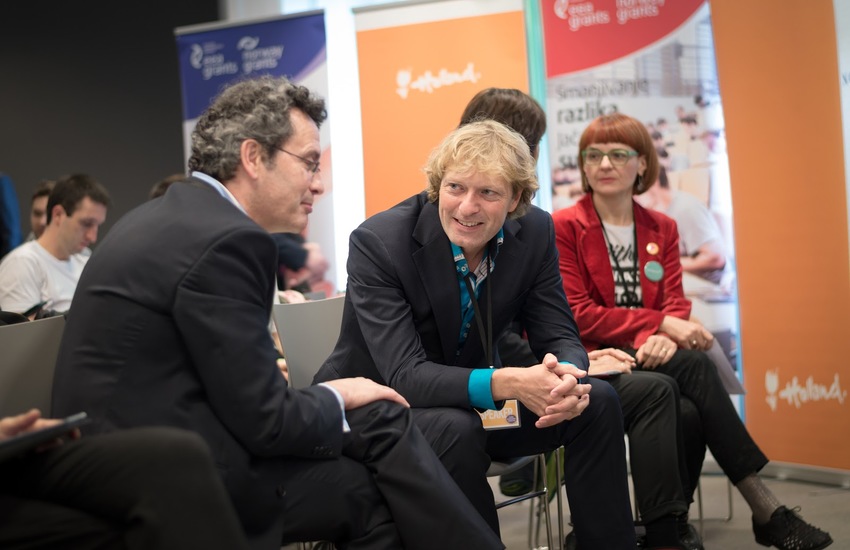
Nothing could beat the pleasure of staring at a packed auditorium while I was waiting for the opening talk of the Zagreb Crowdfunding Convention and thinking back of the months of preparations behind us. Industry experts, NGO’s and private companies, government representatives and numerous curious individuals – we got them all at one place to discuss the future of crowdfunding in our region!
We’ve been intensively focusing our work on a variety of crowdfunding activities in order to climb closer to the goal we’ve set more than one year ago, when we co-founded the Crowdfunding Academy. That was to contribute to the development of a crowdfunding market in Croatia. Our Zagreb Crowdfunding Convention event nowadays comes as a manifestation of that goal. It’s the one day of the year when all these activities interconnect and fall on one common ground, ready to grow into something bigger and better. Task for the day? Exchange of practices with an aim to intensify the current market expansion!
Where Do We Stand?
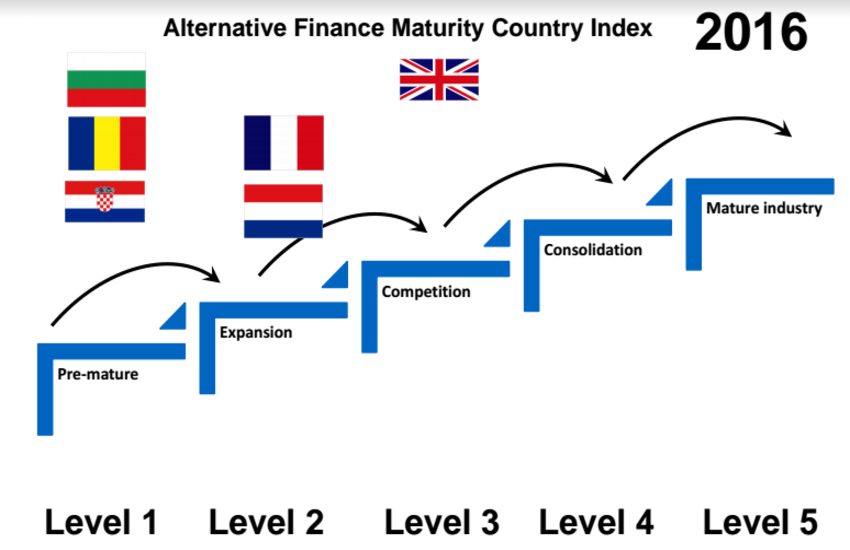
The key talk of the event came from Ronald Kleverlaan, one of the most active names on the European crowdfunding scene. According to the Alternative Finance Maturity Index presented by Kleverlaan, Croatia is currently at the starting, first of five levels of the market maturity.
The first, pre-mature level, includes an open dialogue between the government and the industry, simple regulations and financing educational programs, while the industry organizes informal roundtables, works with independent advisors, publishes educational articles, organizes local events and has uniformed taxonomy.here …
Croatian crowdfunding scene currently includes three active crowdfunding platforms – Croinvest, Croenergy and Čini pravu stvar, one educational platform – the Crowdfunding Academy – financed by the nonprofit organisations, yearly statistical overview of the market growth and informative blogs about crowdfunding, as well as few crowdfunding events per year, such as Zagreb Crowdfunding Convention. We mainly use reward-based crowdfunding model and have been following the European-wide trend of doubling in market size from 2014($402,898) to 2015 ($751,457). Our dialogue with the government still remains on the level of informative discussions, though government’s representatives at the Zagreb Crowdfunding Convention event show support and interest for more participation in the crowdfunding activities in Croatia. We have no legal regulations regarding the use of crowdfunding, though legislation regarding business financing is applicable in use of different models, such as crowdlending.
Building On Current Strengths
According to Kleverlaan, market growth depends on a variety of factors – from the general economic situation, legislative and policy framework to trigger events, such as economic crisis. Following the Alternative Finance Maturity Index, starting point should include identifying the market’s current point of development, while the next step should include targeting the base-points that can be used for further upgrading. On the example of the Alternative Finance Maturity Index, informal industry events on the pre-mature level turn into organized industry events in the expansion market level, while in the competition market level industry they become integrated with traditional finance industry events. Meaning, markets can build upon their current status and strengths.
As Kleverlaan pointed out, the next stop on the Maturity Index, the expansion level, includes taking open dialogue with the government to the point of funding different stakeholders in the crowdfunding industry, as well as its open support, research and promotion. At the expansion level industry includes accountants and financial advisors in its work, organizes larger, nation-wide events, launches industry-wide associations, trains advisors and shares success stories.
It’s All About the Teamwork
What other speakers at the Zagreb Crowdfunding Convention, such as Irene Demetriou Rotsides, founder of the Crowdfunding Cyprus, and John Burton, researcher at the Cambridge Centre for Alternative Finance highlighted – none of the possible steps in market development will be effective if they won’t be undertaken in cooperation with the government. While we head into that direction, let’s keep in mind one motivational estimation that Kleverlaan made during his talk at the event – we’re a part of the East-European, billion euro potential market.
The following piece was first published on the AltFinLab blog and was originally published on September 19, 2016.
Ten months ago we had an eclectic group of people introduce a slew of new financial mechanisms- blockchain based cash transfers and impact bonds for reducing recidivism to forecast based finance for disasters and peer to peer lending for SMEs- emerging into what the ODI calls a new ‘age of choice’ for the development finance.
We tackle this topic not just because there is a $2.5 billion gap in funding the current SDG agenda (even though ODA flows to developing countries continue to increase year on year). We are more tickled by the sheer explosion of money coming from other sources of funding that aren’t high on the priority list of either development organizations or governments (admittedly this is fast changing)- the European alternative finance market grew by 144% in 2015, the global impact investment market is projected to grow over $3 trillion in the coming years, and crowdfunding investments reached $37 billion in 2015 (by way of comparison, this is about ⅓ of total ODA totaling $131 billion in 2015).
This tickle gave birth to a sort of an Alternative Finance Labwe’ve (unintentionally) began running out of Istanbul. What skills do our clients need to tap into some of these new sources of funding? Is the effort worth it given the experimental nature of some instruments and the fact that they are way ahead of existing legislation in most countries we work in (think blockchain based remittance transfer)? Many of the mechanisms are preventative in nature and require a shift to costing future liabilities (think of a financial value on the cost society bears from youth unemployment- what does a ‘log frame’ for that type of a project look like?
In tackling some of these questions since the beginning of the year, we mobilized over EUR 3 million across a series of experiments with these new financial mechanisms:
Blockchain and development
In Serbia, we’re working with superstars from AidTech (check out their prize winning prototype on reducing fraud in cash transfers for refugees in Lebanon) to design a proof of concept for remittance transfers over blockchain that would be cheaper (in looking to cut out an intermediary a la Western Union) and targeted toward specific needs (think using remittances to pay energy or phone bills and purchase food). There are several similar initiatives ongoing (check out these Tunisian start-ups redefining remittances transfers with blockchain) but for us this is a first. In Moldova, we’re testing whether blockchain can provide a more effective way of managing the UN car fleet together with EmerCoinandDeePlace. We’ve been inspired by a decentralized ride-sharing outfit in Israel, Lazooz and driver-owned car sharing start up Arcade City. When it comes to UNDP’s emergency response in employment,we have a hunch that blockchain could provide a more effective way of transferring and tracking funds, and shifting our strategy in line with what is happening in the field– this is a work in progress though but one we’re excited about.
We’re cooperating with the Joint Research Center of the European Commission (check out an impressive line up of people they’ve had for a discussion on distributed ledger technologies a few months back) on design of a challenge prize for social applications of blockchain that would (hopefully) incentivize use cases that go beyond financial sector. The speed of progress in this field has been staggering with new use casespopping up across just about all priority sectors for our client governments- for example, the UK government just published research showing how digital currency based on the distributed ledger could up the GDP by as much as 3%. Others include blockchain based micro energy grids, land registries (Georgia) and election platforms (Ukraine’s Parliament), defrauding distribution of natural disaster relief funds (Italy) and philanthropic donations, managing and tracking the cross border SME trade, boosting girls education and storage of cultural heritage in political conflicts to name a few.
Preventative finance: social impact bonds and forecast based finance
In Serbia, we’re working with the Finnish Innovation Fund Sitra on designing a social impact bond on youth unemployment. We were inspired by their work on using this financial mechanism for public sector absenteeismand migrants and employment both of which have flipped the concept of welfare from being considered a cost to being the government’s investment in social outcomes. We will have some fresh data on this in the coming weeks, but accounting only for wages and taxes foregone and cost of social transfers avoided the cost exceeds EUR 1.5 billion a year (and this does not include other costs such as likelihood that unemployed youth may be more likely to suffer from depression and alcoholism, engage in violence). In Belarus, the European Commission has invested in our team to design an Outcome Buying facility(where impact bonds will be one of many instruments to include a mix of grants, impact investment, and others). The results of SIBs globally have been mixed at best, but we believe there is a lot to be gained from calculating future liabilities, attracting new sources of funding and holding pay-outs contingent on achieving the results (as opposed to fulfilling activities). Apparently so do others with thegovernment of Netherlands issuing its fifth SIB on employment, transitioning of youth from Out of Home facilities (drug and alcohol abuse) in Australia, and a massive $30 million first humanitarian impact bond launched by the International Red Cross and the Belgian government.
When it comes to the forecast-based finance, we’re learning from the best! Together with the Red Cross/Crescent Climate Center,our team in Bosnia and Hercegovina is designing the FbF mechanisms for the Vrbas basin. Ultimately our intention is not only to minimize the risk and secure funds before a disaster has received sufficient media support but also to test the feasibility of attracting new sources of funding (think insurance companies) for community resilience.
Crowdfunding in development
Since we launched UNDP’s 1st Global Crowdfunding Academy in December (followed by a succesfull Crowdfunding Academy in Croatia), we’ve worked on 13 crowdfunding campaigns that mobilized over $200,000 across a range of sectors including health, inclusion, energy and entrepreneurship- Kyrgyzstan raised funds for a more inclusive and energy efficient retirement home in a rural area, Indonesia got resources forrenewable energy in rural areas, Moldova mobilized funds for healthy food in public schools, and Yemen for a range of community projects unique to the conflict contextof the country. Currently, we’re preparing the launch of a campaign in Bangladesh on youth employment and Lebanon who already raised $116,000 for traffic management and control around public schools.
All of these were donation based campaigns where one of our main take aways has been their ability to link us up to interesting new partners and help us with advocacy. For example, our Tajik campaign attracted the country’s diaspora in Australia not only to donate funds but also explore investment in a similar new project in the eastern region. Famous chef, Jamie Oliver, supported our fresh fruit campaign for public schools in Moldovaand Bangladesh cricket national team captain Mashrafe endorsed the campaign for building employment skills for the youth. The Balkan rock star Rambo Amadeus got behind a campaign to build solar power sail boats on the Adriatic, andYahoo picked up on our efforts to invest in refugee-driven pop up restaurants. The Croatian Ministry of Construction prepared a pilot project for refurbishment of 30+ schools (and an energy agency designed a dedicated platform) to replicate our success with building the first Energy Independent school in the country.
Moving forward with this line of work, we’d like to put more emphasis on equity crowdfunding (example on investment in renewable energy community project) and peer to peer lending (check out this investment for SME on furniture design in Tajikistan) as our hunch is that these mechanisms can help us redirect vast diaspora funds more closely to bottom up, entrepreneurial projects in communities across the development work. We will have a chance to experiment with this approach together with the UNFCC with who we are currently designing a system by which crowdfunding can be utilised for renewable energy programs alone.
What’s next?
We’d love to see Open Bank initiative functioning in one of our projects (think a crowdfunding campaign where a single donor can track her investment through the point of a purchase) and we’d love to tinker with the GrowFundand Fund Club-like idea where we’d combine crowdfunding with corporate investment and peer to peer donations. Mobile money hasn’t taken off in Europe and CIS (which is where most of our time is invested at the moment), so we’d like to explore why and how to change that. We also haven’t yet but would like to troublemake with Disberseteam who seem to have put together a number of puzzles that for us are still up in the air- social cash transfers, impact bonds and payment for results, blockchain and transparency- all under the chapeau of future of development finance. We’ve also got a few things cooking with AlliedCrowds and Cambridge Alternative Finance Lab but more on that soon.
Ps. We would like to acknowledge the very first investor in our Alternative Finance Lab- the Ministry of Finance of Slovakia.
She is in her 30-ies, borderless, decentralised and the Master-Mind of “Governance 2.0”, the BitNation. Her name is Susanne Tarkowski Tempelhof and she shook the minds of #UNDPCrowd yesterday, as the Sun set down over Bosporus and the room was getting hot, powered by each person emitting 100 Watts worth of heat. 100×70=7kW heat. It is so hot I can’t think.
What the hack is BitNation?
I’ll quote them as that is the zest of their existence: „BitNation does not care where in the world you are from, where you live, or what passport you hold. Everyone has the right to enjoy high-end, competitive governance services.” And that is the point behind a gal who left school when she was fifteen and is self-thought since. She did quite well with self-education as she managed to crack-down and understand all the complexities and the opportunities of new technologies and she came-up with a borderless, decentralised, voluntary platform that is able to provide services in an alternative way. She did it so well that just recently the Estonian government approached her and now they work in partnership to provide public notary services to Estonia E-residency Programme!
The Internet of the 21st century
What technology I am talking about? The blockchain. A new database that will make us to re-write everything. For developers, the blockchain concept represents a paradigm shift in how software engineers will write software applications in the future, and it is one of the key concepts that needs to be well understood. Watching a short video “The Bitcoin and Blockchain Technology Explained” would be a good starting point to try to understand it. The next step of understanding would be reading my colleagues recent blog on Talking in tongues: From crypto currencies to breaking blockchains.
And do not even think you’ll understand it afterwards. You’ll only have more questions but that is fine – we need to start searching for the answers and we need to do it fast! Why?
We need SHIFTs
The same as for software developers, we, development professionals, need a paradigm shift in how we do work, how that work gets financed and how we assist governments to better do their jobs – to provide services in more efficient way to more citizens with less of those excluded from services for whatever reason. The blockchain technology brings the opportunities, besides cryptocurrencies, to do much more in less time, with less costs and through distributed networks. Distributed means more resilient, less controlled but transparent and secure as it is verified in such a way that is impossible to cheat. You can issue birth certificates, travel documents, credit cards, cryptocredit cards, land ownership certificates… by using blockchain technology. It is fast, efficient and cheap(er) then how it is done now.
The key message I was hearing yesterday (and today!) was “We need to change”.
We need to re-think the institutional architecture and to create the right institutional infrastructure that would make this innovative governance and funding models to work. The change needs to be systemic as only in that way we can solve systemic development problems the world is facing. There is no one, single “silver bullet” solution. Solutions are decentralised and borderless, people are part of solutions, technologies such as blockchain can be the backbone of it. But we need to understand it. We need to try it, we need to be able to fail, failing is a part of the process when you need to create a change in the system. It takes 10 years to change a system, said Paul Currion known for have been working in immediate response and relief to disasters and for re-thinking how that relief can be rapid, trackable, with low transaction costs and can give people what they need when they need it.
Do we want to be able to give people what they need, do it fast and efficient? Then we need to urgently set-up an alternative finance research unit and start trying how this works in real time with real people. We need to be THE new kid on the block!
The following piece was first published on the AltFinLab blog and was originally published on November 26, 2015.
For those who haven’t read the first part here is a little introduction. We are travelling around the world and meeting teams and projects of Global Crowdfunding Academy. All of them wish to make a change in their community. So, at the beginning of December we will gather in Istanbul and start working on realizing those dreams.
Last time we visited Macedonia, Columbia, Indonesia, Bangladesh and Tajikistan. Now there are six more countries ahead of us. So let’s continue our little adventure!
Today our journey starts in Zimbabwe. Project name: Young small-holder farmers Insurance and Risk Transfer Facility. Young small holder farmers are increasingly affected by extreme weather events and the adverse effects of climate change. To make things better an Innovation Centre/Hub for Enhanced Risk Reduction Capacities’ for Small Holder farmers will be set up. As a both tangible and mobile innovation centre, in the shape of a bus and mobile tent, which will be a creative and innovative space for building solutions and partnerships. It’s journey will start in June 2016, with young farmers, innovators and interested actors on board.
The second station is Lebanon. Project name: Live Lebanon. This project targets four underprivileged communities in Lebanon; South, North, Bekaa,Mount Lebanon and Beirut.The main goal of the project is to make sure that students are safe in traffic and it hopes to do it through infrastructure improvements and raising awareness about road safety.
On the third station we are in Madagascar introducing the Dairy Products for the Development of Androy. This project will promote the dairy sector and support the cooperative of dairy products through helping out the five women to develop a strong business and communication plan so that they access a crowdfunding platform and launch a campaign.
Our next stop is Yemen with Mobile midwives project whose main objectives are to economically empower ‘midwives’ by engaging them in ‘social businesses development’ for self-reliance and improved livelihoods; to improve basic healthcare services in support of ‘women in pregnancy’ by tapping on the local midwives potential and to establish ‘resident and mobile midwifery’ clinics in rural areas for improved healthcare access. Through all this, the Project in overall will contribute, at the local level, to decent work and economic growth, good health and societal well being, and gender equality, besides partnerships for sustainable development.
Fifth station is Egypt introducing TeleMedicine project that aims to improve the Healthcare services at large for rural communities and to focus on decreasing child and maternal mortality rates in Nubian villages in Aswan Governorate through the installation of a videoconference and disease detection scanners. In this way it will be possible to virtually connect patients to doctors, who can then give a proper diagnosis in time to save his or her life.
And our last station on this journey is Kyrgyzstan and we are going to Day care center of elderly in Balykchy where we will raise funds for its warming because during the winter the Center cannot be fully functional. This Centre is a unique model for lonely retirees that provides them with diverse social, consumer, legal and psychological assistance and is based on the self-helping groups concept. The project will also combine DCC regular services with new innovative one – bringing children in from Balykchi orphanages to DCC during day time and arranging “grandparents and grandchildren” therapy. The elderly people will share their care, some experience and knowledge with orphans and get back love and joy.
Well, this was our little journey through projects around the world, now let’s support our favorite ones and make the world a better place to live in.