Category: AltFinLab
Starting a platform for civil society development/transformation in 2020 was no easy feat, given the tumultuous state of the world. However, through innovative and community-centered planning, TADAMON has made a significant impact on multiple non-governmental organizations across multiple regions.
TADAMON was founded by UNDP and the Islamic Development Bank (IsDB) with the intention of empowering CSOs from 57 member countries from the Organization of Islamic Cooperation (OIC). It provides these organizations with visibility, capacity-building training, and resources, with a strong focus on crowdfunding. Out of those 57 countries, 29 of them have endorsed our program so far. TADAMON’s aim is to serve as a bridge between CSOs, program partners, crowdfunding platforms, and citizens. While we serve 57 countries, we’ve prioritized seven countries over the last year: Kazakhstan, Morocco, Tunisia, Indonesia, Lebanon, Turkey, Somalia.
Of course, when TADAMON was first conceptualized, none of us could have predicted the effects of COVID-19 on communities and the organizations that serve them. In this time, we’ve seen COVID-19 shift a greater burden on women both in their homes and communities. The pandemic has also affected the medically vulnerable the most, showing as full-scale human, pushing the socio-economic well-being of people to the verge of collapse. What’s more, social distancing has transformed the way CSOs, multi-governmental organizations, and government entities work, often slowing down or entirely halting critical services.
At the same time, we’ve also seen an increase in innovation with regard to how organizations function, deliver services and solve problems. Much like how diamonds are formed under pressure, the pandemic has forced CSOs and governmental entities to come up with creative solutions, adopt digital approaches, and cooperate with one another. The work of CSOs has been more important than ever, as they’re directly helping those who have been affected most by the pandemic.
At TADAMON, we’ve contributed to helping many CSOs undertake the journey of digital transformation. In light of shrinking budgets, we’ve particularly supported CSOs in learning how to crowdfund (as digital fundraising has been essential during this time).
Our Crowdfunding Academy, an intense online training program, has received over 230 applications from CSOs in our focal area countries. From those applications, 80 applicants were selected to participate in the two-month academy.
Within the next month, we’ll have over 30 crowdfunding campaigns launched by CSOs that have participated in our training program – from filling potholes for smoother and safer roads in Lebanon to helping sustainable and natural agriculture.
Our Crowdfunding Academy works through a digital platform, making the training more accessible for an international audience and COVID-friendly. It’s run through the Kaya platform, part of the Humanitarian Leadership Academy, and it’s set up in three languages: English, French, and Russian. The training program aims to educate CSOs on effective crowdfunding practices.
Our digital training is not the only thing we’re proud of: in 2020, we focused on mapping civil society organizations in our priority countries. This mapping exercise will also expand to other countries soon. So far, we’ve mapped over 1000 organizations, mainly with the support of UNDP focal points in member countries. In addition to this, nearly 1000 CSOs have already signed up to the platform.
Since October 2020, we’ve convened six introductory workshops for CSOs from Kazakhstan, Somalia, Lebanon, Tunisia, Indonesia and Morocco, with another one scheduled to take place soon in Turkey.
Although the past year has been especially trying for CSOs, TADAMON has made significant strides in empowering organizations at a time when they need it the most.
Tadamon (Solidarity in Arabic) – Where good organizations become better
After one year of collaboration with the Islamic Development Bank (IsDB) on supporting non-governmental organizations (NGOs) and other civil society organizations (CSOs) in 57 OIC Member Countries, we’ve mapped and surveyed the civil society landscape across OIC Member Countries – to better understand and get to know the people and organizations at the forefront of grass-roots development, especially during the pandemic times.
Since we began, over 1000 CSOs have voluntarily signed-up to our Tadamon platform to receive support from IsDB, UNDP and other partners (through grants and capacity building), to gain more visibility, new partners and join forces to re-develop a strong ecosystem to empower CSOs.
Instead of relying on existing databases and directories, we decided to focus on crowdsourcing, so we designed an approach to specifically have CSOs come to us. We wanted to identify the most active organizations that would benefit from our program and activities, and by having CSOs sign up on the Tadamon platform this gave us the opportunity to survey and collect information on a set of key variables.
To cast the net as wide as possible, we allowed for a broad range of actors to apply with a limited set of basic criteria, followed by a rigorous verification by both UNDP, IsDB and relevant governments. For organizations to be able to sign-up on Tadamon and thus be included in the database, they needed to meet four basic criteria:
- Officially registered in their respective member countries;
- Do not have any political affiliations;
- Within the geographical scope of IsDB member countries,
- Their field of activities align with our main thematic areas (poverty reduction, working in development and supporting SDGs)
After signing up and passing our 3-step verification process, organizations gain access to participate in our activities: apply for national Crowdfunding Academies and other forthcoming capacity building programs; and are eligible for grants provided by IsDB. During the sign-up process, we ask a set of questions via a sign-up form that allows us to search and categorize CSOs according to a number of indicators ranging from activities, size, location, SDGs to the quality of their internet connection (to name just a few).
Most of the CSOs that have currently joined are based in our seven pilot countries where we first started our work: Indonesia, Kazakhstan, Lebanon, Morocco, Somalia, Tunisia and Turkey.
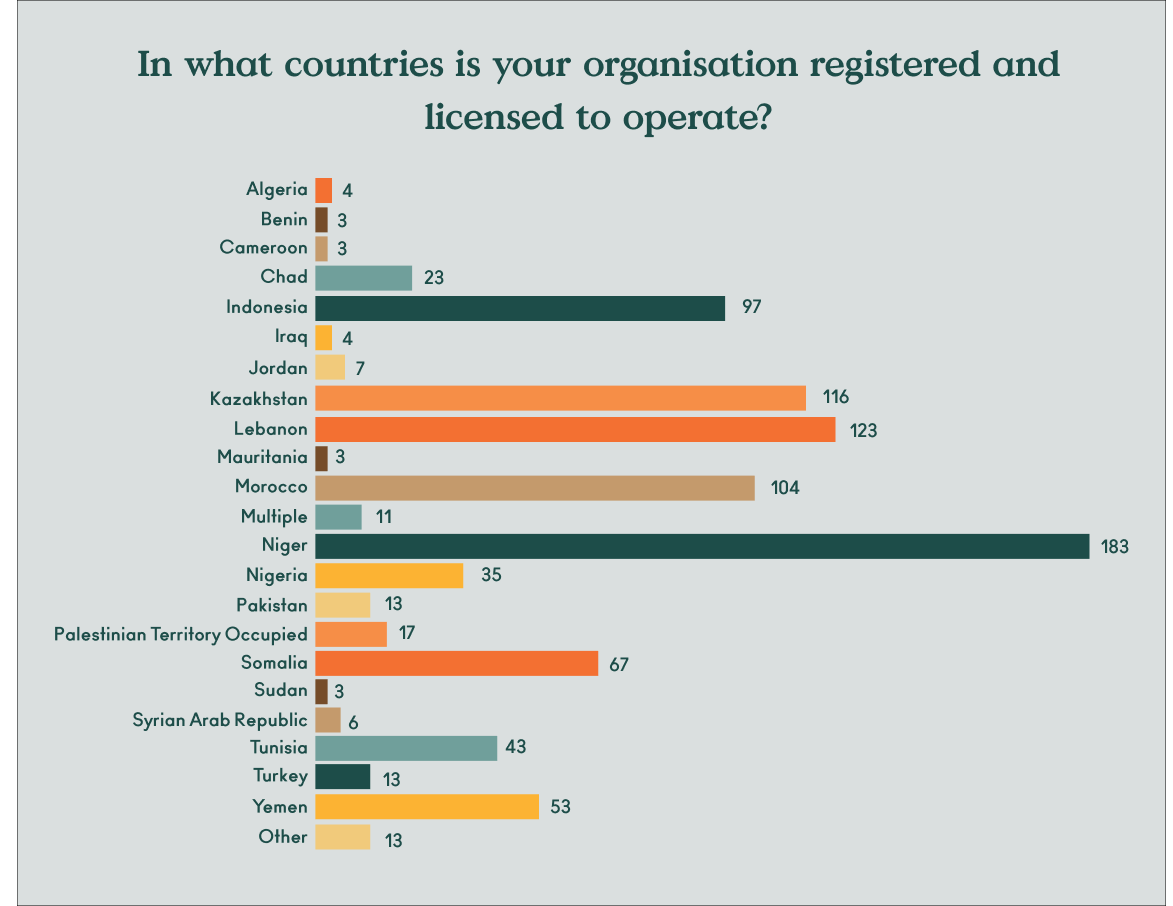
The outreach campaign aimed at raising awareness about the program among CSOs and was mostly focused within these seven countries. Organizations were also invited to spread the word and invite their respective networks beyond these countries.
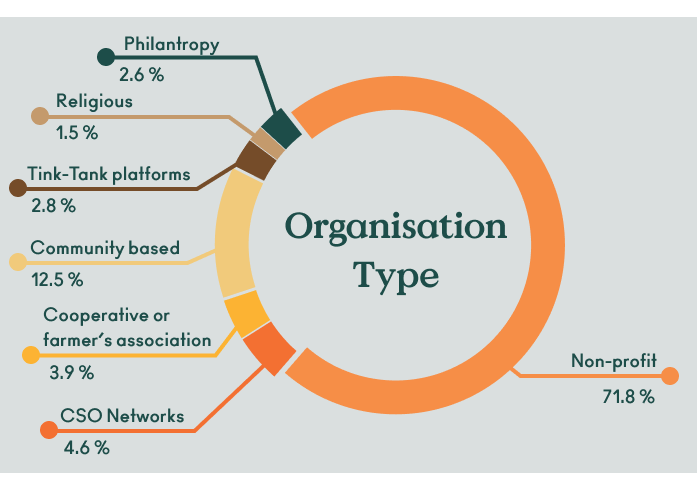
The majority of CSOs categorized themselves as non-profits (72%) and community-based organizations (CBOs) (12.5%). Cooperatives or farmers’ associations, CSO networks, philanthropies and think tanks constituted a minority.
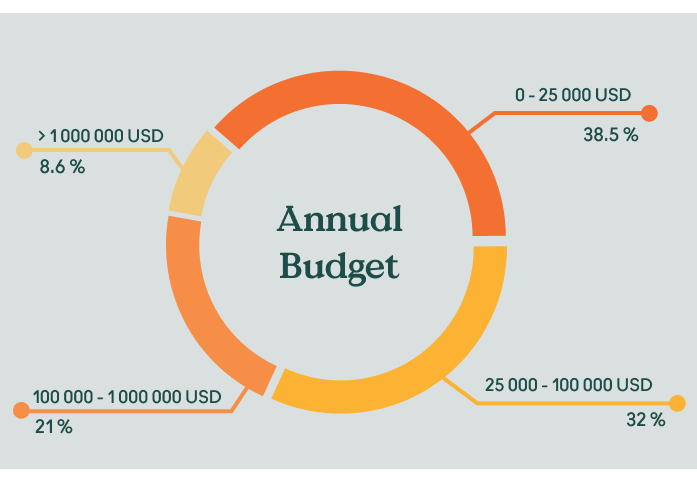
Among the CSOs that identified themselves as non-profits, small and medium-sized organizations dominated the landscape. 70% of the CSOs reported annual budgets of below $100,000 USD with over 38% of the total having a budget less than $ 25,000 USD (non-profits often operate with small budgets and their staff is usually comprised of volunteers rather than paid professionals).
The small scale and focused activities are also reflected in the geographical reach as well as the types of activities most CSOs focus on. For example, the majority of organizations work on a local or national level on issues such as education, youth and women’s empowerment, poverty alleviation and health.
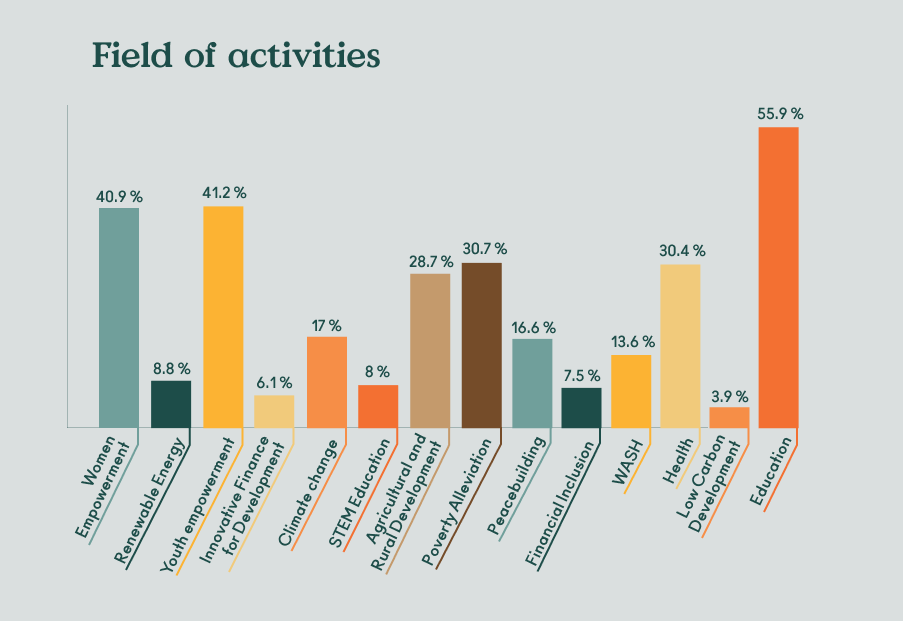
Similarly, when asking “Which SDGs would best describe the work of your organization” the most popular SDGs were: 1. No Poverty; 4. Quality Education; 3. Good Health & Well Being; and 5. Gender Equality, with an average of 50% of organizations reporting these as their priority goals.
We found that most organizations that applied to the platform are new to UNDP and IsDB alike. An overwhelming majority of CSOs (83%) have not received previous funding from either UNDP or IsDB. This means that it is the first time and a new opportunity for them to engage with us. As a bulk of the empowerment activities are focused on alternative finance and networking with other organizations, most applicants also stated these as their main reasons for joining.
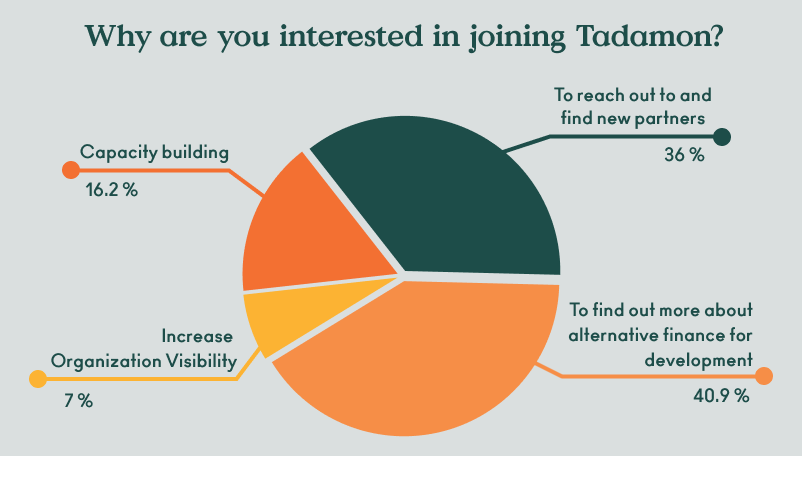
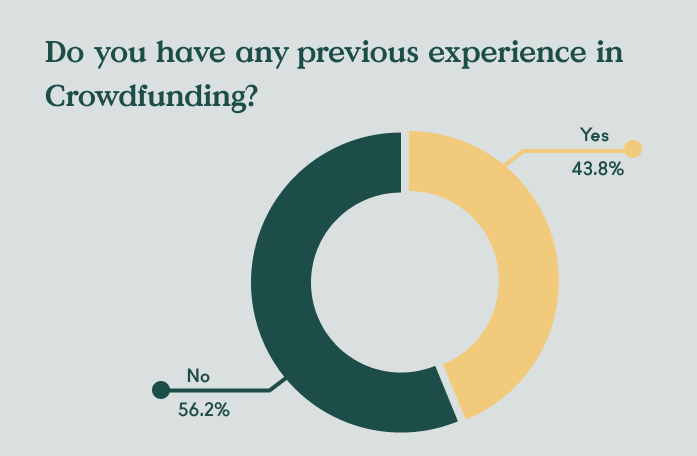
The motivation for CSOs to find new funding opportunities is also reflected in the overwhelming interest in our Crowdfunding Academies. To date we have organized a call for proposals in four countries and received nearly 250 applications. When we polled CSOs on the Tadamon platform on crowdfunding, we found that a substantial number already had experience, which demonstrates that this is already a popular tool among CSOs. However, the majority of organizations that have joined have no prior experience and see the platform and activities as a gateway to the world of crowdfunding.
What’s next?
Following the success we’ve had in our seven pilot countries, we are aiming to step up our efforts and take our CSO mapping efforts to the next level in 14 new countries this year. Additionally, Crowdfunding Academies will be organized in seven new countries and we are expecting to launch our Tadamon Pandemic Accelerator soon for innovative CSOs working in response to the COVID-19 pandemic. Our aim is to double the numbers of CSOs registered on our platform by the end of 2021, bringing an additional 2000 CSOs into our mapping database as well as to diversifying and improving the collected information.
The strength of our outreach campaign is also reflected in the means by which CSOs in OIC member countries have found out about Tadamon, with social media being the most effective tool for building awareness about the program.
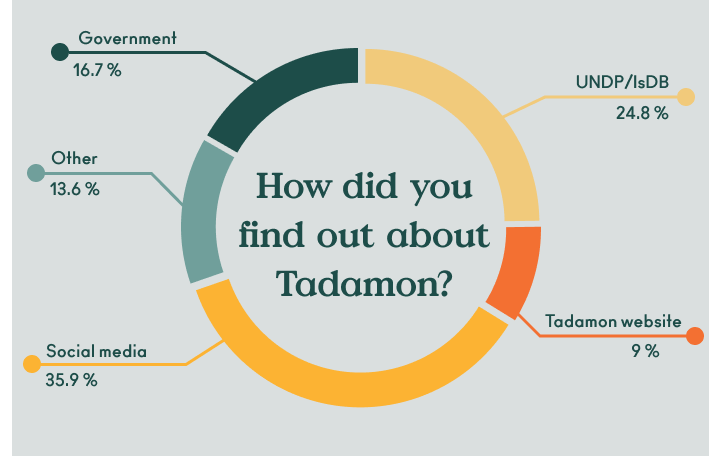
This has encouraged us to step up our efforts in creating a more interactive social media and online presence and promoting our member organizations by sharing their voices on our platform. This database can be used both by project partners, the CSOs themselves as well as donors to find like-minded organizations to partner up with or find projects to support. It also gives us a valuable window into the civil society landscapes and ecosystems of each country we work with to better understand the needs and resources on the ground.
We are continuously working to update the Tadamon platform with new campaigns from organizations graduating from our Crowdfunding Academies, capacity building opportunities, calls for grants, and success stories from the project. We will continue to publish our findings online so stay tuned and sign up for our newsletter at tadamon.community.
The following piece was first published on the Proofing Future and was originally published on April 20, 2021.
“The Social Impact Network is a decentralized ecosystem for impact investments that connects decentralized finance and real-world asset projects to create real social impact and deliver above-average yields to investors. Compared to traditional portfolios, the impact investment offered by our platform is open fund based, easily tradable, transparent, and secure due to the integration of DTL and IoT devices into the funded projects,” says Dr. Nikola Markovic of Social Impact Network as we talk with him, Marina Petrović and Robert Pašičko of UNDP AltFinLab, and Rawad Rizk of UNDP Lebanon about their project collaboration in the DLT4EU accelerator programme.
The DLT4EU accelerator programme identifies and connects distributed ledger technology (DLT) entrepreneurs with leading public and private sector organisations for social and public good.
DLT4EU is led by a consortium comprised of Metabolic, Digital Catapult and Ideas for Change, with direct support and advice of the European Commission’s Joint Research Center.
Dr. Nikola Markovic is the CEO and CoFounder of Social Impact Network, the place where impact investors make a measurable social and environmental impact with their investment. Social Impact Network is a startup that was built during the DLT4EU accelerator program. With his expertises and enthusiasm in innovation and technology pushed the project from idea to realization. He is keen to bring the Social Impact Network further on the market and enable funding for green energy in emerging markets more accessible.
Rawad Rizk is Project Manager at UNDP Lebanon and team member of UNDP Alternative Finance Lab. He has been managing Live Lebanon, a crowdfunding platform aiming at linking the diaspora to the development effort in Lebanon with over 70 projects implemented successfully. As part of the Alternative Finance Lab team, Rawad Rizk supports the implementation of Tadamon, a NGO empowerment for poverty reduction program, which is providing capacity building and funding to CSOs in 57 countries. Rawad Rizk is a member of the digital crowdfunding academy. an online training program, as well as managing the campaign for the Alliance to Fight Avoidable Blindness AFAB, a program that provides treatment to fight avoidable blindness in 13 countries in Africa.
Marina Petrović is the Innovative Finance and Technology Expert at UNDP Istanbul Regional Hub as well as Cofounder of the Alternative Finance Lab (AltFinLab), which is an internal startup, run out of UNDP Istanbul Regional Hub for Europe and CIS. The AltFinLab is exploring how to revolutionize development finance, through innovation, digitalization and technology. Since the AltFinLab launched in 2016, Marina Petrović has been working to provide hands-on technical expertise, advisory support and market intelligence to over 45 UNDP offices, national partners and governments around the world.
Robert Pašičko is the Cofounder of the UNDP Alternative Finance Lab (AltFinLab). He supports innovation in alternative finance mechanisms and in low carbon development in over 40 countries globally. He focuses on finding ways to make green energy affordable through blockchain, crowdfunding and community financing. Robert Pašičko also cofounded the UNDP Crowdfunding Academy, a training program for crowdfunding which has been implemented in over 20 countries worldwide and has created over successful 50 campaigns. He is an evaluator of blockchain projects funded by the European Commission.
Sebastian Klemm: Which deep economic reforms do we need to tackle, in order to arrive at regenerative & intragenerationally just societies that manage to live within planetary boundaries?
Dr. Nikola Markovic: In today’s economy, emerging countries are often left behind, without sustainable and effective solutions for their development. The implementation of the Sustainable Development Goals (SDGs) in these countries is often short-termed and inefficient.
Public innovation projects are proven avenues to increase awareness and accelerate development. However, due to a lack of accessibility and accountability for both citizens and organizations, civic participation is a major drawback for their implementation.
Distributed ledger technologies, in short DLT, can provide decentralized platforms for a collaborative economy and promote digital infrastructure that facilitates increased civic participation and engagement. New financial mechanisms based on DLT would stimulate civic investment in areas such as education, health, energy, agriculture and women smallholders. This innovative type of inclusive and collaborative economy would encourage sustainable development in emerging countries and contribute to equality in societies.
Rawad Rizk: I believe we are reaching an irreversible or a breaking point when it comes to the environmental damage to our planet. Raising awareness to change behavior is not enough. We need tough reforms and regulations that enforce laws to protect nature.
Marina Petrović & Robert Pašičko: With regard to our Digital Impact Coins challenge, necessary reforms could be the regulation of digital technologies, crypto and new banking systems that are citizen led and owned, which could also help with the distribution of power, as we could have more people actively participating in the global economy who were previously unbanked, as well as people living without ID.
Sebastian Klemm: Why do you participate in the DLT4EU programme?
Dr. Nikola Markovic: The DLT4EU programme offered a unique opportunity for accelerating the implementation of the DLT solutions that we propose with the Social Impact Network. Moreover, the challenge proposed at the beginning of the programme by challenge owners, about incentivizing financial contribution of citizens for social and environmental projects, was perfectly aligned with the core solution based on blockchain technology that we are offering for impact investment within our Social Impact Network platform.
Rawad Rizk: The DLT4EU programme is a learning opportunity to gain hands on experience by engaging with experts in the field of distributed ledgers and blockchain. The programme will help us move from traditional donation based projects to impact investment.
Marina Petrović & Robert Pašičko: UNDP ALtFinLab is part of the innovation team led by UNDP Istanbul Regional Hub and has been working with innovative digital technologies for development over the past 5 years.
We understand that the interdependence of our world has been experienced so starkly by so many people at the same time. COVID-19 and the response to it has shown us the realities of the interconnectedness of our system, with one action leading to secondary and tertiary consequences across the globe.
Participating in DLT4EU helps us to reshape and think differently about our approach to tackling development challenges by exploring and leveraging new and novel technologies.
Sebastian Klemm: What have been inspiring moments to you personally during both your work together as a Virtual Field Lab team and within the entire DLT4EU programme so far?
Rawad Rizk: I have been inspired by the collective work and the countless brainstorming sessions we had for overcoming many obstacles. Working with people from different geographical areas, backgrounds and cultures to solve common problems was satisfying.
Dr. Nikola Markovic: During the accelerator programme, we have experienced both dramatic and inspiring moments. However, I would like to highlight one that changed everything.
The day after a dramatic explosion in Beirut, Lebanon, we held our scheduled weekly call within the Virtual Field Lab team and got first hand information from UNDP Lebanon about the situation in Beirut.
It was a very shocking realisation that due to the lack of sustainable energy, doctors were performing surgeries using phone lights. Furthermore, the planned pilot site for our project was destroyed and the implementation of the entire project was uncertain.
But, during this meeting we had one of the most productive brainstorming sessions, built stronger connections and bonded as a team for a common goal. Out of the disaster and hopeless situation came an engine for successful project development.
Could you elaborate as to how your particular project can support the recovery of Lebanon, particularly on site in Beirut following the local explosions and destructions in August 2020?
Dr. Nikola Markovic: The explosion in Beirut combined with COVID-19 amplified the already existing problems in Lebanon, and demonstrated the urgency for our solution. Our Social Impact Network can support the recovery of Lebanon, particularly to provide sustainable energy to facilities such as hospitals and schools, by providing access to funds that would be used to build solar PV plants.
Sebastian Klemm: What social and environmental challenges does your DLT4EU project address exactly?
Rawad Rizk: The goal of our pilot project is to encourage renewable energy solutions and to provide financial means to beneficiaries who need these solutions. Shifting to clean and renewable energy will protect the environment by reducing greenhouse gas emissions. It is a healthier alternative for communities.
Take Lebanon as an example, where citizens rely on expensive and polluting private electricity generators that cause great harm to their health and the environment. Installing solar PVs instead will reduce their bills, protect the environment and improve their well-being.
Marina Petrović & Robert Pašičko: In terms of socio economic recovery from COVID-19, in many countries, such as Lebanon, financial viability is the weakest dimension of sustainability, whether due to shifting donor priorities, new legal obstacles, or the emergence of greater economic challenges. This has occurred since the COVID-19 pandemic began and countries and donors scaled back their funding to address COVID-19. Investments shifted to supporting development efforts in Syria and other war-torn regions and to direct implementation activities, rather than funding local organizations, startups, or companies to do so. Finally, in many places, a deteriorating economy and limited options for domestic funding have increased reliance on foreign funds while intensifying competition among organizations for those funds.
Concerning the COVID-19 socio economic recovery in Lebanon in particular, it shows that the currency devaluation reached a record losing more than 80% of its value which jumped from 1500/$ to 9000/$. Lebanon was also hit hard by the Beirut port blast which is the third largest blast in history. The losses incurred are estimated at 10B$. More than half of the population is below the poverty line and the unemployment rate has reached 40%. The situation is rapidly deteriorating and is reaching a tipping point. Lebanon is now facing a major energy crisis. With the lack of USD the government will not be able to import fuel oil used to operate the power plants and private generators. Power rationing will soon reach its highest level. Currently, the government is supplying less than 12 hours of electricity per day. Citizens are relying on expensive and highly polluting private generators to fill the gap. The power cuts will heavily affect the hospitals and health centers. With an average of 5000 new COVID-19 cases, hospitals have reached their full capacity with only 60 ICU beds remaining. Many of those hospitals were affected by the Beirut port blast which left them hanging in the dark.
Dr. Nikola Markovic: Above all the financial support is the key for enabling citizens of Lebanon and other developing countries to have access to sustainable and renewable energy, as Rawad and Marina have already mentioned. Traditional impact investment could become an approach to generate positive social and environmental impact alongside a financial return. However, low level of trust and transparency, sophistication of impact measurement practice, suitable exit options among others, are still preventing it from scaling.
Sebastian Klemm: How do you apply distributed ledger technologies in your project to help solve these challenges for the public good?
Rawad Rizk: With our pilot project we are building an online solution to connect potential investors with beneficiaries who would like to install solar power systems. Blockchain technology offers a trustworthy solution in this regard, safeguarding the interests of all parties involved.
Marina Petrović & Robert Pašičko: A Digital Impact Coin or SI Token can serve as an economic incentive model mechanism, and thus encourage positive engagement for public benefits. This mechanism also encourages a long-term relationship that can be extended across ecosystem members who share common values, as well as be passed between community generations.
Dr. Nikola Markovic: The Social Impact Network is a decentralized ecosystem for impact investments that connects decentralized finance and real-world asset projects to create real social impact and deliver above-average yields to investors.
The first impact investment fund offered via Social Impact Network is a Renewable Energy Fund. Compared to traditional portfolios, the impact investment offered by our platform is open fund-based, easily tradable, transparent, and secure due to the integration of DTL and IoT devices into the funded projects. The latter enables the measurement and tracking of the energy produced and based on that calculates the return on the investment.
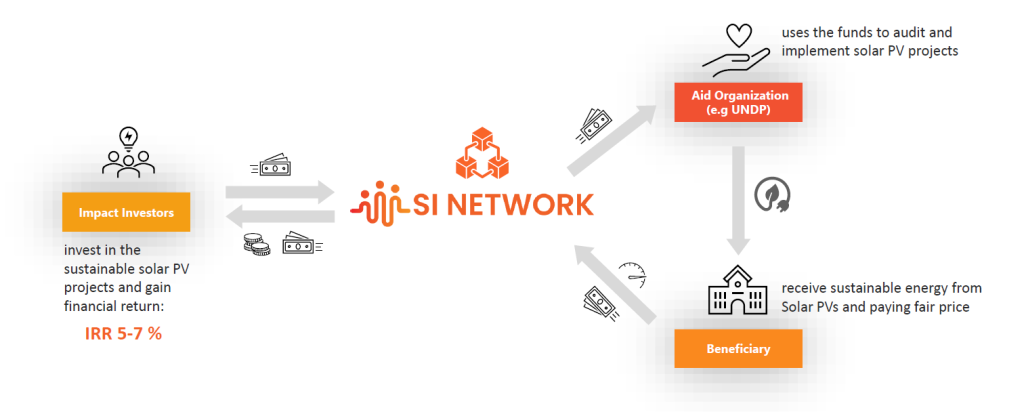
The new impact investment model, called Tokenized Measurable Impact Investment, can engage more people in financing and supporting the social impact project, e.g. electrification with renewable energy, in emerging markets. The interoperability of these tokens with financial institutions such as banks enables its integration into their digital portfolios and provides a wide range of potential for investors.
UNDP Lebanon, as project coordinator, supports vulnerable beneficiaries such as schools and hospitals in Lebanon with site assessment for solar PV plants and by proposing these projects on the platform. The project proposed by UNDP Lebanon is funded by impact investors through SI Tokens, governance tokens of the Social Impact Network. In this way, the project coordinator directly benefits from the sustainable financing model for the solar PV plants and the beneficiaries get easy access to sustainable energy.
This is how it works:
- Step 1. UNDP identifies and makes an assessment plan for renewable energy projects with social impact. The chosen projects are proposed on the Social Impact Network platform.
- Step 2. Impact investors buy the SI Tokens directly through the platform or through banks and become part of Social Impact Network.
- Step 3. Funds are used by UNDP to implement the proposed project. Contractors for the project implementation will be selected through a competitive public tender process managed by UNDP.
- Step 4. The IoT device sends data from the installed solar PV plants via blockchain, and the data is transparently available on the Social Impact Network platform.
- Step 5. The electricity is paid by the beneficiaries to the Social Impact Network, and the payouts are distributed to the impact investors based on the token ownership.
Sebastian Klemm: What have you been developing so far throughout the DLT4EU accelerator programme?
Rawad Rizk: Thanks to the DLT4EU accelerator we have developed a better understanding of tokens and blockchain technologies.
Marina Petrović & Robert Pašičko: As a result of our gain in understanding, we have created a system solution and technical platform together with the Social Impact Network.
Dr. Nikola Markovic: As a result of our weekly meetings with the challenge owners of UNDP & AltFinLab as well as with DLT4EU coaches, we designed a tailored solution, the Social Impact Network, and fully developed it during the DLT4EU accelerator timeline. Early 2021, we will have implemented our solution in an operating environment in Lebanon with real customers.
In addition, we have also created the full legal framework for our Proof of Concept and the next phases. Our Social Impact Network components developed during the timeline of the DLT accelerator include:
- A mobile ready responsive platform tested with end users.
- A fully operational tokenized fund with all functionalities.
- The interconnection of an IoT device placed on the solar PV plants for measuring.
- Blockchain technology for storing impact data like energy produced and the CO2 reduction.
Sebastian Klemm: What particular qualities of the DLT4EU accelerator distinguish this programme in your opinion?
Rawad Rizk: The DLT4EU programme is well organized and structured. The responsible colleagues do a good follow up, which I believe will yield successful results.
Dr. Nikola Markovic: The key quality of the DLT4EU is in an interplay of access to highly skilled mentors, participation in carefully tailored bootcamps, and active contribution in Virtual Field Lab concept. The Virtual Field Labs in particular, as a joint venture between challenge owner and the venture team, is a way to successfully implement cutting-edge technology to overcome a real challenge. In addition, each step during the development was followed and discussed with the mentors so that the Virtual Field Labs were independent in decision making but guided towards successful implementation.
Marina Petrović & Robert Pašičko: One of the particular qualities of DLT4EU is that it is directly supported by the European Commission. Such support is often the biggest shortcoming of similar programmes, which are creative in design but abstract in implementation as they lack the political angle and support on the policy, legal, regulatory and funding fronts.
Sebastian Klemm: Following your participation and insights so far: What evidence of positive impact and benefits of the DLT4EU accelerator do you see already?
Rawad Rizk: I believe the positive impact and benefits will be clear after we finalise the Proof of Concept and implement the first pilot.
Dr. Nikola Markovic: We are in the early stage of the implementation. However, the technical aspect of the PoC is fully tested and it is ready for the market. After realisation of the first pilot project, we are expecting to scale Social Impact Network by including regional UNDP hubs. It is very clear that urgency for new financial inputs in emerging markets can accelerate the whole market of impact investment. Our mission is to further incentivize financial contribution by establishing a new standard for impact investment that guarantees full transparency and inclusiveness. .
Marina Petrović & Robert Pašičko: There may be even potential of scale up for other challenge owners.
Sebastian Klemm: How will you sustain your engagement and project development beyond the final presentations at the European Commission in March 2021?
Rawad Rizk: We are planning to create a partnership with the Social Impact Network team and test our solution within one UNDP country office and later on expand it to other countries.
Marina Petrović & Robert Pašičko: Furthermore, we can see a potential scale up through Tadamon, a NGO empowerment for poverty reduction programme.
Dr. Nikola Markovic: The relation that we have built with UNDP Lebanon during the DLT4EU programme is the foundation for our future cooperation. Our solution has the potential to disrupt the impact investment sector and create tangible social and environmental impact not only in Lebanon but also in other emerging countries. We look forward to seeing this happen.
The following piece was first published on the Proofing Future and was originally published on February 21, 2021.
“We are using distributed ledger technology to help the cooperatives better market and differentiate their products on the back of their sustainability certifications, creating products with provable certification claims and traceability back to their origin. This traceability is then being leveraged to sell “proof packages” containing all this information to downstream buyers, driving more value directly back to a cooperative similar to how impact credits work in other industries,” says Erik Zvaigzne of Convergence.tech as we talk with him, as well as Marina Petrović and Robert Pašičko of UNDP Alt Fin Lab, about their project collaboration in the DLT4EU accelerator programme.
The DLT4EU accelerator programme identifies and connects distributed ledger technology (DLT) entrepreneurs with leading public and private sector organisations for social and public good.
DLT4EU is led by a consortium comprised of Metabolic, Digital Catapult and Ideas for Change, with direct support and advice of the European Commission’s Joint Research Center.
Erik Zvaigzne is VP of Product Innovation at Convergence.tech, a digital transformation and technology development company specialized in digital identity and traceability solutions, with a keen interest in how technologies like blockchain can be leveraged to create sustainability. He leads product development efforts for the company, as well as works with governments and international development organizations globally to help solve problems using emerging technologies. Erik is the venture team lead on the DLT4EU project.
Marina Petrović is the Innovative Finance and Technology Expert at UNDP Istanbul Regional Hub as well as Cofounder of the Alternative Finance Lab (Alt Fin Lab), which is an internal startup, run out of UNDP Istanbul Regional Hub for Europe and CIS. The Alt Fin Lab is exploring how to revolutionize development finance, through innovation, digitalization and technology. Since the Alt Fin Lab launched in 2016, Marina Petrović has been working to provide hands-on technical expertise, advisory support and market intelligence to over 45 UNDP offices, national partners and governments around the world.
Robert Pašičko is the Cofounder of the UNDP Alternative Finance Lab (Alt Fin Lab). He supports innovation in alternative finance mechanisms and in low carbon development in over 40 countries globally. He focuses on finding ways to make green energy affordable through blockchain, crowdfunding and community financing. Robert Pašičko also cofounded the UNDP Crowdfunding Academy, a training program for crowdfunding which has been implemented in over 20 countries worldwide and has created over successful 50 campaigns. He is an evaluator of blockchain projects funded by the European Commission.
Sebastian Klemm: Which deep economic reforms do we need to tackle, in order to arrive at regenerative & intragenerationally just societies that manage to live within planetary boundaries?
Erik Zvaigzne: I think a lot of it has to do with culture and awareness. We are increasingly becoming aware of the actions and impacts we have as people on the planet thanks just to our greater interconnectedness online and discussion of some of the issues in the media, which already feels like it is starting to change the mentality and consumer preferences of the younger generations as they look at things more holistically.
Crisis can spur innovation, and to some extent on the environmental sustainability front. I think, we are starting to see the results of that in some early things like clean energy. Circularity feels like it is up next, given the potential for digital platforms to do the hard work of connecting industries and supply chains together at various levels.
Everyone of course is at a different level of awareness and maturity in that sense globally, and it will take a long time for everyone to get onboard to achieve long and lasting effect. Balanced against the sometimes added cost of “doing the right thing”, if anything needs to change in terms of economic reforms, I would say we need to shift our regulatory landscape to create situations where it becomes more expensive to do the wrong thing and people fall into alignment regardless of their motive. The cost of the impact our products have on our health and our planet should factor into their prices so that people will fall in line regardless of their reasons or motives. Easier said than done, this is a very delicate thing to balance against overall prosperity and economic development in emerging economies for sure, but that is where I think some deregulation of technology innovations and proliferating better technology access can help create new and more sustainable communities.
Marina Petrović & Robert Pašičko: The market is driving producers to adopt unsustainable practices, creating a series of economic, social and environmental problems. The market does not incentivize producers to become sustainable. Brands pledging to be sustainable need to expand sustainable sourcing in order to meet their commitments. In absence of a clear solution, most companies are unable to achieve their target for a sustainable supply chain.
The UNDP United Nations Development Programme is working globally with a wide number of value chains and related commodities. However, more can be done to support the matching between demand and offer. For example, governments could prioritize economic mechanisms that promote the generation of livelihoods and decent and sustainable entrepreneurship. This could be done by introducing smart technologies, like blockchain, and creating decentralized markets which are transparent and efficient and can potentially increase the efficiency of supply chains and positively impact and improve inclusion within the value chain.
Sebastian Klemm: Speaking of the necessary shifts in the regulatory landscape: In a previous interview, David Franquesa elaborates on the EU legislation on Ecodesign – which claims to “further enhance the reparability and recyclability of appliances”.
What enhanced regulatory initiatives do you see already that may nudge both corporate and consumer behavior towards sustainable practices?
Erik Zvaigzne: The European Parliamentary resolution of 22 October 2020 furthering work on the EU legal framework to halt and reverse EU-driven global deforestation is an interesting one in how it will encourage greater accountability, action and transparency in commercial supply chains. By putting the onus on companies to provide proof of compliance with claims such as “deforestation-free”, new levels of traceability and international cooperation will be required to better monitor, track, and prove such assurances using tool sets similar to the one we developed as part of DLT4EU. The emphasis it places on sustainability, production processes and carbon footprint, human rights, and land tenure all require good practices to be followed in the countries of origin, and should naturally create investment in sustainability and development programs in the target countries to help achieve this.
Sebastian Klemm: What particular qualities of the DLT4EU accelerator distinguish this programme in your opinion?
Erik Zvaigzne: The problem-first emphasis. Many accelerators help commercialize an idea but don’t touch the design aspect too much, but DLT4EU left the solution space wide open for ideas on how technology could be adapted and applied to help solve the use cases. Creating a commercial model on the back of it is challenging in this way, but ideation with subject matter experts like this around a problem feels like a strong way to create social innovation and come up with new ideas.
Marina Petrović & Robert Pašičko: The vertical top down support by the European Commission, which is for us at the UNDP a game changer. As we work with and for governments, the solutions that we bring to them need to be more than just a good idea, or solution developed through a hackathon. They also need to be “implementable”, which in a lot of cases is impossible, as solution developers have only covered the “innovation or tech” part, and have not worked in parallel on policies or “restriction” elements.
Sebastian Klemm: Why do you participate in the DLT4EU programme?
Erik Zvaigzne: One of our core focuses at Convergence.tech is on projects that explore the application of technology to create positive social or environmental impact. Sustainable supply chains fit that profile. DLT4EU provided us the opportunity to explore the idea of how traceability can empower smallholder producers in agriculture and others in cooperation with the UNDP AltFin Labs.
Marina Petrović & Robert Pašičko: The United Nations Development Programme (UNDP) is working on “big things”. We are trying to reduce the impacts of climate change, help communities, cities, governments in creating a better world. We call these challenges, 17 in total, the SDGs or Sustainable Development Goals. To fund these and address them, we have a gap: We need around $2.5 trillion per year. To fill this gap, governments and development organisations are trying to rethink their approach, as “business as usual” solutions are not enough anymore. And here comes the innovation part, technology and development. As we live in a digital world, maybe more than ever, development needs disruptive solutions to change the way people live today. From banking for 2 billion people who don’t have access to a bank account, to providing an identity for 1,5 billion people who do not have it, to speeding up access to electricity for 1,2 billion people who live without it. These people don’t have time to wait, and neither do development and the SDGs.
The UNDP mandate is “leave no one behind” and as the SDGs are so ambitious and comprehensive, they require multi-sectoral methods, innovative technologies and financial instruments that can leverage resources from different actors and account for the complexity of the development agenda.
It is the innovation team within UNDP’s Bureau for Programme & Policy Support, specifically its lead regional bureau, Europe and CIS, that has played a key role in accelerating organisational learning on emerging approaches to development. In this context, it has built a portfolio of innovative business offerings that includes:
- Building policy innovation labs within governments as an alternative mechanism for tapping into citizen expertise and assets for policy design and delivery.
- Leveraging alternative financial mechanisms and technologies, such as blockchain, to support entrepreneurship and strengthen competitiveness, as well as promoting understanding of the impact these mechanisms and technologies have on existing regulation and institutional frameworks (regulatory innovation). This service line has given rise to the Alternative Finance Lab, run out of UNDP Istanbul Regional Hub, which has led the design of three challenges under DLT4EU: Digital Impact Currencies, P2P Energy and Track-and-Trace.
- Advising governments on the use of new sources of data for timelier policy response.
- Strategic foresight and R&D aimed at continued market intelligence for new approaches and methods to tackle ‘sticky’ or stubborn development issues.
Sebastian Klemm: What are the societal and environmental challenges that your particular project “Track-and-Trace: Creating Fairer and More Transparent Supply Chains for Women-Owned Cooperatives in Morocco” addresses?
Erik Zvaigzne: Argan oil is a very high value commodity that can be worth over €250 / litre in the EU cosmetics market and is of great economic importance to the rural Moroccan communities that produce it. The primary producers are small, women-owned cooperatives who make less than €25 / litre from the oil that is pretty much ready for sale to the cosmetics market when it leaves their hands. For the coops and their members, the argan oil trade is sometimes the only opportunity for income and employment available to them.
Environmentally, good work is being done around certifications and ecosystem payment schemes that command premium prices and help preserve and grow the argan forests that are so critical to this industry. Proving and marketing these certifications to find interesting buyers willing to pay premium prices remains a challenge.
Despite being so critical to the industry as a whole, the coops who are in fact producing sustainably see a disproportionately small portion of the market value in return for their efforts since they lack broader market access and the ability to differentiate their products among others in the industry.
Marina Petrović & Robert Pašičko: Our project improves the socio-economic inclusion of small and medium-scale female farmer cooperatives, inserting them into a value chain in which their contribution is made visible and fair commercial conditions are guaranteed. On top of that, our project provides a user-friendly mechanism for responsible consumer applications in national and international markets.
Sebastian Klemm: The DLT4EU programme focuses the application of DLTs to the areas of “Circular Economy” and “Digital Citizenship”. How do you apply distributed ledger technologies in your project to help solve these challenges for the public good?
Marina Petrović & Robert Pašičko: We are using it to create a blockchain shared – value ecosystem and platform. End buyers will be able to trace argan oil production and ensure it has been sourced fairly and sustainably. The price will reflect the impact on the ecosystem and the real costs of production and export, with farmers receiving a significantly greater share than through any other method.
Erik Zvaigzne: We are using distributed ledger technology to help the cooperatives better market and differentiate their products on the back of their sustainability certifications, creating products with provable certification claims and traceability back to their origin.
This traceability is then being leveraged to sell “proof packages” containing all this information to downstream buyers, driving more value directly back to a cooperative similar to how impact credits work in other industries. This is all being done on the back of privacy protecting digital identity wallets and open standard W3C-compliant verifiable credentials, to build an ecosystem around certification-based traceability.
By open sourcing core parts of the platform and basing it on verifiable credentials as a data format, our hope is that this pattern can also be applied to other industries where smallholders have similar challenges that can in turn create fairer and more transparent supply chains in other commodities industries.
Sebastian Klemm: Track and trace may possibly be distinguished according to direction & point in time. Whereas tracing is about following the completed path backwards from its current point to where it began, tracking is about following the emerging path forwards from your starting point to wherever an economic resource currently is.
Could you further elaborate on the interplay of tracking to support the value creation in your application?
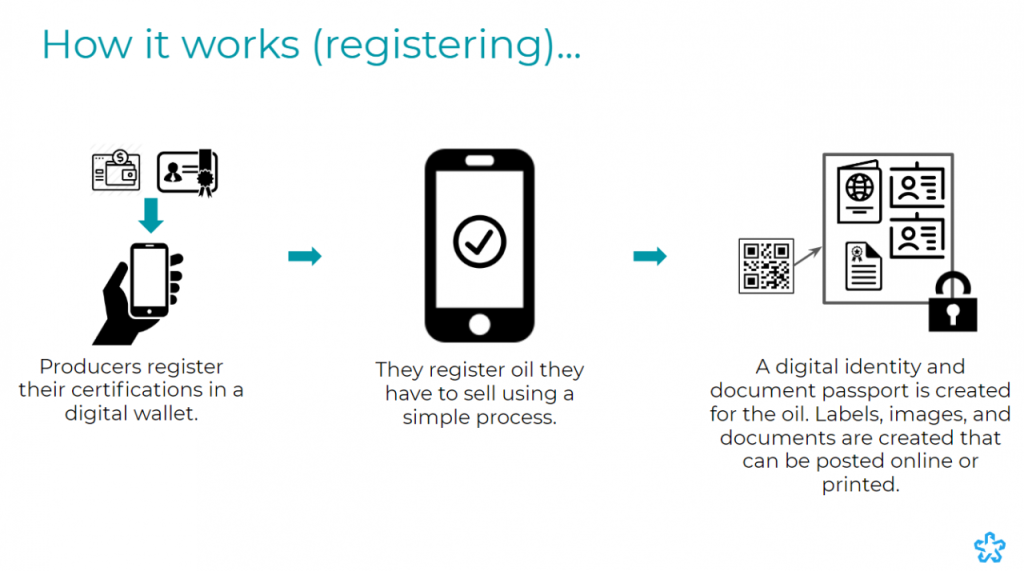
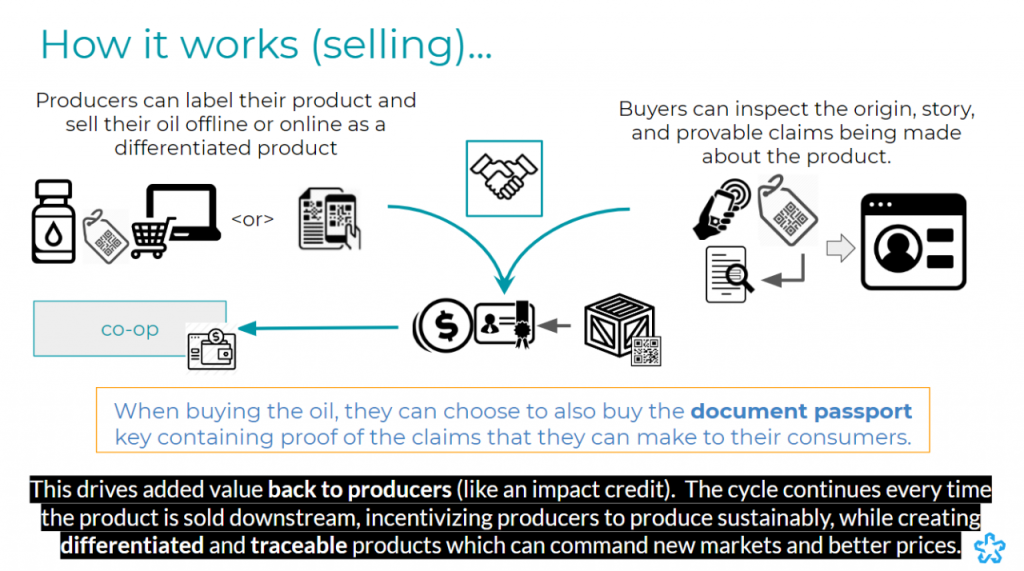
Erik Zvaigzne: We are collecting data points that provide both. Registration of the oil by the coop solidifies point of origin information and the beginning of the data record, associated with a cooperative profile, branding information, and any certifications they have. This is traceable by anyone who wishes to inspect the provenance of the oil that is being sold to them, and is a key data point that weigh into purchasing decisions made by commercial buyers, who have specific sourcing standards, certification and information requirements for the oil they purchase.
The present back-and-forth exchange of unverifiable paper documents is something that is made much easier, with high assurance data that can be validated as authentic in real-time by use of our technology.
To end consumers interested in sustainable and ethical purchasing, it also provides an opportunity to transparently see where their goods are coming from and under what conditions and certifications they were produced. We are working on also creating a channel here where consumers can choose to support the cooperatives directly financially as a part of this and looking at meaningful methods in which they can benefit the women and their families.
When the oil is sold to a new buyer, that information, and changes of custody thereafter, is where tracking comes into play as new data is added to the registered oil which enriches the traceability data. Recording this information on a shared digital data platform enables this. Incentive to do this comes by way of purchasable data passports that contain the proovable certification and claims information, which they in turn can use as proof of sustainable sourcing or as a marketing tool to incentivize their buyers and their branding. Branding is the element of importance we are trying to build for these cooperatives as well by equipping them with data and tools to help tell their story and reach new markets. They need to differentiate and promote their product and their certifications to open up new markets and commercial opportunities, and data passports are one way of doing that.
Sebastian Klemm: Can you elaborate on the aforementioned W3C World Wide Web Consortium and what specific relevance its standards compliance for your project development has? Perhaps, how does the application of these standards support your solution in terms of the public good?
Erik Zvaigzne: W3C is one of the leading internet standards organizations in the world. Their Verifiable Credentials (VC) and privacy-protecting Decentralized Identifiers (DID) standards in particular have been very influential in the decentralized identity world as of the last few years in this space, which create the pathways for interoperable cryptographically signed data packages (VCs) and identifiers (DIDs). For instance, both have been used to good effect in the European Blockchain Services Infrastructure (EBSI) project supported by the EU Commission.
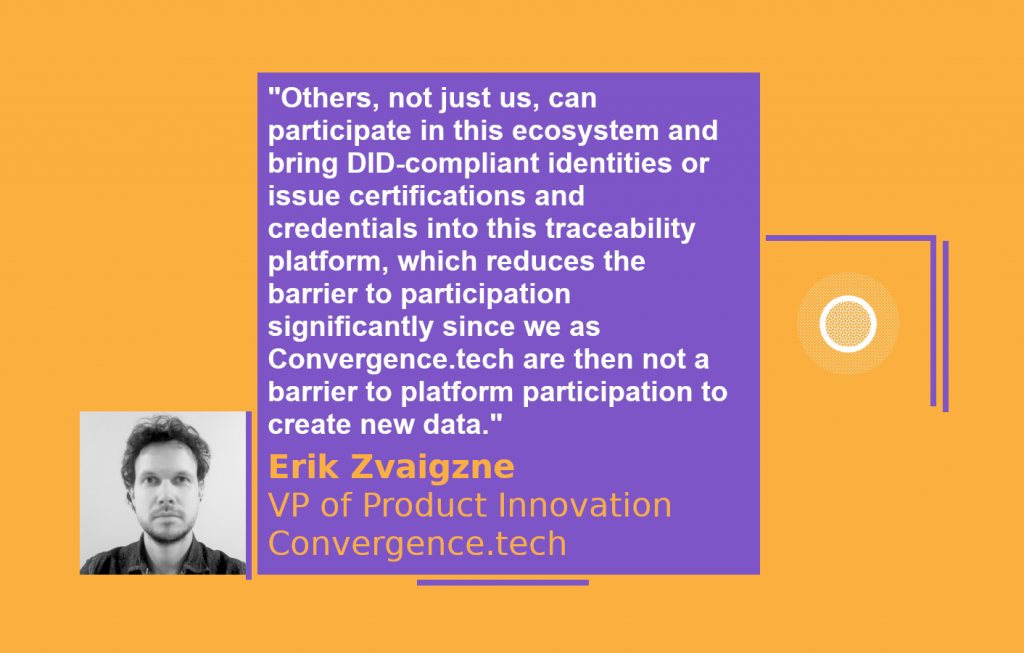
What this creates are pathways for interoperability with data systems between vendors, between industry participants, and increasingly between government infrastructure globally so they can all speak the same language and make sense of the signed data packages and identifiers being used in the solution since all these data formats are non-proprietary. This is how basing our solutions on standards like these is beneficial. Others, not just us, can participate in this ecosystem and bring DID-compliant identities or issue certifications and credentials into this traceability platform, which reduces the barrier to participation significantly since we as Convergence.tech are then not a barrier to platform participation to create new data.
Anyone who complies with these standards will know how to create and validate the information that flows into and out of our platform. People can also leverage existing user-owned digital identities and signing functions that will increasingly be in place on the buyer side thanks to broader initiatives like EBSI and some of the digital signing work they are doing.
Sebastian Klemm: Throughout the DLT4EU programme and along the bootcamps with mentoring therein: What have you been developing so far?
Erik Zvaigzne: We have been developing refinements to our existing digital traceability technology and tooling to work for some of the specific needs in the argan oil value chain, as well as exploring what B2C market channels can be created on the back of this to help the cooperatives sell more directly to end consumers and benefit from the high prices the oil commands in international markets.
We see some other opportunities to be able to help with the administration and digitization of some of the underlying certifications programs, which we feel is another opportunity to get more people participating on the platform we are creating.
Marina Petrović & Robert Pašičko: Based on the tech part that Erik explained, we on the UNDP side have been working on the concept of a responsible value chain with the potential to expand its benefits not only in the agroindustry sector, but also to other sectors.
Our DLT4EU project is the first project of its kind in the UNDP Morocco Country Office and will expand UNDP’s expertise in the application of technologies in development. In line with ongoing discussions about UNDP’s role as a key player in innovation for development, as well as with the private sector, this initiative will have a catalytic effect as it will position the organisation in an evolving niche.
Sebastian Klemm: So far, money has been a fundamental building block of the traditional economic paradigm, where economic actors are incentivised to extract natural and social capital in exchange for money.
In a previous interview, Lynn Foster elaborates on the use of tokens as rewards within their DLT4EU project, where spending the tokens in neighborhood businesses encourages local awareness and more cycles of local economic activity, an ‘economic multiplier’ which increases local resilience.
Could you elaborate on realized solutions in other projects you conducted at Alt Fin Lab as well as at Convergence.tech where you applied alternative finance & currencies, impact credits or token to foster socio-ecological regeneration and resilience?
Erik Zvaigzne: We have not done too much work with alternative currencies as of yet in our projects since the regulatory environment needs to be favorable to be permissible at scale, which we are finding to be a very country-specific situation. Even for the Morocco use case, we are likely starting by way of the commerce angle to buy the data passports as being something happening in fiat currency outside of the system and included in the purchase of the oil itself to simplify the situation since the ecosystem to spend any credits accumulated as a digital currency do not really exist in this case since not much goes into the supply side of argan oil beyond purchasing of the seeds for those who do not harvest them themselves.
We are at present designing a project in Ecuador around deforestation-free livestock production where we are exploring the impact credits earned from proovable production, monitored via geospatial data and satellite photos, to take the form of an alternative currency, enabling the purchase of agriculture inputs and supplies from local suppliers as one potential avenue for the value to take. We are exploring this to be backed up initially by REDD+ credit funding and government incentives for good agricultural practices, before then transitioning into a “price premium” model for sustainable production once the market is ready. Keeping the price gap for sustainable production high enough to change behaviour is the balance we are trying to find with this without introducing pathways where the model can be exploited in some way.
In general, tying benefits of some kind to sustainable production, be it on the sell side or buy side, is one element of great interest as a tool to shift markets to sustainable production. Behavioural economics can be powerful. Some of us at Convergence.tech have done work in carbon credit and cap-and-trade markets internationally as well, which is an interesting dynamic we would like to explore building into sustainable agriculture as well. Some of the patterns that appear in those markets, like well intentioned people buying up a supply of credits simply to make things more expensive for heavy polluters, is one thing we have not been able to trial yet in these types of supply chain systems but is compelling to think about. We have some ideas floating around on what we can do here.
Sebastian Klemm: In our preceding interview about DLT4EU, Alice MacNeil says: “One of my favourite experiences was with the Venture Teams as part of a Storytelling Masterclass by Hayley Bagnall of Altus Impact, as part of the Barcelona Bootcamp in November. It was rewarding to see how the teams shifted their narrative about what they were doing, from a technology-first perspective to a more social, impact-driven focus. Not only was it fun, but we learned a lot about how to tell the story of your project and the power of storytelling. DLT can be quite niche, and this kind of approach allows us to tell a better story to a wider audience, to connect DLT4EU to a more public and democratic space.“
What have been inspiring moments to you personally during both your work together as a team & the overall DLT4EU programme so far?
Erik Zvaigzne: Getting to learn more about the intricacies of the argan oil in Morocco and some of the challenges that the cooperatives face by engaging and speaking with some of them directly has been inspiring, both in confirming the realities of the problem and the excitement and potential that exists in helping to solve it through the use of digital technologies. We have met a lot of people in the UNDP Country Office and in the industry who are passionate about social good and making a difference, and the support we have gotten for some of the ideas has been really encouraging.
Marina Petrović & Robert Pašičko: Working with passionate, creative and proactive people the from UNDP Morocco Country Office, Convergence.tech and DLT4EU who have a new mindset that is needed to rethink economics and tackle the 21st-century challenges, namely re-distributing wealth and respecting our planetary boundaries.
Sebastian Klemm: Were there any particular developments in other Virtual Field Lab teams that also helped you?
Erik Zvaigzne: Though, no specific instances are jumping to mind, I can say it has been great in general to be able to share our experience and progress with the other teams to compare, contrast, and learn as we all try to address similar challenges and issues in the realm of deploying technology for social impact. Many creative solutions have come up that make me hopeful for the future of DLT technologies in the post-cryptocurrency boom era of the industry.
Marina Petrović & Robert Pašičko: To understand the context of DLT4EU’s progress and outcomes, it was really helpful to share with other teams and hear their experiences, how they dealt with challenges and what they learned on their journey.
Sebastian Klemm: Following your participation and insights so far: What evidence of positive impact and benefits of the DLT4EU accelerator do you see already?
Erik Zvaigzne: For us, it has made us rethink our approach to traceability in certain use cases to models that don’t require entire consortiums or industries on board to make a difference. It has also connected us with a great team at UNDP Morocco who are committed to making a difference and exploring the potential of our concept and technology in the industry.
Marina Petrović & Robert Pašičko: We see positive impacts internally, where we have new UNDP Country Offices around the world that are interested to work with us and explore blockchain and track and trace, and externally working with the Convergence team on creating a Track-and-Trace platform that could be applicable not only for Argan Oil and Morocco, but also for other commodities, farmers and Country Offices.
Sebastian Klemm: How will you sustain your engagement and project development beyond the final presentations at the European Commission in March 2021?
Erik Zvaigzne: We are aiming to continue our weekly sync-ups and conversations as we progress our idea in an effort to pilot our technology in the field in Morocco and gain further support for our project.
There are a few complementary initiatives happening in Morocco around a new ecolabel payments program and an export promotion platform which have complementary goals to what we are trying to achieve with our project. We hope our technology can be a unifying factor and will be seeking support and further grant or impact funding to help us scale up and extend our technology.
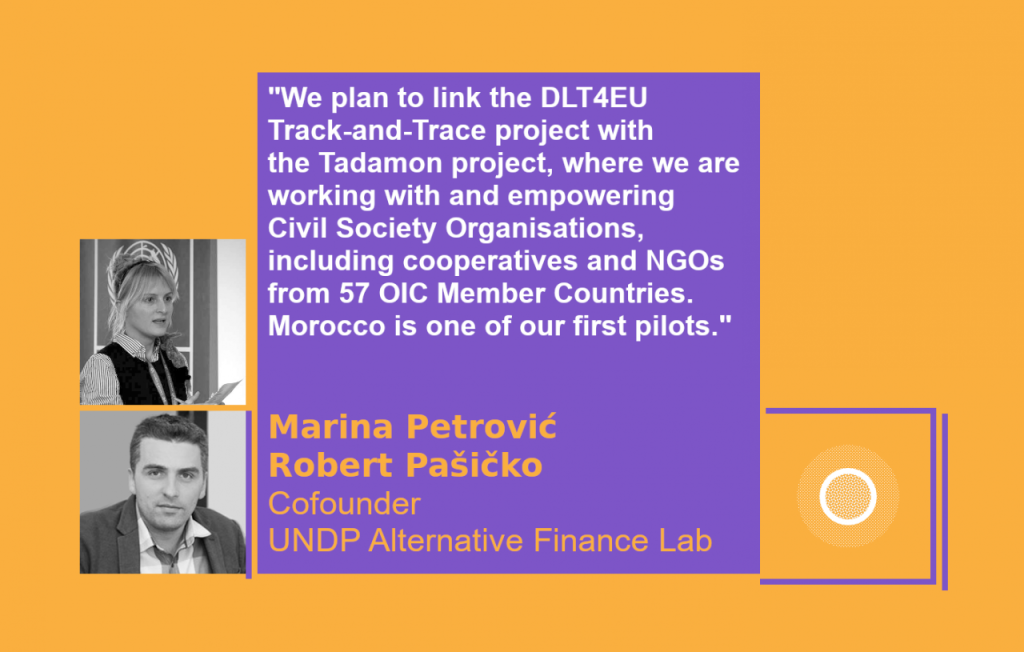
Marina Petrović & Robert Pašičko: We plan to link the DLT4EU Track-and-Trace project with the Tadamon project, where we are working with and empowering Civil Society Organisations (CSOs), including cooperatives and NGOs from 57 OIC Member Countries. Morocco is one of our first pilots.
Now, the idea is to see how to sign up new Country Offices, their local partners in Civil Society Organisations and their products on the Track-and-Trace platform.
The following piece was first published on the Tadamon blog and was originally published on April 12, 2021.
I have never heard of a time when Lebanon was not suffering. The perpetual crises have included endless wars, political and civil unrest, terrorist attacks, financial meltdowns and most recently, a huge explosion in Beirut that killed more than 200 people and left hundreds of thousands homeless and a pandemic that has affected virtually every aspect of life. That’s just the tip of the iceberg. The Lebanese people never got a break, not even when they escaped the country looking for a better future. And many did migrate. Some say the diaspora is twice the size of the population. They’ve gone to almost every corner of the globe.
But crises create opportunities and we created one in October 2009 by bringing citizens, the diaspora and the private sector together to find solutions to the problems we were facing.
Live Lebanon, a UNDP initiative, was born to support the development efforts especially for the most vulnerable communities.
We started out by mapping the needs and asking non-governmental and civil society organizations, municipalities and even individuals for ideas and proposals. Every year we would select up to 15 projects to implement, taking into consideration criteria like need, feasibility, number of beneficiaries and impact. We developed an online crowdfunding platform, allowing every willing individual to contribute. The amount of the donation didn’t matter as long as the collective effort resulted in a success story. Over the span of a decade, we managed to raise $5 million and implement around 70 projects.
We have helped people in Lebanon build irrigation and potable networks and tanks in rural areas, generate electricity and install solar street lights in extremely remote villages, build playgrounds for kids and green spaces for everyone, rehabilitate dozens of schools, equip health centers and hospitals and purchase much needed ambulances, rehabilitate old markets, equip and train cooperatives, and provide waste collection trucks. Browse all of our ongoing and completed projects: http://www.livelebanon.org/project-list.
Live Lebanon’s success motivated us to continue expanding our efforts. We launched a youth volunteering program that has mobilized over 3500 volunteers, donating their time to various causes every other weekend – planting trees, cleaning beaches, waterfalls, rivers and the seafront, providing meals to homeless people, orphans and the elderly, painting schools and organizing activities for people with disabilities. We’ve collected over 39 million hunting cartridges and built recycling machines in collaboration with mechanical engineering students. We’ve raised awareness about environmental and health-related issues by taking action. With our “Bike to Work” initiative 600 people cycled to work reducing air pollution in the city and boosting wellbeing. With each step, we’ve encouraged more and more people to join and act to give back to their community.
Our mission does not end here. There are many things we have learned along the way that can be shared with other communities. Together with UNDP and the Islamic Development Bank (IsDB), we are expanding our work to other countries, using Live Lebanon and key insights to support our new Tadamon platform, developed within the IsDB – ISFD NGO Empowerment for Poverty Reduction project – where our task is to support over 500 civil society organizations within the next five years.
Our work started with Morocco, Indonesia, Kazakhstan and of course, Lebanon; to be followed soon with Tunisia, Somalia and Turkey. Thousands of organizations have already joined our platform.
While there is so much more to do, we have learned throughout our journey to act even when we don’t have the necessary funding. Because it’s people and ideas that build futures.
Imagine losing your legal identification and other official documents in a natural disaster, as thousands of Haitians did in the deadly 2010 earthquake. Without land title, rebuilding your home or business becomes impossible: Why invest in rebuilding at all when someone else can come along and claim your property?
Imagine trying to register for school, open a bank account, secure health care or other benefits, marry, vote, get a passport, or travel without the ability to prove who you are.
Around 1 billion people live in this situation today (World Bank, 2018), many of them refugees, migrants, or children born in the poorest, most remote regions of the globe with little or no capacity to collect data and generate durable records.
Blockchain, an emerging technology often associated with the Fourth Industrial Revolution, has tremendous potential to tackle this and other challenges, accelerating development progress that truly leave no one behind.
But before we take a closer look at the potential benefits of blockchain, let’s unpack a technology often perceived negatively or as “too complex” in light of the crypto-currencies it powers, such as Bitcoin.
What is a blockchain?
A block, or data record, is created every time someone initiates a digital transaction. It could be a crypto-currency, medical information, shipment history, or even a ballot.
Rather than being stored in a single vault, as paper or digital records now are, information stored in a particular block is spread over thousands or millions of computers through a peer-to-peer network that uses algorithms to verify transactions. Each validated block is added to everyone’s copy simultaneously, creating a chain of blocks or a “blockchain.” (Source: The Future is Decentralized, AltFinLab)Because of the distributed nature of a blockchain, no central authority ‘owns’ the information— lessening the risk that a master copy could be lost to hacking or a disaster. This makes blockchain not only a truly independent archive of records—a virtual ledger— but also one of the safest and most trustworthy data transportation system available today.
6 things blockchain can do for the SDGS
1. Support financial inclusion
According to the World Bank, 1.7 billion adults globally are “unbanked,” or operating outside the banking system entirely. In Tajikistan, a country both underbanked and heavily reliant on remittances (40% of households depend on money transfers from family abroad), a pilot project between UNDP’s AltFinLab and BitSpark company helps migrant workers transfer money through a mobile app running on blockchain.
This allows for cheaper, faster, and more direct fund transfers, avoiding the additional expense of a family trip to the nearest town to pick up money or the risk of the money transfer shop running out of cash. Users can open an account simply by inputting a phone number and digitally verifying their identity. Transactions are settled instantaneously and at a fraction of the fees charged by traditional intermediaries.
Blockchain also changes the way money moves in Serbia, where our pilot initiative in the city of Nis with AID:Tech Ltd channels diaspora remittances to socially responsible purchases and enables the creation of digital IDs that can be used for other money transfers.
[blockquote author=”” link=”” target=”_blank”]It could serve as a model for both developing and developed nations in the future. – Xavier Michon, Deputy Executive Secretary of UNCDF[/blockquote] And Sierra Leone will soon pilot a national blockchain-based credit bureau, that will give unbanked people access to the financial services they need to improve their lives, as well as full control over their own credit information. We are partnering with the United Nations Capital Development Fund and the technology non-profit Kiva on this initiative.2. Improve access to energy
Combined with renewable energy and the Internet of Things (e.g. smart metre), blockchain could speed up access to electricity for 1 billion people still living without it (World Energy Outlook, 2018), allowing rural communities to produce their own, keep profits, and even provide back-up energy to the main grid.
In Moldova, where around 74 % of energy is imported and fuel prices increased by more than 50% in the last five years, we partnered with The Sun Exchange, an online marketplace that finances solar power with crypto-currency, to install 15,000 square metres of solar panels on one of the country’s largest universities.3. Produce and consume responsibly
Because almost every country in the world relies on global supply chains, efficient and transparent chain management should be a priority for all. By offering end-to-end tracking, security and low transaction costs, blockchain technology can change production and consumption habits globally.
In Ecuador, where generations-old cocoa farming businesses are on the verge of collapse because they don’t receive fair pay for their work, UNDP, AltFinLab and Amsterdam’s FairChain Foundation are developing one of the world’s first blockchain shared-value chocolate.
[blockquote author=”” link=”” target=”_blank”]We believe traceability through technology will positively influence consumers’ purchasing behavior, directly helping the livelihoods of thousands of farmers. – Carlo Ruiz, head of UNDP Inclusive Economic Development Unit in Ecuador[/blockquote] Consumers will be able to trace every single ingredient that goes into a chocolate bar and ensure it has been sourced fairly and sustainably. The price will reflect the impact on the ecosystem and the real costs of production and export, with farmers receiving a significantly greater share than through any other method.4. Protect the environment
In Lebanon, a serious environmental crisis is unwinding, with 9.6 million trees burned annually and only 13% of forested area remaining. Our Live Lebanon crowdfunding platform focuses on generating awareness of the problem and raising funding from diaspora citizens to help with development projects including reforestation.
We are now looking at blockchain to take the initiative a step further and upgrade Live Lebanon to an impact investment platform, allowing the diaspora as well as private sector companies and individuals looking at reducing their carbon footprint to become investors in green and low-carbon development.
[blockquote author=”” link=”” target=”_blank”]We hope that with CedarCoin we will be able to make Lebanon green again by providing an investment opportunity in environmental initiatives using blockchain technology and a digital impact currency. – Rawad Rizk, Project Manager, UNDP Lebanon[/blockquote] For each new tree planted, CedarCoins will be distributed to investors but also to local communities hosting the trees, encouraging reforestation efforts and rewarding environment-conscious behavior. Future options would enable token holders to choose the tree, its location, and gets its GPS coordinates.5. Provide legal identity for all
In crisis or extreme poverty situations, moving away from danger and accessing aid, healthcare, and legal protection is extremely difficult without proof of identity.
Blockchain can assist ID-less people, for example refugees or migrants in transit, and make receiving aid more efficient and dignified by creating a universal and irrefutable digital identity that allows access to essential and sometimes life-saving services around the world.
In 2017, the World Food Programme tested a blockchain platform to enable Syrian refugees in Jordan to pay for food using an iris scan instead of cash or e-vouchers. The scan is authenticated and recorded on a blockchain, enabling beneficiaries to establish their identities without sharing unnecessary personal details.
[blockquote author=”” link=”” target=”_blank”]Records are permanently linked to the system so no one can ever tamper with them or forge a record of their own; and these records can be seen by any party, at any time. – Alexandru Oprunenco, innovation advisor for UNDP in Asia and the Pacific.[/blockquote] Another crucial aspect of establishing one’s identity is the ability to show what we own. But a land registry, for example, can be destroyed during crises or disasters or tampered with through fraud and corruption.In India, where 70% of district civil disputes are land-related, we partnered with the city of Panchkula, in the state of Haryana, to build a permanent, reliable, and transparent land registry using blockchain technology.
6. Improve aid effectiveness
As a global development organization, UNDP transfers and moves large sums of money around the world. Identifying inefficiencies, optimizing effectiveness, and combating corruption are crucial to secure funding to achieve our work and keep the trust of our donors and partners.
[blockquote author=”” link=”” target=”_blank”] We firmly believe that blockchain technology will bring transformative solutions to social problems and help bridge the UN Sustainable Development Goals funding gap in fast and innovative ways. –Helen Hai, Head of Blockchain Charity Foundation [/blockquote] By providing transparency and accountability without the need for costly intermediaries, blockchain offers opportunities to increase funding and tap into new financing venues such as philanthropy.Challenges
At #NextGenUNDP, we are constantly looking at ways to maximize opportunities for social good and technology and innovation are a big part of that. We believe that, as Secretary-General Guterres said when he announced the launch of a Task Force on Digital Financing of the Sustainable Development Goals, that digital technology “can be a game changer” in delivering progress on the SDGs.
Challenges certainly remain.
[blockquote author=”” link=”” target=”_blank”]The speed and ubiquity of technological change offers unparalleled opportunities for sustainable development, but it also comes with the risk of rising inequalities within and between countries. It is up to policy makers to leverage this transformation for good, and to mitigate their risks. – UNDP Administrator Achim Steiner[/blockquote] And indeed, blockchain technology means little unless strong legal institutions and conflict resolution mechanisms are in place.Then there is the digital divide: it is the most marginalized, the poor, rural populations, and the displaced who are the least likely to have access to reliable internet connections.
Even if some blockchains can use basic commands via SMS messages, the amount of processing power and energy required to add new blocks to all of the computers on a chain will need to be addressed before sustainable, cost-effective and long-term solutions can be adopted.
And while technical and environmental barriers can be and are being lifted as the technology matures, what it does mean for us is that understanding the risks and managing them is indispensable to unleash the potential of blockchain for good.
The United Nations Development Programme (UNDP) and Islamic Development Bank (IsDB) today launched a renewed action plan to strengthen collaboration in support of national efforts to achieve the Sustainable Development Goals (SDGs).
The new plan builds on UNDP’s and IsDB’s commitment to cooperate in shared priority areas such as crisis response and recovery, poverty reduction, private sector development, capacity-building, and knowledge-sharing.
[blockquote author="" link="" target="_blank"]This joint plan of action between IsDB and UNDP will support achievement of the Sustainable Development Goals in the countries we serve around the globe and will identify new opportunities to work together.I look forward to piloting new initiatives for greater impact, such as our new NGO empowerment programme, and to expanding our collaboration in countries in Africa.
– Achim Steiner, UNDP Administrator[/blockquote]
IsDB and UNDP earlier today announced a new NGO Empowerment for Poverty Reduction Programme, which aims to empower civil society organizations to improve the socio-economic well-being of hard-to-reach communities through refugee education, job creation, resilience-building, and community livelihoods development.
[blockquote author="" link="" target="_blank"]Our new joint action plan reflects UNDP’s and IsDB’s commitment to cooperate for greater collective impact in our member countries. It is based on principles of co-development, co-financing, and mutual benefits, making full use of our complementary strengths and expanding the role of our institution as a bank of developers.
– Dr. Bandar M. H. Hajjar, IsDB Group President[/blockquote]
The new action plan builds on results from the previous three-year action plan, which envisaged expanded cooperation and saw new project agreements signed in Africa and Asia. In Senegal, UNDP supported implementation of the Emergency Community Development Programme with the Government, IsDB, and other partners. IsDB and UNDP also worked together on strategy development—including IsDB’s first Innovation Strategy and Resilience Report.
The plan prioritizes collaboration on crisis response, resilience, and stabilization; cooperation in Africa; promotion of South-South cooperation; and expansion of the joint Global Islamic Finance and Impact Investing Platform. UNDP and IsDB will also work together to develop an online Islamic Finance Training platform.
IsDB has been a leading contributor to UNDP’s Program of Assistance to the Palestinian People (PAPP), with almost US$150 million since 2010. In 2018 alone, IsDB donated US$24 million for projects under PAPP related to agriculture, electricity, and housing.
The following piece was first published on the AltFinLab blog and was originally published on October 2, 2019.
Why UNDP, the Islamic Development Bank (IsDB), and Islamic Solidarity Fund (ISF) are launching a programme to strengthen NGOs in 57 countries
Many countries in the Muslim world face daunting development challenges. In the Arab region despite steady progress in reducing poverty and boosting health and education, political fragility, instability, and recurrent conflicts present immense stumbling blocks on the course to implementing the 2030 Agenda.
Despite this, many Muslim countries have extended generous support to their neighbours; they represent eight of the top 12 refugee-hosting countries. How do we capitalize on such solidarity and grassroots networks to solve some of the most difficult development issues in countries in the Islamic world?
A year and a half ago, UNDP, IsDB, and ISF forged the ‘ISFD NGOs Empowerment Programme’ to promote citizen participation, increase the sustainability of development programmes, and accelerate progress toward the SDGs. Our belief is that we need NGOs, citizens, philanthropists, and the private sector to complement the work of development organisations and banks.
Traditional financing is also insufficient. We need to tap into innovative financing channels and technological developments. Our initial findings from the world of Islamic Finance, crowdfunding and crowd investing, and the emergence of blockchain technologies, give us a strong foundations on which to build.
IsDB member countries can also provide a springboard. They are set very widely apart, stretching from Morocco to Indonesia. The 57 countries span four continents. IsDB delivers development impact at scale, touching the lives of one out of every five people in the world.
Tadamon: bridging the gap
Together we created Tadamon, which means solidarity in Arabic, and aims to strengthen the role of civil society in development programming. Tadamon connects all actors, large and small, around common goals. It can help bridge the gap between donors and NGOs, bringing more transparency to the former and a more support to the latter.
The role of Tadamon is to serve as a “Trip Advisor” for citizens and the private sector, making it easier to finance the humanitarian and development work of civil society organisations. It will link NGO crowdfunding campaigns and help them use blockchain technologies to mobilize additional financing. These networks exist. We need to make them stronger and reach more people willing to help. Tadamon will link the work and experiences of different NGOs because diversity makes us stronger, better, smarter, and more resilient.
Tadamon will also help map, screen, and categorize national NGOs and CSOs in IsDB member countries, depending on the nature of their work, and matching them with specific needs on the ground. To help NGOs get visibility for their work the project will include communication, management, and accountability training.
We are rounding up both the usual and unusual suspects. So far, more than 20 new partners have joined forces with us, including large development banks, impact hubs, crowdfunding platforms, and blockchain start-ups.
______________________________________________________________________________________
Support from the following organizations is provided by AfDB, AlQuds Fund and Endowment, CSR Network, BADEA, Humanitarian Leadership Academy, Save the children, SPARK, SESRIC, Fonbulucu, Impact HUB Istanbul, World Congress of Muslim Philanthropist, KUSIF, and IslamiChain.
The following piece was first published on the UNDP Europe and Central Asia and was originally published on May 9, 2019.
This blog series takes a look at the new landscape of financing for development, the focus of our upcoming Istanbul Development Dialogues, an annual a global development forum where policy-makers, business leaders, and experts discuss issues of our time.
Islamic finance, a method of financial system which complies with sharia law and forbids charging interest, has become a growing source of funding for development. Because inclusion, women’s empowerment, fairness, accountability and sustainability are embedded in its principles, if offers a natural connection with the Sustainable Development Goals (SDGs).
UNDP has been exploring ways to increase Islamic finance’s impact by linking Indonesia and Turkey together, through UNDP Alternative Finance Lab and UNDP Innovative Financing Lab that has been helping countries explore new funding opportunities.
We wondered: How can Islamic finance be designed to better serve the SDGs in Europe, Asia and beyond?
Here are the key findings of our research:
- There are five Islamic financial instruments with high potential: sukuk (the equivalent of bonds), microfinance, waqf (charitable endowment), zakat (an obligatory form of giving) and corporate social responsibility.
- These can be mixed with microfinance, cryptocurrencies and other modern mechanisms. Sukuk transactions have been using blockchain since 2017.
- A total of 37 institutions from Indonesia, Turkey and other countries have been identified as potential partners. In Indonesia, these include micro-waqf bank, corporate social responsibility funds and other institutions handling social crowdfunding or green sukuk. In Turkey, we found a vibrant ecosystem of Islamic crowdfunding start-ups and SMEs. Some were funding refugees with zakat and blockchain technology, while others were financing Ramadan packages with zakat and issuing socially responsible investment sukuk.
- There are significant differences between regions and local contexts: for instance, different legal jurisdiction may affect how institutions work. Still, Islamic finance tools and instruments are applicable in many parts of the world, which means that there is a treasure trove of lessons to share from different countries.
- Beyond its convening role, UNDP can help steer their efforts, supporting coordination and design, and helping iron out technical issues.
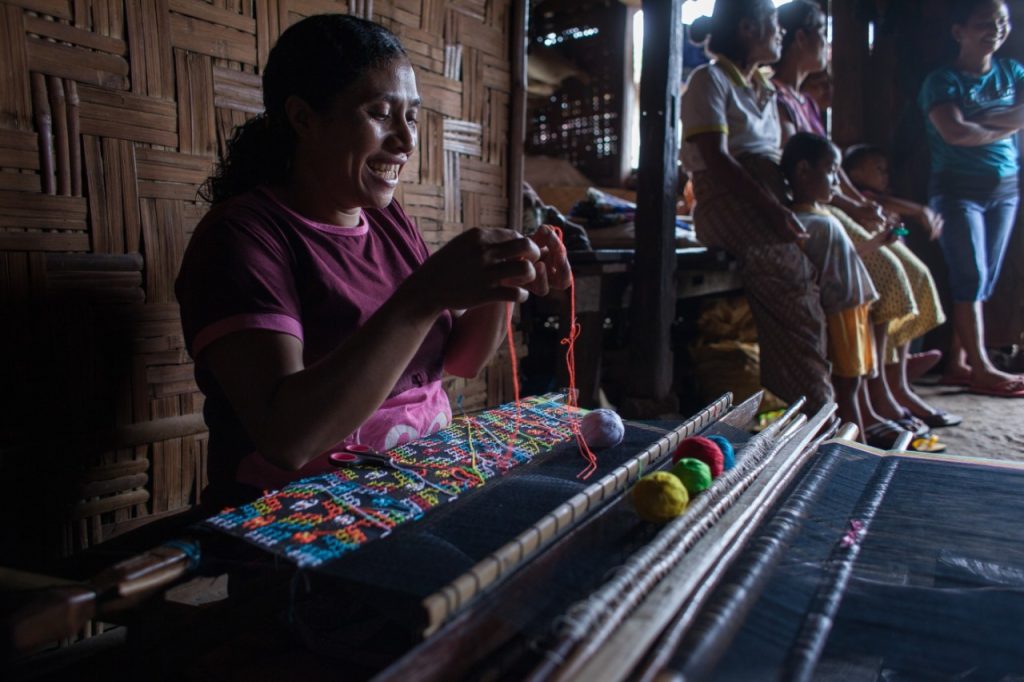
There is much more research to be done in countries such as Malaysia, Saudi Arabia, Bahrain and Qatar. We have no doubt that tapping into the enormous potential of Islamic finance and blending it with other sources of financing will scale up impact and accelerate progress in Muslim-majority countries between now and 2030. It’s a win-win situation for Islamic banking institutions, the private sector and international development organizations.
UNDP Indonesia, through the Innovative Financing Lab, has been working on Islamic finance since 2016. It has extensive experience with testing different Islamic finance instruments, such as “zakat for SDGs” and the “waqf digital platform” to encourage cash waqf contributions and assisting the Government of Indonesia in the issuance of the first sovereign green sukuk.
Under the overall theme of “Putting money to work for sustainable development”, the Istanbul Development Dialogues, taking place 27-28 May 2019, will seek to tackle some of these issues.
This article is a part of blog series that looks at the new landscape of financing for development, the focus of our upcoming Istanbul Development Dialogues, an annual global development forum where policy-makers, business leaders, and experts discuss issues of our time.
The following piece was first published on the AltFinLab blog and was originally published on March 22, 2019.
The United Nations Development Programme (UNDP), together with mayors from eight countries – Moldova, Serbia, Georgia, Tajikistan, Croatia, Somalia, Lebanon and Portugal – today launched a new initiative to boost financing for solar energy in cities across the world.
The Solar Mayors platform will connect cities around the topic of energy transition and production of solar energy in urban contexts. Functioning as an online community, the platform represents an opportunity for Mayors to learn about the latest trends in the industry, share best practices, and collectively promote citizen engagement.
The platform encourages peer-to-peer learning and cooperation with the private sector and NGOs, two factors recognized as important factors for success of solar projects in cities.
[blockquote author=”” link=”” target=”_blank”] With the dramatic decrease in costs that we have witnessed in the last ten years, bringing solar prices down by a factor of ten, it will be exciting to see more and more regions and cities embracing solar energy as a backbone of their development.
– Raffaele Rossi, Policy Analyst at SolarPower Europe[/blockquote]
Solar technology has only recently begun to take off globally. Until recently, high equipment costs, risky markets, lack of clear commitments at local levels and limited experience with bringing in financing have all proven to be major obstacles. As of 2018, only two percent of the world’s electrical energy is produced with solar, with over 50 percent of new installed capacities come from solar.
New financing models, such as the community funding models (crowdfunding, crowd-investment, energy cooperatives), energy service companies financed by savings (ESCO), and cryptocurrencies (such as SolarCoin) are widely expected to help increase solar energy production by bringing financing from impact investors at lower interest rates. Active participation of local administrations, mayors, citizens and the private sector can accelerate generation and use of solar energy in cities.
At the launch ceremony, the mayors will conclude and sign the Solar Mayors Charter, resolving to promote solar energy installations in their cities.
The initiative is launched by the United Nations Development Programme, together with the Citizenergy platform, the European aggregator platform of all sustainable energy crowdfunding platforms and Energy Cities Europe’s largest Association of local authorities for energy transition.
Portugal was chosen as host for the kick-off event due to the country’s international reputation as a renewable energy leader and for being home to the local platform GoParity, which runs the Citizenergy aggregator together with the UNDP AltFinLab.
The initiative is co-funded by the UNDP’s Global Innovation Facility, and is initiated by UNDP Moldova, UNDP AltFinLab and Citizenergy.
Contacts:
Dumitru Vasilescu, UNDP Moldova dumitru.vasilescu@undp.org (+373) 60056 556
Robert Pasicko, UNDP AltFinLab robert.pasicko@undp.org (+385) 98 678 234
Nuno Brito Jorge, Citizenergy and GoParity nunobj@goparity.com (+351) 918 919 600
The following piece was first published on the AltFinLab blog and was originally published on February 20, 2019.
Technology Innovation and Entrepreneurship Center (TIEC), United Nations Development Programme in Egypt (UNDP Egypt) and the UNDP Alternative Finance Lab (AltFinLab) partnered together to foster crowdfunding in Egypt during the week of 3rd to the 7th February 2019. In 2017, $65 billion was raised on global crowdfunding platforms and there is an upward trend in developing countries in adopting crowdfunding as a source of finance. This is particularly interesting for Egyptian SMEs, as only 50% of SMEs in the formal sector currently engage with banks. Crowdfunding lowers barriers of access to finance and matches demand and supply of finance as it allows individuals to make contributions and investments directly to projects they are passionate about. Egypt does not make sufficient use of such funding and this weeklong program was set to introduce more widely and foster this way of funding.
Randa Aboul-Hosn, UNDP Resident Representative a.i. in Egypt outlined the importance of crowdfunding for Egypt development, explaining: “Budding energetic young SMEs of Egypt present almost unlimited potential for economic growth and for creative solutions to social and environmental challenges, but they have limited access to capital. Crowdfunding is one important innovative way to bridge this gap. TIEC, UNDP Egypt and UNDP AltFinLab partnered for Egypt to stimulate the crowdfunding ecosystem”.
[blockquote author=”” link=”” target=”_blank”]Crowdfunding is a very impactful tool for accessing finance that is not fully utilized in Egypt yet. Through the crowd funding academy, we hope to raise awareness about it and also develop skills in supporting entities to help startups build crowdfunding campaigns.
– Rasha Tantawi, Head of Entrepreneurship and Business Support at TIEC[/blockquote]
The week kicked off with a national roundtable, hosted by the American Chamber of Commerce, on the challenges and opportunities of crowdfunding in Egypt. The roundtable brought together high-level representatives from the banking sector, entrepreneurs, investors and enterprise support organizations. Issues raised included different regulatory and policy challenges facing the entrepreneurial ecosystem when planning and executing crowdfunding campaigns to be able to collect and allocate funds safely, the need to create an enabling environment for innovative models to emerge, and an emphasis on financial literacy/awareness to improve penetrability rates as currently only around 10% of the Egyptian population have a bank account.
To drive momentum in the area of advocacy and capacity development for crowdfunding campaigns, a one-day Training of Trainers (ToT) was held on the 4th of February at TIEC’s premises, targeting supporting entities working closely with startups and providing them with the know-how to support their startups with accessing alternative finance, and specifically to develop crowdfunding campaigns.
As a third phase for this crowdfunding week, the trainers were then immediately pulled in for support in a three-day Crowdfunding Academy (CFA) workshop led by the AltFinLab, held at the UNDP premises and that was delivered to around 10 startups. The CFA introduced crowdfunding as an impact investment tool, and supported teams with tools and resources that they can leverage to jumpstart their own crowdfunding campaigns. The CFA covered topics related to the design, development and launch of a crowdfunding campaign: from developing a concept and drafting a business plan, to designing and implementing a resource mobilization campaign, leveraging storytelling and graphic design skills. UNDP will then work closely with the startups on the design and launch of their campaigns.
This initiative takes place within the context of UNDP Egypt’s Impact Investment Programme, and the global UNDP programme “SDG Impact”. Both programmes aim to unlock investment for the Sustainable Development Goals by working with the private sector on how best to invest in enterprises and/or investment funds in ways that help achieve the SDGs while delivering on their profit-making bottom line. As it stands, there is an annual shortfall in funding to achieve the SDGs of USD2.5 trillion.
In 2018 the UNDP Innovation Facility issued a Call for Proposals to promote development through the innovative use of Artificial Intelligence, big data, behavioural insights and impact financing. A record of more than 195 proposals were received, and 29 winners chosen from 35 countries. UNDP Lebanon, UNDP AltFinLab and its partners won with a proposal which will help to reinvigorate the country’s ancient cedar forests.
The Syria crisis has placed a great strain on its immediate neighbour Lebanon. The country of just over six million has taken in more than a million refugees in the past seven years. Its infrastructure, public finances, and environment are suffering as a result, and Lebanon doesn’t have the money to cope. According to the World Bank, in 2015 alone Lebanon lost $US5.6 billion—more than 11 percent of its GDP.
The diaspora has stepped in to help.
The estimated 10 million Lebanese who live abroad play a vital role in the country’s economic health. According to the Ministry of Foreign Affairs and Emigrants, they sent home US$7.9 billion in 2017.
Helping ‘home’ from abroad
UNDP is making it easier for the Lebanese diaspora to participate in programmes that benefit the country.
Since its launch in 2009, Live Lebanon has implemented 67 projects and raised US$4.2 million from Lebanese communities abroad. From education to environment, it has tapped into various aspects of society through development and awareness projects.
Ensa Joura, one of Live Lebanon’s most successful campaigns, fixed more than 6,000 potholes reported by citizens around Lebanon and reduced the number of road accidents. Live Lebanon also launched volunteering programmes to clean beaches, seas, waterfalls, rivers, and forests, engaging more than 5,000 volunteers in a single year. Recently, it has been working on solving a protracted problem: 25 million hunting cartridges are dropped in forests every year, causing fires, damaging crops, and polluting groundwater. The team, together with the support of university students, built a separating and recycling machine to help manage used cartridges. In the coming weeks, Live Lebanon will launch a Motor Ambulance project with Lebanese Civil Defense in the hopes of reducing the number of casualties from road accidents.
Matching crypto currency with cedar trees
To strengthen and broaden such development efforts, Live Lebanon continuously explores new ideas.
Now it’s expanding into alternative financing. Crowd investing will encourage more private funding and allow contributors to invest in a crypto currency called CedarCoin.
Backed by blockchain technology, CedarCoin will promote the reforestation and protection of Lebanon’s ancient cedar forests, the symbol of the country.
Mentioned in the Mesopotamian Epic of Gilgamesh, the forests were placed on the list of UNESCO World Heritage Sites in 1998.
The trees are slow growing and famously long-lived; they can survive for more than 1,000 years. They once thickly covered Lebanon’s mountains, but have suffered from extreme deforestation, and only small remnants of the original vast forests survive.
Planting new cedar trees will not only rebuild the once flourishing forests but will also provide promising opportunities for the economy as well as for agriculture and health. As the cedar tree represents Lebanon, replanting these trees will symbolize investing in the growth of the country.
Rewarding environmentally conscious behaviour
One CedarCoin will be assigned to a specific tree. For each tree planted, a CedarCoin will be distributed to its investor and to the communities hosting the trees; encouraging reforestation and rewarding environmentally-conscious behaviour. CedarCoin will raise money to buy more trees and finance replanting programmes.
In future, CedarCoin owners will be able to ‘adopt’ a specific tree, and see its location and GPS coordinates.
CedarCoin will also be used to promote solar photovoltaic technology—allowing supporters to invest in solar panels to replace carbon-generated power. Investors will be paid in CedarCoins equal to the electricity and the income the panels generate.
Live Lebanon’s mobile app, Lebanon Connect, will be expanded to enable direct contributions to crowd investing campaigns. Participants will be able to buy CedarCoins through digital wallets such as Lykke, a Swiss-based free exchange global marketplace.
For as little as US$20, Lebanese expatriates will be able to digitally connect to their home country as well as to a community of investors and public and private sector organizations, and ensure that the trees that have stood as the symbol of their country for thousands of years have a healthy future.
Read original article.