Category: AltFinLab
Who can imagine Valentine’s Day without bon-bons, or Easter without chocolate eggs? Yet generations-old cocoa farming businesses are on the verge of collapse in the Amazon because cocoa farmers don’t receive fair pay for their work. Using blockchain technology, the United Nations Development Programme in Ecuador, AltFinLab and Amsterdam’s FairChain Foundation are developing one of the world’s first blockchain shared-value chocolate bars.
Best known as the technology behind cryptocurrencies, blockchain is still too new and cutting edge for many industries. However, as AltFinLab points out in its White Paper ‘The Future is Decentralized’, blockchain can potentially revolutionize the food industry. Blockchain data cannot be manipulated, it is fully traceable, and offers a highly trustworthy low-cost IT solution.
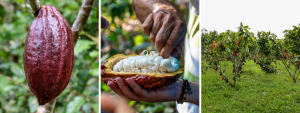
Can Willy Wonka save the Amazon?
Being a cocoa farmer in Ecuador is both physically and economically difficult. Every day farmers must climb approximately an hour and a half in hot and humid or dusty conditions to their farms, so it isn’t surprising that fewer and fewer young people want to work on farms, as generations before them have done.
“Blockchain can document cocoa’s journey from Amazonian farmers to UK retail outlets,” says Guido van Staveren, CEO of FairChain, the company that wants to revolutionize farmers’ markets, pay a premium on their products and empower them. From monitoring hygiene in facilities and time stamping with pictures and videos, to tracking food across the entire supply chain via QR code and Radio Frequency Identification, unlike any other technology, blockchain offers transparency and authenticity to each product.
The partners are exploring the cost of implementing blockchain against savings and profits. They also want to better understand one of the main arguments against blockchain’s use in the food industry — that it’s impossible to track small amounts of food and record each bean individually.

What are we creating?
We are creating our first chocolate bar made with Ecuador’s most exclusive cocoa beans and sourced from sustainable farmers in the Ecuadorian Amazon. We have selected the APEOSAE association of farmers and will be working with them to develop a traceability platform.
The price of the chocolate bar will reflect its impact on the ecosystem and the real costs of production and export. The profits will be shared fairly, with farmers receiving a significantly greater share than through any other method.
“The farmers we are sourcing from practice zero deforestation. They do not cut trees to plant cocoa and they actively work to preserve the Amazon,” says Jose Nicolas Velez, a shareholder from Hoja Verde Company. Hoja Verde is also working with the Ecuadorian Arriba Nacional Fino de Aroma cocoa to promote the culture of bean-to-bar chocolate while improving cocoa producers’ quality of life.
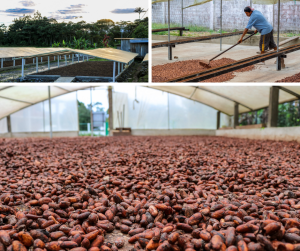
Changing chocolate buyers’ behaviour
Thanks to blockchain, European customers will be able to trace every single ingredient.
“We truly believe that total traceability will positively influence European consumers’ purchasing behaviour, directly helping the livelihoods of thousands of farmers,” says Carlo Ruiz, head of UNDP Inclusive Economic Development Unit in Ecuador. “If we prove that consumers will pay the true price for the chocolate’s socio-economic and environmental impact, then we can replicate this model.”
One of the world’s least compromised chocolate bars will go on sale in the UK later this year.
Read more about the development potential of Blockchain.
Read original article.
The following piece was first published on the AltFinLab blog and was originally published on October 19, 2018.
With a financing gap of 2.5 billion dollars to implement the Sustainable Development Goals and two out of every six people in the world without access to a formal bank account, innovative financial mechanisms represent an alternative to close the financial gap and promote sustainable development.
This is said by the team of experts in alternative finance of the United Nations Development Program (UNDP), Marina Petrović and Robert Pasicko. They run the Alternative Finance Lab (AltFin Lab), an initiative created in 2016 to explore and take advantage of new financial technologies and mechanisms to access investment.
[blockquote author=”” link=”” target=”_blank”]Due to the increasingly changing world of today, governments, citizens and development actors must adapt quickly, understand better advanced technologies and learn how they can be used in the best way for the benefit of society in general.
– Robert Pasicko, UNDP Alternative Finance Lab[/blockquote]
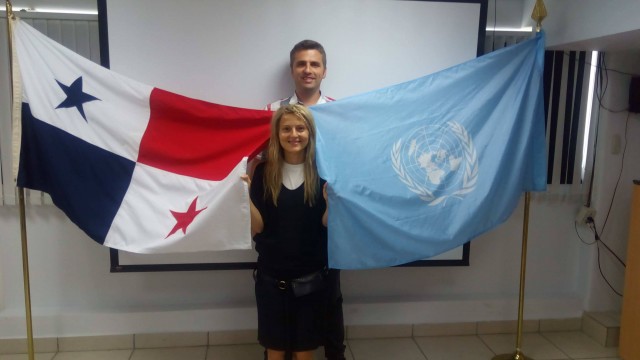
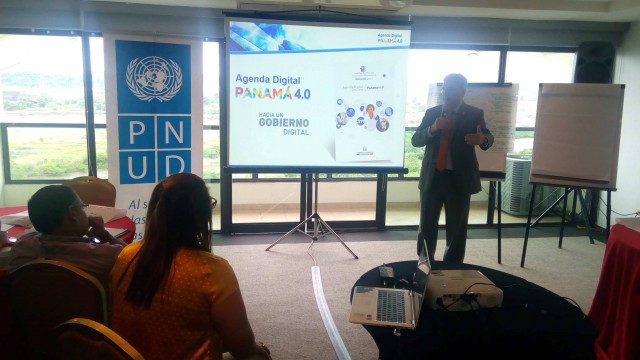
The AltFin Lab experts visited Panama at the invitation of the UNDP Country Office. Their purpose is to learn about advances in innovation with practical cases, and thus be able to exchange with organizations that are already promoting blockchain, fintech and crowdfunding initiatives, such as the City of Knowledge, the Panamanian Chamber of Technology (CAPATEC) and the Authority for Government Innovation (AIG).
The UNDP AltFinLab team and the UNDP Environment and Sustainable Development area in Panama organized a session to exchange experiences, challenges and opportunities, as well as an interactive workshop led by UNDP experts, in which representatives of the UN Environment also participated. There were also participants from the Inter-American Development Bank (IDB), the World Bank (WB), the AIG, the Panama Canal Authority (ACP), and private sector initiatives that are currently innovating in Panama.
Working groups were formed and ideas with development potential were created to catalyze resources through new technologies. “It is expected that new technologies such as blockchain, crowdfunding, social impact bonds, among others, will change the global financial system, and the development issues will not remain immune to these trends”, Petrović sums up.
As an organization present in more than 170 countries and territories, UNDP aims to consolidate as an articulator between key stakeholders with needs to advance in sustainable development and change makers of technological innovation through multi-stakeholder platforms that allow concrete, agile and accessible solutions that help improve the quality of life of people.
[blockquote author=”” link=”” target=”_blank”]In a context of global financial challenges it is important that the organization develop a new generation of ideas tested in practice, easily adaptable to local contexts, to reach innovative financing strategies
– Jessica Young, National Officer for Environment and Sustainable Development, UNDP Panama[/blockquote]
In the same way, Marina Petrović, from the UNDP Innovation team, explains that “to create an innovative alternative financing strategy for UNDP, it is necessary to consolidate the expertise of the country offices. The easiest way would be to couple UNDP country offices with local partners and empower them for their own alternative financing projects”.
An example of alternative finance is the Development Impact Bonds, investment instruments based on payment by results. The infrastructure specialist of the World Bank, Inga Afanasieva, explains that under this type of financing, the reimbursement to investors depends on the achievement of specific social results, which translates the investment risk from the public to the private sector. According to the specialist, these bonds have the potential to improve the effectiveness of development aid and profitability by changing the focus towards the quality of implementation and the delivery of successful results.
[blockquote author=”” link=”” target=”_blank”]The crowdfunding is at the origin of all modern development platforms. When we turn to platforms, we direct the money where it is most needed. People can select the best ideas and vote for them. Governments and donors can channel the funds raised, financing projects that citizens support.
– Marina Petrovic, UNDP Alternative Finance Lab[/blockquote]
Since 2015, AltFin Lab has conducted 35 crowdfunding campaigns and managed to mobilize more than 1.2 million dollars. The field offices are working on campaigns valued at 7 million dollars, according to the experts.
The blockchain is one of the technologies with the greatest potential for development. It offers possible solutions to a wide range of issues, including the conservation of natural resources, economic growth and financial inclusion and security, areas in which UNDP has begun to work globally.
Participating institutions
Fundación Ciudad del Saber, Cámara Panameña de Tecnología (CAPATEC), la Autoridad para la Innovación Gubernamental (AIG), ONU Ambiente, Banco Interamericano de Desarrollo (BID), Banco Mundial (BM), la Autoridad para la Innovación Gubernamental (AIG), la Autoridad del Canal de Panamá (ACP), Municipio de Panamá, Banesco, Consejo Nacional Empresa Privada (CONEP), Corporación La Prensa, Fortesza and Redoxigen.
The following piece was first published on the AltFinLab blog and was originally published on July 23, 2018.
Hardly a day goes by in the development world without hearing the term “platform”. Like in the business world, it’s becoming harder for any development organization to provide a single service or product that will make broad impact. Airbnb doesn’t build homes, it creates a network that brings together host and guest.
Likewise, it’s impossible to eradicate poverty – a complex phenomenon – without connecting different areas of expertise and partners across a wide range of thematic issues. And it’s often the case that the people we’re trying to pull out of poverty are closer to the problem and entitled to have a say about the solution.
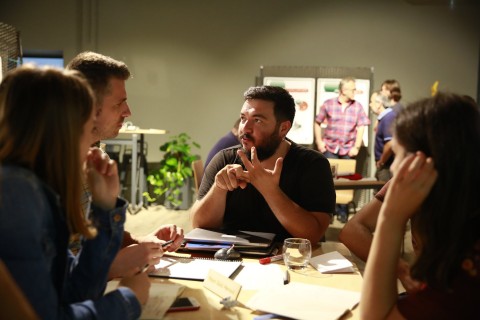
While building platforms doesn’t happen overnight, it’s highly likely you’re already working in ways that resemble that. Take crowdfunding: it helps diversify funding, involves target groups, and mobilizes experts from all walks of life. We’ve led 35 crowdfunding campaigns at UNDP since 2015 and mobilized US$1.2 million. Our field offices are working on US$7 million worth of campaigns. So here’s our take-away:
- Think broad. Turning old development methods on their head, crowdfunding enables development institutions to sit at the same table with everybody else –people from poor neighborhoods, governments, startups, banks and large donors, and of course crowdfunding marketplaces. To survive in the 21st century, development organizations must diversify their contacts with partners that are ready to research, test and scale up solutions to complex problems.
- Build your ecosystem. Get a better understanding of the national context. Study the legislation and bring on board national partners who already have local connections to crowds. The more partners are able to latch on and add value, the higher the chances of success. Think of yourself as the app store: when developers come in and launch their own apps, you’ve created a virtuous circle in which the parts bring exponentially more value into the whole.
- Link up with tech platforms. Through crowdfunding we’ve supported lots of UNDP tech-based platforms, like LiveLebanon.org, GreenCrowds in Ecuador, or YemenOurHome. We’re working with them to move away from online donations, towards building communities that can deliver long-term impact. It’s not enough just putting a “donate” button on your page. These online communities can be powerful starting points for continuing to rally investors and partners.
- Partner with cities to achieve quick wins. London is creating a city for all Londoners through crowdfunding. Madrid has its own crowdsourcing platform. We’re transferring these practices to some unlikely places like Somalia, working with the diaspora to help people in Mogadishu create revenue, and withstand violence and disaster.
- Go solar: it’s the ultimate platform initiative. It’s not development if it isn’t green. Funding solar is the ultimate way to hit multiple SDG targets. We teamed up with over 30 crowdfunding platforms to deliver Citizenergy, which helped invest € 40 million into clean energy. With UNDP Moldova and Sun Exchange, we are also developing a US$1 million solar plant using cryptocurrencies.
- Support small businesses – It’s hard for SMEs to get and repay their credit. But our experience in Ukraine, Bosnia and Herzegovina, Morocco and Turkey has shown that crowdfunding can be a great way to get new businesses off the ground. By the same token, development organizations should intensify their work to bring crowd-funders, businesses, third party verifiers and others together to make business more inclusive.
- Use new sources of financing. In the Muslim world, Zakat (donations) are worth 200 billion to 1 trillion. We’re now working with the Islamic Development Bank on a proposal to fund NGOs. In Indonesia, UNDP is designing a brand new platform that will – among other things – use Islamic finance to help the country achieve the SDGs.
- Build networks to help people recover from disaster. Campaigns such as GoFundMe and YouCaring are putting a face on individuals affected by disasters and mobilizing global funding. The Connecting Business Initiative is taking that approach further, mobilizing business networks so they too can get involved.
Crowdfunding is the originator of all modern development platforms. When we turn to platforms, we direct money where it is most needed. People can crowdsource the best ideas and vote for them. Governments and donors can match the funds collected, financing projects citizens actually support.
In an increasingly networked age, it’s not only capable of unleashing significant impact. It can also inspire thousands of development organizations around the world to rally partners and contribute to global causes more effectively.
The following piece was first published on the AltFinLab blog and was originally published on July 10, 2018.
Impact bonds, one of the pay-for-success financial mechanisms bringing impact investors, private, public and third sector organizations together to solve social and development issues, have recently faced some criticism about their complex nature, which can lead to a long design phase and high related transaction costs.
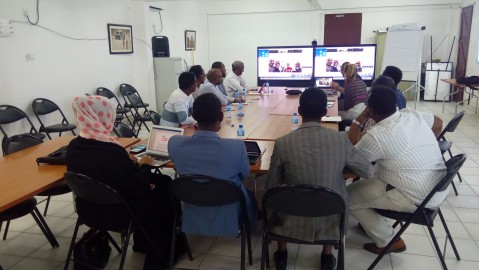
We, at UNDP Istanbul Hub and Finnish Innovation Fund Sitra, put our heads together and thought about the challenges around impact bonds. There was a mutual understanding that what comes to preventing and solving wicked societal problems, the impact is achieved together – the core idea and benefit of impact bonds. Sitra has been using co-creation as a mechanism to boost the design of social impact bonds (SIB) in Finland and we decided to create an impact bond design programme together around the same approach to support more straightforward design of the impact bonds in the region of Europe and CIS countries.
The idea of moving from simple cooperation of different actors to co-creation lies in understanding the societal challenges in a broader way and jointly set and produce mutually valued impact. Impact bond can be one part of the buzzle in realization of the targeted change.
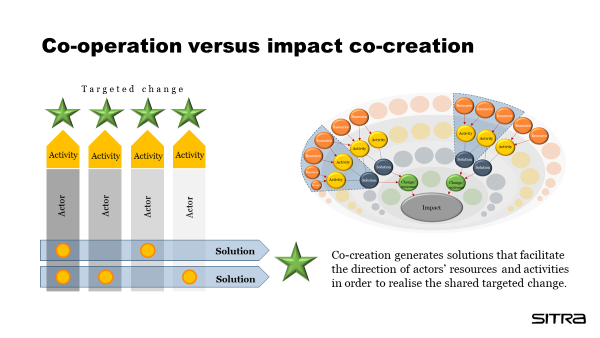
We also acknowledged that both public sector and development sectors are facing similar challenges in their service delivery where the focus is still on procuring activities. Impact bond modality is being used in both sectors: In social impact bond (SIB) the outcome funder is the host government and in development impact bond (DIB) it is a third party, such as a donor government or philanthropy organization. Or like in Colombia employment SIB, the outcome payment is divided between the national government and SECO.
The change from procurement of activities to procurement of outcomes means two radical changes in both sectors, and the relationship between the outcome payors and the service providers should be taken to a new level: 1) Outcome payor becomes an owner instead of determinant and 2) service provider acts as an innovative impact actor instead of mechanical operator. This, however, requires real co-creation between different stakeholders aiming to achieve mutually determined goal and public sector can act there as an enabling platform. We think it is very important to understand that impact bonds are not the goal itself, but a tool for strategic leadership and more effective use of tax payers’ money to achieve sustainable well-being and development.
To help the transition from activity-based procurement into outcome-based procurement by using impact bond mechanism, we launched our Impact Bond Design Programme late January 2018. Five teams of UNDP-government collaborations were selected from the region of Europe and CIS countries. After an introductory into impact bonds, the teams started mapping the social issues to tackle and considering initiatives where an impact bond mechanism might create some change. After mapping and brainstorming, the teams decided to focus on the following themes: road safety in Montenegro, dairy production in Armenia, air pollution in Macedonia, cattle production in Moldova and youth activity in Georgia.
With these topics in mind, we organized a four-days hands-on design workshop in Helsinki early April to create more targeted impact bonds with clear goals and target groups and tools to determine suitable intervention strategy, metrics and indicators for measuring the impact. We brought together different SIB actors, such as investors, service providers and fund managers to highlight their experiences and learnings. We gathered experts and mentors from Sitra and UNDP, sector-specific institutions from Finland, international organizations specialized on impact bonds, such as Strat!gos and Social Finance UK and IFIs, such EIB and EIF to help the teams to refine the details of their impact bonds. The week’s work culminated to a final pitching session.
The work is now continuing in these five countries with stakeholder discussions, data collection and legal analyses. We are looking forward in having more news about the design of these impact bonds early autumn.
Our findings from the first phases of the process are: more work need to be done to make the utilization of the mechanism easier for a bigger number of countries and the support more systematic. Further plans of UNDP for this year include: designing of an online curriculum for impact bonds, an outcome fund to support the outcome payments in the countries and more research on outcome-based budgeting to enable the outcome payments of the host governments. Stay tuned!
The following piece was first published on the AltFinLab blog and was originally published on May 23, 2018.
Based on lessons learned – some of which are mentioned below – crowdfunding can bridge the gap between top-down and bottom-up ways of thinking.The United Nations Development Program (UNDP) Alternative Finance Lab has been working and experimenting with crowdfunding now more than five years, by developing campaigns, workshops, booklets and observing how this new way of financing can help communities to become more resilient and empowered.
Due to fiscal constraints governments are facing globally, conventional means of financing municipal projects are at risk, opening the floor for various alternative financing mechanisms.
Crowdfunding mechanisms are one of the fastest growing: they can help leverage public funding to mobilize various new sources of investment for public policy, social services and the Sustainable Development Goals (SDGs), while at the same time re-aligning interests of various partners and creating new investment opportunities. It is estimated that in the past year, over US$16 billion was raised through various crowdfunding platforms, while the World Bank estimates that by 2025 this will grow to over US$100 billion.
Crowdfunding has immense potential to fund municipal projects, but it should be no alternative for traditional financing structures – rather an additional mechanism during any phase of the project for financing small, citizen-led projects to build social resilience and rejuvenate urban areas and for getting support for local community. We see crowdfunding as a strong tool to motivate citizens to be a part of the transformation of the urban environment and for keeping the momentum behind urban regeneration projects.
By capitalizing social power, AltFinLab has enabled broader visibility and scaling-up of a given project, as well as catalyzed social action and policy-level impact. We are using crowdfunding not only to collect money, but also to use it for the following purposes:
- Community-building instrument: Our Guzgef Solar School campaign aims at improving education facilities in rural Tajikistan and attracted donations from the Tajik diaspora in Australia.
- Marketing instrument: Our Taste of Home campaign is a social cooperative run by refugees, migrants and volunteers. The initiative was featured on Yahoo! News which tremendously raised its profile. Similarly, the first women-run cooperative craft brewery in Croatia Brlog appeared as a featured story in Wizz Inflight Magazine, a publication by Hungarian airline WizzAir. British celebrity chef Jamie Oliver and Bangladeshi international cricketer Mashrafe Bin Mortaza have also shown their support for some of our crowdfunding initiatives.
- Political instrument: Many governments are using crowdfunding as a supplement to their traditional financing models. Other initiatives such as the Subversive Festival in Zagreb have become an unavoidable place for critical and political theory in Eastern Europe. This campaign for healthy snacks in primary schools in Moldova got an interest from a large national network of supermarkets and was upscaled by the government from 3,500 to 350,000 kids.
Going forward, crowdfunding initiatives seek to create platforms for collaboration between civic actors, private sector and government by using innovative methods and applying a problem-solving approach to:
- Harness capacity, creativity, knowledge and expertise from citizens, especially young and women technologists;
- to strengthen responsiveness, openness and efficiency of institutions;
- to stimulate innovation and cross-sectoral collaboration with the private sector.
Considering that the 21st century is an urban one, key attributes of our cities should be used as assets to harness urban development scenarios, primarily density and diversity. With so many interesting ways of public inclusion in developmental issues – feeding off both density and diversity of communities, such as tactical urbanism, placemaking or sharing cities – it is easy to foster a sense of agency and ownership of local communities via crowdsourcing and crowdfunding ideas.
Historically, it was incompleteness, organic growth and sometimes even an ad hoc development of cities that enabled them to build up resilience which made them robust enough to fight back various challenges. Today’s comparison with such historical examples is represented exactly in crowd urbanism, serving as a key bottom-up initiative, which gives tools to all city members to co-steer local development.
Governments ought to focus on enabling its citizens to support their community development which can result in absorbing complexity versus reducing it.
Photo by Marcus Lenk on Unsplash
UNDP AltFinLab partnered with Blockchain.com, UN Refugee Agency (UNHCR), and the World Economic Forum (WEF) to explore how block chain technology works, but also how it is already being used to pursue conventional ends. The culmination of that partnership is in the form of a white paper titled, The Future is Decentralised.
We’re excited to share how this technology has brought new levels of efficiency and effectiveness to the fields of development aid, supply chain management, renewable energy, economic growth, and several others.
The potential of block chains to disrupt industrial sectors, commercial processes, governmental structures or economic systems seems to know no bounds. We suggest that the transformative power of block chain technology should not be seen as a threat to existing systems of governance; rather, it should be seen as an opportunity for national and international institutions to defend the rights of those they represent and to accelerate our collective progress towards meeting the United Nations’ Sustainable Development Goals.
Block chains can bring transparency to opaque or corrupt systems, and verifiability and immutability to commercial processes. They can bring security and resilience to vulnerable infrastructure, ensure individual privacy whilst guaranteeing autonomy, and encourage cooperation and engender trust where they are needed most.
Block chains can ease the frictions that prevent a vast array of sustainability, humanitarian, and environmental initiatives from fulfilling their potential.
This white paper explains how this unconventional technology works and how it is already being used to pursue conventional ends. It illustrates how block chains have brought new levels of efficiency and effectiveness to the fields of development aid, supply chain management, renewable energy, economic growth, and several others.
Our aim has been to show how governments, NGOs, and citizens are working together, exploiting the versatility of block chain technology to form new, powerful partnerships. We address the risks posed by this nascent technology and suggest how these risks should be managed.
[highlight background=”” color=””]To learn more download the report.[/highlight]
The following piece was first published on the AltFinLab blog and was originally published on April 30, 2018.
The Day of Big Waves in February in Banja Luka. What? Yes, we have the first successful crowdfunding campaign in Bosnia and Herzegovina by “Talas” magazine team.
Talas means wave! The campaign name was “Swim upstream” or #PlivajUzvodno. There is no ocean in Banja Luka to make waves or to swim, but Talas magazine team has done their job!
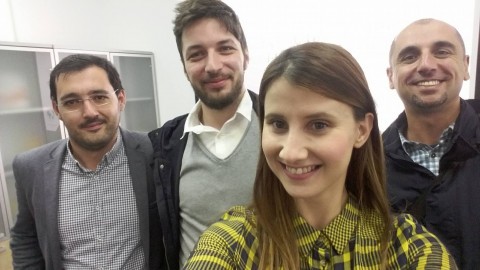
They started a quarterly print magazine back in June 2016, determined to write only positive stories about great, productive, proactive and enthusiastic people in Bosnia and Herzegovina. Those stories deserve to be told and inspire other people to strive in making a positive change, starting a business, creating jobs, doing good for themselves and for the community. They went into a crowdfunding campaign to secure funds for one-year print costs and they’ve paved the way for the other teams who attended the first Global UNDP Crowdfunding Academy in Bosnia and Herzegovina to dare. To dare dreaming big and swimming upstream.
But let us go back a bit. In December, while the first snowflakes were covering Banja Luka and later-on Tuzla, eleven teams were getting the first insights in how to create and implement a successful crowdfunding campaign. The teams were selected by UNDP B&H Local Integrated Development project, UNDP AltFinLab and Terra Hub Croatia team.
The selected teams represent different socially responsible entrepreneurial initiatives: starting from promotion of Bosnian tradition like old Bosnian dishes and handicrafts, through the promotion of organic and ecological producers, to establishing social enterprises, as well as educational board-game makers for children or the IT-education for girls. The crowdfunding is one alternative way of increasing their access to capital. But not only, crowdfunding is so much more than just money that it simply had to come to Bosnia and Herzegovina to place the seeds of a future crowdfunding ecosystem in South-East Europe/Western Balkan.
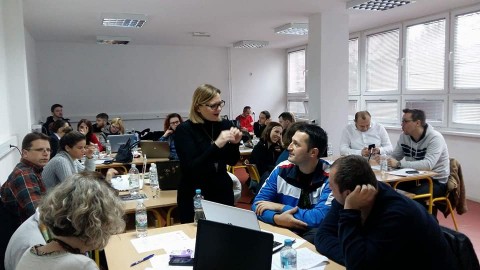
The teams went through a set of four thematic educational modules of UNDP Crowdfunding Academy, similar as those from Ukraine, back in February 2017: Those are about the building strategies for implementing crowdfunding campaigns, building campaign groundwork and community engagement; communications planning, creating great visual communication, social networking, using media, technical aspects of crowdfunding campaign and team preparation, tips&tricks for successful campaign implementation.
“During the trainings we’ve had our own creative process with parallel pop-up clouds above our heads with sets of questions coming and going away as we were learning.” said a girl named Sanela from Multifunctional house “Labyrinth” from Tuzla. “Perhaps the most motivating were the presentations of other campaigners who already have been through a crowdfunding campaign about their own experiences, both good and bad. They encouraged us to try it. We want to be a part of global crowdfunding community!”
The following piece was first published on the AltFinLab blog and was originally published on February 16, 2018.
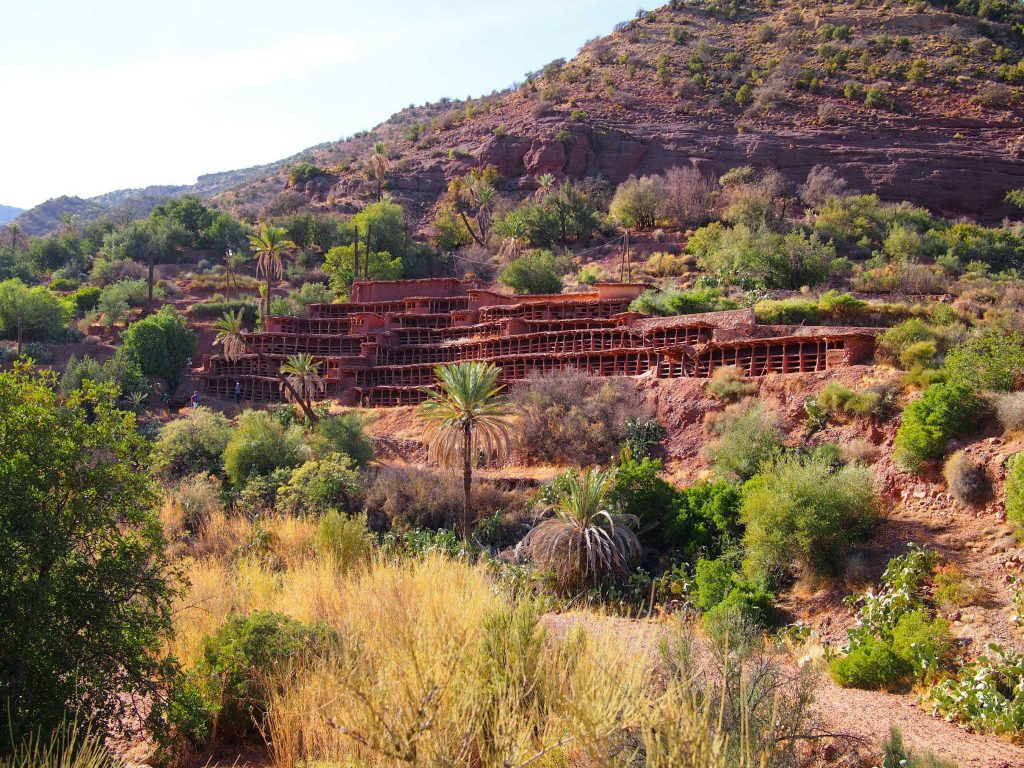
Argan trees are so much more than just trees in rural Morocco. In many cases they are the only income for local indigenous women. Argan nuts are being turned into Argan oil that is being praised by cosmetic industry for its anti-aging and conditioning properties for skin and hair. Since the beauty-cult started some 20 years ago, over 200 women’s Argan oil cooperatives have been organized for collecting nuts and turning them in to “desert gold” and sold worldwide.
However, most of them lack cash for expanding their businesses beyond just simple collecting nuts as conservative funding is not easily assessable for local cooperatives and farmers. Many villages throughout the Argan forest area lack the proper funding needed to open production facilities. Facilities like the women’s Argan oil cooperatives have shown to be extremely beneficial to the development of local communities, providing women with paid employment for the first time in history. Without investments to produce their own oil and to sell it directly on-site to tourists, argan oil is often sold in Morocco at volumes 8-10 lower than in Europe. Without investing in the production and distribution process, Argan cooperatives are just getting a small fracture of the product value. And harvesting the trees can only be profitable if they are preserved – which is often problematic due to goats climbing the trees and hurting their health. New trees need to be planted, and existing ones preserved.
Apart from the economic value, Argan trees play a huge role in the natural ecosystem. With their incredibly deep roots (down to 35 meters!) they are stopping/slowing desertification by preserving soil. Argan Biosphere Reserve extends over 2.5 million hectares in the semi-desert of south-western Morocco. In a way, they are similar to the mangrove trees that are preventing floods in the area they grow in. Practically all the world`s Argan oil resources are coming from this part of Morocco, as the trees are extremely hard to transplant to other areas of the world. This makes it even more important to protect, as it is one of the oldest trees in the world having survived the tertiary era.
So, how can crowdfunding help in bringing the necessary funds to Argan oil cooperatives and make their business more sustainable – enabling them to plant new trees, buy oil processing machines and develop direct selling points? We hope to have first proofs soon – as through UNDP project “A Circular Economy Approach in the Souss-Massa Region of Morocco” we will connect the first cohort of women’s Argan cooperatives to organizations already present in this field; such as Argan Care, which has been working on planting, rehabilitation, women’s Argan oil cooperatives helping them with new equipment, facilities, general organizational skills and even literacy programs for the employees.
First, the KIVA crowdlending platform. KIVA has already done amazing things – such as brought over $ 1 billion to over 1,6 million lenders worldwide – elevating them from poverty by providing them small loans for micro and small businesses, usually invisible to large traditional financial institutions. And good thing with bringing KIVA onboard is – there are no specific needs for crowdfunding loans within the country – as financing is provided from abroad and distributed through local partners (microcredit institutions or banks). Second, while crowdfunding legislation is under development in Morocco, first local crowdfunding platform Cotizi is already operating – currently only enabled for donations which is limited in size and possibilities (to understand different business models for crowdfunding check our Guidebook for crowdfunding). Third, besides Cotizi and KIVA, we also connected the Bettervest platform for investments in green energy which already supported over 60 projects worldwide – allowing citizens to invest as little as 50 EUR in for example solar power plant in Benin, for example. We explored crowdfunding options not only for Argan coops but also for beekeepers, rural hotels and sustainable tourism (you can see here which options have we recognized). We decided to focus on having the first successful crowdfunding projects with our partners in 2018. After first cohort of Argan cooperatives gets experienced with crowdfunding – we are scaling it up and opening it for everybody.
Last year on the margin of the UN climate summit in Marrakesh, idea on payments for ecosystem services were presented as a nature driven solution to “softly adapt” to changing climate conditions pointing out to the necessity of providing cash for nature, to keep Argan oil flowing in Morocco’s hills. Mentioned project aims to set up a new eco-label certifying that value chains for local agro-biodiversity products are biodiversity-friendly and sustainable in terms of underlying ecosystem services with a focus on Argan oil, honey, aromatic and medicinal plants, almonds and tourism. We would like to connect it to crowdfunding – for both funding and visibility. How can we support it with UNDP Global Crowdfunding Academy? Stay tuned!

The following piece was first published on the AltFinLab blog and was originally published on November 3, 2017.
Technology can both empower and disempower. At a recent workshop on blockchain, we landed a challenge: how can we use it to facilitate refugee integration?
I am an immediate misfit in the dynamic multiverse of people speaking in code. But at this USAID event led by the UNDP Alternative Finance Lab and AID:Tech, I wasn’t the only one.
My team, half tree-huggers and half tech gurus, started our brainstorming with this question: what do we have in common? The answer was a strong sense of identity. That fragile sense of self, inflated when our boss pats us on the back and shattered when somebody “swipes left”.
Displaced people often struggle with identity loss. It isn’t just about that “blood and soil” sense of belongingness that disappears when houses, families and an entire mosaic of memories are left behind. It is also the more abstract notion of dignity that ebbs and flows as you knock on doors that don’t open or file asylum and job applications without success.
After ten minutes of philosophizing, we identified our target group: refugee families in transit. More specifically, in camps or settlements. How do they get by? Some may have their own means, savings or earnings. But most rely on vouchers, cash transfers and the like, handed over by humanitarians, development banks, municipalities or governments.
There are many ways to use and abuse that system – most notably if one family member thinks that he/she knows best, but their best isn’t in everyone’s best interest. While a mother may need health services, her 17-year old son might want to learn the local language to be able to start a -business one day.
And of course, this is assuming that all family members’ wants and needs are underpinned by rational choices that would maximize their income and well-being. In reality, though, not all of them want to fight. Some of them just want to forget.
Can blockchain help those of them that want to pursue happiness to do so? Can it help organizations managing camps or settlements keep better track of the aid that they distribute and the demand for different services?
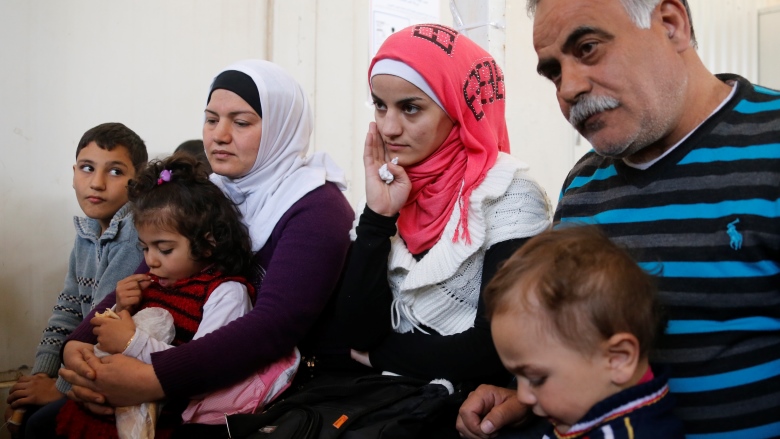
In comes our tradeable token system! Think of it as creating a refugee micro-economy: every individual aged 16+ could register for a personalized blockchain profile and start receiving a monthly package of tokens. The use would be limited to a set of services, which could include food, education and training, healthcare, and so on. Using their mobile phones, refugees could then start exchanging tokens based on what they need at that moment.
Having the digital footprint of blockchain would also help those of us in the humanitarian arena to get a better sense of what displaced people want. This way, we could get better at tailoring our toolkits to assist them. Then, refugee communities could transition from survival to making choices about their present and investing in their future. They could, perhaps, regain a sense of self, of their new identity.
In the end, our team won the workshop challenge. We were excited: Could this actually work? Where do we find someone mad enough to pilot it? That remains to be seen.
Coming up with innovative solutions to development challenges is the easier part. What we need to figure out now is how to integrate them into our day-to-day operations at UNDP.
- 19 percent of people often use domestic remittance services and 40 percent of households receive international remittances;
- Remittances, bill payments, and airtime top-ups are the top three requests for digital finance applications to address;
- 20 percent of users are unsatisfied with international remittance services and spend an average of 39 minutes collecting their money;
- 69 percent of respondents wants to use digital finance options for everything.
 This is what we wanted to find out with our partner BitSpark company, the world’s first cash in, cash out blockchain remittance platform.
Some of the fees in the traditional methods of remittance can vary from a very competitive 1 percent to a higher 3 percent in fees and a variable fee on the exchange rates of around 0-2 percent. This results in the common migrant worker paying the equivalent of about US$5 per transaction (on an average US$250 remittance) but this also does not factor in the last mile costs. To pick up the money, the family may need to send a taxi to the nearest town, who will hand over their bag of cash. Or the money transfer shop may have run out of cash for the day to pay over the counter at collection, meaning a costly wasted trip. The lack of a digital payment system means unseen costs add up.
Comparatively, Bitspark’s fees are decided by its customers and the money transfer shops. The fees are approximately 1 percent, with the possibility to receive payment digitally (i.e.using a mobile phone digital wallet), eliminating ‘last mile’ costs. With this system, the average migrant worker can save 50 percent on their transfer fees which over time, adds up to a lot and means more money in the local economy.
 Using a Blockchain-based system for money transfers would enable businesses to reduce their capital requirements, improve their oversight of payments, and enable regulators a more detailed oversight over KYC (know your customer) information. But most importantly, for the end user this ultimately results in lower costs, faster payments, and more coverage to unbanked areas of the country.
With this pilot project UNDP AltFinLab hopes to leapfrog the financial sector in a country where 70 percent of the people doesn’t even have a bank account. Can money transfer using blockchain be that change for good?
The following piece was first published on the AltFinLab blog and was originally published on July 18, 2017.
The spirit of gotong royong is taught to children from a very young age at schools all over Indonesia. It is the Indonesian brand of volunteerism, or communal work—where members of a community gather to accomplish a task. Traditionally, the task could be to fix a neighbor’s home, or build a road or a bridge.
Today, especially in urban areas, such community work is hard to find. But it does not mean the spirit of gotong royong is gone. The communal culture stays with modern Indonesians. In spite of busy lifestyles, they continue to help others through philanthropy. A study found that philanthropic support in Indonesia totals $600 million per month. Young and tech-savvy Indonesians use the internet for their philanthropic activities—giving rise to crowdfunding.
The World Bank estimated that, with government support, the global crowdfunding market ranged from $4 billion to $300 billion. The Bank further predicted crowdfunding investment would be worth $96 billion a year in developing countries alone by 2025. In Indonesia, the leading crowdfunding platform and our partner kitabisa.com has channeled over 45 billion rupiah ($3.5 million) in just three years of operation.
Meanwhile, it is estimated that Asia Pacific countries will face a funding shortfall of about $44 billion to achieve the Sustainable Development Goals (SDGs). So if development challenges are to be tackled effectively, the slack in finances needs to be picked up by the private sector. This prompts UNDP Indonesia to experiment with innovative and alternative financing models and Indonesia’s philanthropic tradition is an opportunity to be tapped.
Indonesia’s demographic also presents an opportunity. In the coming decade, the largest cohort of young people in Indonesia’s history will start productive years. A study by Goldman Sachs found millennials (defined as people born after 1980) are more likely to participate in a crowdfunding campaign—47 percent have donated or indicated an interest to back a campaign.
Our first crowdfunding campaign was launched in March 2016, on the occasion of the World Water Day. In two months, we raised 350 million rupiah (nearly $27,000) to build a solar-powered water pump in one of the country’s driest region of East Sumba. This activity is part of our climate change adaptation project, for which we partnered with the ministry of environment and forestry, and the local government.
We want to share the ten things that help our successful campaign:
- Tell a story about how the campaign helps real people. We use the narrative that women and children in East Sumba’s Napu village had to walk or ride a horse for hours every day just to get water. We were raising money to build a water pump closer to the village, giving the children more time to go to school, and the village better access to clean water and sanitation.
- Tell it with visuals. We use good quality photos, videos, and infographics to show the situation on the ground and what the campaign tries to change.
- Get a celebrity endorsement. We were fortunate to have our SDGs Movers, actor Reza Rahadianand jazz singer Eva Celia, who attracted free publicity for the campaign.
- Share it far and wide. Share it with friends and family, on social networks, and through communities. Our SDGs Mover and publisher Ronald Liem helped the campaign by promoting it in his business and personal circles.
- Talk about it. Face to face contact can never be replaced by smart phones. All our SDGs Movers and others who supported our campaign took the time to talk about its impact.
- Define targets for various sources of funding. We set realistic and optimistic targets for funds to come from corporate social responsibility (CSR), philanthropic groups, students reached on social media, individuals and communities reached through our celebrity endorsement, even family and friends of our staff members. For CSR, we tried to get matching funds. As part of corporate philanthropy, a lot of companies are willing to match donations made by employees to a cause of the employees’ choice. Clearly defined targets allowed us to ramp up efforts from other sources when we noticed one or more sources were not performing as expected.
- Keep track of your donors. If someone has supported your campaign in the past, and your current campaign is on a related cause, they may be interested in supporting you again, or refer you to someone who is willing to help.
- Keep donors updated. They give you money, they would want to know how the money is spent. We send progress reports to our donors about the construction of the water pump.
- Report progress on social media. Especially if young people make up a good portion of your donors, keeping them updated on social media gives them a sense of continued engagement. We had 15 youth volunteers who acted as our ambassadors on their social media. We met as a group prior to the campaign, kept them updated with the fundraising progress, and rewarded them with certificates.
- Be sure to have an agreement in place between your organization, the crowdfunding platform, and the implementing partner to clarify accountabilities and responsibilities, especially with regard to the funds.
Crowdfunding campaign is a lot of work. It requires technical capacity in the area of the project, and in public communications. While the funds raised were for a specific and limited use, there was an added value gained from the campaign in the form of publicity and awareness of the SDGs. We believe that this is an innovative financing method that we can and will continue to explore, and we welcome any suggestions for potential projects that could attract a similar level of public interest.
The following piece was first published on the AltFinLab blog and was originally published on July 18, 2017. Crowdfunding Academy in Ukraine is a three months project dedicated to entrepreneurs from conflict-affected areas in Donbas. The ultimate goal of the initiative is to rally all available resources to help improve the livelihoods of internally displaced persons (IDPs) and host communities throughout Ukraine. Experts from UNDP Alternative Finance Lab and Terra Hub NGO, who created the concept of Crowdfunding Academy, as well as trainers from the leading Ukrainian online crowdfunding platform “Spilnokosht” are helping entrepreneurs raise funding for their businesses using online tools and innovative methodologies. To be admitted to the Crowdfunding Academy, participants had to describe their business idea and specify the required investment. Crowdfunding experts have then selected the most interesting and socially relevant projects. The selected business ideas vary from the production of traditional Ukrainian carpets to online educational platform. In total, 12 projects received further support and mentorship in launching the campaigns, creating videos and infographics. 8 of the projects will launch on “Spilnokosht” and the remaining 4 on the “Indiegogo” international platform. The Crowdfunding Academy thus opened its doors in February 2017 with online seminars and practical courses in Kyiv for the around 30 selected entrepreneurs. The educational program will cover all topics needed to launch and develop a crowdfunding campaign: from developing a concept and drafting a business plan, to designing and implementing the resource mobilization campaign.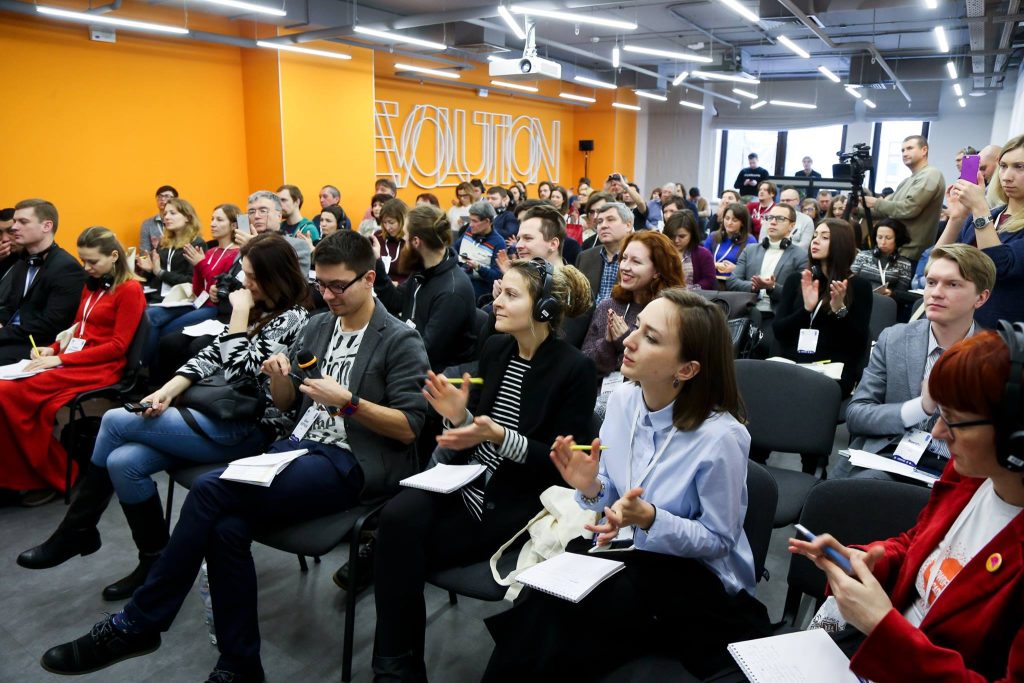 Crowdfunding Academy Ukraine 2017 campaigns:
A free application that will help to personalize your travel. It creates an individual route with quests and mysteries. Open up the city in a new playful way
The project model of an electric bike that can travel on a single charge for 120 km with a total load of 150 kg. VoltyCo – is a strong and durable electric bike for personal mobility and commercial transportation.
Tabletop educational game for kids with scientific experiments. “Secret Expedition” not only unveils interesting facts about different cultures and nationalities, but also helps to learn the geography and even to conduct scientific experiments.
The story of Lugansk’ little habitants, which is based on real events. The project will show what really happened in Donbas through the eyes of children, who found themselves in the middle of an armed conflict in 2014.
Collection of custom fashion patches (patches for clothing), which call for tolerance, respect and protection of human rights. 10% from the revenue will go towards supporting NGOs that are engaged in human rights protection in Ukraine.
- Green Schools
- Touristic village Kryva Luka
- Kids Club
- Poltava traditional tapestry
- Open Air Art Space