Category: SDG Blockchain Accelerator
GrantsFund4Aid, an on-chain grant management platform developed by Innofund, has concluded a pilot testing how blockchain technology can support more transparent, traceable and efficient grant management. It successfully disbursed test grants to ten teams participating in a United Nations Development Programme (UNDP) global initiative, the SDG Blockchain Accelerator, that helps develop and scale practical solutions powered by emerging tech to advance the SDGs.
The pilot explored the potential of on-chain grant management to increase visibility over funding flows, strengthen accountability and reduce some of the administrative burden associated with traditional grant processes among international organizations.
Test pilot grants were successfully disbursed to ten participating teams under the EMURGO track of the Accelerator led by UNDP Alternative Finance Lab (AltFinLab), which connects emerging tech, innovation and finance, to explore, test and scale new approaches for sustainable development.
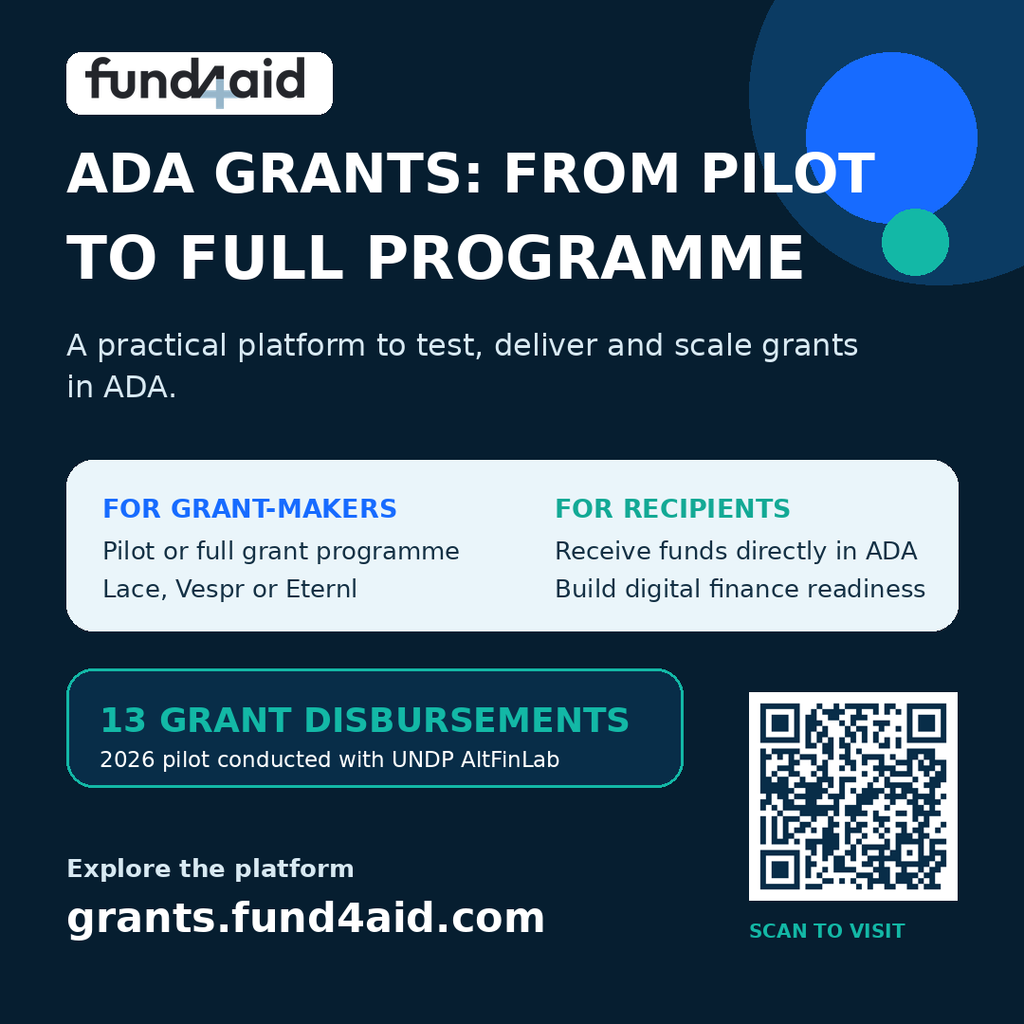
“We were interested in testing whether an on-chain grant management platform could make grants to civil society organizations (CSOs) and solution makers in the SDG Blockchain Accelerator more transparent, efficient and easier to track,” said Teodor Petricevic, Accelerator Lead, UNDP AltFinLab. “The objective was to test whether blockchain could provide better traceability and accountability while simplifying the overall grant management process.”
Alongside the grant disbursements, feedback was also gathered from UNDP AltFinLab teams and participating organizations to assess the pilot and help strengthen the next stage of the GrantsFund4Aid MVP.
The feedback provided encouraging early indications of support for the approach. All surveyed UNDP respondents said they would share their experience with colleagues and encourage others to try GrantsFund4Aid, while all surveyed participating organizations said they would use the platform to apply for grants again and share their experience with peers.
Feedback also identified priorities for the platform’s next phase, including simpler onboarding, improved wallet integration, grant tracking and notifications, and easier fiat off-ramping. Participants also highlighted the potential to connect CSOs with a wider range of funders.
“The platform could evolve beyond grant management into more of a matchmaking platform, connecting CSOs looking for funding with grant givers looking for relevant projects and partners,” added Petricevic.
The findings from the pilot will now inform the next stage of development of GrantsFund4Aid, with a focus on improving the user experience and exploring how on-chain technology can help connect funders, CSOs and solution makers through more transparent and traceable funding mechanisms.
Photo credit: Shubham Dhage / Unsplash
The United Nations Development programme (UNDP) and Blockchain for Good Alliance (BGA), the global non-profit initiative founded by Bybit, dedicated to leveraging blockchain for societal impact, have signed an agreement to launch a two-year programme to strengthen cybersecurity knowledge and capacity for the responsible use of digital technologies in development.
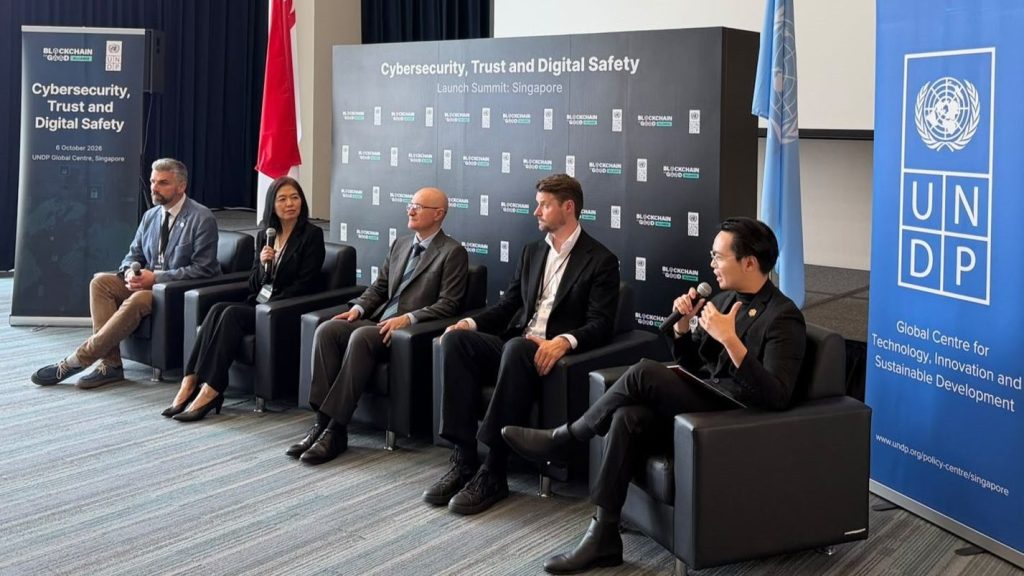
The agreement was signed by Edward Vrkić, UNDP’s Resident Representative to Malaysia, Singapore and Brunei Darussalam, and Helen Liu, Founder of BGA at the Cybersecurity, Trust and Digital Safety Launch Summit in Singapore. The signing was followed by a panel discussion on securing digital trust and the role of public-private partnerships in strengthening cybersecurity.
“The governments we support are facing growing and increasingly complex cybersecurity challenges, driven by ongoing conflicts, AI-enabled fraud, and more sophisticated cyberattacks,” said Robert Pasicko, UNDP Alternative Finance Lab (AltFinLab) Team Lead. “Strengthening cybersecurity capacities and building resilient, trusted digital systems are essential to addressing these risks. We welcome the opportunity to deepen our collaboration with the BGA, drawing on its expertise and experience.”
A critical time for collaboration
As public institutions rely more on digital systems, including blockchain technology, cybersecurity is critical to protecting services, public funds and trust. Rapid advances in artificial intelligence are making cyber threats more sophisticated and systems more complex. The partnership will help public institutions strengthen the technical, governance and response capabilities needed to manage cyber risks and safeguard essential public services.
The programme will be implemented by UNDP’s AltFinLab in collaboration with BGA. Over two years, it will draw on the cybersecurity expertise of BGA’s global ecosystem to provide hands-on learning and advisory support. Capacity-building activities will be delivered through three channels: the SDG Blockchain Accelerator, which supports emerging technology solutions for the Sustainable Development Goals; the Government Blockchain Academy for public officials; and dedicated training sessions for UNDP Country Offices and government partners. The programme will focus on topics such as data protection, secure digital payments and the security of public digital services.
“Prevention, response and recovery are the three pillars of cybersecurity, and public institutions need all three,” said Glenn Tan, Director of Global Affairs at the Blockchain for Good Alliance. “The private sector holds much of the expertise across these areas, yet public institutions and international organizations with pressing needs often lack direct channels to access it and collaborate. This partnership opens that door.”
The partnership builds on BGA’s role as Strategic Partner of the UNDP SDG Blockchain Accelerator, now entering its third cohort, and its participation in the Blockchain Advisory Group (BAG). Convened by UNDP, BAG brings together ecosystem leaders to explore how blockchain can contribute to sustainable development and strengthen digital public systems.
The UNDP Alternative Finance Lab (AltFinLab) has launched an open call for the third edition of the SDG Blockchain Accelerator, inviting UNDP Country Offices and other UN entities to submit development challenges linked to active programmes and portfolios by 30 September 2026.
The global initiative helps develop and scale practical solutions powered by blockchain, AI and other emerging technologies to advance the Sustainable Development Goals (SDGs). It connects UN teams facing concrete development challenges with vetted technology partners who can help them explore, develop and implement practical solutions with the potential for development impact.
AltFinLab leads the Accelerator in strategic partnership with the Blockchain for Good Alliance, alongside leading technology partners across the blockchain and AI ecosystems, including the Cardano Foundation, Stellar Development Foundation, Partisia Foundation, DFINITY Foundation, and FLock.io. Together, they bring expertise from across the blockchain and AI ecosystems and connect participating teams with technical guidance, mentorship and wider partner networks.
The 2026 edition welcomes applications from UNDP Country Offices, global teams and other UN entities that have an active programme, institutional backing and a credible pathway to take a solution forward. Applicants do not need prior blockchain or AI expertise, nor are they expected to identify the type of solution needed before applying.
Applicants should start with a concrete delivery challenge within an active programme, clearly identifying who it affects, what needs to change and why it matters. For examples of how UNDP teams have translated programme challenges into practical solutions, explore New Tech, New Partners: Transforming Development in the Digital Era, which features more than 40 solutions developed through the Accelerator.
The third edition will offer two technology tracks: blockchain, and decentralized AI & cloud. Across both tracks, the Accelerator will support development challenges in four key areas such as digital payments, digital identity, traceability and supply chains, and data and privacy.
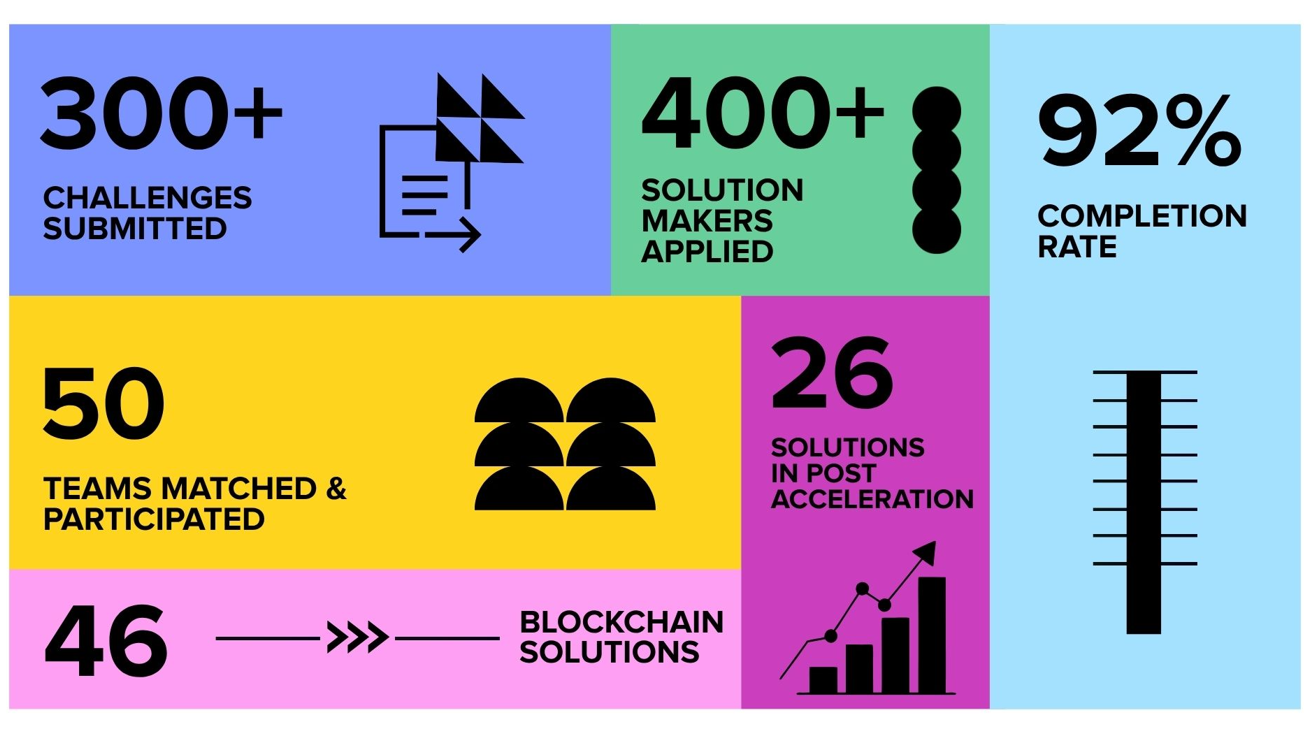
The new cohort edition builds on the results of the Accelerator’s first two global cohorts. Fifty teams participated, producing 46 implementation-ready solutions. Seventy percent are now embedded within ongoing national and regional programmes, while 12 progressed into piloting in country contexts. These results have informed a more selective model centred on strong programme ownership and a practical pathway towards implementation.
Once UN teams are matched with technology partners, they will then move through a structured acceleration process combining technical mentorship, solution development, implementation planning, business and communications support, post-acceleration support, and access to international technology ecosystems. They will also receive continued guidance on partnerships, procurement and resource mobilization after the programme.
This model helps teams move viable solutions beyond stand-alone technology concepts and integrate them into ongoing programme delivery, strengthening services and contributing to greater transparency, efficiency, inclusion and accountability.
Learn more about the SDG Blockchain Accelerator and apply by September 30, 2026!
Contact
Ben Thomson Coon
SDG Blockchain Accelerator Lead
ben.thompsoncoon@undp.org
In 2025, the SDG Blockchain Accelerator delivered 46 pilot- and implementation-ready solutions, with 12 already entering real-world testing. Developed across two global cohorts, 70% of these solutions are embedded within ongoing national and regional programmes – positioning them to move beyond standalone experiments and into active use.
The SDG Blockchain Accelerator was created to connect innovators with development challenges and turn ideas into impact. While interest in blockchain has grown in recent years – from traceable transactions and auditable data to improvements in payments and service delivery – a persistent question has remained: how to design solutions that can operate within institutional, regulatory, and operational realities. To address this, the Accelerator brings together UNDP, technical partners, and innovators into a structured, multi-partner platform that supports solutions from concept to deployment.
Strategically led by the United Nations Development Programme’s Alternative Finance Lab (AltFinLab), in partnership with the Blockchain for Good Alliance (BGA), EMURGO Labs, FLock Technology Holdings, Stellar Development Foundation, and Sui Foundation, the global initiative helps scale blockchain and decentralized AI solutions to advance the Sustainable Development Goals (SDGs).
A structured pathway from demand to deployment
In many innovation efforts, the challenge is not generating ideas or prototypes, but ensuring that solutions can function within existing systems. The Accelerator links demand, solution development, and implementation planning into a single process, helping move ideas from exploration to practical application.
It is built around a demand-led model, where UNDP Country Offices define concrete development challenges grounded in ongoing programmes and national priorities. Across the portfolio, blockchain is being applied to address a consistent set of system-level issues – from inefficient financial flows and weak data integrity to fragmented supply chains and low-trust governance environments – where verification, transparency, and coordination are essential.
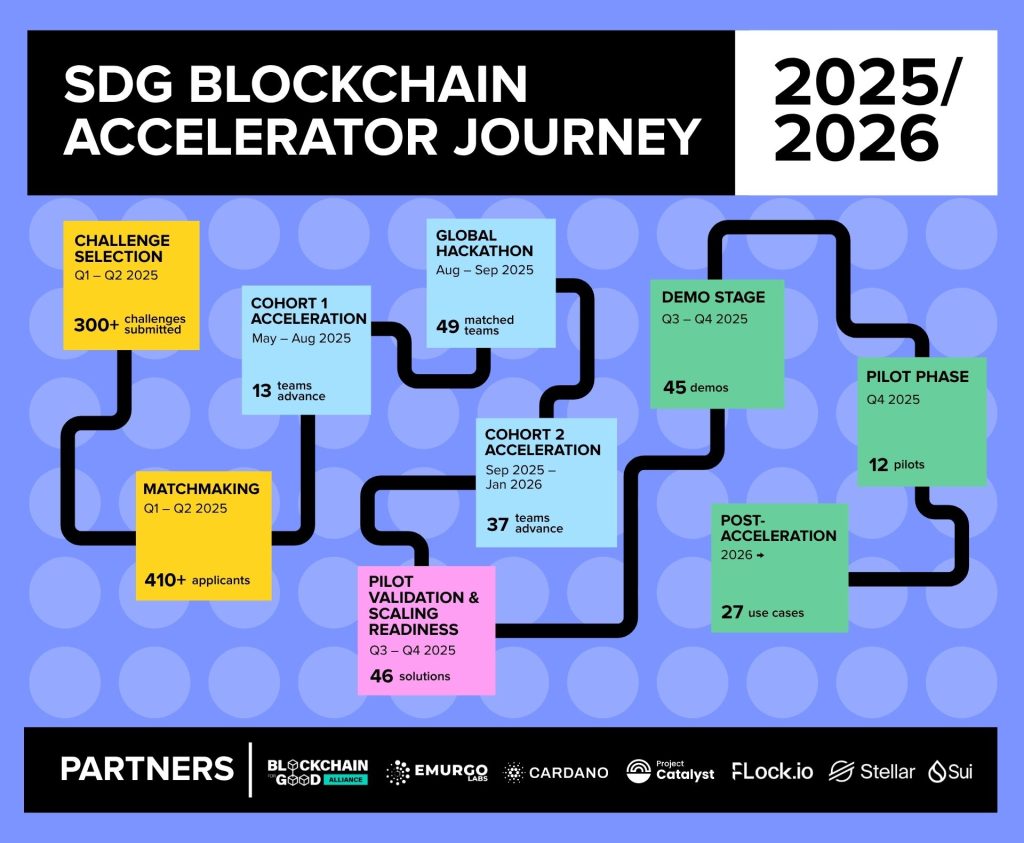
From there, UNDP AltFinLab matches challenge owners with solution makers and technical partners through a structured process – moving from problem definition to roadmap, and from roadmap to pilot readiness. Open calls and hackathons serve as mechanisms for aligning different actors around a shared problem, allowing ideas to be tested and refined before entering acceleration.
The programme operates through a multi-partner, track-based model that brings together multiple technical ecosystems while maintaining a coordinated and neutral approach. This allows challenges to be matched with the most suitable solutions and platforms. By working across multiple blockchain ecosystems, the Accelerator reduces dependency on any single technology stack and increases adaptability across different country contexts. Interoperability is also a defining feature of the portfolio, with nearly 90% of solutions either already supporting or planning cross-chain integration.
Crucially, teams are expected to define how solutions would function under real conditions, including governance, budgeting, and integration into existing processes. At the core of this process is the roadmap – a structured output that translates a development challenge into an implementable pathway, aligning stakeholders, technical design, governance, and financing considerations. This emphasis on operational readiness helps address a common point of friction in innovation efforts.
Where demand is consolidating
The portfolio of solutions that has emerged from this process also reveals where blockchain is beginning to demonstrate practical value.
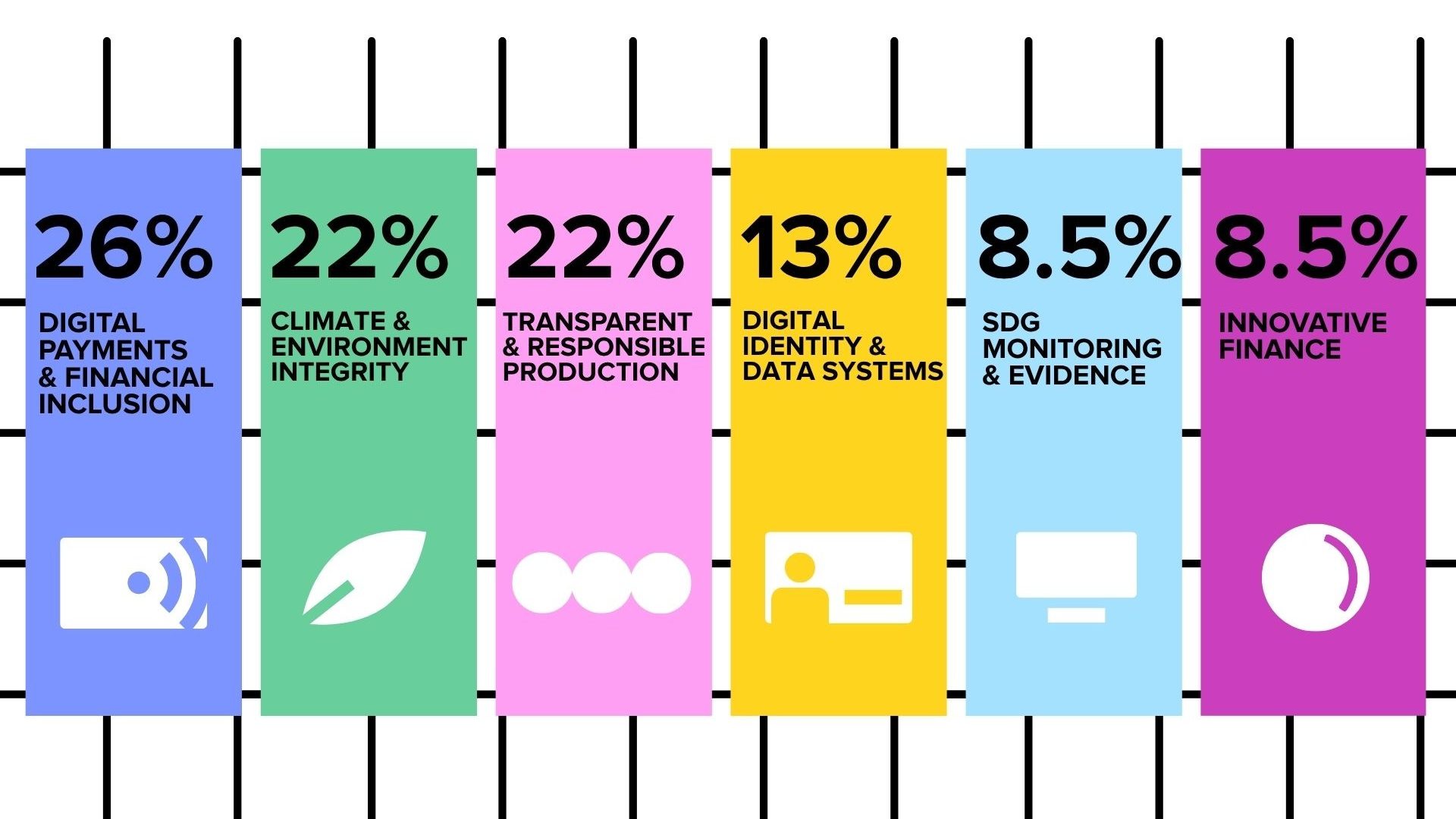
Digital payments and financial inclusion account for the largest share of solutions, followed by climate finance and environmental integrity, and transparent and responsible production. Together, these clusters make up the majority of the portfolio, pointing to areas where systems rely on trust, coordination, and shared data across multiple actors – and where existing approaches often struggle with fragmentation and limited transparency.
The portfolio spans a diverse set of solutions – from payment systems designed to improve last-mile delivery, to carbon registries that strengthen climate market integrity, supply chain platforms that enable traceability across production networks, and digital identity and credentialing tools for verifiable impact tracking.
For example, in contexts where financial systems rely on cash, manual processes, or fragmented infrastructure – as in Haiti and Syria – blockchain-based payment solutions are being designed to deliver funds directly to individuals. This reduces delays, improves traceability, and increases transparency in how resources are distributed. In one pilot, a government disbursement process that currently requires waiting up to six months for loan guarantee payments is being automated, helping small businesses – particularly women-led enterprises that are disproportionately affected by such delays – receive funds faster and more reliably.
Many of these are designed as components that can be integrated into broader public systems, strengthening core functions rather than operating in isolation.
From institutional readiness to public-sector engagement
Beyond solution development, the Accelerator is strengthening institutional readiness to engage with emerging technologies. For 82% of participating UNDP Country Offices, this was their first direct experience with blockchain or similar technologies. By the end of the programme, the share reporting high or very high understanding increased from 21% to 60%, indicating a clear progression from initial exposure to practical capability.
This growing readiness is reflected in how solutions are developed and adopted. UNDP Country Offices act as “challenge owners,” grounding each solution in national priorities and convening stakeholders around it. This ensures alignment with government strategies, regulatory environments, and operational realities from the outset.
Public-sector engagement is therefore built into the process. Government and public-sector entities are involved in 73% of solutions, with more than half engaging policymakers or regulators directly. This creates clearer pathways toward adoption, with solutions shaped in close interaction with the institutions expected to use them.
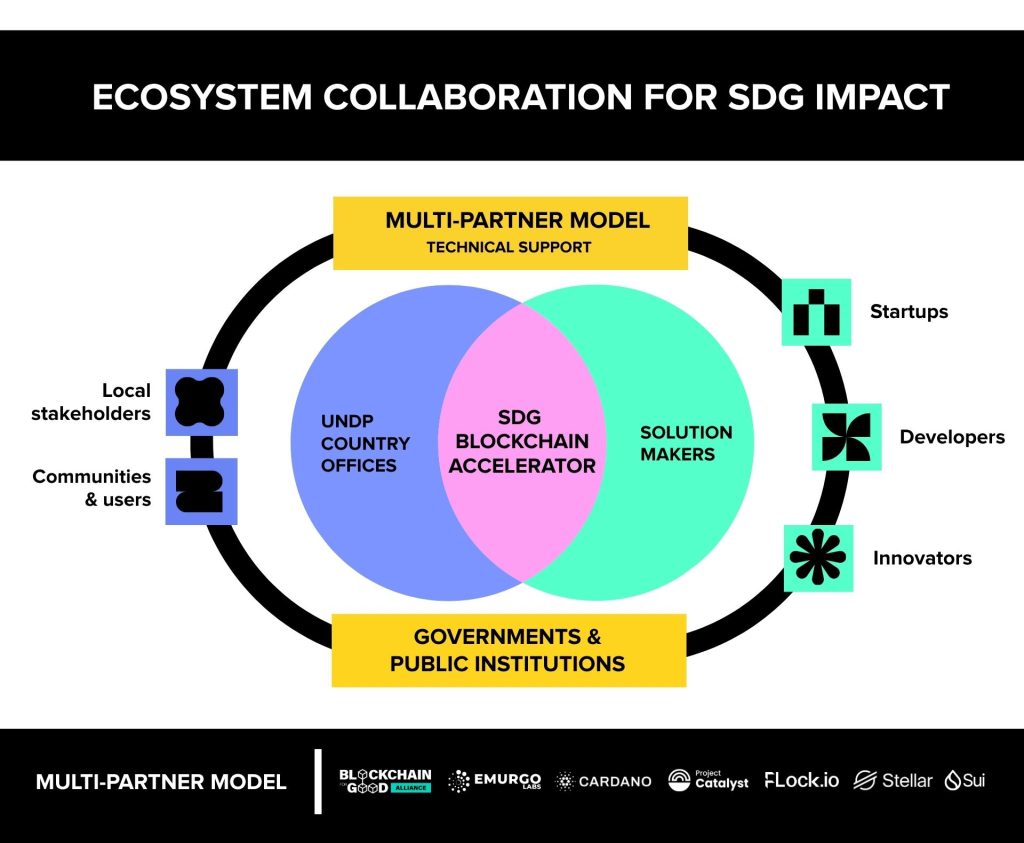
The model also expands the ecosystem around these efforts. More than 120 external partners contributed across the portfolio, with solution makers being able to work directly with public institutions – a connection that is often difficult to establish in practice. This strengthens the link between innovation and implementation environments.
Connecting to a broader blockchain practice
A selection of use cases and pilots developed through the Accelerator are featured in the newly released New Tech, New Partners publication, which brings together more than 40 blockchain applications across regions.
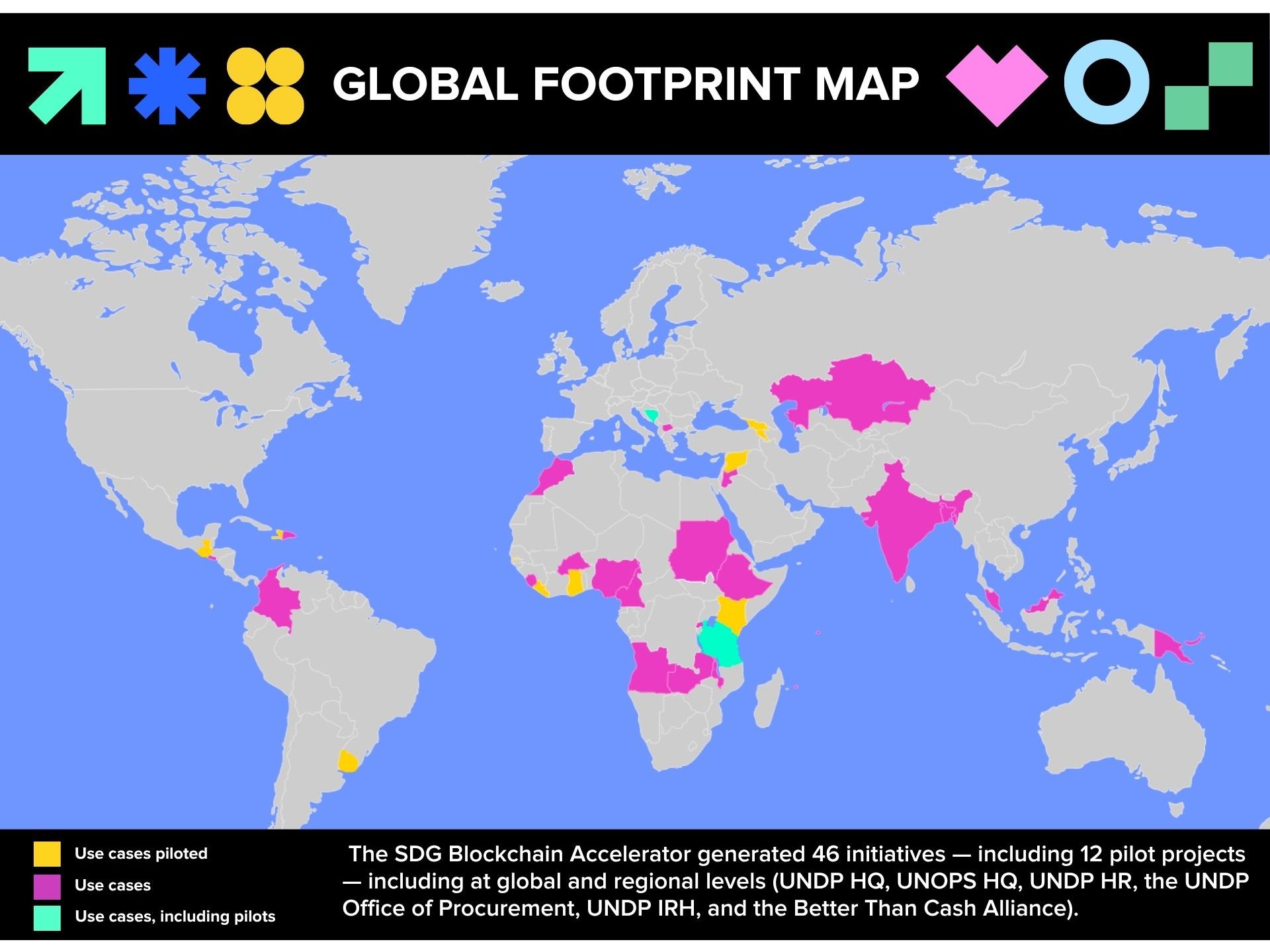
This report highlights the geographic spread and diversity of blockchain applications across development contexts. Across it, blockchain is increasingly used as a coordination and trust layer – supporting how data, payments, and decisions move across systems in more transparent and verifiable ways.
Together, these examples point to a growing body of practice around how blockchain can support digital public infrastructure and public-purpose systems in concrete, applied settings.
The remaining bottleneck: from pilot to scale
The main constraint is no longer whether these solutions work, but whether they can be sustained and scaled. Many are ready to move forward but lack the financing, partnerships, and operational support required to move beyond pilot stages. The challenge has shifted from designing viable solutions to ensuring they are taken up and maintained within public systems.
Building on these lessons, Cohort 3 of the Accelerator will aim to anchor each solution in an existing country programme or programmatic framework with at least one year of operational runway, and a clear implementation context. This shifts the centre of gravity from innovation showcase to institutional delivery: Country Offices and UN agency teams bring the development challenge and the programmatic home, Solution Makers bring production-ready technology, and the Accelerator provides the structure to connect the two. The opportunity now is to move from “proof that it works” to “proof that it scales”, embedding solutions within the programmes, partnerships, and budgets that already exist, so they can deliver tangible, sustained impact.
Stay tuned for our Cohort 3 open call!
The Accelerator is powered by catalytic funding from Cardano’s treasury via Project Catalyst, with support from other partners.
There’s a question that doesn’t get asked enough in digital finance: what does “working” actually mean when you’re operating at the last mile?
Digital payments solve obvious problems on paper: instant settlement, lower fees, and transparency. But the last mile doesn’t operate on paper. It operates with patchy connectivity, cash-based economies where trust is built face-to-face over years, and the weight of someone’s entire month’s survival sitting in a transaction that may or may not go through.
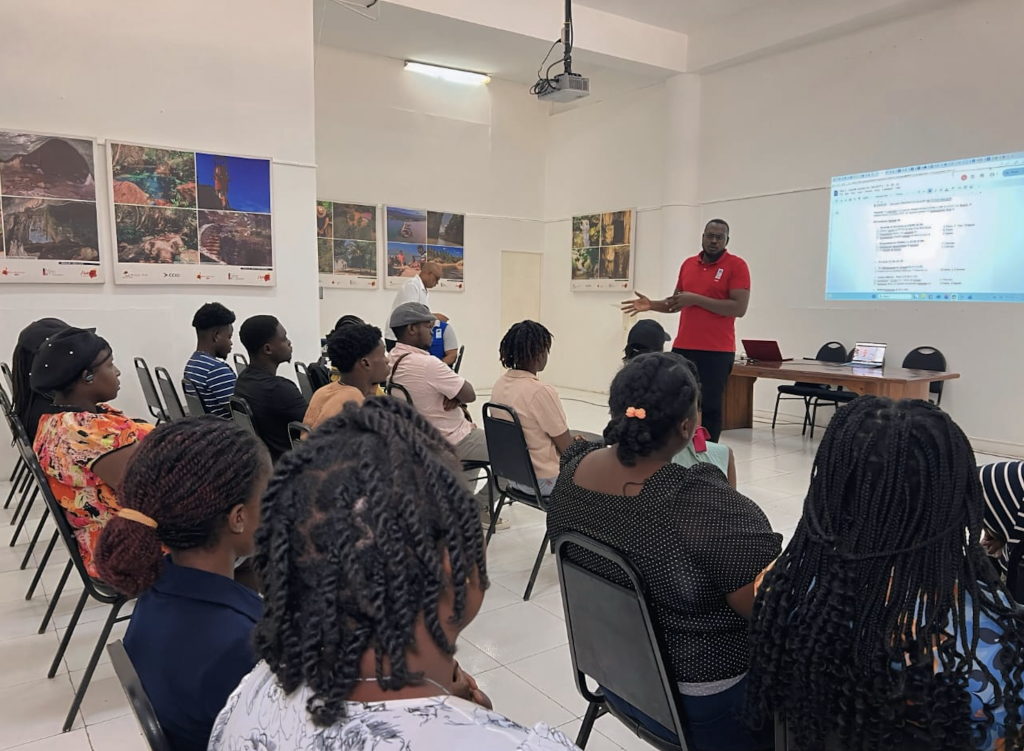
Across Haiti, Guatemala, and The Gambia, three teams from Cohort 2 of the SDG Blockchain Accelerator ran pilots testing whether blockchain-based digital payment flows could function under real operational constraints, not ideal conditions, in partnership with Stellar Development Foundation. What they found was more specific and more useful than a simple yes or no.
What were we actually testing?
For many households and microbusinesses, remittances and small transfers mean survival. Payment friction compounds at every step: transfer fees, currency exchange losses, physical distance to payout locations, and the opportunity cost of a day spent traveling to collect money. When people are forced to cash out immediately because holding digital value feels precarious, there’s no room for saving, building credit, or investing in community. When programmes can’t see where money actually goes, accountability becomes a reporting exercise rather than a feedback loop.
The question these pilots tested wasn’t whether blockchain can handle payments. It was narrower and more practical: can digital rails reduce friction while widening access to financial services in contexts where traditional banking infrastructure doesn’t reach, or doesn’t bother to reach, because the volumes don’t justify the cost?
This is fundamentally a design question, not a technology question.
Each pilot ran an end-to-end flow with bulk payments initiated by partners, received in participating wallets, and used in real economic activities like merchant payments, community fund governance, and informal business recordkeeping. In Haiti and the Gambia, two pilots used the Stellar Disbursement Platform to send bulk payments directly to end user wallets. UNDP Guatemala Country Office collaborated with Amero Exchange to test a community investment feature tied to remittances, with an interoperability roadmap outlined in their product plans.
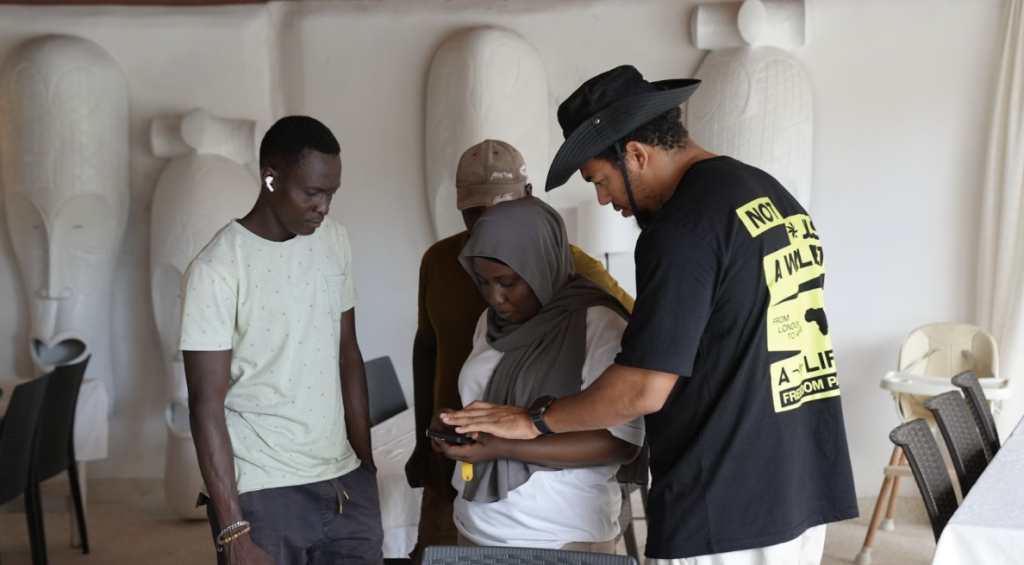
Proof-of-concept success meant demonstrating three things: funds could be delivered digitally to the last mile, users could transact in ways that reflect daily realities rather than ideal conditions, and partners could view a trustworthy record of what happened. Three different contexts, each on a different platform, revealed a shared signal.
Haiti: When the contingency plan becomes the test
In Haiti, most day-to-day transactions still happen in cash. ‘The Prosperity Loop’ pilot asked whether digital payments could function reliably when infrastructure fails, not just whether they could work in principle.
The pilot enabled households, merchants, microfinance institutions, and nonprofits to receive transfers in digital wallets from Kura and Bousol, make local payments, and build a trusted transaction record. The model combined these wallets with point-of-sale infrastructure designed for low connectivity, and those design choices got tested faster than anyone planned.
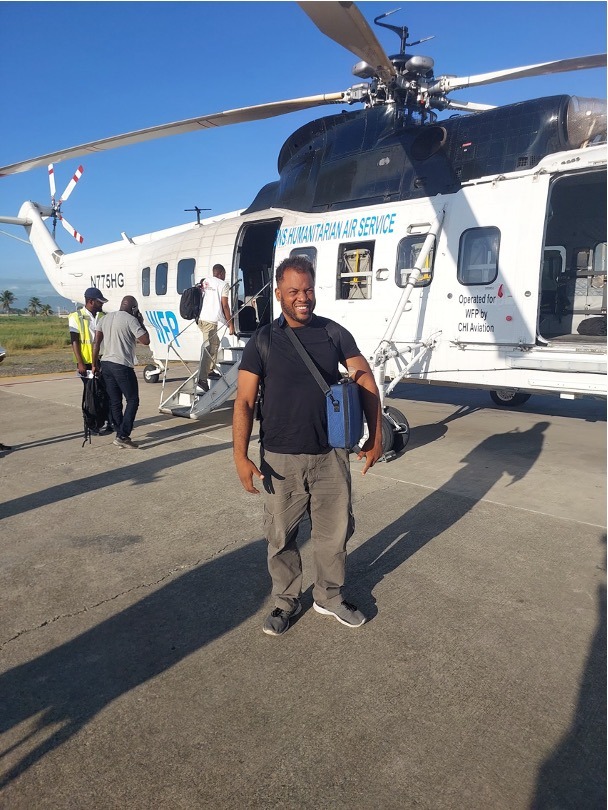
With flights disrupted, the UNDP Haiti team and the solution makers from Kura and Bousol reached Cap-Haïtien by last-minute helicopter. The next day, the cellular network went down completely. A Starlink Mini carried as a contingency plan became the only source of connectivity. What was supposed to be a controlled pilot became a stress test of whether “designed for low connectivity” was more than a feature claim, and the pilot recorded a 100% transaction success rate with near-instant performance across both wallets under the conditions that actually exist.
What made this more than a technical achievement was what happened next. Maxime, a monitoring and evaluation specialist for a national malaria project, initiated a live bulk disbursement through the Stellar Disbursement Platform during the test, sending payments directly to recipients’ wallets. He saw it work under constraint and is now exploring pathways for scale-up in Spring 2026. The signal here isn’t just that blockchain works, but that when you design for the constraints that exist rather than the infrastructure you wish existed, traditional program implementers start seeing how this fits into what they already do.
Guatemala: What gets designed out
In Guatemala, remittances from abroad are a key source of income that’s usually spent immediately, not because people don’t want to save or invest, but because the friction of doing anything else with that money is too high.
Blockchain-based digital payment tools can be laser-focused on specific populations with specific needs. The value isn’t in disrupting the entire financial system but in filling the gaps that the system can’t economically justify serving. When you design for simplicity, instant settlement, and visual clarity, you create pathways for populations that existing infrastructure excludes not by policy, but by design assumptions.
UNDP Guatemala partnered with Amero Exchange, whose platform was specifically created for Spanish speakers. Through the Stellar Development Foundation’s approach of matching solution makers to challenges presented by UNDP Country Offices, Amero’s remittance and community investment capabilities aligned with Guatemala’s particular context. This matching wasn’t accidental but reflected the reality that “the right tool” means linguistic fit, cultural context, and functional alignment, not just technical capability.
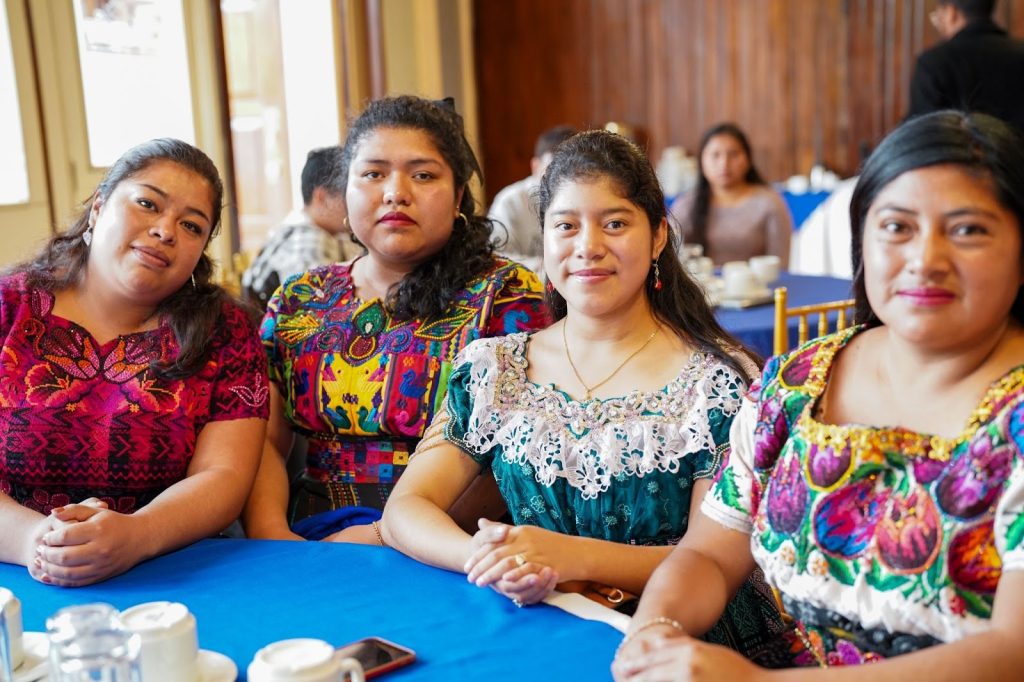
The pilot tested whether remittances could support longer-term community priorities without making people choose between immediate needs and collective investment. Families could direct a small percentage of each transfer to a community fund governed by community members back home, where members could propose and vote on local projects with all contributions and payouts recorded transparently.
During testing, both diaspora senders and receivers engaged quickly once they understood the model. But one interaction revealed something the team hadn’t explicitly designed for. A woman with a hearing and speaking disability was in the testing group. She’d used banking services before that required extensive verbal communication, follow-up visits to confirm transactions, and waiting periods with unclear resolution times. When she went through Amero‘s onboarding process, the visual interface was clear and the instant settlement meant no ambiguity about whether the money had arrived. She found sending money to loved ones more manageable, with less friction and more confidence.
This wasn’t a special accessibility feature but simply what happened when you designed for simplicity and clarity as defaults. Current banking solutions often overlook populations like women with dependencies in diaspora, people with disabilities, and people whose needs don’t generate sufficient volume to justify traditional banks’ infrastructure costs. Not because the need isn’t there, but because the business case isn’t there under existing models.
The broader value wasn’t just expanding what remittances could do but lowering barriers to participation in household and community-level financial decisions for people, particularly women and young people, who are often excluded from those conversations entirely.
The Gambia: Where flexibility actually lives
In The Gambia, “last mile” isn’t just about geography but about the gap between informal livelihoods and formal financial systems.
Women and youth entrepreneurs keep local markets moving, but many operate outside formal finance with no bank accounts, no collateral, and no credit histories. They track sales in notebooks and remain invisible to services that could help them grow, not because they’re not economically active, but because that activity doesn’t produce the data formal systems recognize.
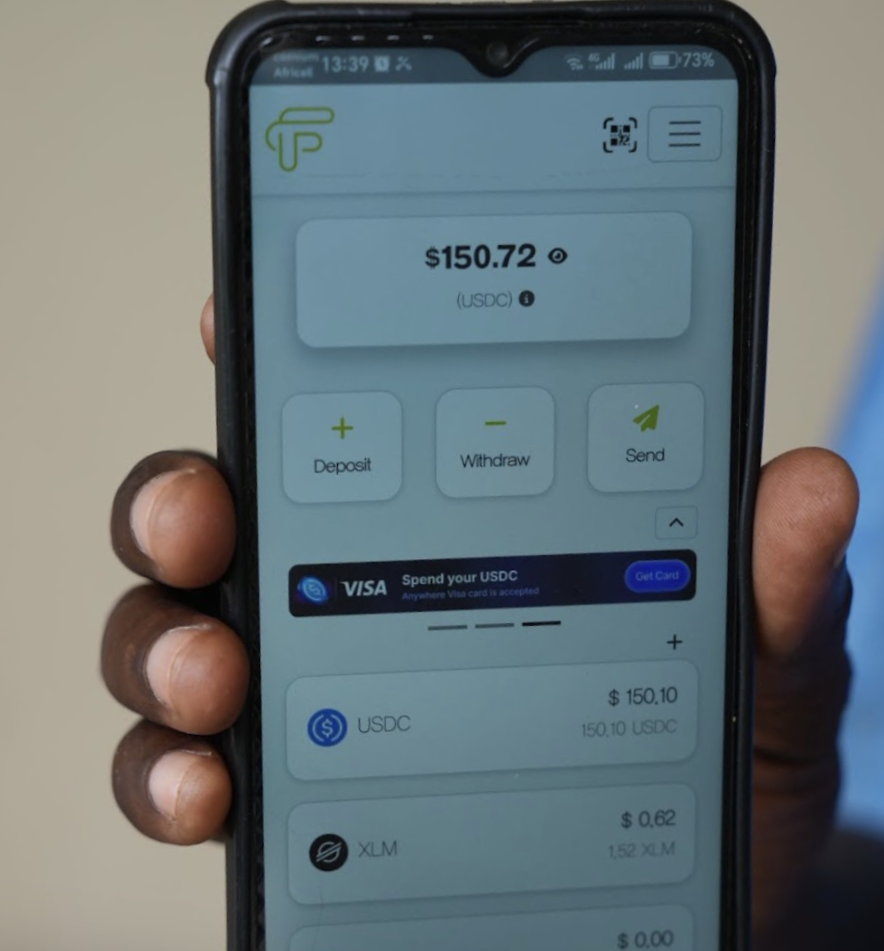
The pilot, led by UNDP staff from the Istanbul Regional Hub working with FreedomPay Wallet, paired a mobile-first wallet with simple digital recordkeeping to help entrepreneurs build usable business profiles and access fair microfinance over time. FreedomPay Wallet leverages Moneygram Access to provide cash-in and out options directly from the app interface, available in over 180 countries worldwide. During testing, something unexpected happened.
A MoneyGram agent noticed unusual, sustained demand for cash-outs in his area. After investigating, he discovered people were using FreedomPay Wallet. Rather than requiring people to travel to his established location, he closed his shop for the day and traveled with the team to a remote community. This wasn’t customer service but a traditional financial services provider recognizing value in an emerging tool and adapting his operations to meet people where they were.
Here’s what matters about that moment. We talk about legacy financial systems as if they’re monolithic and inflexible, but at the last-mile level, individual agents often have more discretion than the systems they represent. The agent’s decision to collaborate with FreedomPay Wallet showed that traditional players are ready to engage with emerging technologies when they see tangible demand from communities they serve.
The constraint isn’t technical compatibility but whether decision-makers higher up the chain will create frameworks that let last-mile providers collaborate across traditional and emerging systems without jeopardizing compliance and AML requirements. The infrastructure for reaching unbanked populations already exists. What’s needed is agile policy that empowers the people already embedded in those communities to use the tools that work. In this case, established cash-based systems and new digital tools worked together, demonstrating how collaboration rather than replacement can expand access for people who need better options.
What matching actually means
These three pilots used different platforms for specific reasons. The Stellar Disbursement Platform, leveraged by implementing organizations in Haiti and The Gambia, offers enterprise-grade ease of use for bulk transactions and provides transaction-level traceability for accountability purposes while limiting access to beneficiary personal data.
Amero, purpose-built for Spanish-speaking users, brought linguistic and cultural fit to Guatemala’s remittance-focused model. Language isn’t just translation but how financial concepts map to lived experience, which makes this choice more significant than it might initially sound.
Through the Stellar Development Foundation’s process of matching solution makers to specific challenges presented by UNDP Country Offices, each platform was aligned with context beyond just technical requirements. The real alignment happened around the actual shape of the problem: Who needs to use this? What literacy can we assume? What connectivity can we rely on? What does trust look like here? What does failure cost?
When those questions get answered honestly, you end up with different tools for different contexts because the people and places demand it, not because the technology does.
Incremental, not disruptive
There’s a narrative about blockchain that needs to be challenged: that it’s disruptive technology. It’s not. It’s incremental technology, and this distinction matters for how we invest and scale.
The value of these pilots isn’t that they replaced existing financial systems but that they filled specific gaps those systems either can’t or won’t address. The woman in Guatemala didn’t stop using other financial services but gained access to one that worked better for her particular need. The MoneyGram agent in The Gambia didn’t abandon his business model but extended it by collaborating with a tool that served demand he was already seeing.
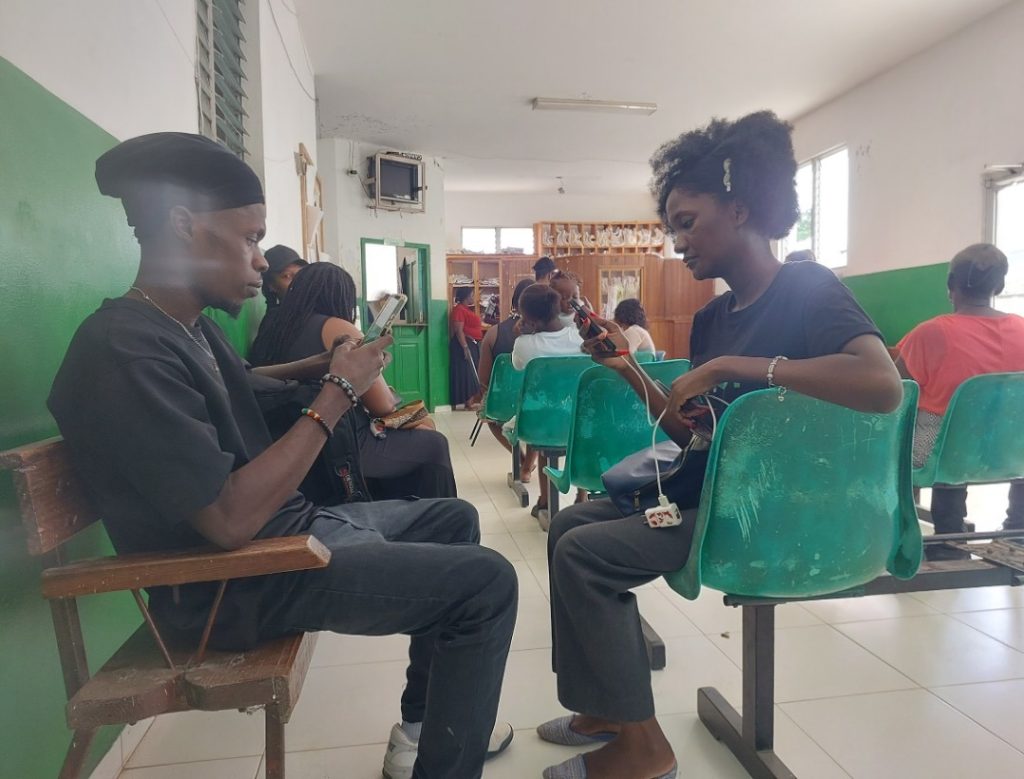
If blockchain is disruptive, the strategy is to build parallel infrastructure, wait for adoption tipping points, and replace incumbents. That’s expensive, slow, and in last-mile contexts it ignores the reality that existing infrastructure, however imperfect, is what people currently rely on. If blockchain is incremental, the strategy changes to identifying specific gaps in existing systems, building focused tools that integrate rather than replace, scaling gradually based on demonstrated demand, and allowing traditional and emerging systems to collaborate.
This requires different expectations: multiple innovation cycles, gradual volume increases, and patience for solutions to prove themselves in real conditions over time. It also requires something harder, which is a unified approach from blockchain partners in digital payments. Right now, not all wallet projects will succeed, and that’s fine because that’s how markets work. But the proliferation of incompatible solutions creates scattered efforts that make it harder for traditional implementers to understand what’s actually viable at scale.
What’s needed is clearer signaling around which use cases have demonstrated traction, what volumes are realistic in year one versus year three versus year five, and how solutions integrate with existing remittance channels, mobile money, and local finance partners. Matching supply to transaction demand matters, and that matching needs to happen incrementally with realistic volume expectations rather than with disruption narratives that promise transformation but deliver fragmentation.
What needs to happen
A successful pilot doesn’t mean the project is complete. The next phase is operational readiness, which involves aligning with financial institutions and program owners, ensuring compatibility with local cash and connectivity conditions, establishing user support and safeguarding, and clarifying how solutions adapt to regulation and market realities.
But operational readiness isn’t just technical. It’s strategic, and these three pilots demonstrated that digital payment rails can reduce friction and open pathways to financial inclusion in last-mile settings when designed around real constraints. The question now isn’t whether this works but whether the investment approach will support the incremental scaling that actually drives adoption.
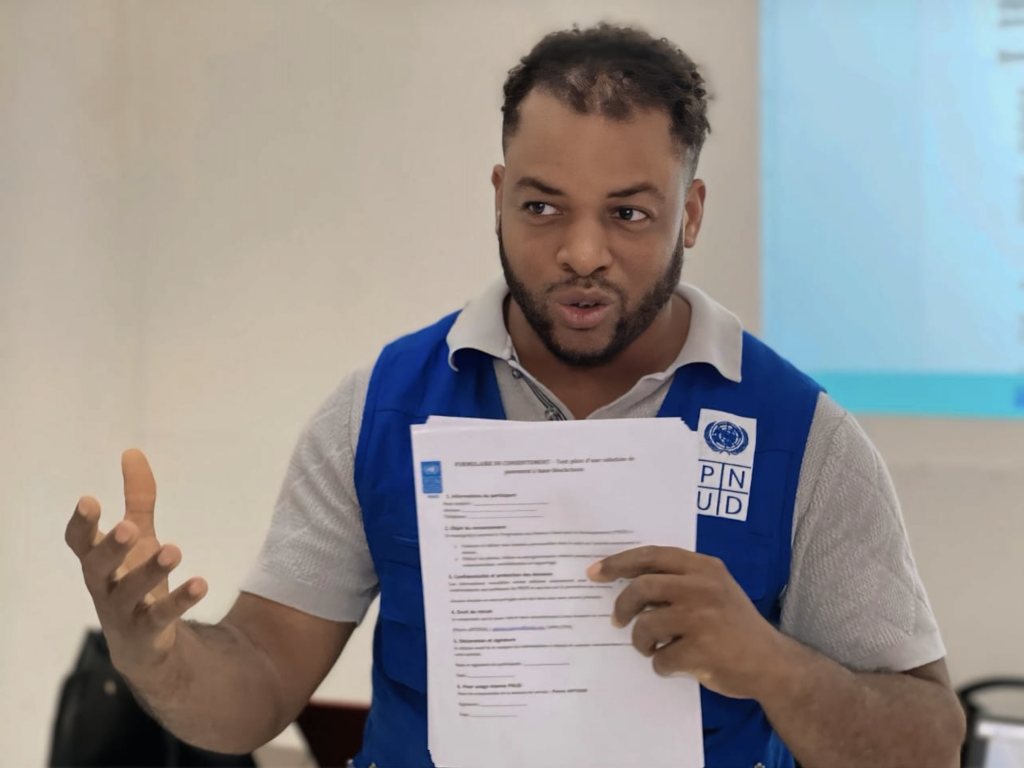
That means funding multiple innovation cycles rather than expecting immediate scale. It means supporting gradual volume increases that allow solutions to prove viability. It means enabling traditional and emerging systems to collaborate without prohibitive compliance barriers. It means creating frameworks that empower last-mile providers to adopt tools flexibly. And it means measuring success not by disruption metrics but by specific gap-filling outcomes.
These pilots aren’t standalone experiments but build the evidence base for what deployment readiness looks like: tested workflows, defined partner roles, proven performance under constraint. The UNDP SDG Blockchain Accelerator exists to move solutions from proof of concept to real-world adoption, and insights from these pilots feed directly into that mission by turning individual country experiences into transferable patterns other teams can apply.
The infrastructure is emerging and the use cases are clarifying. What’s needed now is an investment strategy that matches the technology’s actual shape: incremental, context-specific, and designed to integrate rather than replace.
UNDP has released a new publication, “New Tech, New Partners: Transforming development in the digital era – A snapshot of UNDP’s blockchain practice,” offering a practical look at how blockchain technologies are being tested and applied across development contexts to strengthen public systems.
The publication addresses a growing knowledge gap regarding the responsible use of rapidly evolving digital technologies. Drawing on more than 40 real-world pilots implemented with governments and partners globally, it demonstrates how blockchain can support more transparent, inclusive, and trusted methods for managing payments, data, and shared rules.
Rather than focusing on technology in isolation, the publication examines how blockchain is being used as part of broader digital transformation efforts – complementing public institutions, policy frameworks, and existing infrastructure. The cases explore applications across several key areas, including:
- Digital payments and financial inclusion
- Climate and nature finance
- Digital identity and data governance
- Community-driven and alternative finance models
- Supply-chain transparency and public accountability
The publication does not present a single model or blueprint. Instead, it captures an emerging practice, documenting lessons from early experimentation and pilot deployments. Each case highlights the specific development challenge being addressed, the scale of the pilot, the technology stack involved, and the partnerships that make these initiatives work in real-world conditions. Together, the cases illustrate how blockchain – when designed with safeguards and public purpose in mind – can help improve transparency, reduce fragmentation, and build trust in public systems, while also surfacing risks, trade-offs, and governance considerations.
Policymakers, development practitioners, and innovators will find this snapshot particularly useful for understanding where blockchain may add value to future-ready public systems, and where careful design, regulation, and institutional capacity remain essential.
Find the full publication on UNDP global website.
This publication was prepared by UNDP’s Alternative Finance Lab, part of the Innovation and Digital Team at UNDP Europe and Central Asia, with contributions from UNDP Country Offices, the Bureau of Policy and Programme Support, and the Istanbul Regional Hub. UNDP acknowledges the partners supporting the pilots featured in the publication, including Algorand Foundation, Blockchain for Good Alliance, EMURGO Labs, Cardano Foundation, Project Catalyst, FLock.io, Stellar Development Foundation, and Sui Foundation.
Electronic waste, or e-waste, is one of the fastest-growing environmental and economic challenges of our time. According to the UN’s Global E-waste Monitor, more than 62 million tonnes of discarded devices were generated in 2022 alone, a figure expected to surge by a third, reaching 82 million tonnes by 2030. Less than a quarter of this valuable strategic resource is properly collected and recycled. As a result, only 1% of global demand for rare earth elements is met through e-waste recycling, while an estimated US$62 billion worth of recoverable resources simply go to waste each year. [Source: World Bank 2021]
Georgia faces similar pressures. The country generates from 900,000 to 1.1 million tonnes of waste annually. Its domestic material consumption (DMC) is close to the EU average, but the circularity rate remains just 1.48%, far below the EU’s 11.5%. Inadequate infrastructure, low public awareness, and limited investment in recycling technologies are key barriers holding back progress. [Source: Circularity Gap Report 2023]
Important reforms have laid the groundwork for change. The 2020 adoption of extended producer responsibility (EPR), the Waste Management Code, and commitments under the EU Association Agreement represent crucial steps towards a more circular economy. But e-waste management on the ground remains wholly insufficient. No official data exists on e-waste volumes or recycling rates, making it difficult to establish baselines and track progress. Municipalities lack formal collection systems, forcing residents to rely on unsafe, informal disposal methods that expose communities to toxic substances such as lead and mercury.
Meanwhile, weak enforcement of EPR means companies face little pressure to take responsibility for the products they put on the market. The result is a growing mountain of hazardous waste—one that communities are left to handle alone.
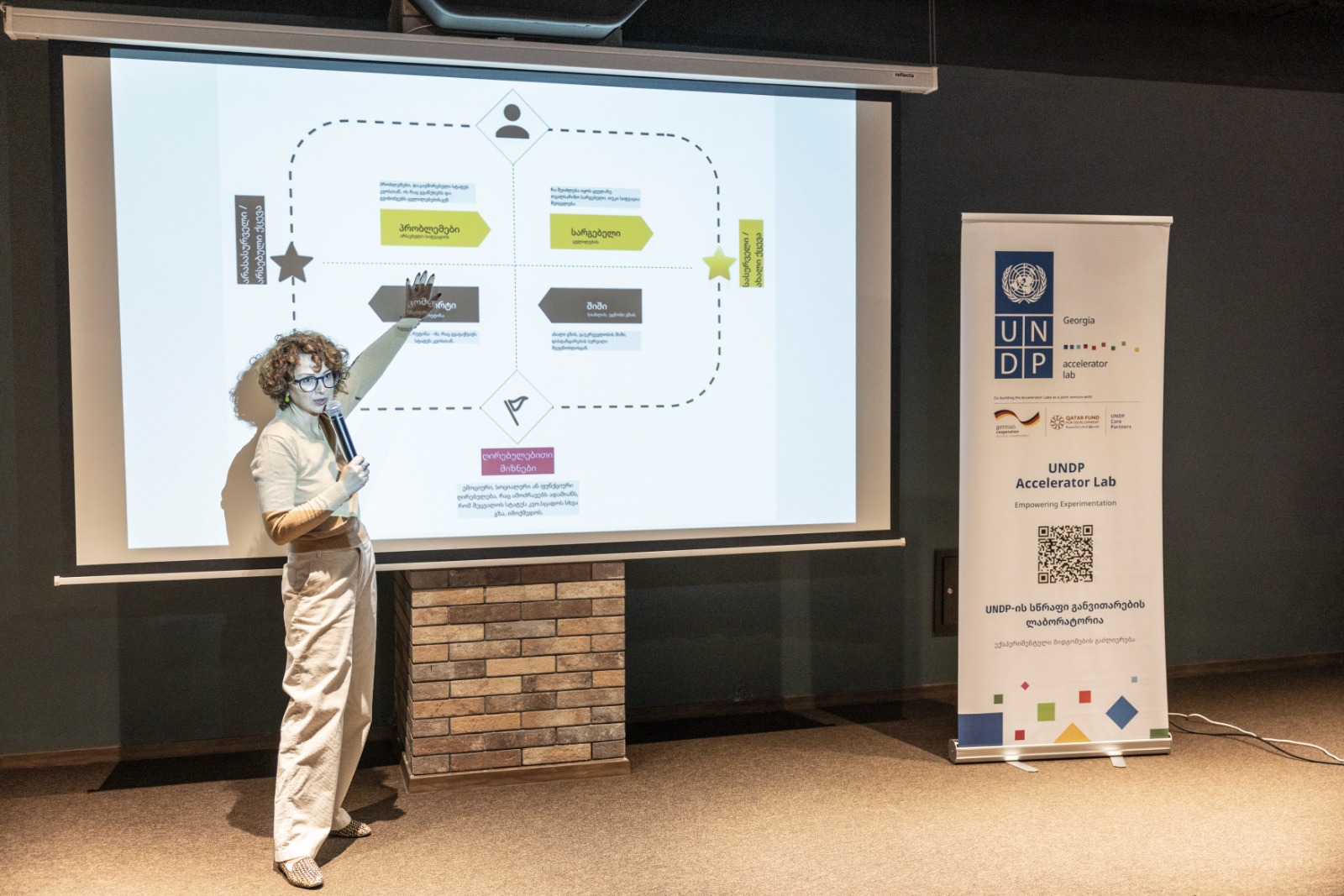
To understand why recycling policies weren’t translating into real action and how this gap was shaped by people’s attitudes and behaviours, UNDP, through our Accelerator Lab (AccLab), launched a behavioural experiment in the Zugdidi municipality.
The findings were striking. As we studied how residents handled e-waste, institutional gaps and economic barriers became clear, and one unexpected solution emerged: harnessing technology to rebuild trust and create a transparent, community-driven e-waste system.
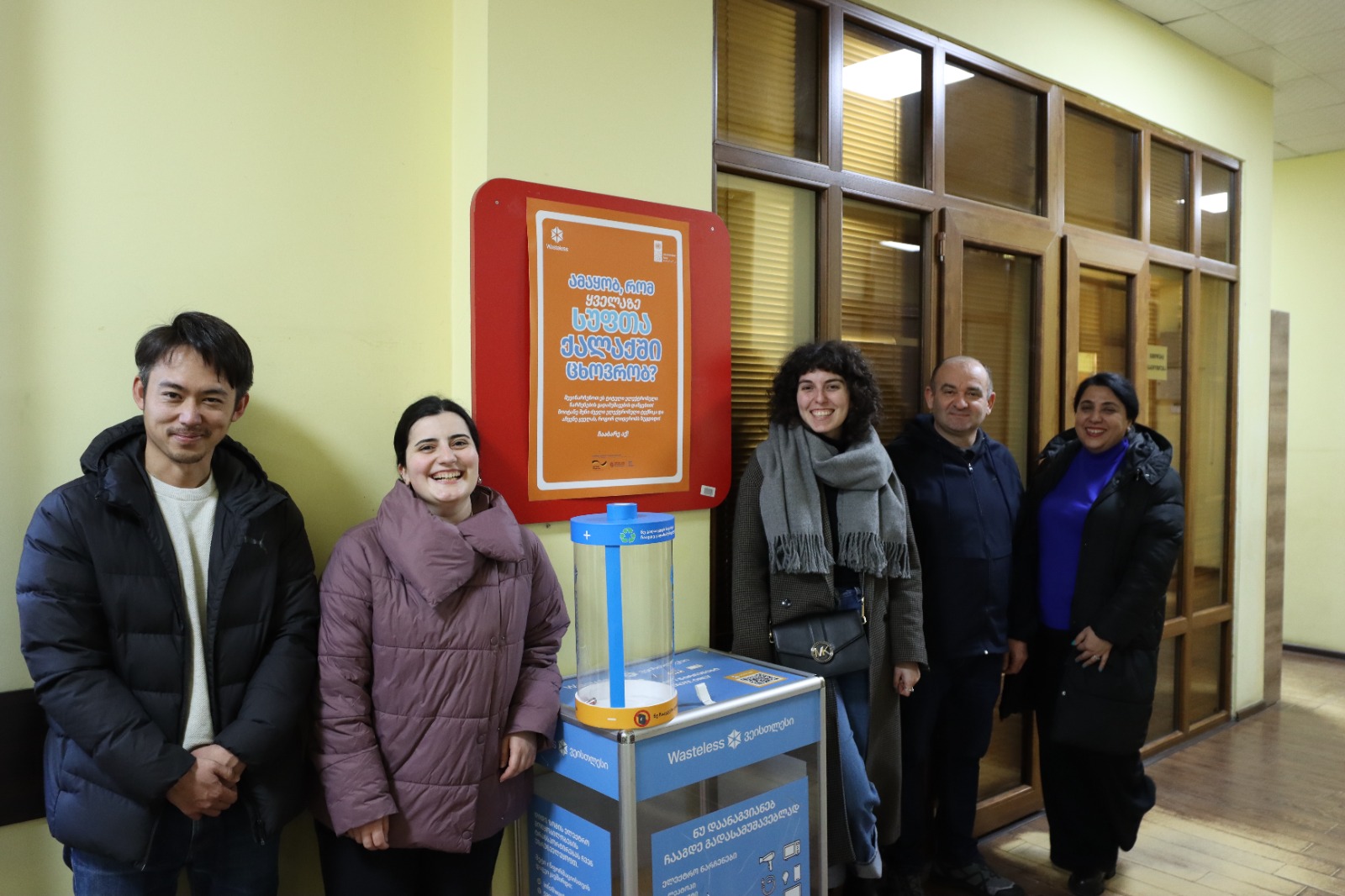
Understanding bins and behaviours
Our initial goal was simple: to test whether more collection bins and basic awareness could encourage safer e-waste disposal. Between June and October 2024, we reached out directly to the community, holding interviews and workshops with more than twenty stakeholders, including internally displaced persons (IDPs), women, youth, civil society representatives, electronics retailers, schools, academia, and local authorities. We listened to their experiences and mapped the factors shaping their decisions around e-waste. What emerged was a deeper challenge: not a lack of willingness to act, but a gap between intention and action.
People wanted to recycle but didn’t know where or how, and many doubted that collected waste would be handled properly. So, we reframed our question: how might we change behaviours and social norms, not just build infrastructure?
Together with the IDP Women’s Association ’Consent’, ‘Behaviour Science For Social Impact’ (BISC Partners), and the producer responsibility organisation Wasteless, we designed a set of behavioural experiments:
- In retail stores, we tested whether visible bins and positive social-norm messages could encourage more e-waste drop-offs.
- In the settlements of people displaced by conflict, we compared different messages – environmental, health-related, and community-driven – to see which resonated most.
- In schools, we explored whether learning sessions and student-led collection points could mobilise families and neighbours.
Over three weeks, 436 e-waste items – mostly small electronics such as phones, chargers, and batteries – were collected across eleven sites. The results were revealing:
- Environmental messages worked best.
- Awareness sessions helped, but one-off actions weren’t enough.
- Leadership mattered; community champions, like teachers, civil society representatives, and Zugdidi Central Library’s leadership, made a real difference.
Still, it was clear that behavioural nudges alone couldn’t fix an e-waste system, which continued to struggle with limited infrastructure, missing data, low public participation, and weak private sector engagement, hampered by minimal environmental commitment and few financial incentives.
Sustainable change would require stronger incentives, more transparency, and a management model that communities could truly trust.
From behaviour to blockchain
That insight led us to our next big idea: could technology help build trust and offer incentives to make circular waste systems truly work at the local level?
In 2025, the Zugdidi experiment evolved into a blockchain-powered model through the SDG Blockchain Accelerator, UNDP’s global innovation platform that helps promising ideas grow through potential targeted funding, mentorship, and technical expertise. Zugdidi’s pilot was selected as one of the programme’s challenges, developed in partnership with Creative Operations (Kenya) and Wasteless (Georgia) to test how blockchain-powered tools can transform community-based e-waste management.
The concept is simple but powerful:
- Track every item of e-waste through a secure, transparent blockchain system.
- Reward users with digital ‘Eco-Tokens’ redeemable in local shops.
- Involve retailers through trade-in schemes and tokenised gift cards.
- Empower the community through a digital cooperative, a flexible platform where residents, businesses, and producer responsibility organisations (PROs) can pool resources, vote on decisions, and earn incentives while tackling local challenges transparently.
By combining behavioural insights with technology, we are testing a new model of community governance that can align incentives, build trust, and grow sustainably.
Looking ahead
From June to October 2025, we built a blockchain platform demo and tested it across the Zugdidi municipality, engaging a focus group of up to 15 individual users and partners from the Zugdidi Central Library and a local retail store.
As this pilot initiative nears completion, we aim to take it to a new level – expand e-waste tokenisation, onboard more retailers, and test a digital cooperative model in Zugdidi. If successful – with residents using the platform, retailers engaged, and blockchain ensuring transparency and incentives – the system could be replicated across Georgia and beyond, offering the scalable, transparent, community-based solutions to one of today’s toughest environmental challenges.
When in doubt, innovate! Because the boldest ideas often begin as experiments. Sometimes, the reward is not just in the outcome, but also in the courage to try.
Background information
Established in 2019, UNDP’s Accelerator Labs serve as agile incubators for bold ideas that tackle some of the world’s toughest sustainable development challenges. Co-created with the Federal Ministry for Economic Cooperation and Development of Germany and the Qatar Fund for Development, the network connects 90 Labs worldwide, a global community of innovators, “the fast and the curious,” working together to turn local insights into transformative change.
In Georgia, the Accelerator Lab drives innovation across green transition, climate action, circular economy, and community resilience. Through its experimental mindset and pioneering spirit, the Lab helps UNDP discover, test, and scale new solutions, bringing our work ever closer to the realities and opportunities of the 21st century.
Published originally on UNDP Georgia’s website.
In a time of rapid technological advancement, the question is no longer whether emerging technologies like blockchain have a role to play, but how they can be harnessed responsibly and inclusively at scale. The SDG Blockchain Accelerator, strategically led by UNDP’s Alternative Finance Lab (AltFinLab) with a coalition of leading blockchain partners, is beginning to answer that question.
Its latest initiative – a global, two-week hackathon pairing United Nations development experts with frontier technology innovators – has produced a new cohort of promising pilot projects and valuable lessons about overcoming the divide between development needs and digital innovation.
A New Model for Co-Creation
Matched teams worked to understand context and feasibility from day one of the Hackathon. From 25 August to 8 September 2025, 50 paired teams collaborated across four partner tracks to map stakeholders, validate use cases and craft implementation roadmaps they could carry forward after Demo Day. The emphasis was simple and powerful: connect the people closest to the problem with the builders who can help solve it – then pressure‑test the idea until it fits the terrain.
Over the eleven intensive days, the first explored option wasn’t “blockchain by default” but “blockchain where it adds value”! Where it did, the sprint produced practical, broader-stack designs that leverage decentralization for trust, traceability and programmable flows across climate integrity, inclusive finance, public sector transparency, circular economy and many more. A few examples stood out:
- Climate finance and carbon markets: In Sierra Leone, NovaChat and UNDP Sierra Leone are developing a national carbon credit registry to unlock transparent climate finance, while TradeChainX and UNDP Ethiopia are creating a tokenized carbon marketplace that ensures the integrity and traceability of carbon credits. In India, NovaChat is partnering with UNDP India to connect smallholder rice farmers directly to global carbon markets.
- Public sector transparency and governance: In Malawi, xCapit and UNDP Malawi are building a blockchain-powered partner portal and SMS-enabled wallet that makes public spending traceable and inclusive, even in low-connectivity settings. Meanwhile, SALA and UNDP Bosnia and Herzegovina are combating diploma fraud and streamlining hiring with a blockchain-based credential verification platform aligned with EU standards.
- Humanitarian aid and financial inclusion: In South Sudan, CoalaPay and UNDP South Sudan are piloting a last-mile aid disbursement tool that enables secure, mixed-mode payments – even offline – to reach remote populations faster and more transparently. In Lebanon, Storspay is partnering with UNDP Lebanon to create a stablecoin-powered remittance platform, while in Afghanistan, Decaf and UNDP Afghanistan are designing a blockchain payment corridor to cut costs and delays for SMEs.
- Circular economy and social inclusion: In India, Plastiks and UNDP India are digitizing the waste value chain, accrediting informal waste pickers and linking them to certified recovery data – while in El Salvador, the same solution is being deployed with UNDP El Salvador to support future Extended Producer Responsibility legislation.
- Nature conservation and biodiversity: In Rwanda, Cambridge University and UNDP Rwanda are developing a blockchain-based NFT series linked to mountain gorilla conservation, creating a transparent, traceable funding stream for biodiversity protection. The project is complemented by a gamified education platform and offline VR experiences to engage communities and global audiences alike.
These designs are built around actual constraints, end‑users and regulators – what it takes to make a pilot work in the real world.
Lessons for the Future
Beyond the technical outcomes, the hackathon has surfaced critical lessons for how the development sector can work with emerging technologies:
- Early alignment matters: Pre‑introduction meetings between UNDP teams and solution providers produced better matches and faster progress once the sprint began.
- Co-creation is king: When problem‑holders and builders interrogate the use case together, solutions are more relevant, feasible, and regulation‑ready.
- Continuous support is key: Transitioning from a good roadmap to a functioning pilot needs sustained mentorship, technical support and peer learning – a gap the Accelerator is working to close.
Perhaps most importantly, the process has shown that responsible blockchain innovation has the potential to transform how aid is delivered, how public services are managed, and how communities participate in economic systems.
Building the Next Generation of SDG Solutions
With Demo Day behind them, selected teams transition into Cohort 2 to refine and deploy pilots, backed by tailored guidance and visibility across UNDP and partner networks. The Accelerator also unlocks multiple post-accelerator funding opportunities; with pilots launching across Africa, Asia, Latin America, and beyond, the coming months will put these solutions to the real-world test.
The Accelerator is organized in partnership with the Blockchain for Good Alliance, EMURGO Labs, FLock.io, Stellar Development Foundation and Sui Foundation. It is made possible through catalytic funding from the Cardano treasury, through Project Catalyst, and alongside contributions from other partners.
The SDG Blockchain Accelerator has concluded its 2025 virtual global hackathon sprint with 37 winning teams selected to join Cohort 2. Over the next four months, these teams will pilot and scale blockchain-enabled solutions designed to tackle some of the world’s most complex sustainable development challenges.
The global initiative is led strategically by UNDP’s Alternative Finance Lab (AltFinLab) in partnership with the Blockchain for Good Alliance, EMURGO Labs, FLock.io, Stellar Development Foundation and Sui Foundation. The Accelerator is made possible through catalytic funding from the Cardano treasury, through Project Catalyst, alongside contributions from other partners.
A Two-Week Sprint to Co-Create Real-World Solutions
Held from 25 August to 8 September 2025, the SDG Blockchain Accelerator Hackathon brought together 50 matched teams of UN Challenge Owners and blockchain Solution Makers from around the world. The teams worked intensively over an 11-day virtual sprint to co-develop solution roadmaps to address real-world issues – ranging from climate finance and carbon markets to humanitarian aid delivery, public sector transparency, digital identity, and inclusive financial services.
Each team pitched their roadmap during a high-energy Demo Day, where solutions were evaluated against criteria such as impact potential, feasibility, scalability, and stakeholder integration.
Breakthrough Solutions Across Sectors
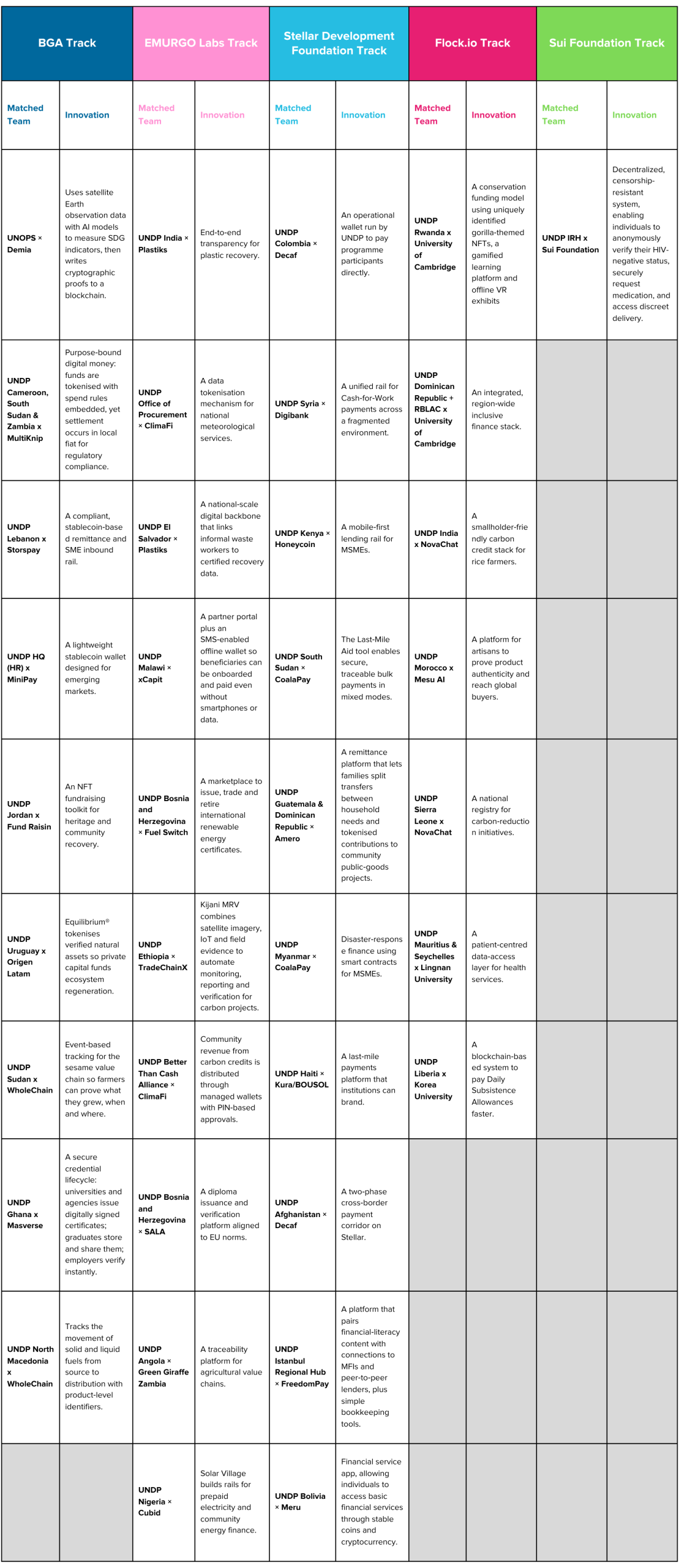
The diversity of solutions emerging from the hackathon demonstrates blockchain’s potential for impact. Following Demo Day, 37 teams were selected to advance to Cohort 2:
From Concept to Pilot: Cohort 2 Begins
During the Accelerator, which runs from September to December 2025, teams will receive:
- A dedicated program of expert guidance, hands-on technical support, and workshops to refine their prototypes and implementation plans.
- Opportunities to showcase their progress through UNDP and partner networks – helping attract stakeholders, investors, and additional partners crucial for scaling impact.
- Access to post-accelerator funding opportunities (pooled across partners) for the most successful pilots, ensuring teams can sustain and grow their solutions beyond the Accelerator.
By the end of Cohort 2, the selected teams are expected to have pilot-ready solutions tested and deployed in real-world settings. Many of these pilots will be hosted by UNDP country offices and local partners, helping to address identified development challenges while generating valuable evidence for wider application and replication across countries, sectors, and even different blockchain platforms.
Towards a New Model of Responsible Innovation
More broadly, the Accelerator marks a shift in how UNDP approaches development challenges – bridging grassroots expertise with frontier technology to deliver real humanitarian and sustainability impact.“The hackathon shows what’s possible when development practitioners and blockchain innovators work side by side,” said Hajdana Imrovic, UNDP AltFinLab Hackathon Lead. “Cohort 2 is where these ideas turn into real-world impact.”
By co-creating solutions with those closest to the problems, and applying blockchain where it truly adds value, the initiative is looking to redefine how systems are built to serve people and the planet .
Sui’s high-performance blockchain will power pilots advancing censorship-resistant access to healthcare and other critical development initiatives.
September 29, 2025 — The United Nations Development Programme (UNDP) is expanding the SDG Blockchain Accelerator, a global initiative that helps scale blockchain and AI solutions to advance the Sustainable Development Goals (SDGs), through a new partnership with leading Layer 1 blockchain Sui. As a technical partner, core contributors to Sui will provide their expertise and resources to help teams advance their solutions toward implementation, including support for pilots built on the Sui network.
This builds on the Accelerator’s multi‑partner model, strategically led by UNDP’s Alternative Finance Lab (AltFinLab) in partnership with the Blockchain for Good Alliance, EMURGO Labs, FLock.io, and Stellar Development Foundation. The Accelerator is made possible through catalytic funding from the Cardano treasury, through Project Catalyst, and alongside contributions from other partners.
Run in cohort cycles, the Accelerator connects innovators with real-world challenges to turn ideas into impact. Cohort 2, to be announced in late September 2025, brings together the winning teams from a recent two-week global hackathon. Each team pairs a UN Challenge Owner – a representative from a UN office who brings a real-world development challenge and local expertise – with a Solution Maker, such as Sui, from the forefront of the blockchain industry.
The teams will now advance into the 12-week acceleration program, receiving tailored mentorship, technical guidance and access to key stakeholders from governments and development organizations to develop pilot-ready solutions and move into fundraising for implementation or scaling.
As part of the SDG Blockchain Accelerator, the Sui Foundation will mentor at least one pilot building a private, secure, blockchain-enabled system to support access to healthcare on Sui, providing hands-on developer support, ecosystem connections, and post-acceleration guidance to increase the likelihood of practical deployment and long-term impact.
The collaboration complements UNDP AltFinLab’s broader work to educate, prototype and scale blockchain solutions across the UN system – through its portfolio of educational programs, including the Blockchain Academy, UN Blockchain Community of Practice and a growing partner network supporting pilots in areas like financial inclusion, climate action, and transparent governance.
About UNDP
UNDP is the leading United Nations organization fighting to end the injustice of poverty, inequality, and climate change. Working with our broad network of experts and partners in 170 countries and territories, we help nations to build integrated, lasting solutions for people and the planet. Learn more at undp.org or follow at @UNDP.
About UNDP AltFinLab
AltFinLab is a flagship UNDP initiative, pioneering alternative and innovative finance solutions. It supports UNDP, governments, civil society and private sector partners by testing and scaling new financing mechanisms, leveraging blockchain technology, crowdfunding, impact investing, and emerging financial instruments to mobilize resources for sustainable development.
About Sui
Sui is a first-of-its-kind Layer 1 blockchain and smart contract platform designed from the ground up to make digital asset ownership fast, private, secure, and accessible to everyone. Its object-centric model, based on the Move programming language, enables parallel execution, sub-second finality, and rich on-chain assets. With horizontally scalable processing and storage, Sui supports a wide range of applications with unrivaled speed at low cost. Sui is a step-function advancement in blockchain and a platform on which creators and developers can build amazing user-friendly experiences. Users can learn more at sui.io.
UNDP Armenia is in the process of starting a partnership with Plastiks to address the country’s underdeveloped recycling infrastructure by piloting a blockchain-based model that incentivizes plastic recovery through verified plastic credits.
This collaboration is part of the inaugural SDG Blockchain Accelerator, led by the UNDP Alternative Finance Lab, Blockchain4Good Alliance, and EMURGO Labs, joined now also by the FLock Technology Holdings and Stellar Development Foundation. The Accelerator is made possible through catalytic funding from the Cardano treasury, through Project Catalyst, alongside other partner contributions.
In a three-month co-design phase, Plastiks will prototype a solution that integrates traceability, transparency, and economic incentives. This initiative coincides with their migration to the Cardano blockchain, a strategic move that strengthens blockchain-verified impact, drives adoption, and ensures long-term scalability for plastic recovery ecosystems.
By introducing verified plastic credits into Armenia’s recycling ecosystem, the partnership aims to deliver measurable impact and establish a replicable model for other regions facing similar infrastructure gaps.
The UNDP Armenia Pilot: A Model for Verified Recovery
In two Armenian towns of 40,000 residents, Plastiks and UNDP Armenia will co-develop a pilot project that introduces verified traceability and impact certification into the local recycling ecosystem.
The initiative will serve as a testbed for how plastic credits, each backed by evidence and anchored on blockchain, can incentivize proper waste management, engage communities, and prepare the ground for future Extended Producer Responsibility (EPR) compliance.
“This pilot will pave the way for a smarter, greener waste system in Armenia. By testing blockchain-based tools, the initiative will help create a certifiable, transparent, and traceable system that empowers local waste recovery operators with new financing opportunities, while giving the government reliable, verifiable and transparent data on recovery of plastics and other recyclables,” Nelli Minasyan, Project Coordinator, UNDP Armenia
The pilot tackles a key challenge: the lack of verifiable recovery data. With Plastiks’ system, every action is documented, photo, GPS, timestamp, and stored immutably. Key features of the Armenia pilot:
- Digital Recovery Certificates (DRCs) issued for verified plastic recovery actions
- Plastic Credit monetization, enabling co-funding from ESG-aligned private actors
- Stakeholder coordination tools for producers, municipalities, and recyclers
- Dashboard integration for real-time compliance monitoring
This model doesn’t just improve waste management, it creates a foundation for data-driven accountability, incentive alignment, and inclusive environmental action that can scale across regions.
What is the SDG Blockchain Accelerator?
The SDG Blockchain Accelerator is an initiative that aimsto fast-track blockchain solutions for real-world challenges tied to the UN Sustainable Development Goals (SDGs).
In its first cohort, 13 global teams, each pairing a UNDP office with a blockchain innovator, co-designed systems that bring traceability and accountability to areas like:
- Climate finance
- Humanitarian aid
- Renewable energy
- Supply chains
- Waste management
Plastiks x UNDP Armenia is one of these pilots, developing a blockchain-based model for verifiable plastic recovery that supports future Extended Producer Responsibility policy and ESG engagement.
This isn’t just about testing tech, it’s about setting a global standard for traceable, inclusive development.
Scaling Compliance and Impact Through Traceability
With EPR law adoption on the agenda, Armenia must build systems to track and enforce plastic recovery. But like many countries, it faces a gap between policy goals and technical infrastructure.
The Plastiks x UNDP Armenia pilot aims to bridge that gap, creating a blockchain-based model that’s transparent, verifiable, and ready for national scale.
Why it matters:
- Supports EPR enforcement
- Builds trust across sectors
- Enables ESG financing via plastic credits
- Engages communities with real incentives
This isn’t just a local fix, it’s a replicable model for countries needing traceable, policy-aligned recovery systems.
Why Plastiks? Proven Traceability for Plastic Recovery
Plastiks brings a proven, globally scalable system for verified plastic recovery, already used across 20+ countries and backed by nearly 3 million kg of verified impact.
Our solution is built on a 3-step accreditation methodology:
- Define impact roadmaps across social, environmental, and operational goals
- Recovery entities accredited by Plastiks through financial, legal, and operational vetting
- Enable blockchain tracking for each kg of recovered plastic, verified via photo, GPS, and timestamped documentation
“This pilot with UNDP Armenia is a milestone in showing how traceability and verified plastic recovery can reshape waste management systems. We’re not only supporting Armenia’s recycling efforts, we’re building a model that UNDP can replicate globally to accelerate the circular economy,” Andre Vanyi-Robin, CEO & Founder of Plastiks.
Each verified action generates a Plastic Credit, a digital certificate tied to a real recovery effort and a pre-defined impact roadmap. To further strengthen environmental alignment, Plastiks is migrating to the Cardano blockchain, known for its low energy use and high security, making it ideal for circular economy infrastructure.
What’s Next: From Pilot to Scalable Proof of Impact
Over the next 3 months, Plastiks and UNDP Armenia will pilot a blockchain-based system to track plastic recovery in real time, testing stakeholder onboarding, live credit issuance, and a full impact dashboard aligned with upcoming EPR laws.
The goal? A scalable model for national EPR infrastructure that can be replicated across Armenia and beyond.
This pilot lays the foundation for:
- Regional expansion in Eastern Europe and Central Asia
- ESG-aligned private financing
- Stronger, data-backed policy frameworks
UNDP Alternative Finance Lab (AltFinLab), in partnership with the Blockchain for Good Alliance (BGA), EMURGO Labs (with funding from Project Catalyst), Stellar Development Foundation (SDF) and Flock.io, is launching a virtual global hackathon to connect frontline development challenges with frontier blockchain technology as part of the SDG Blockchain Accelerator.
Building on the momentum of the accelerator’s first cohort, this new phase brings together UN Challenge Owners with expert Solution Makers to co-create viable roadmaps for impact. The most promising of these will be selected by mid-September to join Cohort 2 for dedicated pilot and scale-up support.
The Framework – A Sprint for Solutions
Over the course of an intensive two-week sprint, from August 25 to September 8, we will move from identifying problems to drawing the blueprints for their solutions. The initiative will pair nearly 50 UN Challenge Owners, each working on a pressing development issue, with expert Solution Makers from the forefront of the blockchain space. Put simply, matched teams progress from identifying a problem to presenting a roadmap, design, and plan to bring it to life. Together, they will:
- Frame the use case in the real-world context (users, policy, markets, data) and define what success looks like.
- Assess the necessity and added value of blockchain for the proposed solution.
- Design a feasible implementation path (timeline, resources, partners, governance) that enables the development of a strong pilot-ready solution should the project be selected for Cohort 2 of the SDG Blockchain Accelerator.
A Curated Collaboration
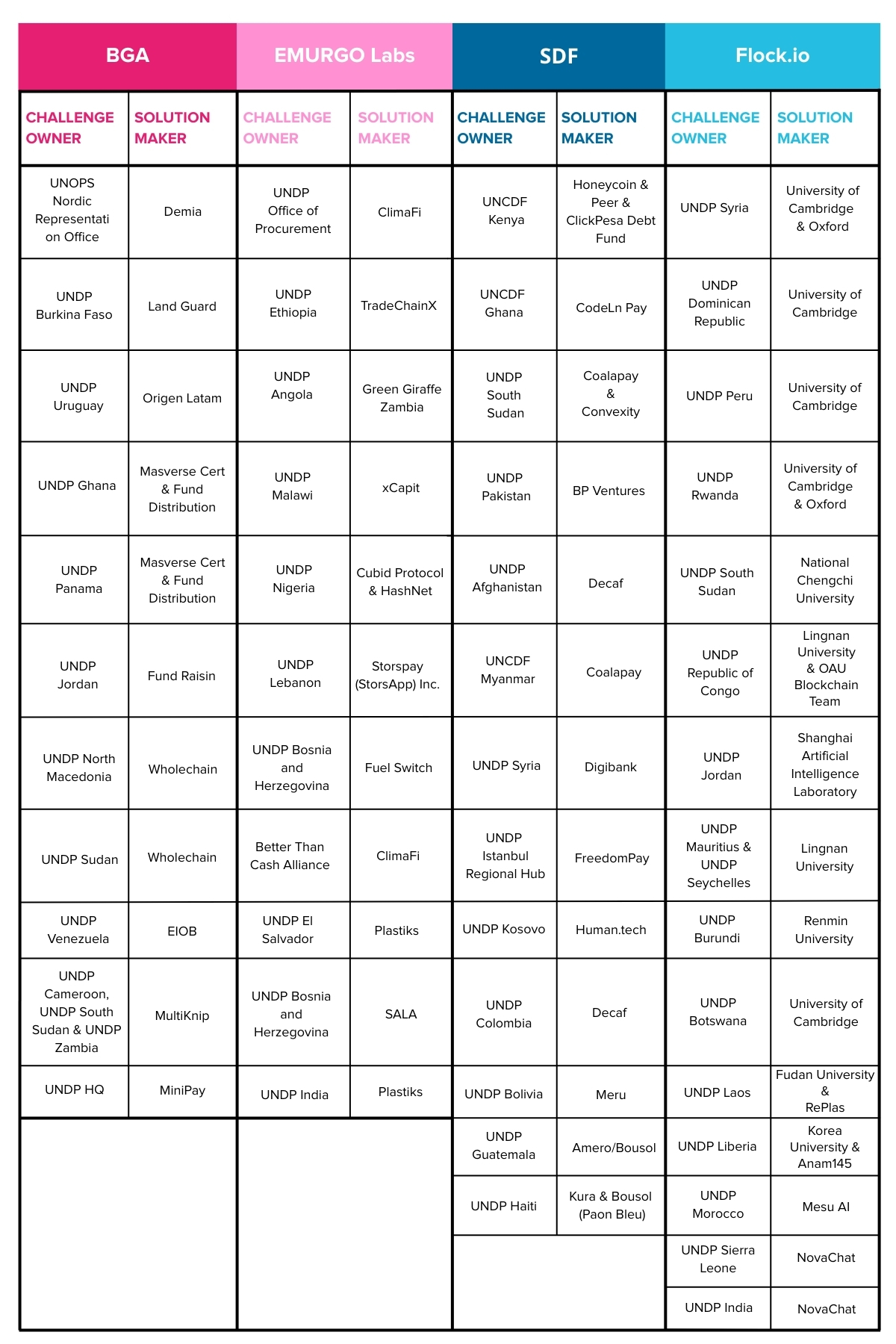
The hackathon is made possible through a strategic partnership between UNDP AltFinLab and key leaders from the blockchain industry. The core accelerator partners are the BGA and EMURGO Labs, joined by SDF and Flock.io. Each pairing was deliberately curated, matching the specific context of a development challenge with the most relevant technical expertise from these diverse ecosystems.
The Path to Cohort 2
Once teams are matched, the hackathon kicks off on August 25 with shared objectives, followed by thematic clinics on identity, payments and disbursements, traceability, and data governance.
The two-week sprint culminates on September 8, when each team will present a final pitch to demonstrate the viability of their proposed solution.
Standout roadmaps will move into Cohort 2 of the SDG Blockchain Accelerator for hands-on build support and piloting with UNDP and partners. Outputs are designed to be open and portable so proven models can travel across sectors, borders and chains.
For more information, please contact:
Hajdana Imrovic
Hackathon Lead, UNDP AltFinLab
hajdana.imrovic@undp.org