The Narrative of Transformation
How we speak about change fundamentally shapes the change itself. In development, it is easy to default to reporting in templates with indicators, inputs, outputs, efficiencies, and deliverables. But working with human systems and our capacity to see change from the balcony – the things that are discussed and not necessarily always captured in a document, sticky note or spreadsheet – adds a new dimension to our own reflections.
Across the EU-funded Mayors for Economic Growth (M4EG) programme, relationships between UNDP and the cities in our cohorts have evolved over the past year through what M4EG calls the Mission Journey. The process brings listening and action together: cross-sectoral members of a local authority or community form a mission team and explore their local challenges, bring different actors into the conversation, define a shared ambition and test practical ways of getting there.
Through these evolving relationships, honest conversations and a penchant for local transformation, there has been one profound realisation within the M4EG team.
While holding a mirror to cities to create spaces for reflection on learning, activities and its repercussions, we are well-positioned to take balcony view to the interactions to see the shifts taking place – the unanticipated, often invisible changes in mindsets, behaviours, relationships, and civic imagination across the cities.
From Routine Administration to New Partnerships
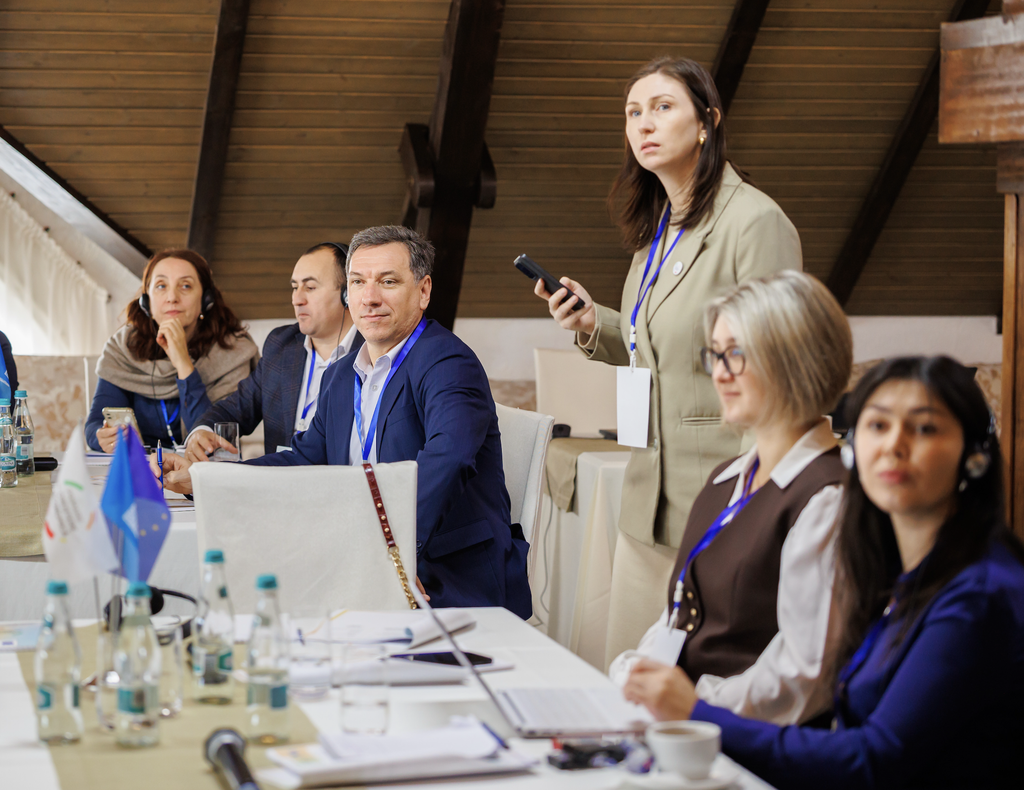
In Armenia, some of the first changes are visible in the way municipalities work with the people and organisations around them. Eleonora Mirzoyan, the mission team lead in Aparan municipality, reflected on how easily municipalities can become absorbed by daily responsibilities and routines.
The Mission Journey gave the Aparan team space to look at the local economy through a different lens, listen to different perspectives and ask who was still missing from the conversation. In Aparan, a leading mountain ski resort became part of the conversation about the city’s future.
The same shift is beginning to appear in other Armenian cities – local businesses are starting to see the municipality as an open, proactive partner, creating an enabling environment for ongoing collaboration.
In Khmelnytskyi, Ukraine while still in their early stages of implementation, the mission team is working with local businesses in the light industries. Through deep consultations and engagement with the private sector, they are taking recognition of their role in promoting a thriving business sector – addressing pain points, supporting business development as well as building coalitions to shape the direction of development.
From Individualistic Thinking to Collective Co-Creation
The changes emerging through the Mission Journey can be seen in how municipalities and residents discuss local priorities and make decisions together.
A streetlamp offers a simple example – in one community, residents were reluctant to cooperate on its installation if the light would not reach their own doorstep. The situation pointed to a broader question: how can communities move from looking at what a project offers each person individually to considering what would benefit the community as a whole?
This is motivating many municipalities to create more space for public participation and co-creation. A streetlamp offers a simple example – in one community, residents were reluctant to cooperate on its installation if the light would not reach their own doorstep. The situation pointed to a broader question: how can communities move from looking at what a project offers each person individually to considering what would benefit the community as a whole? This is motivating many municipalities to create more space for public participation and co-creaton.
In Sireti, the number of actors influencing community development has increased as new economic activities emerge in shaping the city’s mission of sustainable agro-tourism. It is transforming a space where the municipality previously wondered: “Who should we even call?”. More local actors involved now, means more people who can contribute knowledge and resources and most importantly a strong sense of local ownership of the mission.
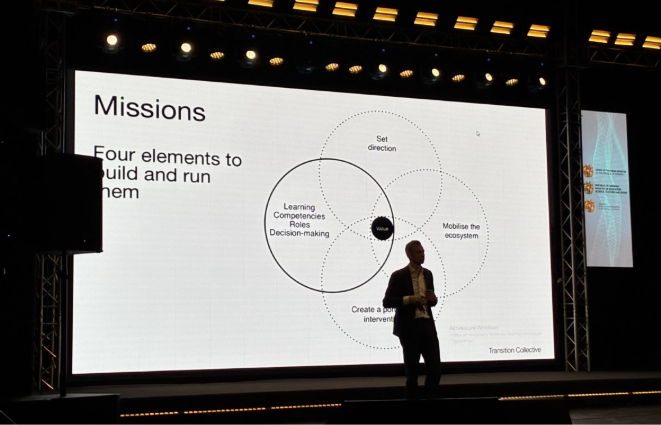
In Georgia, the Mission Journey is driven in Telavi and Gori by a group of local actors ranging from civic actors to interested and active residents who are keen to drive change – a different model from the other cities which are driven by the municipalities. Through their focus on inclusive growth, these mission teams are piloting a variety of initiatives after listening to fellow residents, co-creating new interventions and driving them in the cities to build more momentum for collaboration and collective action.
From Showcasing Only Successes to Transparently Discussing Shortfalls
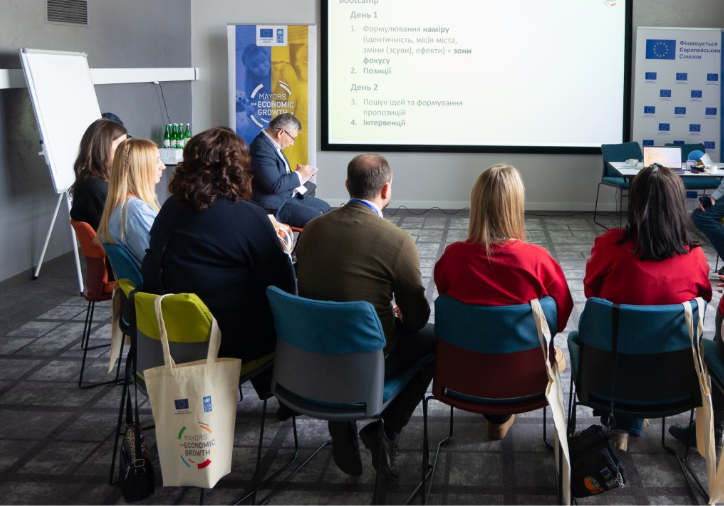
When working with innovative tests/pilots and new experiments, unexpected learnings are generated and the mission teams were introduced to a reflection tool, meant to help record activities and learnings to support them from time to time to create a space to look at what had happened, what had worked, what had not and what might need to change next. The adoption of this tool and the willingness to discuss not just the successes but confront what did not work became particularly visible in Leova, where the team began speaking openly about the difference between the expectations they had from an intervention and the reality they observed – an event was well planned and executed but there was no appetite from the target group to participate. These honest conversations have created a rich foundation for their next set of activities – the “why” is now steering their next steps on strengthening relationships, enabling collaboration and designing incentives.
The adoption of this tool and the willingness to discuss not just the successes but confront what did not work became particularly visible in Leova, where the team began speaking openly about the difference between the expectations they had from an intervention and the reality they observed – an event was well planned and executed but there was no appetite from the target group to participate. These honest conversations have created a rich foundation for their next set of activities – the “why” is now steering their next steps on strengthening relationships, enabling collaboration and designing incentives.
A similar experience with the mission team members using the reflection tool in Telavi, Georgia, led to the realization that while the mission team was focussed on driving inclusive growth in the city through the mission, vulnerable groups were not always actively included in all the activities. Instead of using an external evaluation, the ability of the mission team to surface these insights on their own by reflecting on their own practice is, in itself, a profound shift.
From Finding Solutions to the Discovery of Enabling Actors
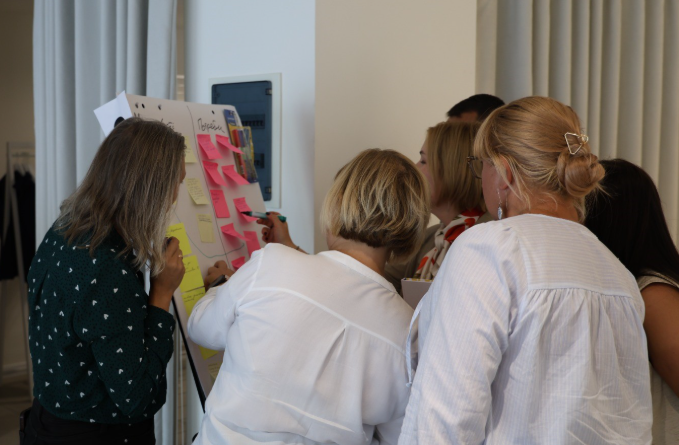
In Georgia, where our focus is on grassroots communities, some of the first changes have come from discovering people, resources and ideas that were not necessarily visible at the start.
The initial phase of the Mission Journey was deliberately exploratory – communities listened to residents, mapped local actors and tested different ideas before narrowing their work around more focused missions. Along the way, unexpected resources emerged. In Gori, community listening processes revealed the women of the city as a driving force for local development. Crucially, the insights gathered from these listening sessions are being actively reused to validate and address women’s specific needs.
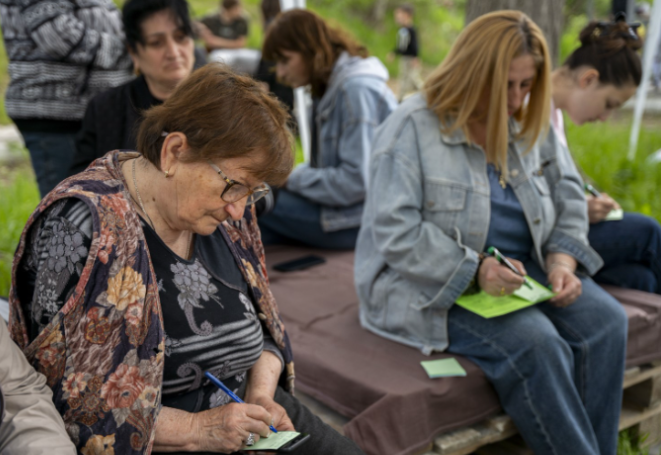
In Telavi, community support helped bring in support from elsewhere. A local crowdfunding initiative created a larger ripple effect. Seeing the community’s skin in the game, the private sector stepped forward with additional support – providing projectors, equipment, Wi-Fi, and access to a hands-on AI training for people of all ages.
Why (In)Visible Shifts Matter
These smaller shifts and ripples we observe, aren’t linked to the individual interventions and they cannot be attributed to one particular source. Working in human systems is messy and complex – what works in one place might not work in another and not every story is one of success. However, every story is a lesson if we choose to see it that way.
This is precisely why the balcony view matters – it helps us notice the smaller shifts and ripples that would otherwise remain invisible. Taken together, they remind us that transformation often begins long before the larger outcomes become visible.