
Category: M4EG
ISTANBUL, 16 October 2026 – The United Nations Development Programme (UNDP), through the Mayors for Economic Growth (M4EG) Facility, funded by the European Union, and the City Experiment Fund (CEF), funded by the Ministry of Finance of the Slovak Republic, is launching a new Call for Interest for the Innovative Finance Challenge (IFC). The initiative will support municipalities in Armenia, Moldova, North Macedonia and Ukraine in designing and implementing innovative financing solutions to address local development challenges.
The IFC will provide cities with technical and financial support to test and implement innovative financing mechanisms tailored to their local needs. These may include but are not limited to revolving funds, community co-funding platforms, municipal asset management and monetization, property tax enhancement, municipal bonds and community land trusts. Municipalities may also propose their own innovative solutions.
The financing solutions proposed under the IFC are expected to respond to a concrete financing bottleneck faced by the applicant municipality, rather than serve as a generic revenue-generation tool. Such bottlenecks may relate, for example, to municipal revenue, access to finance, private-sector engagement, community participation or investment readiness. By addressing one or more of these bottlenecks, the proposed solution should enable investment in one or more areas of local development.
Selected municipalities will receive tailored technical advisory support and financial assistance of up to US$20,000 per city to help design and implement their innovative financing mechanisms. Participating municipalities will be required to provide co-financing equivalent to at least 10% of the financial support received from IFC, either in cash or in-kind.
The deadline for applications is 13 November 2026. Selected municipalities will participate in the Challenge from January to November 2027.
The Call for Interest Guidance Note, eligibility criteria and application materials are available via the link.
Background:
CEF works with municipalities across Europe and Central Asia to tackle complex urban challenges through strategic innovation and experimentation with financial support of the Ministry of Finance of the Slovak Republic. The M4EG Initiative was launched by the European Union in 2017, and it has been continuously funded by the EU since then. Since 2021, the initiative has been managed by UNDP, in close cooperation with the EU, local authorities and various partners.
For media inquiries:
CEF: Svetla Baeva, Strategic Communications Lead, Innovation & Digital Team, svetla.baeva@undp.org
M4EG: Anton Sydorenko, M4EG Facility Communications Lead, anton.sydorenko@undp.org
Originally posted at M4EG’s website, read the full article here.
When familiar maps no longer work and the compass starts to spin, leadership is about learning to navigate the unknown. Tools alone are not the answer; if anything, cities have no shortage of frameworks, strategies, and pilot projects. The more uncomfortable question is whether the way cities are led is keeping pace with the problems they are meant to solve. That is the premise behind the Mayors Leading Transformational Change Programme under the Mayors for Economic Growth (M4EG) Facility and the City Experiment Fund (CEF).
When the old toolbox no longer works
Cities today are no longer just delivering standard services, they are managing complex, overlapping transitions from green and digital transformations to building socio-economic resilience. This new reality makes the demand for an adaptive approach to local leadership more evident than ever. Following an initial kick-off in December 2025, mayors, deputy mayors, senior leadership, and heads of departments from 20 cities across the Western Balkans and Eastern Partnership countries convened in February for a two-day leadership workshop. Gathering in person across four virtually connected venues, the participants dived into the programme built around adaptive leadership and shared experiences from their respective cities.
To ensure these insights translate into lasting local impact, the workshop is being followed up by dedicated mentorship sessions and peer clinics designed to help navigate implementation challenges specific for each city.
Leading within a portfolio
Reflecting on his experience, Mayor Oleksandr Kodola notes: “Taking part in the Programme has changed my view of the role of a city leader: it is not just an administrator, but a facilitator of change who brings together the community, business and partners around a shared mission for development. What stuck with me most was the idea of ‘mission-to-solution’ thinking and the importance of cross-sectoral cooperation as the foundation for effective policies. For me, the key lessons in adaptiv
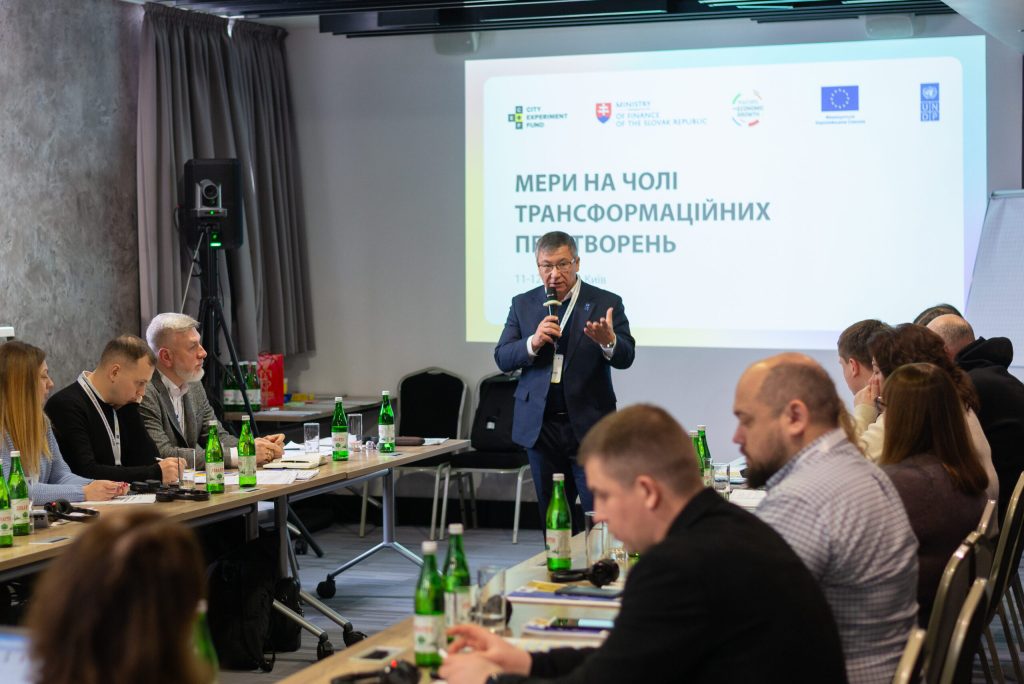
Bringing together participants from North Macedonia, Armenia, Moldova, Ukraine, Montenegro, and Kosovo1, the Mayors Leading Transformational Change Programme provides a structured space for city leaders to move beyond the exchange of best practices towards a more systemic understanding of change.
By building city portfolios, a set of connected initiatives designed to tackle a municipality’s key challenge based on a series of interconnected activities, they learn to see how different pieces of a city connect, to listen more closely to residents, and to make sense of what is shifting around them, so they can steer long-term change rather than simply react to it.
In Aparan, Armenia, the mission to create an “Equitable Tourism-Driven Economy” combines community mobilization around a shared local identity with cultural events and the development of local tourism offerings into new products and services. To ensure residents captialize on the increased inflow of visitors, these interventions are coupled with capacity-building programmes for local actors. This approach ensures that branding, infrastructure, product development, and human capital initiatives are all reinforcing one another to build a more connected and resilient local economy.
How does adaptive leadership work in practice?
Recognizing that systemic change requires strong human capital, initiatives like CEF and M4EG have expanded their focus to directly support the people shaping their municipalities’ futures. Effective leadership is rarely just about making the ‘right’ choice, it is about navigating constant change. It requires anticipating unpredictable factors, uniting diverse perspectives and fostering a portfolio of evolving initiatives rather than relying on a silver-bullet solution. To meet this need, the Mayors Leading Transformational Change Programme was designed to equip city leaders to manage complexities with confidence, scale, and collaboration.
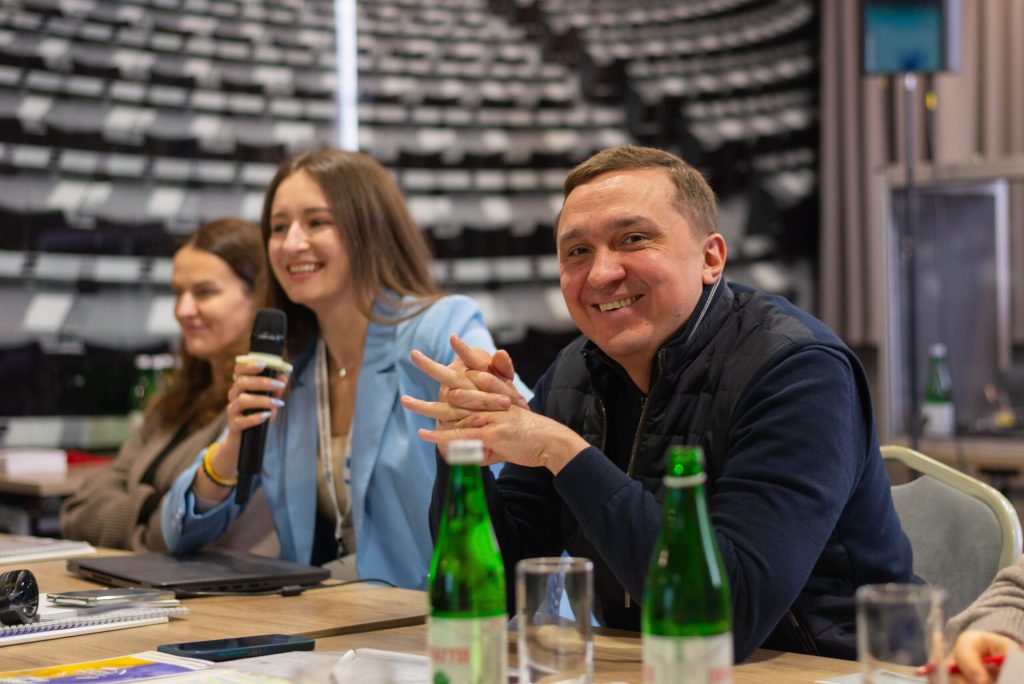
Marat Kyurchevsky, Programme Manager for the EU Integration-Public Administration Reform Programme of the European Delegation to Ukraine: “In Ukraine, city leaders today operate in an extremely fluid, fast-changing environment, often facing unprecedented situations that require rapid decisions without a clear blueprint. I strongly believe that adaptive leadership is highly relevant in this context, as it closely reflects the realities in which Ukrainian cities are currently functioning. Moreover, Ukraine’s experience offers a unique and valuable source of practical insights, case studies, and lessons learned that can further enrich and evolve this leadership approach.”
A key practical tool in this approach is learning how to manage the ‘temperature’ or pace of a transition so that a community remains in the productive zone of learning. For instance, if a community like Leova, Moldova, is pursuing its mission to develop an integrated and competitive local economic ecosystem, and progress stalls due to a reluctance to shift away from familiar economic models, local leaders might need to ‘raise the heat.’ They can do this by inviting diverse stakeholders to the same room and creating a space to openly discuss competing demands and trade-offs. Conversely, if tensions and emotions run high during discussions, leaders can “lower the heat” by focusing on the stakeholder’s shared needs and values while addressing the technical part of the problem first, such as revitalizing the village center.
Anatoli Talmaci, Vice-mayor of Copceac, Moldova: “One of the most valuable lessons from the Adaptive Leadership framework is the importance of diagnosing complex challenges before acting and understanding the perspectives and motivations of different stakeholders. This approach helps leaders address not only technical problems but also deeper systemic issues. I will continue applying key principles such as working both “on the balcony and on the dance floor”, managing expectations and maintaining the right pace of change. These insights will help us strengthen cooperation in Copceac and implement more inclusive and sustainable solutions for our community.”
The Mayors Leading Transformational Change programme builds on Ronald Heifetz’s model from Harvard Kennedy School, treating leadership as a collective practice. In practice, this means experimenting, adjusting as you go, and managing the human side of change, where progress rarely follows a straight line.
Yurii Fomichev, Mayor of Slavutych, Ukraine: “Such leadership programmes are always beneficial for city officials. They provide an opportunity to view their work from a different perspective and rethink approaches to tackling complex challenges.”
The Mayors Leading Transformational Change Programme is implemented under the EU-funded Mayors for Economic Growth Facility and the City Experiment Fund (CEF), funded by the Ministry of Finance of the Slovak Republic.
Originally posted at M4EG’s website, read the full article here.
Cities rarely move in straight lines. A tourism problem is also a skills problem, a public-service problem, a business-confidence problem and often a community-belief problem. A weak local economy is rarely only about investment; it is also shaped by institutions, trust, identity, infrastructure and the ability of people to imagine a future where they are.
This is particularly true for smaller cities. Their challenges are often described in simple terms: too few visitors, too few jobs, too few services, too little money. Beneath these shortages, however, usually sits a more complex system of relationships, habits, assumptions and missed connections.
Aparan, Goris and Noyemberyan in Armenia began their mission-oriented journey from different starting points. Aparan looked at how tourism could become more equitable and economically meaningful. Goris explored how cultural tourism could become more innovative and better connected to local life. Noyemberyan asked how it could become more than a place people pass through on the way to somewhere else.
Different cities and different ambitions, yet their experience points to one shared lesson: local transformation does not begin with a project, but with a municipality learning to see differently.
Start with the system
In many municipalities, development still begins with a familiar sequence: identify a problem, prepare a proposal, find funding, and implement an activity. This logic is useful when the problem is simple, but many local challenges are not simple. They are interconnected, shaped by people’s behaviour, institutional habits, business confide
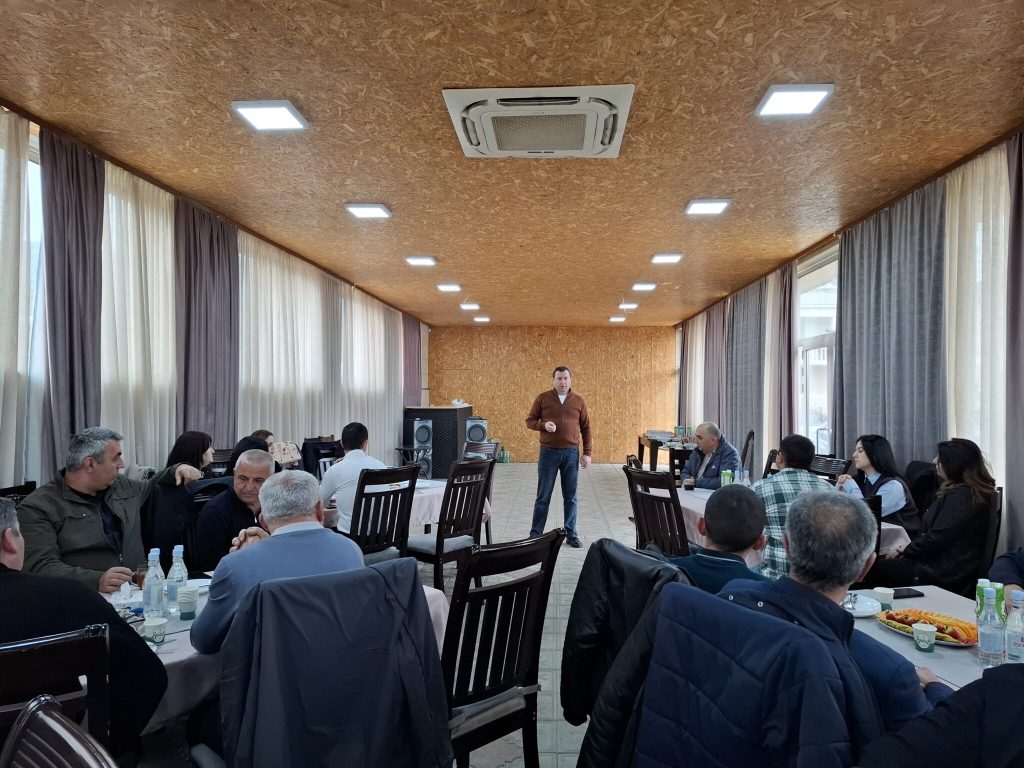
The mission-oriented approach used in Aparan, Goris and Noyemberyan asked municipalities to slow down before rushing to solutions. The sequence was deliberate: understand the challenge, listen to the community, map the actors involved, make sense of what has been heard, and only then design a portfolio of connected interventions that can be tested, adjusted and scaled.
The first change was internal
Each municipality formed a mission team led by the mayor or deputy mayor and composed of decision-makers from different municipal departments. The mission team created a space where these separate issues could be seen as part of one bigger picture. It brought together people with authority, practical knowledge and different institutional perspectives. Through training and capacity building, the teams worked with tools for stakeholder mapping, engagement, deep community listening and shared visioning. The most important outcome, however, was behavioural rather than technical.
Municipal teams began practising horizontal collaboration. They were asked to look beyond their own departments and understand how different parts of the city system influence one another. For other municipalities, this may be the first useful lesson: a city does not become more adaptive simply because it approves a new strategy; it becomes more adaptive when the people responsible for change start working differently.
Become the convener
The next step was to build a more honest picture of each city. Aparan, Goris and Noyemberyan developed city profiles, but this was not only a data exercise. It was a process of shared awareness. What assets already exist? Which actors are active but under-engaged? Where is information missing? Which assumptions have become so familiar that nobody questions them anymore?
This process also changed how the municipality appeared to local actors. When local government approaches businesses, investors and community groups not only to inform them, but to listen and involve them, the relationship begins to change. The municipality moves from being seen mainly as an administrator or service provider to becoming a convener of local development.
In Aparan, a leading mountain ski resort became part of the conversation about the city’s future. In Noyemberyan, agricultural businesses, including those cultivating olive gardens, were brought closer to the city’s development process. In Goris, local hotels became part of the emerging local mission around cultural tourism.
These examples show that many local assets are not absent; they are disconnected. Businesses may operate separately from municipal priorities, community groups may have energy but little access to decision-making, while public institutions may run activities that overlap or fail to reinforce one another. A municipality that can connect these pieces creates value before a single new project begins.
See the hidden links
The cognitive shift came next. Through sessions on systems thinking, complexity and portfolios, mission teams were introduced to a different way of understanding local problems. Instead of treating challenges as isolated issues, they began to see them as interconnected and evolving.
This can be difficult for public institutions, which are often expected to provide clear answers. Yet many urban challenges do not have one clear answer. A city may want more tourism, but tourism depends on services, infrastructure, skills, public spaces, private investment, local identity and the willingness of residents to see themselves as hosts. A city may want more economic activity, but economic activity depends on confidence, coordination, access to opportunity and the ability to turn local assets into something visible and usable.
Seeing the system does not make the problem smaller; it makes action smarter.
Ecosystem mapping turned this new perspective into practice. The teams identified public institutions, businesses, civil society groups, community actors and ongoing initiatives. They looked not only at who existed, but at how these actors related to one another.
This helped reveal overlooked stakeholders and connections. It also challenged the natural bias of municipal work. Officials often see familiar problems, familiar actors and familiar solutions. That is understandable, as institutions are built around routine, but transformation requires looking beyond the usual circle.
By reformulating problems together with stakeholders, the mission teams began to see different entry points for change. New actors emerged not because they had suddenly appeared, but because the municipality had started looking differently.
Listen before designing
Then came the stage that gave the process its human depth: community listening.
In many local development processes, residents enter late. They are asked to react to proposals, validate priorities or attend consultations. In Aparan, Goris and Noyemberyan, residents were brought in earlier. Mission teams conducted around 25 to 40 interviews per city, with attention to gender balance and the representation of vulnerable groups.
The purpose was to understand how residents experience the city: what they need, what they value, what they worry about, what they hope for and what role they imagine for themselves in the city’s future.
This required municipal teams to suspend the comfort of ready-made answers. They went out with open-ended questions and listened before designing. Although that may sound simple, it changes the balance of knowledge. Residents are not only beneficiaries of services; they are experts in the lived reality of the city.
Turn voices into direction
The insights gathered through listening then fed into sensemaking and foresight workshops. These sessions brought diverse stakeholders together to identify patterns, compare perspectives and imagine possible futures for each city. They also helped reduce duplication by showing what different actors were already doing.
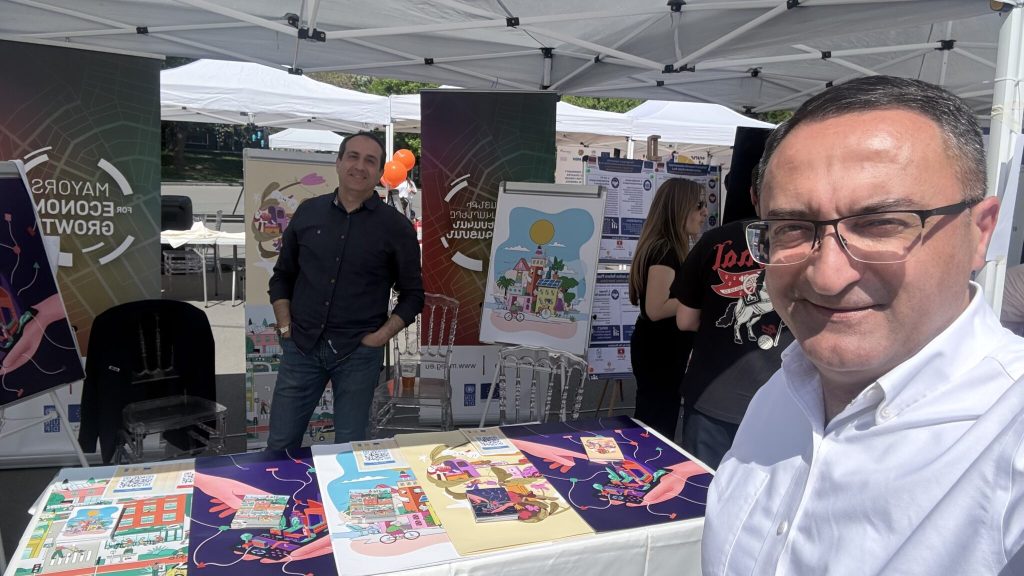
This stage matters because participation without sensemaking can become a list of complaints, while foresight without evidence can become wishful thinking. The value of the process was in combining both: listening to people’s lived realities and then using those insights to shape a collective direction.
It also changed the quality of engagement. When people are asked not only what is wrong, but what future they want and what role they might play in building it, the conversation becomes more productive. A sense of belonging becomes a development asset. People begin to see themselves not only as residents of a municipality, but as participants in its future.
Build a portfolio, not a wishlist
The portfolio bootcamp marked the move from exploration to strategy. Aparan, Goris and Noyemberyan translated their insights into mission portfolios: a clear mission statement, the shifts that need to happen, the expected effects of change and strategic positions within the local system.
- Aparan defined its mission around an equitable tourism-driven economy, with the aim of becoming a more economically active and attractive municipality by strengthening local economic development, improving service provision and making better use of existing assets and institutional capacity.
- Goris focused on innovative cultural tourism, seeking to strengthen the city as a more dynamic and attractive municipality by improving economic activity, enhancing public services and better leveraging its cultural, social and institutional assets.
- Noyemberyan chose the mission of becoming a hospitable transit hub, aiming to transform itself from a municipality people pass through into a recognized and attractive destination by activating its tourism, service and local economic potential.
What other cities can learn
For other municipalities, the message is both practical and demanding. The journey begins with the team: breaking internal silos and creating a shared way of working before trying to solve problems outside the municipality.
It also requires a deeper understanding of the system. Familiar actors, old assumptions and fragmented data are rarely enough to explain why local challenges persist. Municipalities need to look more widely, listen more carefully and involve residents, businesses and vulnerable groups before priorities are already fixed.
Mapping the ecosystem can reveal that many resources are already present but disconnected. A mission becomes useful when it helps bring those resources into a more coherent portfolio of action, where vision is translated into connected initiatives rather than isolated projects.
The real change is a habit
Aparan, Goris and Noyemberyan are now moving into implementation, where the mission-oriented approach will be tested in practice. The next phase will be about trying out interventions, learning from what happens, adjusting where needed and scaling the ideas that prove useful. Some actions may show results quickly, while others may need to be refined or redesigned along the way. This process of adaptation is central to the journey.
For municipalities preparing to join the M4EG network, this may be the most useful lesson. The starting point is not only to ask what project is needed, but who should be part of the conversation, what remains poorly understood and what the municipality is ready to learn together with its residents and partners.
Cities that thrive are unlikely to be those with a single ready-made answer. They are more likely to be those that build the capacity to ask better questions, connect the right actors and keep learning as conditions change.
The experience of Aparan, Goris and Noyemberyan is taking place under the EU-funded Mayors for Economic Growth initiative.
On the eve of the fifth year of full-scale war, four Ukrainian cities have taken on what seems like an impossible task: to determine their economic future in conditions where no one knows when or how the conflict will end. Zhytomyr, Bucha, Slavutych and Khmelnytskyi have joined the Mission-Oriented Economy programme, part of the Mayors for Economic Growth (M4EG), funded by the European Union and implemented by UNDP.
Mission is more important than comfort
The programme brings together diverse city stakeholders – government, business, and civil society – and equips them with a methodology for planning the future. At its core is a deeper ambition: helping cities see themselves as holistic systems and develop a distinctive identity, rather than defaulting to generic notions of livability.
A strategy built around being “a convenient city to live in” risks becoming interchangeable – there will always be a more convenient city elsewhere. What communities need instead is a reason for people to stay: something that makes a place meaningful, specific, and irreplaceable.
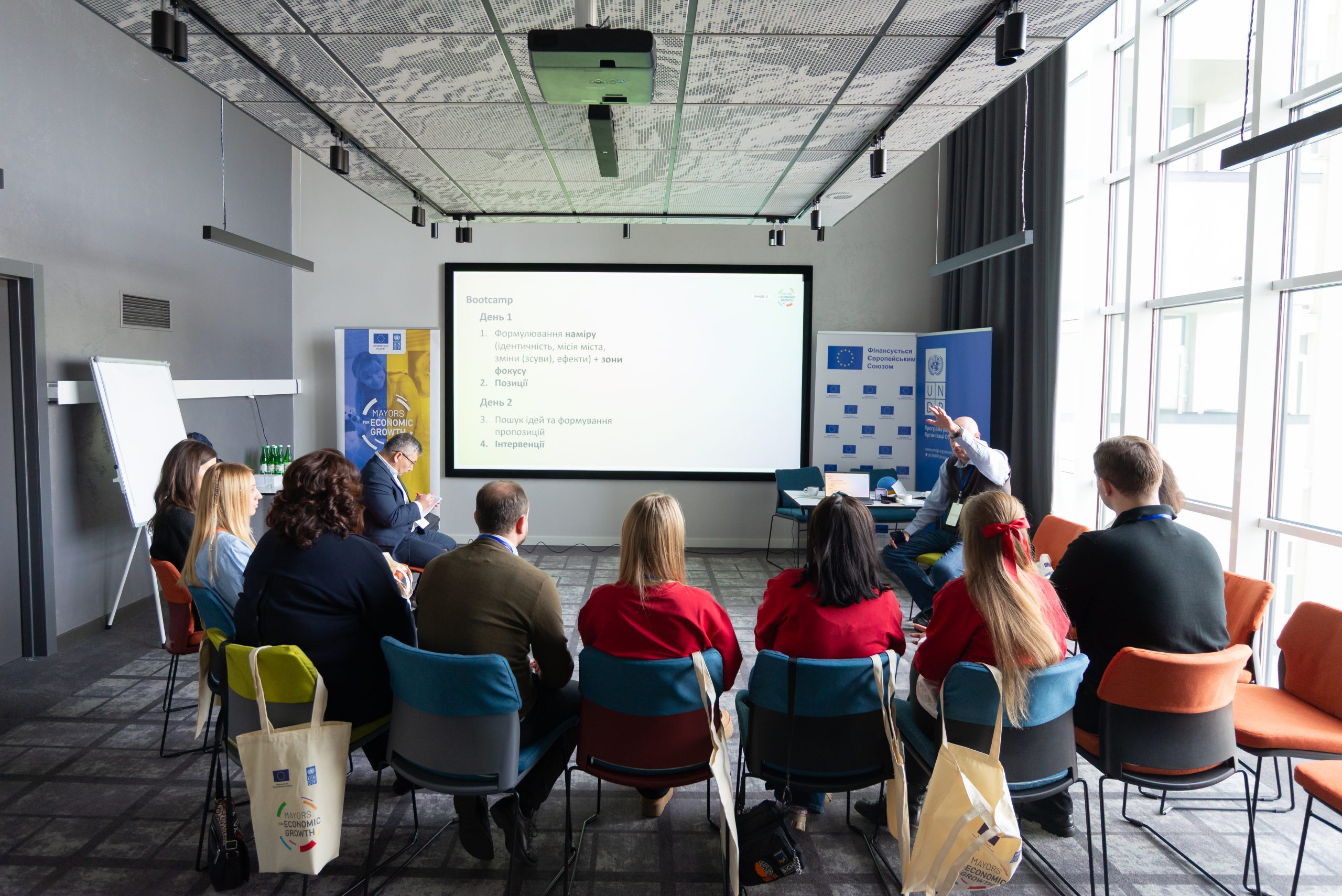
From chaos to system
Work with the four cities began in the autumn of 2025 with in-depth research into demographics, economy, and development potential. This was followed by community listening, which engaged stakeholders to identify concerns and barriers; sensemaking, which mapped existing initiatives and avoided duplication; and, finally, foresight, in which participants envisioned their city’s future over the next 50 years.
The culmination was an intensive two-day bootcamp, during which each team developed a “community portfolio”: not a conventional strategy document, but a systemic understanding of the city’s mission, development priorities, and concrete small-scale experiments to test whether the chosen direction works.
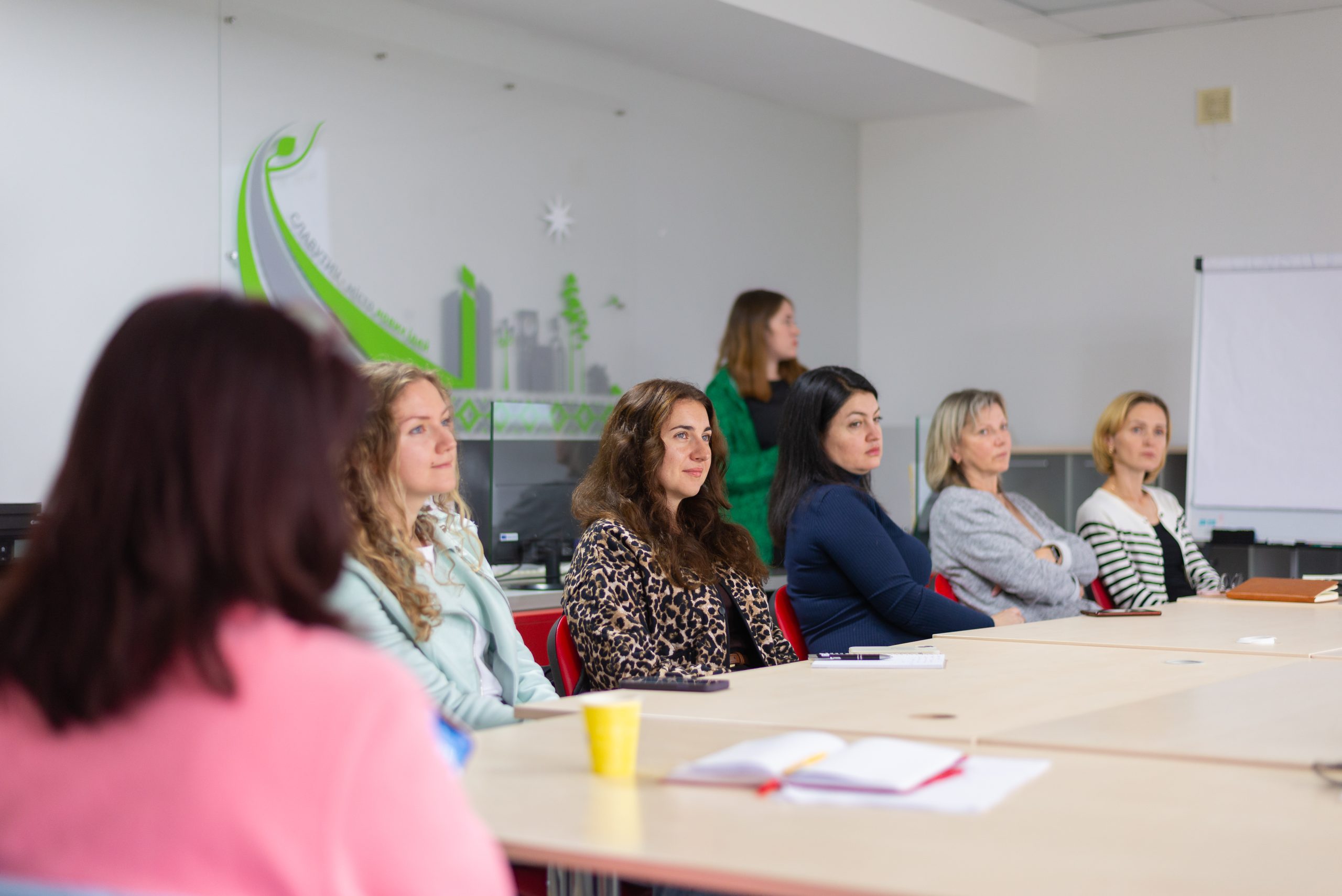
Systemic thinking over linear planning
The programme’s core innovation lies in its shift from linear, “waterfall” planning toward a more flexible, experimental approach – often described as a portfolio approach, and in the tech world as “agile.”
As one of the facilitators explains, cities function more like living organisms than static systems. Linear logic tends to break down after the first few steps; instead, cities should explore moving forward by testing hypotheses through small-scale experiments – much like a gardener who plants, observes, and adapts, rather than following a rigid blueprint.
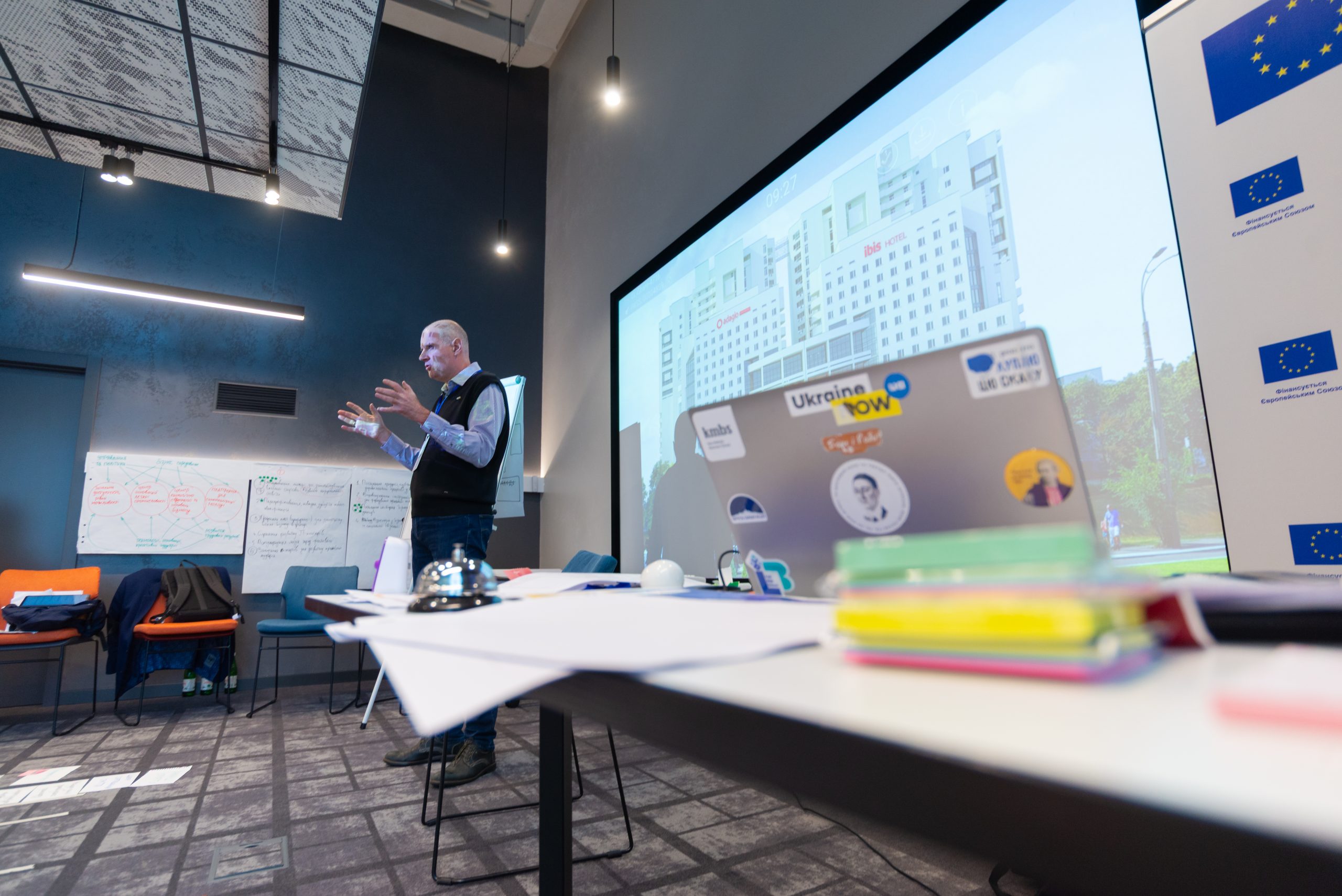
War as a window of opportunity
The programme facilitators share a clear conviction: moments of crisis are not a reason to pause this kind of work, but a reason to deepen it. The methodology itself is designed for uncertainty – recognizing that communities do not stop living in difficult times, but continue to adapt, make decisions, and shape their future.
In this context, the pressures of wartime can also shift how cities function. With authorities focused on immediate crisis response, there can be more space for residents and local actors to step in, take initiative, and contribute to shaping their city’s direction – opening possibilities for more participatory and collaborative forms of governance to emerge.

What next?
The participating Ukrainian cities will soon move to portfolio activation, implementing their first pilot initiatives. But the facilitators stress that lasting success lies not in these early steps, but in whether a culture of regular, iterative strategizing takes root – one that continues long after external support ends and keeps residents at the centre of shaping their own communities.
Read the full article on the M4EG website.
In 2025, four Ukrainian cities – Khmelnytskyi, Bucha, Zhytomyr, and Slavutych – joined the Mission-Oriented Economy local transformation programme, part of the EU-funded Mayors for Economic Growth (M4EG), implemented by UNDP Europe and Central Asia. Each city will receive approximately US$20,000 to launch its portfolio, with the opportunity to attract an additional US$100,000 for economic sustainability and green transition projects.
What is the portfolio approach?
The portfolio approach is an innovative method of managing local development that treats cities as complex, interconnected systems rather than collections of separate problems. Like a financial investor who diversifies across multiple assets, cities develop a set of parallel, mutually reinforcing initiatives, called “options”, instead of relying on a single solution. This enables flexible, adaptive management and continuous learning in dynamic, uncertain environments.
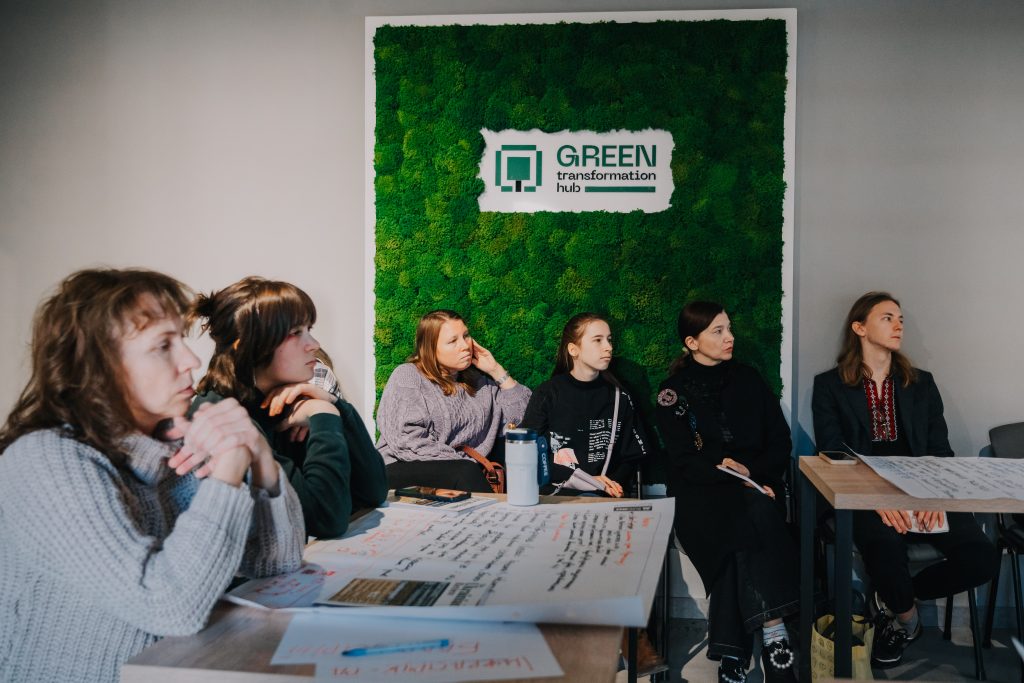
How does it work?
Cities begin by defining an overarching mission, then test several pilot activities simultaneously to identify what works. Throughout implementation, teams apply Monitoring, Evaluation, and Learning (MEL) frameworks to analyze results and adjust course. The approach is best suited to situations of high uncertainty, complex systems, and the need for creative problem-solving. The first Ukrainian cities to pilot it were Mykolaiv (Blue Economy Transition) and Ternopil (Green and Comfortable City).

Why does it matter now?
Standard strategic urban planning has taken a back seat during wartime due to the need for rapid responses, yet it is precisely now that it is most critical. As historian Timothy Snyder notes, recovery and integration processes that don’t begin during the war will not begin after it. Cities with clear recovery plans will be better positioned to attract investment and support the return of residents. At the same time, economies must continue to function even in wartime – the portfolio approach enables growth under uncertainty rather than mere survival. Finally, Ukraine’s path to EU accession demands sustainable economic planning, adherence to the European Green Deal, and modern governance practices, making systematic development work an essential condition for strengthening international confidence.
Beyond grants, the M4EG initiative connects cities to broader financial mechanisms, including public-private partnerships and European financial instruments, thereby creating a potentially transformative opportunity for Ukrainian cities as they rebuild their futures.
Read the full article on the M4EG website.
On World Cities Day 2025, UNDP in Europe and Central Asia launches the City Imaginarium — a regional creative campaign that invites artists and communities from around the region to reimagine greener, more inclusive and more resilient urban futures.
As cities across the region face growing challenges from climate change and demographic shifts to economic transitions and rising inequalities, City Imaginarium turns to imagination as a catalyst for change. Through 11 original illustrations and the Voices from the Cities portrait series, the campaign explores how art and storytelling can help us see our cities anew and envision the transformations ahead.
The artworks are inspired by four themes central to urban change in the region:
- Circular Cities, rethinking waste as a resource and designing for renewal.
- Energy Resilience, building cleaner, affordable, and climate-safe energy systems.
- Inclusive and Livable Cities, creating safer, more accessible, and gender-responsive spaces.
- Digital Urban Futures, ensuring technology serves people and strengthens participation.
The campaign, powered by 11 countries and territories in the region – from Montenegro to Uzbekistan – will be showcased through exhibitions in cities in Kazakhstan, Kosovo[1], Georgia, and other locations, as well as through an online gallery where visitors can explore the full collection and the voices behind it.
City Imaginarium builds on the ongoing work of UNDP and its partners to make cities across Europe and Central Asia more sustainable, inclusive, and resilient. The campaign is supported by regional and other initiatives, including the City Experiment Fund, Mayors for Economic Growth, Greening the Future, Urban Resilience, and Creative-lab “ARTurduuluk” (Art4Diversity).
Explore the campaign and artworks: https://undpeurasia.exposure.co/cityimaginarium
[1] References to Kosovo shall be understood to be in the context of United Nations Security Council resolution 1244 (1999).
Written by the UNDP Innovation Team Istanbul Regional Hub in partnership with the European Commission.
As the EU Commission and the United Nations Development Programme (UNDP) concluded the Future-Fit Cities Forum 2025: Missions Possible in Chișinău, Moldova in early April, it is an appropriate time to reflect on its lessons for the EU-funded Mayors for Economic Growth (M4EG) Facility. The Forum has already become a well-recognized brand for regional gatherings of urban innovators and mayors from cities across the Eastern Partnership (EaP) countries. This edition proved as successful as previous ones and saw fruitful exchanges of ideas among key stakeholders on how to support sustainable local development in line with EU standards. Kindly hosted by our partners in Chisinau, the Forum also reaffirmed the strong relationship between the EU and Moldova and their commitment to Moldova’s European Accession process.
As it was announced publicly during the Forum, M4EG will continue to steer the urban innovations journey within its network of cities and beyond to bridge cities with innovations and help them to navigate within growing levels of uncertainties for the next cadence of four years.
The Future-Fit Cities Forum created a momentum to take stock of what we managed to create together with municipalities across the EaP and in the EU, civil society organisations, private sector and international partners; and we will seize this opportunity to further reflect on what we achieved and what awaits us and partners in the next exciting chapter of urban makeovers!
What we’ve achieved together
Since 2017, M4EG has been funded by the European Union, and with UNDP as implementing partner since 2021, the M4EG Facility has fostered a dynamic network of municipalities, collectively rethinking the meaning of local economic growth and resilience across EaP countries. The results? A testament to the future-readiness of local leadership and resilient economies.
The M4EG network has grown into a vibrant ecosystem of networking, partnerships, and co-creation. Over the years, more than 430 municipalities have reaffirmed their commitment to the initiative, with nearly 50 cities benefitting from innovative financing for urban development through three key pillars: Portfolio Journey, Urban Imaginaries, and the EU Response and Renewal Programme. These streams have provided tailored support to municipalities, enabling them to reimagine urban spaces, implement innovative solutions, and address mounting complex challenges. From crafting a new Pathways for Economic Growth (P4EG) methodology for next generation local development planning to fostering holistic urban transformation portfolios, the M4EG Facility has delivered tangible results on the ground.
At the core of the M4EG complex system you’ll find a Portfolio Journey that is a three-year-long programme for in-depth learning and strategic planning, and based on systems thinking, which uses a “portfolio approach” to address complex problems that cannot be solved through traditional project management methods alone.
Equipped with a portfolio approach, municipalities have implemented projects on green and blue energy transitions in 18 municipalities in the Republic of Moldova and Ukraine, in conjunction with crucial assistance to refugees and internally displaced persons in the wake of Russia’s unjustified war of aggression against Ukraine. Meanwhile, sustainable tourism in Armenia and green and smart solutions for cities in Azerbaijan and Georgia were actively developed with the portfolio approach. The latter became a sandbox for local authorities to enhance community infrastructure, promote a coherent and holistic approach to local development in line with EU standards, and foster sustainable development.
The last two years have also been marked by the learning journey and graduation of 24 municipalities across Urban Imaginaries. Initially, cities focused on small initiatives to reinvent key aspects of local living through human-centered design methodologies and community engagement under the guidance of the Centre for Public Impact (CPI). Later, the focus shifted to scaling, financing, mentorship, and peer exchanges with ARUP.
One of M4EG’s central contributions has been development of future-ready capabilities of municipalities, delivered digitally through six tailored courses at the Urban Learning Center and through deeper in-person training sessions reaching a total of more than 1800 learners in the region. This has been made possible with partners such as ARUP, TalTech and Climate-KIC.
What’s next?
The time is now right for the European Union and UNDP to take a bold and innovative step forward in driving municipal development through the M4EG Facility. Building on lessons learned, this phase will incorporate new methodologies to address complex challenges. M4EG municipalities will delve deeper into familiar concepts while exploring a mission-oriented economy, focusing on solving specific societal challenges through targeted, strategic interventions.
As we move ahead, the focus remains on empowering municipalities to become future-ready and design impactful, hyperlocal projects. M4EG will to continue its transformative journey while redefining what is possible for cities across the Eastern Partnership region.
In the coming years, the Facility and partners will work on enhancing local funding efforts by embedding stronger funding and financing approaches in all workstreams of M4EG and creating alignment with key EU initiatives in the EaP region and the Global Gateway Strategy. Municipalities need to focus on building financial attractiveness and fostering resilient local economies to thrive in today’s uncertain circumstances. Together with ARUP, M4EG already described instruments to increase funding for investment under the extensive research, along with the free thematic online course called “Funding and Finance for Municipalities” – both providing up to date know-how around urban financing, and informs the core focus of M4EG in the coming years.
As we embark on this new direction, we extend our gratitude to all our partners and local authorities – those who have been with us, joined us along the way, or plan to collaborate in building a resilient and sustainable urban future in the region.
The journey continues – keep an eye out for what’s next!
Two key lessons from our work in the Mayors for Economic Growth project, in collaboration with UNDP: 1) Innovation needs to occur at multiple levels and 2) If we’re to be effective, we must remain humble.
The increasingly complex challenges of urban development require us to think ever more innovatively. Demos Helsinki has been proud to support the joint EU & UNDP Mayors for Economic Growth (M4EG) initiative, working with cities in the Eastern Partnership region to provide new ways to deliver sustainable and inclusive growth.
Over the course of the project, Demos Helsinki partnered with UNDP and engaged with eight highly motivated M4EG’s network cities to help find innovative solutions to urban development issues, offering tools to ideate (create), iterate (improve), and scale solutions that align with their local goals. A key component of this effort was the use of dynamic portfolio management (DPM) — a methodology that redefines how urban development missions are performed at various levels.
The key to DPM lies in its emphasis on experimentation: By breaking out of policy-specific areas, cities are encouraged to test different approaches, reflect on the results, and refine them in an iterative process. This experimentation allows cities to work iteratively towards their overarching goals while adapting to new challenges and lessons learned.
Based on the insights gained from the M4EG project, Demos Helsinki and UNDP partnered to deliver the report: Urban Development Beyond Growth, further pushing the boundaries of innovation by exploring how post-growth approaches might inform the next evolution of development practice.
This blog outlines two key lessons we have taken from the work.
Lesson 1: Innovation needs to occur at multiple levels
Innovation can mean many different things depending on context. However, to be most effective, we need to move beyond innovating in siloes and consider how we can innovate at multiple levels, often all at once. Achieving a paradigm shift in urban development requires (at least) the following types of innovation:
Conceptual innovation
We need to ask ourselves, what is urban development, and what is it for? While economic growth is usually linked to improving living standards, it has begun to be treated as an end in itself rather than as a means to improving wellbeing. Couple this with the mounting scientific evidence on the ecological and social harm the growth paradigm is doing to the planet, and the need to explore alternatives becomes clear.
Instead of focusing on endless growth, which often fails to concretely improve people’s lives, innovations in the concept of urban development might instead focus on novel ways of fostering wellbeing and sustainability. Models like the Wellbeing Economy, popularised by Katherine Trebeck and the Wellbeing Economy Alliance, and the Doughnut Economy, introduced by Kate Raworth, can expand the imaginations of policymakers and decision makers, widening their toolkits, whether growth is still needed or not.
Methodological innovation
The dynamic portfolio management approach represents a shift toward adaptive, experimental urban development. As cities face increasingly complex challenges, they need innovative new methods to address them effectively. DPM empowers cities to confront uncertainty head-on while working toward their long-term goals by learning, reflecting, and adjusting their strategies in real time.
Institutional innovation
For new methods to persist beyond their use in individual projects, they must be embedded within the city’s institutional structures. In Ceadir-Lunga, Moldova, for example, Demos Helsinki worked on integrating the portfolio approach into the city’s broader governance framework, starting a conversation about how new methods might form part of wider institutional innovations.
Leadership and culture
Any attempt at innovation will falter without leadership buy-in. Empowering local leaders and municipal staffto think differently, experiment, and embrace failure is essential for experimental methods and institutions to be successful. Leaders must create space for creativity, pave the way for a supportive culture and encourage a shift in how governance is approached.
Through leadership commitment and the resulting cultural shift, a key success of the M4EG initiative has been its ability to foster collaboration within communities by creating opportunities for new stakeholders to come together.
As revealed during the survey phase that shaped the Urban Development Beyond Growth report, in Ceadir-Lunga, a local resident shared that “municipal activities have significantly improved cohesion and relationships between city residents.”
Similarly in the Armenian city of Areni, a participant noted that “thanks to the programs organised by the municipality, I have also become more active in the community, and I strive not only to wait for the events organised by the community, but also to contribute to the implementation of the programs held here.”
Lesson 2: If we’re to be effective, we must remain humble
Successful innovation in urban development requires more than just new concepts, methods and institutions — it demands humility in how we approach the realities of local contexts. This is particularly true for outside experts who may be engaging with these new settings for the first time.
Changes will not be immediate and sweeping, and the very best ideas may struggle when they confront the realities on the ground. Cities face complex constraints and challenges, and outside experts must engage with these realities in ways that respect local knowledge and circumstances.
Cities often find themselves constrained by national agendas and external investment priorities, typically lack autonomy in critical policy domains like health and education, which are predominantly determined at national levels. This dependence creates a cautious administrative environment where city leaders must carefully navigate political landscapes, prioritising strategies that align with broader governmental expectations to secure necessary funding and support. Expecting path-breaking radicalism to emerge overnight is neither fair nor realistic.
In this sense, the process of learning and iteration should apply just as much to us as experts as it should to cities themselves. As we work alongside cities to navigate complex and uncertain realities, we too must be open to adapting our approaches, learning from each experience, and continuing to evolve.
Conclusion
The lessons from M4EG serve as a reminder that innovation in urban development is not a destination but an ongoing process: one that demands creativity, adaptability, and, above all, humility. The work is far from over, but if there is one certainty, it is that the future of urban development belongs to those willing to challenge convention, reimagine possibilities, and learn alongside the cities they serve.
Article was originally published on the M4EG website.
The second international “Future-Fit Cities Forum” has officially concluded in Moldova, bringing together around 100 development actors, including mayors from the Eastern Partnership (EaP) countries, development institutions, academia, civil society organizations, and international financial institutions. Organized under the auspices of the Mayors for Economic Growth (M4EG) Initiative, the two-day forum was a joint effort by the European Commission’s Directorate-General for Enlargement and the Eastern Neighbourhood (DG ENEST), the United Nations Development Programme (UNDP), and partners, reinforcing their commitment to fostering local economic development in the region, kindly hosted by our Moldovan partners in Chișinău.
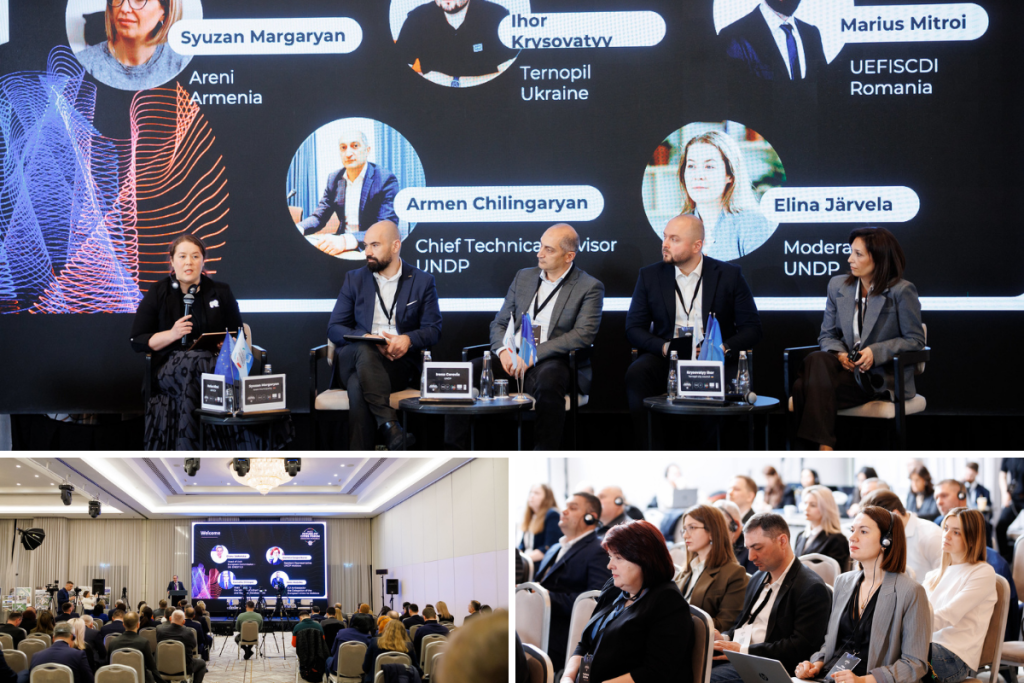
The forum serves as a pivotal moment, both concluding the second phase of the EU-UNDP M4EG initiative and launching its ambitious third phase for 2025-2028. Since 2021, M4EG has re-built and engaged a network of over 430 municipalities across the EaP region. Nearly 50 municipalities have benefitted from innovative financing for urban development, funding the green and blue energy transition in the Republic of Moldova and Ukraine as well as crucial assistance to refugees and internally displaced persons in the wake of Russia’s war of aggression against Ukraine, but also sustainable tourism in Armenia and green and smart solutions for cities in Azerbaijan and Georgia.
“The European Union has been a prominent support of local authorities and will continue to support a more prosperous future for cities across the Eastern Partnership”, said Janis Mazeiks, EU Ambassador to the Republic of Moldova. “Through M4EG, we can build a brighter future, a future based on democracy, inclusion, and sustainable growth”.
“Over the past four years, the M4EG initiative has proven that municipalities can be dynamic agents of local change when equipped with the right innovative tools and partnerships,” said Steliana Nedera, Director, UNDP Istanbul Regional Hub. “As we embark on the third phase, we are shifting towards mission-driven local economies, ensuring that cities across the region are prepared for sustainable and inclusive growth.”
The new phase of M4EG will be rolled out around several innovative directions. Among series of intertwined urban activities, it will introduce a bold four-year Mission-Oriented Economy Programme, drawing inspiration from Mariana Mazzucato’s work, the EU’s Horizon Europe initiatives, and the M4EG Phase Two Portfolio Journey. This Programme will support up to 20 secondary cities in shaping and implementing economic transformation strategies tailored to their local context.
Additionally, the initiative will integrate a finance advisory component within the M4EG grant mechanism, enhancing local authorities’ ability to develop investment pipelines and improve finance readiness. This addition will complement the technical support for municipalities, ensuring they are well-equipped to attract diverse investments.
Background
Launched and funded by the European Union (EU) in 2017, the Mayors for Economic Growth (M4EG) Initiative has been managed by UNDP since 2021, in close cooperation with the EU, local authorities, and a diverse range of partners.
For media inquiries:
For the European Commission/DG NEAR:
Mr. Francois Villard, Project Manager, the European Commission – DG ENEST C.1, Francois.VILLARD@ec.europa.eu
For UNDP:
Mr. Anton Sydorenko, M4EG Facility Communications Lead, anton.sydorenko@undp.org
Ten municipalities in Moldova joined a crowdfunding training programme to gain skills in creating and running effective crowdfunding campaigns for local projects.
When one thinks of Moldova, the country’s expansive vineyards, historic wine cellars and rural tourism often come to mind. Yet beyond its rich winemaking tradition and charming rural traditional guesthouses, a quieter but equally significant transformation is taking place.
Moldovan municipalities are increasingly adopting innovative strategies for urban development. A driving force behind this shift is the Mayors for Economic Growth (M4EG) programme, a joint initiative by the European Union and the United Nations Development Programme (UNDP) aimed at fostering inclusive economic growth and vibrant communities across Eastern Partnership (EaP) countries.
Can Crowdfunding Bridge the Funding Gap?
For most municipalities, development and government funding has traditionally served as the primary financial lifeline. Yet when asked about their greatest hurdles, local authorities frequently cite difficulties in resource mobilization and forging partnerships. This is where crowdfunding can be offered as an alternative funding solution.
Crowdfunding or in the case of municipalities “civil crowdfunding” refers to raising funds from individuals, diaspora communities, and the private sector to finance projects led by local governments, NGOs, or community groups.
While crowdfunding has become normal in the startup world and among civil society organizations, local authorities in the region are just beginning to tap into its potential. Crowdfunding offers not only a means to generate funding but also an opportunity to engage the community and raise awareness on critical issues. Despite its advantages, it remains an underutilized resource for municipalities seeking to bring their project ideas to life.
Crowdfunding Success
Earlier this year, 10 municipalities in Moldova participated in a UNDP-led Crowdfunding Academy, as part of the M4EG programme, funded by the European Union. The training programme equips local authorities with the knowledge and tools to design and execute successful crowdfunding campaigns. Project ideas from municipalities ranged from rebuilding green spaces and improving playgrounds to waste management initiatives and repairing church roads. Over the course of a two-day, in-person workshop and online mentorship, municipalities had an opportunity to work with international crowdfunding experts on compelling storytelling techniques, community and partnership building, resource mobilization, and strategic communication.
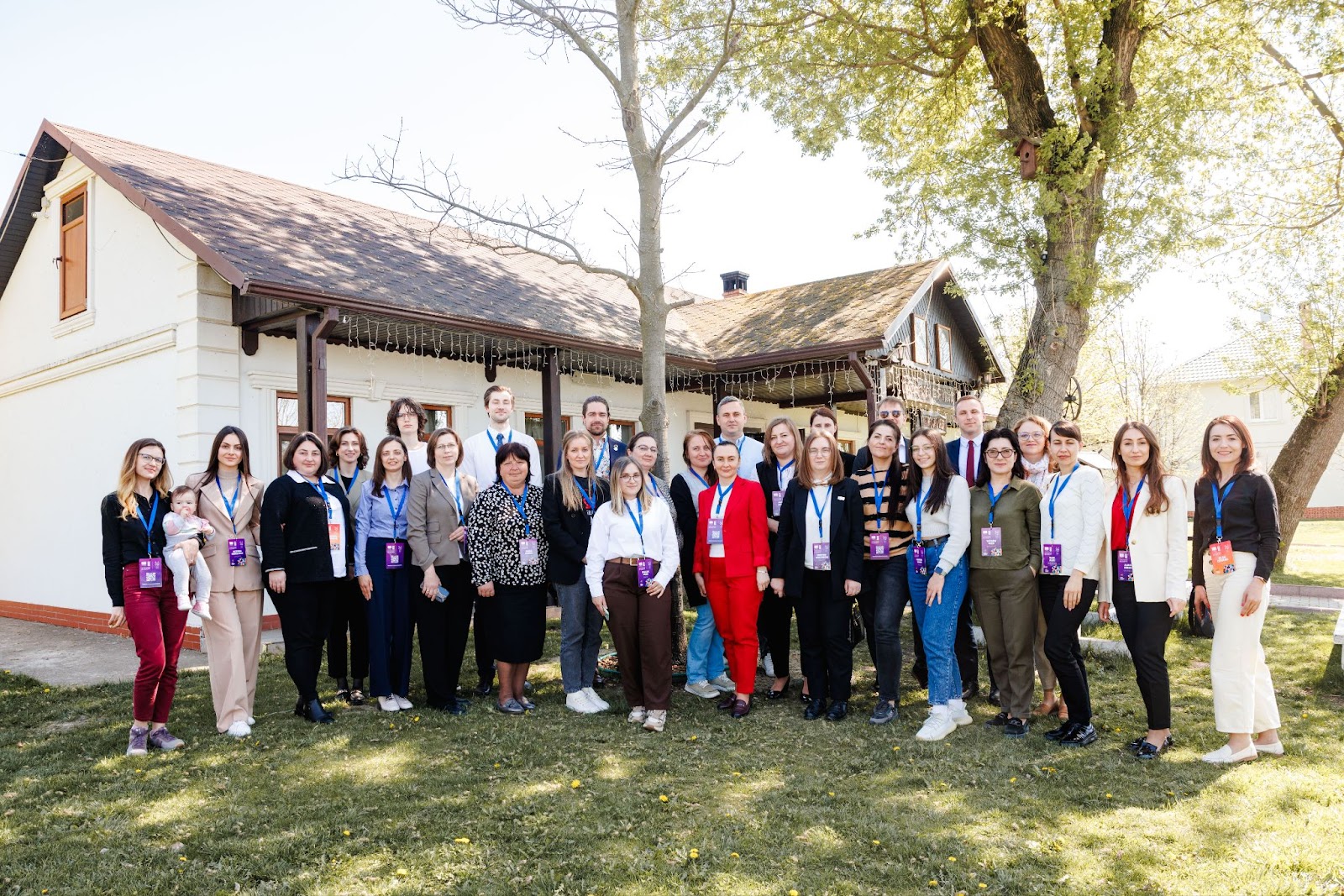
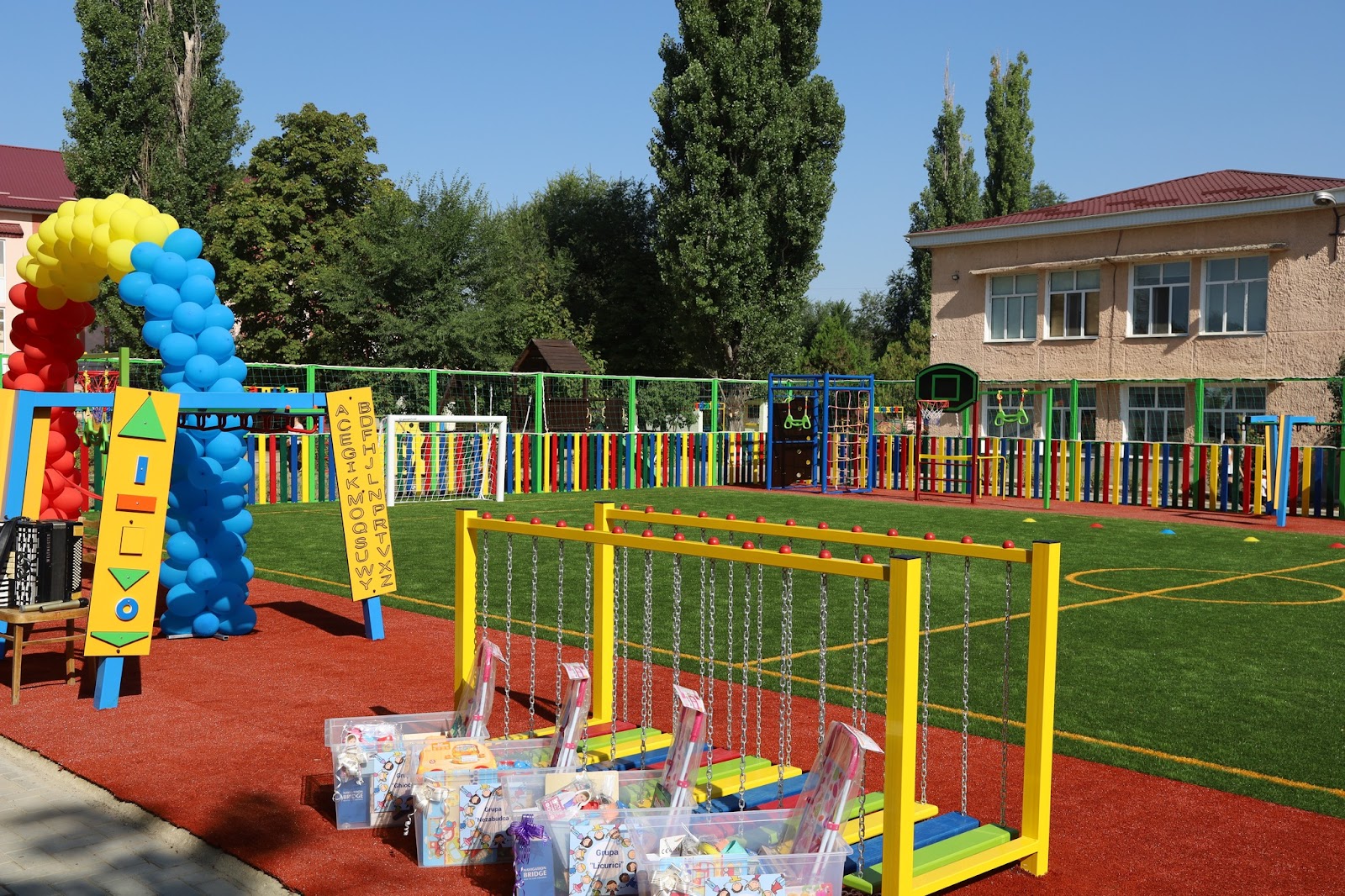
One of the first successful campaigns was launched by the city of Anenii Noi. Their campaign, Sports Ground – A Place for Inclusive and Fun Interaction for Parents and Children, aimed to create an inclusive playground for all children at the Andrieș kindergarten, including children from Ukrainian refugee families. Through the campaign, they raised nearly US$3,000, and additionally received financial contributions for the project’s implementation from the Moldovan government, other development partners, and Anenii Noi’s City Hall, as part of the 2024 edition of the National Program Diaspora Succeeds at Home (DAR).
“It was our first crowdfunding campaign, but thanks to the knowledge acquired in the Crowdfunding Academy, we were able to apply it in practice and we managed to realize our project successfully. Achieving such beautiful results motivates us to implement other projects via crowdfunding.”
– Olga Albu, project specialist, City of Anenii Noi.
In Strășeni Municipality, a successful crowdfunding campaign raised $5,100 to install city signs at the entrance and exit of Strășeni and the village of Făgureni, marking yet another win for community-driven funding efforts.
Crowdfunding also fosters community engagement. In the city of Ungheni, a campaign to build a shelter for stray dogs has mobilized local support through creative events, such as a charity raffle and a screening of the film Hachi: A Dog’s Tale. Although still ongoing, the campaign has already raised 40% of its funding goal, demonstrating the strong impact of local involvement.
“The Crowdfunding Academy gave us a great opportunity to strengthen our knowledge and develop new skills to involve the community in solving a problem. The wonderful trainers guided us to run crowdfunding campaigns in our localities and implement projects that benefit the citizens. We learned that only through involvement and joint efforts can we bring positive changes to our localities,” says Ina Olearciuc, Investment Attraction Specialist, City of Ungheni.
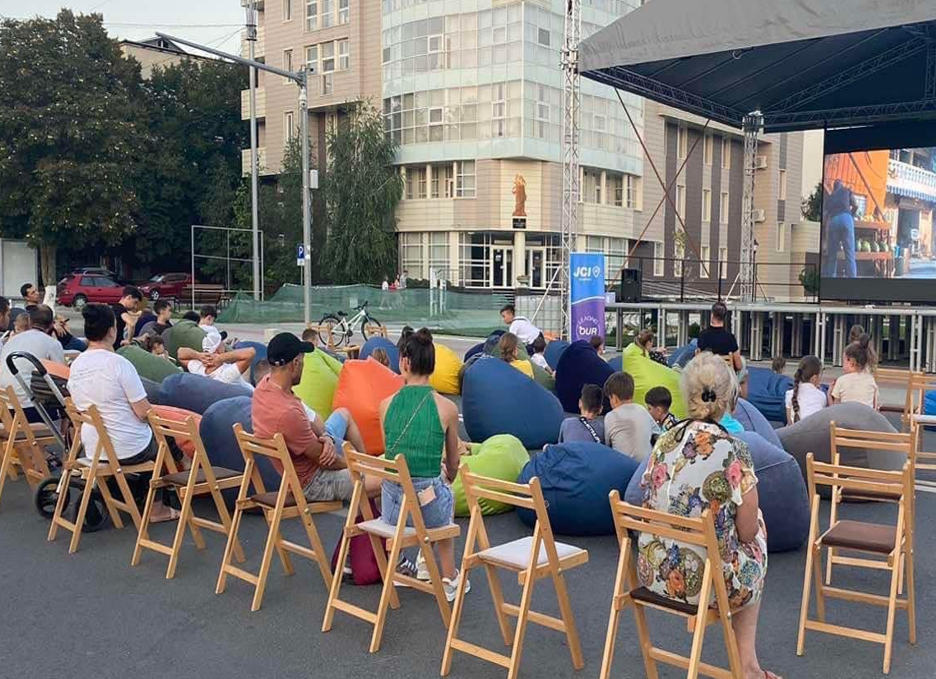
More municipalities from the Crowdfunding Academy in Moldova are gearing up to launch their crowdfunding campaigns, highlighting that crowdfunding is about much more than financial support – it’s also about building stronger, more involved communities. These initiatives, led by Moldovan municipalities, are proving that alternative funding methods, such as crowdfunding, can drive local development as well as community engagement.
Crowdfunding: From Charity to a Development Approach
In 2015, UNDP introduced crowdfunding as a development tool in Moldova, marking a fresh approach to community financing. During 2015 – 2022, UNDP and the Government of Switzerland provided support to 83 Hometown Associations to conduct dedicated campaigns, which attracted a total of $339,000 from more than 12,000 contributors, both locals and diaspora, funding projects that directly impacted the quality of life, economic stability, and environmental sustainability in their communities. The focus areas were the revitalization of public infrastructure, the lifecycle of construction and repair works, and the organization of waste management services etc.
This shift marked the evolution of crowdfunding in Moldova, moving from traditional charity campaigns, which were already common and familiar to the Moldovan public, to more sustainable development crowdfunding. Unlike charity crowdfunding, which typically seeks donations for immediate assistance or relief, development crowdfunding provides long-term investments with a focus on community growth and resilience.
See the UNDP Moldova guide on online instruments of fundraising.