The “city of coal” at a critical crossroads of Montenegro’s just transition
STRATEGIC INNOVATION
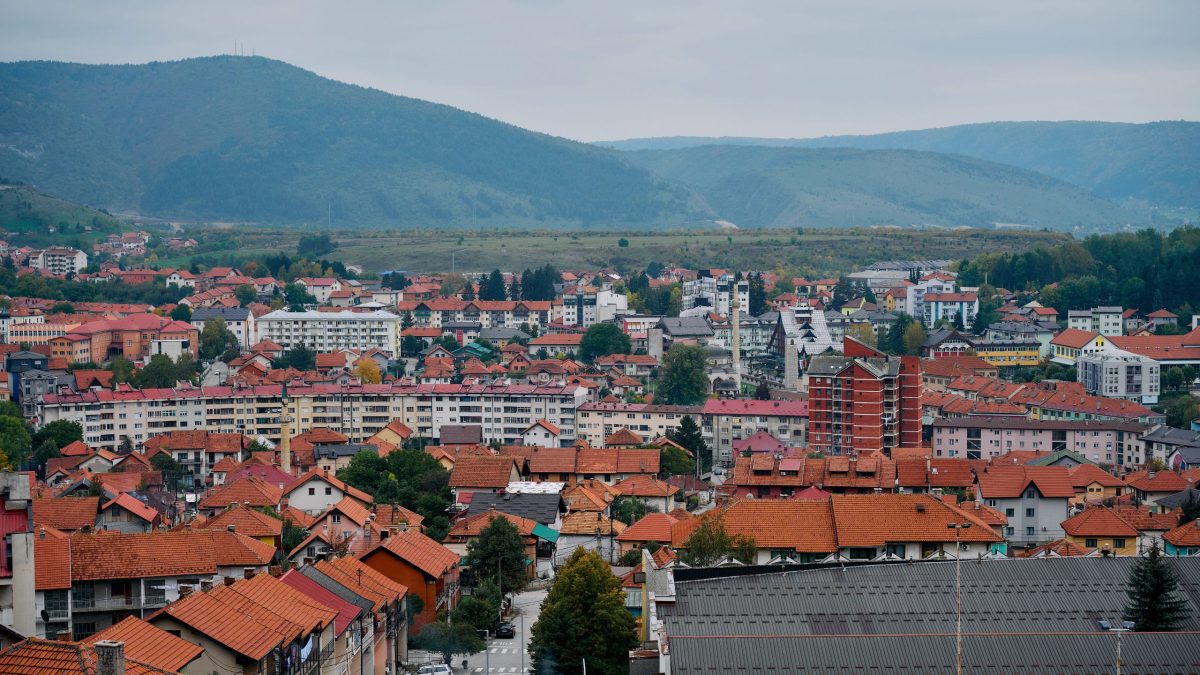
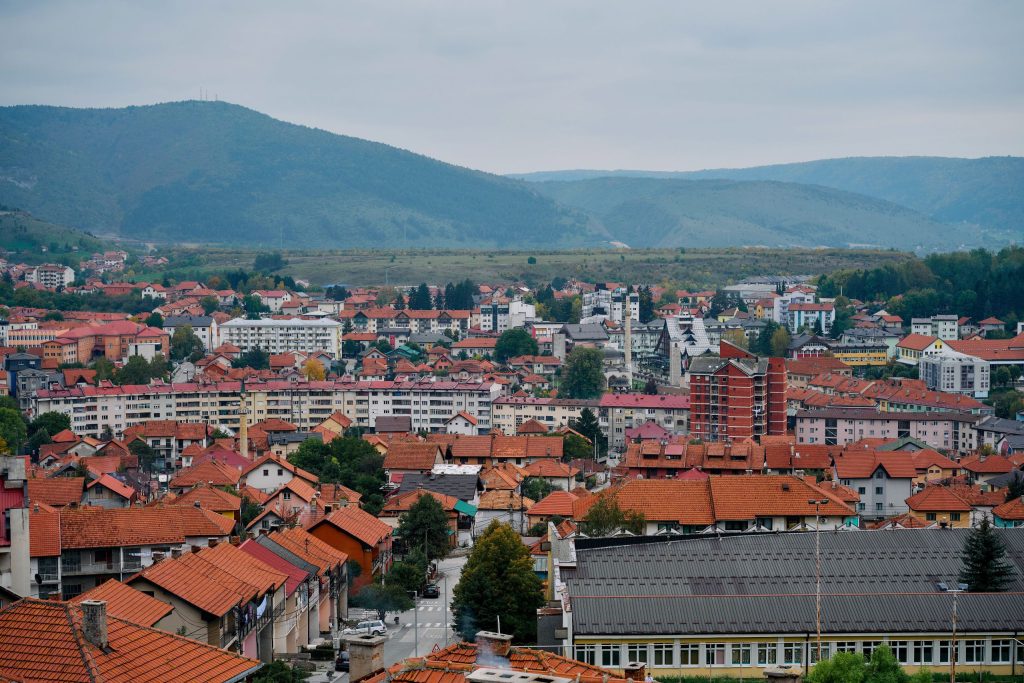
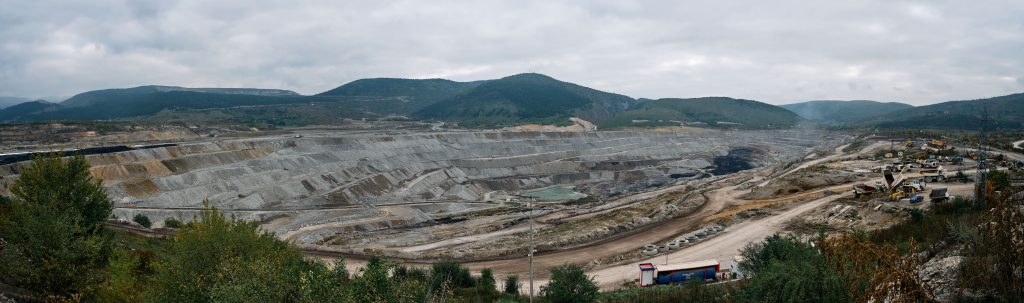
At the entrance to Pljevlja, in northern Montenegro, you are met with a familiar sight. Thick smog hides the small town, concealing all its colour and beauty. For most around here – and across the Balkans, Pljevlja is known only as the city of coal.
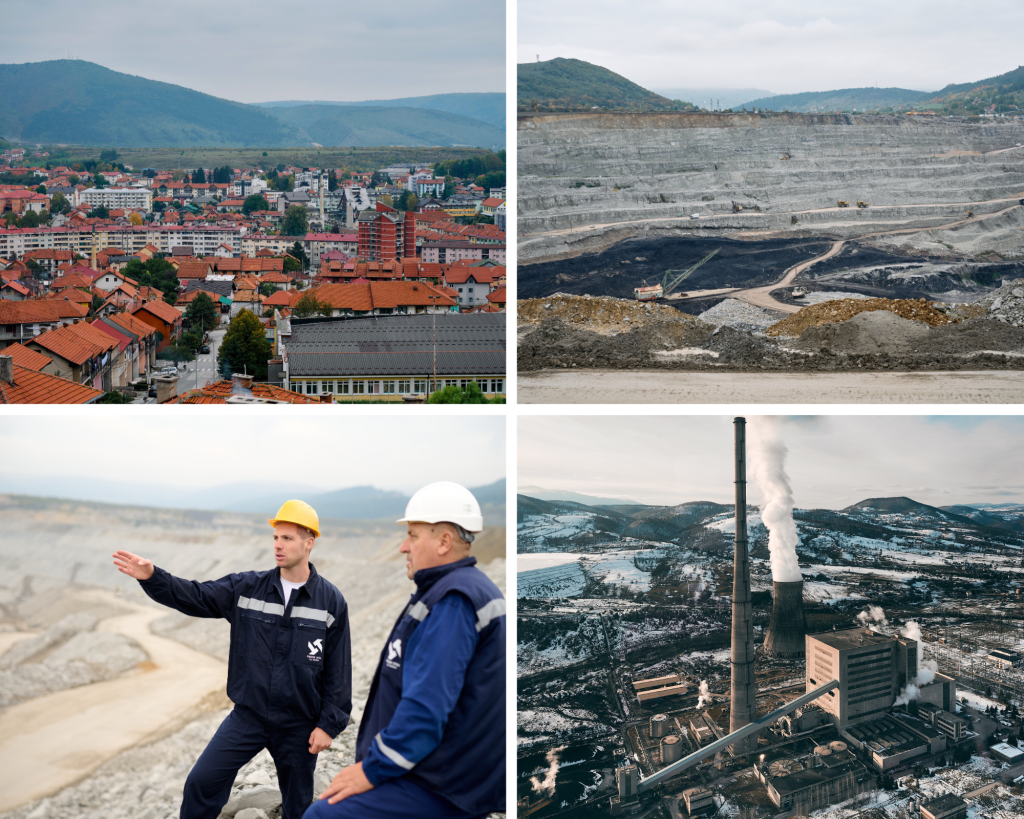
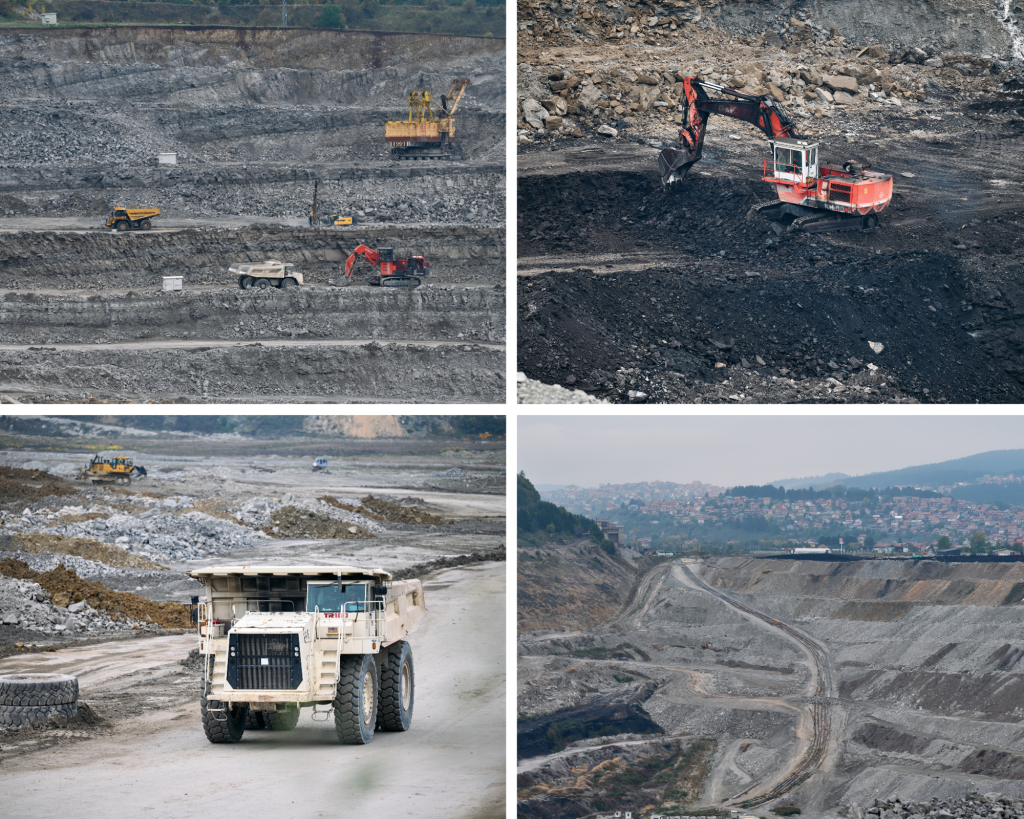
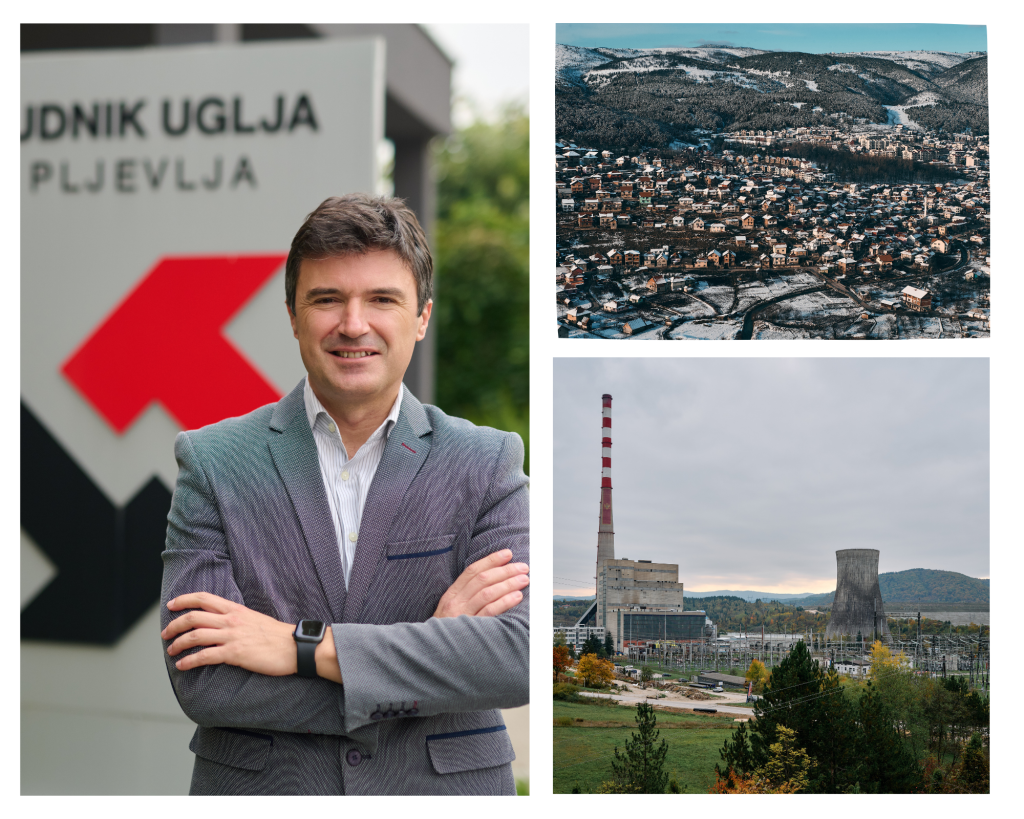
Wherever you go, you cannot escape the coal mine. Situated on the country’s northern border, Pljevlja is home to 23,000 residents, and two out of three workers are employed either in the mine or in coal-related industries. For most families, “black gold” is not only their main source of income but also a craft passed down through generations.
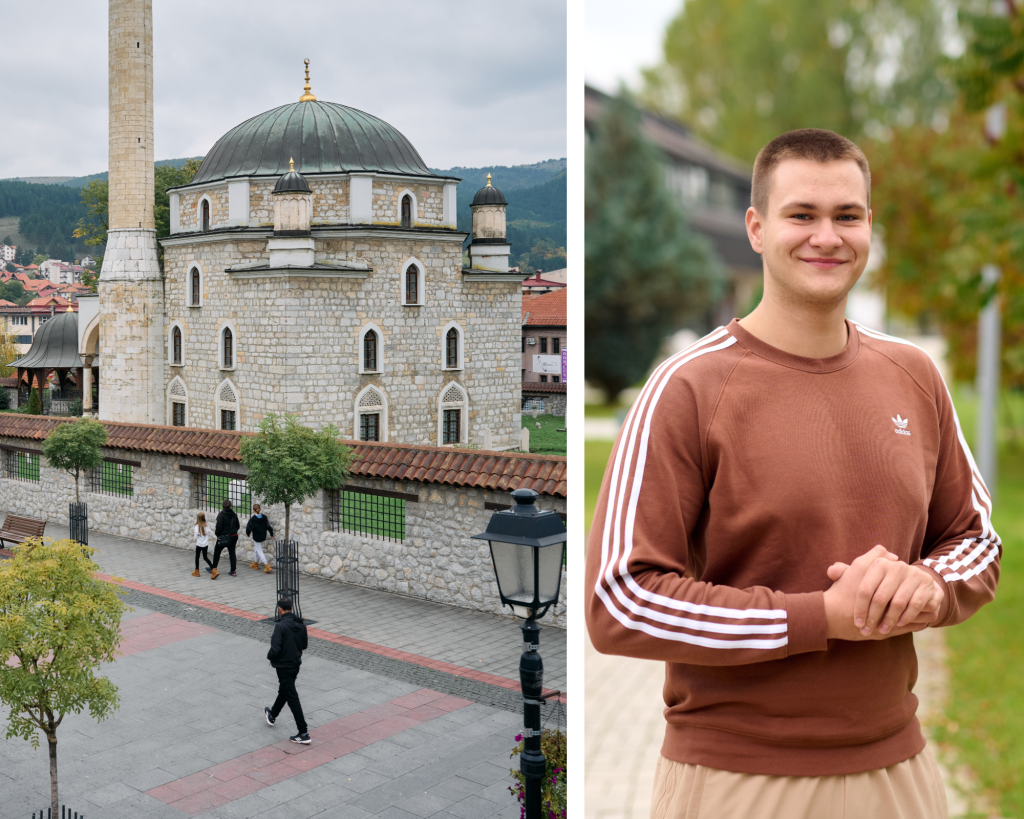
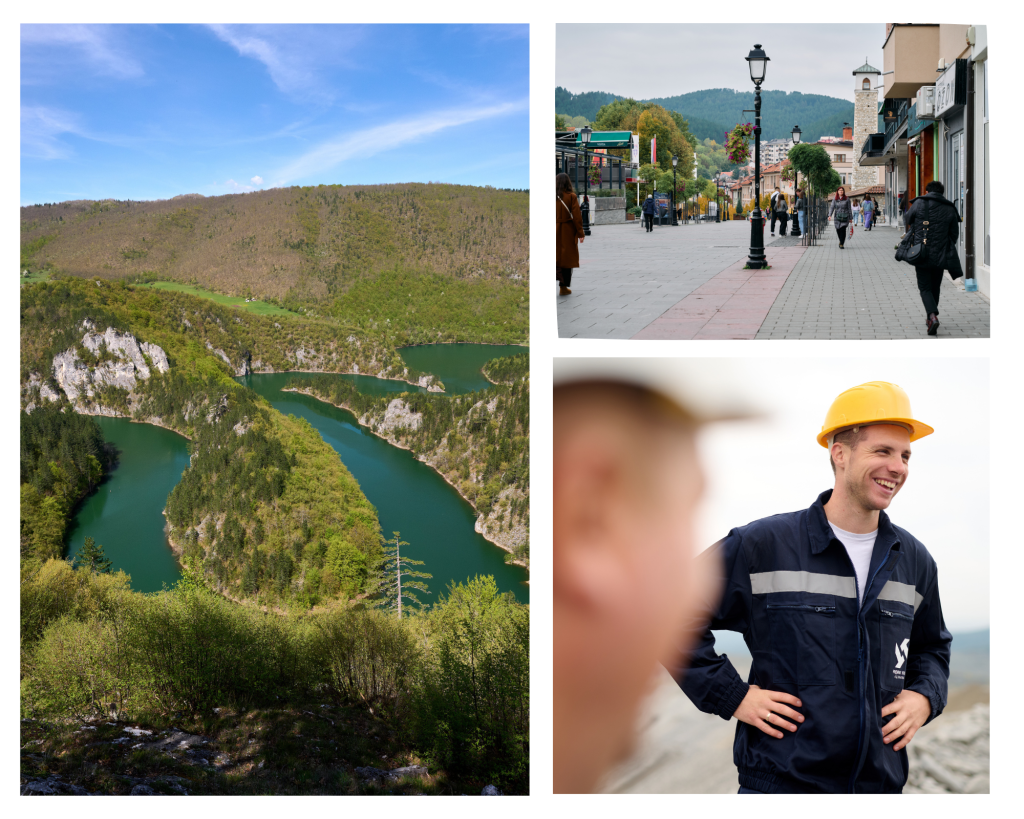
Photos: UNDP Montenegro / Duško Miljanić
Milenko Knežević is a young mining engineer for Coal mine Pljevlja. “I chose to study mining because I grew up in a neighbourhood close to this very pit, and somehow it was in my blood,” he explains. “Mining is dynamic and unpredictable. Something new always arises—that’s the nature of the job, and we work with that interaction.”
Pljevlja is also home to Montenegro’s only thermal power plant. Together with the mine, they have provided energy security since 1982, supplying 40 percent of the country’s total electricity. During dry periods, this percentage increases dramatically, when hydropower plants face difficulties producing electricity due to drought conditions, and the nation becomes almost entirely reliant on coal.
However, today Pljevlja stands at a critical crossroads.
Montenegro, in line with its international commitments, must carry out an energy transition and modernize its energy sector, which includes the gradual phase-out of coal in order to contribute to the goal of making Europe the first climate-neutral continent by 2050.
As Montenegro moves toward a just transition, this town that once powered the nation faces the challenge of diversifying its economy, adapting its energy infrastructure and securing a sustainable future for its residents in the era after coal extraction ends. Undergoing a transition like this requires support – and buy-in – from everyone in town, from the coal mine to the municipality to the citizens. UNDP is working together with them to meet the challenge with a sustainability action plan.
The state-owned company Coal mine Pljevlja has launched an ambitious business transformation program. A decrease in coal mining would have direct or indirect impact on the livelihoods of at least half the town. Targeted to close by 2040, the mine is actively developing 12 new ventures, striving to diversify its operations while retaining as much of its existing workforce as possible, transitioning then into new business fields.
“We came up with the idea to direct the resources the company possesses toward the free market, to explore the potential of new ventures and see how they could operate independently,” explains Milan Dragašević, Director of Strategic Planning and Business Transformation. “The workers would continue their jobs, but aligned with market needs.”
That includes construction services, asphalt production and road works, renewable energy (solar and small hydro), production of protective and technical equipment, geological and technical services, laboratory and testing services, IT and network services. “For those whose current roles are not seen as marketable, we plan to provide training for alternative professions,“ says Milan.
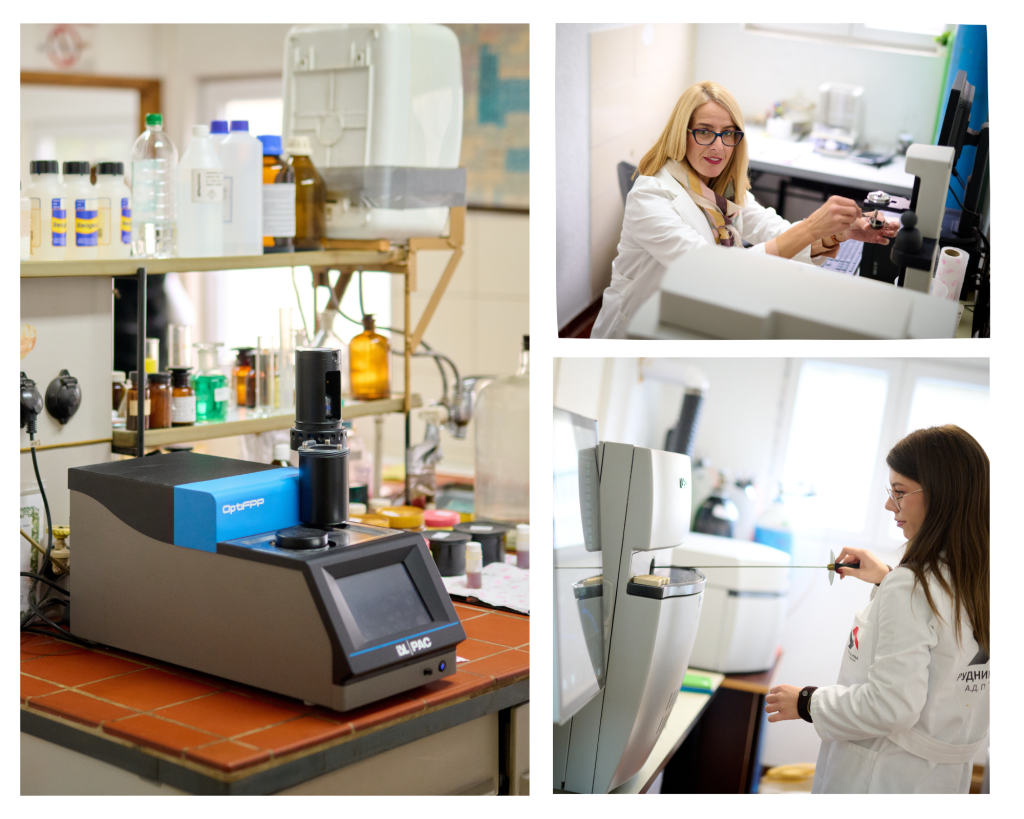
The laboratory currently used for coal quality testing is one of the units within the mine set for business transformation. It is actively performing tests to ensure both operational safety, market readiness and environmental protection, but in parallel has been working on the rigorous accreditation process.
“As part of the just transition taking place, we are pursuing international standards certification (ISO17025),” says Ana Kužić Milović, Head of Quality and Environmental Control. “We plan to expand beyond coal testing, potentially becoming a laboratory that can compete with leading global labs.”
When Ana moved to Pljevlja seven years ago, it was known for pollution and depopulation. She was driven by a vision that the town could one day become a place people return to. Regarding Pljevlja being the most polluted town in Montenegro, she emphasized the importance of energy efficiency measures. “We have this coal season that darkens our town, but as Pljevlja’s district heating system develops, I expect PM10 particles to decrease in the coming years.”
For several years now, Pljevlja and its partners have been actively investing in environmental projects, including water quality infrastructure, waste‑water systems, remediation of polluted sites and energy efficiency measures in housing, such as insulating buildings, construction of district heating and solar solutions, and introducing subsidies to switch to pellet heating instead of coal and wood. Through the words of the employees, one can sense pride in the town’s mining tradition, alongside a longing for a future that offers more than dependence on coal. The success of a just transition will ultimately depend on how these opportunities are translated into measurable, sustainable jobs for the town’s workforce.
Keeping people here, and attracting new ones, is important in this transition process. Much hope is placed on the younger generations, which are organizing themselves and seeking new opportunities to learn, bring innovations and contribute to the town’s transformation.
Six years ago, the NGO In Step with Science (KSAN) already thinking about how to bring life back to their hometown and strengthen the next generation’s readiness for the future of work.
So they organized the Engineering Summer School of Science, bringing together young engineering students to talk about innovation, science, AI and clean energy. At the summer school openings, many young people gather to learn more, and older residents come by to see what’s happening and show interest.
Tadija Janjušević, a student at the Pljevlja Secondary School of Electrical Engineering, who spends his summers volunteering as a mentor at the summer science school, explains the stark reality that many youth do not see opportunities for themselves in Pljevlja beyond secondary school.
“If a university were to open here, I might consider studying in Pljevlja, but it would depend on the quality of the institution. I am a good student and set high goals for myself. I don’t see how I could achieve the goals I’ve set in life while staying here, though that doesn’t mean I won’t return if the situation improves, or if there are employment opportunities beyond the Mine and the Thermal Power Plant”, Tadija says firmly.
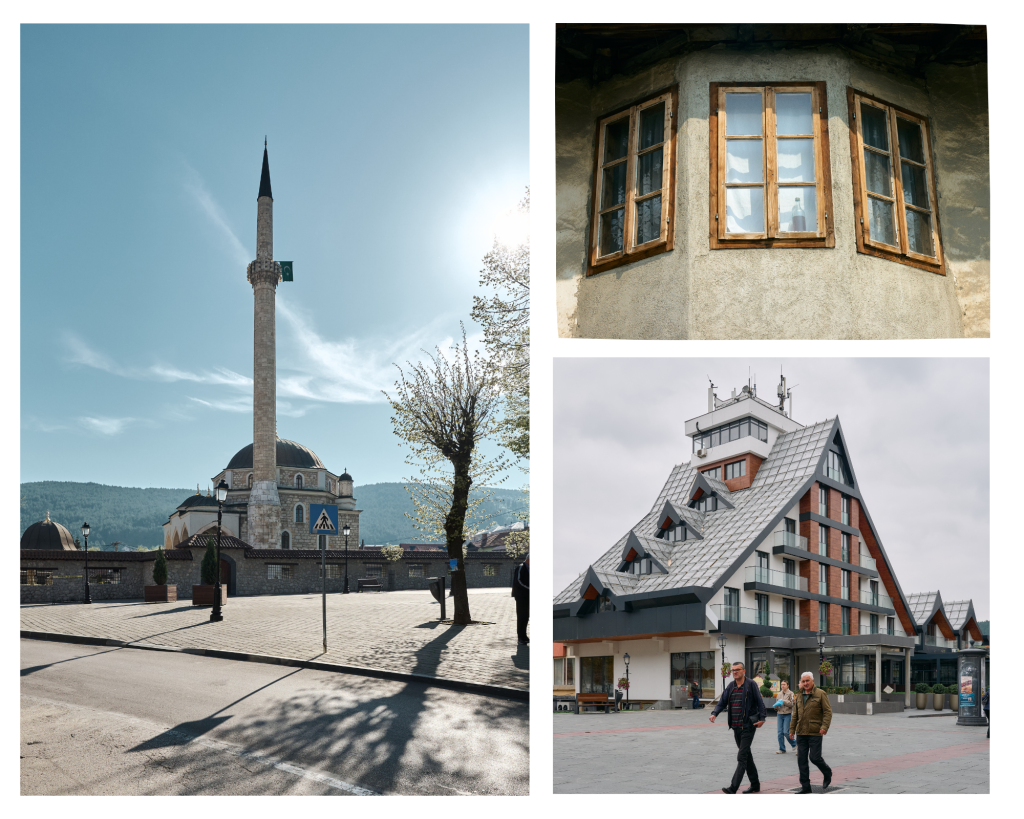
Beyond the mine, life in Pljevlja is picturesque and deeply rooted in history. The town sits at the crossroads of cultural routes, where different religions and communities have coexisted harmoniously for centuries. Pljevlja is surrounded by forests and stunning natural landscapes, making it ideal for agriculture and livestock farming and tourism alike. The famous meanders of the Ćehotina River and the Tara River canyon offer immense potential for the development of sustainable tourism, which is part of several steps of the municipality’s plan.
“There are so many beautiful spots and charming villages just outside the town, and enormous potential that few truly recognize. I think that could change, because people want to experience beautiful nature,” says Milenko optimistically.
The town and its residents are now testing the limits of innovation and resilience, collectively searching for a future in which Pljevlja can continue to provide livelihoods, prosperity and employment, even in the era after the mine’s closure.
UNDP, through the City Experiment Fund initiative, supports Pljevlja’s transformation through efforts to diversify the local economy, reduce air pollution and improve energy efficiency. Aligned with the EU Green Deal, Montenegro’s Reform Agenda and broader EU accession and decarbonization commitments, the initiative supports re-skilling and up-skilling the workforce, encourages investments in green infrastructure and innovation and ensures that no community or worker is left behind in the just transition process.
The City Experiment Fund collaborates with cities across Europe and Central Asia to tackle complex urban challenges through strategic innovation and experimentation. It is made possible with the financial support of the Ministry of Finance of the Slovak Republic.
The United Nations Development Programme (UNDP) will convene Scaling Blockchain for Public Good, a two-day high-level event bringing together blockchain ecosystem leaders, governments, development organizations, and academic institutions to explore the practical pathways through which blockchain […]
INNOVATIVE FINANCE, NEW TECHNOLOGIES, STRATEGIC INNOVATION | 16.04.2026
In 2025, the SDG Blockchain Accelerator delivered 46 pilot- and implementation-ready solutions, with 12 already entering real-world testing. Developed across two global cohorts, 70% of […]