
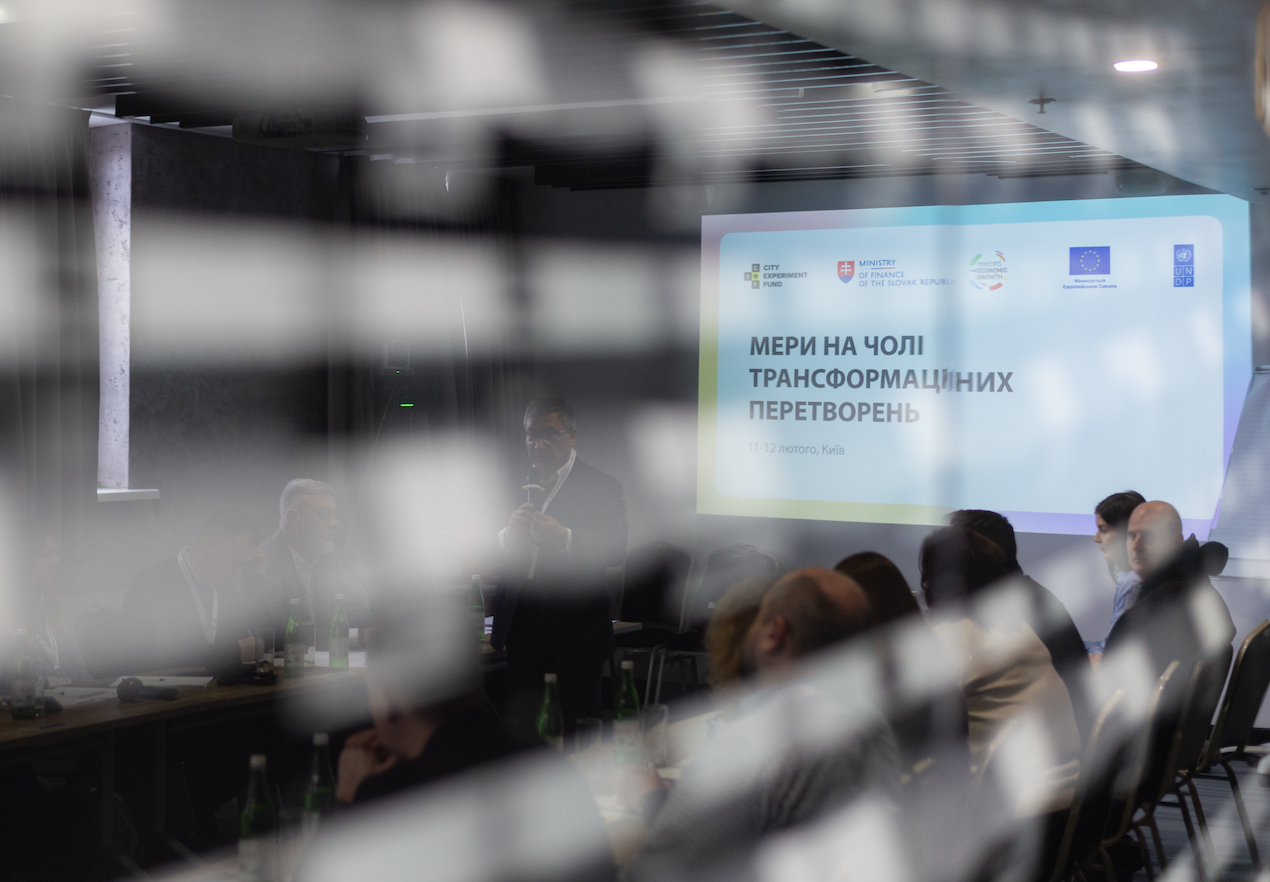
M4EG: Leading cities when the compass fails
Originally posted at M4EG’s website, read the full article here. When familiar maps no longer work and the compass starts to spin, leadership is about […]


More than 30 years after the Soviet Union’s collapse, cities in Eastern Europe and Central Asia still face economic stagnation, aging infrastructure, and new pressures from climate change and conflict. Traditional urban planning, which often tackles problems in isolation, struggles to respond to these complex, interconnected challenges.
Since 2021, UNDP has worked with 15 cities in the region to take a more systemic approach—advancing portfolios of solutions that align social, environmental, and economic goals. These include transforming biowaste, redesigning streets for cleaner air, and creating green jobs.
Through this work, four key lessons have emerged to help cities move beyond fragmented efforts and embrace inclusive, adaptive urban development. Read the full article published in the Stanford Social Innovation Review.
RELATED POSTS
Originally posted at M4EG’s website, read the full article here. When familiar maps no longer work and the compass starts to spin, leadership is about […]
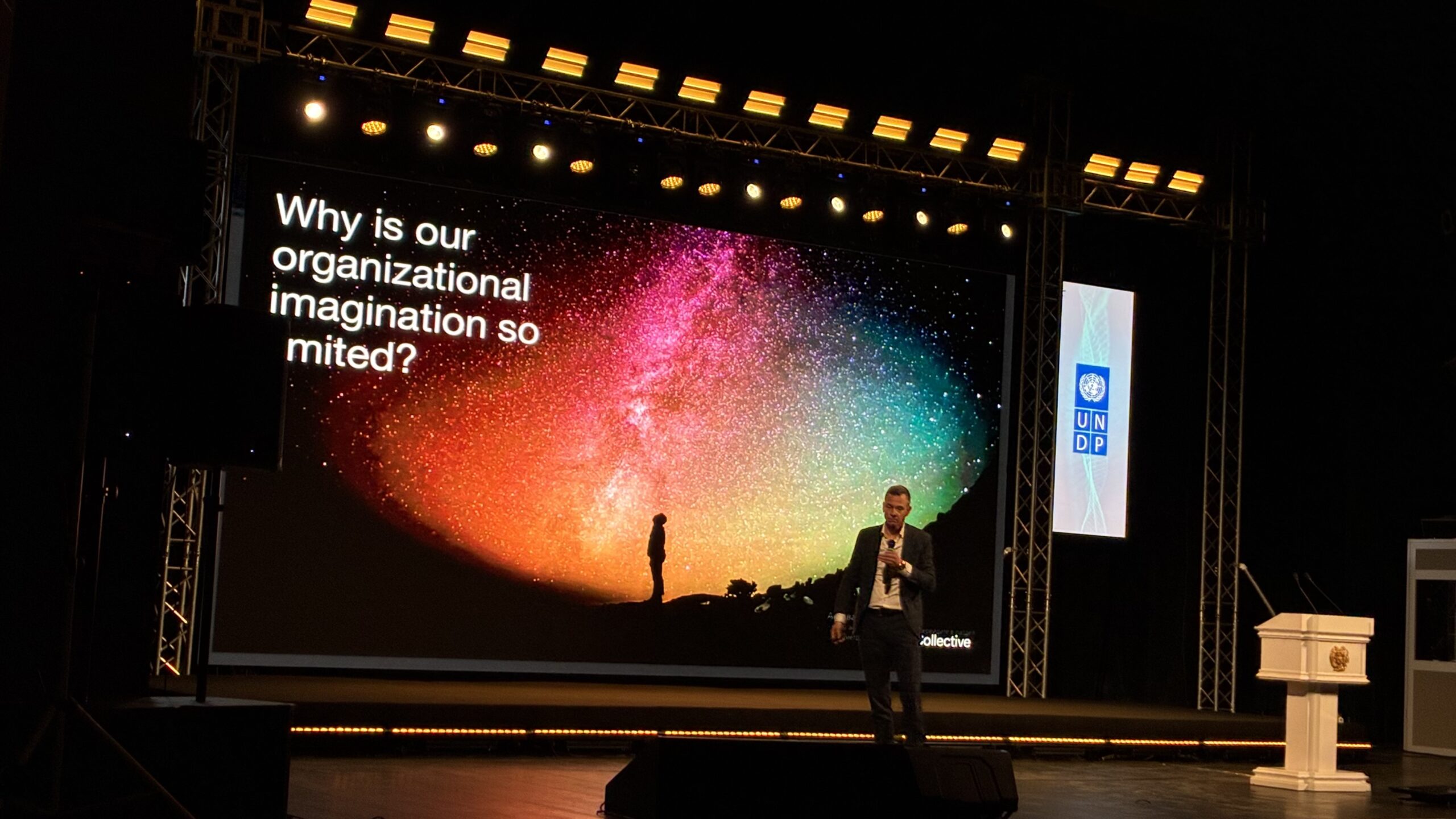
Originally posted at M4EG’s website, read the full article here. Cities rarely move in straight lines. A tourism problem is also a skills problem, a […]
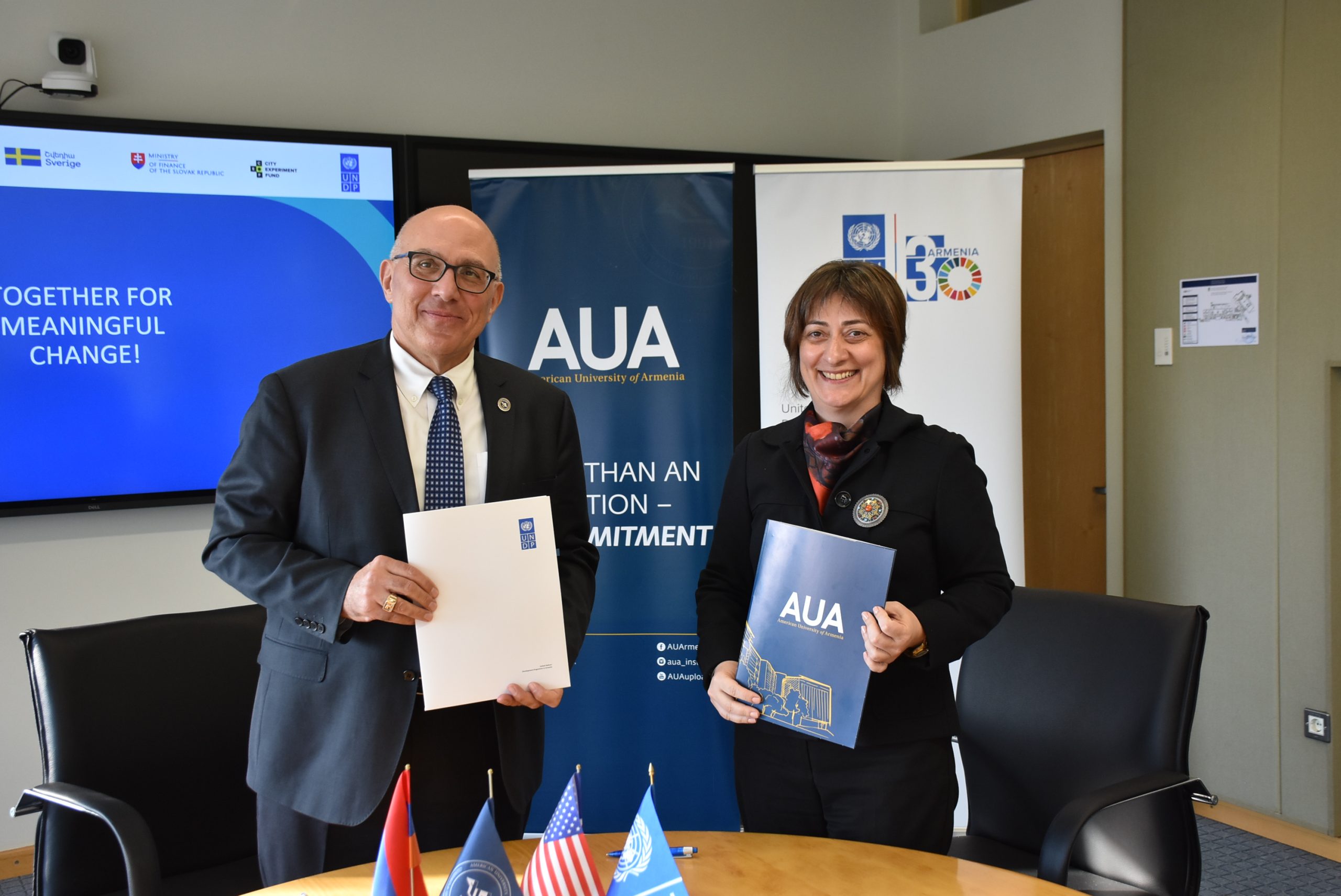
The United Nations Environment Programme (UNEP), through its Climate and Clean Air Coalition (CCAC), has approved over US$2.2 million in funding to accelerate Armenia’s transition […]