SDG Blockchain Accelerator: Driving SDG Impact in 2025
In 2025, the SDG Blockchain Accelerator delivered 46 pilot- and implementation-ready solutions, with 12 already entering real-world testing. Developed across two global cohorts, 70% of […]
The following piece was first published on the AltFinLab blog and was originally published on December 7, 2016.
The idea of tackling the problem of low fruit intake in Moldova came during a banal lunch. We were intrigued by the paradox that in a country that is a regional “garden”, abundant in fruits and vegetables, the average consumption of these goodies constituted only 60% of the minimum WHO recommended quantity.
We then thought about connecting the private sector represented by the fruit producers with the educational institutions, targeting the young generations of our country, where the culture of fruit consumption is just about to be shaped.
Our mission was to increase children fruit consumption, by offering them local fresh apples, sliced and delivered in an attractive package, thus making the consumption process “cool” for them.
The challenges were numerous:
We believed too much in our idea, however, so proceeded with collecting the necessary knowledge, people and money. Whereas knowledge is what UNDP can bring in by helping with development of new products, people and money was the most difficult part. And here UNDP again proved to play innovatively. The office in Chisinau launched its first crowdfunding campaign and raised over 12.000 US dollars in less than two months from local private companies and individuals from more than 20 countries. Whether we owe our success to the dramatic apple story , the endorsement of Jamie Oliver, or the support of all those who believed in this initiative, is left to be discovered. We believe it was a mix of all of the above and many more mesmerizing processes that come with handling a “newborn” project.

The most interesting part, however, was about to follow: the design of the snack package that we developed together with the children beneficiaries of the project by democratic vote, the nutritional sessions organized in schools together with a medical institution and the launch of the product itself in schools.
What we have learned:
When starting the distribution in schools, we witnessed various reactions from children and teachers. Children played for ages with the package, counting the vitamins on it, stated that the slices are cool and the tastiest they have ever tried (we will consider here the margin of error driven by the childhood enthusiasm), while the teachers were amazed that even those children that don’t normally eat fruits, ate all the apple slices. Those few moments were the ones that made the game worth the candle.
The following piece was first published on the AltFinLab blog and was originally published on December 7, 2016.
The idea of tackling the problem of low fruit intake in Moldova came during a banal lunch. We were intrigued by the paradox that in a country that is a regional “garden”, abundant in fruits and vegetables, the average consumption of these goodies constituted only 60% of the minimum WHO recommended quantity.
We then thought about connecting the private sector represented by the fruit producers with the educational institutions, targeting the young generations of our country, where the culture of fruit consumption is just about to be shaped.
Our mission was to increase children fruit consumption, by offering them local fresh apples, sliced and delivered in an attractive package, thus making the consumption process “cool” for them.
The challenges were numerous:
We believed too much in our idea, however, so proceeded with collecting the necessary knowledge, people and money. Whereas knowledge is what UNDP can bring in by helping with development of new products, people and money was the most difficult part. And here UNDP again proved to play innovatively. The office in Chisinau launched its first crowdfunding campaign and raised over 12.000 US dollars in less than two months from local private companies and individuals from more than 20 countries. Whether we owe our success to the dramatic apple story , the endorsement of Jamie Oliver, or the support of all those who believed in this initiative, is left to be discovered. We believe it was a mix of all of the above and many more mesmerizing processes that come with handling a “newborn” project.

The most interesting part, however, was about to follow: the design of the snack package that we developed together with the children beneficiaries of the project by democratic vote, the nutritional sessions organized in schools together with a medical institution and the launch of the product itself in schools.
What we have learned:
When starting the distribution in schools, we witnessed various reactions from children and teachers. Children played for ages with the package, counting the vitamins on it, stated that the slices are cool and the tastiest they have ever tried (we will consider here the margin of error driven by the childhood enthusiasm), while the teachers were amazed that even those children that don’t normally eat fruits, ate all the apple slices. Those few moments were the ones that made the game worth the candle.
RELATED POSTS
In 2025, the SDG Blockchain Accelerator delivered 46 pilot- and implementation-ready solutions, with 12 already entering real-world testing. Developed across two global cohorts, 70% of […]
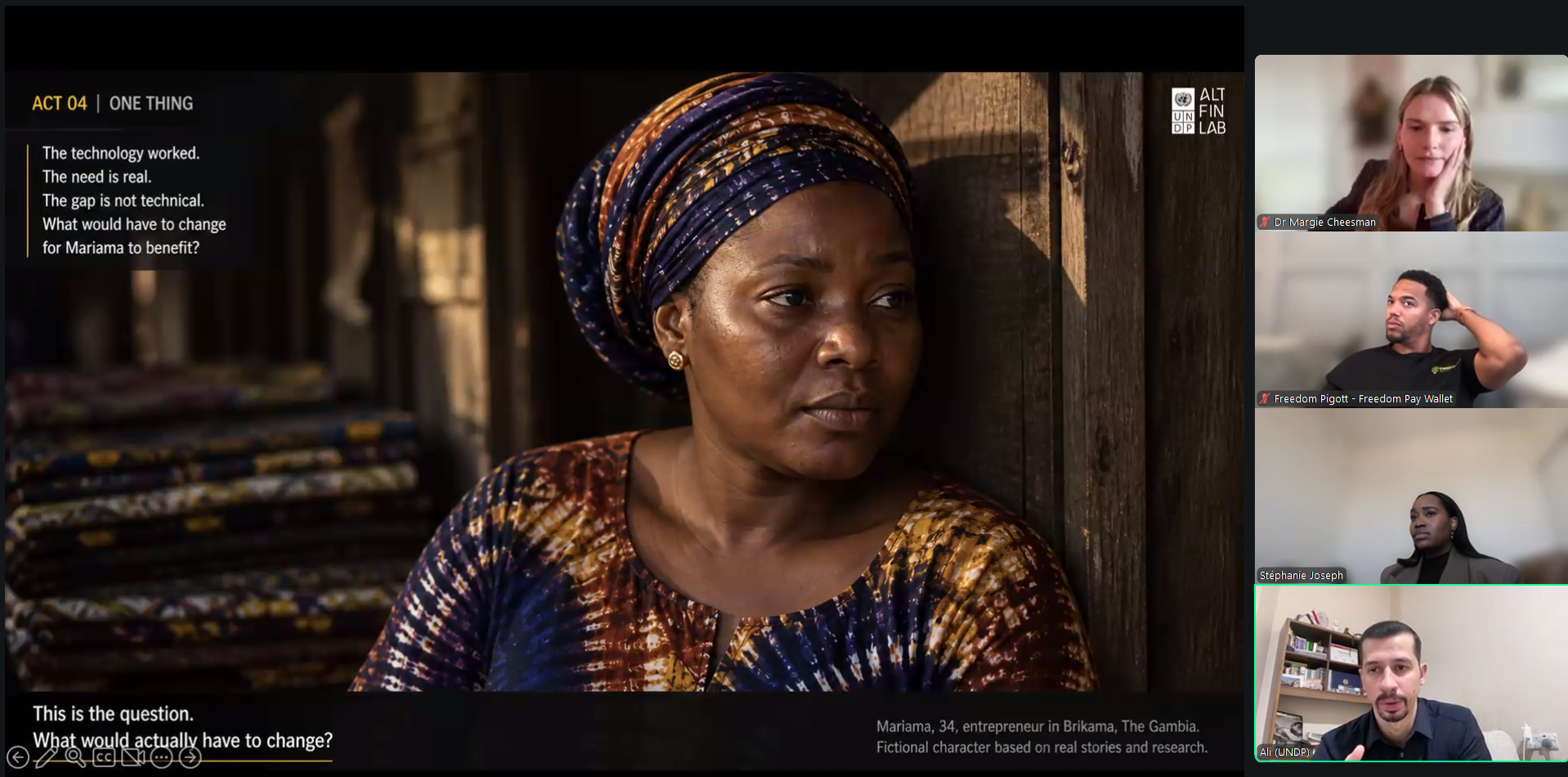
There’s a question that doesn’t get asked enough in digital finance: what does “working” actually mean when you’re operating at the last mile? Digital payments […]
UNDP has released a new publication, “New Tech, New Partners: Transforming development in the digital era – A snapshot of UNDP’s blockchain practice,” offering a […]