
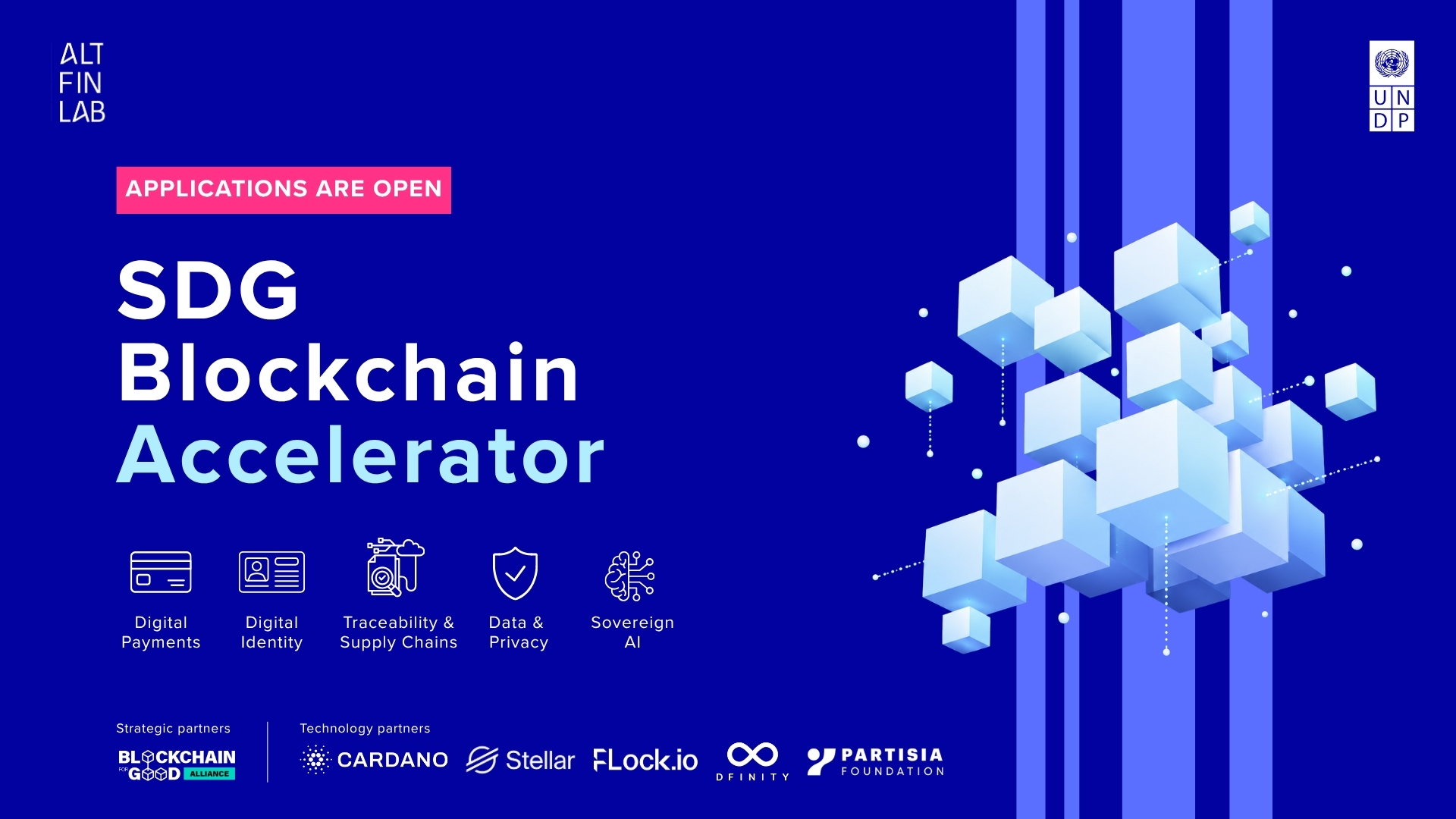
UNDP AltFinLab invites UN teams to apply for the 2026 SDG Blockchain Accelerator
The third edition will help UN teams turn challenges from active programmes into practical, scalable solutions with support from leading blockchain and AI partners.

She is in her 30-ies, borderless, decentralised and the Master-Mind of “Governance 2.0”, the BitNation. Her name is Susanne Tarkowski Tempelhof and she shook the minds of #UNDPCrowd yesterday, as the Sun set down over Bosporus and the room was getting hot, powered by each person emitting 100 Watts worth of heat. 100×70=7kW heat. It is so hot I can’t think.
What the hack is BitNation?
I’ll quote them as that is the zest of their existence: „BitNation does not care where in the world you are from, where you live, or what passport you hold. Everyone has the right to enjoy high-end, competitive governance services.” And that is the point behind a gal who left school when she was fifteen and is self-thought since. She did quite well with self-education as she managed to crack-down and understand all the complexities and the opportunities of new technologies and she came-up with a borderless, decentralised, voluntary platform that is able to provide services in an alternative way. She did it so well that just recently the Estonian government approached her and now they work in partnership to provide public notary services to Estonia E-residency Programme!
The Internet of the 21st century
What technology I am talking about? The blockchain. A new database that will make us to re-write everything. For developers, the blockchain concept represents a paradigm shift in how software engineers will write software applications in the future, and it is one of the key concepts that needs to be well understood. Watching a short video “The Bitcoin and Blockchain Technology Explained” would be a good starting point to try to understand it. The next step of understanding would be reading my colleagues recent blog on Talking in tongues: From crypto currencies to breaking blockchains.
And do not even think you’ll understand it afterwards. You’ll only have more questions but that is fine – we need to start searching for the answers and we need to do it fast! Why?
We need SHIFTs
The same as for software developers, we, development professionals, need a paradigm shift in how we do work, how that work gets financed and how we assist governments to better do their jobs – to provide services in more efficient way to more citizens with less of those excluded from services for whatever reason. The blockchain technology brings the opportunities, besides cryptocurrencies, to do much more in less time, with less costs and through distributed networks. Distributed means more resilient, less controlled but transparent and secure as it is verified in such a way that is impossible to cheat. You can issue birth certificates, travel documents, credit cards, cryptocredit cards, land ownership certificates… by using blockchain technology. It is fast, efficient and cheap(er) then how it is done now.
The key message I was hearing yesterday (and today!) was “We need to change”.
We need to re-think the institutional architecture and to create the right institutional infrastructure that would make this innovative governance and funding models to work. The change needs to be systemic as only in that way we can solve systemic development problems the world is facing. There is no one, single “silver bullet” solution. Solutions are decentralised and borderless, people are part of solutions, technologies such as blockchain can be the backbone of it. But we need to understand it. We need to try it, we need to be able to fail, failing is a part of the process when you need to create a change in the system. It takes 10 years to change a system, said Paul Currion known for have been working in immediate response and relief to disasters and for re-thinking how that relief can be rapid, trackable, with low transaction costs and can give people what they need when they need it.
Do we want to be able to give people what they need, do it fast and efficient? Then we need to urgently set-up an alternative finance research unit and start trying how this works in real time with real people. We need to be THE new kid on the block!
She is in her 30-ies, borderless, decentralised and the Master-Mind of “Governance 2.0”, the BitNation. Her name is Susanne Tarkowski Tempelhof and she shook the minds of #UNDPCrowd yesterday, as the Sun set down over Bosporus and the room was getting hot, powered by each person emitting 100 Watts worth of heat. 100×70=7kW heat. It is so hot I can’t think.
What the hack is BitNation?
I’ll quote them as that is the zest of their existence: „BitNation does not care where in the world you are from, where you live, or what passport you hold. Everyone has the right to enjoy high-end, competitive governance services.” And that is the point behind a gal who left school when she was fifteen and is self-thought since. She did quite well with self-education as she managed to crack-down and understand all the complexities and the opportunities of new technologies and she came-up with a borderless, decentralised, voluntary platform that is able to provide services in an alternative way. She did it so well that just recently the Estonian government approached her and now they work in partnership to provide public notary services to Estonia E-residency Programme!
The Internet of the 21st century
What technology I am talking about? The blockchain. A new database that will make us to re-write everything. For developers, the blockchain concept represents a paradigm shift in how software engineers will write software applications in the future, and it is one of the key concepts that needs to be well understood. Watching a short video “The Bitcoin and Blockchain Technology Explained” would be a good starting point to try to understand it. The next step of understanding would be reading my colleagues recent blog on Talking in tongues: From crypto currencies to breaking blockchains.
And do not even think you’ll understand it afterwards. You’ll only have more questions but that is fine – we need to start searching for the answers and we need to do it fast! Why?
We need SHIFTs
The same as for software developers, we, development professionals, need a paradigm shift in how we do work, how that work gets financed and how we assist governments to better do their jobs – to provide services in more efficient way to more citizens with less of those excluded from services for whatever reason. The blockchain technology brings the opportunities, besides cryptocurrencies, to do much more in less time, with less costs and through distributed networks. Distributed means more resilient, less controlled but transparent and secure as it is verified in such a way that is impossible to cheat. You can issue birth certificates, travel documents, credit cards, cryptocredit cards, land ownership certificates… by using blockchain technology. It is fast, efficient and cheap(er) then how it is done now.
The key message I was hearing yesterday (and today!) was “We need to change”.
We need to re-think the institutional architecture and to create the right institutional infrastructure that would make this innovative governance and funding models to work. The change needs to be systemic as only in that way we can solve systemic development problems the world is facing. There is no one, single “silver bullet” solution. Solutions are decentralised and borderless, people are part of solutions, technologies such as blockchain can be the backbone of it. But we need to understand it. We need to try it, we need to be able to fail, failing is a part of the process when you need to create a change in the system. It takes 10 years to change a system, said Paul Currion known for have been working in immediate response and relief to disasters and for re-thinking how that relief can be rapid, trackable, with low transaction costs and can give people what they need when they need it.
Do we want to be able to give people what they need, do it fast and efficient? Then we need to urgently set-up an alternative finance research unit and start trying how this works in real time with real people. We need to be THE new kid on the block!
RELATED POSTS
The third edition will help UN teams turn challenges from active programmes into practical, scalable solutions with support from leading blockchain and AI partners.
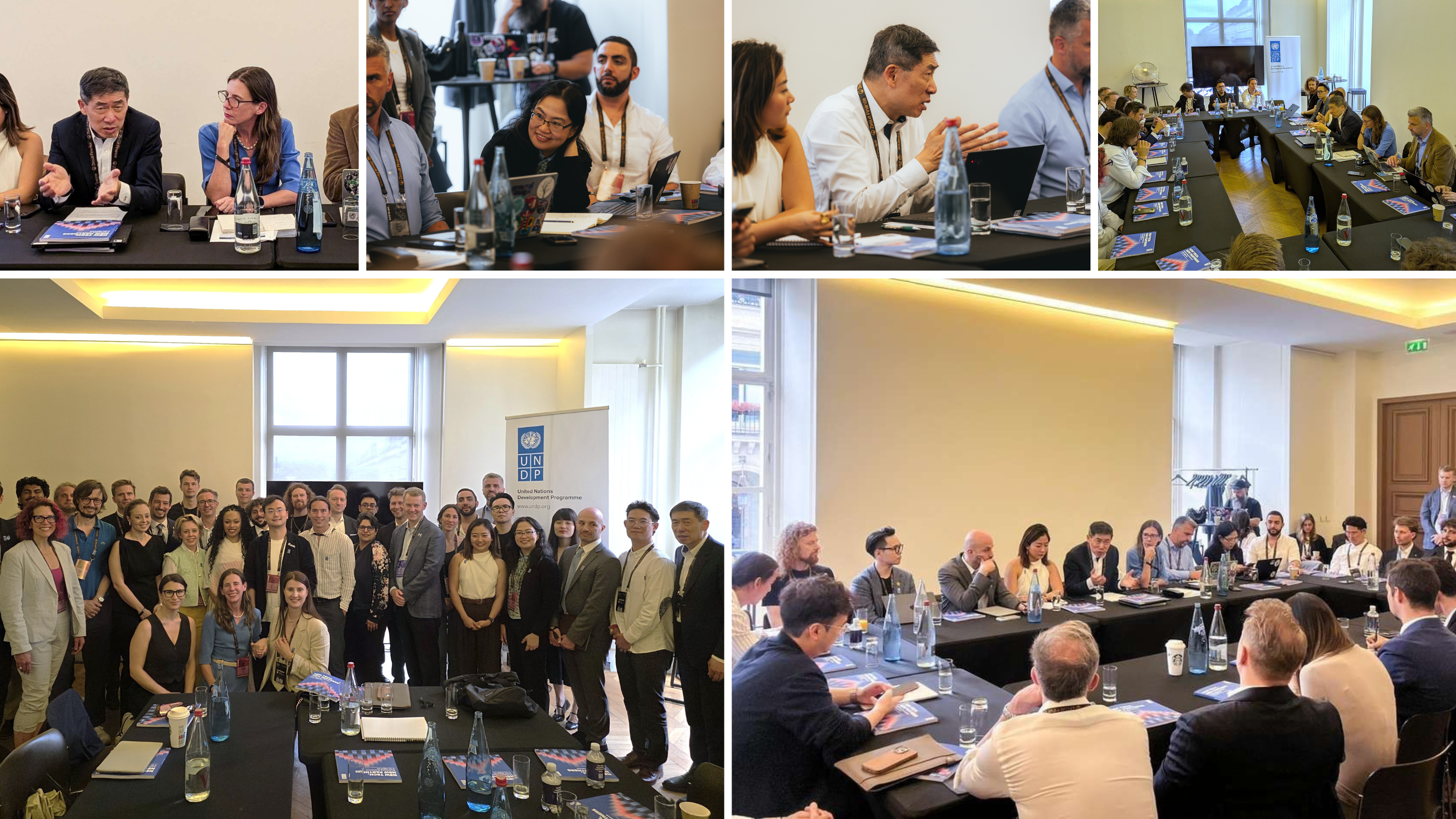
Insights from UNDP’s Paris Convenings
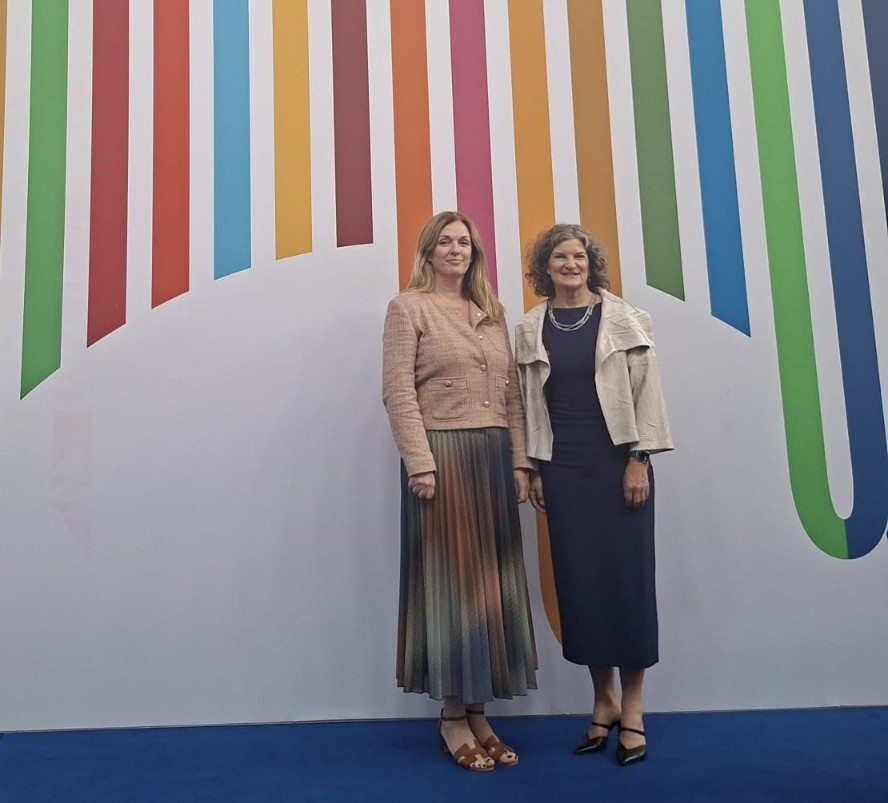
UNDP and the Stellar Development Foundation extend their partnership to scale blockchain-based digital payment solutions across country office programmes.